Key Takeaways
- 🦎 Madagascar broke away from the mainland so long ago that roughly 90% of its wildlife and plants live nowhere else on Earth — more than a hundred kinds of lemur, around half the world's chameleons, and the fossa.
- 🦎 The island earned its place on the 2027 shortlist on wildlife and landscape, not on crowds — it is still one of the quieter big-ticket destinations.
- 🦎 2027 is a real milestone year for its forests: a forest corridor at Andasibe-Mantadia completes in December 2027, joining two reserves that lemurs can already be seen moving between.
- 🦎 The dry season, roughly April to November, is the main travel window; whales pass the east coast from July to September and whale sharks gather off Nosy Be from October to December.
- 🦎 Madagascar rewards slow, private travel. Roads are long and the best sightings come with a good local guide and an unhurried plan.
Every year a handful of destinations land on the global "where to go next" lists, and most of the time the reasons are thin. Madagascar on the 2027 shortlist is not one of those cases. It is one of the few places on the planet where the wildlife is almost entirely its own — animals and plants that exist here and nowhere else, the product of tens of millions of years of evolution running in isolation off the east coast of Africa.
We have been planning trips to Madagascar for years, long before it was on anyone's list, so this is the honest version rather than the brochure one. What follows is the real case for 2027: why the island is unlike anywhere else, where you should actually point your time, what is happening on the ground this coming year, and how to put a trip together that works — because Madagascar is one place where the planning genuinely decides the trip.
Why Madagascar, and why now
Start with the single fact that drives everything else. Madagascar separated from the African mainland around 160 million years ago and from the Indian subcontinent around 90 million years ago. Cut off for that long, its wildlife went its own way. Roughly nine in ten of the island's plants and land animals are endemic — found on this one island and nowhere else. Biologists sometimes call it the eighth continent, and for once that is not marketing; it is closer to a plain description of how different the place is.
That is the case for "why Madagascar". The case for "why 2027" is partly timing. The island is still, by the standards of the world's famous wildlife destinations, lightly visited. You are not queuing behind a line of vehicles at a sighting. The infrastructure is improving year on year without the place losing its character. And 2027 happens to be a meaningful year for the forests themselves, which we come back to below. Being named one of the best places to travel in 2027 will bring more attention; going while it is still quiet is the advantage.
The wildlife you came for
The lemurs are the headline, and they deserve to be. There are more than a hundred recognised kinds, from the indri — the largest, a tailless animal the size of a small child whose dawn call carries for more than a kilometre through the rainforest — down to mouse lemurs that sit comfortably in the palm of a hand. In between are the ring-tailed lemurs of the south, the dancing Verreaux's sifaka that cross open ground in a sideways leap, and the golden bamboo lemur of Ranomafana, a species only described by science in the 1980s.
Beyond the lemurs, the island holds around half the world's chameleon species, from the big panther chameleon in its reds and greens to some of the smallest reptiles on Earth. The fossa — a long, muscular, cat-like predator found only here — is the island's top hunter and works the lemurs through the trees; the dry forest of Kirindy is the classic place to see one. Add the leaf-tailed geckos that vanish against bark, the tomato frogs, and a bird list full of species you will not find on the mainland, and the appeal is clear: this is a place for travellers who want wildlife they cannot see anywhere else.
What is happening in 2027
Here is the part most round-ups miss. Madagascar's forests have been under real pressure for decades, and 2027 is a year when some of the work to reverse that reaches a mark worth travelling for.
At Andasibe-Mantadia, the community-run organisation Mitsinjo has been planting a forest corridor to reconnect two separated blocks of rainforest — the national park and the smaller Analamazaotra reserve. The corridor is on track to close the gap by December 2027, planted at a density of around 1,500 native trees per hectare. It is not theory: field teams have already recorded lemurs and small mammals using the regrown stretches to move between the forests. When a trip in 2027 includes Andasibe, part of what you are paying into is that work.
It is the same story elsewhere. At Ankarafantsika in the northwest, tens of thousands of native seedlings go into the ground each year, paired with fire management and a community health model that eases the daily pressure on the forest. At the Anja Community Reserve near Ambalavao, a local co-operative runs the reserve, the guiding and the conservation together, and the ring-tailed lemurs there are among the easiest to see on the island. Tourism in Madagascar is not a side-show to conservation; in many of these places it is the thing that funds it. That is a straightforward reason to go, and to go through people who send the money to the right places.
Where to actually go
Madagascar is a big island with long roads, so a first trip is about choosing a handful of places and giving each of them time rather than trying to cover the map. These are the areas that earn their place.
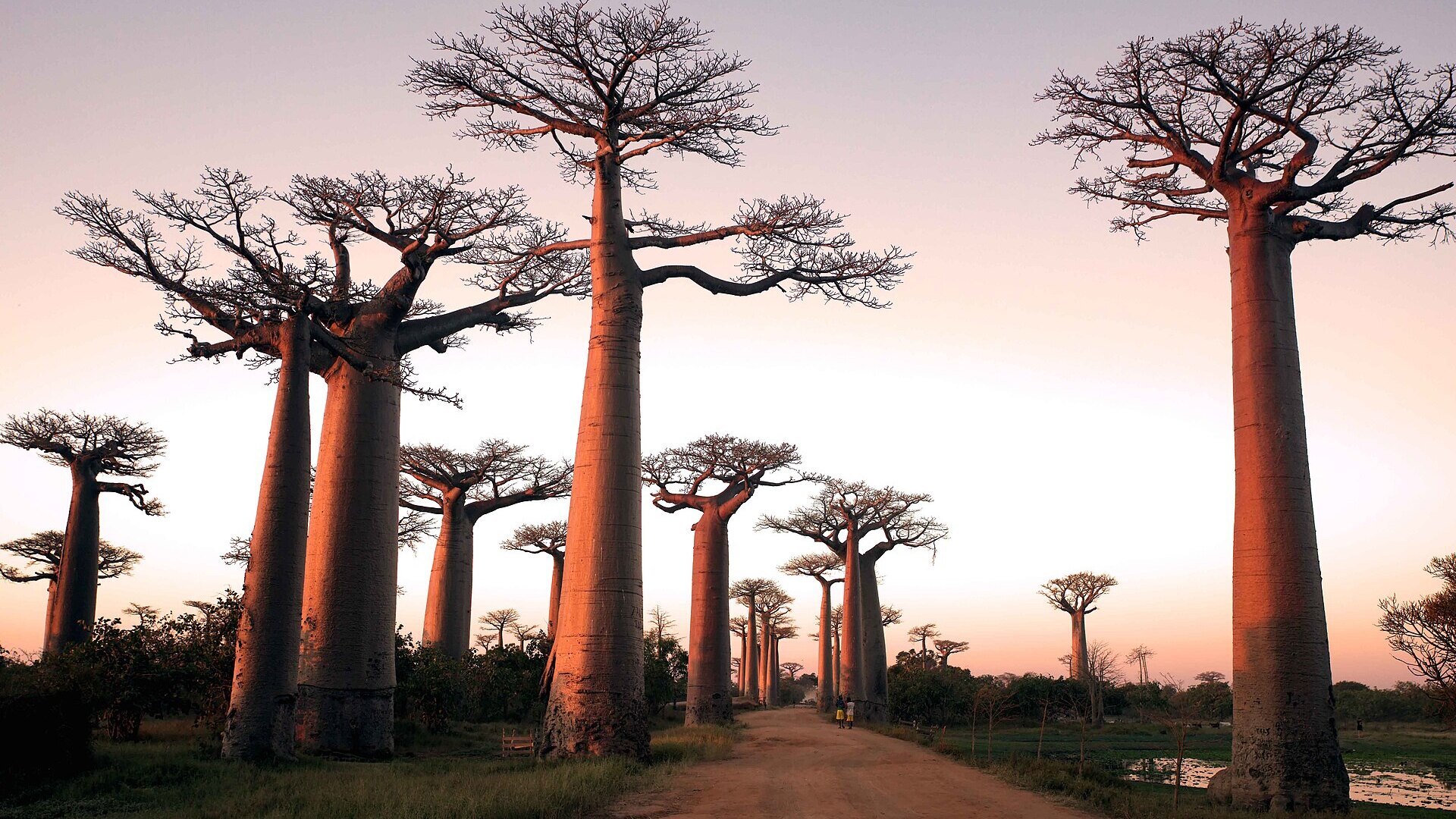
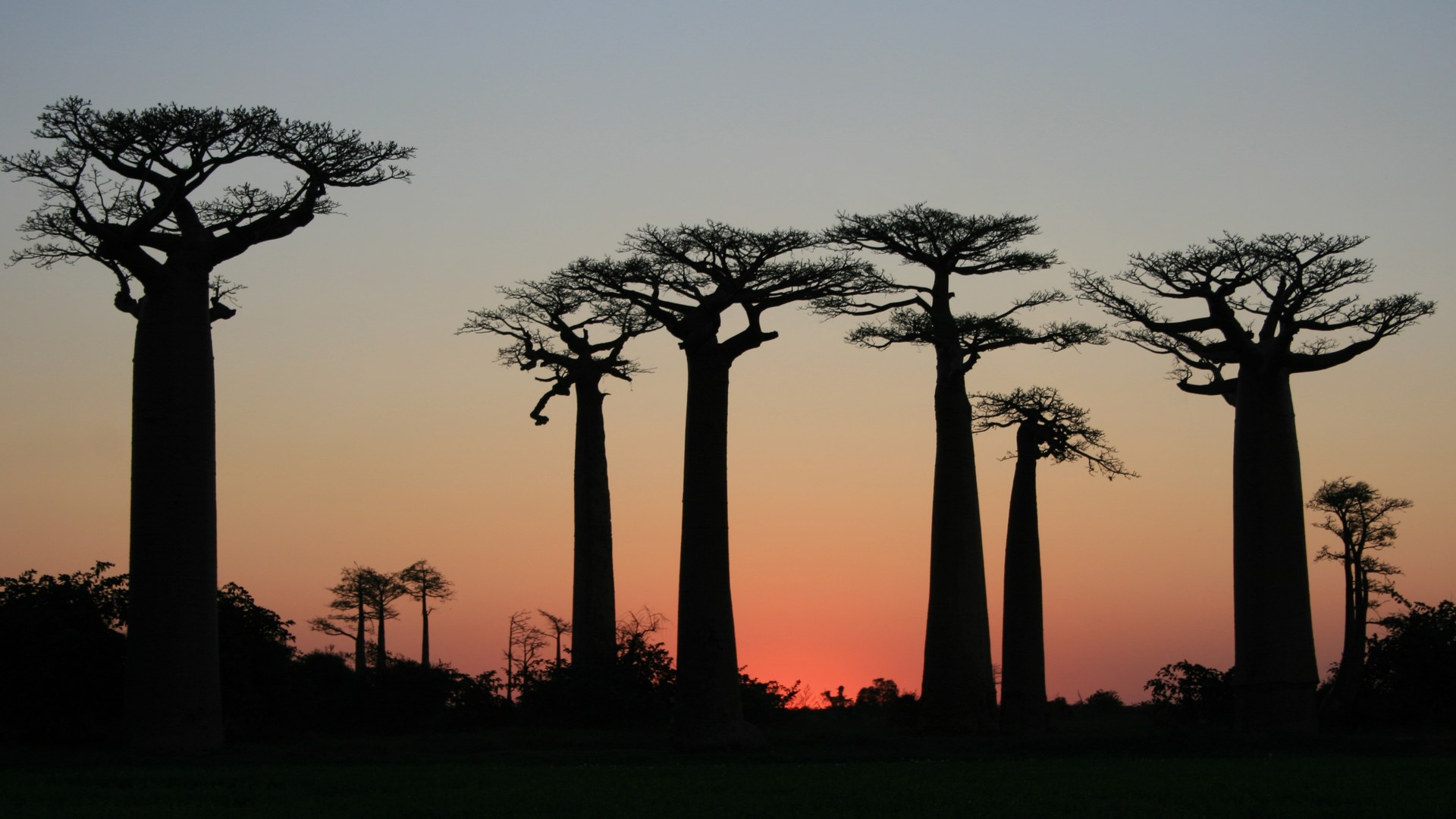
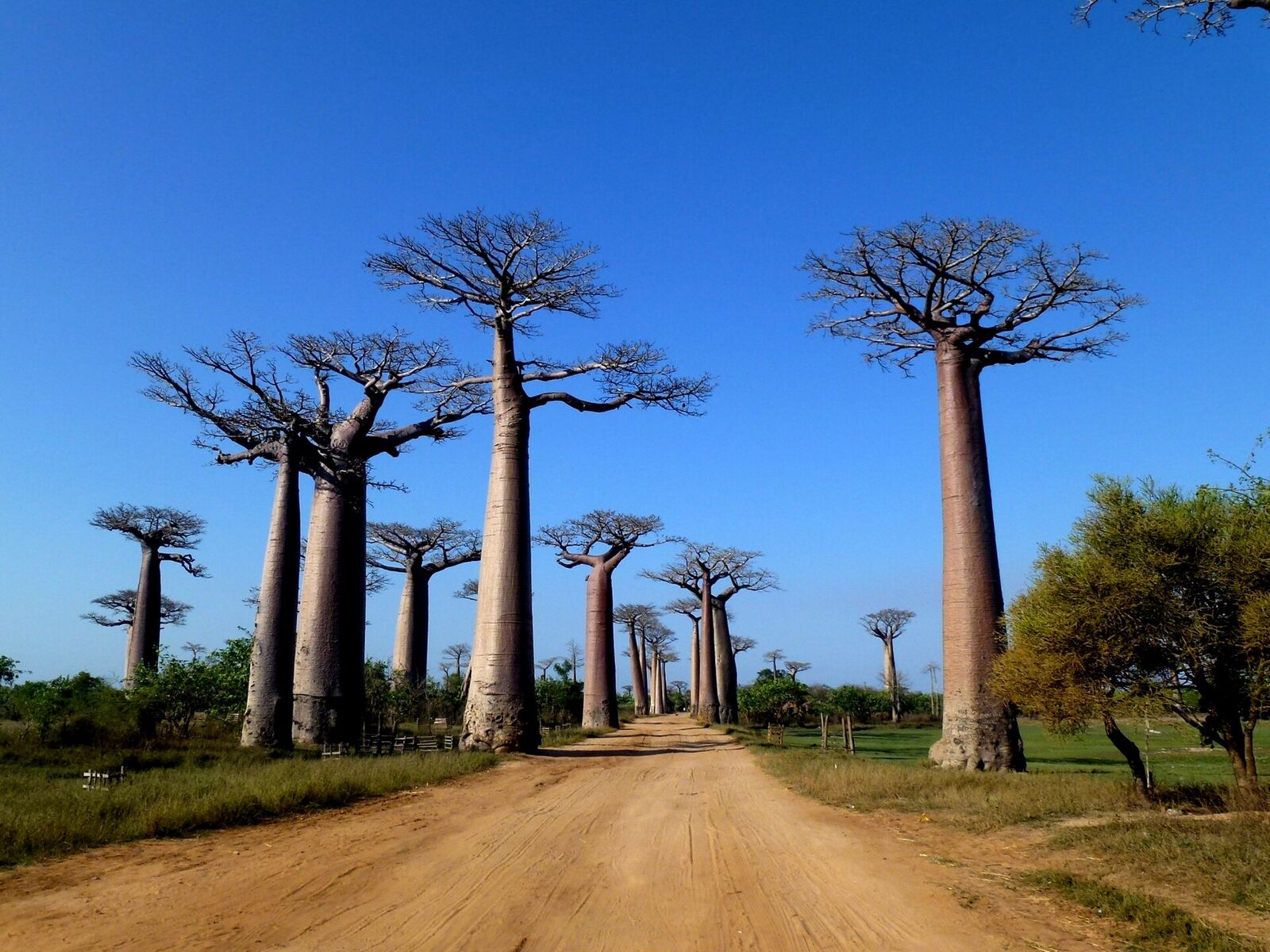
The Avenue of the Baobabs, near Morondava. A short dirt road lined with towering Grandidier's baobabs, some of them several hundred years old. It is at its best in the last half hour of light, when the trees throw long shadows and the sky goes to copper. It is the single image most people carry home.
Tsingy de Bemaraha. A UNESCO World Heritage site of grey limestone pinnacles — a stone forest sharp enough that you cross parts of it on fixed cables and walkways. It is remote and it takes effort to reach, which is exactly why it stays uncrowded.
Andasibe-Mantadia. The most reachable rainforest from the capital, and the home of the indri. First light here, with the indri calling across the valley, is one of the finest sounds in African wildlife. This is also the heart of the corridor work completing in 2027.
Ranomafana. Steep, wet montane rainforest in the southeast, strong on lemurs — including the golden bamboo lemur — and on chameleons and frogs. A guide with a good eye changes this place entirely.
Isalo National Park. Eroded sandstone canyons, natural pools and open grassland in the south, with ring-tailed lemurs and sifaka along the trails. It is the island's great walking park.
Kirindy Forest. Dry deciduous forest near Morondava and the best place to see the fossa, along with the comical giant jumping rat and several nocturnal lemurs on a night walk.
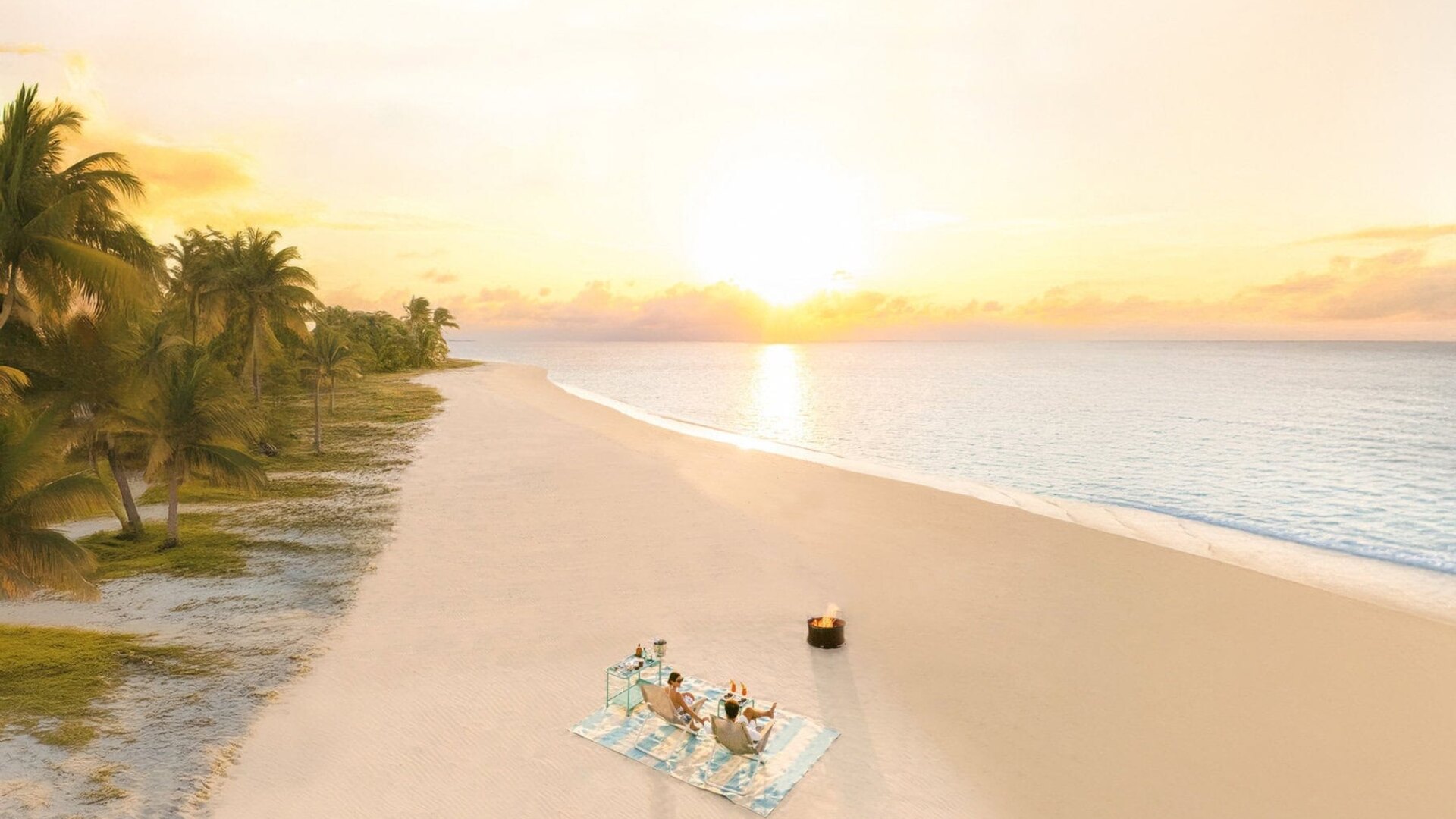
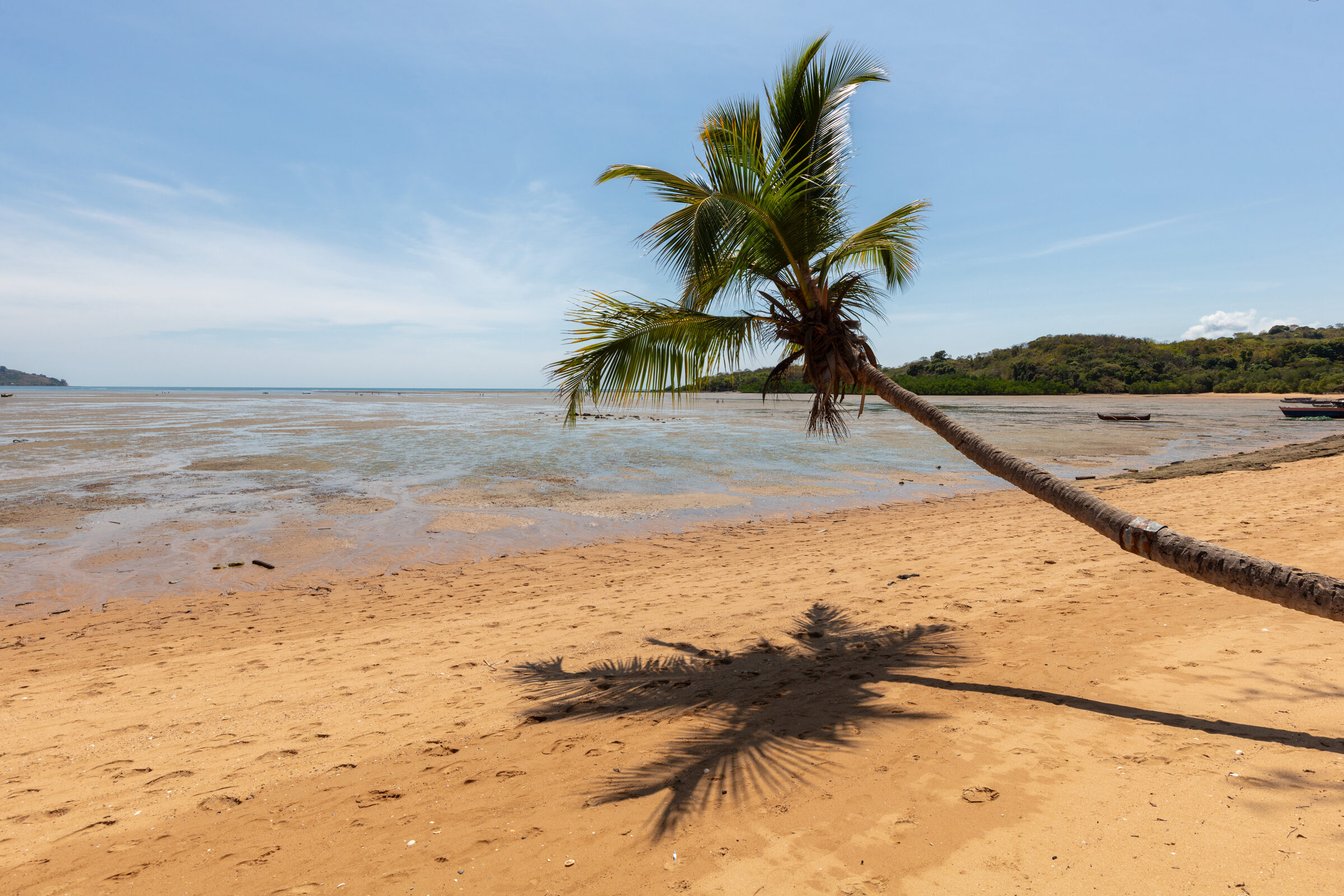
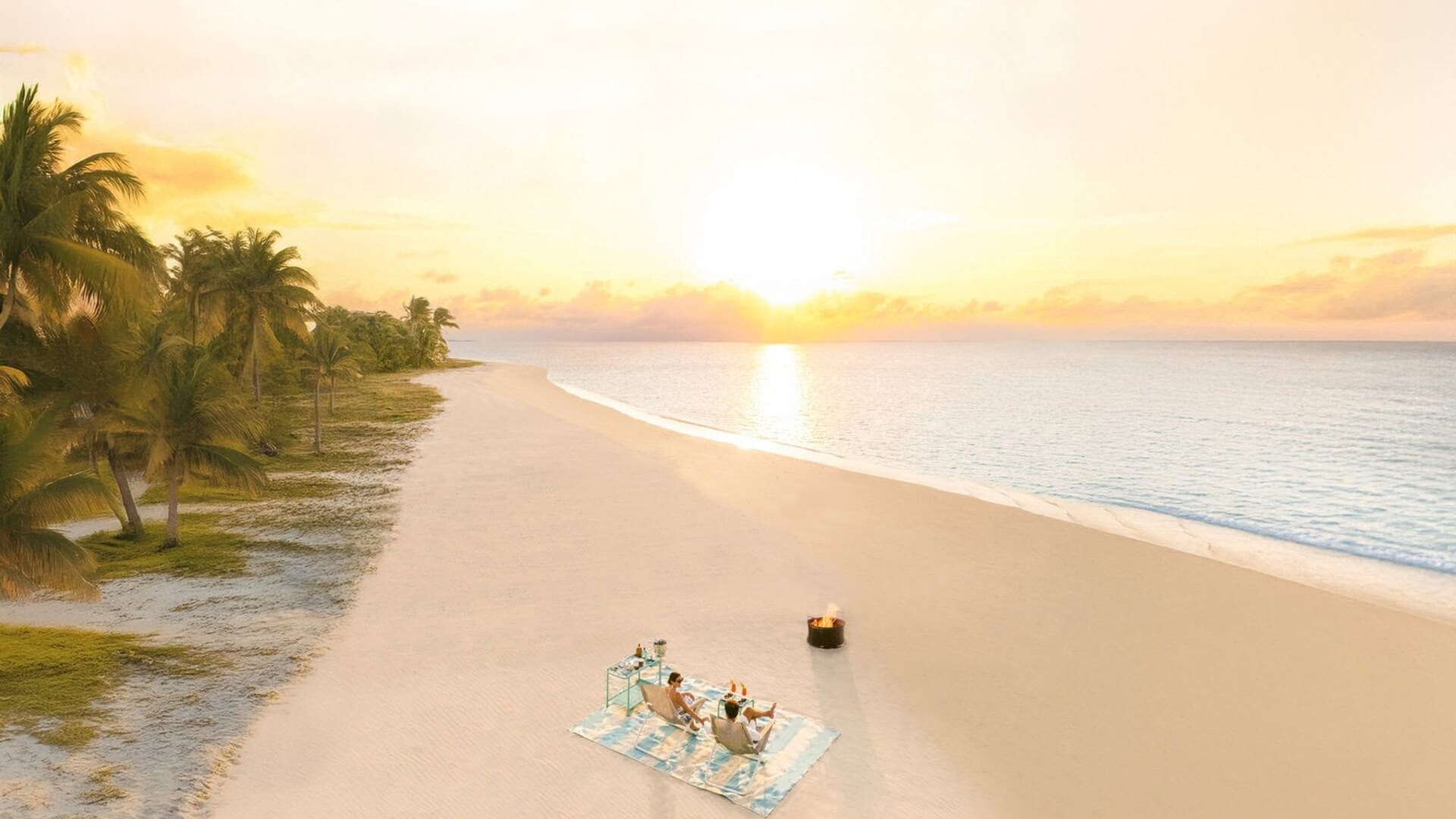
The islands — Nosy Be and Île Sainte-Marie. For time on the coast, Nosy Be in the northwest pairs beaches with whale sharks from October to December, while Île Sainte-Marie on the east coast sits under the humpback whale migration from July to September. Either makes a natural soft landing at the end of a wildlife trip.
When to go
The broad answer is the dry season, roughly April to November, when the roads are at their best and the forests are easiest to walk. Within that, the island splits by interest. Lemurs are active year-round but easiest to watch in the cooler, drier months. Humpback whales pass Île Sainte-Marie and the east coast from July to September. Whale sharks gather off Nosy Be from October to December. The wettest months, from January to March, bring cyclone risk on the coasts and can close some roads, so most first trips avoid them.
We go into the month-by-month detail, region by region, in our guide to the best time to visit Madagascar. If a particular animal or island is the point of your trip, the timing is worth getting right before anything else is booked.
How to plan it properly
Madagascar is one of the places where how you travel matters as much as where. Distances between the highlights are long, internal flights are limited and fill early, roads vary, and the quality of your days turns almost entirely on the quality of your local guide. A trip that is planned carefully and paced slowly is a different experience from one that tries to rush.
That is the way we build them: privately, at your pace, with guides who know the forests and the people who run them. For the full picture of the island — regions, routes, lodges and practicalities — start with our ultimate Madagascar travel guide. For where to sleep, see our pick of the best luxury lodges in Madagascar. And for ready-made journeys you can shape to your dates, look at our Madagascar holiday packages or our dedicated Madagascar safari guide.
If 2027 is the year you want to go, the practical advice is to start early. The best guides and the limited internal flights are spoken for well ahead, and a destination on every "where to go" list will only get busier. Tell us what you most want to see — the indri at dawn, a fossa in Kirindy, the baobabs at sunset, a few days with whale sharks — and we will build the journey around it. Reach us any time on WhatsApp or through our contact page.