Key Takeaways
- The Great Migration is a year-round loop, not a single event — there is a rewarding tour in every month, from the February calving to the July–October river crossings.
- The most complete tours are cross-border, following the herds between Tanzania's Serengeti and Kenya's Masai Mara — but a focused single-country tour is often the smarter choice.
- Your biggest decisions are tour style (private vs small-group, fly-in vs overland, mobile camp vs lodge) and how many days — the more time, the higher your odds of a crossing.
- Costs run from roughly US$2,500 per person for a well-run classic tour to US$8,000–13,000+ for a luxury cross-border circuit, all-inclusive on the ground.
- The winning formula is a well-placed camp, a private guide reading the herds daily, enough nights on the ground, and an operator who tracks movement as your dates approach.
What Is a Great Migration Africa Tour?
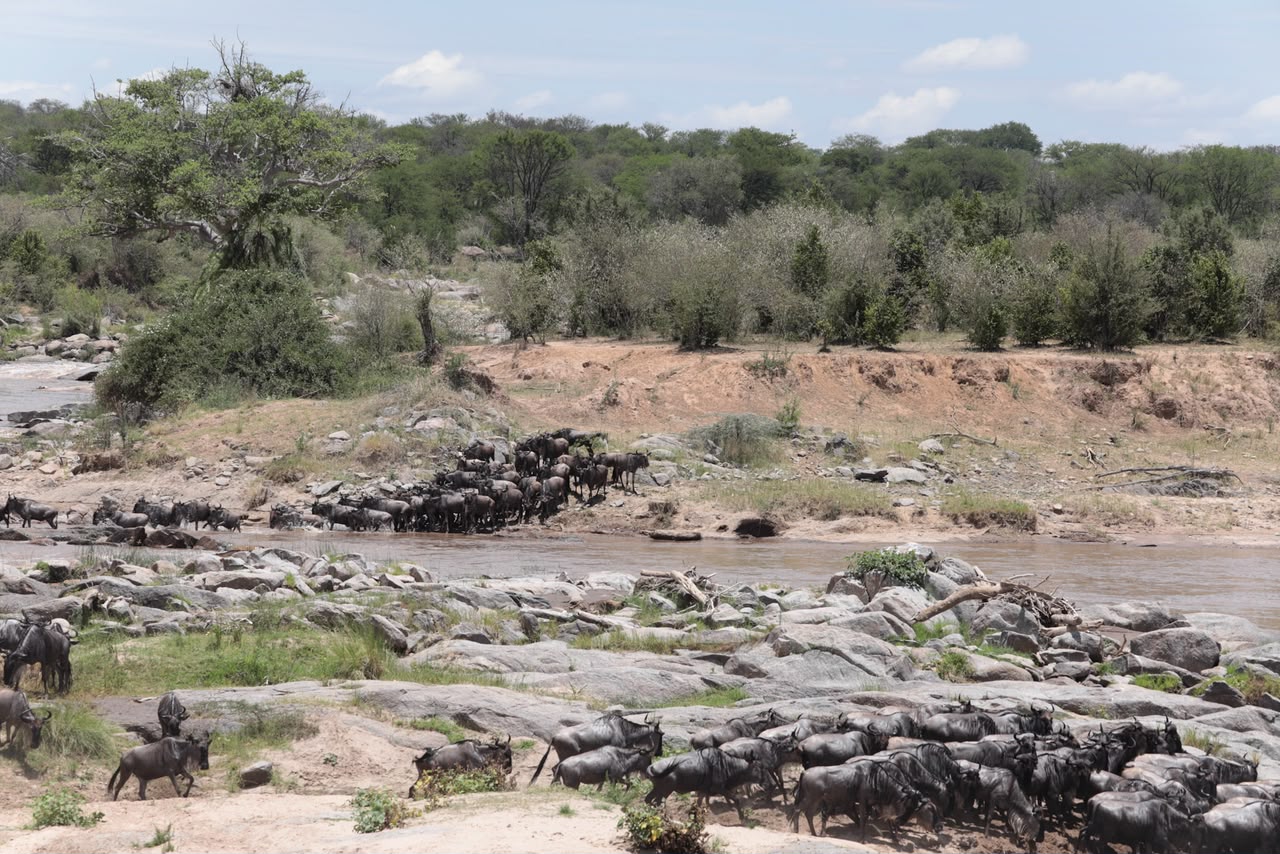
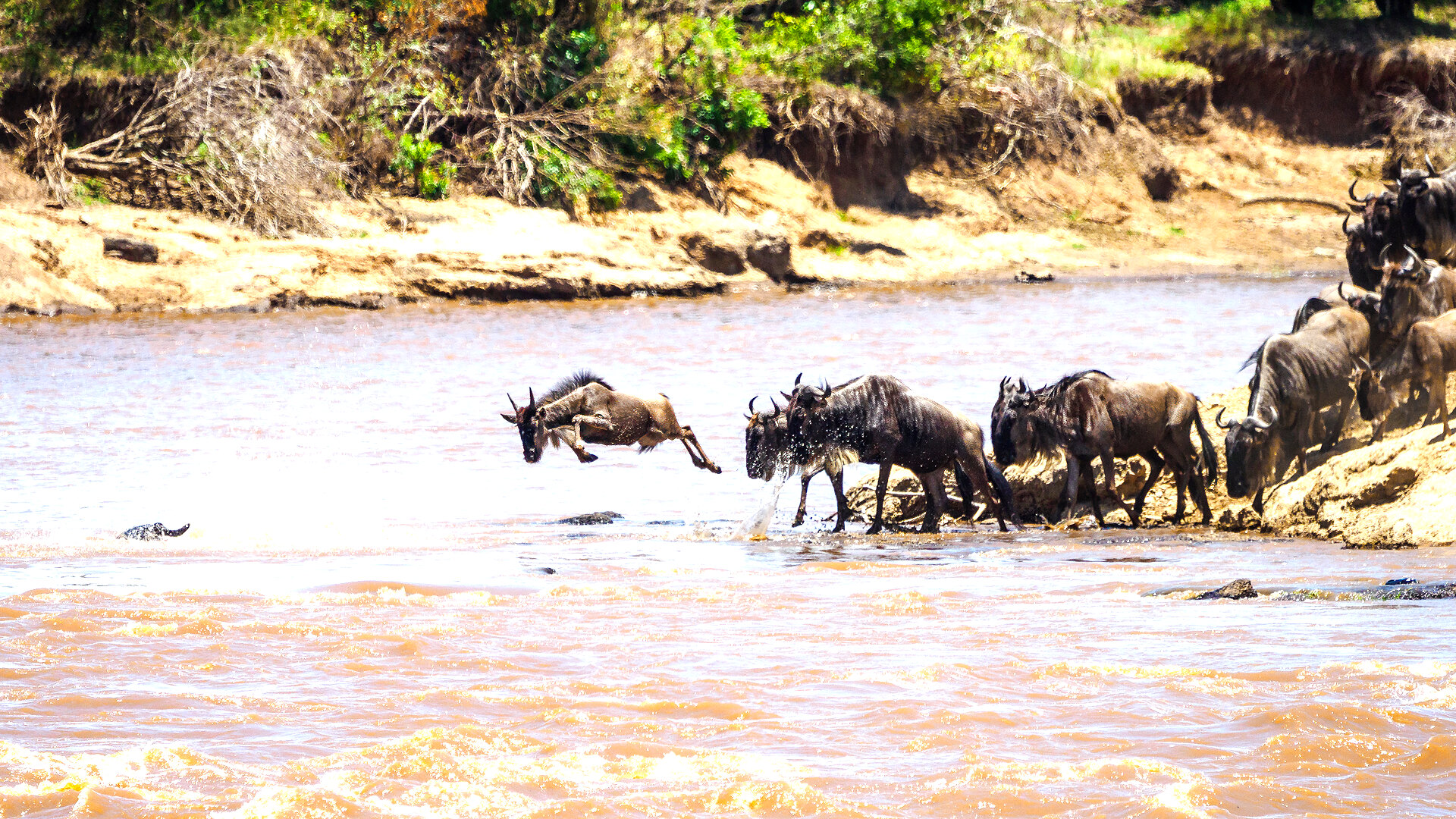
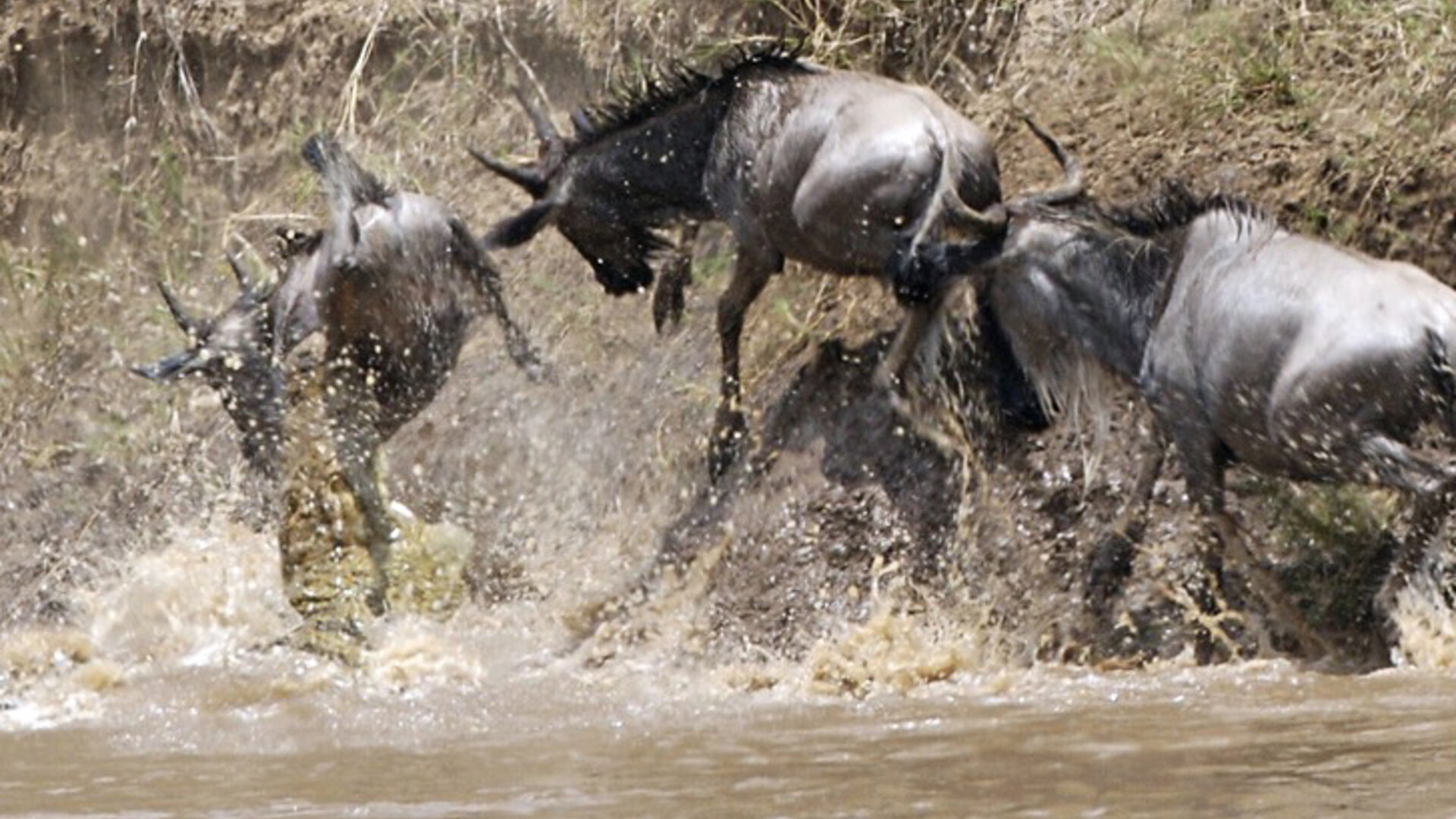
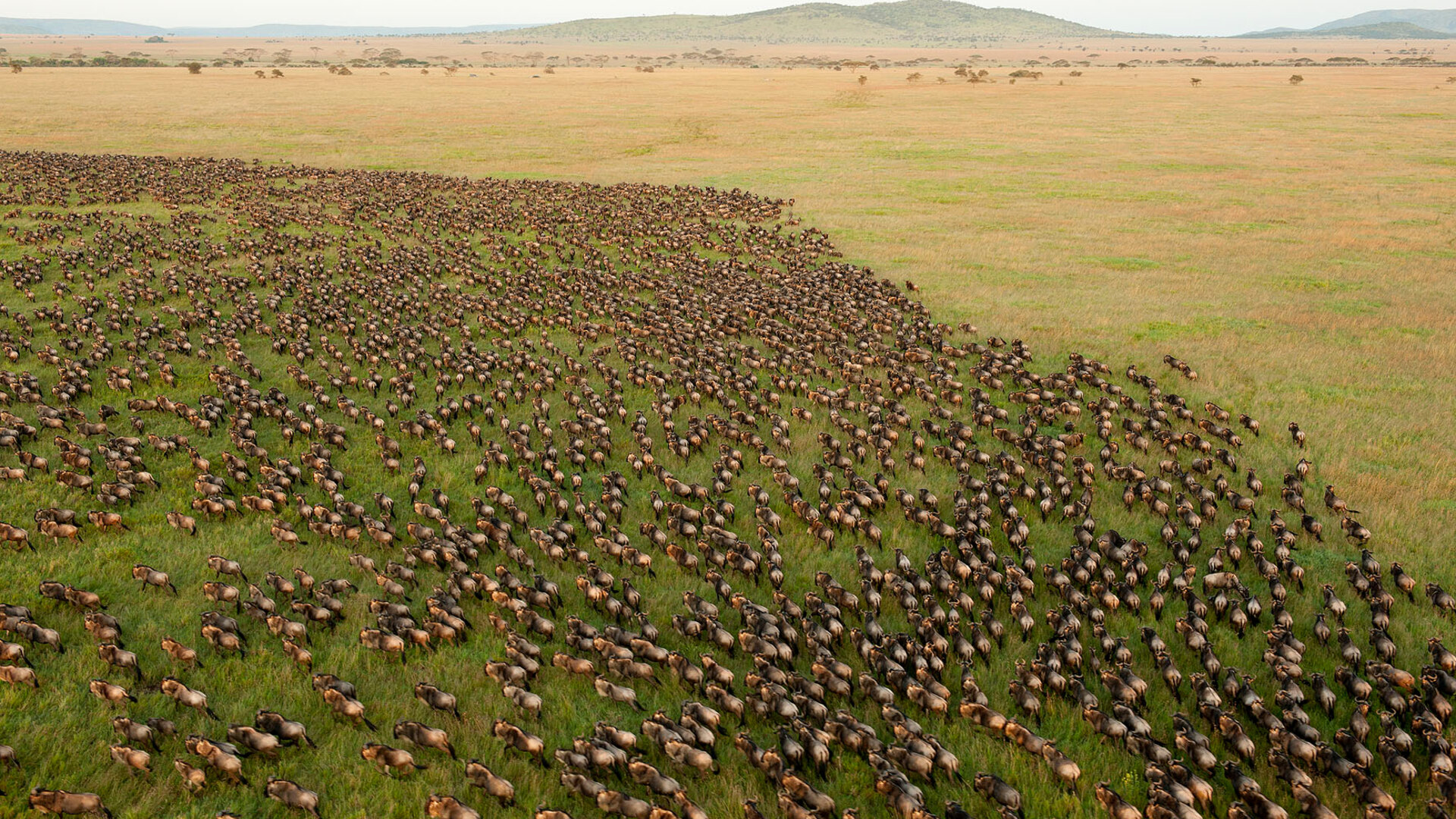
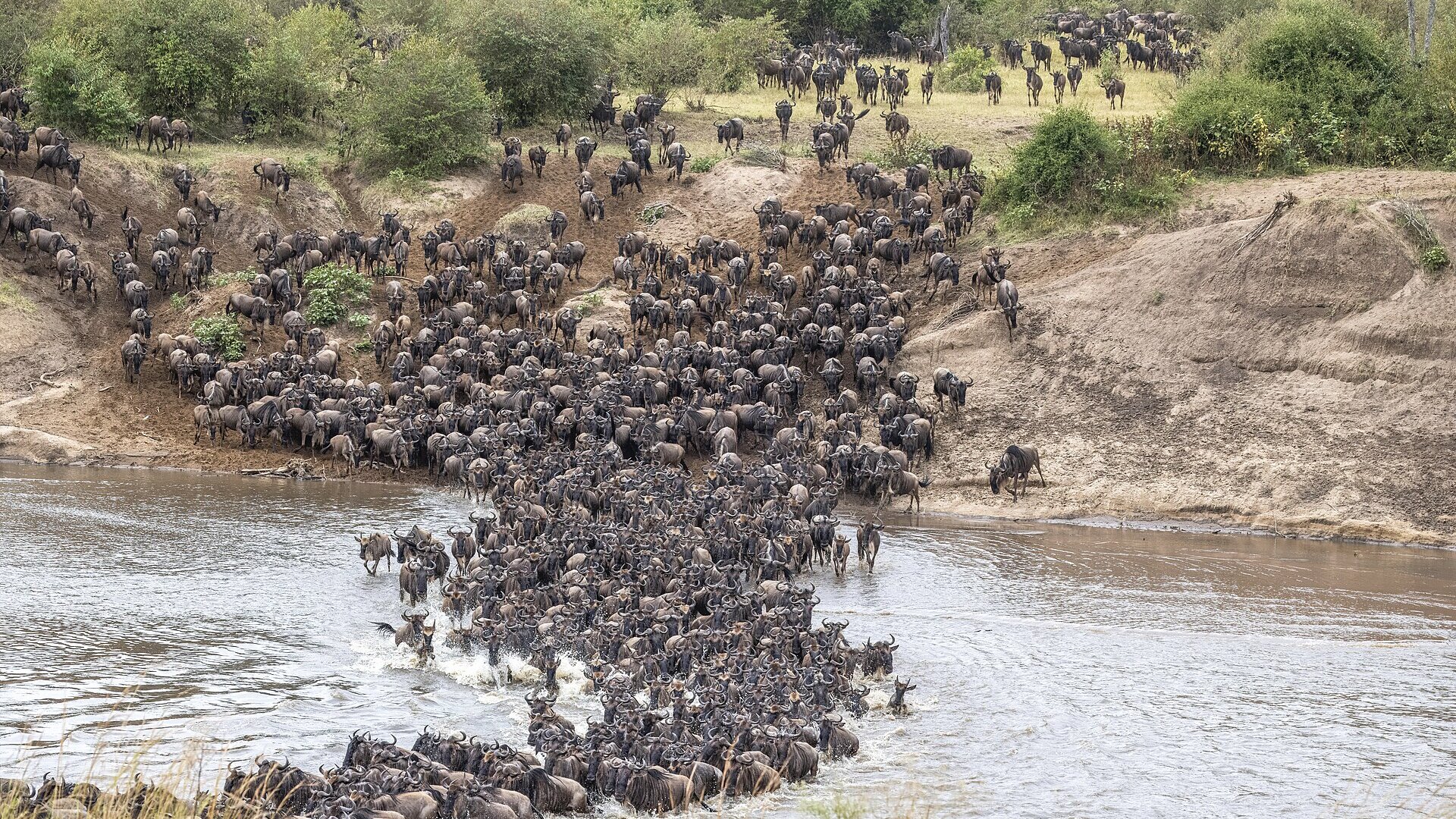
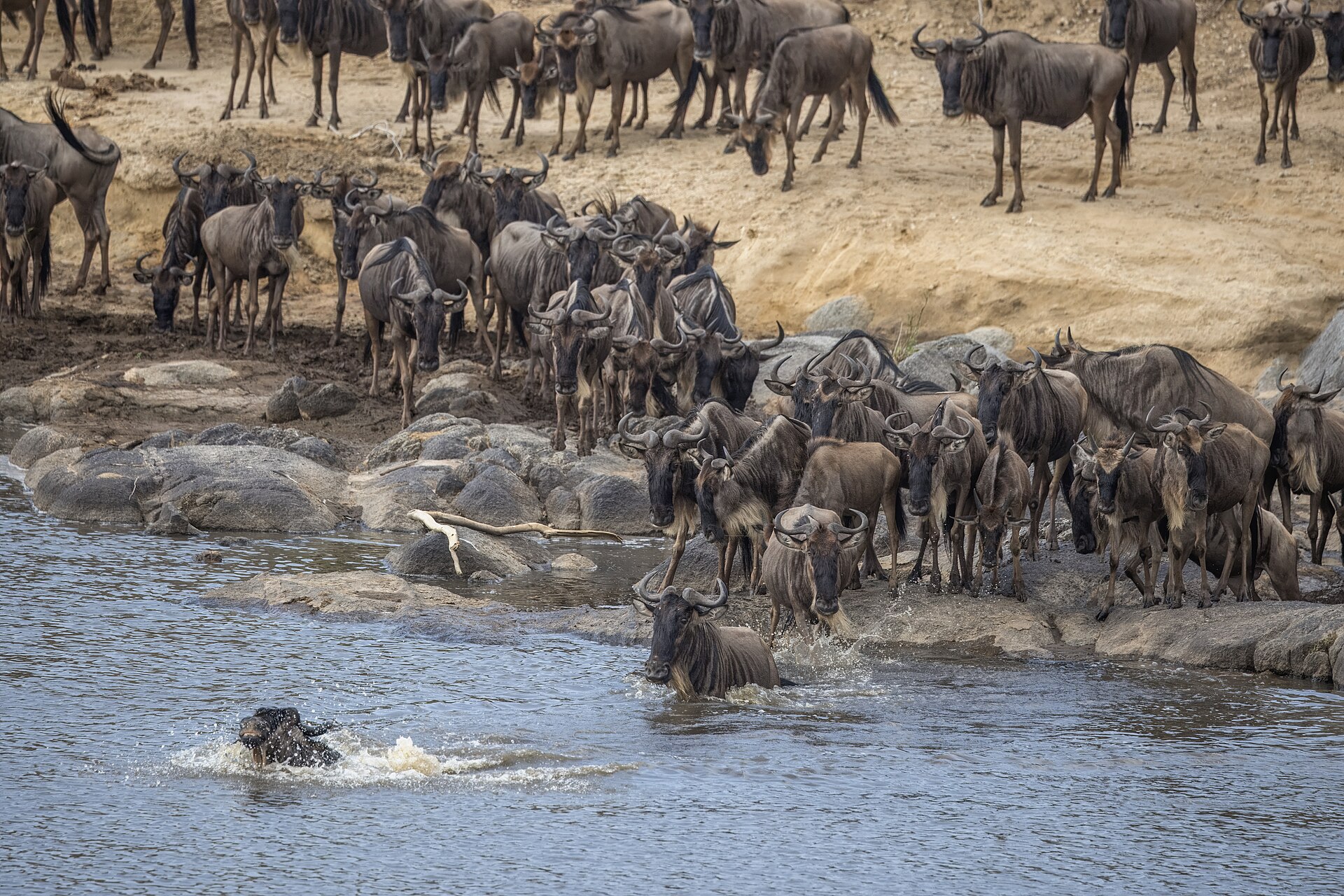
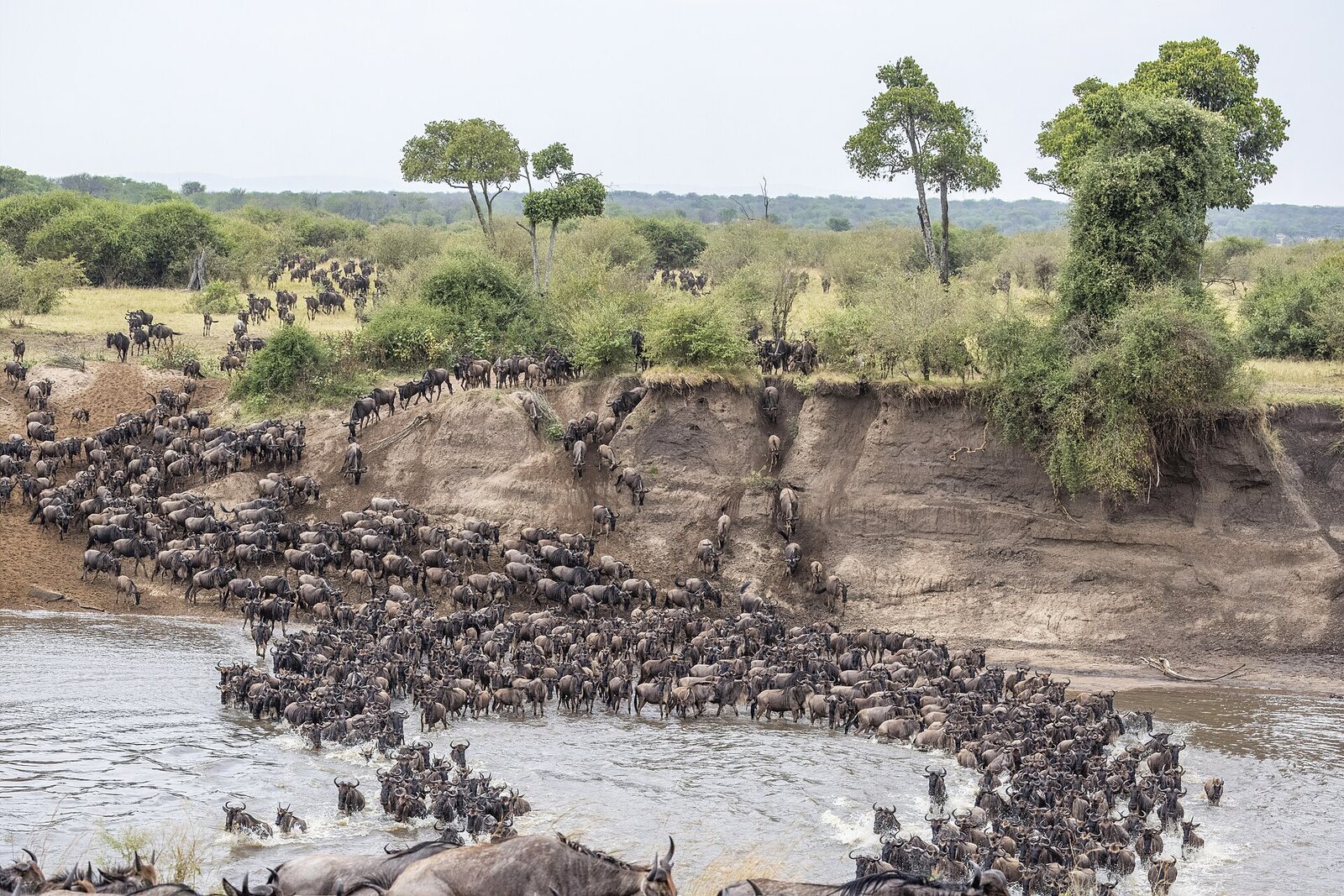
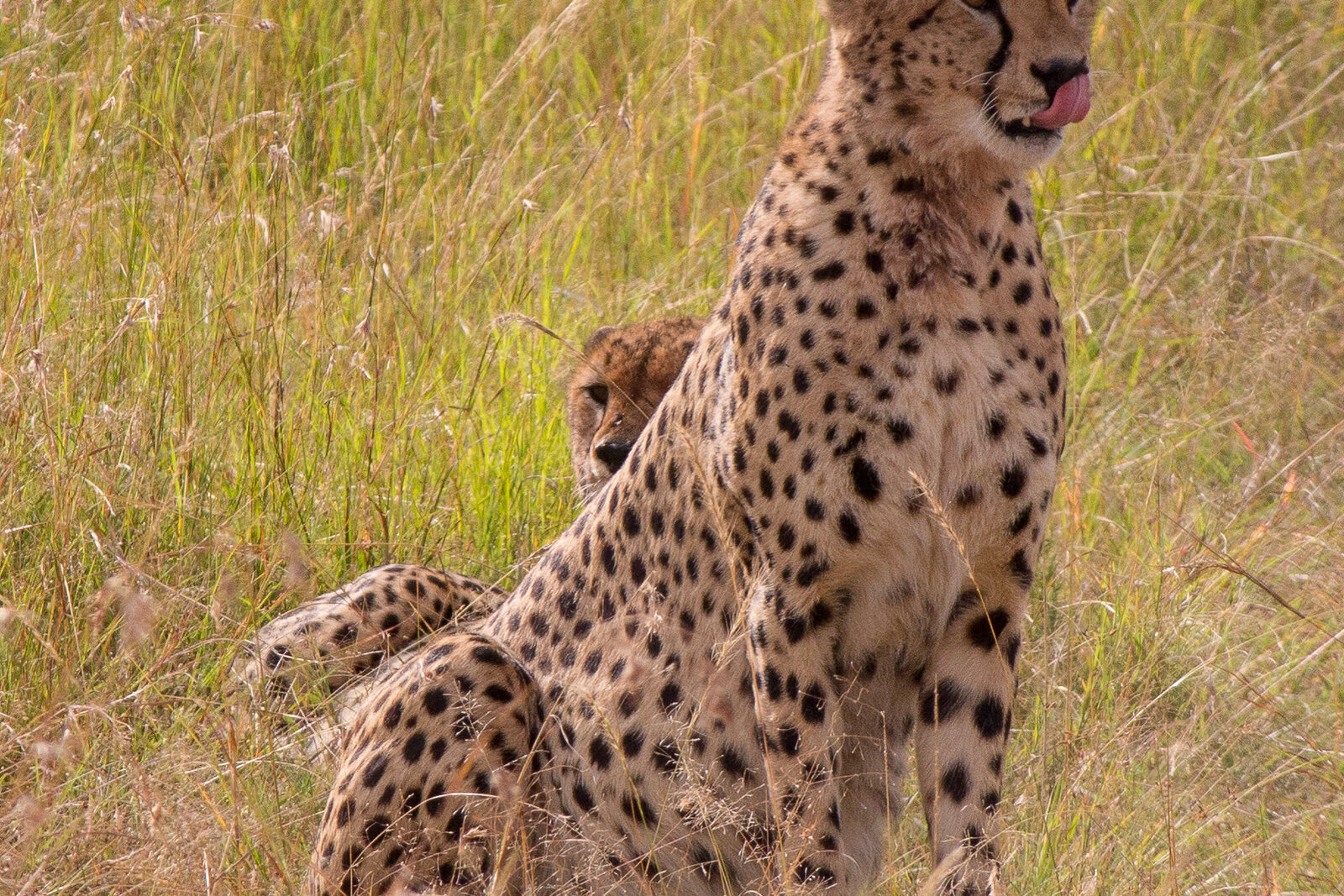
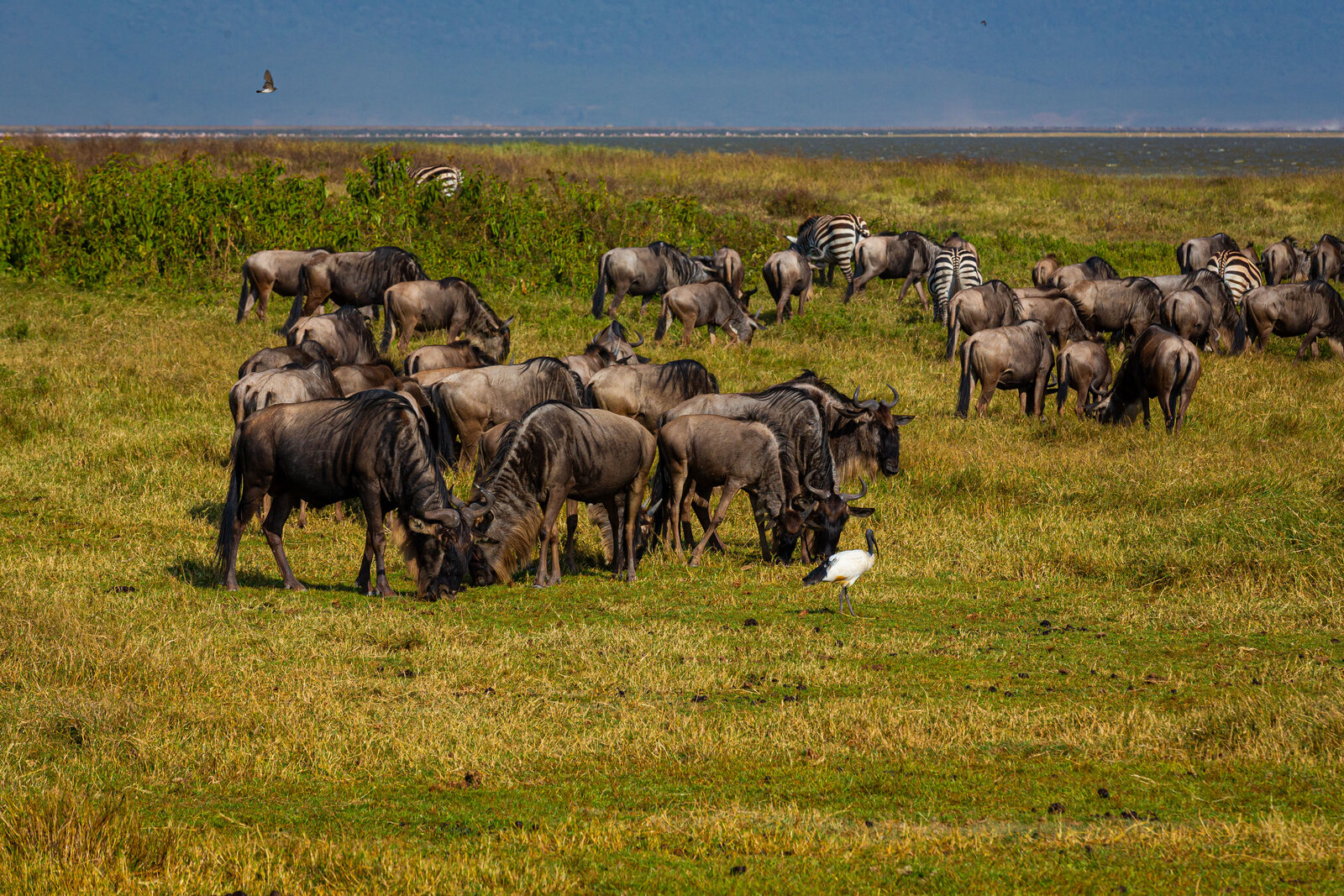
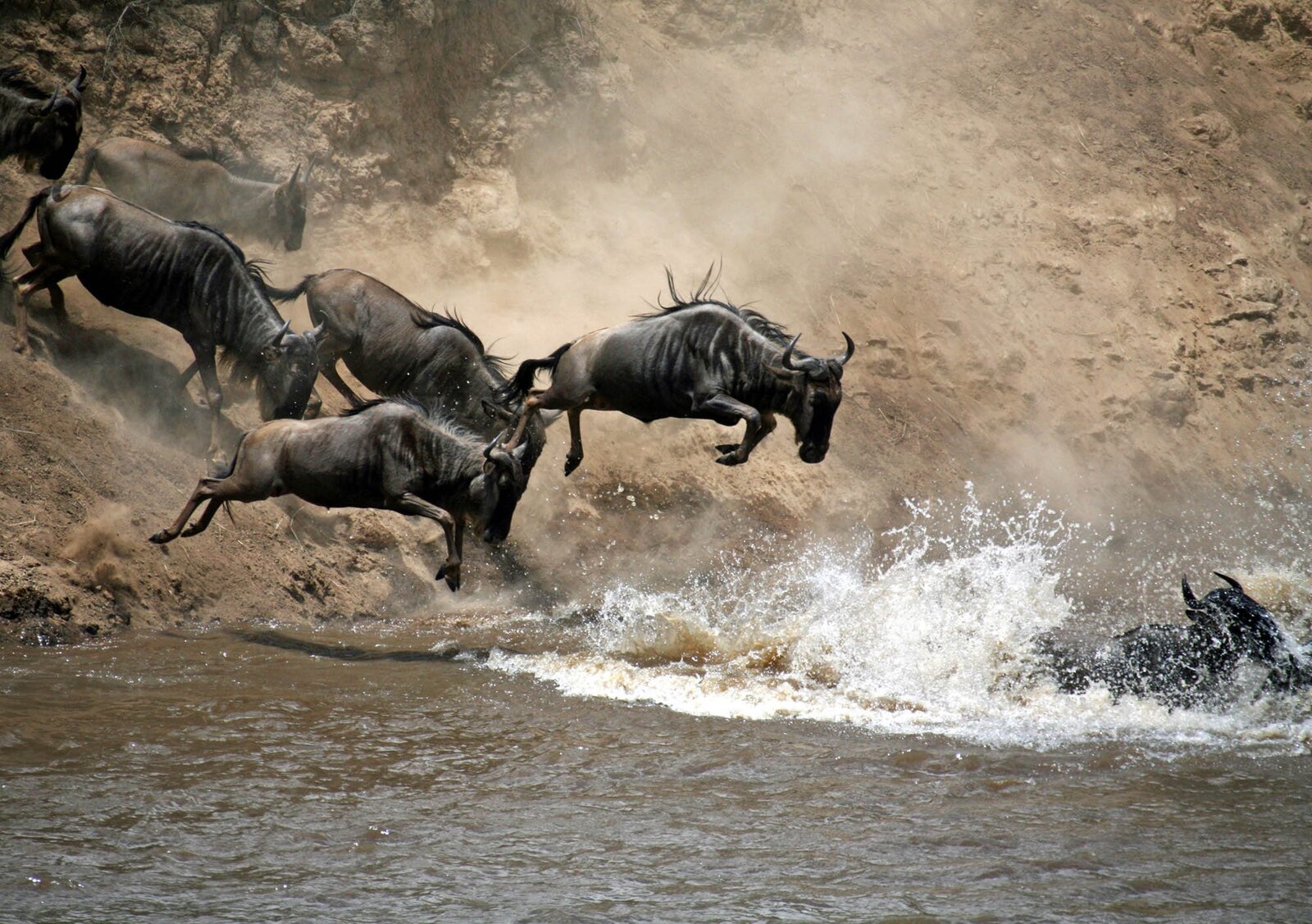
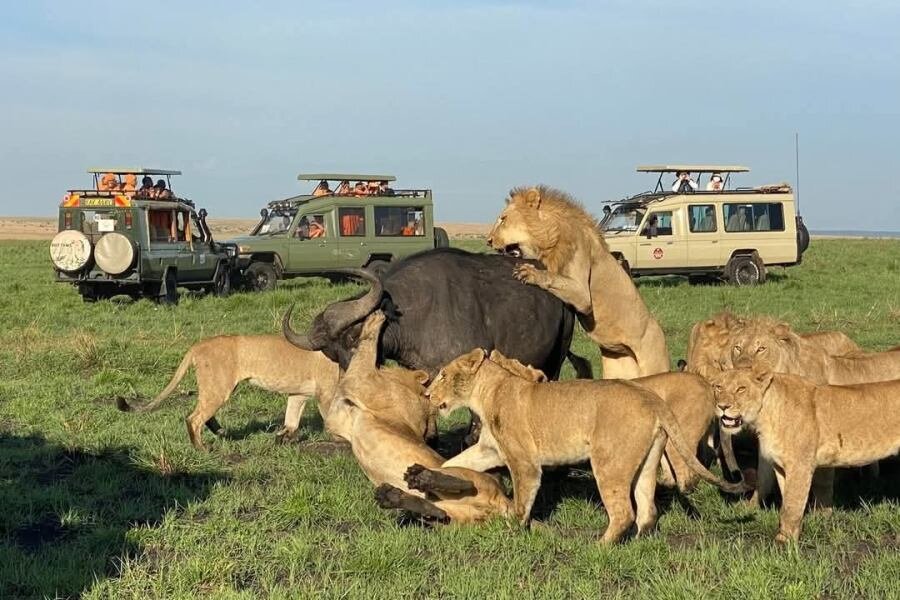
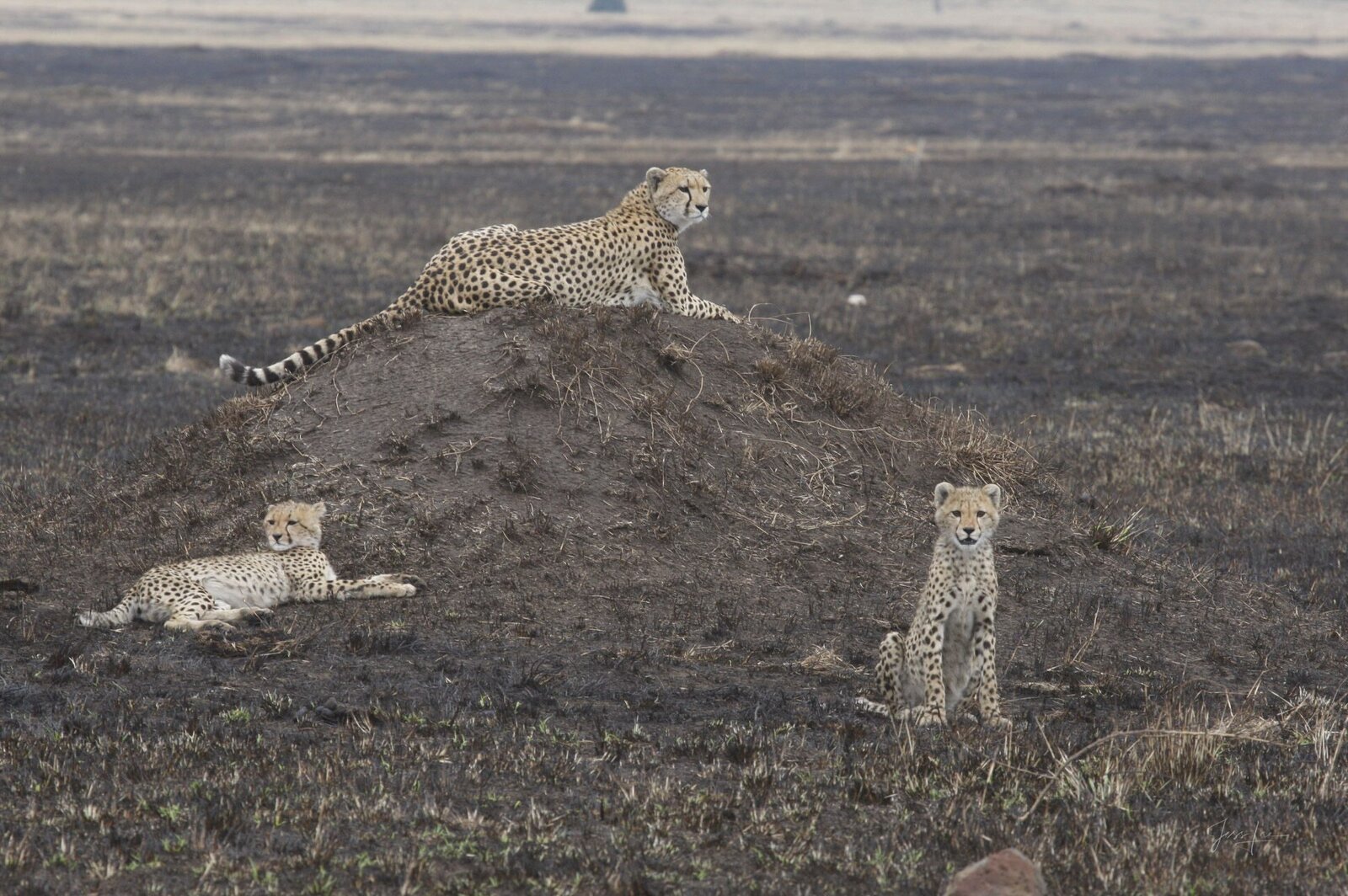
A Great Migration Africa tour is a safari built around following the herds rather than sitting in one place. Every year, close to two million wildebeest, together with hundreds of thousands of zebra and gazelle, move in a vast clockwise circuit across the Serengeti–Mara ecosystem, drawn on by the rains and the green flush of new grass. Lion, cheetah, hyena and wild dog shadow the columns, and where the herds meet the Grumeti and Mara rivers, some of the most dramatic predator-and-prey scenes on earth unfold.
Because that loop never stops moving, a migration tour is really an exercise in timing and position: being in the right corner of the ecosystem, in the right month, with a camp close enough to the action and a guide who reads the herds each morning. Some tours stay in a single country — Tanzania's Serengeti or Kenya's Masai Mara — while the most complete follow the animals across the international border between the two. This guide covers all of it, but if you want the deep background on the ecosystem itself, our ultimate Great Migration safari guide is the companion pillar to this planning-and-booking article.
Live herd tracking: The single hardest part of planning is knowing where the herds will be on your dates. We keep a continually updated Great Migration Tracker so you can see the current position of the herds before you lock in a month and a camp.
When to Go: Matching Your Tour to the Herds
There is no single "best" month — only the best month for the scene you most want to witness. The table below is the quick planning view; the herds move on rain, not the calendar, so treat it as the pattern we time tours around rather than a guarantee. For the deep month-by-month detail, see our dedicated timing guides for Tanzania and Kenya.
| Window | Where the herds are | The scene to book for |
|---|---|---|
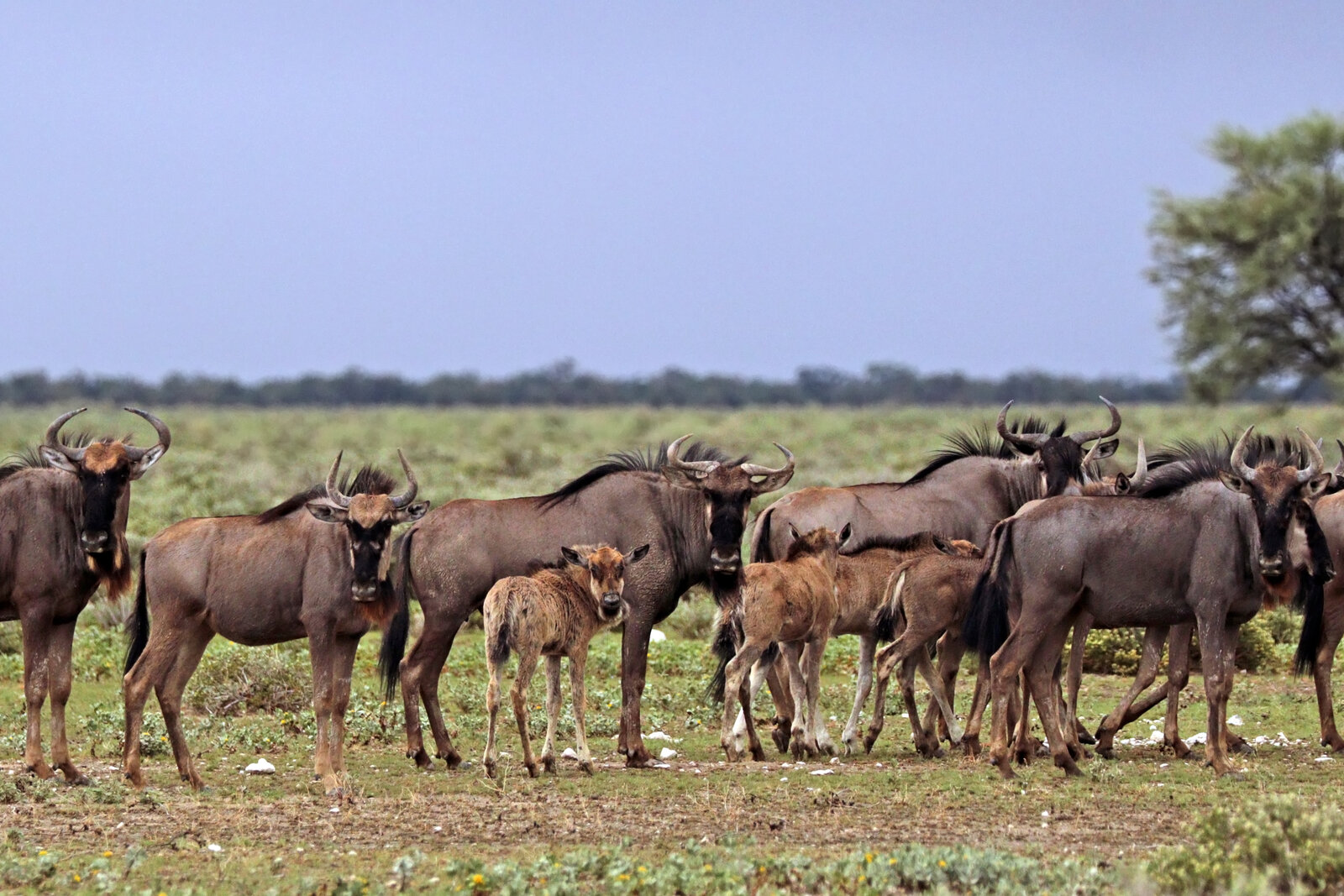
| Jan–Mar | Southern Serengeti & Ndutu, Tanzania | The calving — half a million births in weeks, and predators everywhere. |
| Apr–May | Central Serengeti, moving north-west | Green season — lush plains, few vehicles, best value. |
| Jun–Jul | Western Corridor & Grumeti, Tanzania | The first river crossings at the Grumeti; columns massing north. |
| Aug–Oct | Masai Mara, Kenya (& northern Serengeti) | The Mara River crossings — the migration's most cinematic act. |
| Nov–Dec | Herds drifting back south into the Serengeti | The short rains, thinning crowds and the loop beginning again. |
If your heart is set on the river crossings, aim for August to October and consider a cross-border tour that can follow the action across the Serengeti's northern reaches into the Mara. If you would rather trade the crowds for newborn wildlife and predator drama, the January–March calving in the southern Serengeti is the connoisseur's choice.
Choosing Your Tour Style
Two travellers can watch the same crossing and take utterly different tours to get there. The three choices below shape the character — and the cost — of your migration tour more than anything else. There is no wrong answer, only the right fit for how you like to travel.
| Decision | Option A | Option B |
|---|---|---|
| Private vs group | Private: your own guide and vehicle, total flexibility to hold position for hours when a crossing builds. Best for the migration. | Small group: shared vehicle, lower cost, fixed departures — good value if you're flexible on timing. |
| Fly-in vs overland | Fly-in: light aircraft between airstrips saves days and skips rough roads — the norm for premium tours. | Overland: drive between parks; slower and dustier but cheaper and scenic, and lets you add Ngorongoro Crater and Lake Manyara easily. |
| Mobile camp vs lodge | Mobile tented camp: a seasonal camp that moves with the herds so you sleep beside the action — the purist's migration tour. | Permanent lodge: more amenities and a fixed base — ideal when you want comfort and are travelling in a peak window. |
For most travellers chasing the crossings, our advice is a private, fly-in tour using a well-placed mobile or seasonal camp for the migration nights, with the freedom to stay out all day when the herds are gathering. If budget is the priority, a small-group overland tour still delivers the spectacle — it simply trades some flexibility for value.
Sample Great Migration Tour Itineraries
These are shapes, not fixed templates — every tour we build is timed around where the herds actually are on your dates. Three of our favourite structures, from a focused crossing trip to a full cross-border circuit:
1. The 6-Day Masai Mara Crossing Tour (Kenya)
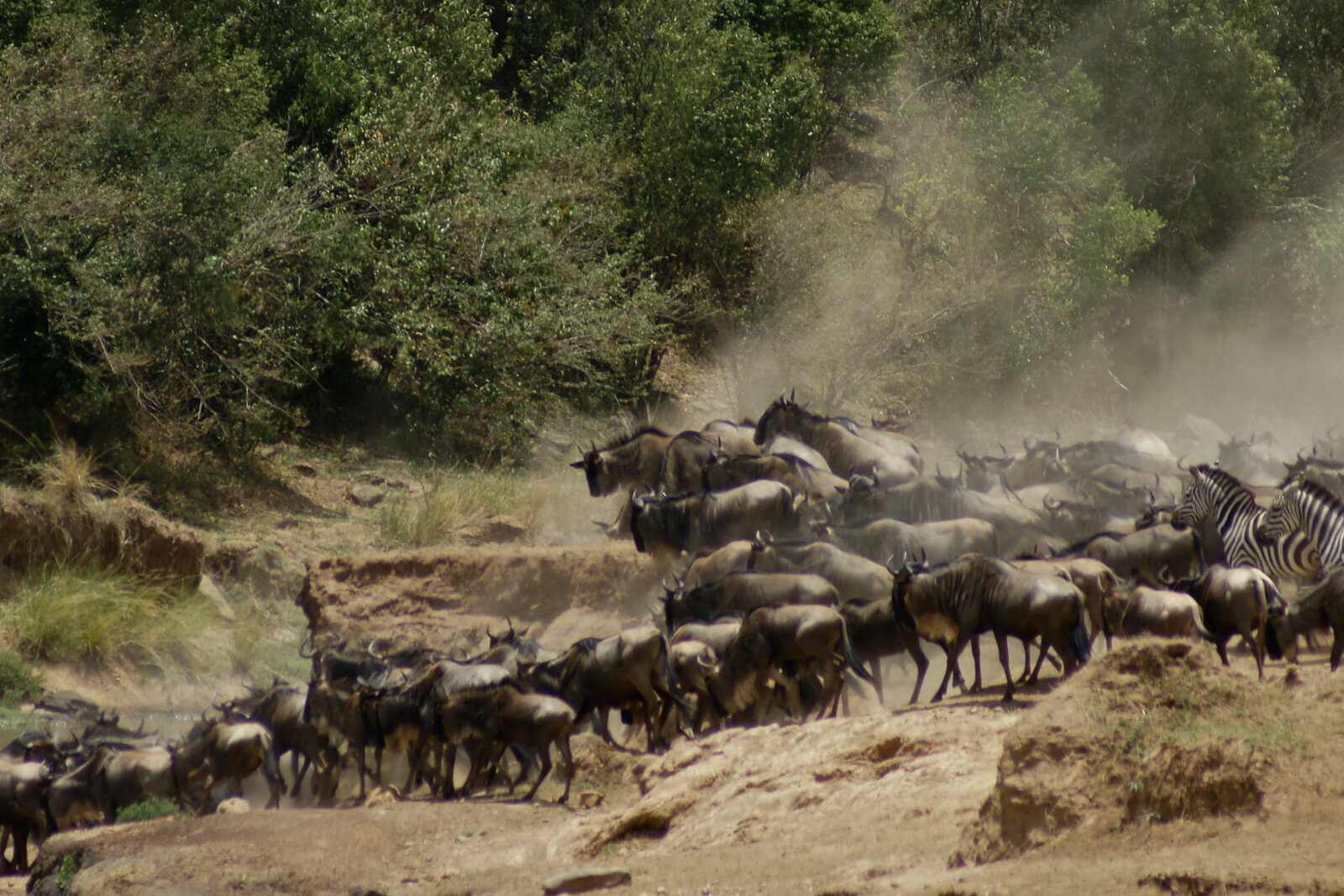
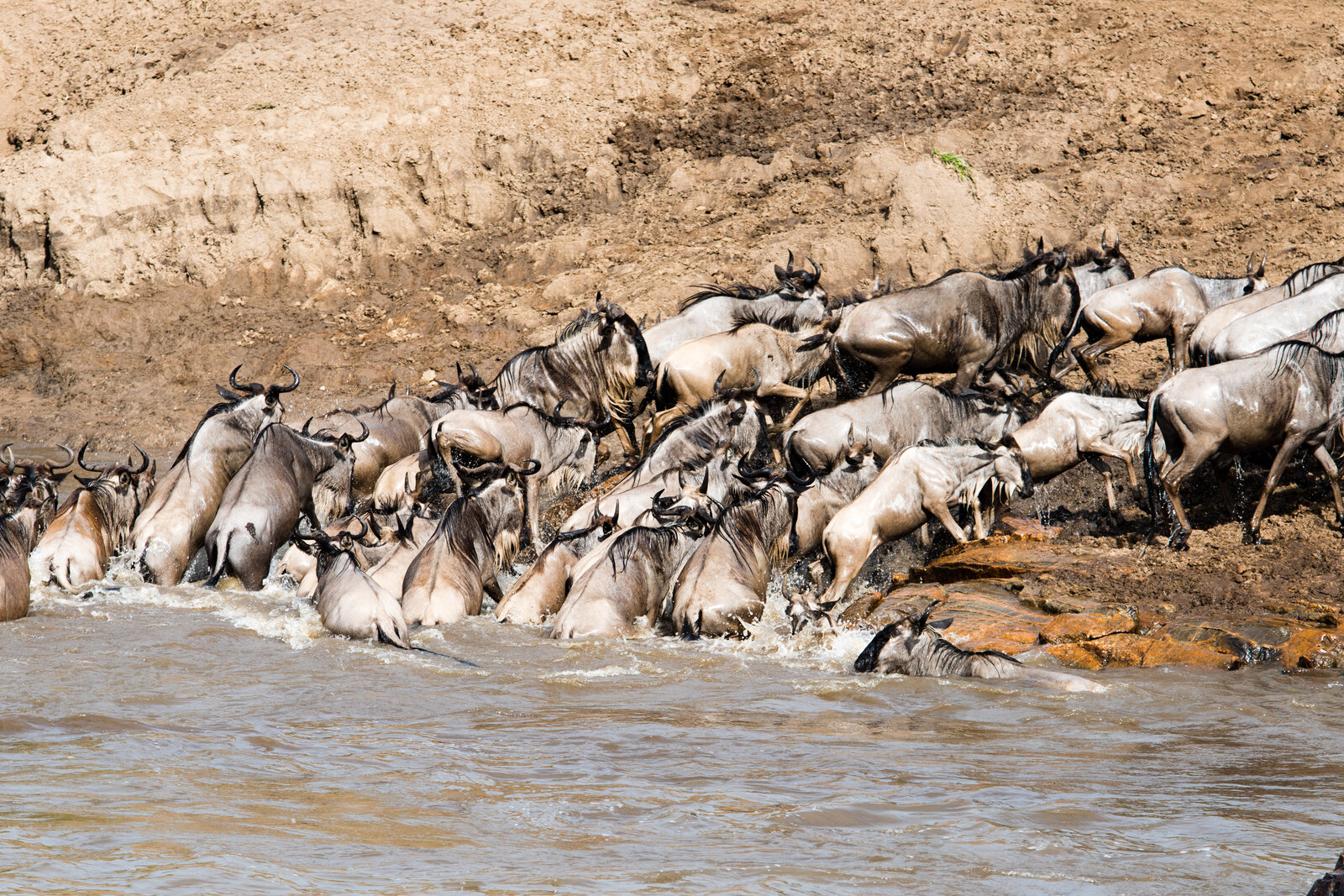
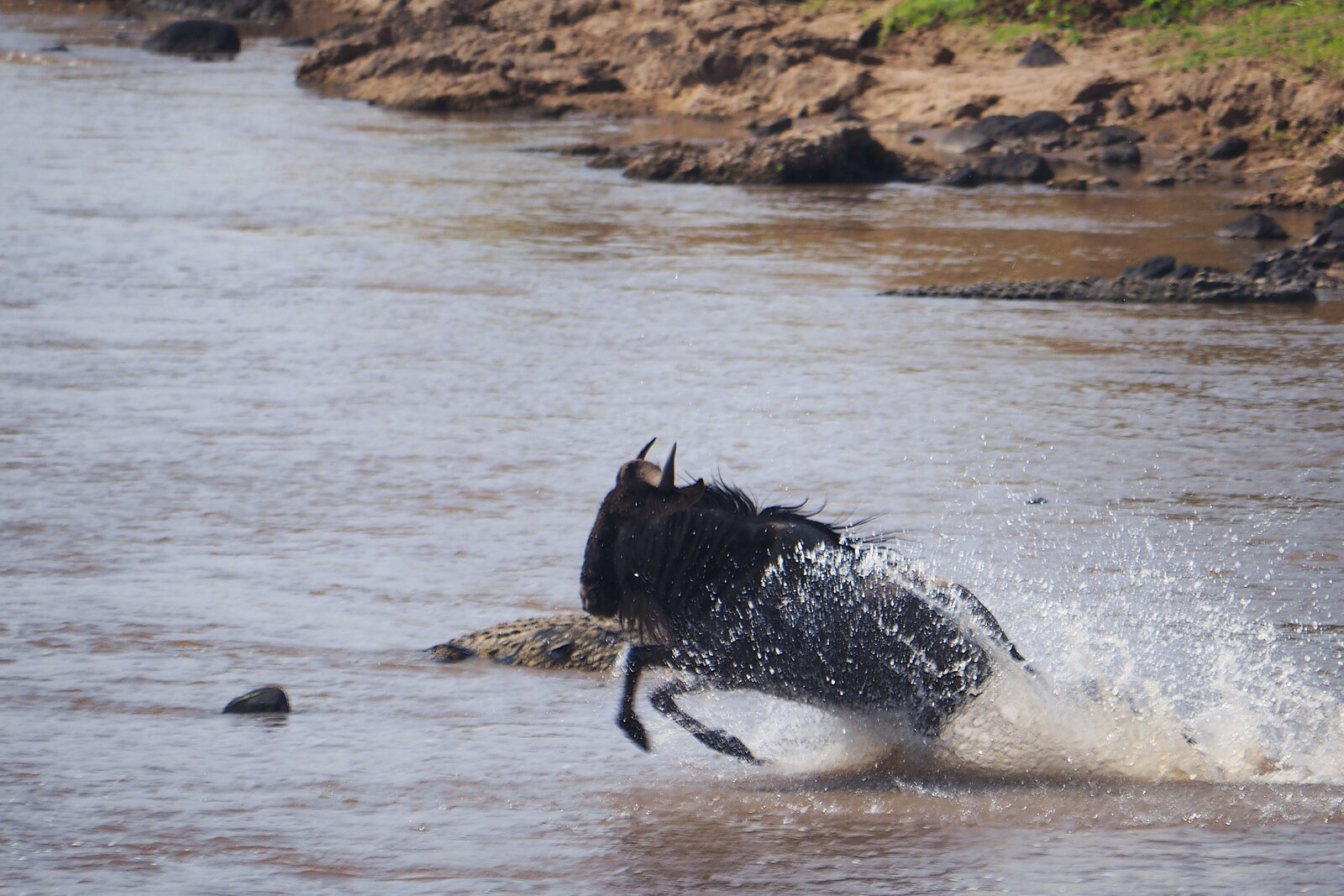
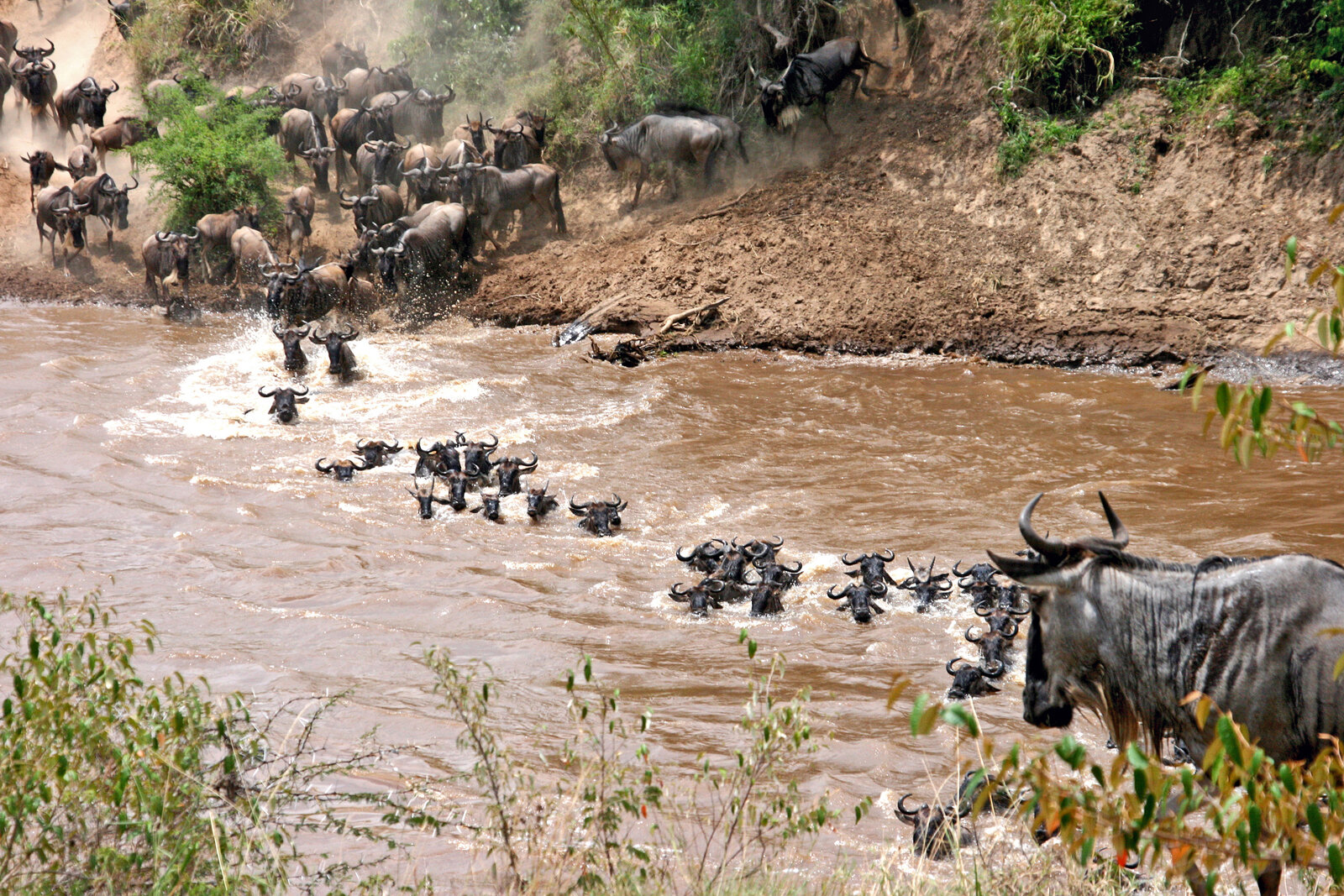
The most direct way to witness a river crossing. Fly into Nairobi, connect to the Mara, and spend three full days chasing the crossings on the Mara and Talek rivers with a private guide, before flying home. Compact, high-impact and ideal as a stand-alone trip or a crossing-season add-on to a beach holiday. Best in August–October.
- Day 1: Arrive Nairobi, connect by light aircraft to the Masai Mara; afternoon game drive as your guide starts tracking herd movement.
- Days 2–4: Full days on the river — early starts, packed bush breakfasts, the flexibility to hold position for hours when a herd is massing.
- Day 5: A private conservancy morning for off-road viewing, night drive and big cats away from the crowds.
- Day 6: Final dawn drive, fly back to Nairobi for onward connections.
2. The 8-Day Serengeti & Ngorongoro Tour (Tanzania)
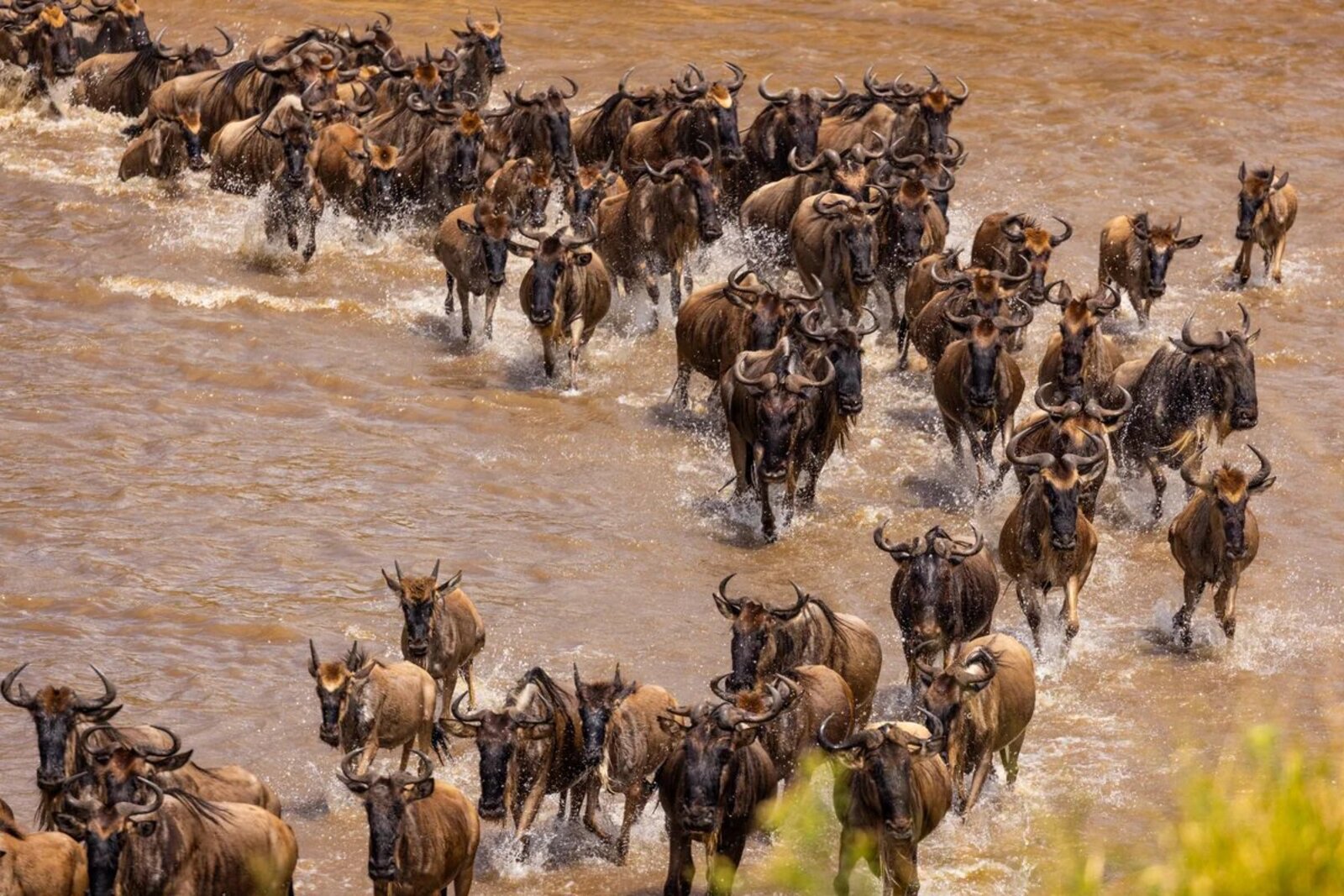
The classic northern-circuit migration tour. Combine the Serengeti — timed to the herds' position, from the Ndutu calving in the south to the Grumeti and northern crossings — with the wildlife amphitheatre of the Ngorongoro Crater and, often, Tarangire's elephants. A superb all-round first safari that pairs the migration with the Big Five.
- Days 1–2: Arrive Kilimanjaro; Tarangire or Lake Manyara en route, then into the Serengeti.
- Days 3–5: Serengeti — positioned in the sector where the herds are that month, with full days tracking the columns and predators.
- Days 6–7: Ngorongoro Crater for dense Big Five game viewing, plus a cultural visit if you wish.
- Day 8: Return to Arusha/Kilimanjaro for departure or a Zanzibar beach extension.
3. The 12-Day Full Cross-Border Circuit (Tanzania & Kenya)
The ultimate migration tour, following the herds across the international border. Begin in the Serengeti, track the columns north through the Grumeti and northern crossings, then fly across into Kenya's Masai Mara for the Mara River crossings — two countries, both faces of the same great loop, with a beach or crater finale. This is the tour for travellers who want the whole story, not a single chapter.
- Days 1–4: Serengeti — southern calving plains or northern crossings depending on the season, with a mobile camp positioned near the herds.
- Days 5–6: Ngorongoro Crater and a cultural or Rift Valley interlude.
- Days 7–8: Fly across the border into Kenya; settle into the Masai Mara.
- Days 9–11: Full days on the Mara River crossings and a private conservancy for exclusivity.
- Day 12: Fly to Nairobi for departure — or extend to the Kenyan coast or Zanzibar.
The cross-border circuit deliberately follows the same north-bound journey we map in detail in our Serengeti-to-Masai Mara route guide — this tour simply turns that journey into a bookable, guided trip.
What a Great Migration Africa Tour Costs (2026 & 2027)
Migration season overlaps with peak safari season, so rates run higher than the rest of the year — but there is a tour for every level. The figures below are per person, sharing, all-inclusive on the ground (accommodation, meals, game drives and most activities); international flights are extra, and park fees and inter-park light-aircraft flights are usually added on top for the classic tier and built in at the premium and luxury tiers. For a pure price-list breakdown by package, see our wildebeest migration safari packages guide.
| Tier | Per person (guide) | What the tour delivers |
|---|---|---|
| Classic | from ~US$2,500–4,000 | Well-run tented camps, mostly overland or small-group, all meals and game drives — excellent value for a single-country tour. |
| Premium | ~US$4,500–7,500 | Private guide and vehicle, fly-in between parks, storied camps near the crossing points and superb food. |
| Luxury | ~US$8,000–13,000+ | Flagship camps, exclusive conservancy access, full cross-border circuit, private guiding and balloon or helicopter add-ons. |
Pricing from 2026 into 2027: The finest migration camps lock their peak-season rates 12 to 18 months ahead, so the 2027 season is pricing now at or very close to 2026 figures. Expect modest annual adjustments — typically 3 to 6 percent — but nothing that changes the tier or the value equation. Because the best mobile camps and crossing-side lodges sell out first for August and September, booking early both secures your rate and guarantees your first-choice camp at the tightest point in the calendar.
What's Included — and What Isn't
Knowing where the line falls between "on the ground" and "extra" is the key to comparing tours honestly. A well-built migration tour from us typically includes and excludes the following:
| Included | Usually extra |
|---|---|
| All accommodation, meals and most drinks on safari | International flights to/from Africa |
| Twice-daily game drives with a professional guide | Visas and travel insurance |
| Park and conservancy fees (built in on premium/luxury) | Balloon safaris and helicopter transfers |
| Inter-park light-aircraft flights on fly-in tours | Gratuities, premium spirits and personal spending |
How to Choose the Right Tour Operator
The migration rewards operators who know the ecosystem intimately and punishes those selling a fixed itinerary against a moving target. Before you book any Great Migration Africa tour, run it through this checklist:
- Do they track the herds? A good operator watches herd-movement reports as your dates approach and positions you accordingly — ask to see how. We keep a live Great Migration Tracker for exactly this.
- Is the tour timed, not just dated? Beware itineraries that promise a crossing on a fixed day — no honest operator can. The right answer is a well-placed camp and enough nights to give the crossing time to happen.
- Do they know the camps personally? Position relative to the crossing points matters more than star rating. Ask why they chose each camp for your month.
- Is the pricing transparent? Park fees, fly-in legs, conservancy fees and gratuities should be spelled out, not hidden. One clear per-person price is the sign of a house that has nothing to hide.
- Are they on the ground or an aggregator? A tailor-made house that builds and guides the trip will always beat a listing site reselling someone else's departure.
Plan Your Great Migration Tour With Beyond Africa
We are a Cape Town-based, tailor-made safari house, and the Great Migration is one of the journeys we love most. We know these camps and their guides personally, we watch the herd movement as your dates approach, and we build the flying, the timing and the country mix — single-country or full cross-border — so you have the best possible chance of standing on a riverbank when a crossing breaks. You travel with a private guide who reads the herds each morning and enough time on the ground to let the drama come to you.
Ready to plan your Great Migration Africa tour? 👉 Request a tailor-made migration tour quote → 👉 Browse our migration safari packages → 👉 WhatsApp us: +27 74 315 5782