Kenya has been at the forefront of African conservation since Wangari Maathai planted the first trees of the Green Belt Movement in 1977. The country's landmark 1989 ivory burn — when President Moi set fire to 12 tonnes of confiscated elephant tusks — changed global attitudes toward the ivory trade. Today, Kenya's wildlife conservancies represent one of Africa's most successful conservation models.
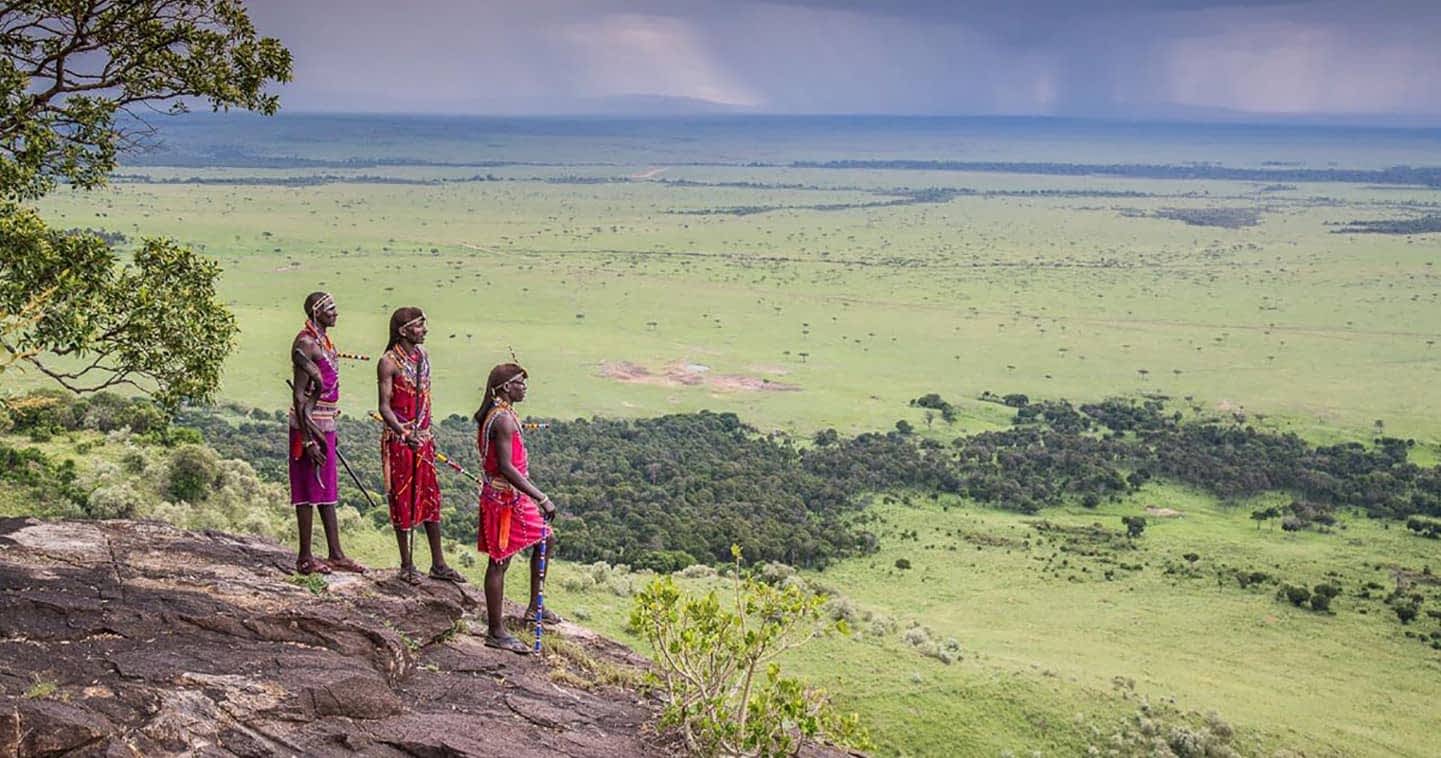
The Laikipia conservancy system alone protects over 9,500 square kilometres of wildlife habitat through partnerships between private landowners, community groups, and conservation organisations. These conservancies fund anti-poaching patrols, school bursaries, water projects, and healthcare clinics through tourism revenue. Every night you spend in a Laikipia camp directly supports the livelihoods of local Maasai, Samburu, and Pokot communities.
Our Kenya safaris are designed to maximise conservation impact. We partner exclusively with lodges and operators who demonstrate measurable contributions to wildlife protection, habitat restoration, and community development. When you travel with us, your safari is not merely a holiday — it is an investment in the future of Kenya's extraordinary wildlife heritage.