Rwanda's conservation story is inseparable from its national story. The 1994 genocide devastated not only the human population but also the country's wildlife and forests. The subsequent rebuilding has been extraordinary—and wildlife conservation has been central to the national recovery.
The gorilla trekking permit system—at $1,500 per person, the most expensive wildlife permit in Africa—was a deliberate strategic choice. Ten per cent of all park revenue is distributed directly to communities surrounding the national parks, funding schools, health clinics, and infrastructure. This revenue-sharing model has transformed gorillas from a resource to be poached into a living asset that communities actively protect.
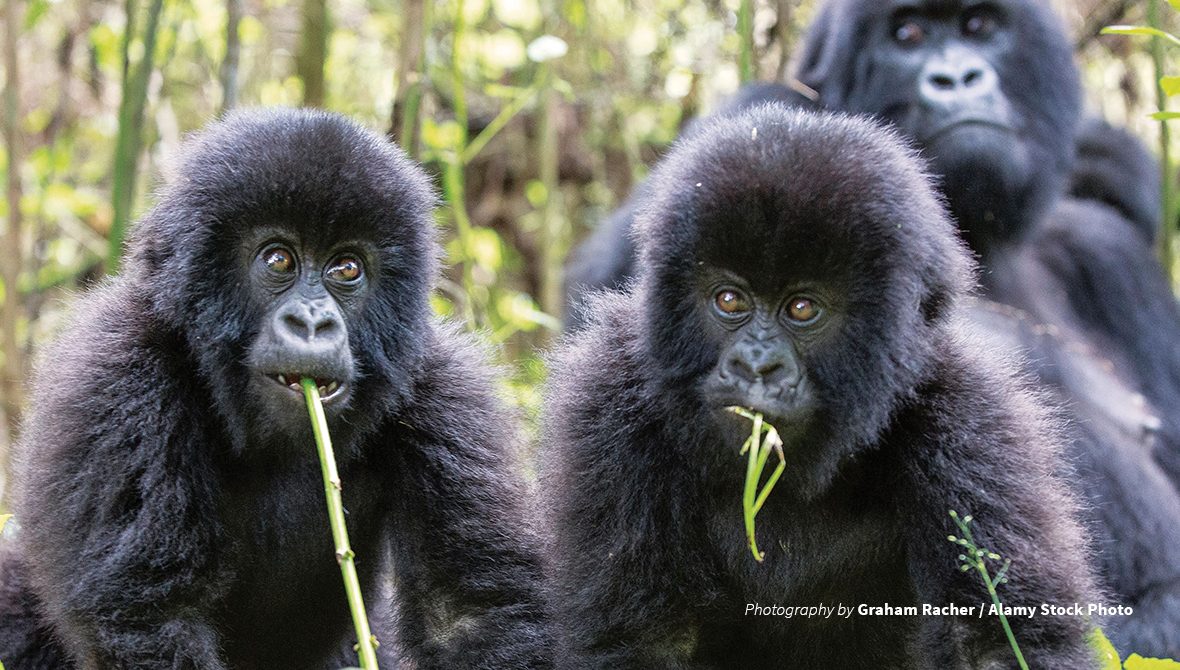
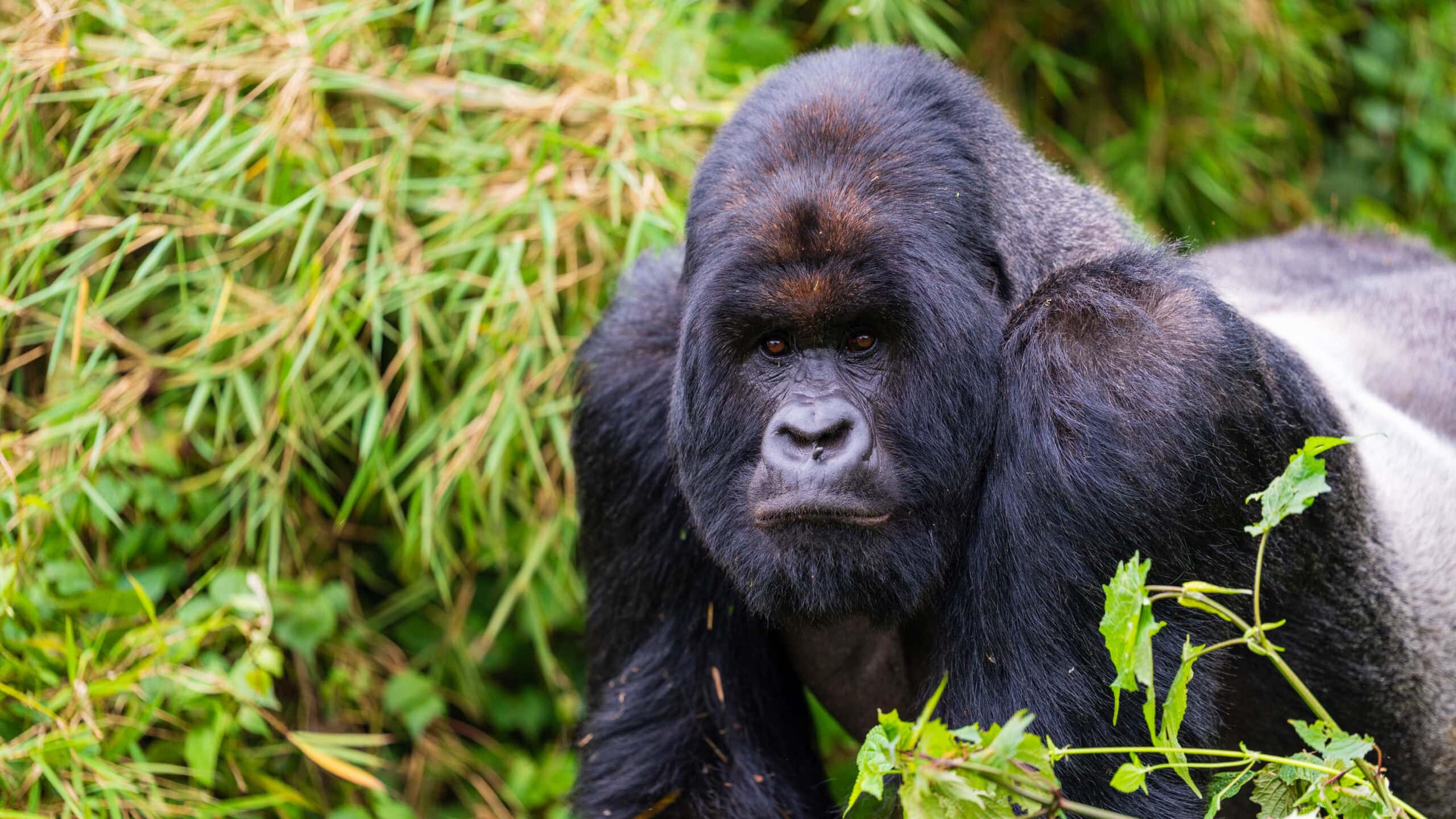
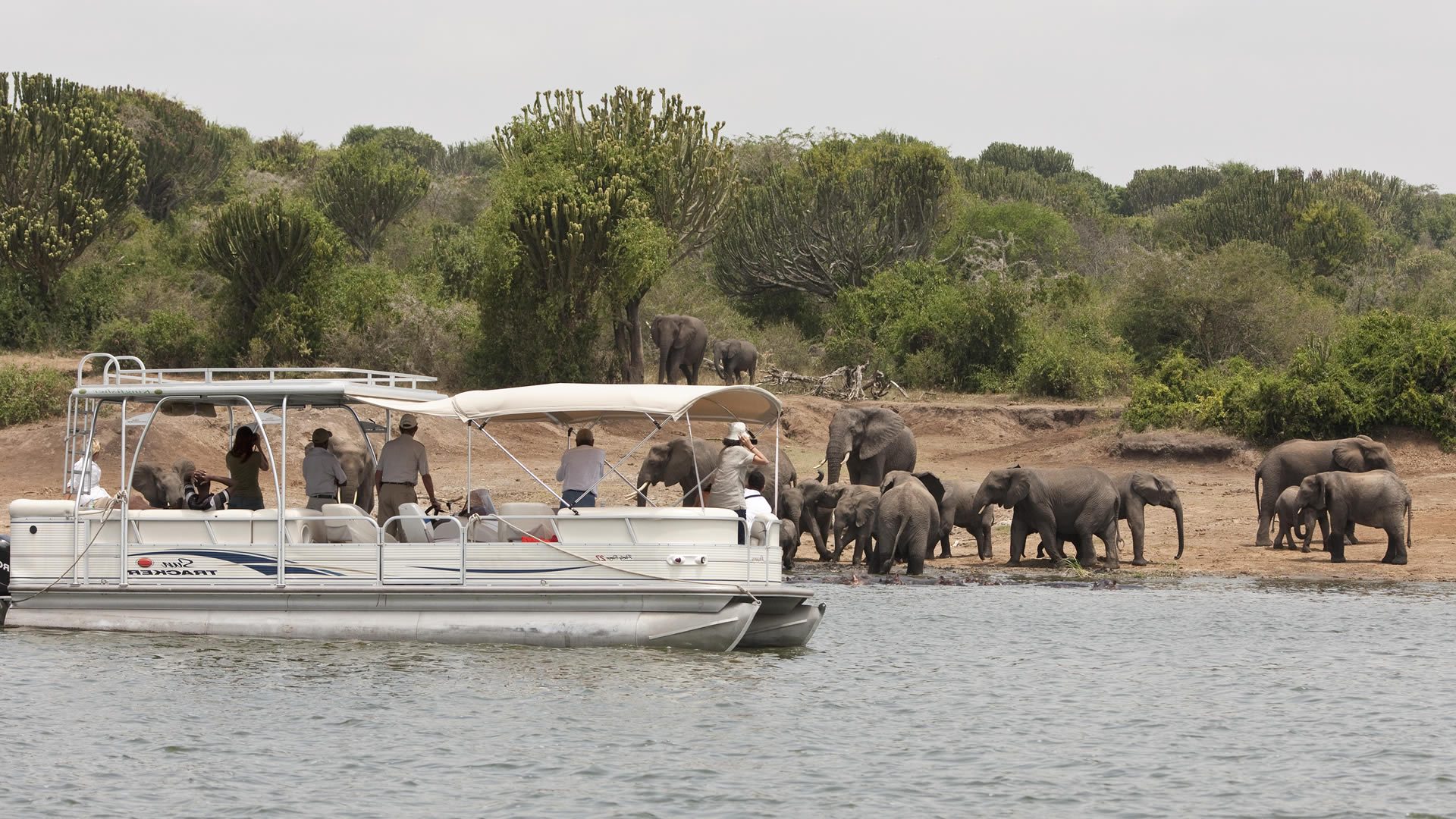
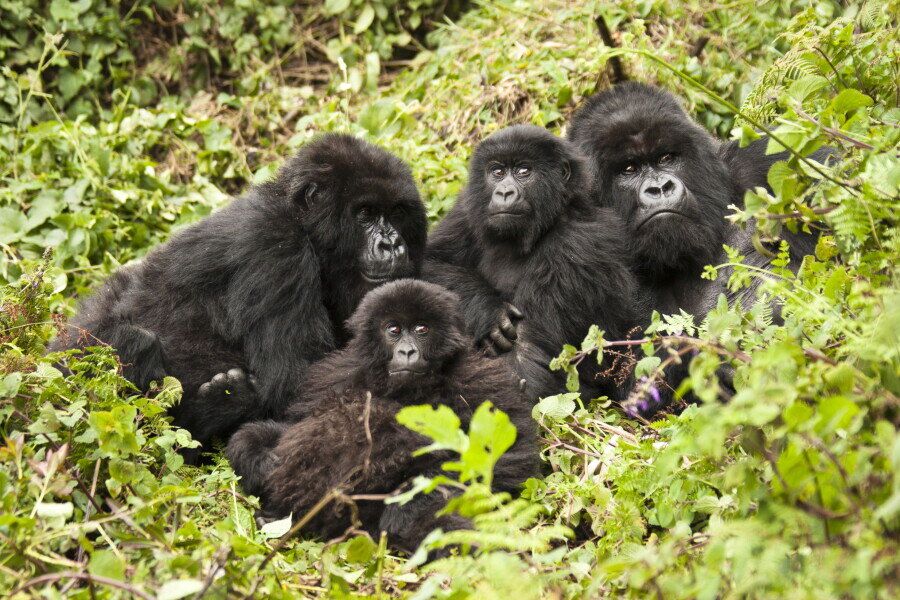
The results speak for themselves. Mountain gorilla numbers have risen from approximately 680 in 2008 to over 1,063 today—one of the few large-mammal conservation success stories on Earth. Akagera's rewilding programme has returned the Big Five to Rwanda. Nyungwe's chimpanzee populations are stable and growing.
Our Rwanda safaris are designed to maximise the positive impact of your visit. Every dollar spent on permits, lodges, and guides directly funds conservation programmes and community development. When you trek with us, you are not merely observing gorillas—you are actively participating in their survival.