We're Open8am–6pm SAST
WishlistPartner Portal
← Back to BlogSafari Guide

Botswana Walking Safari Guide 2026 | The Delta on Foot

Audio EditionListen to this story
0:000:00
Narrated by George — audio edition

Key Takeaways

  • Walking safaris are led by armed, specially qualified guides — safety is paramount
  • The focus shifts from big game to tracks, plants, insects, birds and the small stories
  • The Okavango islands, Linyanti and private concessions offer the best walking
  • Walks are usually 2–3 hours in the cool of early morning
  • Best combined with game drives and mokoro for a complete safari
  • A minimum age (usually 12–16) applies at most camps

Why Walk?

There is a moment on every walking safari when the engine noise falls away and the bush comes alive around you. Suddenly you can hear the alarm call of a squirrel, smell the wild sage crushed underfoot, feel the crunch of the earth and read the story written in the sand — who passed here, when, and which way they went. A game drive shows you the wildlife of Botswana; a walk lets you inhabit it. It is, for many travellers, the single most memorable part of their trip.

Walking changes your scale. From a vehicle you scan the horizon for the big five; on foot your world shrinks to the fascinating and the tiny — a dung beetle rolling its prize, a chameleon on a branch, a lion's pugmark pressed into the mud, the delicate architecture of a weaver's nest. Your guide becomes a translator of the wilderness, reading signs you would never notice and weaving them into the larger story of the ecosystem. And when you do encounter big game on foot — an elephant browsing, a giraffe watching you from the trees — the thrill is of a completely different order.

Is It Safe?

This is the first question everyone asks, and the honest answer is yes — walking safaris in Botswana are remarkably safe, because they are taken seriously. Walks are led by professional guides who hold a specialist walking qualification, and in big-game areas they carry a rifle as a last resort that is almost never needed. You walk in a single file, quietly, following your guide's lead, and you are briefed thoroughly before you set out: how to move, when to stop, what to do in the rare event of a close encounter.

The point of a walking safari is not to sneak up on dangerous animals — it is to experience the bush at ground level with intelligence and respect. Good guides read the wind, keep a safe distance and prioritise your safety over any sighting. Incidents are extraordinarily rare. What you feel is not danger but a heightened, thrilling awareness — the ancient alertness of being, for a couple of hours, simply part of the ecosystem rather than an observer of it.

Where to Walk in Botswana

The best walking is on Botswana's private concessions, where operators have the freedom to conduct walks that are not permitted in the national parks. The Okavango Delta's islands are superb — you can combine a mokoro glide to reach an island with a walk across it, a wonderful blend of water and foot safari. The Linyanti and Selinda concessions offer excellent big-game walking, and several specialist camps focus almost entirely on the walking experience, with expert guides and small groups.

Some camps offer walking as one activity among drives and boating; others are dedicated walking or "explorer" camps built around multi-day walking trails, where you move between fly-camps on foot and sleep under canvas in the heart of the wilderness. See our guide to the best luxury safari lodges in Botswana for camps with outstanding walking programmes.

Plan My Walking Safari

What a Walk Is Really Like

Most walks set out at first light, when the air is cool and the animals are active. You will typically walk for two to three hours at an easy, unhurried pace — this is not a route march but a slow, absorbing exploration, with frequent stops to examine, discuss and simply listen. Your guide sets the rhythm, pausing to point out a track, a plant used in traditional medicine, a bird calling from a thicket, or the tell-tale signs of a kill from the night before.

You will cover only a few kilometres, but you will return with a notebook full of new understanding and, often, a sighting or two that a vehicle could never have given you. Many camps end the morning walk with a bush breakfast or a coffee stop in a beautiful spot, before you head back to camp for the heat of the day. It is gentle, meditative and utterly addictive.

Walking Safari SnapshotDetail
DurationUsually 2–3 hours, early morning
GuideSpecialist walking qualification; armed in big-game areas
Best areasOkavango islands, Linyanti, Selinda concessions
FitnessEasy pace; moderate fitness sufficient
Minimum ageTypically 12–16 (varies by camp)
Best paired withGame drives + mokoro for a full safari

Planning Your Walking Safari

You do not need to be an athlete — the pace is gentle and the terrain mostly flat — but a reasonable level of fitness and a tolerance for early starts help. Wear neutral colours (khaki, olive, brown), sturdy closed shoes, a hat and sun protection, and bring binoculars. Most camps set a minimum age of twelve to sixteen for walks, as they require calm and concentration. Walks are weather- and wildlife-dependent, so your guide has the final word on when and where.

For the best experience we usually build walking into a broader Botswana itinerary — a few nights at a camp with excellent walking, combined with classic game drives, mokoro and perhaps a water camp. That way you get the intimacy of the walk and the reach of the drive, the small wonders and the big sightings. It is the most complete way to experience the delta, and we will tailor the balance to exactly how much walking you want to do.

Private Tours Cape Town arranges Botswana walking safaris with the country's finest walking guides — combined seamlessly with drives, mokoro and water camps for a complete delta experience.
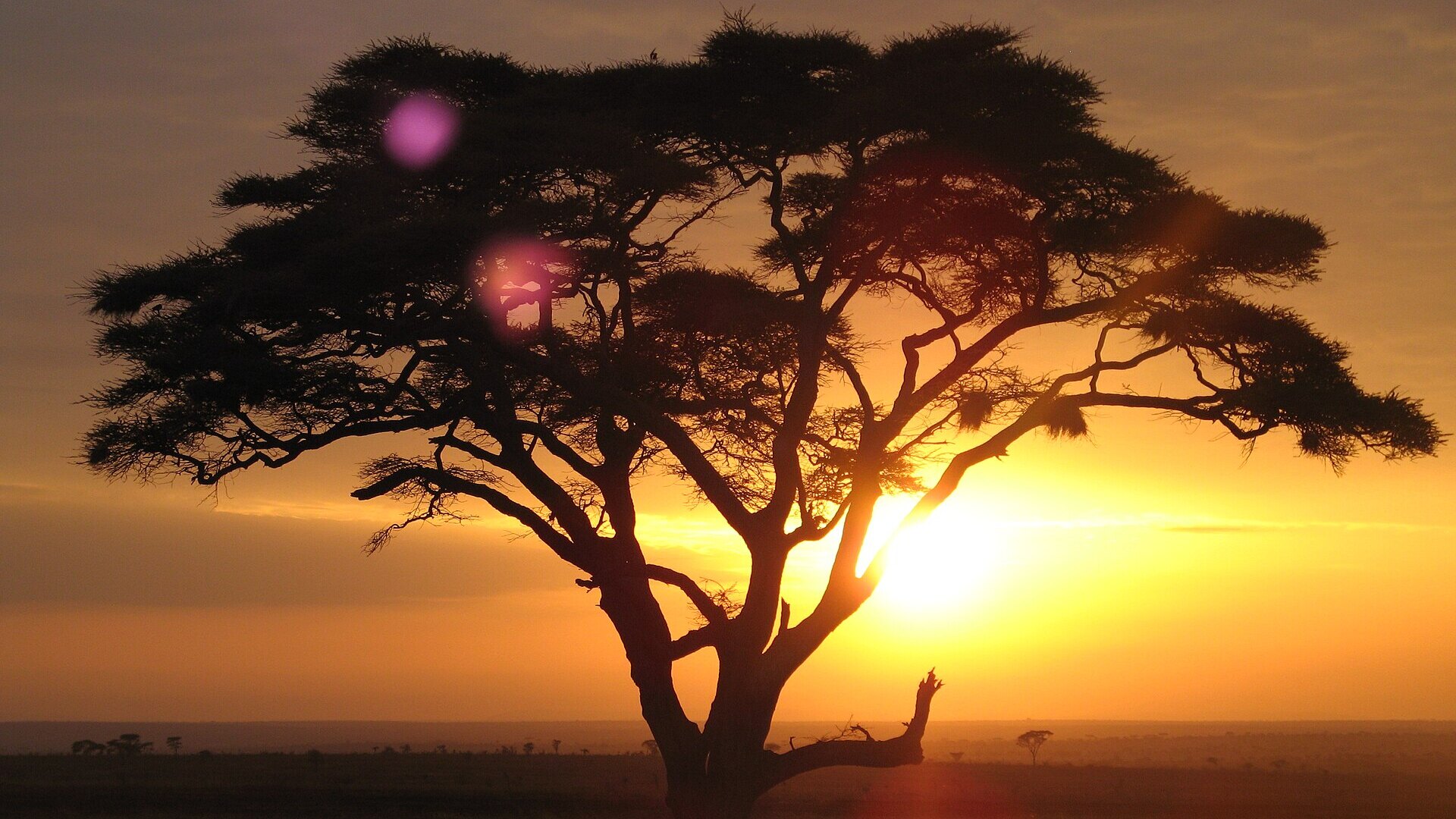
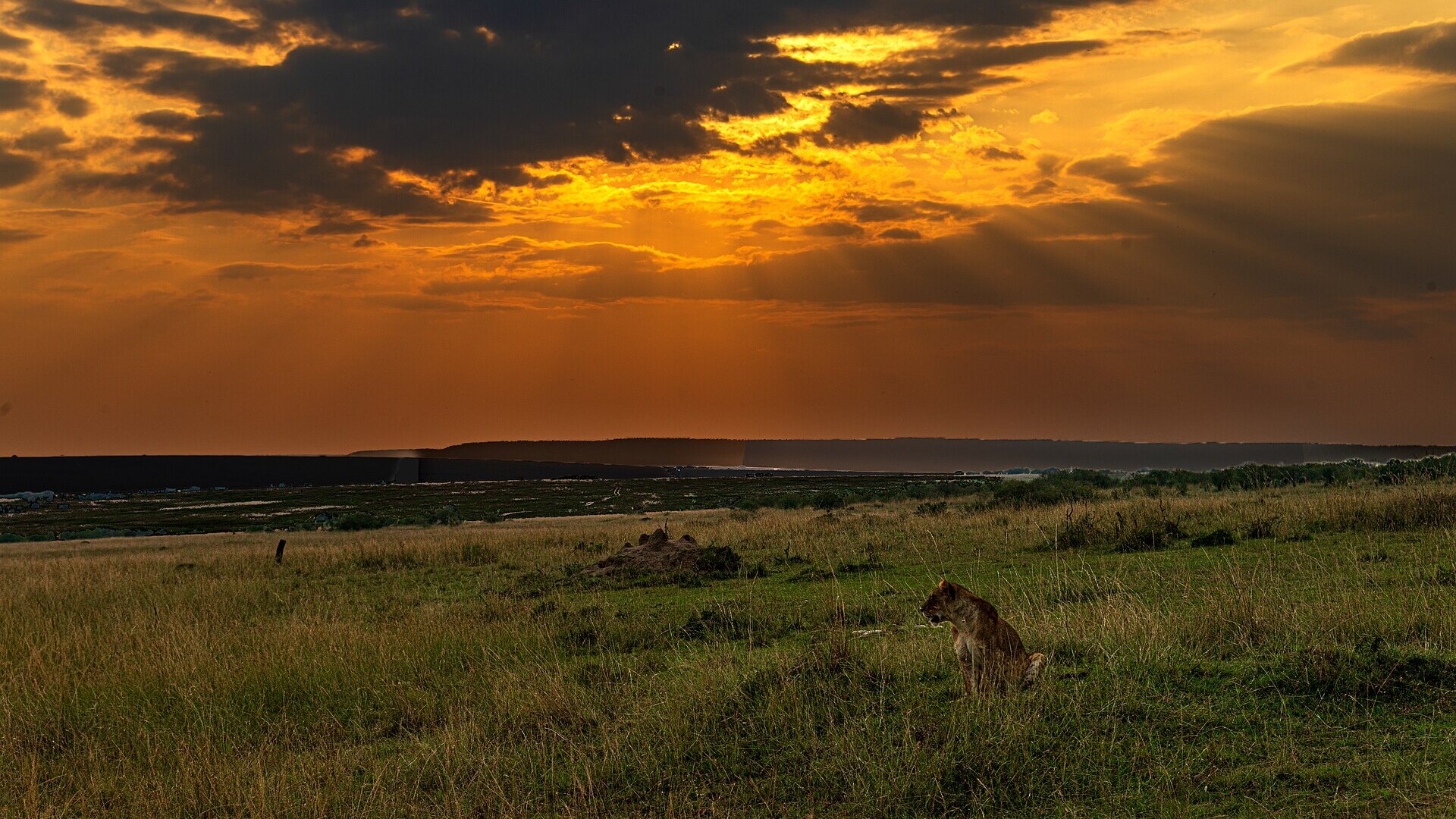
WALKING SAFARI

The bush at ground level

Step out of the vehicle and into the wilderness. A Botswana walking safari trades big distances for tiny details — tracks, scents, birdsong and the electric thrill of sharing the ground with big game.

Frequently Asked Questions

Yes. Walks are led by professional guides with a specialist walking qualification who carry a rifle as a last resort in big-game areas. You walk quietly in single file after a thorough briefing, and guides prioritise safety over any sighting. Incidents are extraordinarily rare.

Most walks last two to three hours and set out at first light when the air is cool and animals are active. The pace is gentle and unhurried, with frequent stops to observe and learn.

On the private concessions, where walks are permitted — the Okavango Delta's islands (often reached by mokoro), the Linyanti and the Selinda. Several specialist camps focus almost entirely on the walking experience.

No. The pace is easy and the terrain mostly flat, so moderate fitness is enough. A tolerance for early starts and comfortable closed shoes help. Wear neutral colours and bring binoculars and sun protection.

Yes — most camps set a minimum age of around twelve to sixteen, as walks require calm and concentration. The exact age varies by camp.

We recommend combining them. Walking gives you intimacy and the bush's small wonders; drives give you reach and big sightings. Together with mokoro, they make the most complete Botswana safari.

Make It Happen

Safari Packages

Ready to experience it yourself?

Let our local experts craft a private journey around the places you just read about.

Explore ToursPlan My Trip
Curated For You

You May Also Like

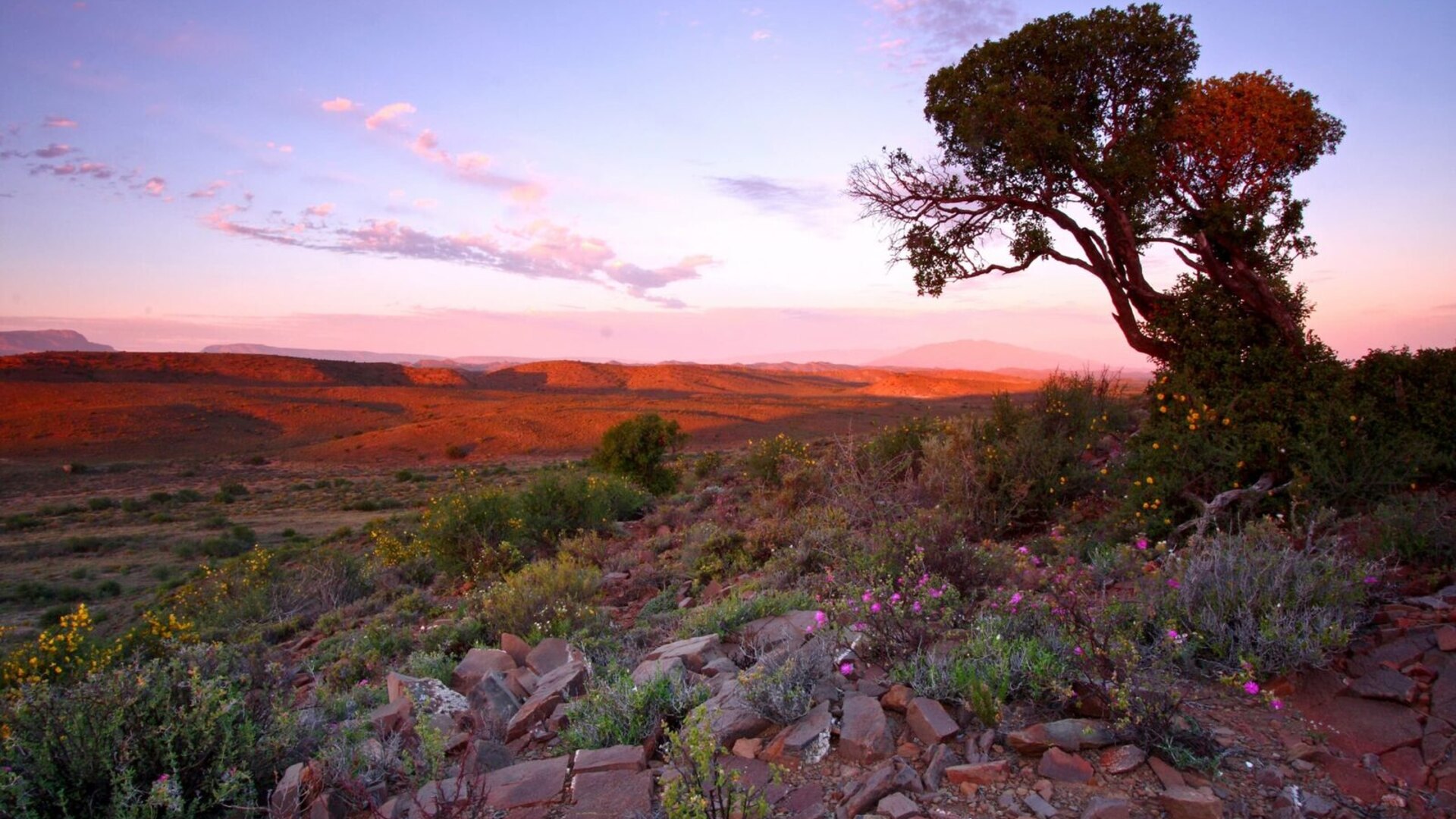
Golden Karoo light over a malaria-free Western Cape game reserve, classic family safari country near Cape TownSafari

Best Family Game Reserves in the Western Cape (2026): Malaria-Free Safaris for Kids

The Western Cape is the easiest place in South Africa to take children on safari. Every reserve here is genuinely malaria-free — no tablets for young kids — and most sit within two to four hours of Cape Town, so a Big Five safari slots neatly onto a family holiday alongside beaches, the Garden Route and Table Mountain. This is the definitive guide to the best family game reserves in the Western Cape for 2026: six reserves ranked and compared, with each one’s kids’ programme, the real minimum ages for game drives, honest per-night guidance, driving times from Cape Town, and the private family safaris we run to each. No marketplace listings — just genuine reserves and real trips, designed and operated by Beyond Africa Safaris, direct.

13 Sept 2026 · 16 min
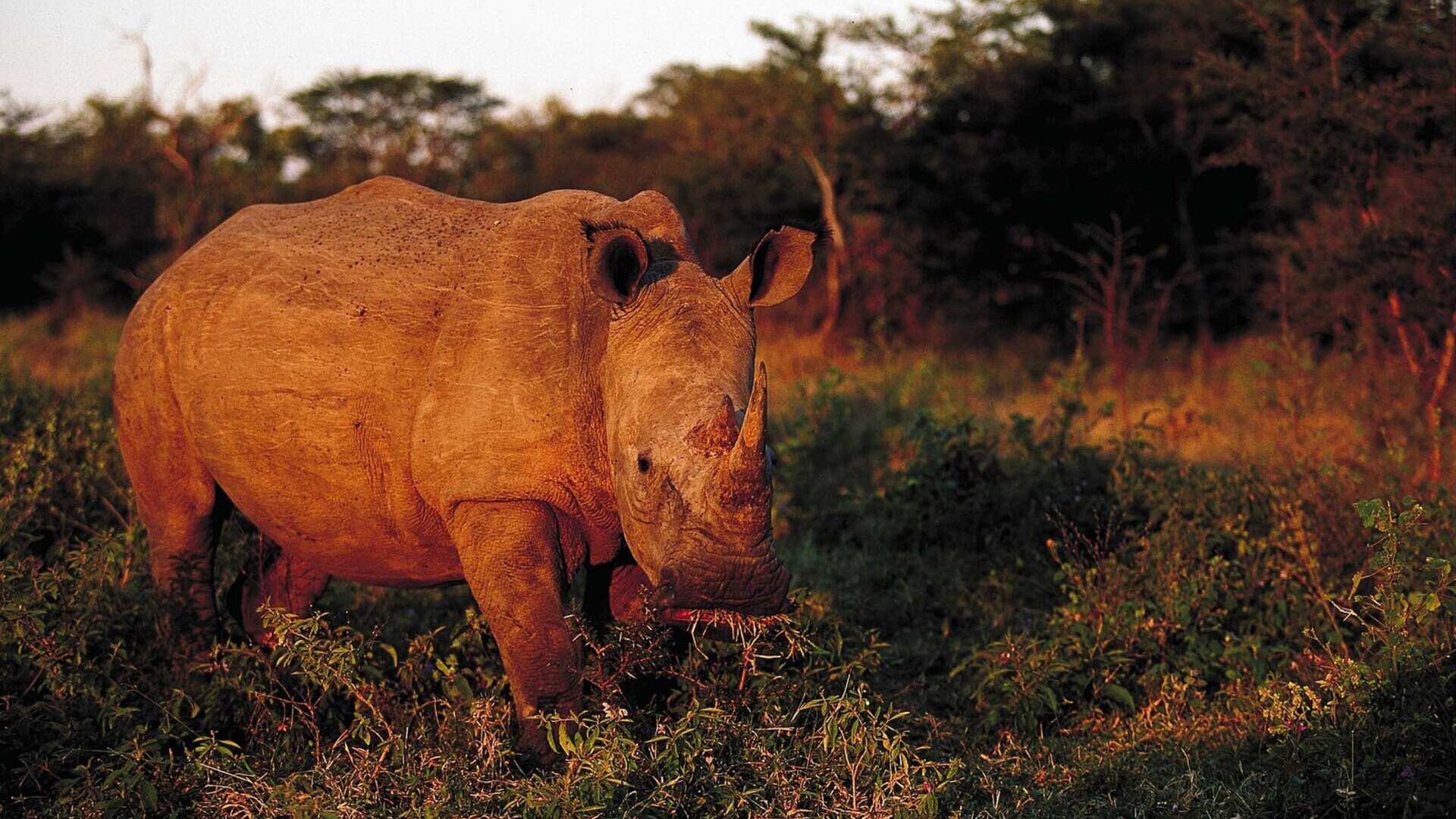
White rhino grazing at golden hour in a KwaZulu-Natal game reserveSafari

Best Big Five Game Reserves in KwaZulu-Natal (2026): Where to See the Big Five

KwaZulu-Natal is the quiet giant of South African safari — the province that saved the white rhino from extinction, holds the oldest proclaimed game reserve on the continent, and pairs the Big Five with Zulu culture and a warm Indian Ocean coastline you can reach in the same trip. This is the definitive guide to the best Big Five game reserves in KwaZulu-Natal for 2026: seven reserves ranked and compared, with what each one does best, honest per-night guidance, the real malaria picture reserve by reserve, driving times from Durban and Johannesburg, and the private safaris we run to each. No marketplace listings — just genuine reserves and real trips, designed and operated by Beyond Africa Safaris, direct.

13 Sept 2026 · 17 min
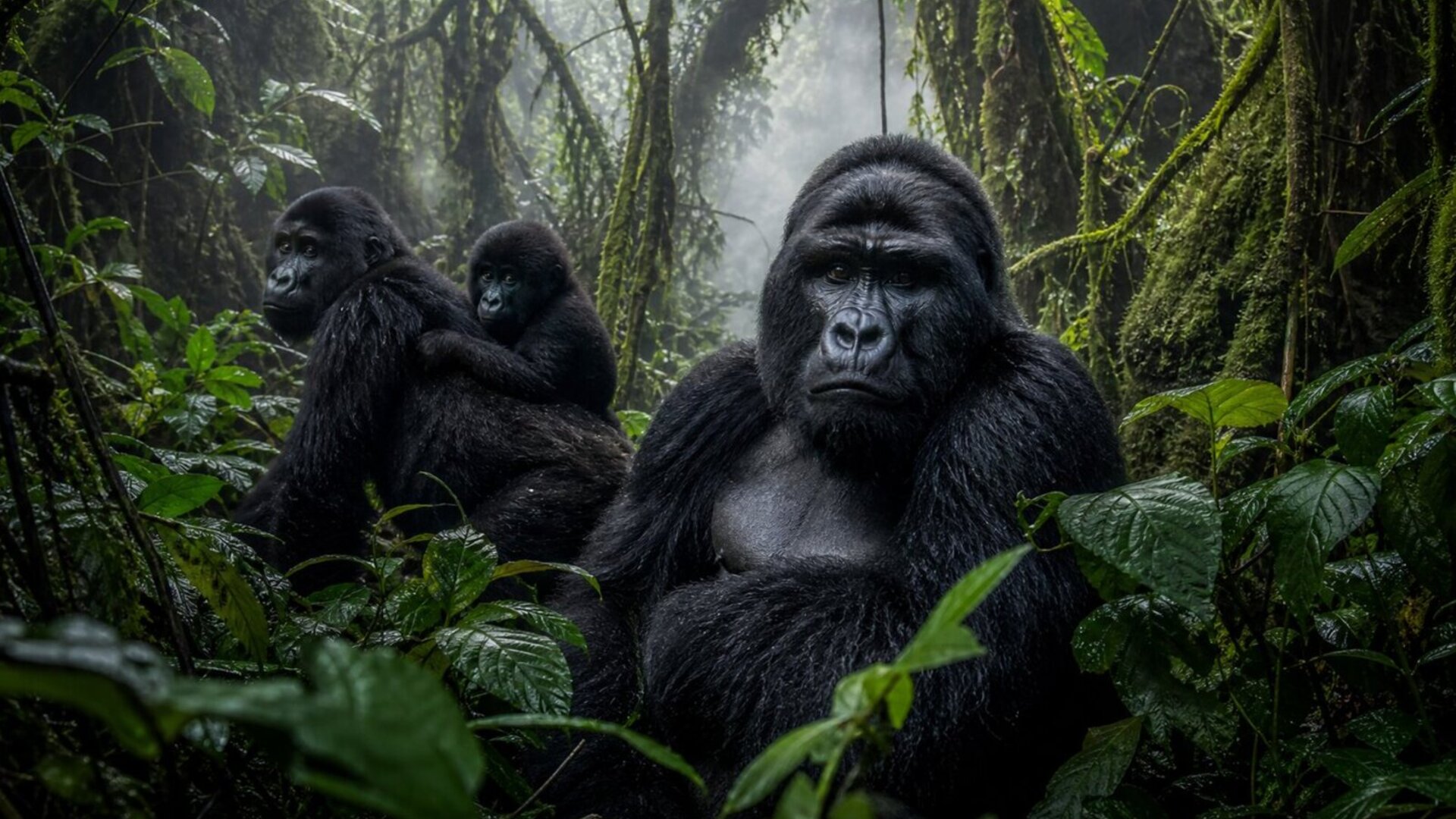
Mountain gorilla in the misty Bwindi Impenetrable Forest, UgandaSafari

Uganda Safari Packages 2026: Best Gorilla, Chimp & Wildlife Itineraries

Uganda is the Pearl of Africa — a green, friendly, wildlife-rich country where you can look a mountain gorilla in the eye in the forests of the south-west, track chimpanzees through Kibale by the following morning, watch lions draped in fig trees at Ishasha, and cruise beneath the raw power of the Nile at Murchison Falls by the end of the week. This is the definitive guide to Uganda safari packages for 2026: the real, bookable trips we run across Uganda's finest parks, with genuine day-by-day itineraries, honest per-person prices from value to ultra-luxury, a species-by-park breakdown of where each package goes, a month-by-month calendar for timing your trip, and clear advice on how to choose the right one. No marketplace listings, no bait pricing — just real journeys designed and operated by Beyond Africa Safaris, direct.

12 Sept 2026 · 18 min
Simple, Personal, Expert-Led

How It Works

From first message to the trip of a lifetime — planning your safari with us is effortless.

  1. 1

    Share Your Dream

    Tell us who is travelling, your dates and what you long to see. One quick message is all it takes to begin.

  2. 2

    We Design It

    Your specialist crafts a private, tailor-made itinerary — the right camps, the right season, every detail considered.

  3. 3

    Refine Together

    We fine-tune the journey with you until every day feels perfect, then handle flights, transfers and permits.

  4. 4

    Travel With Confidence

    Set off knowing every detail is handled and a dedicated specialist is on call from your first game drive to home.

Your Journey Starts Here

Let Our Experts Craft Your Perfect Safari

Every itinerary is handcrafted by our team of local specialists who have spent 18+ years exploring Southern and East Africa. From Big Five game drives to gorilla trekking — we create journeys that stay with you forever.

Start PlanningChat with Us
Chat