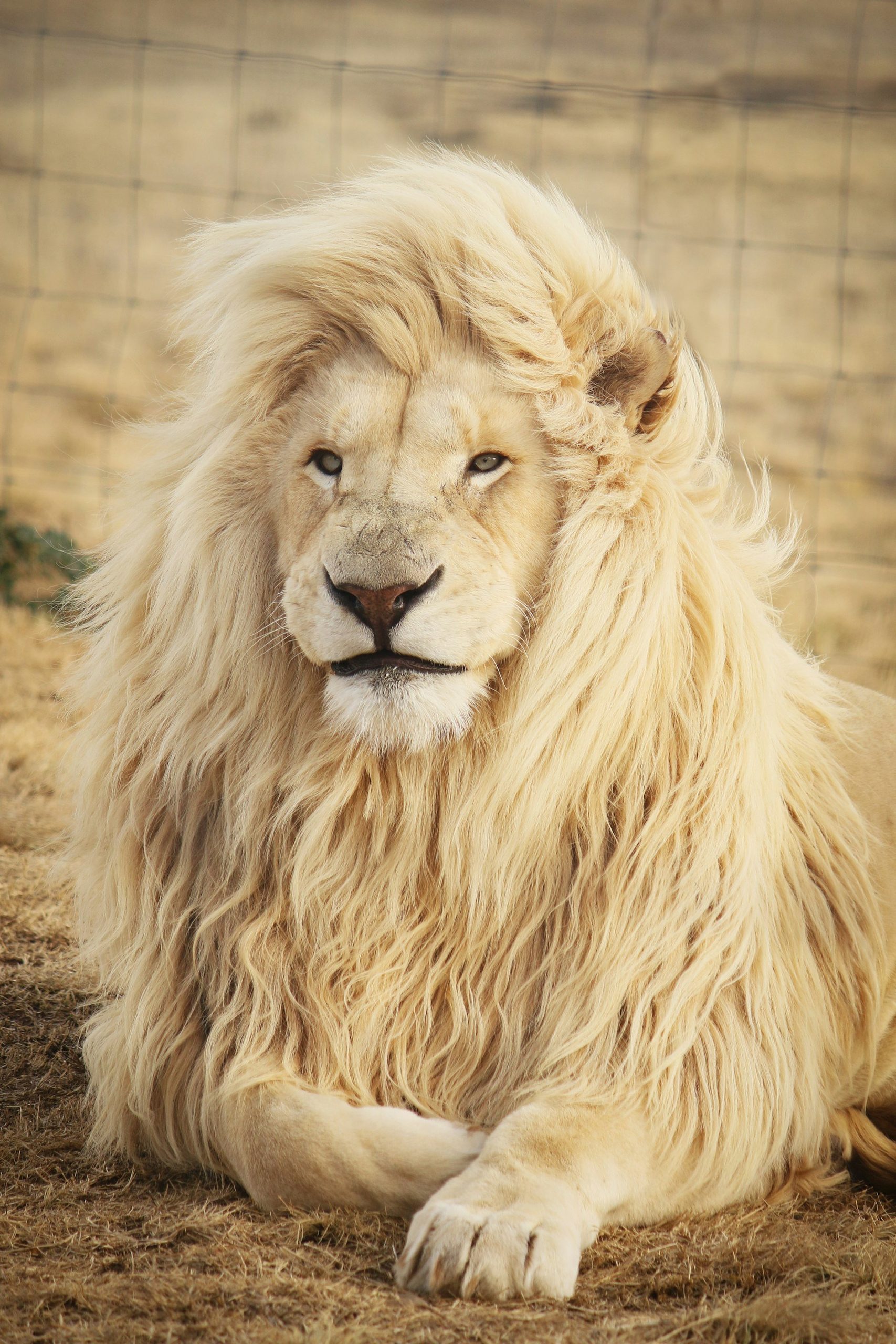
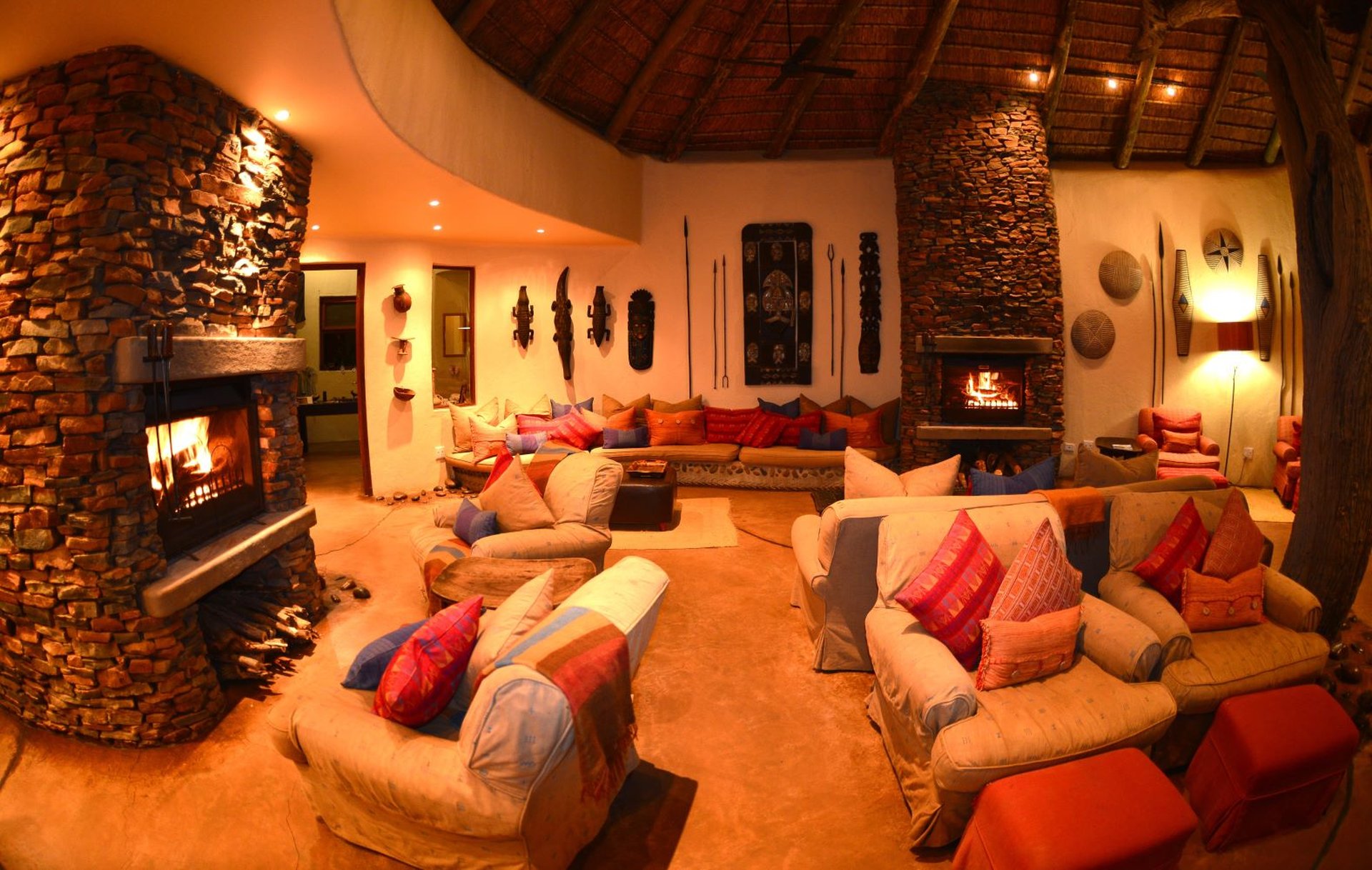
Planning a first safari can feel overwhelming: which country, which season, malaria or not, how many nights, self-drive or fully guided. The good news is that some destinations are simply built for beginners — easy to reach, safe, comfortable, reliably rewarding and superb value. Get the first one right and you will be booking the second before you even fly home. This is the complete guide to choosing your first African safari: how to decide, exactly where to go, when, what it costs, and how to avoid the classic first-timer mistakes.
Key Takeaways
- Best all-round first safari: South Africa's Sabi Sands & Greater Kruger — reliable Big Five, the world's best leopards, easy logistics, great value.
- Best for families / nervous first-timers: South Africa's malaria-free reserves (Eastern Cape, Madikwe, Waterberg).
- Best for the classic dream: Kenya's Masai Mara conservancies and Tanzania's Serengeti & Ngorongoro.
- Keep it simple: one or two areas, 3–4 nights each, travel in the dry season, and let a specialist handle logistics.
- Value ladder: South Africa from ~$1,200pp; Masai Mara ~$3,500pp+; Serengeti premium ~$12,000pp+.
TL;DR — where should a beginner go? If you want the easiest, best-value, most reliable first safari, go to South Africa (Sabi Sands or a malaria-free reserve). If you want the big-open-plains, lion-prides-everywhere dream and don't mind a bit more travel, go to the Masai Mara or Serengeti. You almost cannot get it wrong — but this guide will help you get it perfectly right.
First, How to Choose YOUR First Safari
Before you fall in love with a photo, answer four quick questions. They narrow the whole continent down to the right one or two destinations for you.
- Are you travelling with young children, or want to skip malaria tablets? → Choose a malaria-free South African reserve (Eastern Cape, Madikwe, Waterberg).
- Is seeing the Big Five reliably your top priority? → Choose Sabi Sands / Greater Kruger, where sightings are the most dependable in Africa.
- Is the picture-book "endless plains and lion prides" dream what you picture? → Choose the Masai Mara or Serengeti.
- Do you want to combine safari with a city or beach? → South Africa pairs with Cape Town & the Winelands; Tanzania pairs with Zanzibar.
This guide is about where to go for your first safari. For the step-by-step logistics of actually booking — visas, flights, packing, vaccinations and building the itinerary — read our companion piece, How to Plan an African Safari: The Complete First-Timer's Guide. Between the two, you'll have everything covered.
1. Sabi Sands & Greater Kruger, South Africa — the perfect first safari
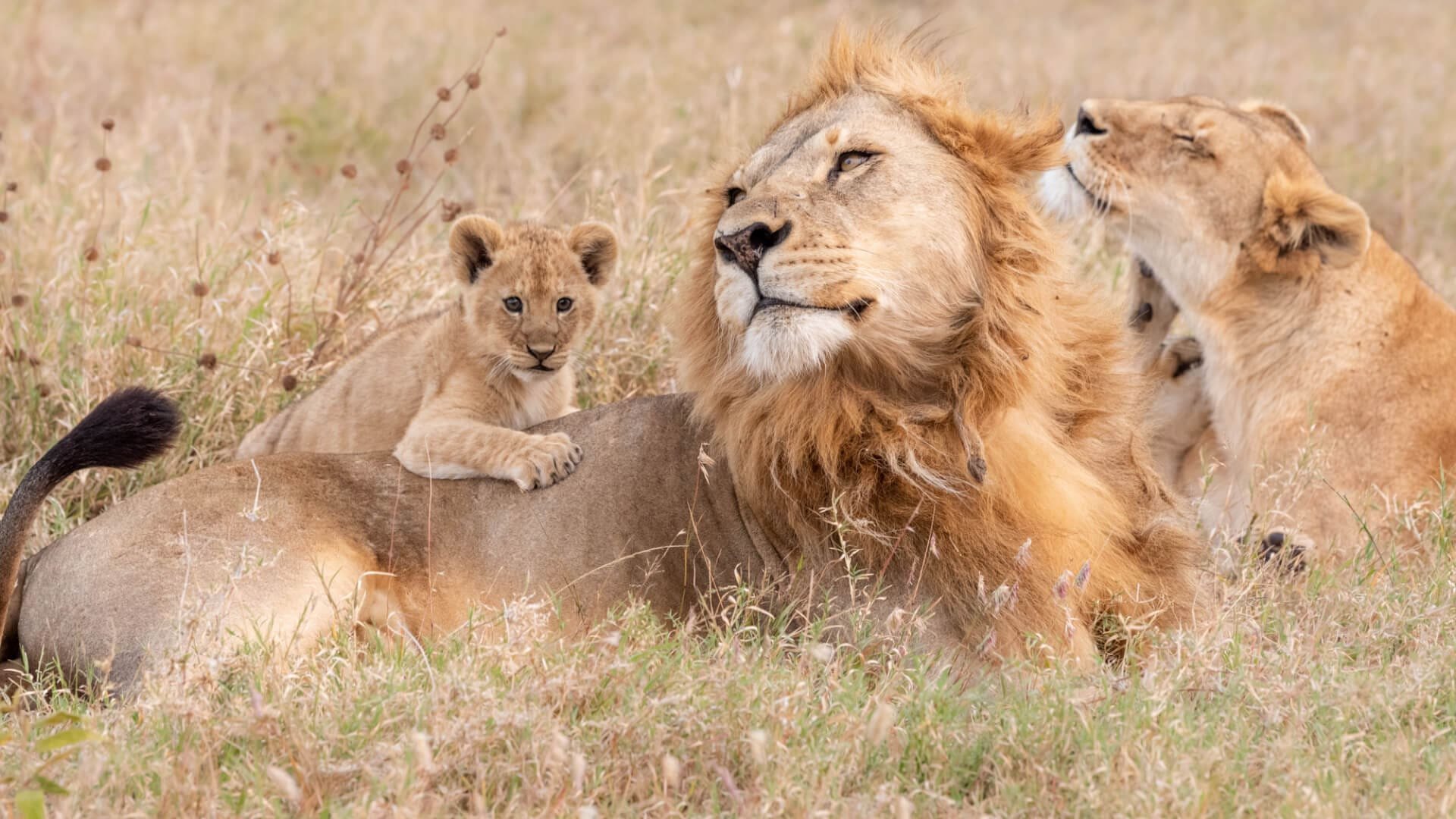
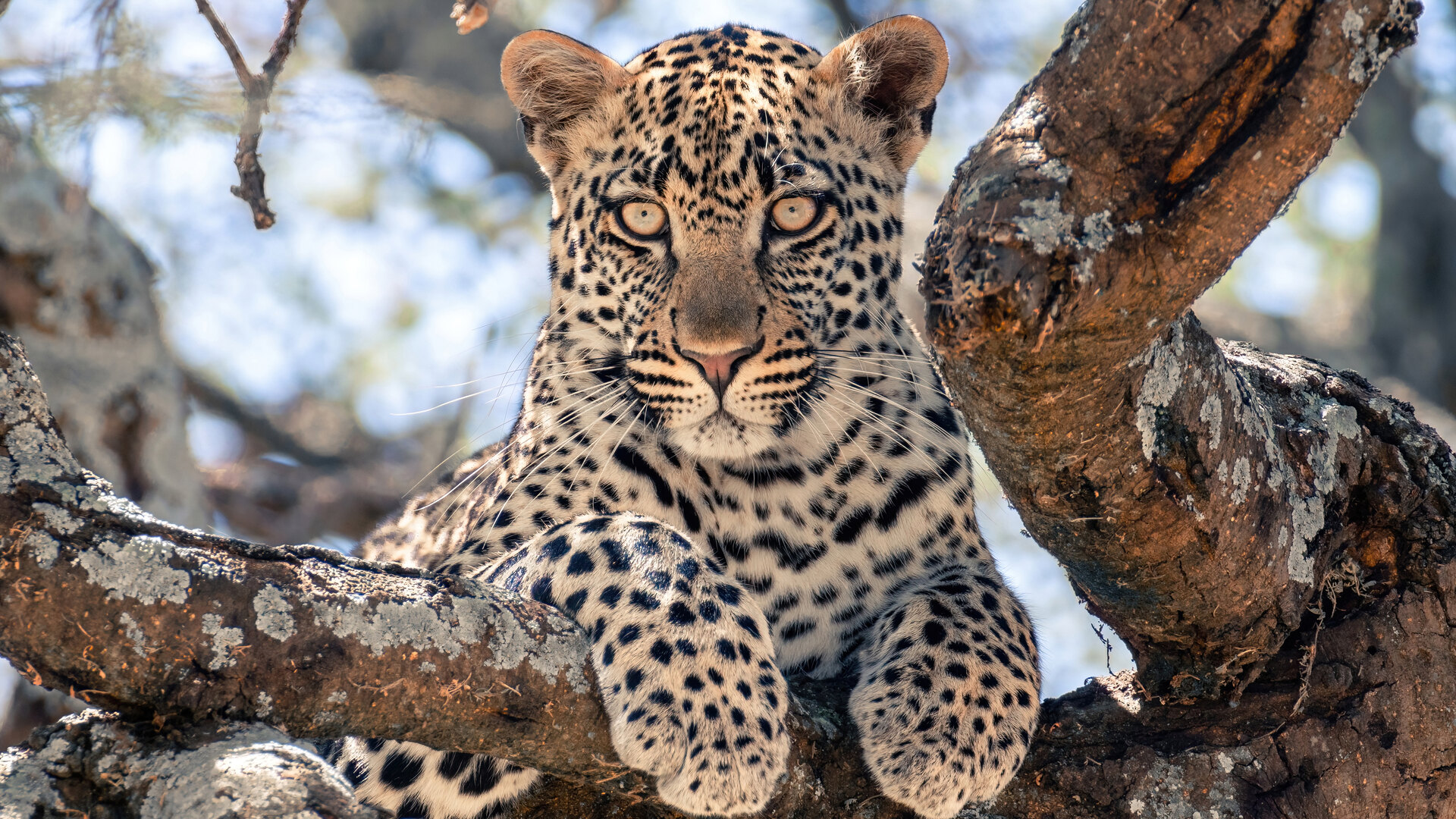
This is our number-one recommendation for beginners, and it isn't close. The Sabi Sands is a private reserve sharing an unfenced boundary with the Kruger, so wildlife roams freely, but the game-viewing is private: off-road driving, low vehicle numbers and expert ranger-tracker teams that find what other parks can't. The Big Five is reliably seen, often within a day or two, and leopard viewing here is the best on the planet — relaxed leopards draped over marula branches at eye level.
Everything about it is easy for a first-timer: English is universal, lodges span honest value to world-famous luxury, the food and service are exceptional, and you fly in on a short hop from Johannesburg. Add three or four nights in Cape Town and the Winelands and you have a first trip to Africa that feels effortless yet epic. For lodge ideas, see our guides to the best Sabi Sands lodges.
Best for: almost every first-timer — couples, honeymooners, solo travellers and confident families. Value: excellent. Malaria: low-risk area; precautions advised.
2. South Africa's malaria-free reserves — for families and the cautious
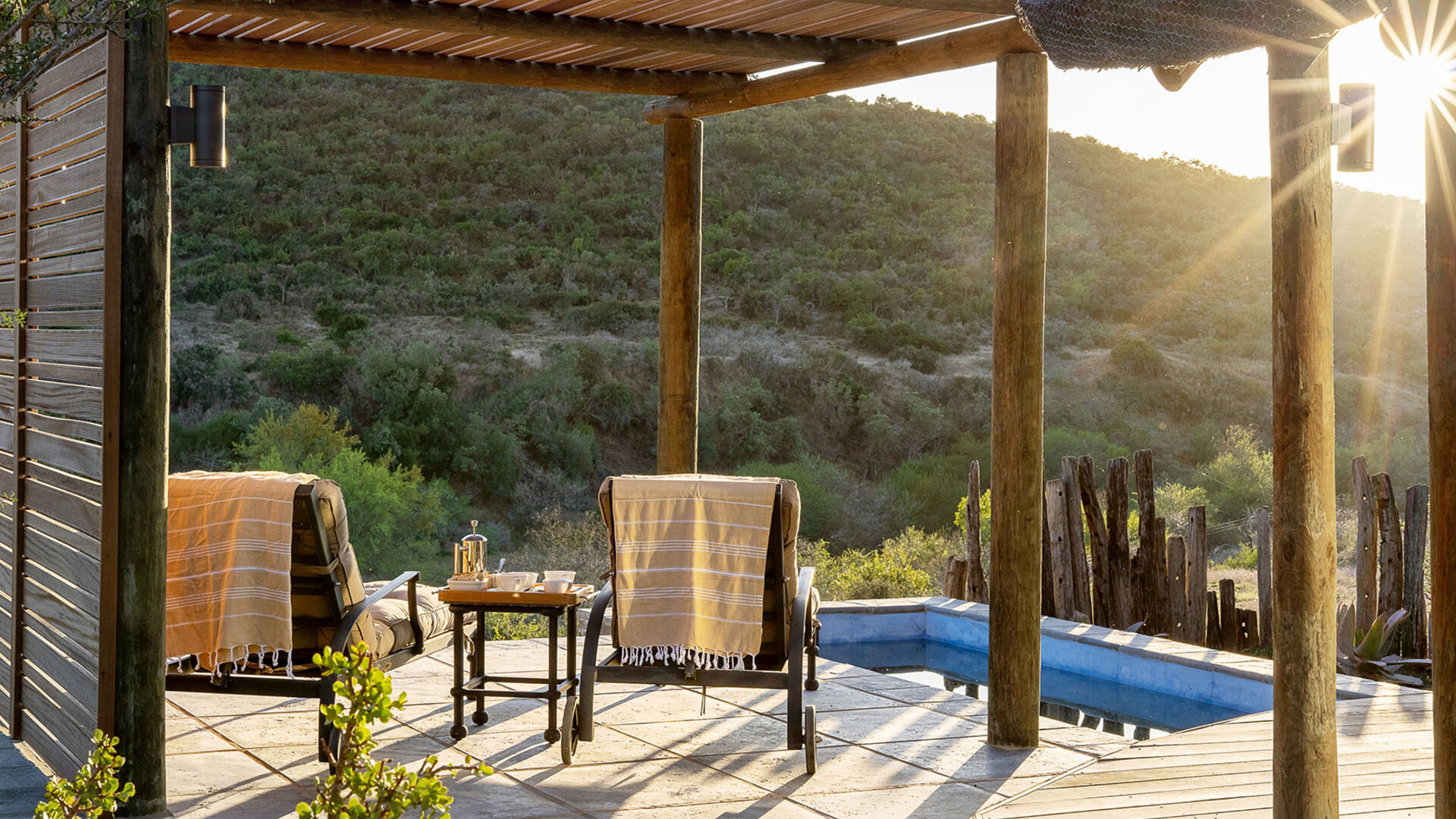
If you are travelling with children, are pregnant, or would simply rather not take anti-malarials, this is your answer. The Eastern Cape (a 45-minute drive or short flight from Port Elizabeth), Madikwe (near the Botswana border) and the Waterberg all deliver genuine Big Five safaris in complete comfort — with no malaria risk at all.
These reserves are purpose-built for a gentle introduction: short transfers, family-friendly lodges with kids' programmes and interconnecting suites, shorter game drives suited to younger attention spans, and the same expert guiding as the famous parks. The Eastern Cape also combines beautifully with the Garden Route and Cape Town. For the full picture, read our guide to a malaria-free safari in South Africa.
Best for: families with young children, nervous first-timers, multi-generation trips. Value: very good. Malaria: none.
3. Kenya's Masai Mara — the classic dream
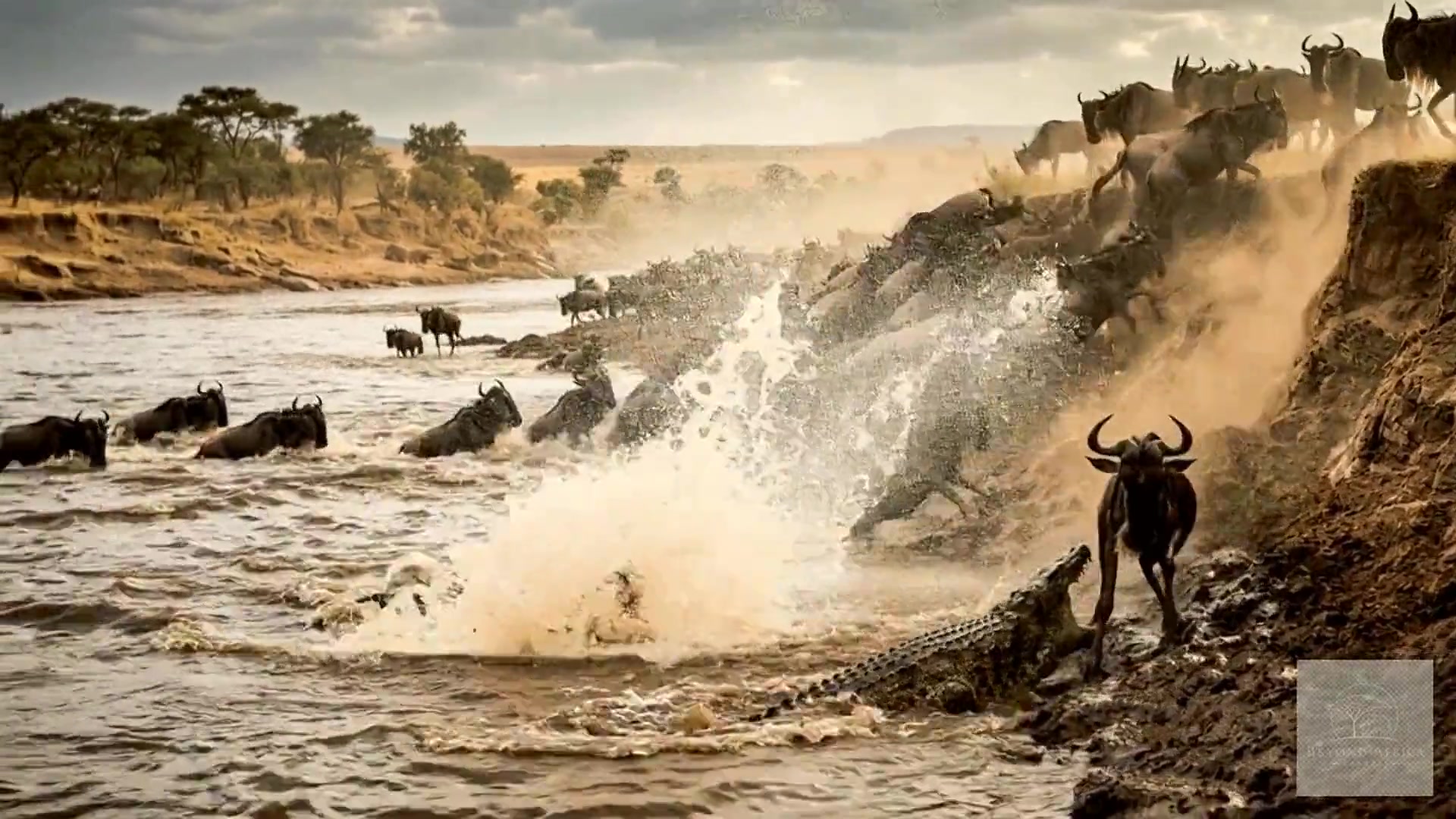
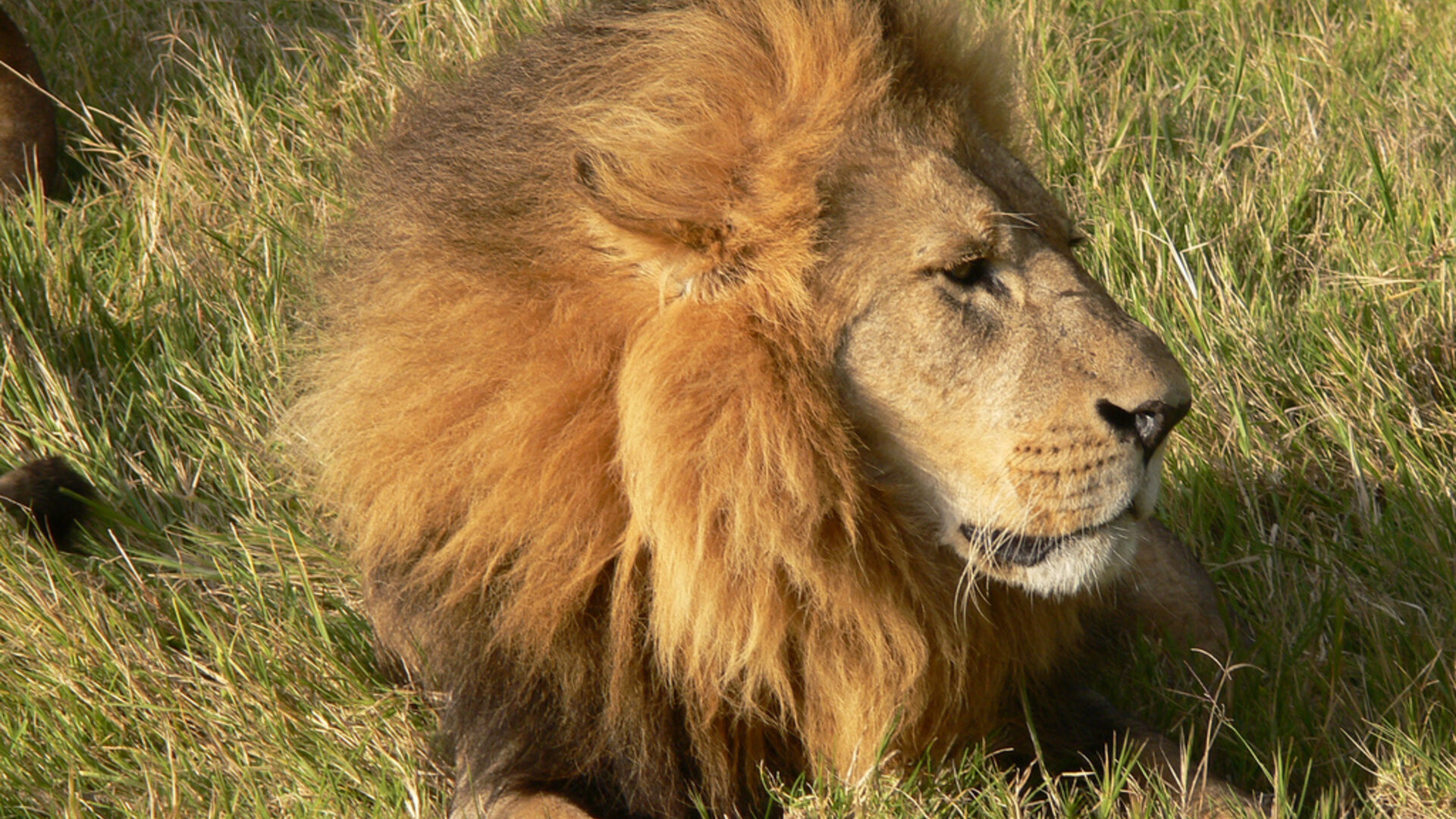
For the picture-book safari — golden grasslands to the horizon, huge lion prides, cheetah on termite mounds and the Maasai people — the Mara is hard to beat. Choose a private conservancy bordering the national reserve rather than the reserve itself: you get the same wildlife with a fraction of the vehicles, plus night drives and walking safaris that the main reserve doesn't allow. Time it for July–October and you may witness the Great Migration river crossings.
It is slightly more of an adventure than South Africa — a light-aircraft flight from Nairobi gets you in — but the pay-off is that quintessential "this is Africa" feeling. For camps and timing, see our best Masai Mara camps guide.
Best for: travellers chasing the iconic plains-safari image and big cats. Value: good. Malaria: present; precautions advised.
4. Tanzania's northern circuit — bucket-list scale
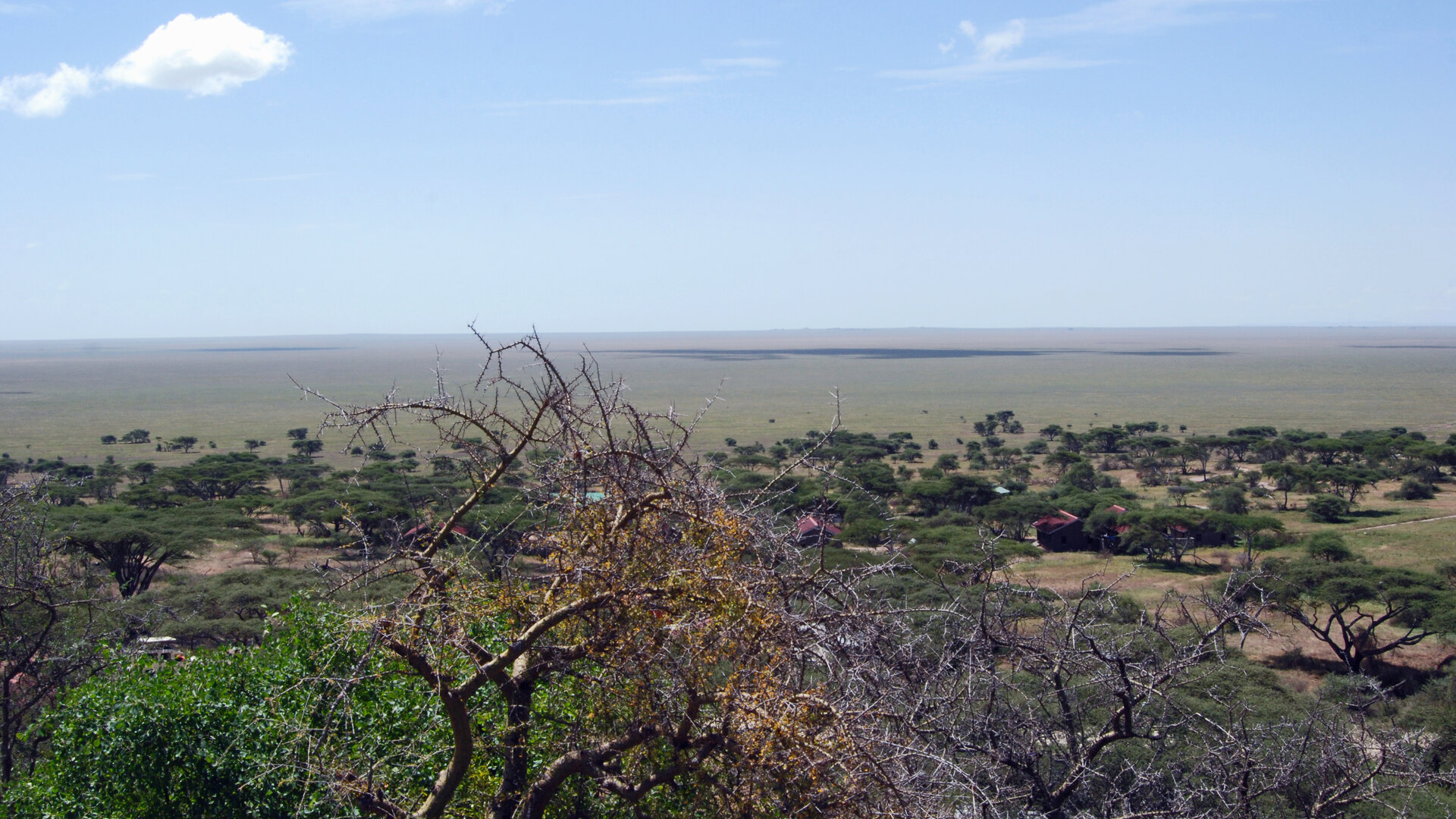
The Serengeti and the Ngorongoro Crater deliver safari at its most epic. The Serengeti's plains stretch beyond imagination and hold the greatest concentration of predators in Africa; the Ngorongoro Crater is a self-contained wildlife amphitheatre where you can realistically see the Big Five in a single morning. Finish with a few nights on the white sands of Zanzibar and you have one of the great first trips to Africa.
It is the most travel-intensive of our four picks — longer transfers and internal flights — and the premium camps carry premium prices, so it rewards a slightly bigger budget. But for headline-sight impact, nothing tops it. (Deciding between here and South Africa? Our South Africa vs Tanzania comparison settles it.)
Best for: bucket-list travellers who want maximum scale and a beach finish. Value: good at the top end. Malaria: present; precautions advised.
First-Safari Destinations Compared
| Destination | Ease | Big Five | Malaria-free? | From (pp) | Best for |
|---|---|---|---|---|---|
| Sabi Sands / Kruger | Very easy | Yes, reliable | No (low-risk) | ~$1,200 | All-round first safari |
| Eastern Cape / Madikwe | Very easy | Yes | Yes | ~$1,650 | Families & the cautious |
| Masai Mara | Easy | Almost (rhino scarcer) | No | ~$3,500 | The classic plains dream |
| Serengeti / Ngorongoro | Moderate | Yes | No | ~$12,000 | Bucket-list scale + beach |
Prices are indicative per-person starting points for a quality first trip and vary by season and lodge tier. For detailed pricing, see our cost guides linked below.
When to Go on Your First Safari
The single best tip for a first-timer: travel in the dry season. As vegetation thins and water sources shrink, animals concentrate around what water remains and are far easier to spot — ideal when you don't yet have a trained safari eye. In southern Africa (South Africa) that means roughly May to October; in East Africa (Kenya & Tanzania), June to October, which also covers the Great Migration river-crossing window in the Mara and northern Serengeti.
The green (wet) season has its own rewards — lush scenery, newborn animals, lower prices and fewer people — but for a first safari, the dry season stacks the odds in your favour. For a full month-by-month breakdown, see our best time for a Big Five safari guide.
What a First Safari Costs
Cost scales with destination and lodge tier, but as a realistic starting guide per person for a good-quality first trip: South Africa from about $1,200–$1,700 for 4–5 nights; the Masai Mara from about $3,500–$4,500; and a premium Serengeti & Ngorongoro journey from about $12,000–$15,000. South Africa is comfortably the best value for beginners, which is another reason it tops our list.
Those figures typically include lodging, meals, game drives, park fees and local transfers — but not international flights. Because pricing is so lodge- and season-dependent, we keep the deep numbers in dedicated guides rather than cramming them here; tell us your budget and we'll match you to the right tier.
Classic First-Timer Mistakes to Avoid
- Trying to see too much. Two areas, unhurried, beats five in a blur. Give each camp 3–4 nights.
- Booking the wrong season. Dry season = easier sightings for untrained eyes.
- Choosing the busy public reserve over a quiet private one. Private conservancies mean fewer vehicles and off-road access.
- Under-packing binoculars and over-packing clothes. Lodges do daily laundry; neutral layers are all you need.
- Ignoring malaria planning. Either take precautions for the Kruger/Mara/Serengeti, or pick a malaria-free reserve.
First-Safari Trips to Tailor
Private, beginner-friendly journeys we shape entirely around you:
- Classic Kruger Safari — 4 days, from $1,200 pp
- Malaria-Free Big Five — Eastern Cape — 5 days, from $1,650 pp
- Maasai Mara Explorer — 4 days, from $3,900 pp
- Serengeti & Ngorongoro Ultimate Safari — 8 days, from $14,500 pp
Explore the Destinations
Keep Reading
- How to Plan an African Safari (the logistics)
- Best Safari Destinations in Africa
- Best Safari Countries in Africa, Ranked
- South Africa vs Tanzania for First-Timers
Start Planning Your First Safari
Every first safari we craft is private and built entirely around you — your dates, your pace, your budget and the wildlife you most want to see. Our specialists have travelled this ground themselves and design each itinerary by hand.