Key Takeaways
- A Kenya safari package bundles your lodges or camps, meals, twice-daily game drives, expert guide and private 4x4, park and conservancy fees, and internal transfers or light-aircraft flights into one clear per-person price — so you plan once and simply arrive.
- The best Kenya safari packages for 2026 span a value Tsavo wilderness safari from US$1,150pp (4 days), Samburu's Special Five from US$2,780pp (5 days), Amboseli's Kilimanjaro elephants from US$2,950pp (5 days), and an ultra-luxury fly-in journey from US$9,500pp (7 nights).
- Kenya's signature experiences — the Masai Mara's Great Migration river crossings (July–October), Amboseli's super-tusker elephants beneath Mount Kilimanjaro, Samburu's unique wildlife including reticulated giraffe and Grevy's zebra, and Tsavo's red elephants — can all be combined into a single well-planned package.
- Prices are driven by four things: season (peak July–October migration costs 30–40% more than the April–May green season), lodge tier, whether you fly or drive between parks, and conservancy access (private Mara conservancies allow off-road tracking and night drives the main reserve does not).
- What is usually NOT included: international flights, your Kenya eVisa (from US$51), travel insurance, tips (budget US$10–15 per guest per day), premium imported drinks and the optional hot-air-balloon safari (US$450–550pp in the Mara).
- Anti-cannibalization: this guide compares bookable package trips. For budget-focused options, see our affordable Kenya safari packages guide; for all-inclusive details, the all-inclusive Kenya safari packages guide; for the full price breakdown, the Kenya safari cost guide; for wildlife and species, the Kenya wildlife safari guide; and for planning the whole trip, the Kenya safari tours guide. For lodge recommendations, see our best Kenya safari lodges guide.
Why Kenya Is Africa's Most Iconic Safari-Package Destination
Kenya is where the romance of the African safari was born — the birthplace of Out of Africa, the canvas for countless nature documentaries, and the setting for the greatest wildlife spectacle on Earth. The Masai Mara hosts the climactic act of the Great Migration each year from July to October, when more than a million wildebeest surge across the crocodile-filled Mara River in scenes of raw, chaotic power. Amboseli National Park offers the continent's most iconic wildlife portrait: massive elephant herds walking in single file beneath the snow-capped summit of Mount Kilimanjaro, Africa's highest mountain. Samburu National Reserve shelters species found nowhere else — the reticulated giraffe, Grevy's zebra, Beisa oryx, gerenuk and Somali ostrich, collectively known as the Special Five. And Tsavo, Kenya's largest wilderness, spreads across red-dust plains where herds of elephants dust-bathed in ochre earth roam beneath ancient baobabs.
What makes Kenya so well suited to safari packages — as opposed to piecing a trip together yourself — is that its parks are connected by well-maintained roads and light-aircraft flights, its guiding standards are among the highest in Africa, and its lodges and tented camps span every budget from honest value to ultra-luxury. A good Kenya safari package folds all of that into one clear price: your camps and lodges, all meals, twice-daily game drives, an expert guide and private 4x4, every park and conservancy fee, and the internal transfers or light-aircraft flights that link the reserves. You plan once, you pay once, and from the moment you land at Jomo Kenyatta or Wilson Airport you are free to simply watch Kenya unfold.
This guide lays out the real, bookable Kenya safari packages we run for 2026 — with genuine day-by-day itineraries, honest per-person prices by tier, a breakdown of exactly which wildlife each trip delivers, a month-by-month calendar for timing, and clear advice on choosing the right one. Every trip here is designed and operated by Beyond Africa Safaris directly; nothing on this page is a marketplace listing or a middleman quote.
How Kenya Safari Packages Work — What's Included, What's Not
Before the trips themselves, it helps to understand exactly what a Kenya safari package covers, because the word "package" is used loosely across the industry. A genuine, well-built Kenya package includes your accommodation (tented camps or lodges, chosen for position and comfort), all meals and often house drinks, twice-daily game drives with an expert driver-guide and a private 4x4 you never share, all park, conservancy and service fees, internal transfers or light-aircraft flights between the parks, airport transfers, and 16% Kenyan VAT. The best operators itemise every one of these in writing, so the headline figure is the figure you actually pay.
What is usually not included, and should be budgeted separately: international flights to and from Nairobi, your Kenya eVisa (from around US$51), travel insurance with medical evacuation, gratuities for your guide and camp staff (budget US$10–15 per guest per day), premium imported wines, champagnes and spirits, spa treatments, and optional add-ons — the most popular being the dawn hot-air-balloon safari over the Masai Mara (around US$450–550 per person). The golden rule is simple: if it is not written into your itinerary, assume it is an extra and ask for a clear inclusions-and-exclusions list up front. It is the single most useful question you can put to any operator, and it separates an honest package from a cheap-looking quote with government park fees quietly left off.
One important difference in Kenya: many of the finest safari camps sit in private conservancies bordering the main national reserves, particularly around the Masai Mara. These conservancies charge their own fees (typically US$100–150 per person per night) but deliver privileges the public reserves cannot match — off-road tracking to follow predators through the bush, night drives to see leopard and lion hunting under spotlight, and dramatically lower vehicle numbers for intimate sightings. A package quoting conservancy access is usually worth the premium; one that sticks to the main reserve gates saves cost but sacrifices flexibility. For the full numbers, our Kenya safari cost guide breaks every line down, and our dedicated all-inclusive Kenya safari packages guide explains precisely what "all-inclusive" means here.
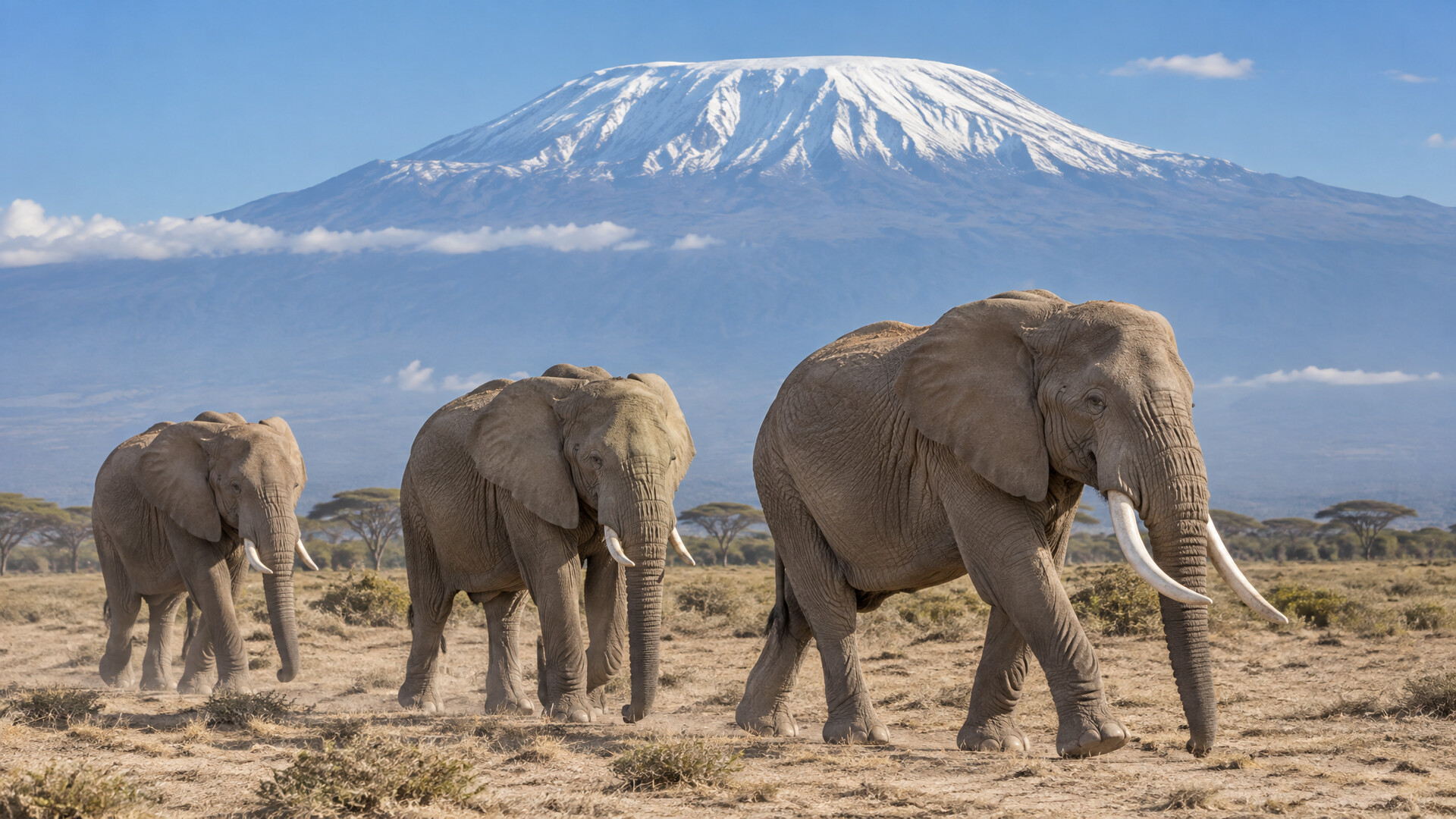
Tsavo Explorer Safari — Red Elephants & Wilderness (4 Days)
For travelers seeking Kenya's raw, uncrowded wilderness at an accessible price point, the Tsavo Explorer Safari delivers four days in Kenya's largest protected area. Tsavo's claim to fame is its red elephants — not a separate species but herds that dust-bathe in the park's distinctive ochre soil until their hides glow rust-red in the light. Beyond the elephants, Tsavo unfolds as a landscape of volcanic drama: the black lava flows of Shetani, the crystal pools of Mzima Springs where hippos and crocodiles can be watched through underwater viewing chambers, and the Yatta Plateau, the world's longest lava flow. This is Kenya before the tourism boom, before the crowds — a place of space, silence and big-sky game viewing.
What you'll see: Red elephants, lion prides, buffalo herds, leopard (harder to spot but present), giraffe, zebra, impala, waterbuck, hippo and Nile crocodile at Mzima Springs, a rich raptor population including bateleur eagles and martial eagles, and occasional sightings of cheetah and wild dog on the open plains. Tsavo is not a Big Five guarantee like the Masai Mara, but it offers an authentic, crowd-free wilderness experience at a fraction of the cost.
Price from US$1,150 per person sharing (mid-range tented camp, 4 days / 3 nights, full board, all game drives, park fees and road transfers from/to Nairobi included). Peak-season surcharges apply June–October and December–January.
Samburu Ultimate Safari — The Special Five (5 Days)
Northern Kenya is a different world — drier, wilder, and home to wildlife found nowhere else in Kenya or East Africa. The Samburu Ultimate Safari takes you into this frontier landscape for five days tracking the so-called Special Five: the reticulated giraffe with its geometric coat pattern, the Grevy's zebra with its narrow stripes and white belly, the long-necked gerenuk that stands on its hind legs to browse, the Beisa oryx with its rapier horns, and the Somali ostrich with its blue-grey neck and legs. Beyond these endemics, Samburu National Reserve is one of Kenya's most scenic parks — the rust-red earth, the green ribbon of the Ewaso Ng'iro River lined with doum palms, and the backdrop of the Matthews and Ololokwe mountains.
What you'll see: All five of the Samburu Special Five species, elephant herds along the riverbanks, lion prides (Samburu's lions are well habituated and often seen), leopard (particularly good sightings here thanks to the reserve's rocky outcrops and riverine forest), cheetah on the open plains, spotted and striped hyena, and over 450 bird species including the vulturine guineafowl and the palm-nut vulture. Cultural visits to Samburu villages can be arranged as an optional add-on.
Price from US$2,780 per person sharing (luxury tented camp, 5 days / 4 nights, full board, all game drives, park fees and road transfers from/to Nairobi included). Fly-in option available for an additional cost.
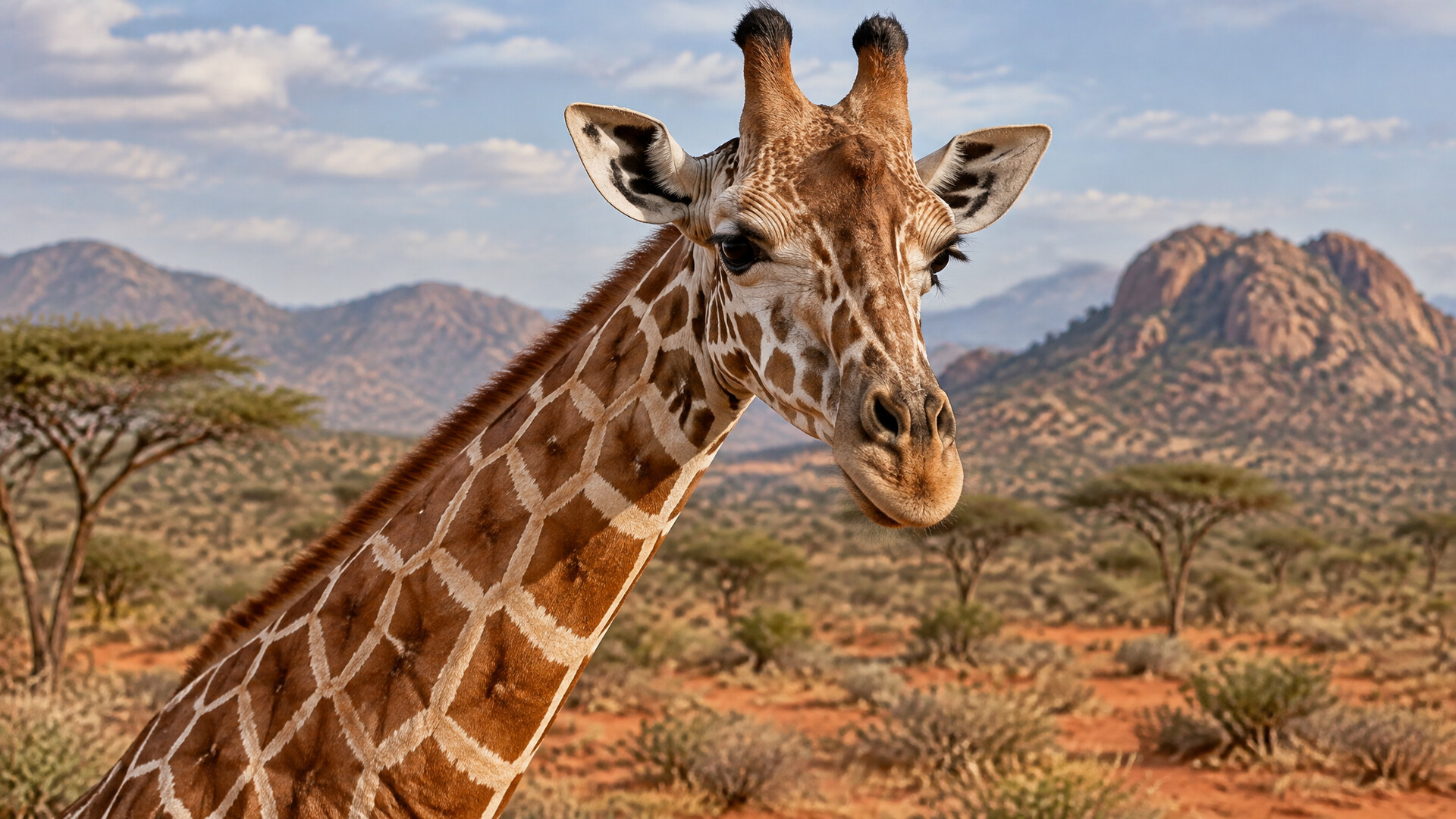
Amboseli Ultimate Safari — Kilimanjaro Elephants (5 Days)
Amboseli National Park delivers the single most iconic wildlife photograph in Africa: massive elephant herds crossing the dusty plains with the snow-capped summit of Mount Kilimanjaro rising 5,895 meters into a clear blue sky behind them. The Amboseli Ultimate Safari positions you for five days in this extraordinary landscape, tracking some of Africa's last great super-tusker elephants — bulls carrying tusks so heavy they sweep the ground. Beyond the elephants, Amboseli's permanent swamps fed by Kilimanjaro's snowmelt attract vast concentrations of buffalo, wildebeest, zebra and plains game, with lion prides and spotted hyena following the herds.
What you'll see: Elephant super-herds (Amboseli has one of Africa's highest elephant densities and some of the largest tuskers on the continent), lion prides, cheetah on the open plains, spotted hyena clans, buffalo herds, Masai giraffe, wildebeest, zebra, impala, Thomson's and Grant's gazelle, and over 400 bird species including flamingos, pelicans and crowned cranes in the swamps. The backdrop of Kilimanjaro — Africa's highest mountain — creates unforgettable photographic compositions.
Price from US$2,950 per person sharing (luxury tented camp with Kilimanjaro views, 5 days / 4 nights, full board, all game drives, park fees and road transfers from/to Nairobi included). Fly-in option available for an additional cost.
Masai Mara Migration Package — Follow the River Crossings
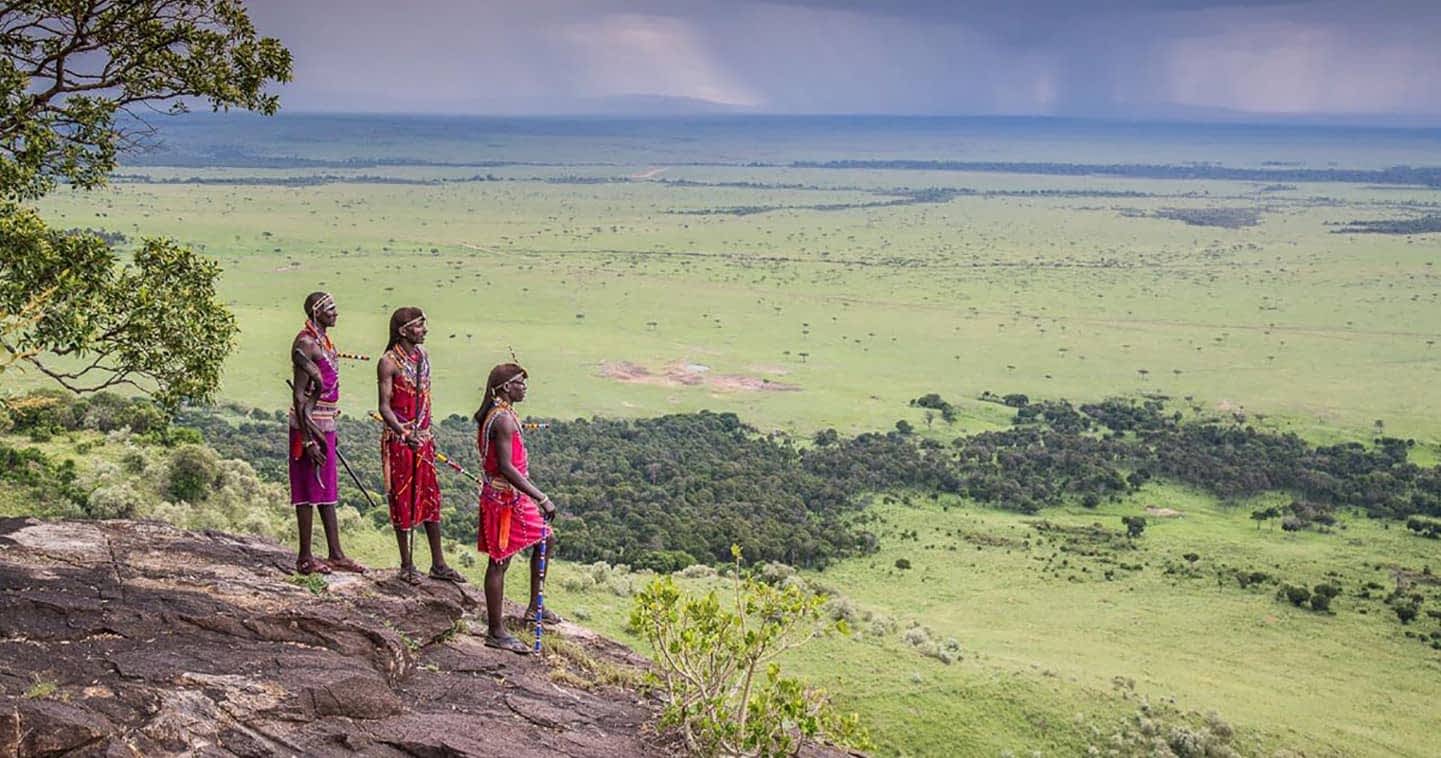
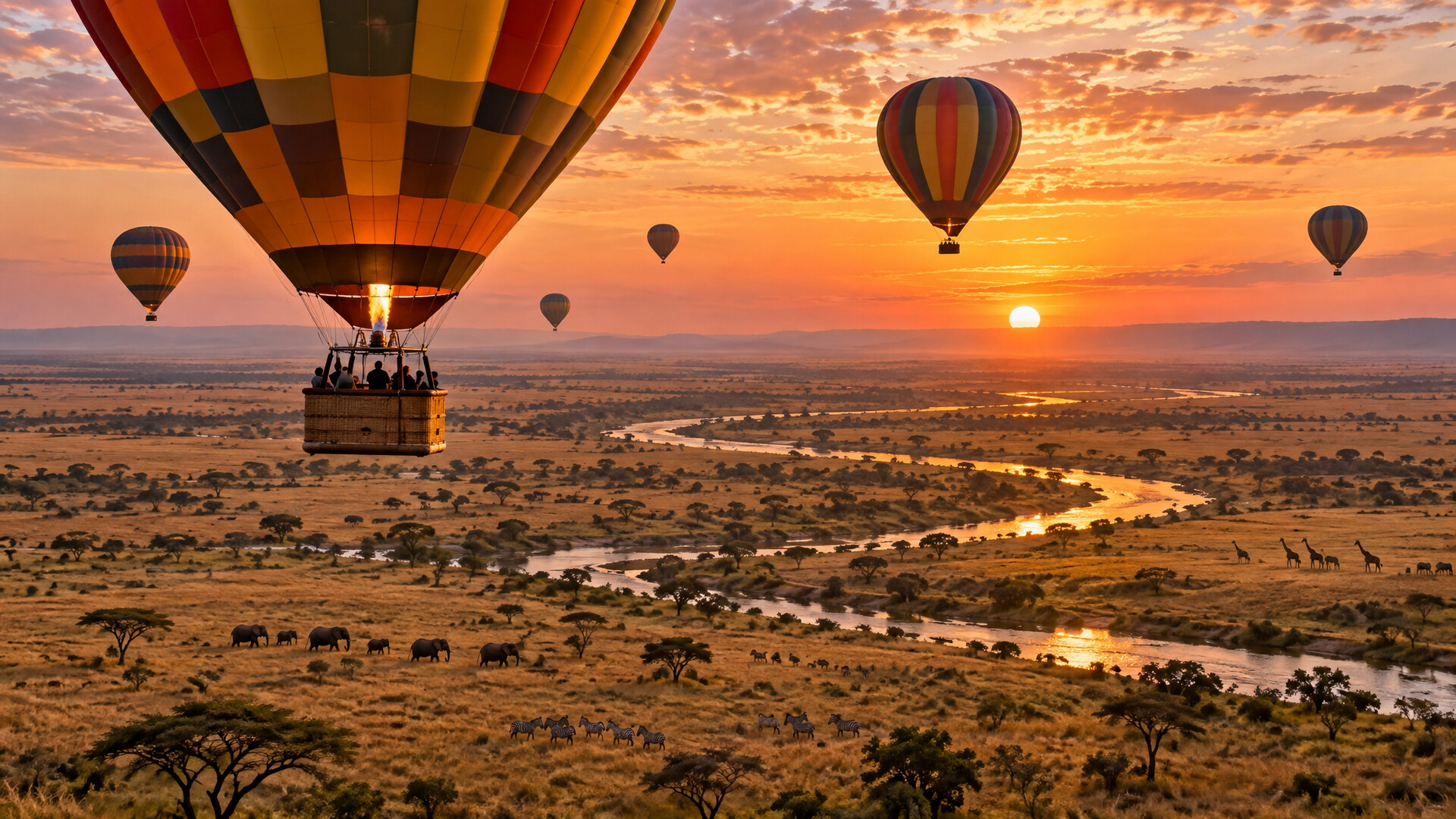
The Masai Mara needs little introduction. From July to October each year, more than a million wildebeest and 200,000 zebra surge north from Tanzania's Serengeti into the Mara's golden grasslands, following the rains and the fresh grazing. The climax of this Great Migration is the Mara River crossing — a chaotic, violent spectacle as the herds plunge down steep banks into crocodile-filled waters, driven by instinct and the pressure of numbers behind them. Witnessing a crossing is one of the most dramatic wildlife experiences on Earth, and timing your visit to the migration is the single most important decision in planning a Kenya safari package.
When to go: The wildebeest enter the Mara from late June and remain until October, with river crossings most frequent in August and September. Exact timing varies year to year based on rainfall, so real-time tracking and flexible itineraries are essential. Our Masai Mara Great Migration guide has the month-by-month breakdown and live updates.
What you'll see: Wildebeest and zebra herds in the hundreds of thousands, Mara River crossings with Nile crocodiles waiting in ambush, the highest concentration of big cats in Africa (lion prides, cheetah coalitions, leopard in the riverine forest), spotted hyena clans, African wild dog (rare but present), elephant, buffalo, giraffe, topi, eland, and over 500 bird species. The Mara is the closest thing to a guaranteed Big Five safari in Kenya.
Price varies by season and camp tier: Road-based migration packages start from around US$2,200pp for 5 days in mid-range camps; luxury tented camps inside private conservancies with off-road privileges run US$4,500–6,500pp for 6–7 nights; ultra-luxury fly-in packages with balloon safaris and the finest camps exceed US$8,000pp. Book early — the best conservancy camps fill 6–9 months ahead for peak migration season.
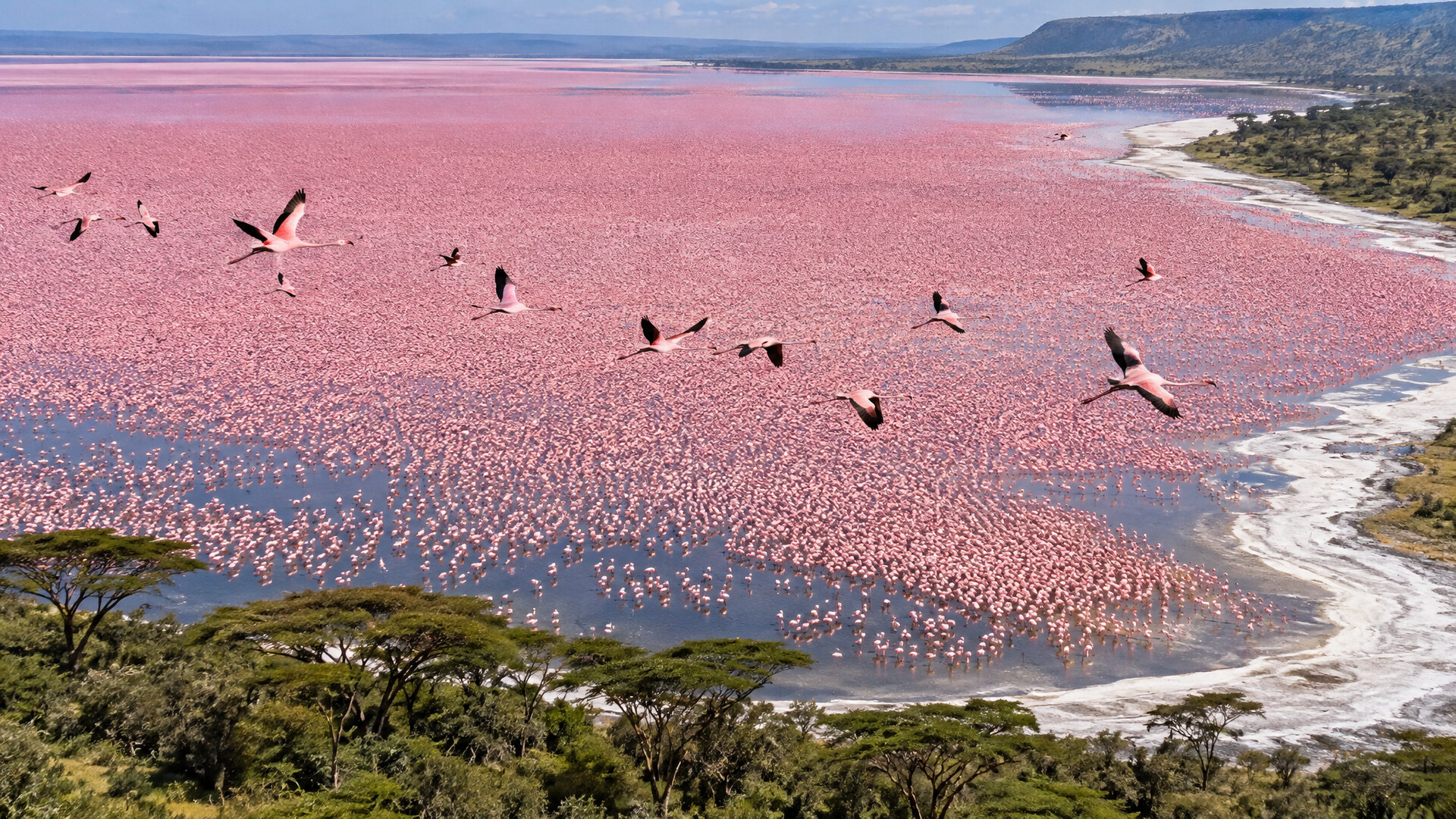
Kenya Luxury Fly-In Safari (7 Nights) — The Effortless, Icon-to-Icon Journey
For honeymooners and first-time luxury travelers who want the very best of Kenya without the long road transfers, the Kenya Luxury Fly-In Safari is the effortless, camera-ready answer. Seven nights, three unforgettable worlds — all linked by short, scenic flights from Nairobi's Wilson Airport rather than hours on the road. You wake to giraffes at your window at the legendary Giraffe Manor, track Amboseli's super-tusker elephants beneath the snows of Kilimanjaro, then land in a private Masai Mara conservancy for four nights of big cats, off-road tracking and night drives where the crowds simply cannot follow.
The itinerary: Arrival at Giraffe Manor in Nairobi (1 night) for breakfast with resident Rothschild's giraffes → fly to Amboseli (2 nights at Tortilis Camp or Angama Amboseli) for Kilimanjaro's elephants → fly to the Masai Mara (4 nights in a private conservancy at Mara Plains Camp, Mahali Mzuri or similar) for big cats, migration herds in season, and the finest game viewing in Kenya. Every flight, meal, game drive, park and conservancy fee is included. This is Kenya's icons without compromise.
What you'll see: Rothschild's giraffes at Giraffe Manor (and optional visits to the Sheldrick Wildlife Trust elephant orphanage or Kazuri Beads), Amboseli's super-tusker elephants and Kilimanjaro views, and four days in the Mara's finest private conservancies for lion prides, cheetah, leopard, the Great Migration (in season), and off-road sightings the main reserve cannot offer. This is a Big Five guarantee wrapped in the finest lodges Kenya has.
Price from US$9,500 per person sharing (ultra-luxury lodges and camps, 8 days / 7 nights, all meals and house drinks, all game drives, park and conservancy fees, all internal flights and airport transfers included). Peak-season surcharges apply July–October.
Kenya Safari Packages — Quick Comparison Table
| Package | Duration | Key Parks | Price From | Best For |
|---|---|---|---|---|
| Tsavo Explorer | 4 days / 3 nights | Tsavo East & West | US$1,150pp | Value, wilderness, red elephants |
| Samburu Ultimate | 5 days / 4 nights | Samburu NR | US$2,780pp | Special Five, northern Kenya |
| Amboseli Ultimate | 5 days / 4 nights | Amboseli NP | US$2,950pp | Kilimanjaro views, elephants |
| Masai Mara Migration | 5–7 days | Masai Mara NR | US$2,200pp+ | Great Migration, river crossings |
| Kenya Luxury Fly-In | 8 days / 7 nights | Nairobi, Amboseli, Mara | US$9,500pp | Honeymooners, luxury, fly-in |
All prices per person sharing in mid-range to luxury camps/lodges, full board, all game drives and park fees included. Peak-season surcharges apply June–October. Green-season discounts available March–May.
Wildlife × Parks Matrix — Where to See What
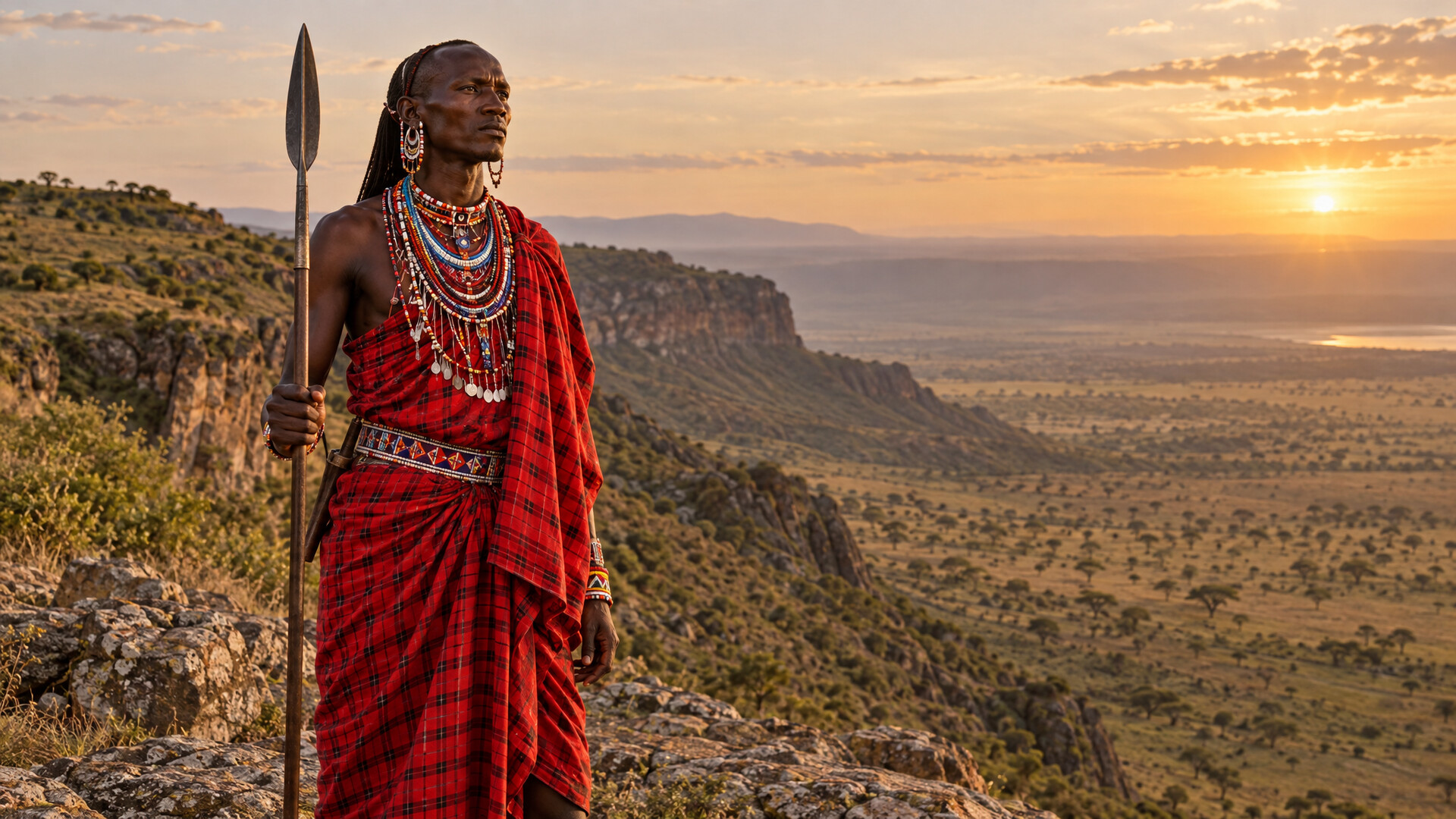
Different Kenya parks deliver different wildlife. This matrix shows which species you are most likely to see in each of the major safari destinations, helping you choose the right package based on what you most want to photograph.
| Species / Sighting | Masai Mara | Amboseli | Samburu | Tsavo |
|---|---|---|---|---|
| Lion | ⭐⭐⭐ | ⭐⭐ | ⭐⭐⭐ | ⭐⭐ |
| Leopard | ⭐⭐⭐ | ⭐ | ⭐⭐⭐ | ⭐⭐ |
| Cheetah | ⭐⭐⭐ | ⭐⭐⭐ | ⭐⭐ | ⭐ |
| Elephant (large herds) | ⭐⭐ | ⭐⭐⭐ | ⭐⭐ | ⭐⭐⭐ |
| Buffalo | ⭐⭐⭐ | ⭐⭐⭐ | ⭐⭐ | ⭐⭐ |
| Black Rhino | ⭐ | — | — | — |
| Great Migration | ⭐⭐⭐ | — | — | — |
| Reticulated Giraffe | — | — | ⭐⭐⭐ | — |
| Grevy's Zebra | — | — | ⭐⭐⭐ | — |
| Kilimanjaro Views | — | ⭐⭐⭐ | — | — |
⭐⭐⭐ = Excellent / signature sighting · ⭐⭐ = Good / regular sightings · ⭐ = Possible but less common · — = Not present or extremely rare.
When to Go — Month-by-Month Kenya Safari Calendar
Kenya is a year-round safari destination, but timing your visit to match the wildlife events you most want to see — particularly the Great Migration — makes all the difference. This calendar shows what to expect each month across Kenya's main safari parks.
| Month | Weather / Season | Wildlife Highlights | Price Tier |
|---|---|---|---|
| Jan–Feb | Dry, warm, clear skies | Excellent game viewing, calving season in southern Serengeti (visible from Mara), newborn predators | Peak |
| Mar–May | Long rains, lush landscapes | Green season, fewer tourists, excellent birding, some roads muddy, superb photography light | Green (lowest) |
| Jun | Dry season starts, cooler | Migration herds begin arriving in Masai Mara from Serengeti, game viewing improves as grass shortens | Shoulder |
| Jul–Oct | Peak dry season, cool mornings | GREAT MIGRATION in Masai Mara — river crossings peak Aug–Sep. Best overall game viewing. Most crowded. | Peak (highest) |
| Nov | Short rains begin | Migration departs for Serengeti, excellent predator action, tourists thin out, good availability | Shoulder |
| Dec | Short rains end, festive season | Excellent game viewing resumes, resident wildlife concentrated, high demand over holidays | Peak |
Bottom line: For the Great Migration river crossings, book July–September. For the best value and fewest tourists, book the green season (March–May). For reliable weather and good all-round game viewing outside migration season, book January–February or June.
Understanding Kenya Safari Package Pricing — The Four Tiers
Kenya safari packages span a wide price range, driven primarily by accommodation tier, season, and whether you fly or drive between parks. Understanding the four main pricing tiers helps you set a realistic budget and choose the package that matches your expectations.
| Tier | Price Range (pp/night) | Accommodation Style | What You Get |
|---|---|---|---|
| Budget | US$200–350 | Basic tented camps, simple lodges | Shared game drives, full board, park fees. Clean, safe, no frills. Road transfers only. |
| Mid-Range | US$350–600 | Comfortable tented camps, 3–4★ lodges | Private 4x4, full board, house drinks, well-positioned camps. The sweet spot for most travelers. |
| Luxury | US$600–1,200 | High-end tented camps, boutique lodges | Premium locations, en-suite bathrooms, private verandas, excellent cuisine, house drinks, some fly-in. |
| Ultra-Luxury | US$1,200–2,500+ | Exclusive private conservancy camps, iconic properties | Fly-in only, private conservancies, off-road + night drives, butler service, champagne, balloon safaris included. |
Note: Prices per person per night, based on double occupancy. Peak season (Jul–Oct) adds 30–40%. Green season (Mar–May) discounts 20–30%. For the full cost breakdown, see our Kenya safari cost guide.
How to Choose the Right Kenya Safari Package
With dozens of Kenya safari packages available, narrowing down the right one starts with answering three questions honestly: What do you most want to see?, When can you travel?, and What is your realistic budget? If the Great Migration river crossings are non-negotiable, your window is locked to July–October and your park is the Masai Mara — no other Kenya destination or month delivers that spectacle. If your dream shot is elephants framed by Kilimanjaro, Amboseli is the only answer. If you want unique wildlife no one else at home will have seen, Samburu's Special Five are exclusive to northern Kenya.
Once you have identified your signature experience, layer in the logistics. Fly-in packages save you hours of dusty road transfers and position you in the finest camps, but they cost 50–100% more than road-based trips. Private conservancies around the Masai Mara allow off-road tracking and night drives the main reserve does not, but conservancy fees add US$100–150 per person per night. Combining multiple parks in one trip — say, Amboseli for elephants, then the Mara for migration — creates a richer portfolio of sightings but extends your itinerary and budget. The sweet spot for most first-time Kenya safari travelers is a 6–7 day package focusing on 2–3 parks, mid-range to luxury lodges, road-based with one optional light-aircraft hop, timed for the dry season but outside the absolute peak of the migration crowds (so late June or early October rather than August).
Finally, ignore the marketplace bait prices. A Kenya safari package quoted at US$150 per person per night almost certainly has park fees, conservancy fees, or single-supplement charges stripped out and added back later as "extras." A reputable operator gives you an all-inclusive figure that itemises accommodation, meals, game drives, guiding, vehicle, park fees, conservancy fees, internal transfers and VAT — with only international flights, visas, tips and optional balloon flights left as add-ons. For detailed advice on vetting operators and avoiding hidden costs, our Kenya safari tours guide has the full playbook.
Fly-In vs Road-Based Kenya Safari Packages — What's the Difference?
One of the most important decisions in choosing a Kenya safari package is whether to fly or drive between the parks. Both options deliver the same wildlife — the difference is time, comfort, cost, and the camps you can access.
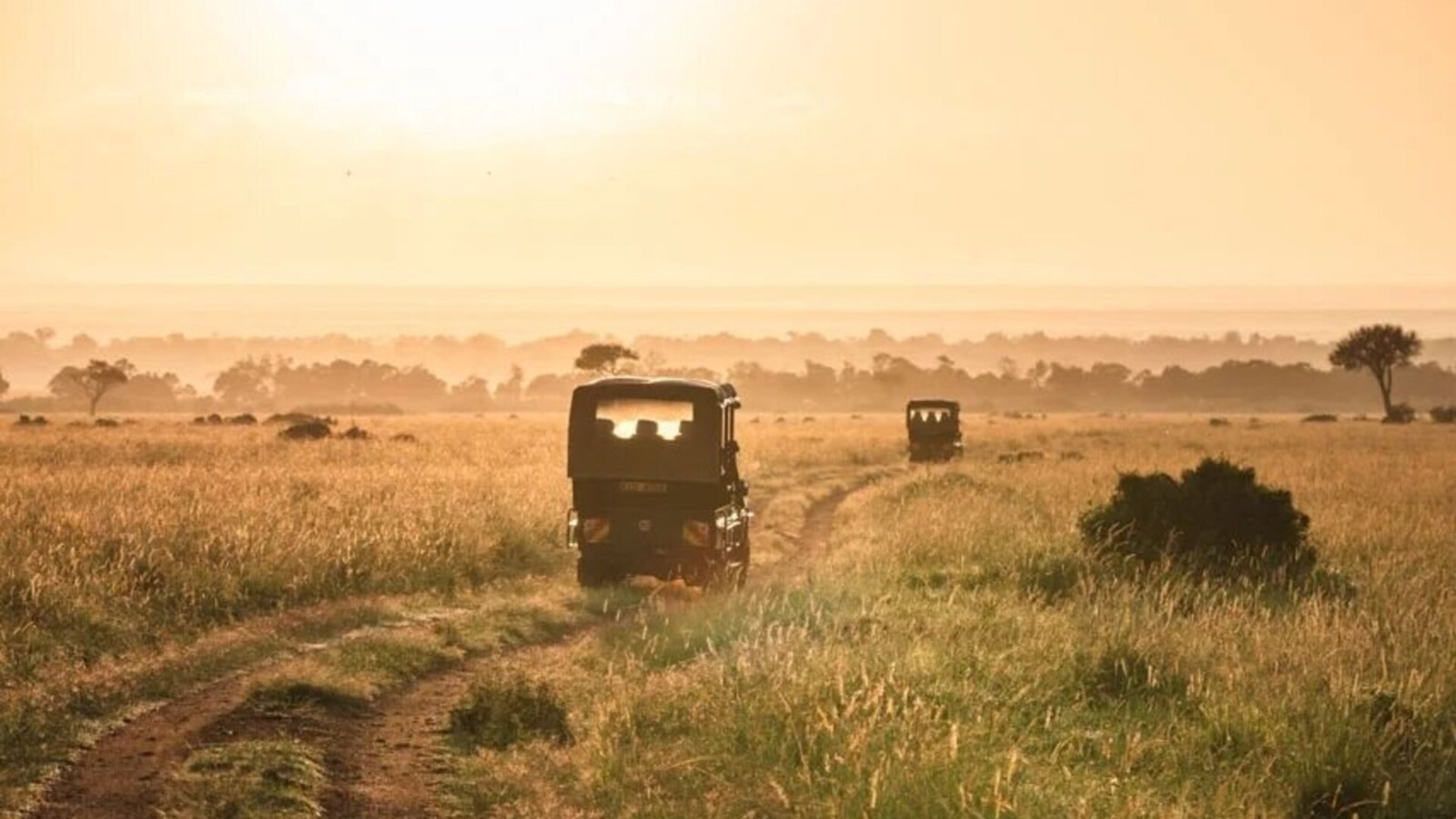
Road-based packages use private 4x4 safari vehicles to drive between Nairobi and the parks. Amboseli is around 4 hours by road, Tsavo 4–5 hours, Samburu 5–6 hours, and the Masai Mara 5–6 hours depending on your camp. The roads are mostly paved and in good condition, though the final stretches into the parks can be rough. Road-based safaris cost significantly less (no light-aircraft fees), allow more luggage, and turn the journey itself into a game drive — you often see giraffe, zebra and antelope along the way. The trade-off is time: a full day can be lost to transfers, and the drives are long and dusty. Road-based packages work best for shorter distances (Nairobi to Amboseli or Tsavo), for travelers on a tighter budget, and for those who enjoy the journey as part of the adventure.
Fly-in packages use scheduled light-aircraft flights from Nairobi's Wilson Airport directly to airstrips inside or adjacent to the parks. Flight times are short — 45 minutes to Amboseli, 50 minutes to Samburu, 50–60 minutes to the Masai Mara — and the flights themselves are spectacular, offering aerial views of the Rift Valley escarpment, Kilimanjaro and the plains below. Fly-in access saves a full day of road transfers on a typical 7–8 day itinerary, positions you in the most exclusive camps (many of which are only accessible by air), and delivers a seamless, effortless safari experience. The cost is higher — internal flights add around US$300–500 per person per leg — and luggage is restricted to 15kg in soft bags. Fly-in packages are the right choice for honeymooners, luxury travelers, anyone short on time, and those combining multiple distant parks (e.g., Samburu + Mara) where the road alternative would be punishing.
Many of the best Kenya safari packages blend the two: road from Nairobi to Amboseli (a manageable 4-hour drive), then a light-aircraft flight onward to the Masai Mara, maximising both value and comfort.
Where You Stay — Lodges vs Tented Camps in Kenya Packages
Kenya pioneered the luxury tented safari camp, and today the country offers two distinct accommodation styles: permanent lodges and mobile or semi-permanent tented camps. Both are included in safari packages depending on tier and location, and both deliver the same wildlife — the difference is atmosphere, authenticity and how close you sleep to the bush.
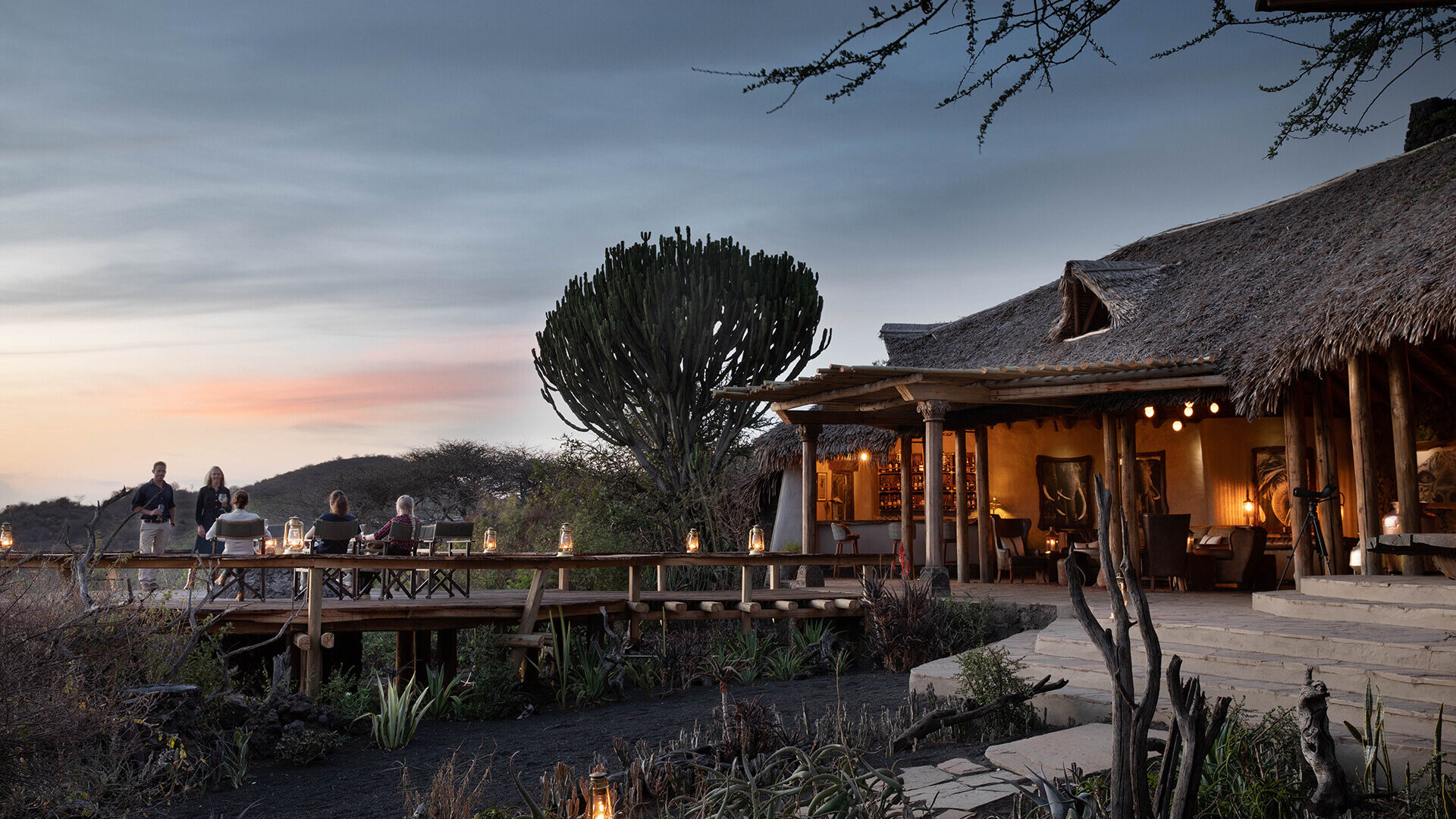
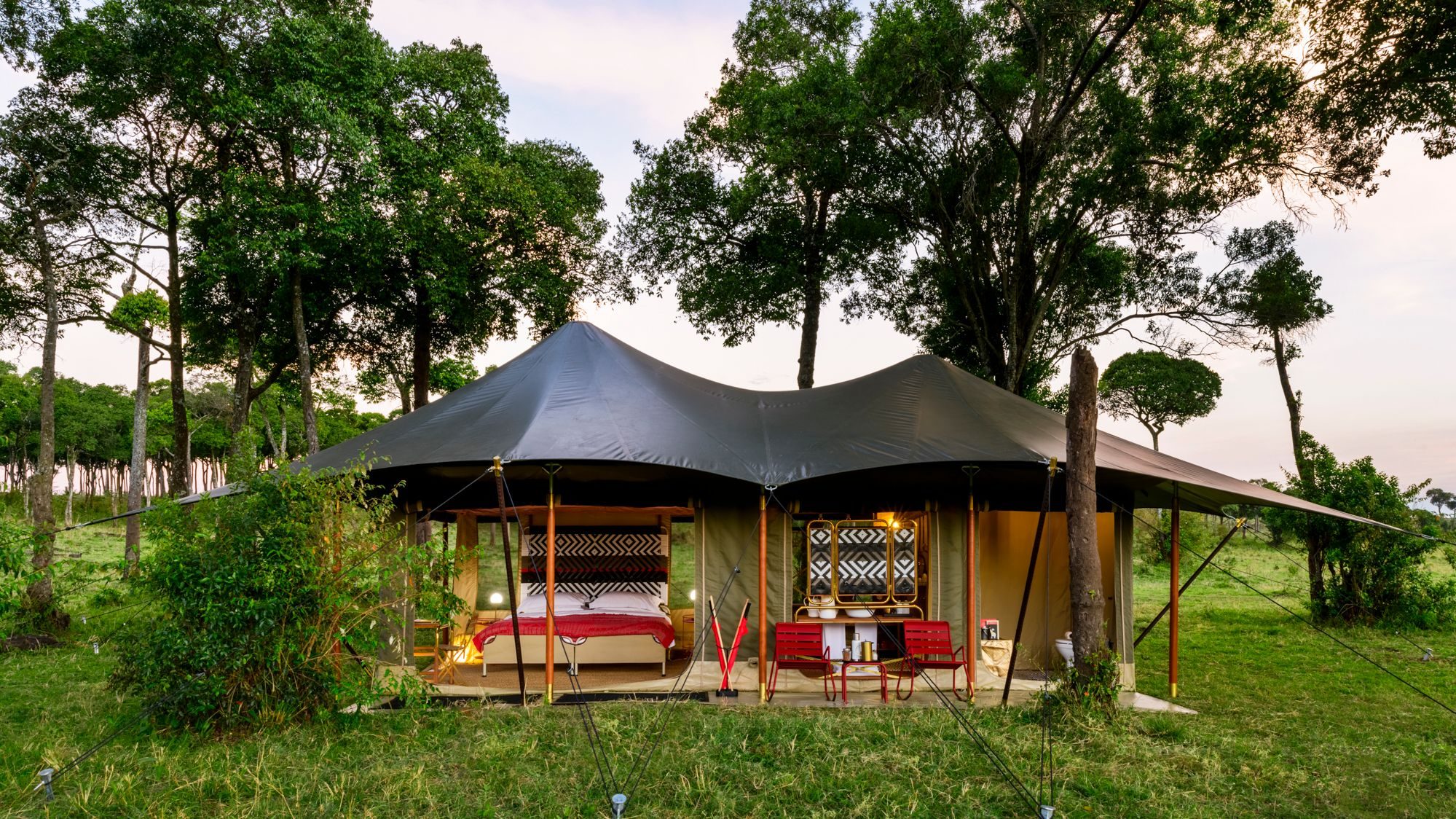
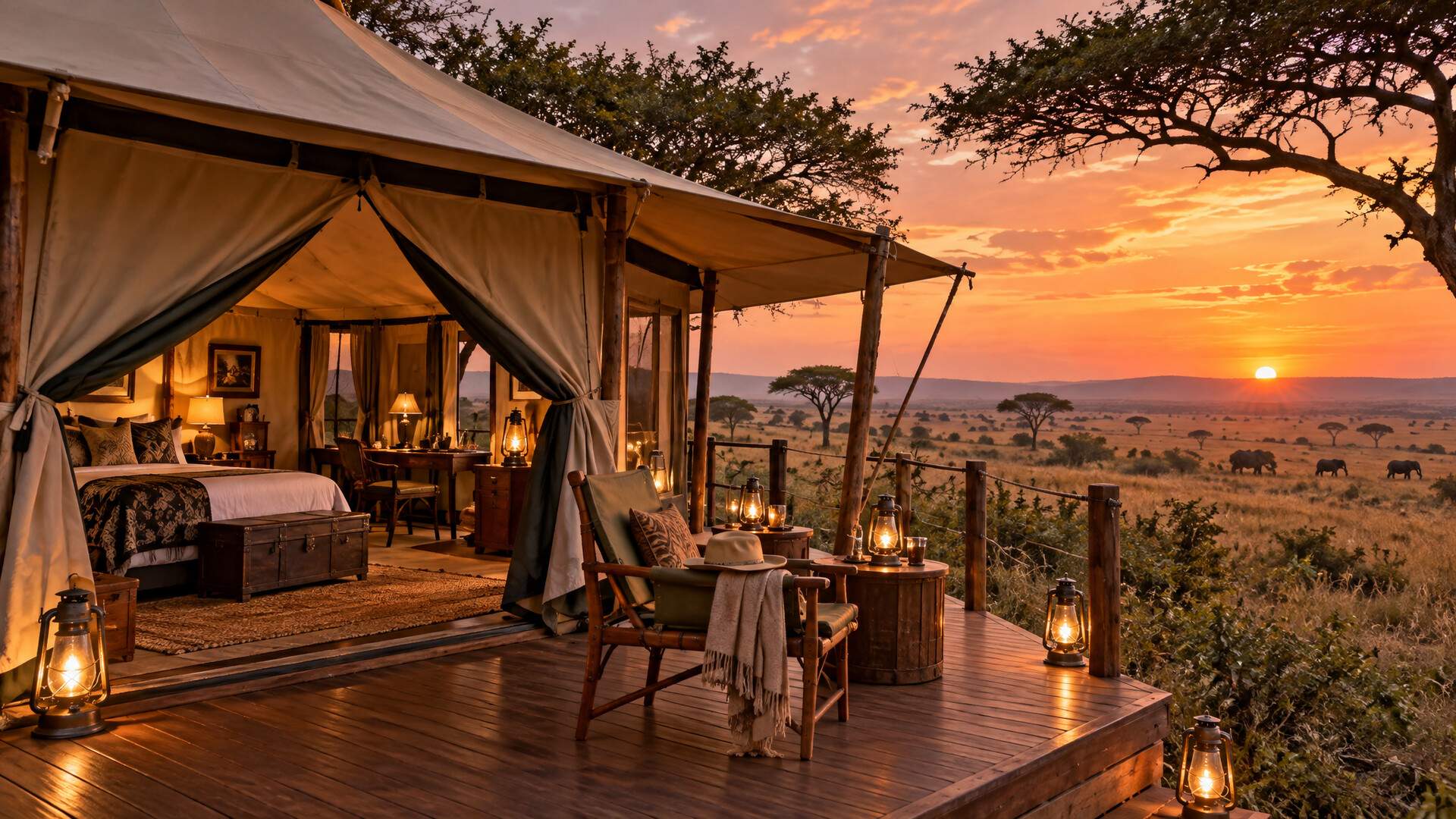
Tented camps are the signature Kenya safari experience. These are not basic camping — they are spacious canvas tents on raised platforms with proper beds, en-suite bathrooms with flush toilets and hot showers, and private verandas overlooking the plains. The best tented camps blend into the landscape, have no fences (so wildlife walks freely through camp), and deliver an intimate, immersive connection to the wilderness. You fall asleep to the sound of lions calling and wake to the sunrise over the savanna through your tent's mesh windows. Tented camps are typically smaller (8–12 tents), more exclusive, and positioned in prime game-viewing locations or inside private conservancies. They are the romantic, bucket-list Kenya safari accommodation, and they dominate the mid-range to ultra-luxury tiers.
Lodges are permanent buildings — stone, timber or brick structures with solid walls, larger dining areas, swimming pools, and more facilities. Lodges tend to be bigger (40–80 rooms), more family-friendly, and slightly less expensive than equivalent-tier tented camps. Some of Kenya's most famous properties are lodges — Treetops, The Ark, Serena lodges — and many offer unique features like ground-level hide windows for watching waterhole action, or hilltop positions for sweeping Rift Valley views. Lodges work well for families with young children, travelers who prefer a more conventional hotel-style experience, and those visiting in the cooler months (June–August) when tents can feel chilly at night.
Our Kenya safari packages specify which camps or lodges you will stay at, with options to upgrade between tiers. For detailed reviews and photo tours of the best properties, see our best Kenya safari lodges guide.
Bush-to-Beach Extensions — Adding Kenya's Coast to Your Safari Package
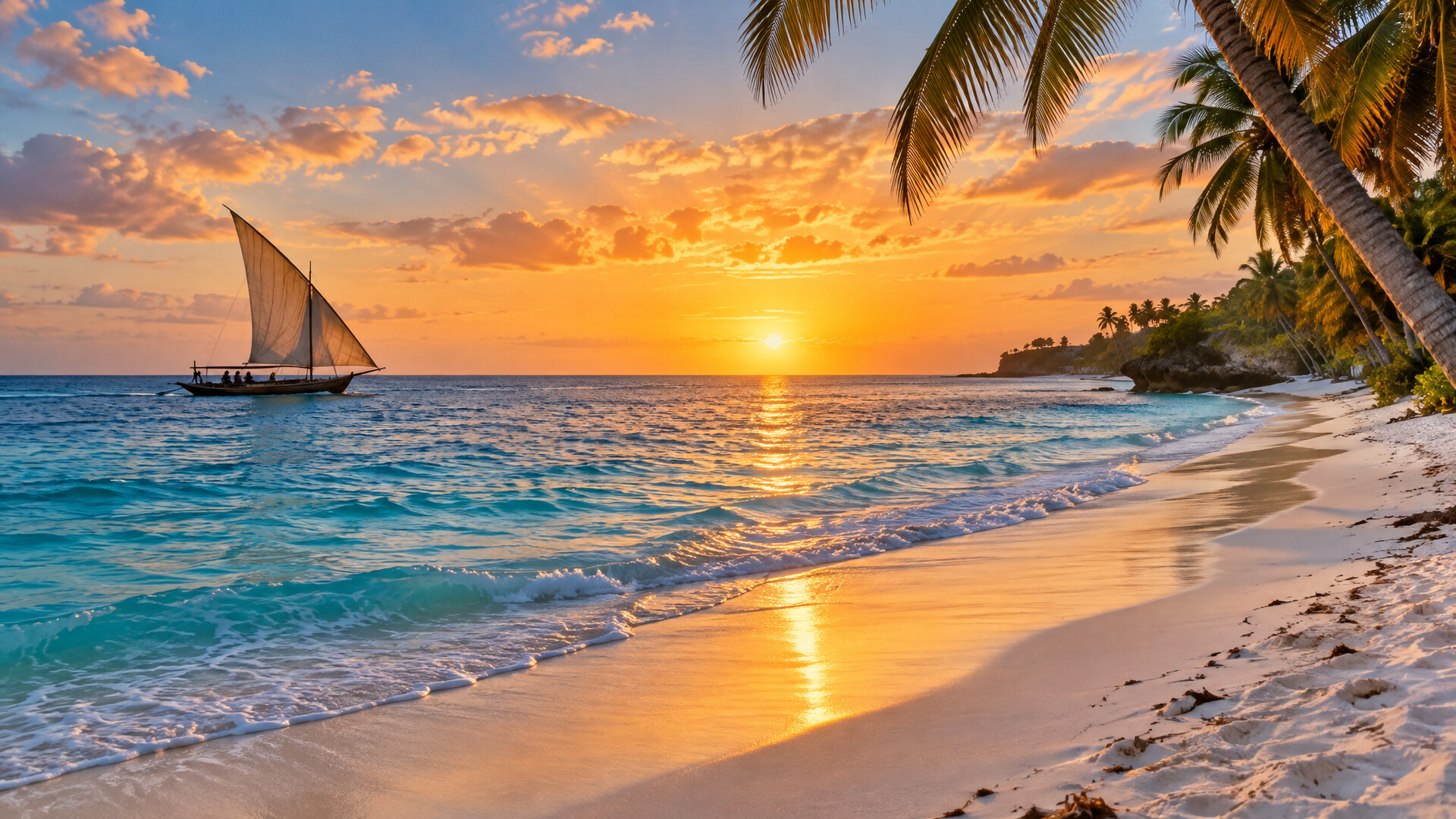
One of Kenya's unique advantages over other East African safari destinations is its proximity to the Indian Ocean. After a week tracking the Big Five across the savanna, a short flight takes you to the turquoise waters, white-sand beaches and coral reefs of the Kenyan coast — Diani Beach south of Mombasa, or the island retreats of Lamu and Watamu. A bush-to-beach extension is the classic Kenya safari finale, and many operators (including Beyond Africa Safaris) offer packages that combine 5–6 nights on safari with 3–4 nights on the coast.
How it works: After your final safari morning in the Masai Mara, Amboseli or Tsavo, you take a light-aircraft flight or road transfer to Mombasa's Moi International Airport or directly to Diani Beach. Most beach resorts offer all-inclusive packages that cover meals, drinks and water sports, so you can completely unwind after the early mornings and long game drives of the safari. The coast is also malaria-free (unlike the safari parks), making it ideal for families with young children or travelers concerned about malaria prophylaxis.
Cost: Adding 3–4 nights on the coast to your Kenya safari package typically adds US$600–1,500 per person depending on resort tier and season. Mid-range beachfront resorts on Diani Beach start around US$150–250 per person per night all-inclusive; luxury boutique properties and private villas on Lamu or Watamu run US$400–800 per person per night.
Best beaches: Diani Beach (wide white sand, excellent diving and snorkeling, close to Mombasa airport, family-friendly), Watamu (marine park, turtle nesting, quieter and more boutique), and Lamu Island (UNESCO World Heritage Site, no cars, dhow sailing, cultural immersion). For a full coastal guide, see our Kenya beach safari packages article.
Masai Mara Safari Camps — From Classic Tents to Private Conservancies
The Masai Mara offers Kenya's widest choice of safari accommodation, from budget camps inside the main reserve to ultra-exclusive private conservancy camps where you will see more big cats than other vehicles. Choosing where to stay in the Mara is one of the most important decisions in your Kenya safari package, because location determines not just your wildlife sightings but also the type of safari experience you will have — crowded or private, restricted or off-road, conventional or extraordinary.
Main Reserve Camps: These sit inside the Masai Mara National Reserve itself, accessed through the main gates (Talek, Sekenani, Oloololo). They offer the shortest drives to the famous Mara River crossing points and the heart of the migration action, but they are subject to the reserve's rules: no off-road driving, no night drives, and all vehicles must exit the park by 6:30pm. During peak season (August–September), popular sighting areas can attract 15–20 vehicles at once. Main reserve camps span all price tiers from budget to luxury.
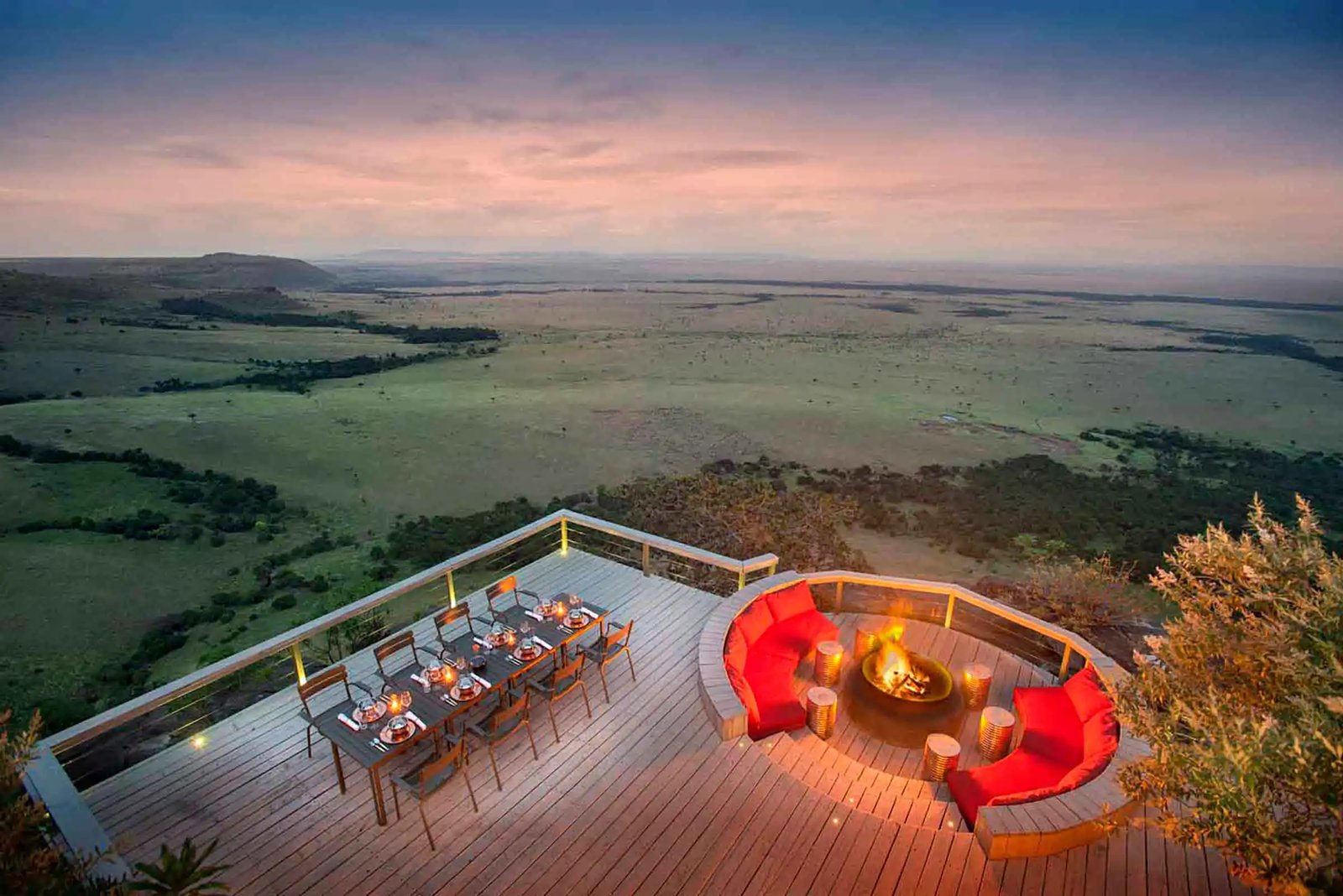
Private Conservancy Camps: These sit in private conservancies that border the Masai Mara National Reserve — Mara North Conservancy, Olare Motorogi Conservancy, Naboisho Conservancy, Ol Kinyei Conservancy and others. Guests pay a conservancy fee (typically US$100–150 per person per night) in exchange for extraordinary privileges: unlimited off-road driving to follow predators through the bush, night drives with spotlights to see leopard and lion hunting, walking safaris, and dramatically lower vehicle numbers (most conservancies limit beds to 1 per 350 acres). The wildlife moves freely between the reserve and the conservancies, so you see the same migration herds and resident prides — but on your terms, away from the crowds. Conservancy camps are typically mid-luxury to ultra-luxury and require booking 6–12 months ahead for peak migration season.
Our Kenya safari packages specify whether camps are in the main reserve or private conservancies. For first-time Mara visitors with the budget, we strongly recommend a conservancy camp for at least part of your stay — the off-road tracking and night-drive privileges transform the safari from observing to experiencing.
Amboseli & Tsavo Safari Camps — Kilimanjaro Views and Red Wilderness
Amboseli National Park is small — just 392 square kilometers — but its location at the foot of Mount Kilimanjaro and its dense elephant population make it one of Kenya's most photogenic safari destinations. The best Amboseli camps are positioned for unobstructed views of Kilimanjaro's snow-capped summit, typically on the southern or eastern side of the park where the mountain forms the backdrop to morning and afternoon game drives. Tortilis Camp and Angama Amboseli are the two signature properties, both offering luxury tented accommodation with floor-to-ceiling views of Kilimanjaro from your tent. Mid-range options include Ol Tukai Lodge and Kibo Safari Camp, both well-positioned near the swamps where elephants congregate.
Tsavo — split into Tsavo East and Tsavo West — is Kenya's largest protected area, covering over 22,000 square kilometers of semi-arid wilderness. Tsavo's camps are more remote and widely scattered than Amboseli's, with the best positioned along the Galana River in Tsavo East (Galdessa Camp, Satao Camp) or near the Chyulu Hills and Mzima Springs in Tsavo West (Finch Hattons, Severin Safari Camp). Tsavo is less crowded and less expensive than the Mara or Amboseli, making it the right choice for travelers seeking Kenya's wild, uncrowded side at mid-range prices.
Samburu Safari Camps — Northern Kenya's Exclusive Wilderness
Samburu National Reserve in northern Kenya is remote, dramatic and exclusive — only around 30,000 visitors a year compared to the Masai Mara's half a million, which means genuinely private game viewing even in peak season. The reserve sits in arid country along the Ewaso Ng'iro River, and the best camps line the riverbanks where elephants, leopard and the Special Five species come to drink. Sasaab, Elephant Bedroom Camp and Samburu Intrepids are the signature luxury properties; Samburu Sopa Lodge and Ashnil Samburu Camp offer good mid-range value.
Samburu is typically combined with the Masai Mara on longer Kenya safari packages (10–12 days), offering a dramatic contrast between the green, rolling plains of the Mara and the red, rocky wilderness of the north. Light-aircraft flights connect Samburu to Nairobi (1 hour) and the Mara (1.5 hours), making fly-in itineraries seamless.
Why Book Kenya Safari Packages Direct with the Operator
Kenya's safari industry is filled with middlemen — online travel agencies, safari booking platforms, and aggregators who list hundreds of operators and take a commission on every booking. The prices on these platforms often look competitive, but there is a hidden cost: the commission (typically 15–25%) either inflates your final price or is carved out of the on-the-ground budget, which means cheaper camps, larger group sizes, or less experienced guides. When you book a Kenya safari package through a marketplace or third-party platform, the company that actually runs your safari — the one providing your guide, vehicle and camps — is someone you never spoke to until you land in Nairobi.
Booking direct with the safari operator cuts out the middleman, puts you in direct contact with the team who will design and run your trip, and ensures your money goes into the safari itself rather than commissions. Direct operators can tailor your itinerary to your interests (more time tracking leopard, a cultural visit to a Masai village, flexible start dates), answer your questions in real time, and adjust on the ground if weather or wildlife movements require a change of plan. You also get better accountability — if something goes wrong, you are speaking to the decision-maker, not a call center relaying messages.
Beyond Africa Safaris designs and operates every Kenya safari package on this page directly. No third-party operators, no outsourced guiding, no marketplace listings. When you enquire, you speak to the team who will meet you at the airport and guide your safari. Our contact page has direct WhatsApp, email and phone lines, and we respond within hours, not days. For travelers who value transparency, accountability and knowing exactly who is behind their trip, direct booking is the only way.
Final Advice — Choosing Your Kenya Safari Package
If you are reading this far, you are serious about getting your Kenya safari right. Here is the distilled advice from two decades of running safaris across East Africa: Spend your money on three things — time, position and expertise. Time means adding an extra night or two rather than rushing three parks into five days; wildlife does not work to a schedule, and the longer you stay, the higher your chances of the exceptional sighting. Position means choosing camps and lodges located inside or adjacent to the parks rather than 45 minutes outside the gate — the first two hours of light and the last two hours before sunset are the prime game-viewing windows, and you want to be on the plains, not on the road. Expertise means paying for an experienced, qualified driver-guide who knows the animal behavior, the terrain, and how to read the bush — a great guide is worth more than a fancier tent.
Do not chase the cheapest quote. A Kenya safari is a significant investment and often a once-in-a-lifetime trip; trying to shave US$200 off the cost by choosing the budget operator or the unheard-of camp is a false economy when the difference is the quality of your guide, the proximity to wildlife, and whether your operator has backup vehicles and radios when something breaks. The best Kenya safari packages are not the cheapest — they are the ones that itemise every cost up front, position you in the right places at the right times, employ expert guides who care about your experience, and are run by operators who will still be answering your emails five years from now.
Book early if you are traveling in peak season (July–October). The best Masai Mara conservancy camps fill 6–9 months ahead, and light-aircraft seats are limited. Book at least 3–4 months out for green season and shoulder months. Get everything in writing: itinerary, inclusions, exclusions, park fees, conservancy fees, and the cancellation policy. And finally, ask questions. A reputable operator welcomes detailed questions about guiding qualifications, vehicle condition, camp positions and exactly what is included — it is a sign you are taking the trip seriously, and serious travelers get the best safaris.
Ready to Book Your Kenya Safari Package?
Every Kenya safari package on this page is real, bookable, and designed and operated directly by Beyond Africa Safaris. We do not outsource guiding, we do not use marketplace operators, and we do not quote bait prices with hidden fees. What you see here is what you get: honest itineraries, transparent per-person prices by tier, and one team on the ground from your arrival in Nairobi to your departure.
If you are ready to book or want a tailored quote for your dates and interests, contact us directly via WhatsApp, email or phone. We respond within hours, and we will talk you through every option until you are confident you have chosen the right Kenya safari package for your trip. This is Kenya — the birthplace of the safari, the stage for the Great Migration, and the most iconic wildlife destination on Earth. Let's get you there.