We're Open8am–6pm SAST
WishlistPartner Portal
← Back to BlogSafari

Best Places to Visit in Africa in February (2026/2027 Safari Guide)

Audio EditionListen to this guide
0:000:00
Narrated by George — audio edition, bedded with Ndutu plains sounds

Key Takeaways

  • February is calving season on the southern Serengeti — up to 8,000 wildebeest calves born a day at the peak.
  • It brings the most intense predator action of the year as big cats hunt the vulnerable newborns.
  • Cape Town is at its summer best — dry, warm, perfect for beaches and the Winelands.
  • The southern bush stays green and good value, with the Sabi Sands still strong for leopard.
  • Days are hot and humid with short storms; take malaria prophylaxis in low-lying reserves.

Is February a Good Month for an African Safari?

If you want to see the Great Migration's most dramatic moment, February is unbeatable. This is the heart of the calving on the southern Serengeti and Ndutu plains, where the wildebeest drop hundreds of thousands of calves over roughly three weeks. The plains are green and open, the newborns are everywhere, and the predators — lion, cheetah, spotted hyena and wild dog — hunt in full view. For raw predator-prey drama, no month comes close.

Away from the Serengeti, February is a classic green-season month: warm, beautiful, quiet and well priced across southern Africa, while Cape Town holds its dry summer. For where the herds sit through the year, see our Great Migration timing guide and the Africa month-by-month safari guide.
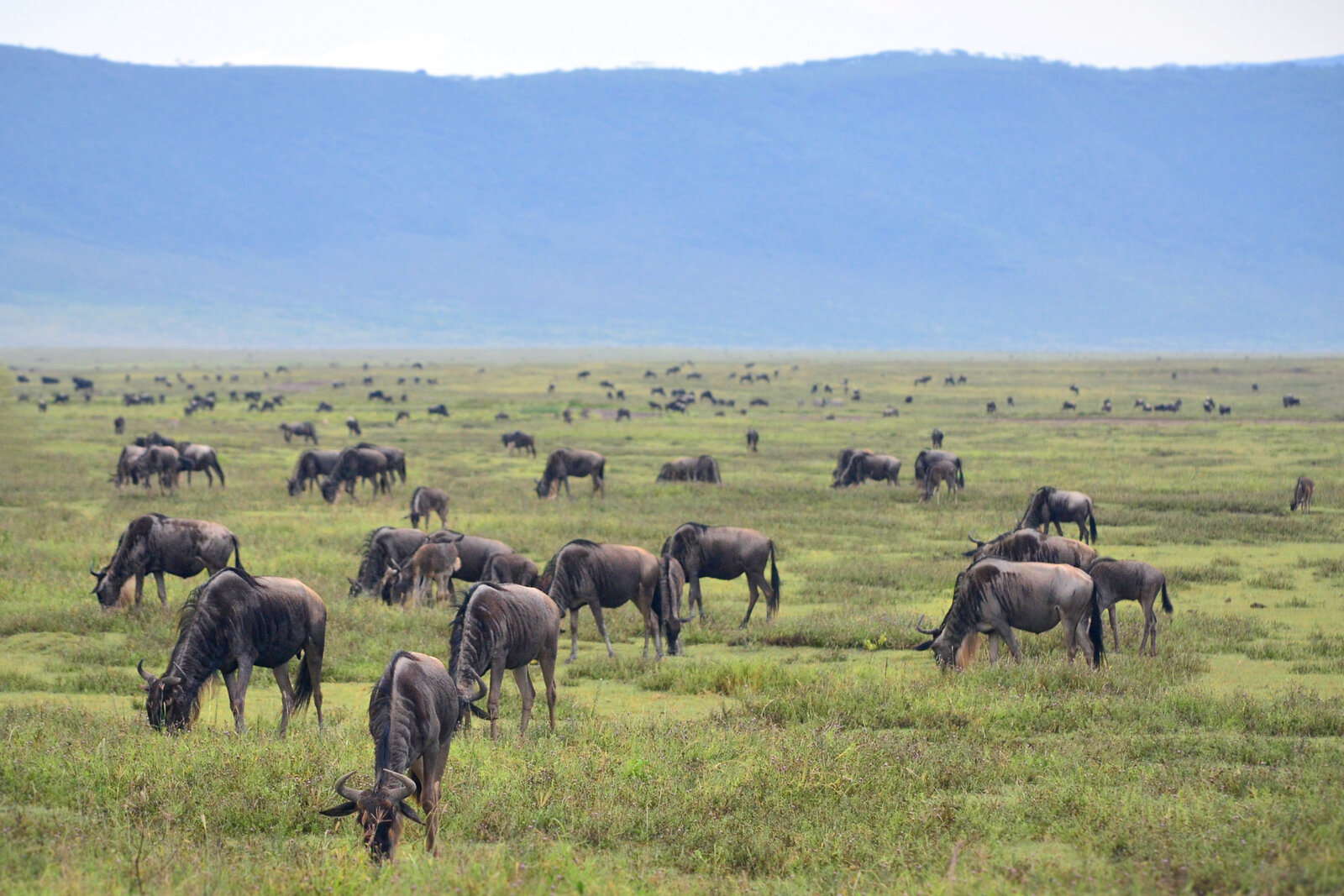
The southern Serengeti calving plains crowded with wildebeest in February
The Ndutu calving — the green plains fill with newborns and the predators that follow

Where to Go on Safari in Africa in February

1. Ndutu & the Southern Serengeti, Tanzania

February is calving country. Stay in a mobile camp on the Ndutu plains and you are among the herds as the calves are born — and among the lions and cheetahs that hunt them. It is the most concentrated big-cat viewing of the Serengeti year, on short green grass that makes every sighting clear. Match the timing with our Serengeti season guide.

2. The Sabi Sands, South Africa

The private Sabi Sands in February is green, warm and quiet, and it still delivers the leopard viewing it is famous for. Impala lambs draw predators, the birding is excellent, and summer rates make the top lodges far more reachable than in winter. See the Sabi Sands timing guide.

3. Cape Town & the Winelands, South Africa

Cape Town in February is at its summer peak — warm, dry days for the beaches, Table Mountain and the Cape Peninsula, and the Winelands in the middle of harvest. It is the ideal city-and-coast half of a summer safari trip. Our Cape Town timing notes explain the season.

4. Madikwe, South Africa (Malaria-Free)

For families, malaria-free Madikwe in the green season brings Big Five without the tablets, with wild dog packs often denning and newborns across the reserve. It pairs cleanly with Cape Town for a safe, easy February family trip.

5. Amboseli, Kenya

February falls in Kenya's short dry window between the rains, and Amboseli — big elephant herds against Kilimanjaro — is at its best, with clear mountain mornings and good general game. It is a strong alternative if you want East Africa without the Serengeti crowds. See when to visit Kenya.
A cheetah on the open green plains of the southern Serengeti in February
February's open plains make for the finest big-cat viewing of the year

February Weather Across Africa

February mirrors January: hot, humid summer days of 28–34°C in the bush, with short afternoon storms and bright mornings. On the southern Serengeti the rains keep the calving plains green and open. Cape Town and the south-western Cape stay dry and warm, the best beach weather of the year. The low-lying reserves remain in the wet, higher-risk malaria season, so take prophylaxis where advised; Madikwe and the Cape are malaria-free.

Who Each Destination Suits This Month

  • Wildlife enthusiasts — Nothing beats the Ndutu calving for predator-prey drama on open ground.
  • Families — Malaria-free Madikwe plus Cape Town beaches is the safe, all-round choice.
  • Couples — Green bush, warm nights and soft rates make February a fine romantic month.
  • Photographers — Newborns, big cats and storm light — a photographer's calendar highlight.
  • Value-seekers — Green-season rates across the southern bush, second only to January.

The Verdict: February in a Line

February is the calving month, and the southern Serengeti owns it — the most intense predator action in Africa on open green plains, with Cape Town in high summer as the perfect second act. Come for the drama of the hunt, not for dry winter sightings.

Plan Your February Safari With Beyond Africa

We are a Cape Town-based, owner-run safari house, and we plan trips around the calendar every week of the year. Tell us the month you can travel and the wildlife you most want to see, and we build the whole thing around it — the right country, the right camp, the rooms before they go, and a route that puts you in the right place at the right hour. Whether that is a mobile camp among the Ndutu herds or a Cape-and-Madikwe family trip, we place you where February is at its best.

Ready to plan February in Africa? 👉 Request a tailor-made quote → 👉 Browse our safari packages → 👉 WhatsApp us: +27 78 471 4852

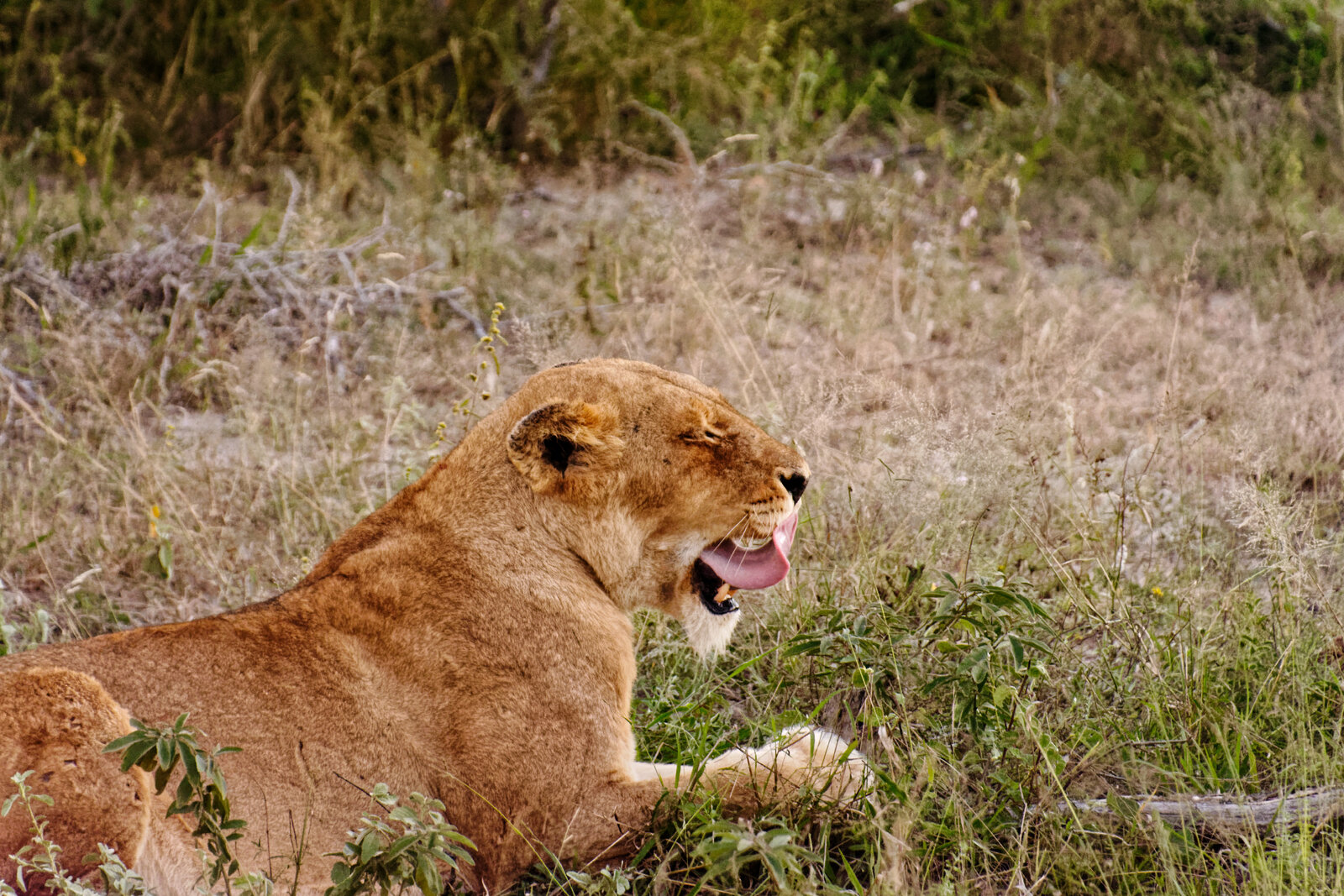
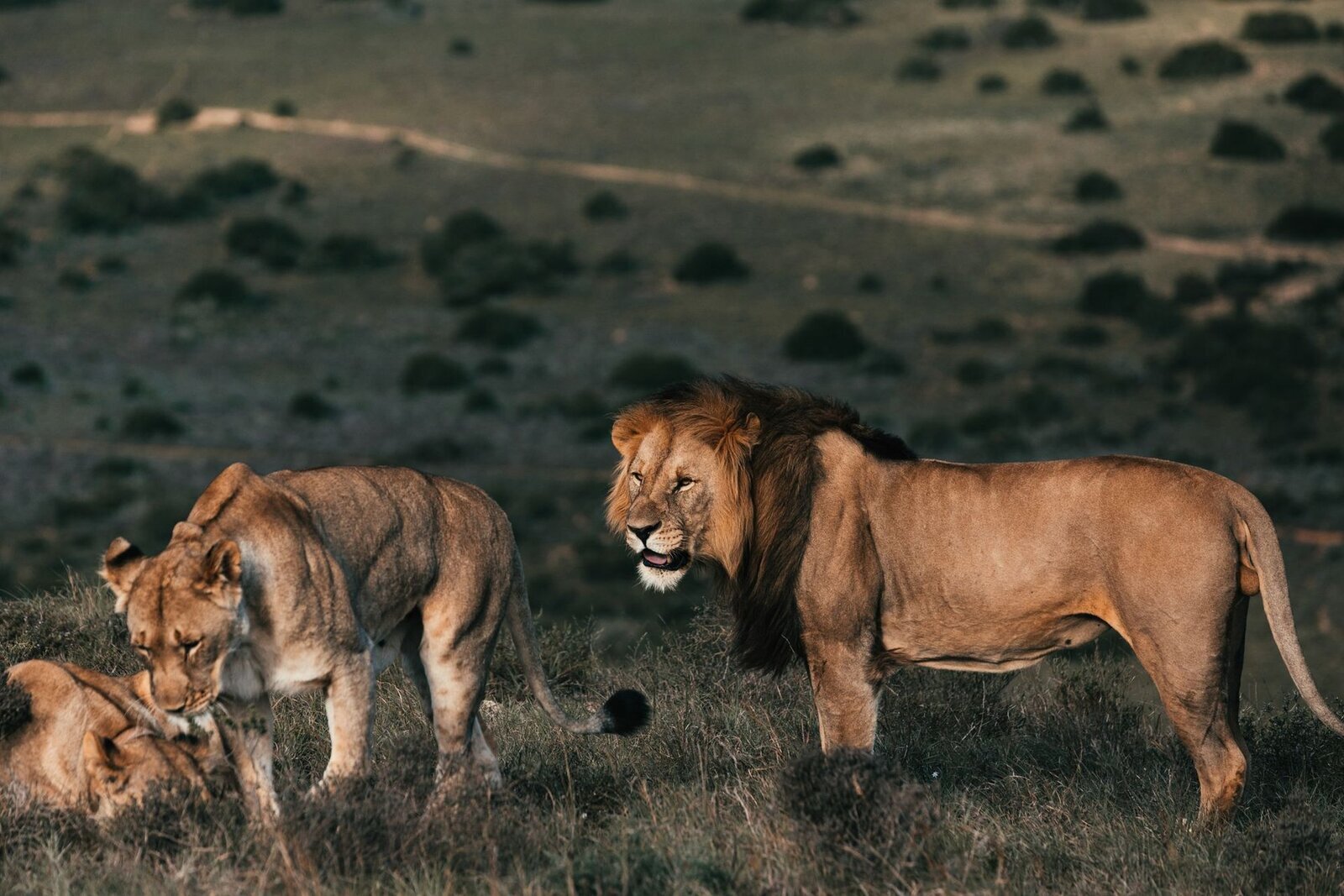
The Month of a Million Newborns

February is calving season on the southern Serengeti plains — thousands of wildebeest calves dropped each day, and the most concentrated predator action in Africa.

It is also high summer in Cape Town and the green-season value window across the southern bush — here is where to go on safari in Africa in February.

Ready to Start Planning?

Our safari experts will design a personalized itinerary based on your budget, travel dates, and interests.

💬 Get Your Custom Safari Itinerary (Free)
✓Reply within 2 hours (7am-10pm SAST)
✓15+ years safari planning experience
✓4.9★ rating on TripAdvisor

No pressure, no obligation. Get expert advice for free.

Frequently Asked Questions

The southern Serengeti and Ndutu in Tanzania for the wildebeest calving — the most concentrated predator action of the year. For a malaria-free family option, Madikwe with Cape Town in high summer is the easy all-round answer.

The main calving runs through February on the short-grass plains of the southern Serengeti and Ndutu, with a peak of up to 8,000 calves a day over roughly three weeks. It is the best time of year to see lion, cheetah and hyena hunting.

Yes — it is one of the best. February is dry, warm high summer in Cape Town, ideal for the beaches, Table Mountain, the Cape Peninsula and the Winelands harvest. It is the perfect coast-and-city pairing with a February safari.

It is hot and humid in the bush, with short afternoon storms, but mornings are bright and game drives run early and late to avoid the midday heat. The southern Serengeti plains stay green and open, so the heat rarely gets in the way of the viewing.

Very good. It is green season across southern Africa, so lodge rates are low and crowds are thin — second only to January for value. The Serengeti calving camps are the one premium exception, as demand for Ndutu is high.

The low-lying reserves are in the wet, higher-risk malaria season, so take prophylaxis where your doctor advises. Malaria-free Madikwe and Cape Town remove the concern for families with young children.

Make It Happen

Safari Packages

Ready to experience it yourself?

Let our local experts craft a private journey around the places you just read about.

Explore ToursPlan My Trip
Curated For You

You May Also Like

A single African wild dog in warm Kalahari light, huge rounded ears and white-tipped tail catching the low sunWildlife

African Wild Dog Facts: The Painted Hunter Most People Never See (2026)

The African wild dog is the predator safari-goers ask about least and remember most. It is not a dog and not a wolf but the only living member of its own genus, wears a mottled coat unique to every individual, and hunts with a success rate that leaves lions and hyenas far behind. This is the full story — where the name painted wolf comes from, how a pack feeds its sick and its young, how it votes on when to hunt with a sneeze, how many of the roughly 6,600 left survive in the wild, and the best places in Africa to watch a pack run.

4 Nov 2026 · 15 min read
An African leopard walking through green bush in Kruger, rosettes sharp in the low light, eyes fixed aheadWildlife

Leopard Facts: The Truth About Africa's Most Secretive Big Cat (2026)

The leopard is the most adaptable big cat on earth and the hardest to see. It ranges from rainforest to desert edge, hunts alone and after dark, and hoists prey far heavier than itself into the branches to keep it from lions and hyenas. This is the full story — rosettes versus a cheetah's spots, the strength behind the tree-hoisting, the truth about the black panther, the eight subspecies and which one is nearly gone, whether leopards are dangerous to people, and the best way to watch one on safari in Africa.

4 Nov 2026 · 15 min read
A spotted hyena in sharp profile on the open plains at golden hour, ears forward and alertWildlife

Spotted Hyena Facts: The Truth About Africa's Most Misunderstood Predator (2026)

The spotted hyena has spent a century being written off as a cowardly scavenger. The truth is almost the opposite. It runs some of the largest, most complex societies of any African carnivore, led entirely by females; it hunts the majority of what it eats; and its jaws crush bone that lions leave behind. This is the full story — the four hyena species, how a clan really works, the famous whoop and giggle and what they mean, the bite force, the feud with lions, whether they are dangerous to people, and the best places in Africa to sit with a clan after dark.

4 Nov 2026 · 15 min read
Simple, Personal, Expert-Led

How It Works

From first message to the trip of a lifetime — planning your safari with us is effortless.

  1. 1

    Share Your Dream

    Tell us who is travelling, your dates and what you long to see. One quick message is all it takes to begin.

  2. 2

    We Design It

    Your specialist crafts a private, tailor-made itinerary — the right camps, the right season, every detail considered.

  3. 3

    Refine Together

    We fine-tune the journey with you until every day feels perfect, then handle flights, transfers and permits.

  4. 4

    Travel With Confidence

    Set off knowing every detail is handled and a dedicated specialist is on call from your first game drive to home.

Your Journey Starts Here

Let Our Experts Craft Your Perfect Safari

Every itinerary is handcrafted by our team of local specialists who have spent 18+ years exploring Southern and East Africa. From Big Five game drives to gorilla trekking — we create journeys that stay with you forever.

Start PlanningChat with Us
🔔
James from UK just booked "Luxury Okavango Safari"
2 hours ago
Chat