We're Open8am–6pm SAST
WishlistPartner Portal
← Back to BlogSafari

When to Visit Kenya for Safari: Month-by-Month Guide (2026)

Kenya's flagship window is July to October, when the dry season delivers superb big-cat viewing and the Great Migration's dramatic Mara River crossings reach the Masai Mara. A second dry season, January to February, is warm, clear and excellent. The long rains (April–May) are the quietest and cheapest, while the green season offers value and wonderful birding.

🦁 Planning Your Kenya Safari?

For the complete kenya safari resource - expert guides, honest costs, luxury lodges, curated itineraries, and everything you need to plan your trip - visit our comprehensive hub:

View Complete Kenya Safari Hub →

July to October — the migration and the crossings

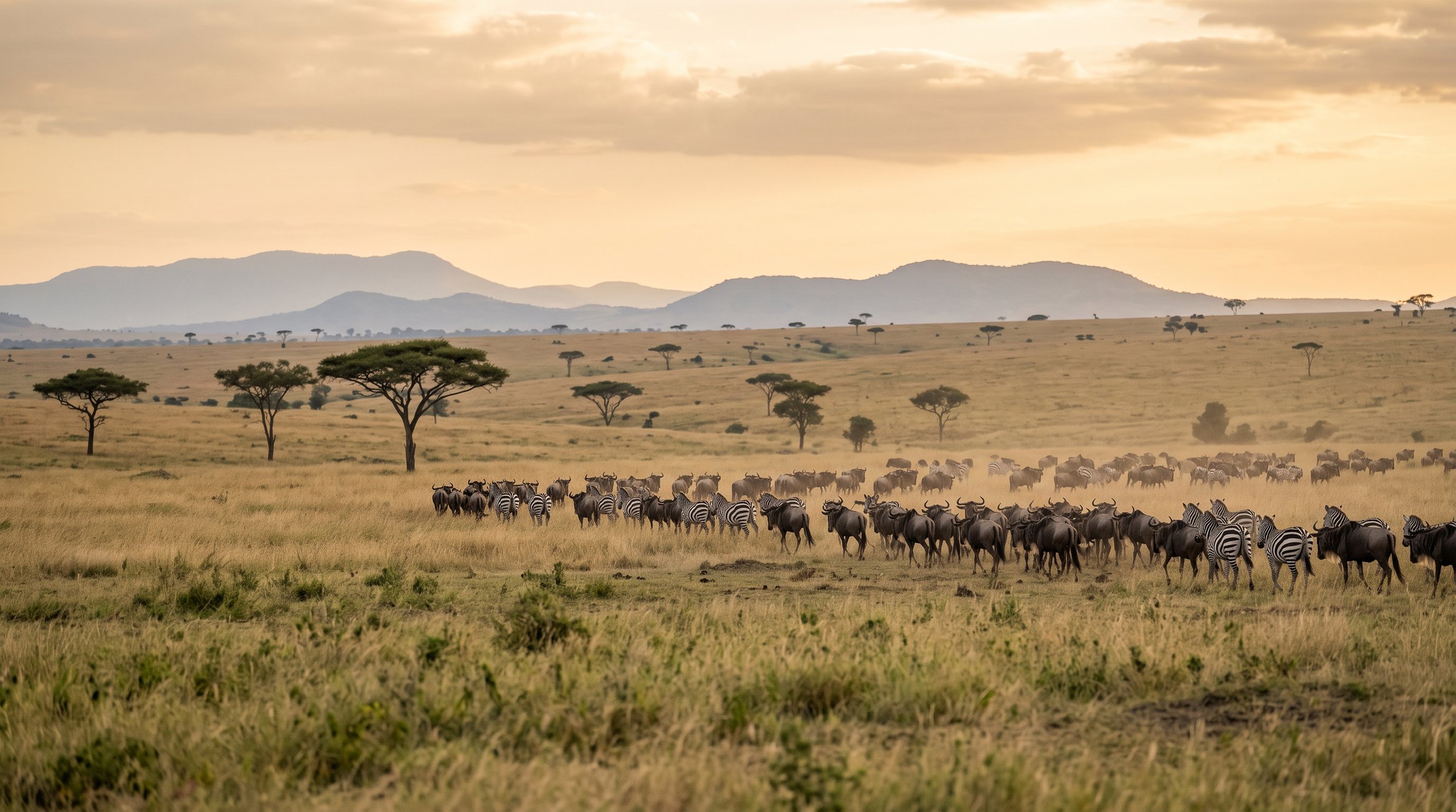
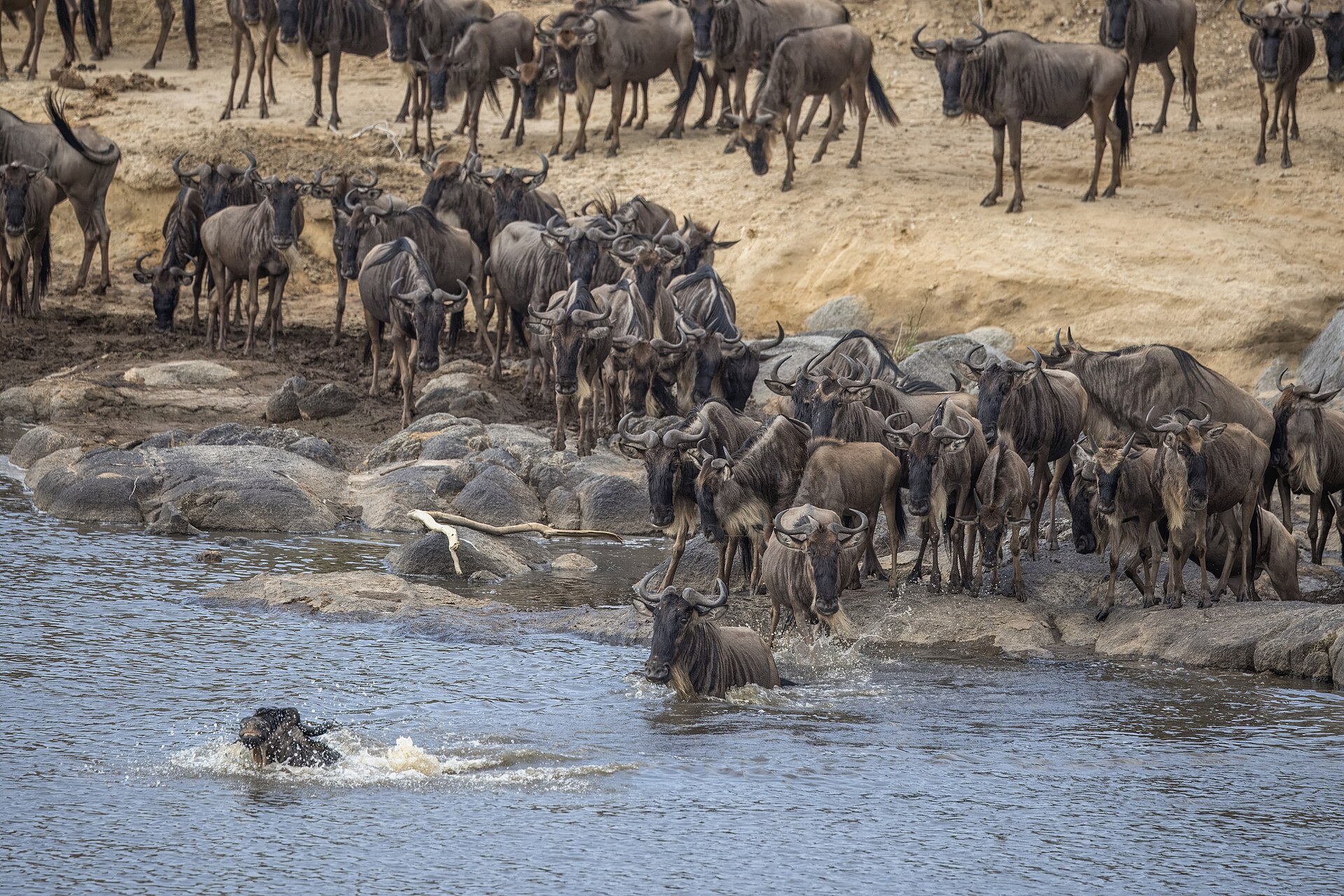
This is peak Kenya. The wildebeest herds pour into the Masai Mara and the electric Mara River crossings unfold, with predators shadowing every move. Big-cat density here is the highest in Africa. It is the busiest and most expensive window, and the best conservancy camps book out well ahead — but the drama is unmatched.

January to February — the short dry season

After the short November rains, the land dries and greens beautifully. Skies are clear, temperatures pleasant, and wildlife viewing across the Mara, Amboseli and Laikipia is excellent — often with far fewer vehicles than the migration peak. This is a superb, slightly under-the-radar time to travel.

March to May — the long rains

The wettest months bring dramatic skies, lush scenery and the lowest prices of the year. Some roads get muddy and a few camps close, but wildlife remains and birding is spectacular. For photographers and value-seekers who do not mind an afternoon shower, this can be a rewarding, uncrowded time.

Beyond the Mara — Amboseli, Laikipia and Samburu

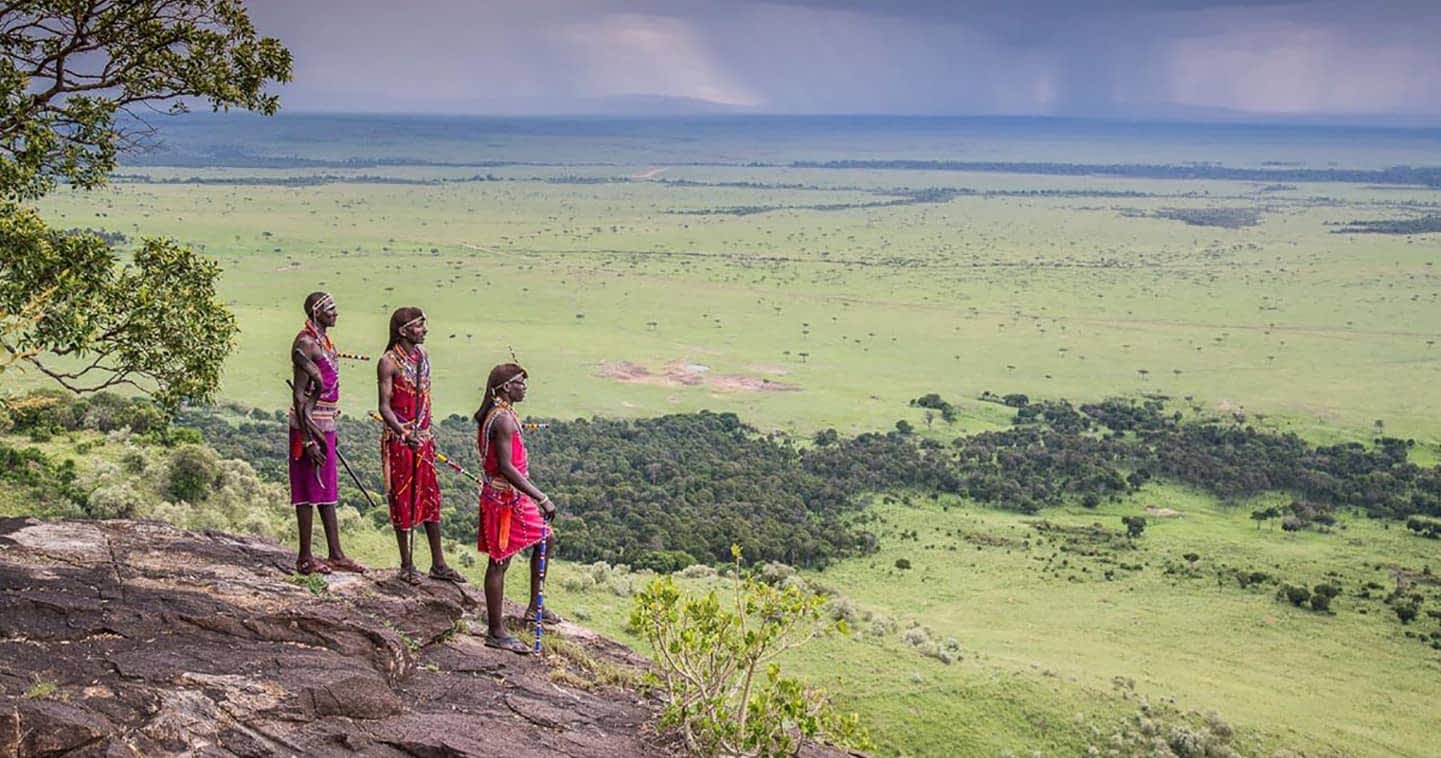
Kenya is far more than the Mara. Amboseli offers legendary elephants beneath Kilimanjaro, best in the dry months. Laikipia's private conservancies deliver rhino, wild dog and walking safaris year-round. Samburu in the arid north holds special northern species and is excellent in the dry season. Combining the Mara with one of these creates a richer, less crowded trip.

Best months for specific goals

For the river crossings, go August to October. For uncrowded dry-season game viewing, go January to February. For value and birding, go March to May or November. For Amboseli's elephants and Kilimanjaro views, go June to October or January to February.

Kenya safari season at a glance
MonthsSeasonMigrationCrowds & priceBest for
Jul–OctLong dryCrossings in MaraVery highMigration, big cats
Jan–FebShort dryHerds in TanzaniaModerateClear, quieter
Mar–MayLong rains—LowValue, birding
Nov–DecShort rains—ModerateGreen, newborns

Explore these safari destinations

Discover the parks and reserves behind this guide:

Safaris to plan around the season

Private journeys we tailor to your dates and budget:

Related Reading

Start Planning

Every safari we craft is private and built entirely around you — your dates, your pace, your budget and the wildlife you most want to see. Our specialists have travelled this ground themselves and design each itinerary by hand. Speak to our team to begin, or browse our safari packages for inspiration.

Frequently Asked Questions

July to October, the long dry season, when big-cat viewing peaks and the Great Migration's Mara River crossings reach the Masai Mara. January to February is a superb, quieter second dry season.

Roughly August to October, when the migration herds move between the Serengeti and the Masai Mara and cross the Mara River — one of the most dramatic wildlife spectacles on earth.

The dry months of June to October and January to February, when wildlife gathers around the swamps and clear skies give the best chance of Kilimanjaro views behind the elephant herds.

Yes, for value and birding. The long rains (March–May) bring lush scenery, dramatic light and the lowest prices, though some roads are muddy and a few camps close.

Absolutely. Pairing the Mara with Amboseli, Laikipia or Samburu adds variety, different landscapes and species, and usually means fewer crowds than the Mara alone during the migration peak.

Make It Happen

Safari Packages

Ready to experience it yourself?

Let our local experts craft a private journey around the places you just read about.

Explore ToursPlan My Trip
Curated For You

You May Also Like

Wildebeest crossing the Mara River during the Great Migration in Kenya — the best time is July to October, with August and September peak crossing monthsSafari Guide

Best Time to Visit Kenya for the Great Migration 2026 | Mara River Crossing Guide

When is the best time to visit Kenya for the Great Migration? The short answer is July to October, when over 1.5 million wildebeest and 200,000 zebra occupy the Masai Mara and the legendary Mara River crossings reach peak frequency. August and September are the absolute zenith — crossings happen almost daily, predator action is at its most intense, and the Mara's big-cat density is the highest on the continent. July and October offer 30–40% fewer crowds and better value. This is our complete month-by-month guide to the Kenya migration season: conservancy timing matrix, Kenya-vs-Tanzania comparison, best time by traveller type, weather, packing, crowds, pricing and strategies to maximise your crossing chances.

9 Sept 2026 · 18 min
A dramatic scene of wildebeest and zebra migrating across the Masai Mara plains during the Great MigrationSafari

Best Time to Visit African Safari Destinations: Complete Month-by-Month Guide 2026

Africa's safari seasons shape every aspect of the wildlife experience — from the drama of the Great Migration river crossings to the ease of Big Five viewing in the dry season, from the lush beauty of the green season to the accessibility and costs of shoulder months. This complete month-by-month guide covers the best time to visit Africa's top safari destinations in 2026, including the Serengeti, Masai Mara, Kruger, Okavango Delta, Chobe and more — with honest advice on weather, wildlife, crowds and how to plan your safari timing for maximum magic.

29 Jun 2026 · 16 min read
A single African wild dog in warm Kalahari light, huge rounded ears and white-tipped tail catching the low sunWildlife

African Wild Dog Facts: The Painted Hunter Most People Never See (2026)

The African wild dog is the predator safari-goers ask about least and remember most. It is not a dog and not a wolf but the only living member of its own genus, wears a mottled coat unique to every individual, and hunts with a success rate that leaves lions and hyenas far behind. This is the full story — where the name painted wolf comes from, how a pack feeds its sick and its young, how it votes on when to hunt with a sneeze, how many of the roughly 6,600 left survive in the wild, and the best places in Africa to watch a pack run.

4 Nov 2026 · 15 min read
Simple, Personal, Expert-Led

How It Works

From first message to the trip of a lifetime — planning your safari with us is effortless.

  1. 1

    Share Your Dream

    Tell us who is travelling, your dates and what you long to see. One quick message is all it takes to begin.

  2. 2

    We Design It

    Your specialist crafts a private, tailor-made itinerary — the right camps, the right season, every detail considered.

  3. 3

    Refine Together

    We fine-tune the journey with you until every day feels perfect, then handle flights, transfers and permits.

  4. 4

    Travel With Confidence

    Set off knowing every detail is handled and a dedicated specialist is on call from your first game drive to home.

Your Journey Starts Here

Let Our Experts Craft Your Perfect Safari

Every itinerary is handcrafted by our team of local specialists who have spent 18+ years exploring Southern and East Africa. From Big Five game drives to gorilla trekking — we create journeys that stay with you forever.

Start PlanningChat with Us
Chat