Robben Island tour — Mandela's prison, a UNESCO World Heritage Site.
Quick Answer
The Robben Island tour is a 3.5–4 hour guided experience departing from the V&A Waterfront in Cape Town. It includes a 30-minute ferry crossing, a bus tour of the island, and a 45–60 minute walking tour of the prison led by a former political prisoner. You'll see Mandela's cell (B5, Section B) and hear firsthand accounts of life under apartheid.
Tickets cost around $30 per adult and sell out weeks in advance (book 4–6 weeks ahead online). Tours run 3–4 times daily (9 AM, 11 AM, 1 PM). Bring sunscreen, a jacket (it's windy), and respect for the site's profound history. It's Cape Town's most important cultural experience.
🔥 August 2026 Update
Booking essential: Robben Island ferries are selling out 7–10 days ahead in peak season (Nov–March). Book tickets online at webtickets.co.za the moment your Cape Town dates are confirmed. The 09:00 and 11:00 departures offer calmer seas and better photography light.
New exhibit: The Nelson Mandela Gateway Museum (V&A Waterfront departure point) opened a multimedia Mandela timeline exhibit in June 2026 — arrive 45 minutes early to explore before your ferry departure.
Why Robben Island Matters
Robben Island isn't just another tourist attraction — it's where the story of modern South Africa was forged. For nearly four centuries, this small island in Table Bay served as a place of isolation: a leper colony, a mental asylum, a military base, and most famously, a maximum-security political prison where the apartheid government imprisoned opponents of its racist regime.
Nelson Mandela spent 18 of his 27 prison years here, in a cell measuring just 2.4 by 2.1 metres. He entered as a convicted "terrorist" and emerged as the moral compass of a nation. But Mandela was just one of thousands — Robert Sobukwe, Walter Sisulu, Ahmed Kathrada, Govan Mbeki, and countless others endured years of hard labour, isolation, and dehumanisation on this island. Their resilience didn't just survive imprisonment; it transformed a country.
Today, Robben Island is a UNESCO World Heritage Site and museum, and visiting it is consistently rated as Cape Town's most meaningful and powerful experience. Many visitors describe it as life-changing.
The History of Robben Island
Early History (Pre-Colonial–1961)
The Khoikhoi people who inhabited the Cape called it "island of seals" — robben eiland in Dutch. When the Dutch East India Company established a refreshment station at the Cape in 1652, they quickly recognised the island's isolation value. From the 17th century onwards, Robben Island served multiple grim purposes:
- 17th–18th century: Banishment for political prisoners and leaders from the Dutch East Indies and the Khoikhoi chieftains who resisted colonisation
- 1846–1931: Leper colony and chronic sick hospital, forcibly relocating people from society
- World War II: Military fortification guarding Table Bay, with gun batteries and a garrison
Through all these incarnations, Robben Island served one constant purpose: separating "undesirables" from the mainland. It was this brutal legacy of isolation that the apartheid government would exploit most effectively.
The Apartheid Prison Era (1961–1991)
In 1961, the apartheid government converted Robben Island into a maximum-security prison specifically for political opponents. Over the next three decades, approximately 3,000 men were imprisoned here for opposing racial segregation.
Conditions were deliberately harsh:
- Political prisoners were classified by race — Black prisoners received the worst food and fewest privileges
- Hard labour in the lime quarry damaged prisoners' eyesight (the glare permanently affected Mandela's vision)
- Letters were restricted to one every six months, and often censored beyond recognition
- Visits were rare and conducted through thick glass with a single phone line, monitored by warders
- The island's isolation made escape virtually impossible — the cold Benguela Current and distance (7 km) from the mainland were natural barriers
But the prisoners also created something extraordinary within those walls. What became known as the "University of Robben Island" saw prisoners educating each other — smuggling textbooks, conducting secret lectures, and debating the future of South Africa. Leaders including Mandela used their imprisonment to refine their vision of a democratic, multiracial South Africa.
The last political prisoners left Robben Island in 1991. In 1994, Nelson Mandela was inaugurated as South Africa's first democratically elected president. Just three years later, the island was declared a museum and national heritage site.
Robben Island Today
Since 1997, Robben Island has operated as a museum, receiving approximately 350,000 visitors per year. In 1999, it was inscribed as a UNESCO World Heritage Site, recognised as a symbol of the triumph of the human spirit over adversity.
What makes Robben Island unique among historical sites is that many of its tour guides are former political prisoners who were incarcerated there. Hearing their personal stories while standing in the actual prison corridors creates an emotional impact no history book can match.
What to Expect on Your Robben Island Tour
The Robben Island experience has several distinct phases, each contributing to a deeply moving journey:
Phase 1: The Ferry Crossing (30 minutes)
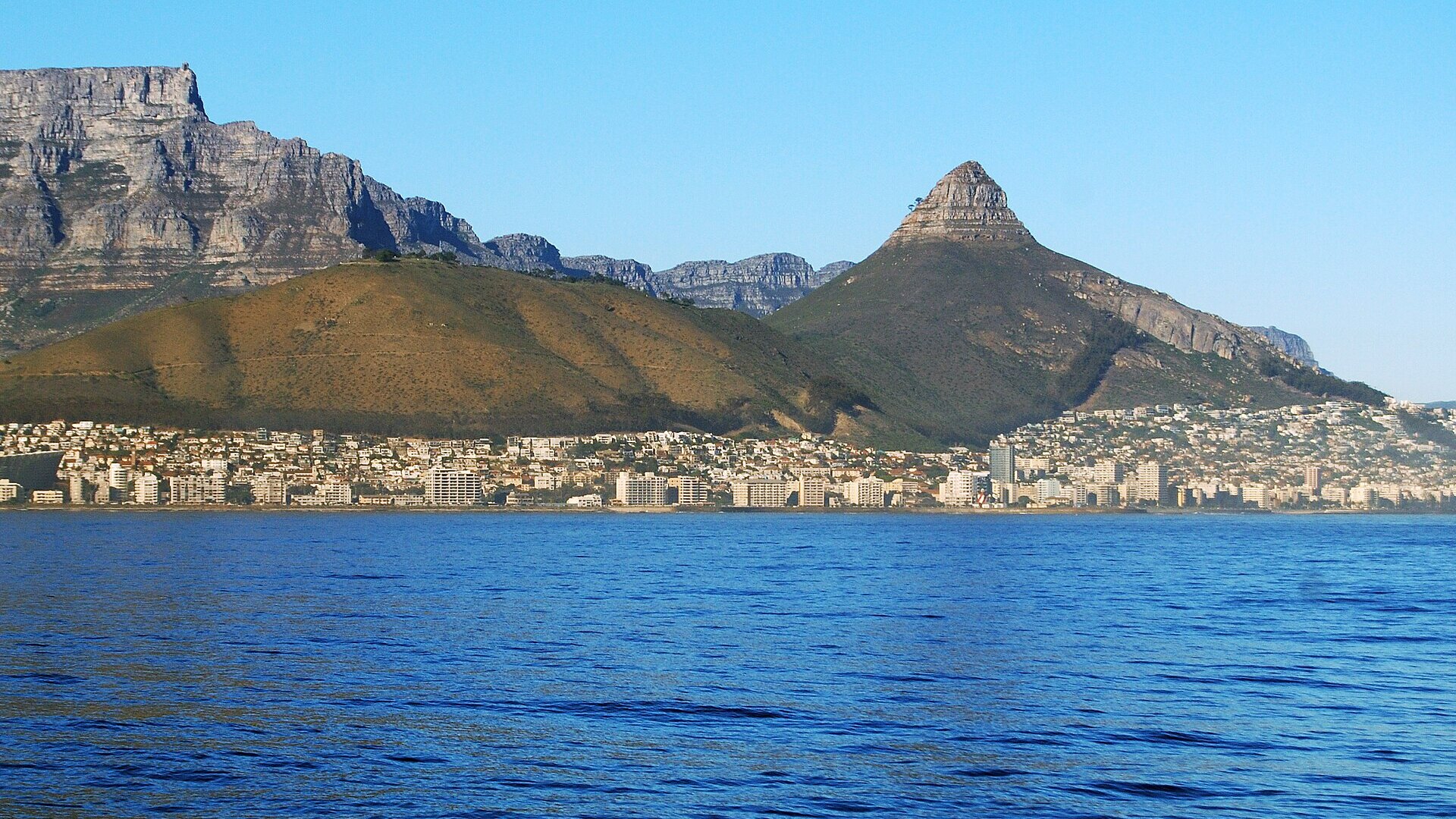
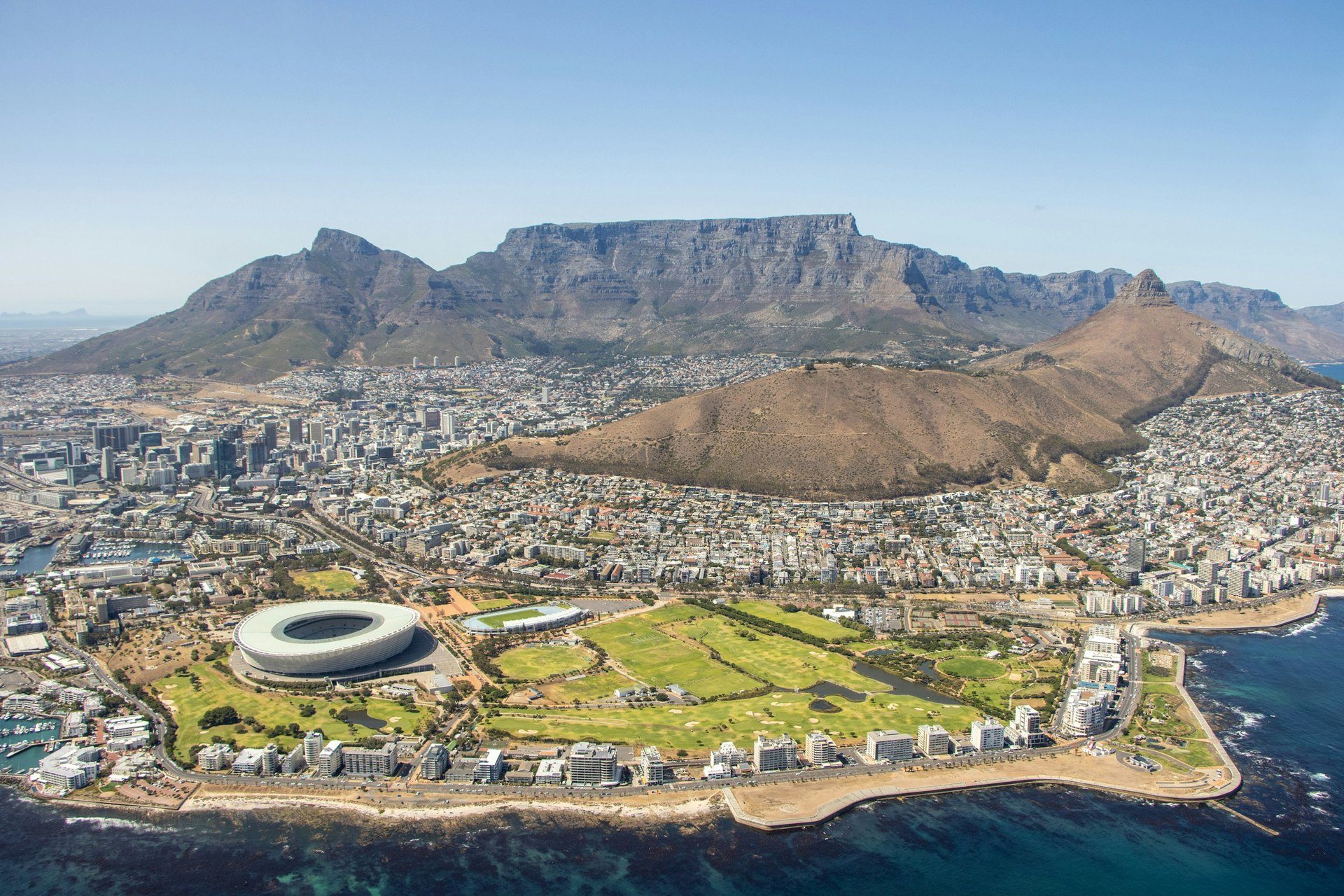
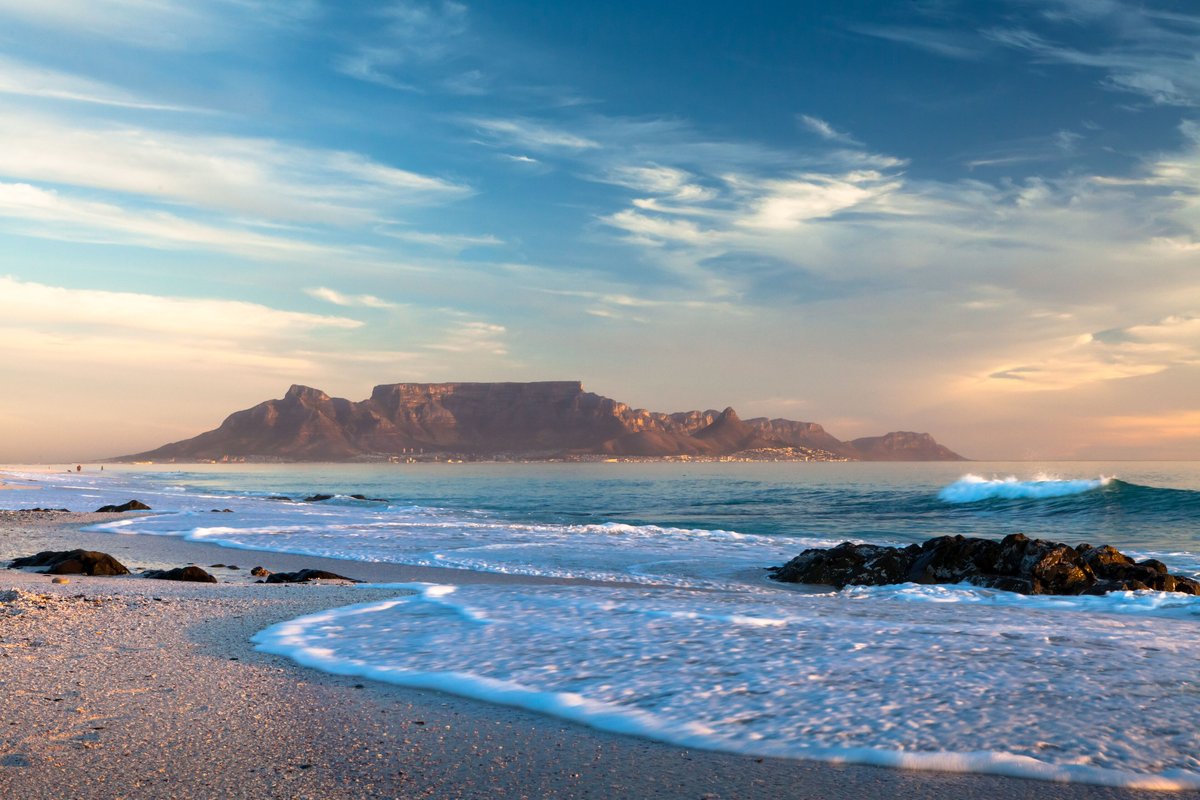
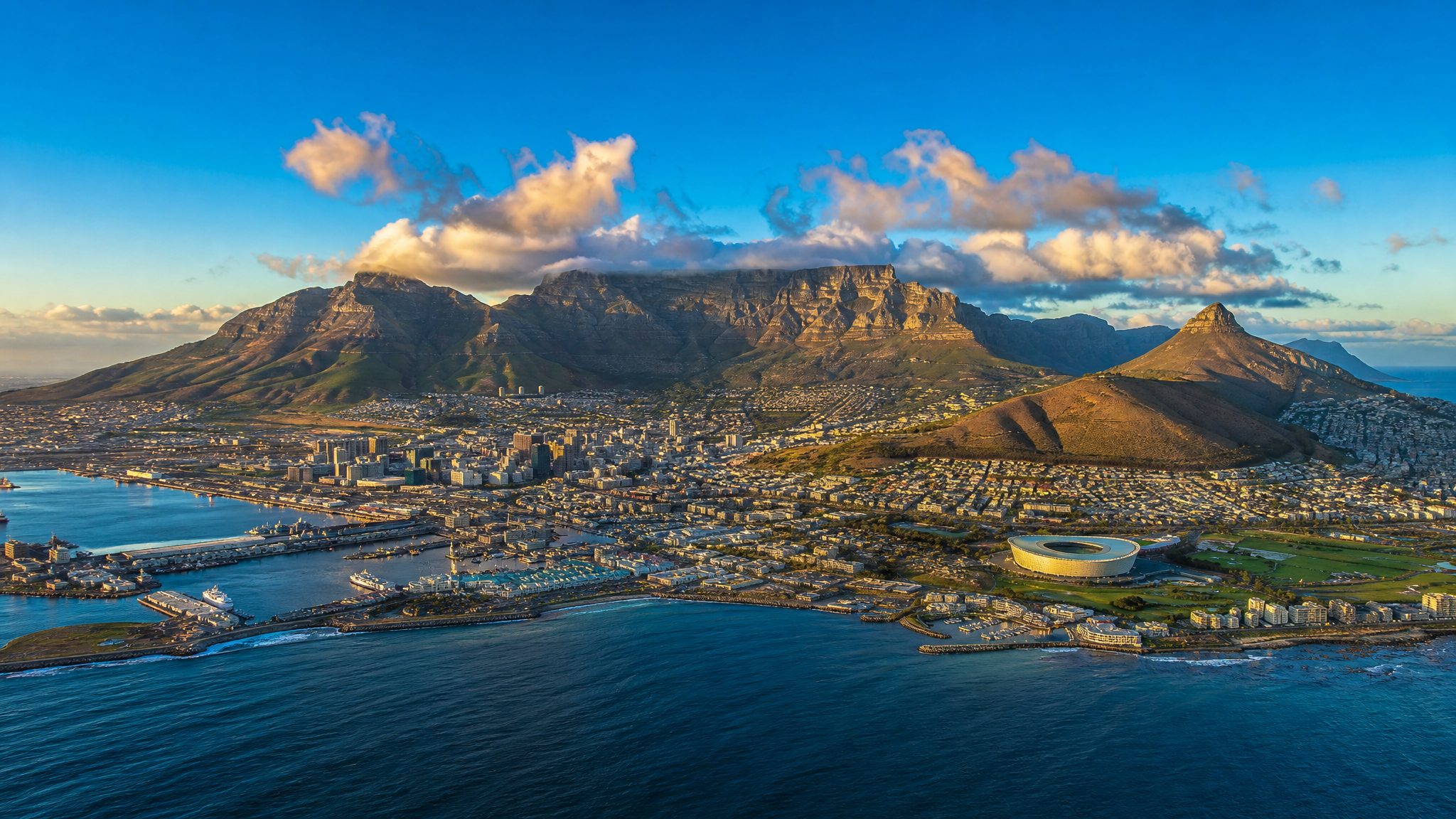
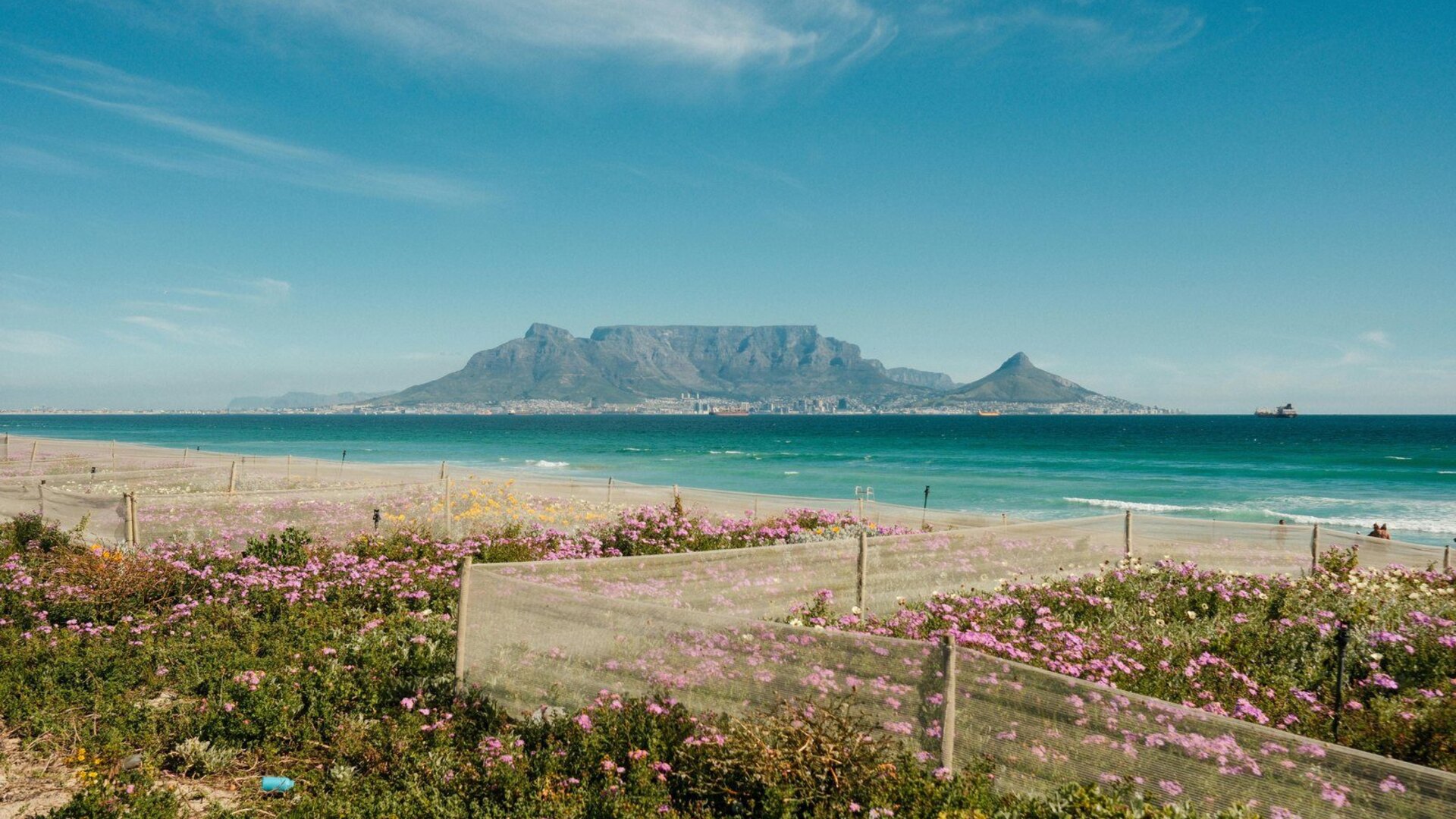
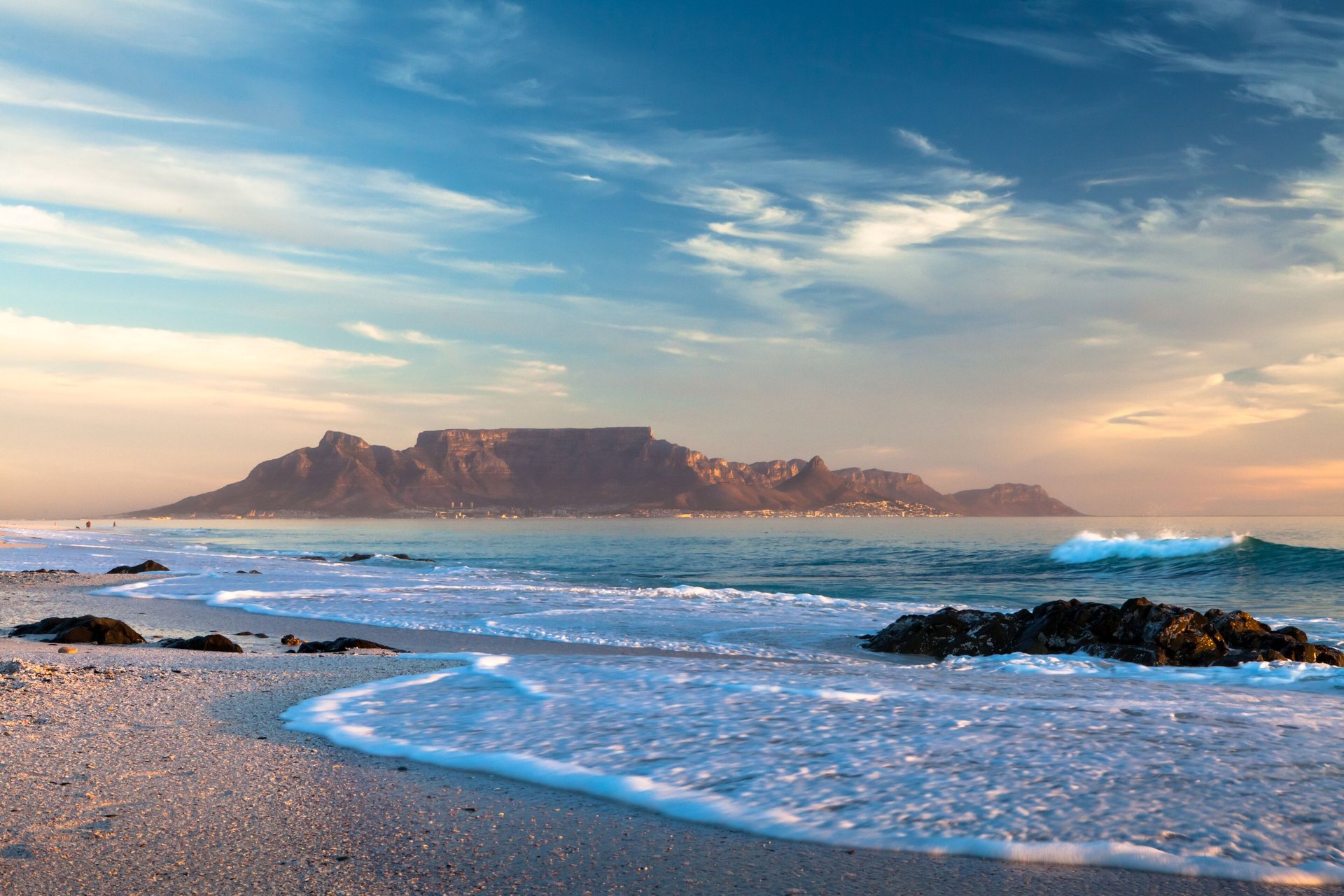
Your tour begins at the Nelson Mandela Gateway at the V&A Waterfront. The modern catamaran ferry departs on schedule (be there 30 minutes early — late arrivals are not accommodated). The 30-minute crossing offers spectacular views of Table Mountain, Cape Town's skyline, and the harbour. As the mainland recedes and the small, flat island grows closer, you begin to understand the profound isolation prisoners must have felt.
Sea sickness tip: Table Bay can be rough. Take motion sickness tablets 30 minutes before boarding if you're susceptible. Sit outside near the back of the ferry and focus on the horizon.
Phase 2: Island Bus Tour (45 minutes)
Upon arrival, you board a bus with a guide who takes you around the island's key sites:
- Robert Sobukwe's house — Where the PAC leader lived in solitary confinement for 9 years, forbidden from speaking to anyone
- The lime quarry — Where prisoners, including Mandela, broke limestone for 13 years. The harsh glare permanently damaged many prisoners' eyesight
- The Kramat (shrine) — A Muslim holy site honouring Syed Abdurahman Moturu, a prince from the Maldives exiled here in the 17th century
- The leper church and graveyard — Remnants of the island's 85-year period as a leper colony
- World War II gun batteries — Concrete fortifications overlooking Table Bay
- The penguin colony — A breeding colony of African penguins (a lighter moment in an otherwise heavy day)
Phase 3: Prison Walking Tour (45–60 minutes)
The emotional centrepiece. A former political prisoner guides you through the maximum-security prison:
- The communal cells where up to 60 prisoners slept on thin mats on the floor
- Section B — The isolation section where political leaders including Mandela, Sisulu, and Kathrada were held
- Nelson Mandela's cell — The tiny 2.4 x 2.1 metre space where he lived for 18 years, with only a bucket, a thin mattress, and a small desk
- The courtyard where Mandela secretly buried his manuscript of Long Walk to Freedom
Hearing a former prisoner describe daily life — the cold, the hunger, the psychological warfare, but also the solidarity, secret education, and unbreakable human spirit — is an experience that stays with you forever.
Phase 4: Return Ferry (30 minutes)
The return journey is quieter. Most visitors are processing what they've seen and heard. Many describe feeling a profound mix of sadness, anger, inspiration, and hope. As Table Mountain grows larger ahead, you carry with you a deeper understanding of what South Africa overcame — and why its democracy is so precious.
Practical Booking Tips for 2026
How to Book
- Book online at robben-island.org.za — this is the only official booking channel
- Tickets open approximately 3 months in advance
- Book the earliest available date when your travel dates are confirmed
- Standard tours depart at 9:00 AM, 11:00 AM, and 1:00 PM
Pricing (2026)
- Adults (South African): ~R250
- Adults (International): ~R600
- Children (under 18): ~R130 (SA) / ~R310 (International)
- Children under 4: Free
What to Bring
- Sun protection — little shade on the island
- Warm layers — it's always windier on the island than the mainland
- Water and snacks (small café on the island but limited options)
- Camera (photography encouraged)
- Motion sickness tablets if susceptible
- A sense of respect and reflection
Pro Tips from Local Guides
- Choose the 9:00 AM departure: Calmest seas, best light, and smaller crowds (the 1:00 PM tour is often the busiest)
- Visit in shoulder season: April–May or September–October for better availability and fewer crowds
- If sold out: Check daily for cancellations, try weekday departures, or contact us — as a local tour operator, we can sometimes access allocated tickets
- Combine with District Six Museum: For the full apartheid history picture, visit the District Six Museum on the same day or the next. It tells the story of forced removals from a deeply personal, community perspective
- Allow recovery time: Don't schedule a busy afternoon after Robben Island — you'll want time to process the experience. A quiet lunch at the V&A Waterfront or a walk along the Sea Point Promenade is perfect
Beyond Robben Island: Cape Town's Historical Tour
For visitors moved by Robben Island, these Cape Town experiences deepen the understanding:
- District Six Museum: The deeply personal story of 60,000 people forcibly removed from their homes during apartheid
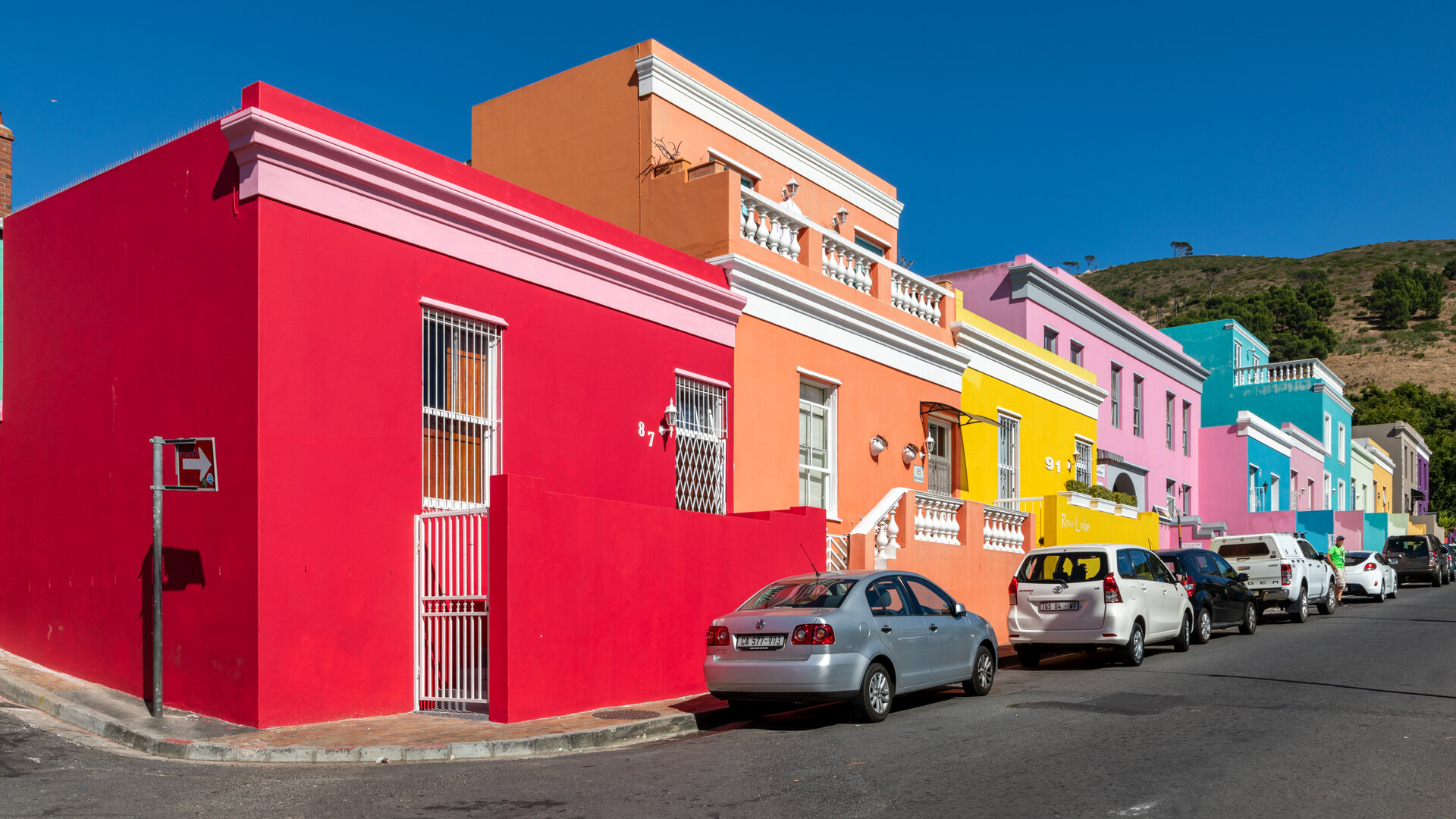
- Bo-Kaap: The colourful Malay Quarter, home to one of Cape Town's oldest communities with roots going back to enslaved people brought by the Dutch
- Constitution Hill (Johannesburg): Another former prison where Mandela, Gandhi, and countless political prisoners were held
- Apartheid Museum (Johannesburg): South Africa's most comprehensive apartheid history museum
- Langa Township Tour: Cape Town's oldest Black township, where apartheid's residential segregation laws played out and where the spirit of resistance was strongest
Our Cape Town History & Heritage Private Tour combines Robben Island with District Six, the Bo-Kaap, and a township visit for a comprehensive understanding of South Africa's journey from oppression to democracy.
"Every time I accompany visitors to Robben Island, I watch the same transformation happen. They arrive as tourists and leave as witnesses. This island changed the world, and visiting it will change you too." — Beyond Africa Safaris