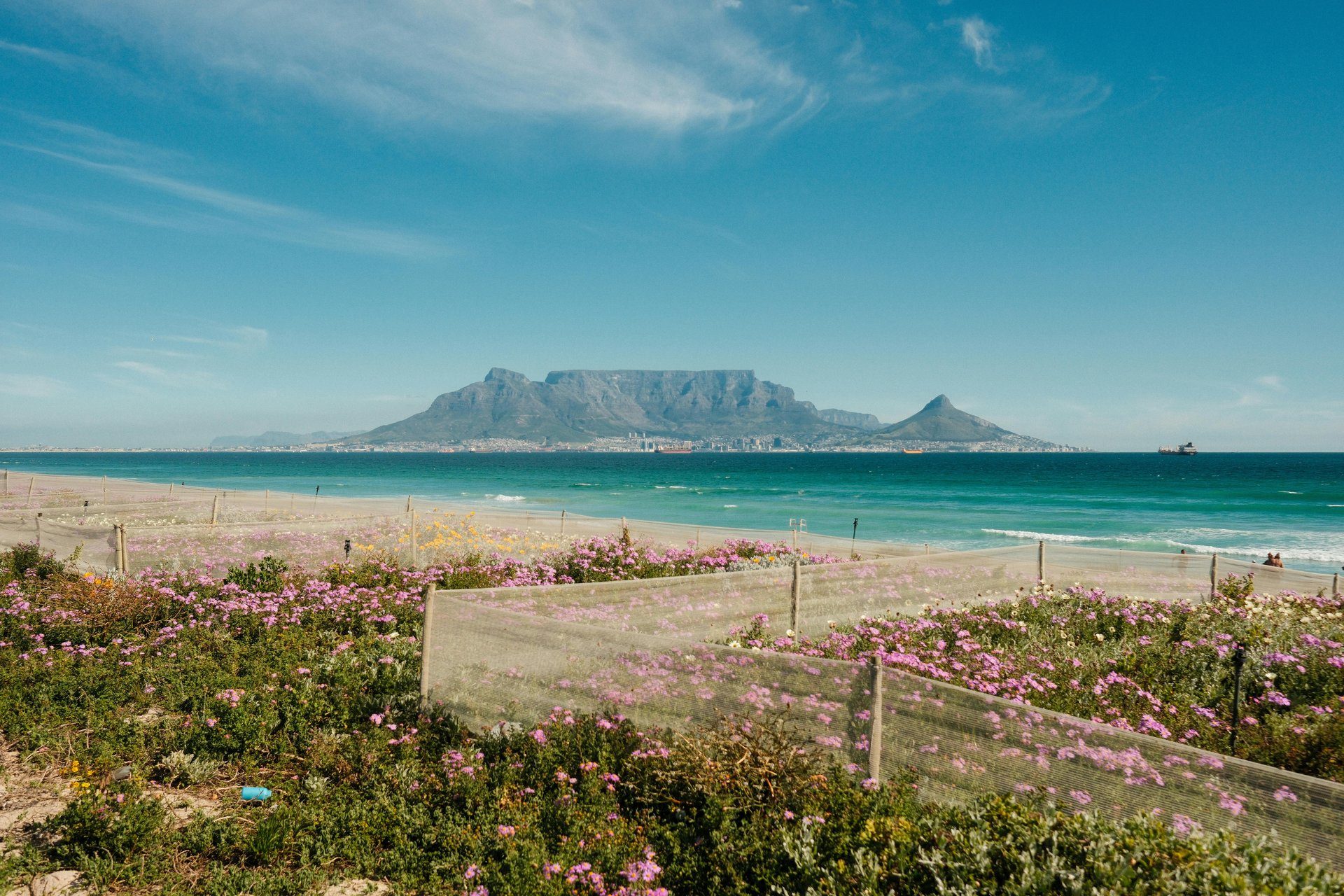
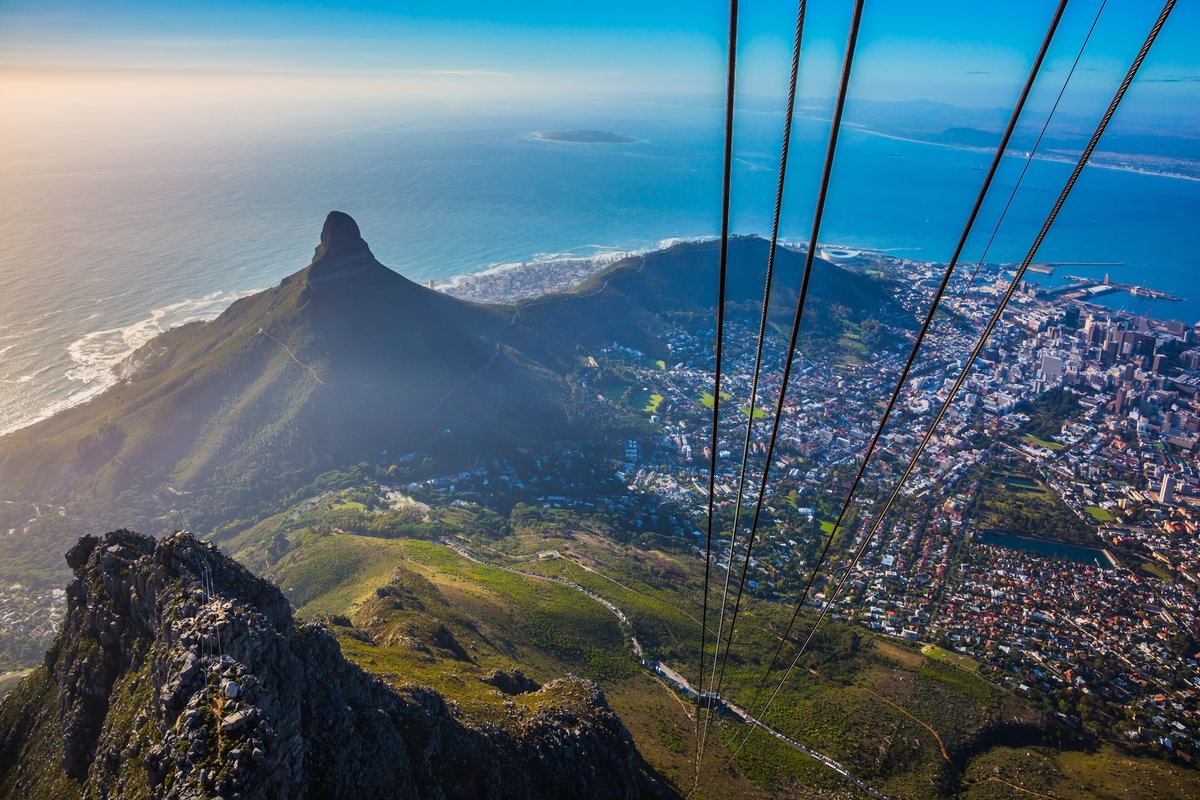
Most people arrive in Cape Town for the mountain, the beaches and the wine, then realise something brilliant: you can be watching wild lions a couple of hours after breakfast and back in the city for dinner. A safari from Cape Town is one of the most underrated experiences in South Africa, and getting it right takes a little local knowledge. This guide is that knowledge — the same advice we give friends who ask us where to go and when.
We run safaris out of Cape Town and across Southern Africa every week, so everything below comes from doing it, not reading about it. Let's get into it.
The ultimate Cape Town safari guide — combine the Mother City with Big Five game drives.
First, the honest truth about Cape Town safaris
Quick Answer
The ultimate Cape Town safari combines 3–4 days in the Mother City (Table Mountain, Cape Peninsula, winelands, Robben Island) with 3–5 days on a Big Five safari. Options: Aquila day safari (2 hours from Cape Town, malaria-free, $150–$200), Sabi Sands luxury safari (fly 2.5 hours, leopards + ultra-premium lodges, $1,200–$2,500/night), or Kruger classic (fly 2 hours, Big Five, $400–$1,200/night).
Most packages include Cape Town hotel + day tours (Peninsula, winelands), flights to the safari lodge, all game drives, and all meals at the lodge. Total: $3,500–$12,000 per person for 7–10 days. Best time: May–September (dry, peak wildlife viewing + mild Cape Town weather). See our Cape Town tours guide and Kruger safari packages for detailed options.
Cape Town itself is not in a wildlife area — the famous Big Five reserves of the Greater Kruger are about 1,600km away on the other side of the country. But within a two to three hour drive of the city there are several private game reserves that have reintroduced lion, elephant, buffalo, rhino and other game onto large tracts of Karoo and fynbos landscape. These reserves are malaria-free, scenic, and genuinely good for a first wildlife encounter.
So there are really two ways to do a Cape Town safari:
- A reserve near the city — Aquila, Inverdoorn, Sanbona or Fairy Glen — perfect as a day trip or one-night escape.
- A fly-in safari to the Greater Kruger — two hours by air, then a few nights at a lodge in the Sabi Sand or a private Kruger concession, combined with your Cape Town stay.
Both are worthwhile. The right choice comes down to how much time you have and what you want to see. We'll cover both properly.
Where to see wildlife near Cape Town
Here are the reserves we trust, roughly in order of distance from the city.
Aquila Private Game Reserve (about 2 hours)
The best-known safari option from Cape Town, and for good reason. Aquila sits in a wide Karoo valley near Touws River and offers Big Five viewing on a half-day or full-day trip, with the option to stay over. It's well organised for day visitors, has a comfortable lodge and spa, and runs both vehicle and horseback drives. If you only have one day and want to see lion, elephant, rhino and buffalo without flying anywhere, this is the easy answer. Take a look at our Aquila Big Five day safari.
Inverdoorn Game Reserve (about 2.5 hours)
Deeper into the Klein Karoo, Inverdoorn is a larger, quieter reserve with a strong conservation story, including a cheetah rehabilitation programme. The open plains here make for excellent photography and it feels more remote than reserves closer to the highway. Good as a day trip but better as an overnight.
Sanbona Wildlife Reserve (about 3 hours)
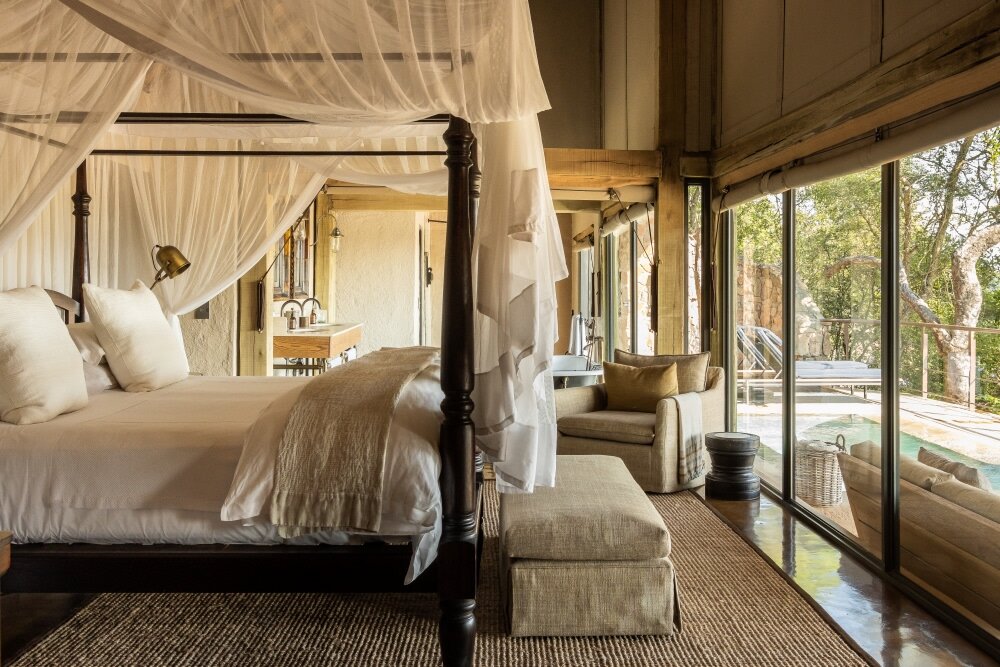
Sanbona is the premium choice in the region — a vast malaria-free wilderness with free-roaming lions (including a famous white lion lineage), elephants and dramatic mountain scenery. It's an overnight destination rather than a day trip, with several luxury lodges. If you want the closest thing to a high-end Kruger experience without leaving the Western Cape, Sanbona is it.
Fairy Glen (about 90 minutes)
The closest Big Five reserve to Cape Town. It's compact, which means shorter drives and quick sightings — ideal if you're short on time or travelling with restless kids. Less of a wilderness feel than the others, but a friendly, efficient introduction to the bush.
The fly-in option: Cape Town plus the Greater Kruger
If wildlife is the heart of your trip, this is what we recommend. You spend three or four nights in Cape Town, then take a two-hour flight to the Lowveld and transfer to a lodge in the Sabi Sand or a private Kruger concession. This is where Africa's wildlife viewing reaches its peak — the Sabi Sand has the highest density of leopards on the continent, plus lion prides, elephant herds, buffalo, rhino and wild dogs, all viewed from open vehicles with expert rangers and trackers.
The contrast is the magic of it: one day you're at the top of Table Mountain, three days later you're watching a leopard drape itself over a marula branch at sunset. Our 10-day Cape Town and safari combo is built exactly around this idea, and you can browse more options under Big Five safaris.
For a deeper look at choosing a lodge, our guide to South Africa's luxury lodges goes into detail.
When to go: seasons that make or break your safari
Timing matters more than people expect. Here's how the year actually breaks down for a Cape Town safari.
Autumn — March to May (our top pick)
The crowds of summer have thinned, the heat has eased, and the days are warm and clear. Game viewing is reliable, the light is beautiful for photography, and lodge rates start to soften. If you can travel in these months, do.
Winter — June to August
Cooler and greener in the Cape, with crisp mornings and the chance of rain. Drives are chilly at dawn, so layer up. The real bonus of Cape winter is whale watching — southern right whales gather along the coast at Hermanus from roughly June to November, which pairs beautifully with a reserve visit. In the Kruger, winter is actually the prime safari season: dry weather thins the bush and concentrates animals around water.
Spring — September to November
Another excellent window. Wildflowers in parts of the Western Cape, warming weather, fewer tourists than peak summer, and strong wildlife viewing both near Cape Town and up north. A genuine sweet spot.
Summer — December to February
Hot, dry and busy. The reserves still deliver great sightings — animals gather at waterholes — but midday drives are warm and the city is at its most crowded and expensive. Book early if these are your only dates, and choose morning game drives over afternoon ones.
For a full breakdown across the whole country, read our best time to visit South Africa guide.
Day safari vs multi-day: which is right for you?
This is the question we're asked most. Here's the simple framework we use.
Choose a day safari if you have limited time, you're curious about the bush but it's not the main reason for your trip, you're travelling with young kids, or you're watching the budget. You'll see most of the Big Five, enjoy a proper game drive and a good lunch, and be back in the city by evening.
Choose a multi-day safari if wildlife is your priority, you want leopards and big herds, you dream of waking to the sound of lions, or you want the full lodge experience — dawn drives, sundowners in the bush, dinner under the stars. Two nights is the realistic minimum to settle into the rhythm; three or four is better.
Honestly, for most first-time visitors the dream trip combines both: a day reserve near Cape Town early in the holiday as a taster, then a few nights in the Greater Kruger to go deep. Our Cape and Garden Route journeys can fold a safari into a longer self-drive too.
What you'll see: the wildlife rundown
Here's a realistic picture of what's out there, so your expectations match the bush.
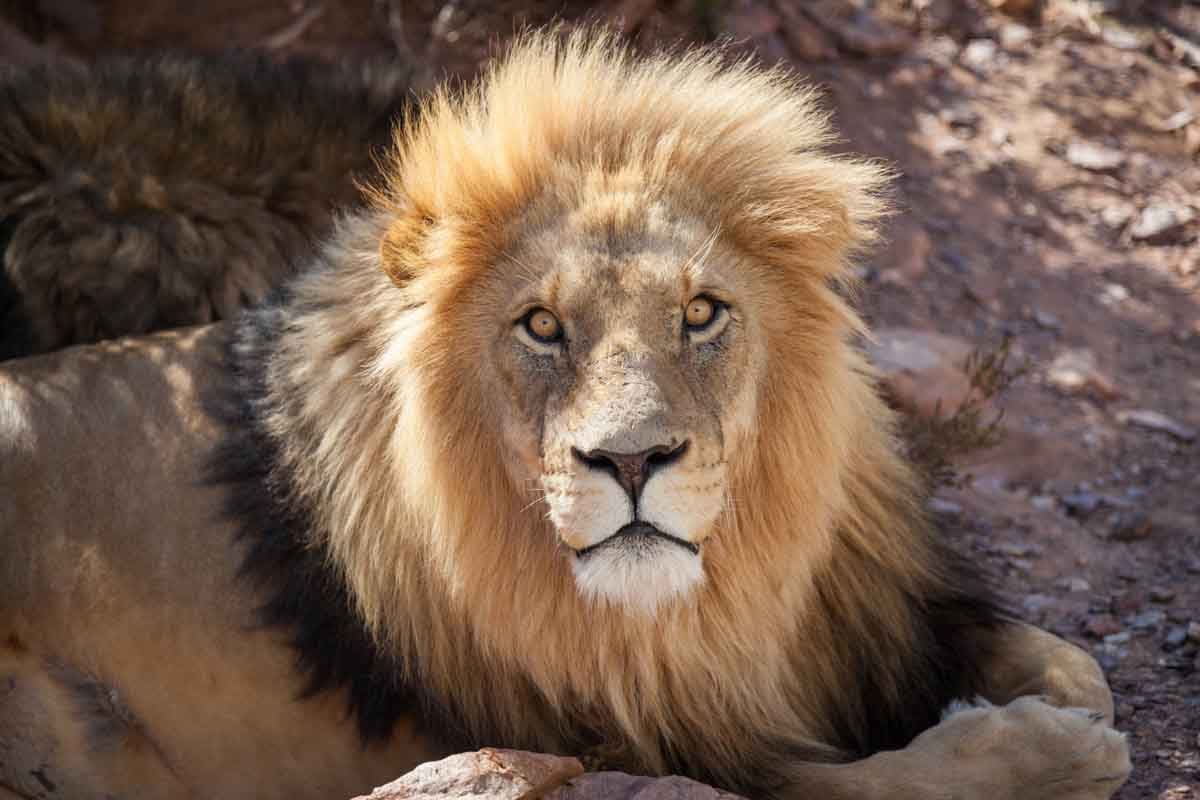
- Lion — Present at every reserve near Cape Town and abundant in the Kruger. Often the highlight of a first drive.
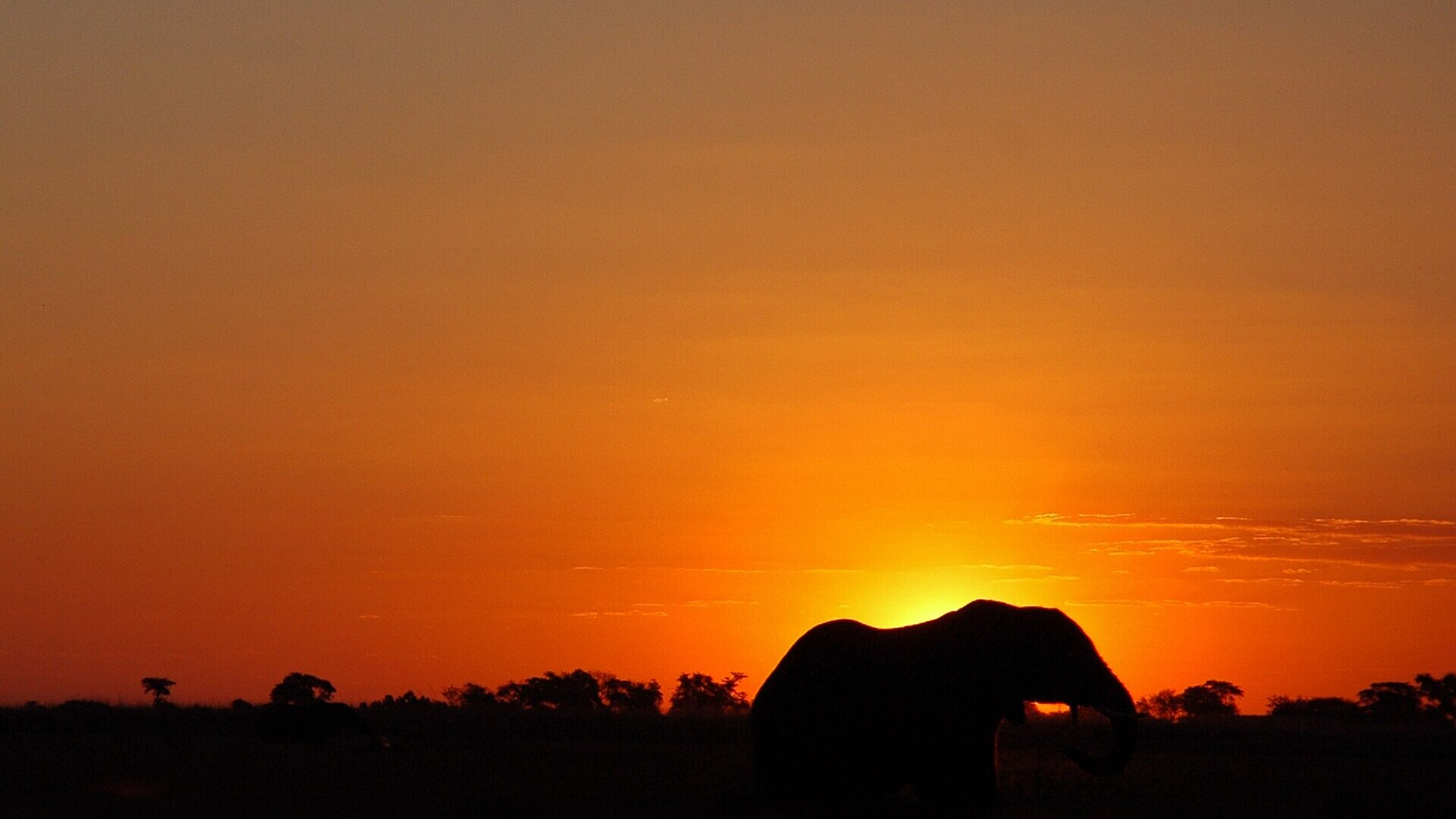
- Elephant — Reliable at the regional reserves and in big herds up north. Calm, intelligent and endlessly watchable.
- Rhino — Both white and black rhino are protected on these reserves. Seeing one is a privilege given the poaching pressure they face.
- Buffalo — Common and often underrated. A herd of a few hundred crossing in front of you is unforgettable.
- Leopard — Shy everywhere. Possible at some Cape reserves but the Sabi Sand near Kruger is the world's best place to see them.
- Cheetah — A speciality at Inverdoorn and seen in parts of the Kruger. Built for speed, beautiful to watch.
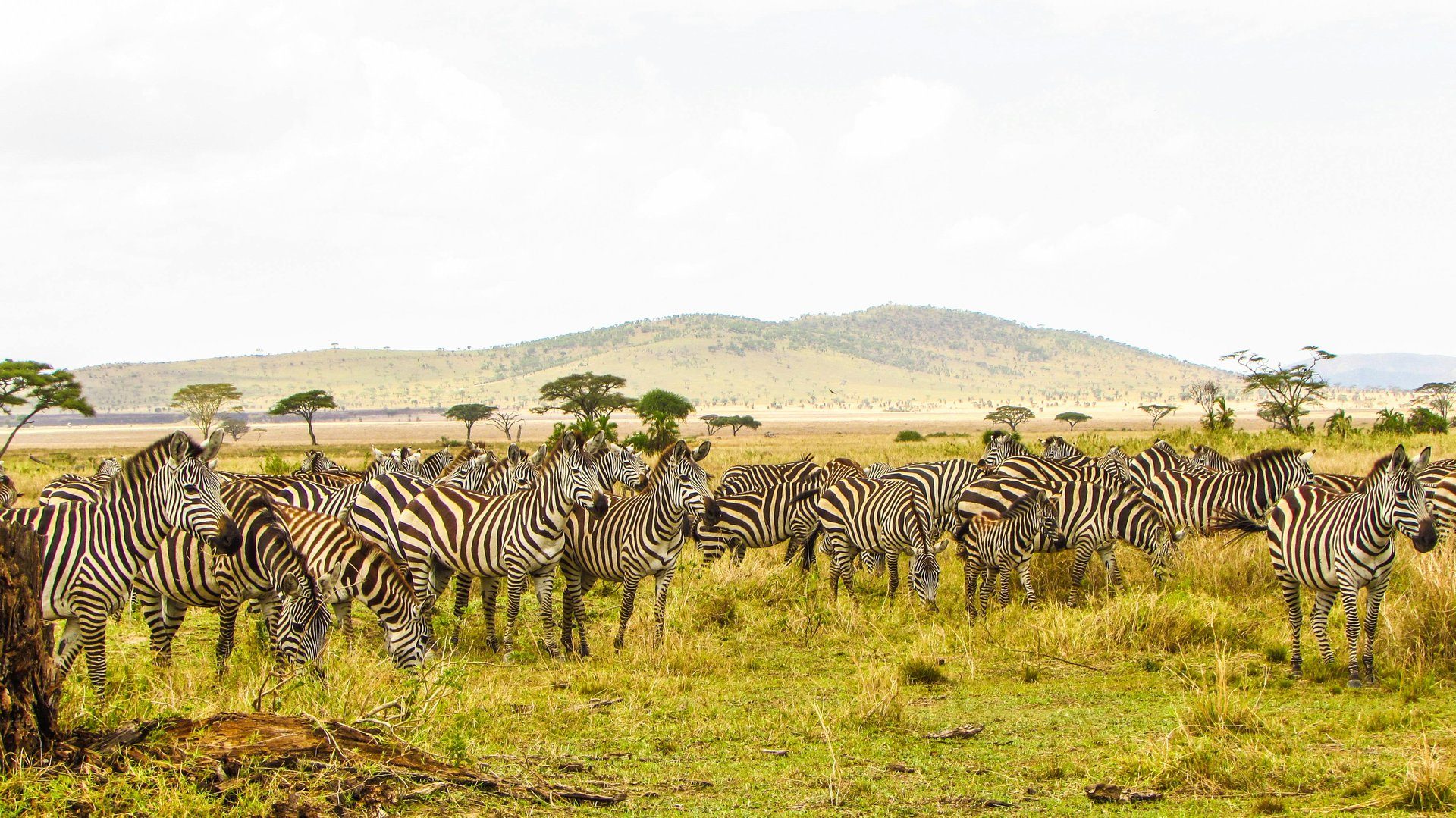
- Plains game — Zebra, giraffe, kudu, springbok, wildebeest and more fill out every drive.
- Birds — South Africa is a birding paradise, from fish eagles to lilac-breasted rollers. Bring binoculars.
What to pack for a Cape Town safari
You don't need to buy a whole new wardrobe, but a few things make a real difference.
- Layers in neutral colours — khaki, olive, brown, beige. Mornings are cold, midday is warm, so dress to peel off and add back on. Avoid bright white and black.
- A warm fleece or jacket — open vehicles get genuinely cold at dawn, even in summer.
- Wide-brim hat, sunglasses and high-factor sunscreen — the African sun is fierce.
- Closed walking shoes — practical and dust-proof.
- Binoculars and a camera — even a phone works, but binos transform the experience.
- A small daypack — for water, sunscreen and a layer.
Most reserves supply blankets and rain ponchos on the vehicles, so you don't have to carry those.
Practical tips from the field
Book the morning drive. Animals are most active in the cool early hours. If you're choosing between a morning and afternoon slot, take the morning.
Go private if you can. A private vehicle means you set the pace, linger at sightings and ask your guide every question that pops into your head. It's the single biggest upgrade to the experience.
Be patient and quiet. The best sightings reward stillness. Switch your phone to silent, keep your voice low, and let the bush come to you.
Listen to your ranger. They read tracks, alarm calls and the wind. Trust them — that's how you end up parked beside a leopard you'd never have spotted yourself.
Combine it with the coast. A safari pairs beautifully with the Garden Route, whale watching at Hermanus, and the winelands. See our Garden Route guide for ideas.
Sample 3-day Cape Town safari plan
If you want a ready-made shape for your trip, here's one we'd happily put our name to.
Day 1 — Arrive in Cape Town, settle in, sunset at Camps Bay or Signal Hill.
Day 2 — Early start for a full-day Big Five safari at Aquila or Inverdoorn. Game drive, lunch at the lodge, afternoon drive, back to the city by evening.
Day 3 — Table Mountain in the morning, then the winelands or the V&A Waterfront in the afternoon. Optional: extend with a fly-in to the Kruger for two or three nights of serious wildlife.
Want it longer and grander? Our 10-day combo and the full range of luxury safaris take this idea all the way.
What a Cape Town safari costs in 2025
Prices move with the season and the exchange rate, but here's a realistic guide so you can plan with open eyes.
- Guided Big Five day safari — from around $130 to $190 per person, including return transfers from the city, a game drive and lunch at the reserve. The best value way to see wildlife on a short trip.
- Overnight reserve stay near Cape Town — from roughly $250 to $600 per person per night at a lodge, including meals and two daily drives. A relaxed, no-flight escape.
- Fly-in Greater Kruger safari — a premium experience, from about $1,200 per person for a short stay at a quality lodge, rising sharply for the top Sabi Sand properties. All meals, drinks and drives are usually included.
Two things keep costs down without hurting the experience: travel in the shoulder seasons (autumn and spring), and book early so you lock in lodge availability and rates. For a full continent-wide breakdown, see our safari cost and budget guide.
How to book without the stress
Booking a safari from afar can feel daunting, so keep it simple. Decide first whether you want a day trip, an overnight, or a full fly-in safari — that single choice shapes everything else. Pick your travel window using the season notes above. Then let a specialist match you to the right reserve or lodge, because the gap between an average lodge and a great one is enormous, and photos rarely tell the whole story. Finally, confirm what's included — transfers, meals, drinks, drives and park fees — so there are no surprises. That's the entire process when someone who knows the ground is helping you.
Final word
A Cape Town safari gives you the rare combination of a world-class city and genuine wild Africa within the same trip. Whether you spend one unforgettable day watching lions in the Karoo or fly north for a few nights in leopard country, the secret is matching the experience to your time, your season and your budget — and that's exactly what we do for guests every day.
If you'd like a hand shaping your trip, tell us what you're dreaming of or talk to our local specialists. We'll build something that fits you perfectly, with no pressure and no guesswork.