The Skeleton Coast
Discover The Skeleton Coast
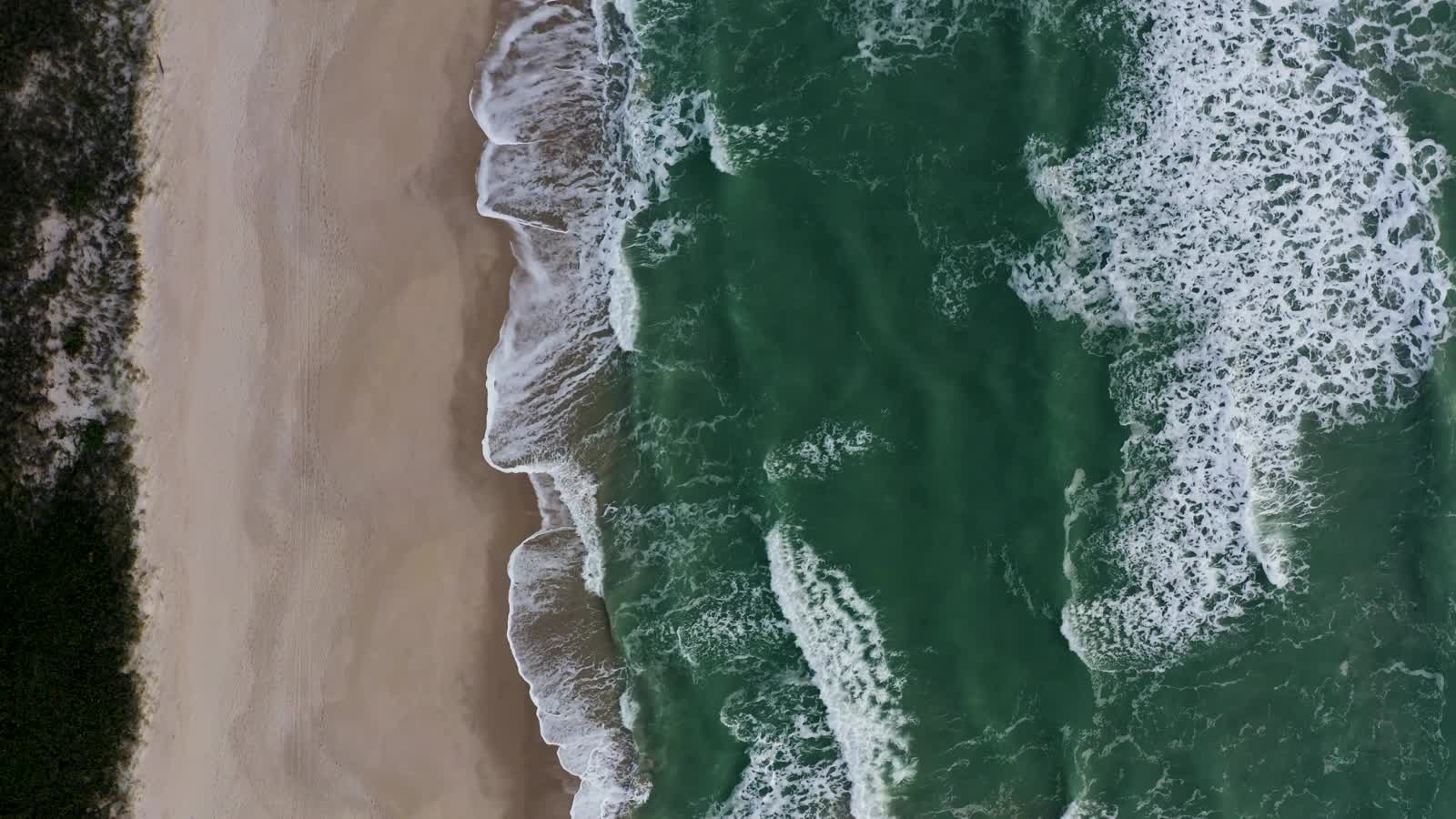
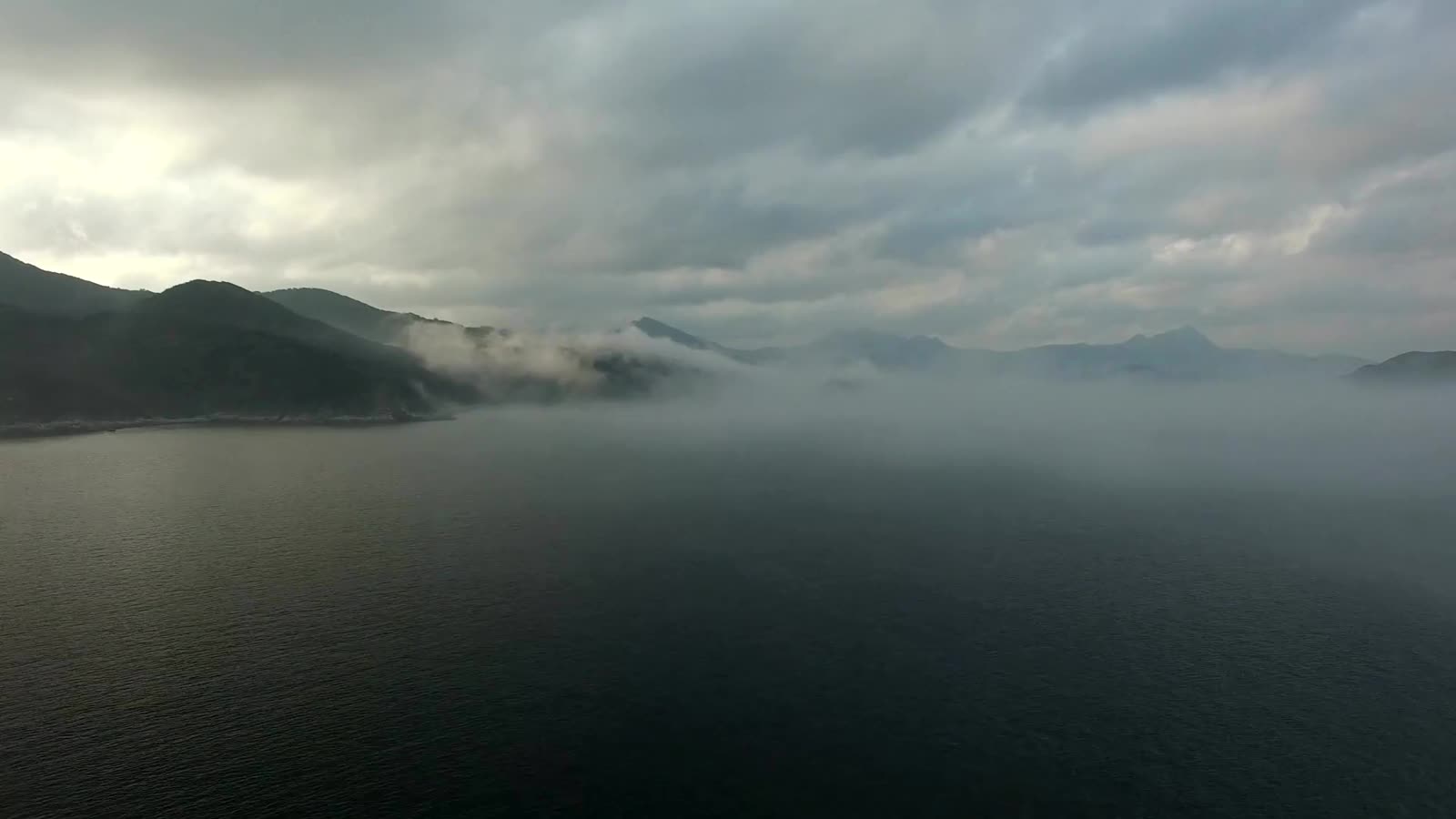
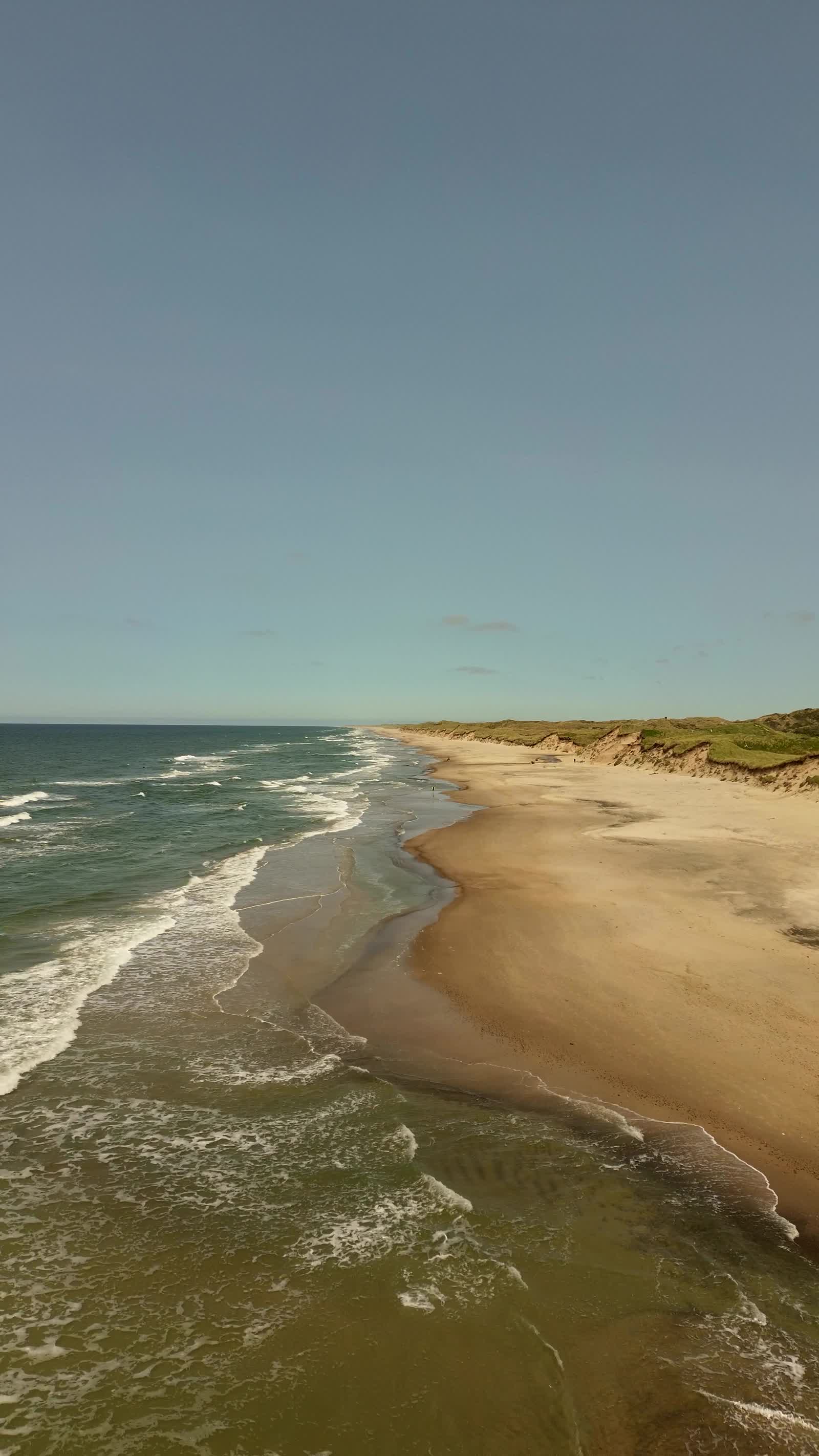
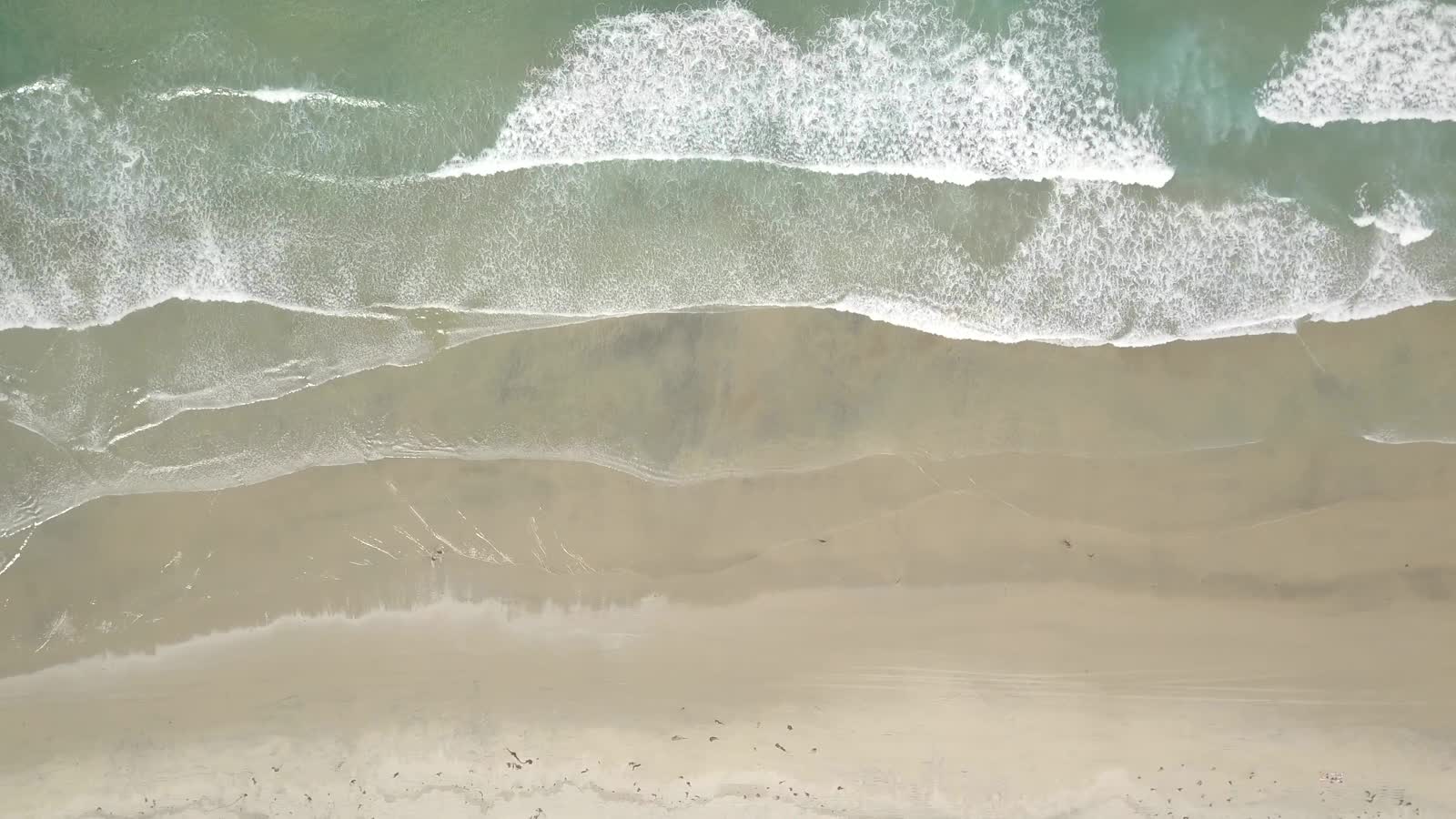
The Skeleton Coast is the most hauntingly beautiful coastline on earth—a five-hundred-kilometre ribbon of fog, sand, and maritime tragedy stretching from Swakopmund to the Kunene River at the Angolan border. The San Bushmen called it 'the land God made in anger.' Portuguese sailors called it 'the gates of hell.' Both were being polite.
The name derives from the whale and seal bones that once littered these shores, supplemented over centuries by the rusting hulks of ships driven aground by the Benguela Current's treacherous combination of fog, cross-currents, and surf. The Eduard Bohlen, a cargo steamer stranded in 1909, now sits five hundred metres inland—the desert having advanced around it, entombing the vessel in sand. These shipwrecks are not mere curiosities; they are monuments to the coast's lethal indifference.
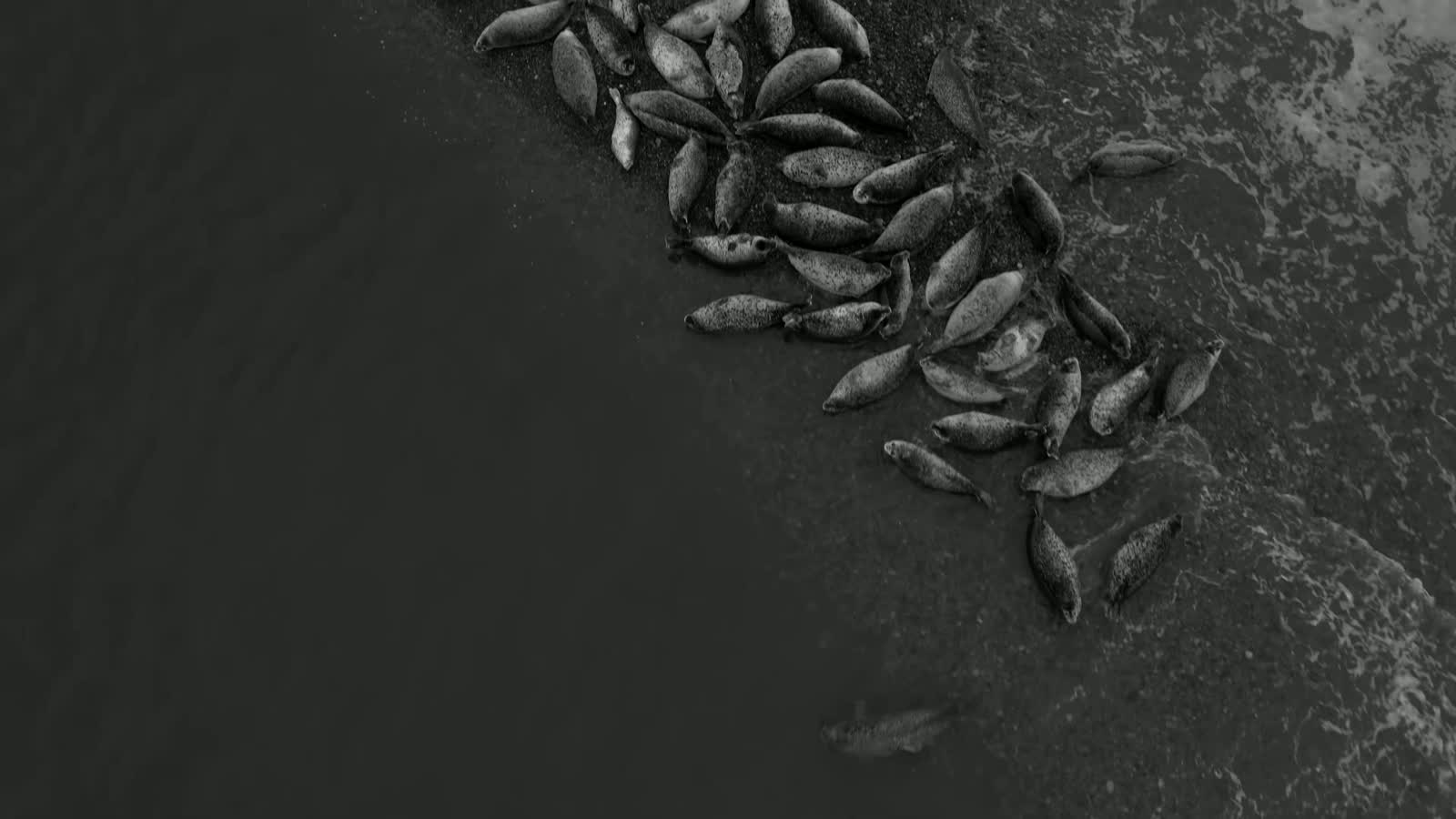
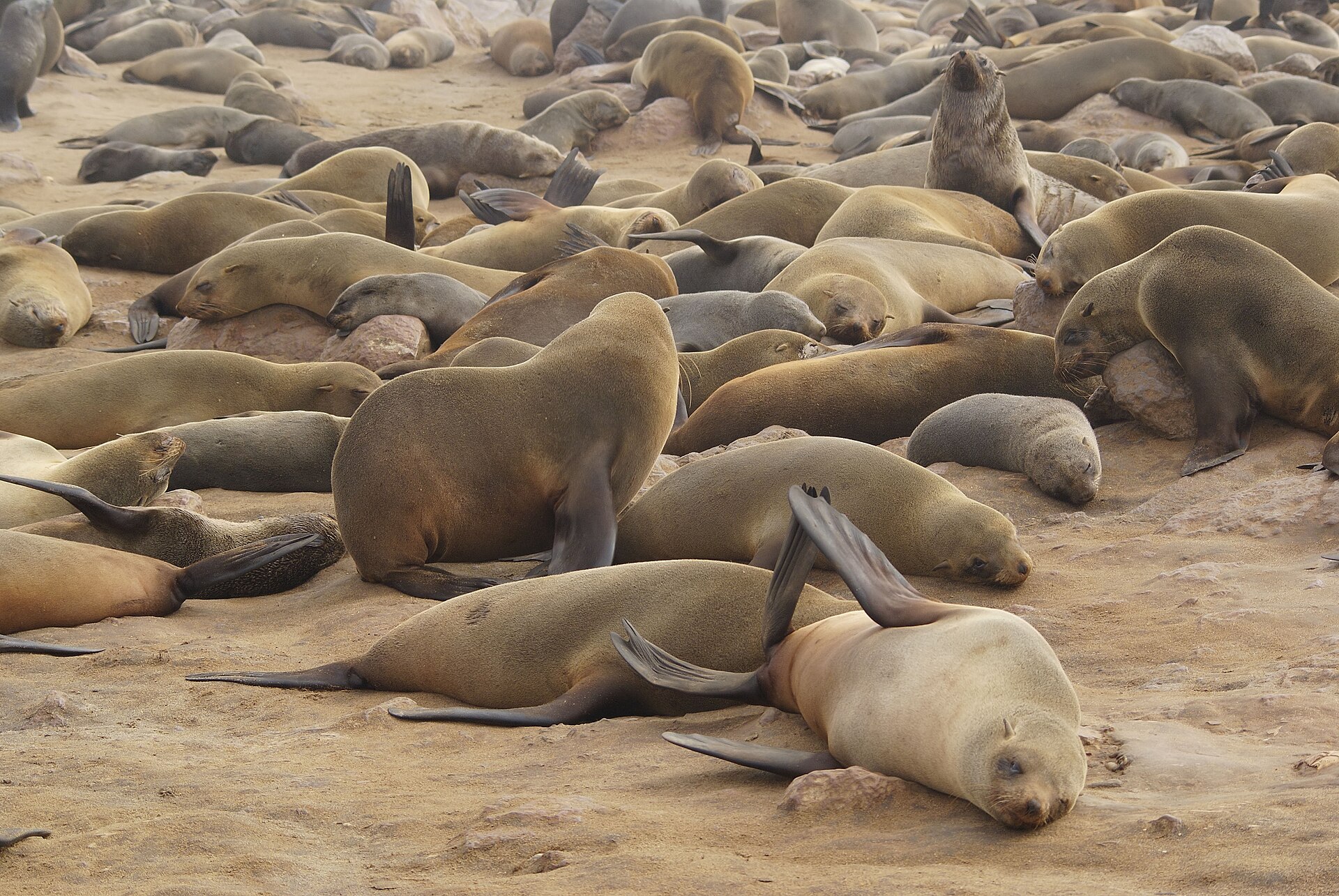
But the Skeleton Coast is not all desolation. At Cape Cross, one of the largest Cape fur seal colonies in the world—upwards of 200,000 animals—covers the beach in a heaving, barking, malodorous mass of life. The colony is simultaneously magnificent and overwhelming, a spectacle that engages every sense. Brown hyena and jackals patrol the colony's margins, scavenging pups that have wandered too far from their mothers.
The northern Skeleton Coast—accessible only by fly-in safari—offers a wilderness experience of almost incomprehensible isolation. Properties like Shipwreck Lodge and Skeleton Coast Camp provide luxury accommodation in a landscape where the only footprints in the sand are your own. Activities include guided desert walks to ephemeral rivers, clay castles formed by ancient geological processes, and the mesmerising experience of standing where the Atlantic Ocean meets the oldest desert on earth in a collision of fog and dune.
Highlights of The Skeleton Coast
- Cape Cross seal colony
- Shipwrecks (Eduard Bohlen)
- Fly-in safari to northern coast
- Desert-meets-ocean landscapes
- Brown hyena tracking
- Shipwreck Lodge
- Roaring dunes phenomenon