Kenya is where the safari was born, and it remains one of the greatest wildlife destinations on Earth. From the legendary Masai Mara — stage of the Great Migration's river crossings — to elephant herds beneath Kilimanjaro in Amboseli and the rare species of Samburu, Kenya delivers classic, cinematic safari. Add warm Swahili-coast beaches and rich Maasai culture, and it is a complete African journey. This 2026 guide shows you exactly how to plan it.
The Top Safari Regions
- Masai Mara: Kenya's crown jewel — big cats, vast plains and the Great Migration's dramatic Mara River crossings (July–October).
- Amboseli: Famous for large elephant herds framed by snow-capped Mount Kilimanjaro across the border.
- Samburu: A rugged northern reserve home to species found nowhere else: Grevy's zebra, reticulated giraffe and gerenuk.
- Tsavo & Laikipia: Vast wilderness, red elephants and pioneering private conservancies with rhino sanctuaries.
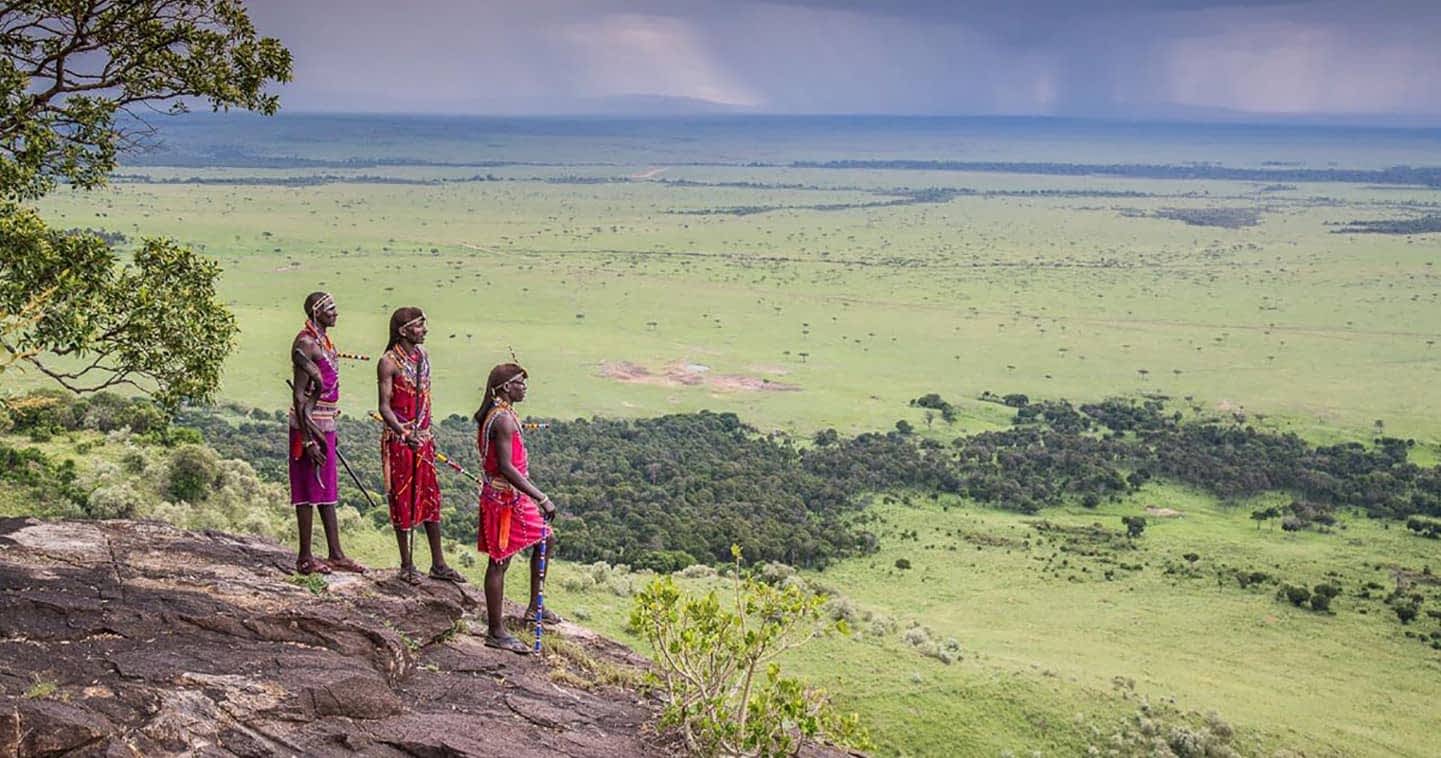
The Great Migration in Kenya
From roughly July to October, over a million wildebeest and zebra cross from Tanzania's Serengeti into the Masai Mara, braving crocodile-filled rivers in one of nature's most dramatic spectacles.
To witness the river crossings, base yourself in or near the Mara during these months and book well ahead — the best camps sell out 6–12 months in advance for peak season.
When to Go
The dry seasons (late June–October and January–February) offer the best game viewing, with the migration peaking July–October. The green seasons (March–May and November) bring lush scenery, newborn animals, fewer crowds and lower prices.
Kenya's equatorial climate means warm days year-round, with cool mornings on game drives — pack layers regardless of season.
Safari Styles & Where to Stay
Kenya offers everything from classic tented camps to ultra-luxury lodges and exclusive private conservancies. Conservancies bordering the Mara offer lower vehicle density, night drives and walking safaris that aren't permitted inside the national reserve itself.
Most safaris combine two or three regions — a typical route pairs the Mara with Amboseli or Samburu, linked by short scenic flights.
Kenya Safari Tips
- A yellow fever certificate may be required — check current requirements before you travel.
- Book Masai Mara camps 6–12 months ahead for the July–October migration season.
- Choose a private conservancy for fewer crowds, night drives and walking safaris.
- Light, neutral-coloured clothing is best; bring binoculars and a good zoom lens.
- Combine your safari with a few days on the Swahili coast (Diani or Lamu) to unwind.
Frequently Asked Questions
When is the best time for a Kenya safari?
The dry months of late June to October offer the best wildlife viewing and coincide with the Great Migration's Mara River crossings. January–February is also excellent and drier. The green seasons (March–May, November) are quieter and cheaper, with beautiful scenery and abundant birdlife.
How much does a Kenya safari cost?
Costs vary widely by season and style. Mid-range safaris start around $350–$500 per person per day including accommodation, meals, game drives and a guide. Luxury lodges and private conservancies range from $700 to $1,500+ per person per day. Flights between parks and park fees are additional.
Can I see the Big Five in Kenya?
Yes. The Masai Mara and surrounding conservancies offer excellent chances of seeing lion, leopard, elephant and buffalo, while rhino are best viewed in protected sanctuaries such as those in Laikipia and Ol Pejeta. Combining two regions maximises your Big Five odds.
Is Kenya safari good for first-timers?
Absolutely — Kenya practically invented the safari and is superbly set up for visitors. The open plains make wildlife easy to spot, sightings are reliable, and the infrastructure of camps, guides and flights is excellent. It's one of the most rewarding first safaris you can take.
How many days do you need for a Kenya safari?
A minimum of 5–6 days lets you experience two parks properly. Seven to ten days allows a richer circuit — for example the Mara, Amboseli and Samburu — or a safari-and-beach combination with time on the Indian Ocean coast.
Tours & Safaris in Kenya
Hand-picked private experiences our local team can book for you — skip the planning and travel like an insider.
Ultimate Great Migration Safari
Seven Days at the Heart of the World's Greatest Wildlife Spectacle
Kenya Giraffe: Samburu & Masai Mara Safari
Two Giraffe, Two Great Wildernesses — Kenya's Grand Giraffe Tour
Kenya Luxury Fly-In Safari — 7 Nights
Giraffe Manor, Kilimanjaro's elephants & the Mara by private light aircraft
Samburu Giraffe & Special Five Safari
Reticulated Giraffe & the Rare Species of Kenya's Wild North
Kenya Golf Safari — Vipingo Ridge & the Masai Mara
Championship Golf Among Giraffe & Zebra, Then the Big Five of the Mara
Kenya Big Cats Experience
Five Days Tracking Lion, Cheetah and Leopard in the Mara
Ready to Experience Kenya?
Let our local experts craft your perfect private journey.