The Masai Mara is the jewel of Kenya's safari circuit and the northern extension of the Serengeti ecosystem. Famous for its rolling golden grasslands, exceptional density of lions, cheetahs and leopards, and the dramatic Mara River crossings of the Great Migration, the Mara delivers the quintessential African safari. This 2026 guide covers when to visit, what to expect and how to plan an unforgettable journey to Kenya's most celebrated reserve.
Why the Masai Mara is Special
The Mara packs an astonishing concentration of wildlife into a relatively compact area, making game viewing reliable and rewarding year-round. Its open savannahs offer some of the best big-cat sightings anywhere in Africa, immortalised by countless wildlife documentaries.
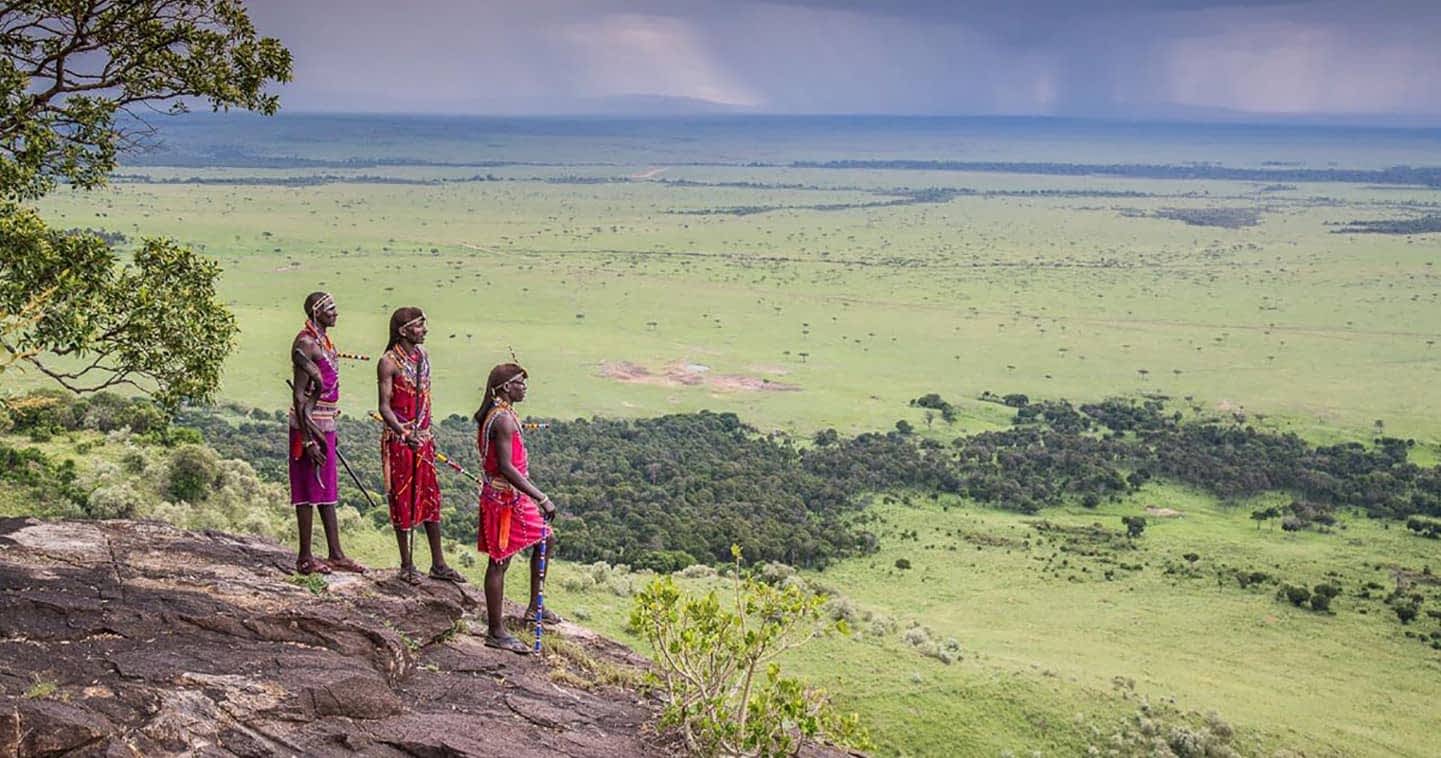
Beyond the wildlife, the Mara is home to the Maasai people, whose culture and guiding expertise add a rich human dimension to any safari here. Community conservancies bordering the reserve offer exclusive, low-density game viewing and walking safaris.
The Great Migration
From roughly July to October, over a million wildebeest and zebra pour into the Mara from the Serengeti, braving crocodile-filled rivers in the dramatic crossings that define the Great Migration. Witnessing a river crossing is one of nature's most heart-stopping spectacles.
While the crossings are the headline event, the sheer number of animals on the plains during these months also draws predators in abundance, making the dry season the Mara's peak for both drama and density.
When to Go
July to October is the prime time, coinciding with the migration and the dry season's excellent general game viewing. This is peak season, so book lodges well in advance.
The green season (November to June) brings lush scenery, newborn animals, superb birding and far fewer vehicles. Big cats and resident plains game remain abundant year-round, so a green-season Mara safari offers wonderful value and intimacy.
Where to Stay & How Long
Accommodation ranges from classic tented camps inside the reserve to exclusive lodges in the private conservancies, where night drives and walking safaris are permitted. Conservancy stays mean fewer vehicles at sightings and a more intimate experience.
Allow at least three nights in the Mara to do it justice. Many travellers combine the Mara with Amboseli, Lake Nakuru or a Kenya coast beach extension for a varied two-week itinerary.
Masai Mara Safari Tips
- Visit July–October for the migration; book 6–12 months ahead for peak season.
- Stay in a private conservancy for fewer vehicles, night drives and walking safaris.
- Allow at least 3 nights to maximise big-cat and migration sightings.
- Pack neutral colours, a good zoom lens and warm layers for chilly morning drives.
- Combine the Mara with Amboseli or the Kenya coast for a complete itinerary.
Frequently Asked Questions
When is the best time to visit the Masai Mara?
July to October is the best time, coinciding with the Great Migration river crossings and the dry season's outstanding general game viewing. This is peak season, so accommodation should be booked well in advance. The green season from November to June offers lush scenery, newborn wildlife, excellent birding, fewer crowds and better value, with resident big cats present year-round.
How many days do you need in the Masai Mara?
Allow at least three nights to do the Mara justice and maximise your chances of seeing the big cats and, in season, a river crossing. Many travellers combine the Mara with other Kenyan parks such as Amboseli or Lake Nakuru, or add a coastal beach extension, for a well-rounded one- to two-week itinerary.
Can you see the Big Five in the Masai Mara?
Yes. The Masai Mara is home to lion, leopard, elephant and buffalo in good numbers, and rhino are present though harder to spot. The Mara is especially renowned for its big cats — lion, cheetah and leopard sightings are among the best and most reliable anywhere in Africa.
What is the difference between the reserve and the conservancies?
The Masai Mara National Reserve is the government-managed core, open to all visitors and busiest at sightings. The surrounding private conservancies are community-owned, limit vehicle numbers, and permit night drives and walking safaris — offering a more exclusive, low-density experience. Many itineraries combine both for variety.
Is the Masai Mara safe and easy to reach?
Yes. The Mara is reached by a short scheduled flight from Nairobi or a scenic road transfer, and safaris are conducted with professional guides in safari vehicles. As with any safari, you follow your guide's instructions around wildlife. The Mara is one of Africa's most established and well-run safari destinations.
Tours & Safaris in Masai Mara, Kenya
Hand-picked private experiences our local team can book for you — skip the planning and travel like an insider.
Ultimate Great Migration Safari
Seven Days at the Heart of the World's Greatest Wildlife Spectacle
Kenya Giraffe: Samburu & Masai Mara Safari
Two Giraffe, Two Great Wildernesses — Kenya's Grand Giraffe Tour
Masai Mara & Seychelles Safari-and-Beach
The Big Cats of the Mara, Then the Granite Beaches of the Seychelles
Kenya Luxury Fly-In Safari — 7 Nights
Giraffe Manor, Kilimanjaro's elephants & the Mara by private light aircraft
Ultimate Madagascar: Lemurs, Tsingy & Indian Ocean
Fourteen Days Across the Eighth Continent — Rainforest, Stone Forest, Baobabs and Beach
Samburu Giraffe & Special Five Safari
Reticulated Giraffe & the Rare Species of Kenya's Wild North
Ready to Experience Masai Mara, Kenya?
Let our local experts craft your perfect private journey.