Namibia is unlike anywhere else in Africa — a vast, sparsely populated land of ancient deserts, dramatic coastlines and surprising wildlife. The towering apricot dunes of Sossusvlei, the wildlife-rich waterholes of Etosha, the eerie Skeleton Coast and the desert-adapted elephants of Damaraland combine into one of the most visually spectacular journeys on the continent. With excellent roads and safe self-drive options, Namibia is a road-tripper's dream. Here's how to plan it for 2026.
The Must-See Regions
- Sossusvlei: The world's highest sand dunes, glowing red at sunrise, surrounding the ghostly white clay pan of Deadvlei.
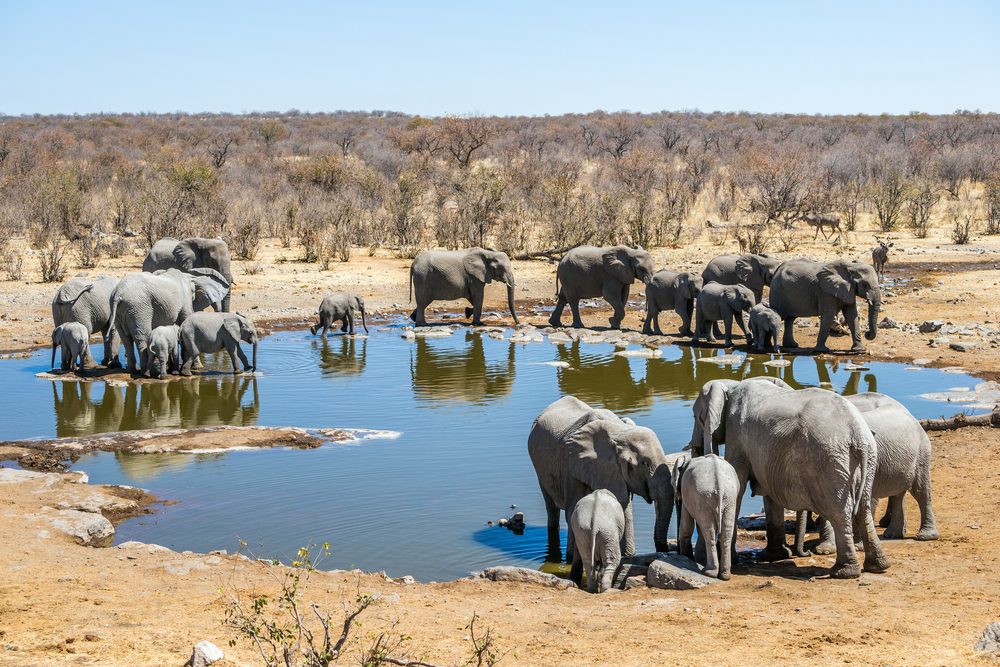
- Etosha National Park: A vast salt pan ringed by waterholes that draw elephant, lion, rhino and huge plains-game herds.
- Skeleton Coast & Swakopmund: Foggy Atlantic shores, shipwrecks, seal colonies and the adventure hub of Swakopmund.
- Damaraland: Rust-red mountains, ancient rock art and desert-adapted elephant and black rhino.
Self-Drive vs Guided
Namibia is one of Africa's safest and most rewarding self-drive countries, with good gravel roads, low traffic and well-signposted routes. A 4x4 and a sense of adventure open up the whole country.
That said, distances are vast and some roads are remote. A guided private tour removes the navigation and vehicle worries, adds expert interpretation of the landscapes and wildlife, and is ideal for first-timers or those who prefer to simply enjoy the view.
When to Go
The dry season (May–October) is the best time for wildlife at Etosha's waterholes and offers clear, cool desert mornings. This is peak season with the most reliable game viewing.
The green season (November–April) brings dramatic skies, baby animals and vivid desert landscapes after rare rains, though some areas can be hot. Photographers love the contrast and softer light of the shoulder months.
Stargazing & Landscapes
Namibia contains some of the darkest skies on Earth, including Africa's first International Dark Sky Reserve in the NamibRand. The stargazing is simply breathtaking.
Beyond the dunes, the country offers Fish River Canyon (the second-largest canyon in the world), the otherworldly Quiver Tree Forest, and the dramatic granite peaks of Spitzkoppe — endless rewards for the landscape photographer.
Namibia Travel Tips
- Arrive at Sossusvlei's gate at sunrise to climb the dunes in soft light before the heat.
- A 4x4 is recommended for self-drive; carry water, a spare tyre and offline maps.
- Distances are long — don't over-pack your itinerary; allow 2 nights per major region.
- Etosha's waterholes are best in the dry season (May–October) when animals concentrate.
- Don't miss a desert-night stargazing session — Namibia's skies are world-class.
Frequently Asked Questions
Is Namibia safe for self-drive?
Yes — Namibia is one of the safest and most popular self-drive destinations in Africa. Roads are generally good, traffic is light, and routes are well signposted. A 4x4 is recommended for gravel roads and remote areas. Carry water, a spare tyre and offline navigation, and plan fuel stops on longer stretches.
When is the best time to visit Namibia?
The dry season (May–October) is best for wildlife at Etosha and clear desert conditions, making it peak season. The green season (November–April) offers dramatic skies, lush scenery and fewer visitors. For photography, the shoulder months offer beautiful light and a balance of both.
How many days do you need in Namibia?
A minimum of 7–8 days covers the highlights — Sossusvlei, Swakopmund and Etosha. Ten to fourteen days allows a fuller loop including Damaraland and the Skeleton Coast, with enough time to absorb the vast distances without rushing.
What wildlife can you see in Namibia?
Etosha National Park offers elephant, lion, rhino, giraffe, zebra and large plains-game herds gathered at waterholes. Damaraland is famous for desert-adapted elephant and black rhino, while the coast has Cape fur seal colonies. Namibia also has one of the world's largest free-roaming cheetah populations.
Is Sossusvlei worth visiting?
Absolutely — Sossusvlei's towering red dunes are among the most photographed landscapes in Africa. Climbing a dune at sunrise and standing in the surreal white clay pan of Deadvlei, dotted with 900-year-old blackened trees, is an unforgettable, bucket-list experience.
Tours & Safaris in Namibia
Hand-picked private experiences our local team can book for you — skip the planning and travel like an insider.
Luxury Namibia Highlights
Dunes, Coast & Etosha in Eight Days
Namibia & Etosha Self-Drive Safari
The Classic Desert-to-Pan Loop — Sossusvlei, the Coast, Damaraland & Etosha
Swakopmund Ultimate Safari
Where the Desert Meets the Atlantic
Damaraland Ultimate Safari
Land of Desert Elephants and Ancient Rock Art
Fish River Canyon Ultimate Safari
Africa's Grand Canyon
The Namib Desert Ultimate Safari
The World's Oldest Desert
Ready to Experience Namibia?
Let our local experts craft your perfect private journey.