Lake Manyara National Park is a jewel of Tanzania's northern circuit — a compact, astonishingly diverse park pressed between the Great Rift Valley escarpment and a shallow soda lake. In a single day you can pass through groundwater forest, open grassland, acacia woodland and lakeshore, encountering everything from elephants and famous tree-climbing lions to flocks of flamingos. Often used as a gateway to the Ngorongoro Crater and Serengeti, Manyara rewards those who give it time of its own. This 2026 guide covers when to go, what to see and how to plan your Lake Manyara safari.
Tree-Climbing Lions & Diverse Habitats
Lake Manyara is one of the few places in Africa where lions habitually climb trees, draping themselves over the branches of acacias and sausage trees during the heat of the day. Spotting these lounging cats among the boughs is one of the park's most sought-after sightings.
The park's magic lies in its diversity. In a short drive you move from a lush groundwater forest fed by springs, through open floodplains, to the acacia woodland beneath the towering Rift Valley wall — each habitat holding different wildlife.
Flamingos & the Rift Valley Lake
In the wet season, the alkaline lake draws thousands of flamingos, staining its shallows pink, along with pelicans, storks and a wealth of waterbirds. With over 400 recorded species, Manyara is one of Tanzania's finest birding destinations.
Large herds of elephant and buffalo roam the park, alongside hippo, giraffe, zebra, impala and troops of baboon — one of the largest concentrations in Africa. The backdrop of the sheer Rift Valley escarpment makes every scene dramatic.
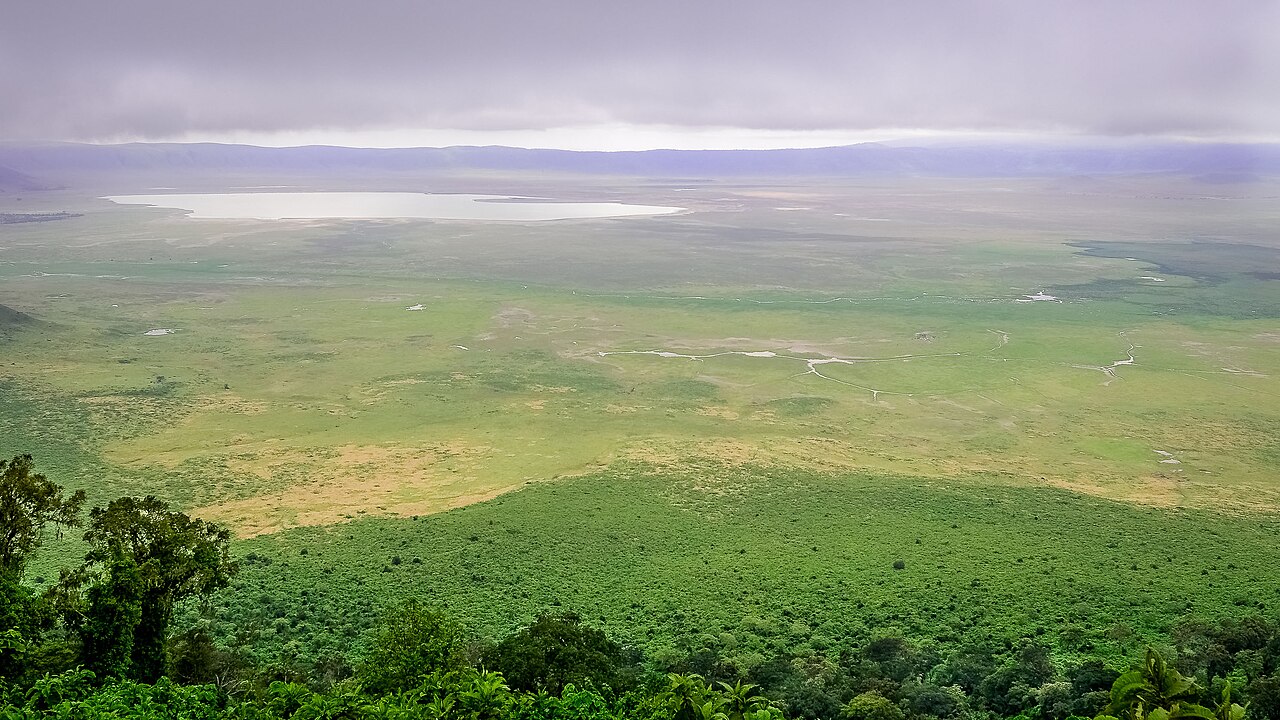
Wildlife & When to Go
The dry season, from June to October, is ideal for general game viewing, when wildlife concentrates and the roads are firm. This is the best window for elephants, tree-climbing lions and the classic northern-circuit safari.
The wet season (November to May) is the time for flamingos and spectacular birding, when the lake fills and migratory species arrive. The forest is at its most lush, and though some areas can be muddy, the scenery and birdlife are superb.
Where to Stay & Planning
Lake Manyara offers lodges perched on the Rift Valley escarpment with sweeping views over the lake, as well as tented camps and options in the nearby town of Mto wa Mbu. Escarpment lodges deliver some of the most dramatic vistas on the northern circuit.
Allow one night, or a full day, to appreciate Manyara's variety. It sits perfectly at the start of a northern-circuit itinerary, combining with Tarangire, the Ngorongoro Crater and the Serengeti for Tanzania's classic safari route.
Lake Manyara Safari Tips
- Scan the acacia and sausage-tree branches for the park's famous tree-climbing lions.
- Visit in the wet season (November–May) for flamingos and spectacular birding.
- Stay at an escarpment lodge for panoramic views over the lake and Rift Valley.
- Start early to enjoy the cool groundwater forest and its wildlife.
- Combine Lake Manyara with Tarangire, Ngorongoro and the Serengeti for the full circuit.
Frequently Asked Questions
When is the best time to visit Lake Manyara?
The dry season from June to October is best for general game viewing, when wildlife concentrates and the tree-climbing lions and elephants are easiest to find. The wet season from November to May is the time for flamingos and outstanding birding, when the lake fills, the forest is lush and migratory birds arrive in large numbers.
Why does Lake Manyara have tree-climbing lions?
Lake Manyara is one of very few places in Africa where lions regularly climb trees, resting on the branches of acacias and sausage trees during the heat of the day. The behaviour may help them escape biting insects and the heat of the ground, or gain a better view of prey. Spotting these lounging lions among the branches is one of the park's most famous experiences.
How many days do you need at Lake Manyara?
One night, or a full day, is usually enough to appreciate Lake Manyara's remarkable variety of habitats and wildlife. The park is compact, so game viewing is efficient. Manyara sits at the start of Tanzania's northern circuit and is typically combined with Tarangire, the Ngorongoro Crater and the Serengeti.
What wildlife can you see at Lake Manyara?
Lake Manyara is home to large herds of elephant and buffalo, tree-climbing lions, hippo, giraffe, zebra, impala and one of Africa's largest baboon troops. Its alkaline lake attracts flamingos, pelicans and a huge diversity of waterbirds, with more than 400 recorded species making it one of Tanzania's premier birding destinations.
Is Lake Manyara worth visiting on a Tanzania safari?
Yes. Although small, Lake Manyara offers exceptional diversity — from groundwater forest and open plains to a Rift Valley lake — packed into a compact, easily explored park. Its tree-climbing lions, elephants and flamingos, combined with dramatic escarpment scenery, make it a rewarding addition to any northern-circuit itinerary.
Ready to Experience Lake Manyara, Tanzania?
Let our local experts craft your perfect private journey.