Tarangire National Park is the quiet giant of Tanzania's northern circuit — a rolling landscape of golden grass, seasonal swamps and ancient baobab trees, home to some of the largest elephant concentrations in Africa. Often overlooked in the rush to the Serengeti, Tarangire rewards those who linger with dramatic wildlife, far fewer vehicles and a raw, timeless atmosphere. This 2026 guide covers when to go, what to see and how to plan your Tarangire safari.
The Elephant Kingdom & the Tarangire River
The Tarangire River is the park's lifeline — a permanent water source that, in the dry season, draws wildlife from across the surrounding ecosystem. Herds of elephant, sometimes hundreds strong, gather along its banks in one of Africa's greatest wildlife spectacles.
This concentration of game rivals anything in East Africa, yet Tarangire remains blissfully uncrowded. It is not unusual to watch huge breeding herds of elephant dig for water in the dry riverbed with barely another vehicle in sight.
Ancient Baobabs & Big Skies
Tarangire's signature is its baobabs — vast, ancient trees, some over a thousand years old, that give the park an almost prehistoric character. Silhouetted against enormous skies at sunset, they create some of the most evocative photography in Tanzania.
Beyond elephants, the park holds lion, leopard, cheetah, buffalo, giraffe, zebra and rare species such as the fringe-eared oryx, lesser kudu and the gerenuk. Tree-climbing pythons and over 550 recorded bird species make it a naturalist's paradise.
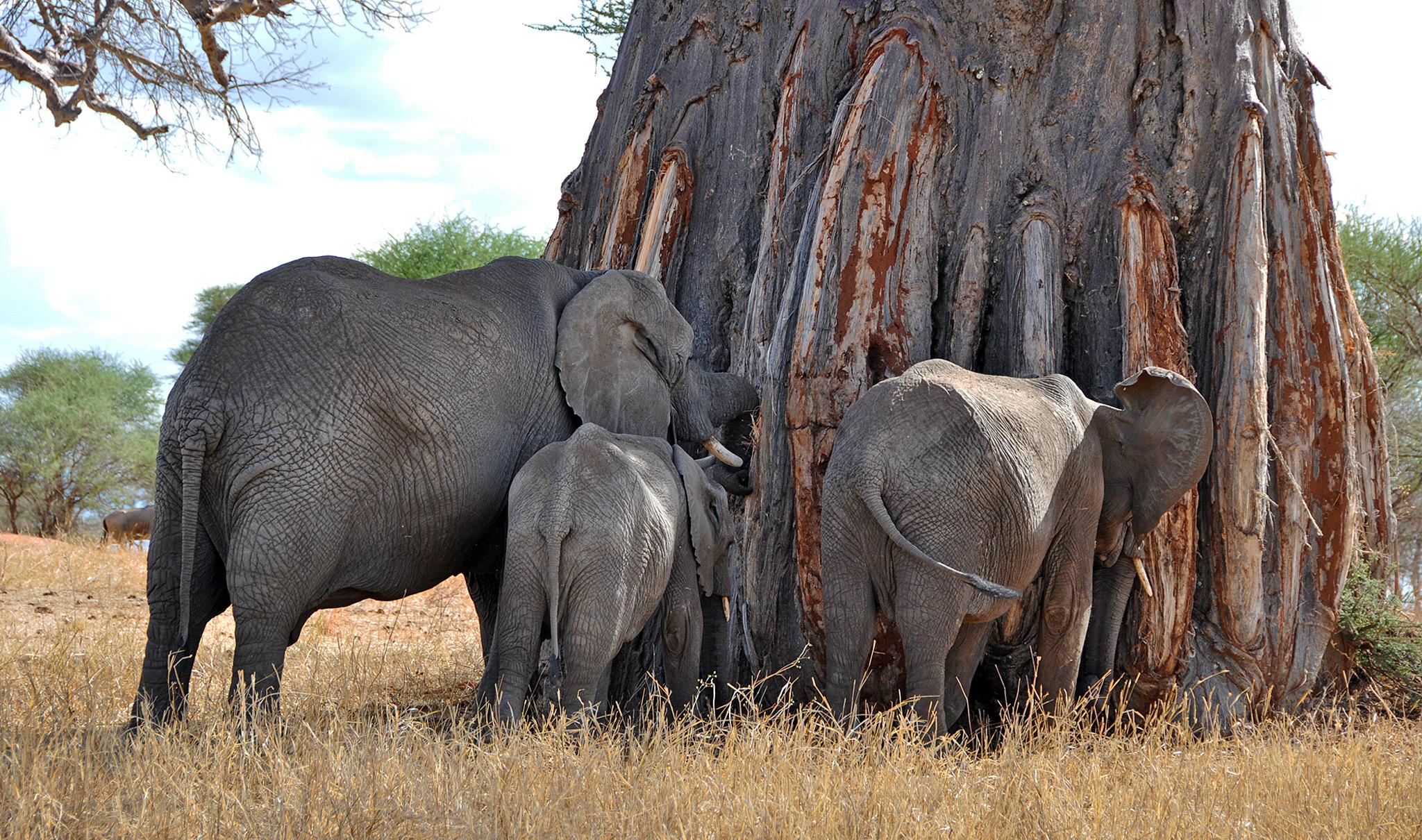
Wildlife & When to Go
The dry season, from June to October, is the prime time to visit, when wildlife concentrates along the Tarangire River in extraordinary numbers. This is the best window for elephant herds, predators and dramatic riverine sightings.
The green season (November to May) transforms the park into lush grassland with newborn animals and superb birding, though game disperses more widely. Migratory birds arrive in their thousands, making it a rewarding time for keen birders.
Where to Stay & Planning
Tarangire offers tented camps and lodges both inside the park and in the private concessions on its borders, where walking safaris and night drives are permitted. Staying in a private area adds activities the national park does not allow and delivers a more exclusive experience.
Allow one to two nights in Tarangire as part of a northern-circuit itinerary. It combines seamlessly with Lake Manyara, the Ngorongoro Crater and the Serengeti to form Tanzania's classic safari route.
Tarangire Safari Tips
- Visit in the dry season (June–October) for the greatest elephant concentrations along the river.
- Stay in a private concession for walking safaris and night drives not allowed in the park.
- Shoot the baobabs at sunset for Tarangire's most iconic photographs.
- Look out for the tree-climbing lions and pythons the park is known for.
- Combine Tarangire with Lake Manyara, Ngorongoro and the Serengeti for the full northern circuit.
Frequently Asked Questions
When is the best time to visit Tarangire National Park?
The dry season from June to October is the best time, when wildlife concentrates along the Tarangire River in huge numbers, especially the park's famous elephant herds. The green season from November to May brings lush landscapes, newborn animals and outstanding birding, though wildlife disperses more widely across the ecosystem.
Why is Tarangire famous for elephants?
Tarangire holds one of the highest concentrations of elephants in Africa, drawn by the permanent water of the Tarangire River. In the dry season, breeding herds sometimes hundreds strong gather along the riverbanks, digging for water in the sand — a spectacle that rivals any in East Africa yet is enjoyed with far fewer vehicles.
How many days do you need in Tarangire?
One to two nights is ideal, allowing time for morning and afternoon game drives along the river and through the baobab-studded plains. Tarangire is usually visited as part of Tanzania's northern circuit, combined with Lake Manyara, the Ngorongoro Crater and the Serengeti.
What makes Tarangire different from the Serengeti?
Tarangire is far less crowded than the Serengeti and has a distinct character defined by its ancient baobab trees and dense dry-season elephant herds. While the Serengeti is famous for the Great Migration and endless plains, Tarangire offers intimate, uncrowded game viewing along a permanent river, making the two parks a perfect complement on one itinerary.
What wildlife can you see in Tarangire?
Tarangire is home to large elephant herds, lion, leopard, cheetah, buffalo, giraffe and zebra, along with rare species such as fringe-eared oryx, lesser kudu and gerenuk. With more than 550 recorded bird species, it is also one of the finest birding destinations in Tanzania.
Ready to Experience Tarangire, Tanzania?
Let our local experts craft your perfect private journey.