Key Takeaways
- Seven days is the ideal length for Cape Town: time for Table Mountain, the full Cape Peninsula, a Winelands day and the beaches, without racing.
- Keep your schedule flexible around the weather — Table Mountain and Cape Point are best on clear, low-wind days, so treat them as movable within the week.
- A natural rhythm: city and mountain first, the peninsula loop next, a Winelands day mid-trip, then beaches and Constantia to wind down.
- Base yourself once — most visitors stay along the Atlantic seaboard, the city bowl or the V&A Waterfront — and do day trips out from there.
- A private guide-driver removes the biggest friction (parking, routing, the weather call) and turns the week into a seamless, relaxed experience.
- The best months are the shoulder seasons — spring (Sep-Nov) and autumn (Mar-Apr) — for warm, calmer days and fewer crowds.
Why 7 Days Is the Sweet Spot
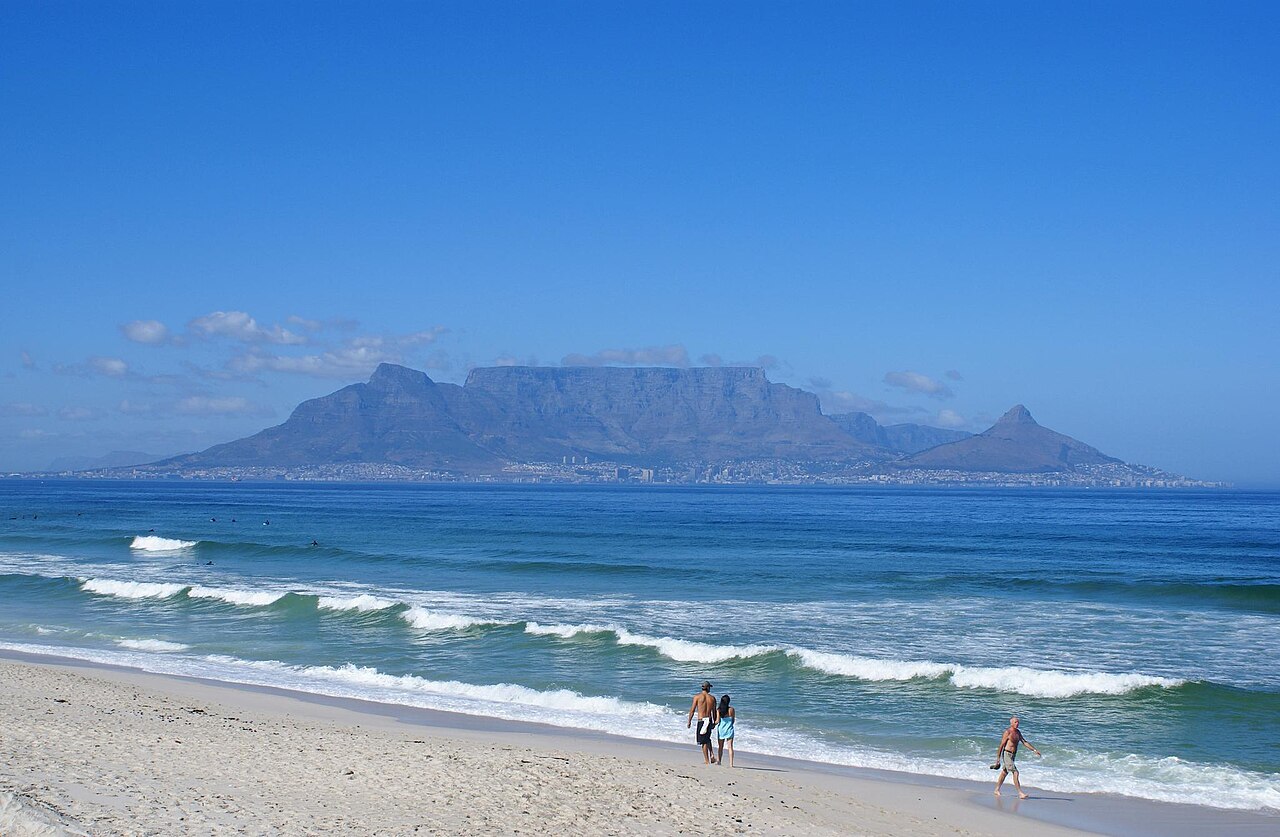
Cape Town is often called the most beautiful city on Earth, and the reason is geography: a mile-high flat-topped mountain drops almost straight into the Atlantic, a peninsula of cliffs and coves trails south towards the meeting of two oceans, and a ring of vine-covered valleys sits just beyond the suburbs. The catch is that these experiences are spread out, and the best of them depend on the weather. Try to see it all in three days and you spend the trip rushing and gambling on cloud. Give it a fortnight and you start repeating yourself.
Seven days is the sweet spot. A week gives you enough clear-weather windows to be confident of getting up Table Mountain and out to Cape Point on good days, enough time to give the Cape Peninsula the full day it deserves, a dedicated day in the Winelands, and still leave room for the beaches, Kirstenbosch and the city's history without a single wasted morning. It is long enough to relax into the rhythm of the place — long lunches, sunset drinks, an unhurried pace — rather than treating it as a checklist.
The itinerary below is built to be weather-smart. Table Mountain and the peninsula are the two experiences most affected by cloud and wind, so treat them as flexible: if day two dawns crystal clear, go up the mountain that morning rather than waiting. Everything else — the Winelands, the beaches, Constantia, the museums — works in almost any conditions, so slot them around the clear days. Here is how the perfect Cape Town week unfolds.
Days 1-2: Table Mountain, the City & the V&A Waterfront
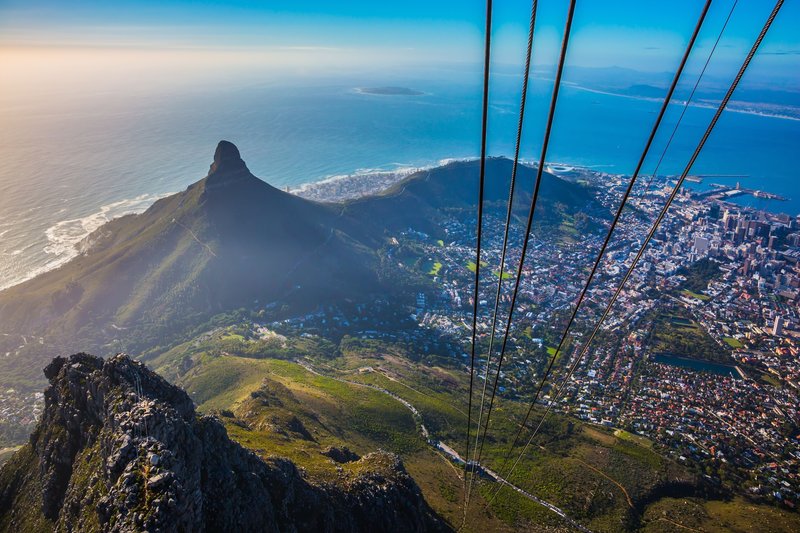
Start gently and start high. If your first morning is clear, go straight up Table Mountain on the rotating cable car — the summit views over the city bowl, Robben Island and the Twelve Apostles are the finest orientation you could ask for, and the mountain closes in high wind, so take clear weather when it comes. Spend an hour or two walking the summit paths, then descend for lunch. If the mountain is under its famous "tablecloth" of cloud, flip the plan: do the city today and save the mountain for the next clear morning.
Day two leans into the city itself. Wander the pastel streets of Bo-Kaap, the historic Cape Malay quarter, then take in the Company's Garden, the museums and the buzz of the city centre. In the afternoon, head to the V&A Waterfront — the working harbour turned dining and shopping hub at the foot of the mountain — for lunch with a view and, if you have booked ahead, the ferry across to Robben Island, where Nelson Mandela was imprisoned. Close the day watching the sun drop from Signal Hill, a Cape Town ritual.
These first two days deliberately keep you close to base while you find your feet, adjust to any jet lag, and bank the two big city-side highlights — the mountain and the waterfront. From here the itinerary fans out to the peninsula, the vineyards and the coast.
Days 3-4: The Cape Peninsula & Boulders Penguins
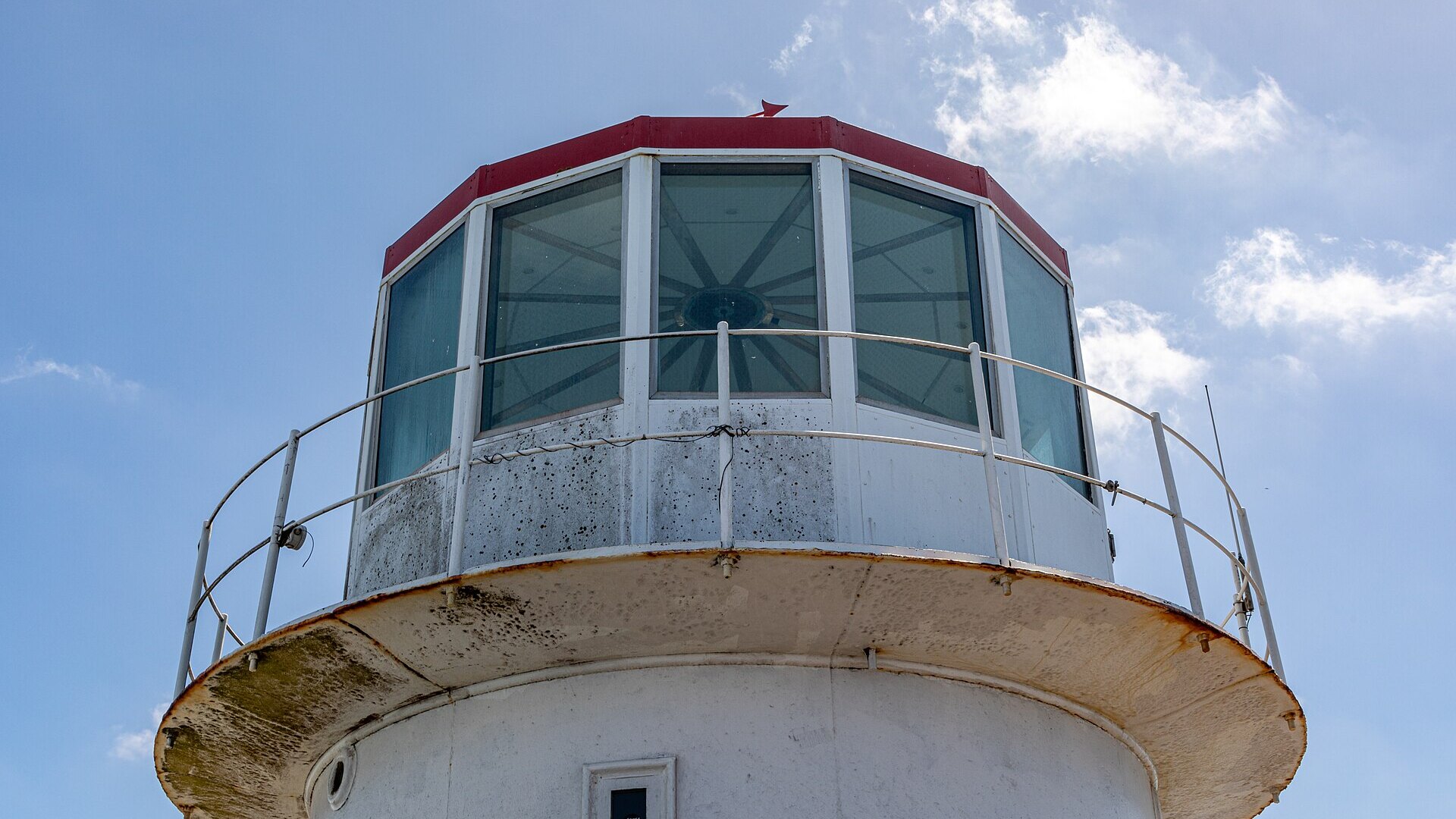
Day three is the day you will remember longest: the Cape Peninsula loop, one of the great scenic drives on the planet. Head down the Atlantic seaboard past Camps Bay and along Chapman's Peak Drive, a cliff-hugging road with the ocean on one side and sheer rock on the other. Continue to the Cape of Good Hope and Cape Point, where the peninsula ends in dramatic cliffs and a historic lighthouse looking out towards the meeting of the Atlantic and Indian Ocean currents. Watch for baboons, elands and ostrich in the reserve, and walk out to the point itself.
On the way back, stop at Boulders Beach near Simon's Town to meet the resident colony of African penguins, waddling across the sand and nesting among the boulders just metres from the boardwalk. It is one of the most charming wildlife encounters anywhere, and a guaranteed hit with families. A seafood lunch in Simon's Town or Kalk Bay along the way rounds out a near-perfect day.
Day four eases the pace with Kirstenbosch National Botanical Garden, set against the eastern slopes of Table Mountain — arguably the most beautiful botanical garden in the world, with its canopy walkway, indigenous fynbos and, in summer, open-air concerts on the lawns. Pair it with a relaxed afternoon exploring the leafy Constantia valley or returning to any city highlight you missed. It is a gentler counterpoint to the big peninsula day and keeps the week from feeling relentless.

Day 5: A Day in the Cape Winelands
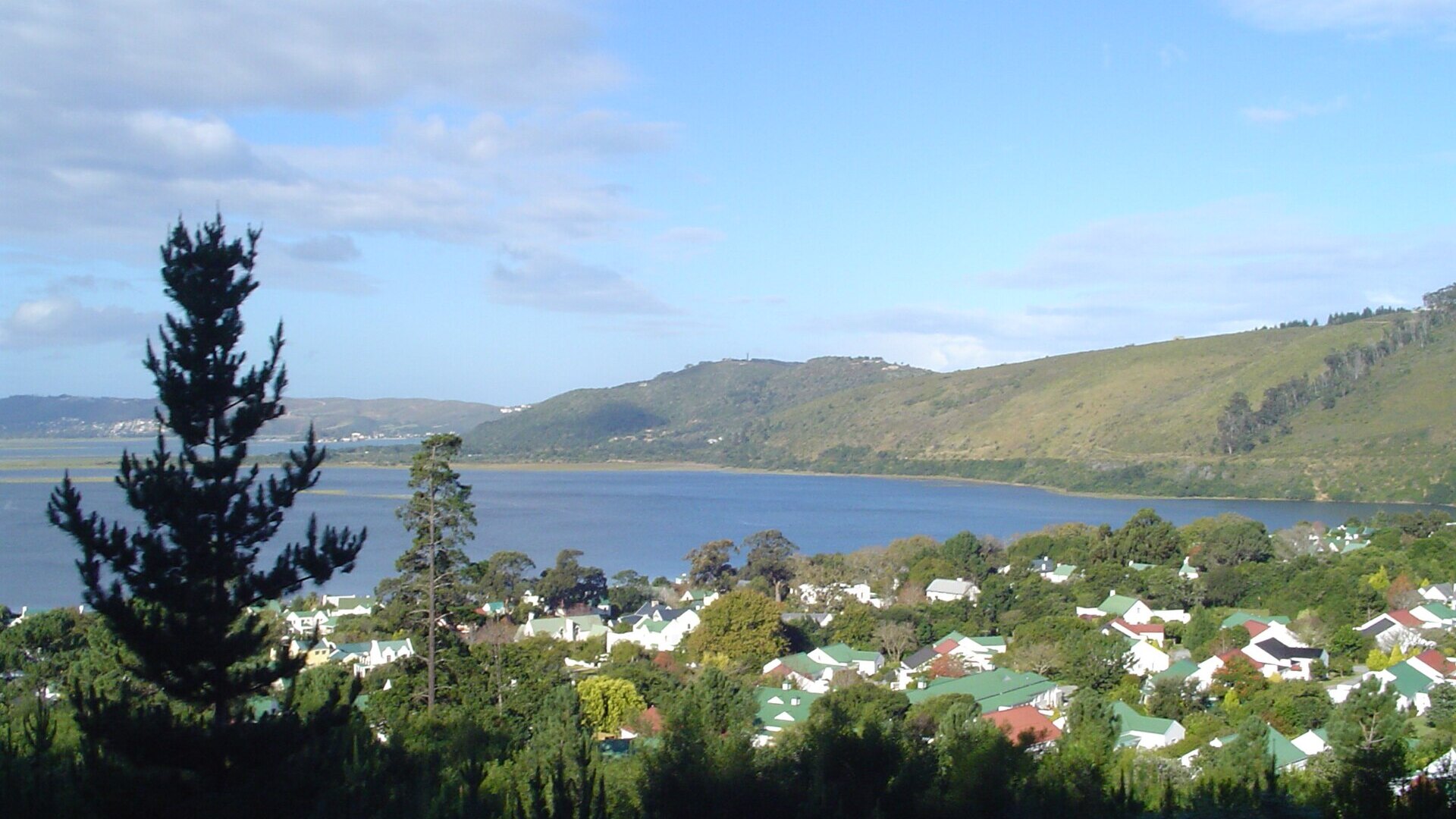
No week in Cape Town is complete without a day in the Winelands, the ring of historic wine valleys less than an hour from the city. Stellenbosch, with its oak-lined streets and Cape Dutch architecture, and Franschhoek, the food-and-wine village at the head of its own valley, are the two headline towns — and a day is enough to taste your way through two or three great estates with a long lunch in between.
A typical day mixes a cellar tour and tasting at a landmark estate, a relaxed vineyard lunch — the Winelands is home to some of South Africa's finest restaurants — and perhaps a second, smaller tasting in the afternoon. In Franschhoek you can hop between estates on the open-sided wine tram; in Stellenbosch you can walk the town's museums and galleries between tastings. Whether you love bold reds, crisp whites or Cap Classique bubbles, the Winelands delivers, all framed by dramatic mountains.
Because tasting and driving do not mix, this is the day above all others to have a private guide-driver or a scheduled wine tour so everyone in your party can enjoy the estates freely. It is the most relaxed, indulgent day of the week — and for many travellers, the highlight of the whole trip.
Days 6-7: Beaches, Constantia & Farewell
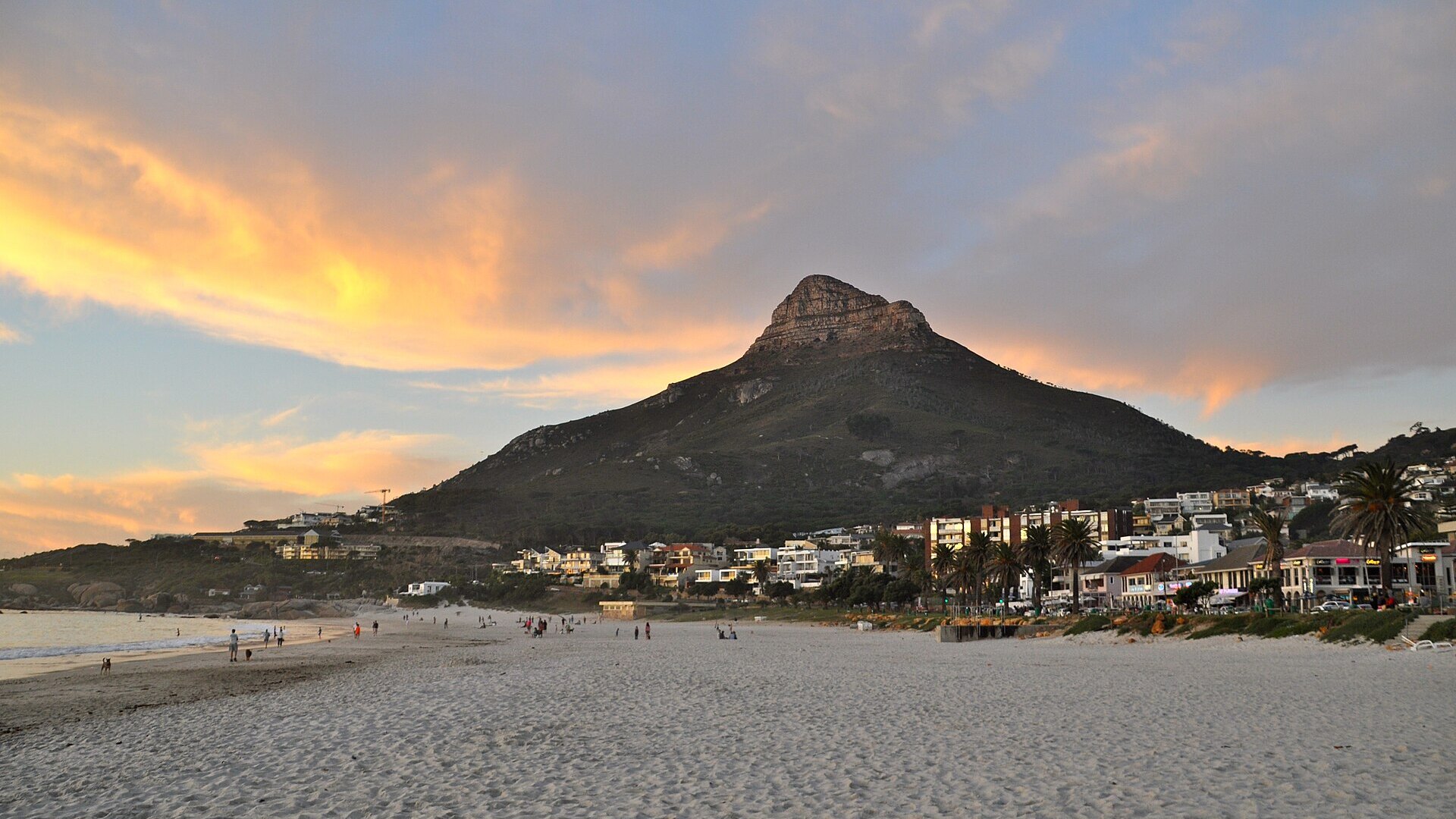
By day six you have earned a slower gear. Cape Town's Atlantic seaboard beaches are the place to spend it: Clifton's four sheltered coves, the buzz and sunset backdrop of Camps Bay, or the long white sweep of Llandudno. The water is bracing — this is the cold Atlantic — but the sand, the sun and the mountain backdrop are unbeatable. For the energetic, an early climb up Lion's Head rewards you with a 360-degree panorama of the whole city, mountain and sea.
Weave in the Constantia valley, the historic wine route right inside the city limits, where you can taste at some of the oldest estates in the Southern Hemisphere among oak-shaded lawns — a gentler, greener alternative to a second full Winelands day. It is the perfect unhurried afternoon before your last evening.
Day seven flexes to your departure. If you fly out late, use the morning for anything the weather stole earlier in the week — a second attempt at Table Mountain, a missed viewpoint, a favourite beach — or simply a long farewell breakfast at the Waterfront. A week in Cape Town always ends with a list of reasons to come back, which is exactly as it should be.
When to Go, Getting Around & Booking
The best time to visit Cape Town is the shoulder seasons — spring (September to November) and autumn (March to April) — when the days are warm, the summer south-easter wind is calmer and the crowds thinner than peak summer. High summer (December to February) is glorious but busy and windy; winter (June to August) is cooler and wetter but green, quiet and dramatic, with whales along the coast. Whenever you come, build the flexibility above into your week so the mountain and Cape Point land on clear days.
On getting around: Cape Town rewards having a vehicle, as the highlights are spread out and public transport is limited. Self-driving is straightforward on the main routes, but parking, navigation and the daily weather call add friction — and the Winelands day really needs a designated driver. This is why many visitors choose a private guide-driver for at least the peninsula and Winelands days, and often the whole week: someone who reads the weather, handles the logistics, and turns a good itinerary into a seamless one.
That is exactly what we do. We build private, tailor-made Cape Town weeks around this framework — adjusting the pace, the estates, the beaches and the add-ons to suit you, and sequencing everything so the clear days go to the mountain and the coast. Tell us how you like to travel and we will craft the perfect week.
Ready to explore? Browse our Cape Town & South Africa tours and packages →