Key Takeaways
- Umlani is the Timbavati's original off-grid eco camp — reed-and-thatch huts, no electricity, lit by paraffin lanterns
- The huts have open-air en-suite bush showers, and there's a treehouse to sleep out under the stars
- The name means "place of rest" in Shangaan — and switching off is the whole point
- It sits inside the unfenced Timbavati, sharing the Big Five and white-lion country with the Greater Kruger
- Genuinely affordable — from about US$425pp/night — and welcomes guests of all ages
- Superb walking safaris and a long, genuine conservation and community record
TL;DR: Umlani is the anti-gloss safari — reed huts, paraffin lanterns, bush showers and no electricity, in real Timbavati Big Five country, at a price that undercuts almost everything else in the reserve. Choose it if you want an authentic, unplugged, back-to-basics safari with superb wildlife and walking, and you'd rather fall asleep by lantern-light than scroll a phone. It's rustic by design, and utterly special because of it.
In a reserve full of plunge pools and air-conditioning, Umlani goes the other way — and that's exactly why people love it. This is the Timbavati's original unplugged bushcamp: reed-and-thatch huts with no electricity, lit at night by paraffin lanterns, with open-air showers where you rinse off under the stars. It sounds like a compromise until you're there, and then it becomes the whole point. Without the hum of gadgets, the bush comes closer — the sounds are louder, the stars are brighter, and you sleep the way you're supposed to sleep in the wild.
The name Umlani means "place of rest" in Shangaan, and after a few days you understand it in your bones. This is a camp with a long, genuine conservation and community record, run by people who believe a safari should connect you to the wild rather than insulate you from it — and it does all this at a price that makes the Timbavati attainable for almost anyone. Below we review it in full — the huts and treehouse, the wildlife, the walking safaris, what unplugged living is really like, real 2026 rates, and exactly who should book it.
The Camp: Off-Grid by Design
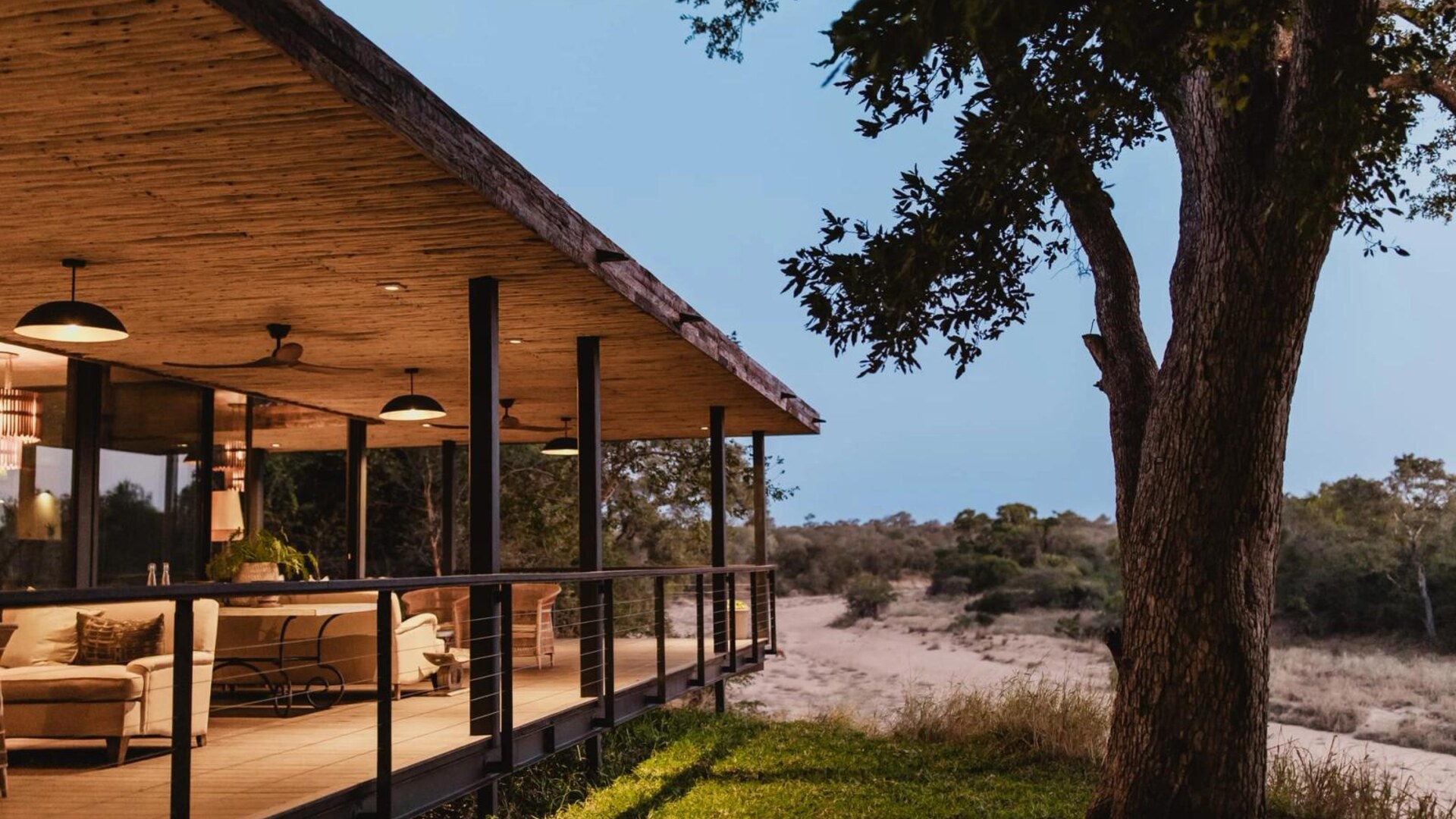
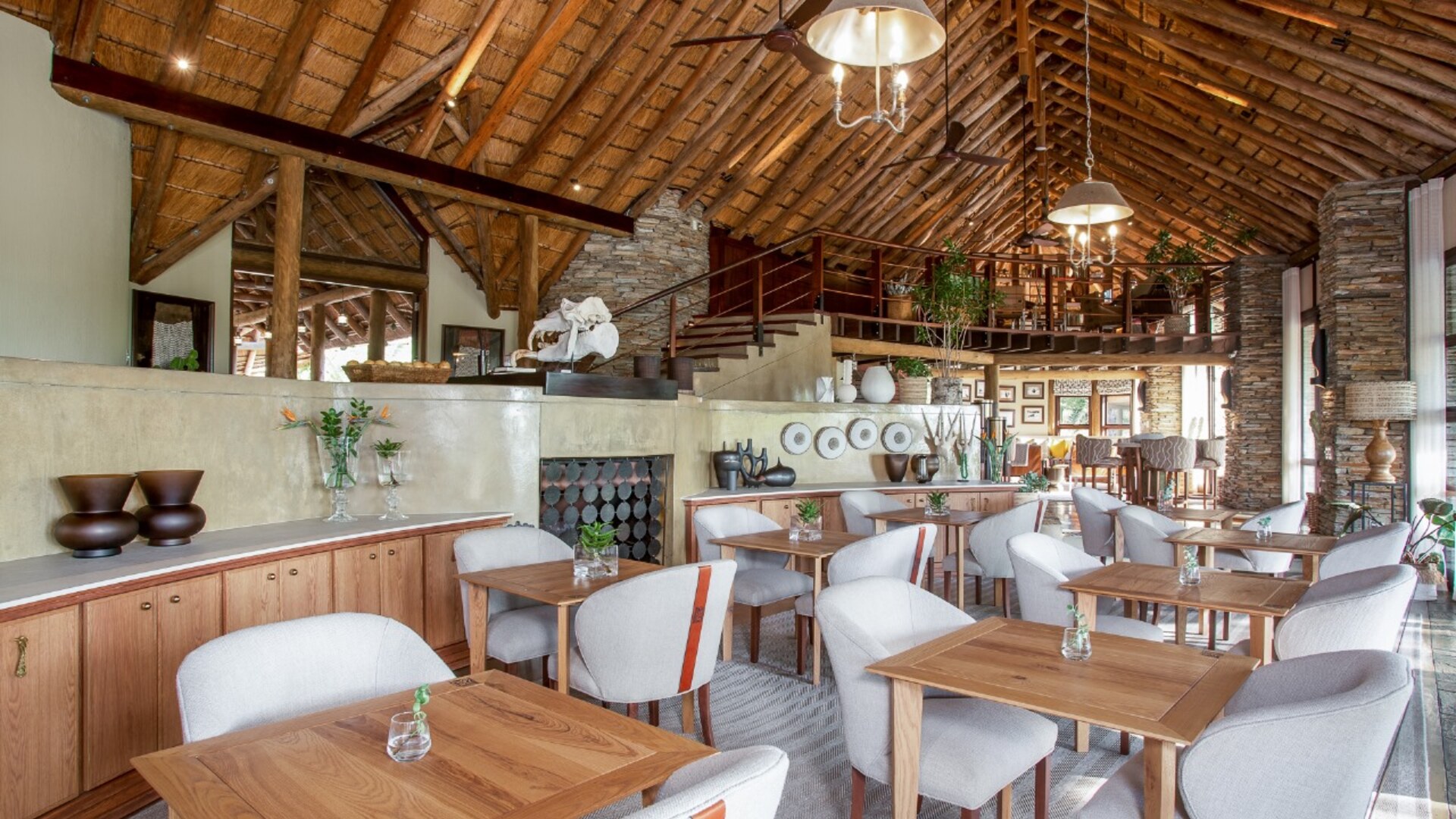
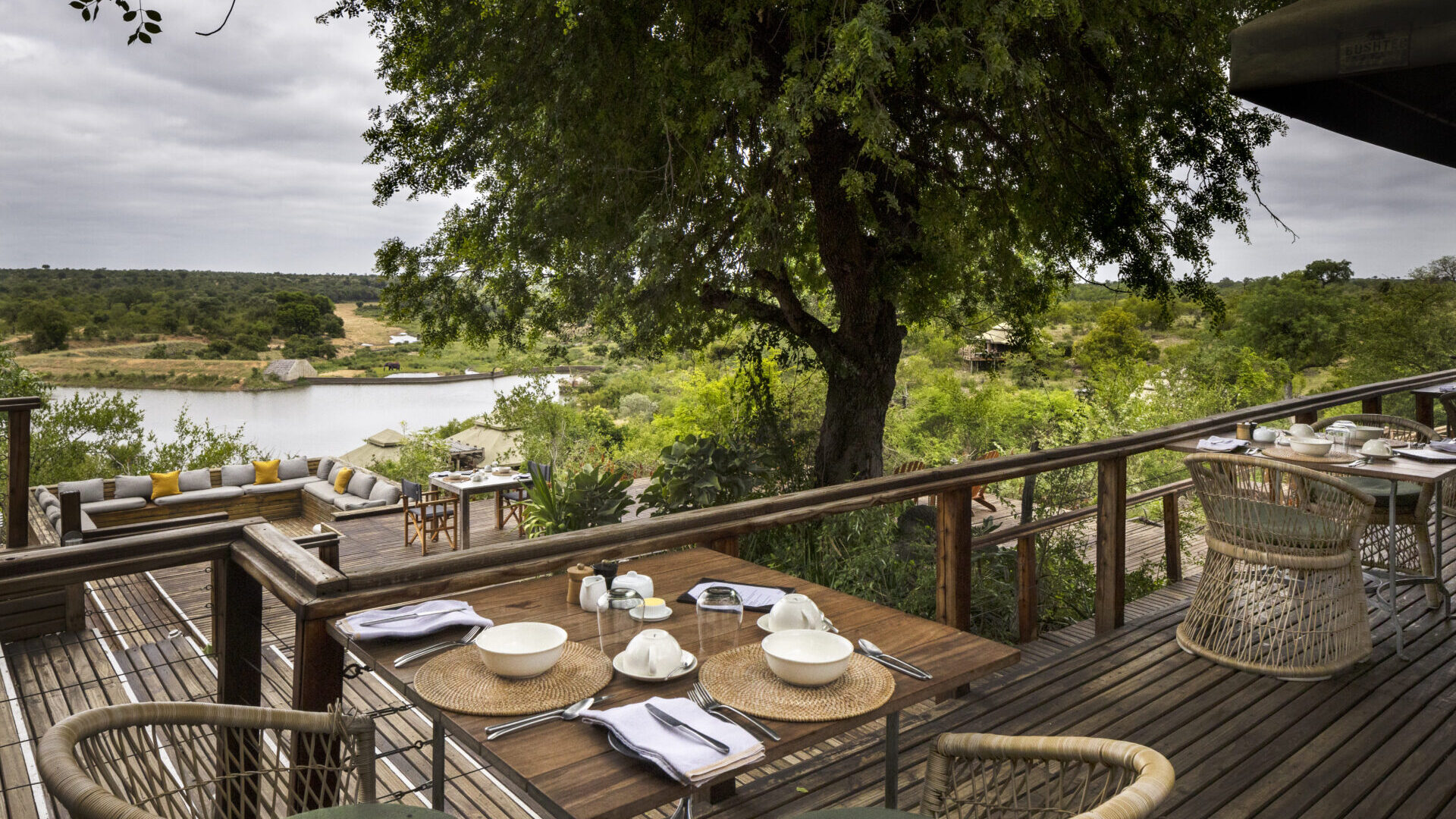
Umlani is a small, rustic bushcamp built on the banks of a seasonal riverbed, with a waterhole below camp that draws elephant, buffalo and plains game to drink. The central area — a boma, a bar, a simple dining space and a viewing deck — is deliberately low-key, and the whole camp is powered as lightly as possible: solar for essentials, paraffin lanterns for light, and gas or solar for hot water. There are no televisions, no air-conditioning, and mobile signal is thin by design.
This isn't roughing it in any uncomfortable sense — the beds are proper, the food is good, the welcome is warm — but it is genuinely stripped back, and that's the appeal. Umlani has been doing this longer than almost anyone in the reserve, and it does it with real conviction. For travellers tired of lodges that could be anywhere, this is a camp that could only be here.
The Reed Huts and Treehouse
Accommodation at Umlani is in traditional reed-and-thatch huts — cool, simple and characterful, with proper beds under mosquito nets, and open-air en-suite bathrooms where you shower under the sky with the bush all around. At night, paraffin lanterns light the huts and the pathways, and the effect is genuinely magical: soft light, deep quiet, and the sounds of the wild just beyond the reed walls.
- Bush Huts — traditional reed-and-thatch huts with en-suite open-air bush showers, simple and comfortable, some ideal for couples and others configured for families.
- Family Huts — larger configurations that keep families together, making Umlani a genuinely family-friendly choice at a fraction of typical Timbavati prices.
- The Treehouse — for the adventurous, you can sleep out on a raised platform under the stars, with the sounds of the bush all night. It's one of the most memorable nights a safari can offer.
Umlani welcomes guests of all ages, which — combined with its affordability — makes it a wonderful choice for a first family safari that's about substance rather than luxury. See our family safari South Africa guide for how to build the wider trip.
The Timbavati Wildlife Experience
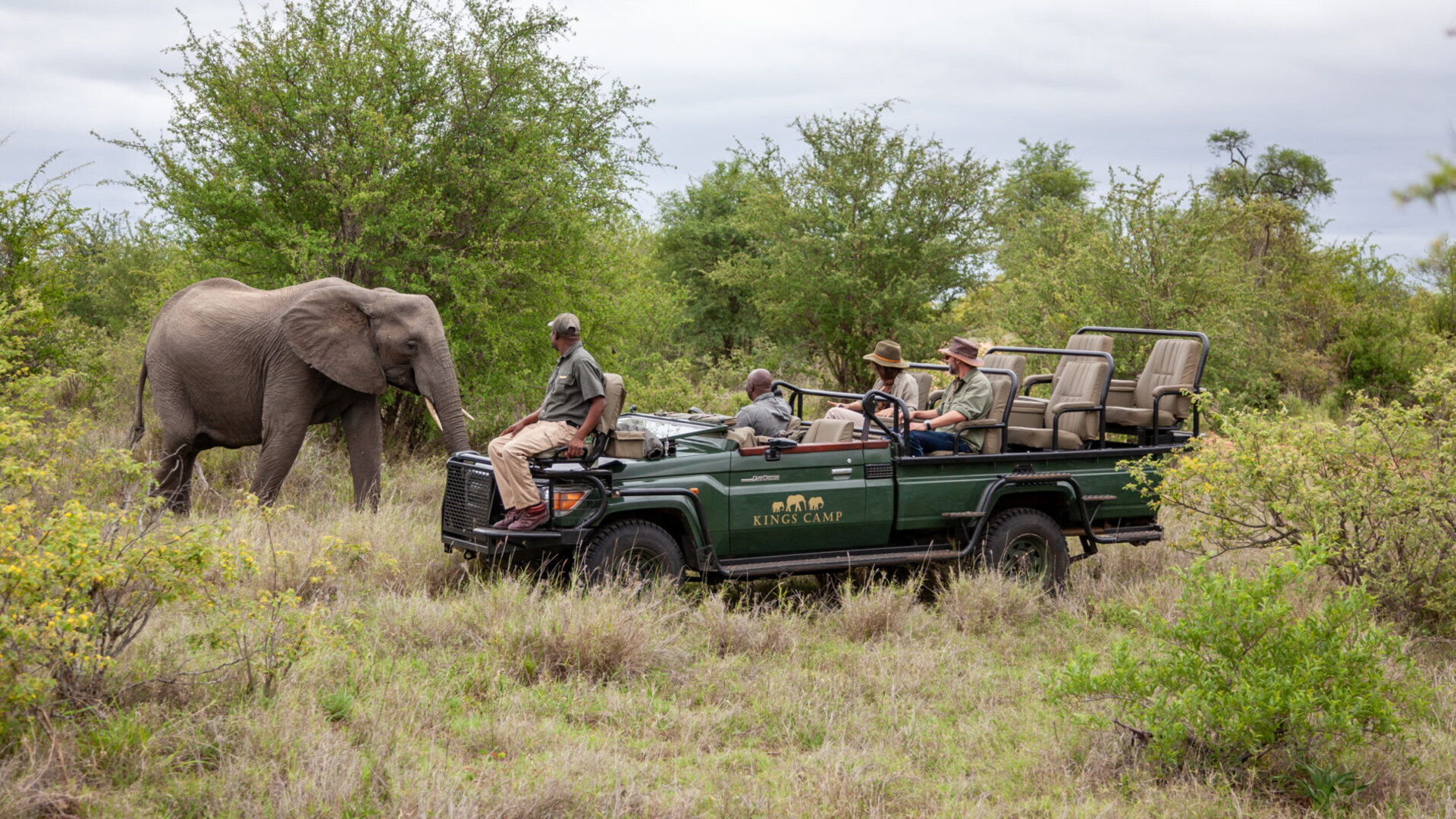
Umlani's rustic style takes nothing away from its wildlife — this is the same premier Timbavati game viewing as the reserve's priciest lodges. The Timbavati shares an unfenced border with the Greater Kruger, so animals move freely across a vast, uninterrupted wilderness. This is full Big Five country: lion, leopard, elephant, buffalo and rhino, along with cheetah, wild dog, hyena, giraffe and a deep supporting cast of plains game.
The Timbavati carries a special claim — it is the birthplace of the legendary white lions, and the reserve remains one of the few places on Earth where the recessive gene occasionally surfaces in wild prides. Leopard viewing here is excellent, and with over 350 recorded bird species the birding is a genuine draw too.
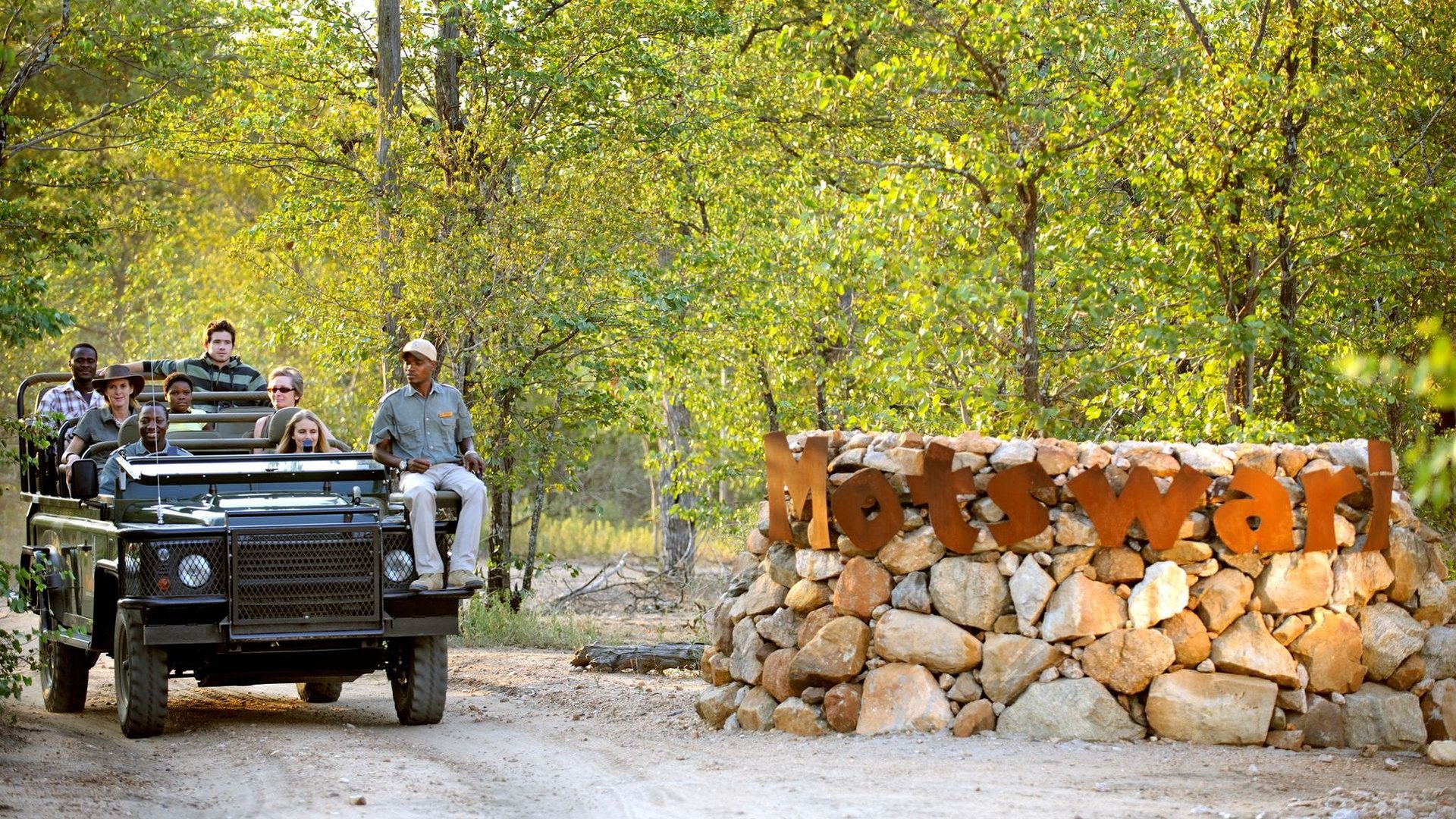
Game drives run twice daily in open 4x4 vehicles with a qualified ranger and a tracker, and Umlani is also known for its excellent walking safaris — guided bush walks with an armed trails guide that let you experience the wilderness on foot, reading tracks and learning the smaller stories the vehicle drives past. As a private reserve, the Timbavati permits off-road driving and night drives — the two things you cannot do in the main Kruger — so you can follow a leopard off the road and head out after dark for civet, genet, African wild cat and, with luck, aardvark or pangolin. Vehicle density is low, so sightings are unhurried and uncrowded. For the full picture of the reserve, see our Timbavati Private Game Reserve safari guide.
One practical note: the Timbavati is a low-to-intermediate malaria area. Precautions are straightforward and we advise on them for every booking — and if you'd rather avoid the question entirely, our malaria-free safari guide covers the alternatives.
The Unplugged Experience
Let's be honest about what "no electricity" really means, because it's the heart of an Umlani stay. You won't have a plug point in your hut, air-conditioning or a hairdryer, and charging devices is done at a central point rather than at your bedside. Your hut is lit by paraffin lanterns, your shower is open to the sky, and the camp runs quiet and dark once the sun goes down.
What you get in return is the thing most safaris quietly lose: full immersion. Without screens and hums, the bush floods in — the whoop of a hyena, the sawing call of a leopard, the impossible brightness of the Milky Way with no light pollution to dim it. Guests routinely tell us they slept better than they have in years and came home genuinely reset. If you go in embracing it rather than enduring it, the unplugged nature of Umlani becomes the best part of the trip, not a sacrifice. It's also the most eco-conscious way to experience the Timbavati, with a light footprint and a long-standing community partnership behind it. For the wider context on value, see our best affordable safari lodges guide.
Dining, Service and the Umlani Feel
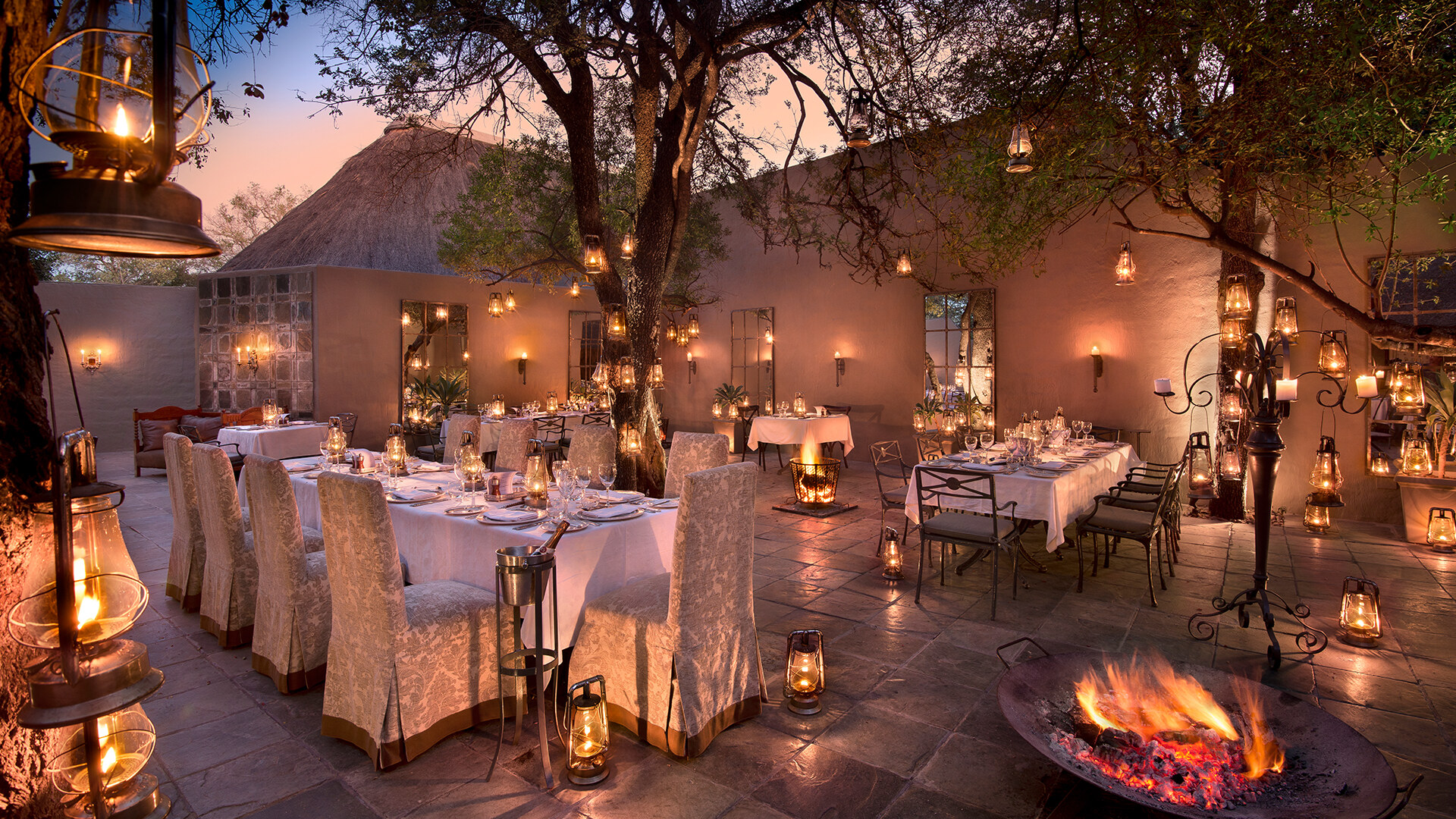
Food at Umlani is hearty, honest and generous — proper bush cooking rather than fine dining, and all the better for it. Meals move through big post-drive breakfasts, relaxed lunches and boma dinners around the fire under the stars, often accompanied by the sounds of the waterhole below camp. Dietary needs are handled with care; just tell us in advance and the kitchen takes it from there.
Service is warm, personal and completely unpretentious. The team has often been part of Umlani for years, and there's a genuine, family-run feel to the whole camp — you're treated as a guest in someone's home rather than a customer in a resort. The guiding is knowledgeable and passionate, especially on foot, and the overall atmosphere is one of easy, friendly authenticity. It's the kind of place that turns first-time visitors into lifelong friends of the camp.
Who Should Book Umlani?
Umlani is for the traveller who wants the real thing — an authentic, unplugged, back-to-basics safari in premier Big Five country, at a price that leaves room in the budget for more nights or a wider trip. It's ideal for authentic-experience seekers who want the bush undiluted, for families wanting a genuine, affordable first safari, for keen walkers, and for anyone who'd rather switch off completely than stay connected.
If your priority is air-conditioning, a plunge pool at your door or design-magazine interiors, this isn't the camp for you — and it would never pretend to be. But if you want a soulful, eco-minded, genuinely wild safari with superb game viewing and a light footprint, Umlani is one of the most special and best-value experiences in the entire Greater Kruger — and a camp we recommend with real affection.
Honest 2026 Rates & What's Included
Here's the straight talk on cost. For 2026, Umlani Bushcamp runs from approximately US$425 per person per night sharing, on a fully-inclusive basis — one of the most affordable ways to stay inside the Timbavati. Single travellers pay a supplement, and children under 12 receive a substantial reduction. Higher-season and festive dates carry increased rates. South African residents enjoy reduced rand rates — ask us and we'll quote them if you qualify.
"Fully inclusive" here means your rate covers accommodation, all meals, two guided game activities per day (drives and, on request, walks) and most beverages. Charged separately are the Timbavati conservation levy (a modest per-person, per-day amount), premium imported drinks and any curio purchases.
Ways to bring the cost down further: travel in the green season (roughly November to March) for the lowest rates and superb birding; use Umlani as your value anchor to add extra safari nights; and take advantage of the children's reductions and family huts if you're travelling as a family. We track available offers and apply whatever you qualify for automatically.
Getting There and Booking
Fly into Hoedspruit Eastgate Airport (HDS) on a short Airlink hop from Johannesburg or Cape Town — it's the closest gateway, roughly an hour's transfer from camp. Kruger Mpumalanga International (MQP) at Nelspruit is an alternative, about 2.5 hours away by road. Umlani arranges road transfers, and light-aircraft charters can land at nearby airstrips. Most guests pair a Timbavati stay with Cape Town and the Winelands, or with the Garden Route, for a complete South African trip.
Beyond Africa Safaris handles the whole thing — flights, transfers, the right hut for your party, walking-safari arrangements, malaria-precaution advice, and a seamless itinerary that stitches Umlani into the rest of your journey. We know this camp well, and we'll tell you honestly whether the unplugged style is right for you.
Frequently Asked Questions
Does Umlani Bushcamp really have no electricity?
Yes — that's the whole idea. Umlani is an off-grid eco camp: the reed-and-thatch huts are lit by paraffin lanterns, there's no air-conditioning or in-hut power, and devices are charged at a central point. Solar and gas provide hot water and essentials. The result is a genuinely immersive, unplugged safari where the bush comes closer and the stars are extraordinary. Most guests describe it as the best part of the stay.
How much does Umlani Bushcamp cost in 2026?
For 2026, Umlani starts from about US$425 per person per night sharing, on a fully-inclusive basis covering accommodation, all meals, two daily game activities and most drinks — one of the most affordable ways to stay inside the Timbavati. Single travellers pay a supplement, children under 12 receive a substantial reduction, the Timbavati conservation levy is charged separately, and South African residents receive reduced rand rates.
Is Umlani Bushcamp comfortable despite being rustic?
Yes. Umlani is rustic by design, but it isn't uncomfortable — the beds are proper and made up with quality linen under mosquito nets, the open-air bush showers have hot water, the food is hearty and good, and the welcome is warm. What you give up is electricity, air-conditioning and gadgets; what you gain is a genuinely immersive, characterful safari that many travellers find far more memorable than a conventional lodge.
Is Umlani suitable for families and children?
Yes — Umlani welcomes guests of all ages and has family huts that keep everyone together, and its affordability makes it one of the best value first-safari options for families in the Timbavati. Children under 12 receive a substantial reduction. The hands-on, unplugged nature of the camp — lanterns, bush showers, walking, sleeping out — is often a huge hit with children.
Can you see the Big Five and white lions at Umlani?
Yes. Umlani sits inside the same unfenced Timbavati Private Nature Reserve as the region's priciest lodges, so the wildlife is identical — all of the Big Five, plus cheetah, wild dog and more. Off-road driving, night drives and walking safaris are all offered, leopard viewing is excellent, and the reserve is the birthplace of the legendary white lions. Rustic accommodation does not mean lesser game viewing.
How do you get to Umlani Bushcamp?
Fly into Hoedspruit Eastgate Airport (HDS) on a short Airlink flight from Johannesburg or Cape Town — it's about an hour's transfer to camp. Kruger Mpumalanga International (MQP) at Nelspruit is an alternative, roughly 2.5 hours by road. Umlani arranges transfers, and light-aircraft charters can land at nearby airstrips. We build the flights and transfers into your itinerary.
Beyond Africa Safaris handles your complete Umlani booking — flights, transfers, the right hut for your party, walking-safari arrangements and seamless Greater Kruger and Cape Town pairings. It's a camp we know and love, and we'll tell you honestly if the unplugged style is right for you.