8-Day Kenya Conservancy Conservation Safari
Maasai Conservancies and the Rhino Sanctuaries of Laikipia
Overview
This is a safari built around two of the best conservation models in Africa. You spend the first half in the private conservancies that border the Masai Mara — land that Maasai families lease for wildlife and are paid for directly — and the second half in Laikipia, on the rhino sanctuaries of Ol Pejeta and Lewa. On the conservancies your bed-night carries a conservancy fee of roughly US$100 to US$115 per person per night that goes to the landowners and the ranger teams; in Laikipia it funds anti-poaching units, rhino monitoring and the schools and clinics the conservancies run. Guest numbers are capped, so you share a lion sighting with one or two vehicles rather than twenty, and off-road driving and night drives — both off-limits inside the national reserve — are part of the day. Internal flights, all park and conservancy fees, every game drive and every meal are arranged end to end, with a resident guide on your vehicle throughout.
The conservancies came out of a simple problem: the Mara reserve was fenced in by farming and the wildlife had nowhere to move. Rather than lose the land, groups of Maasai landowners pooled their plots, leased them to a handful of low-density camps and took a monthly cheque per acre in return. It worked. Wildlife has room again, the families have a steady income that does not depend on cattle alone, and the camps keep their guest numbers low to protect both. Laikipia tells the harder story — Ol Pejeta holds the largest population of black rhino in East Africa and is home to the last two northern white rhino on earth, kept alive under 24-hour armed guard, while Lewa's rhino numbers have grown enough to seed other reserves. Three pricing tiers run from an honest, well-run tented camp to an exclusive-use, private-guide version, so the trip fits the budget you set.
Who It's For
Built for travellers who have read the headlines about where safari money actually goes and want a straight answer; for photographers who want big cats on open ground with the freedom to go off-road; and for families who want their children to meet the rangers and understand why a rhino still walks the plain.
Package Highlights
Three Nights in the Conservancies
Olare Motorogi and Naboisho — capped vehicle numbers, off-road and night drives
Ol Pejeta & Lewa Rhino Country
East Africa's largest black-rhino population and two renowned conservancies
You See Where the Money Goes
Conservancy fees to Maasai landowners and ranger teams, shown in your costing
Fly, Don't Drive
Light-aircraft hops between the Mara and Laikipia keep road time down
Meet the Rangers
Time with the anti-poaching and monitoring teams, not just a lodge brochure
All Fees & Meals Settled
Every park fee, conservancy fee, flight, drive and meal already in the price
Day-by-Day Itinerary
You land at Jomo Kenyatta International, are met and transferred to a quiet garden hotel to rest after the flight. Your guide runs through the week ahead over dinner. If your arrival is early, we can add an afternoon at the elephant orphanage or the Nairobi giraffe centre — both long-running conservation projects in their own right.
🏨 Accommodation: Nairobi garden hotel
🍽️ Meals: Dinner

Featured Lodges & Accommodation
Mara Conservancy Tented Camp
📍 Olare Motorogi / Naboisho Conservancy, Greater Masai Mara, Kenya
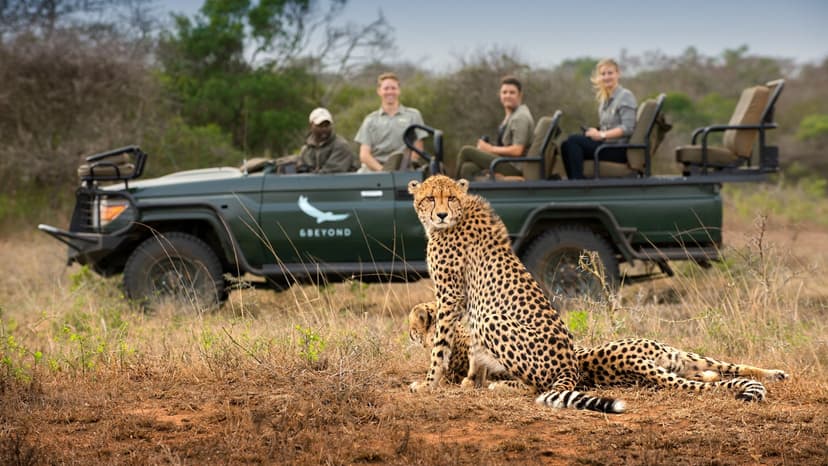
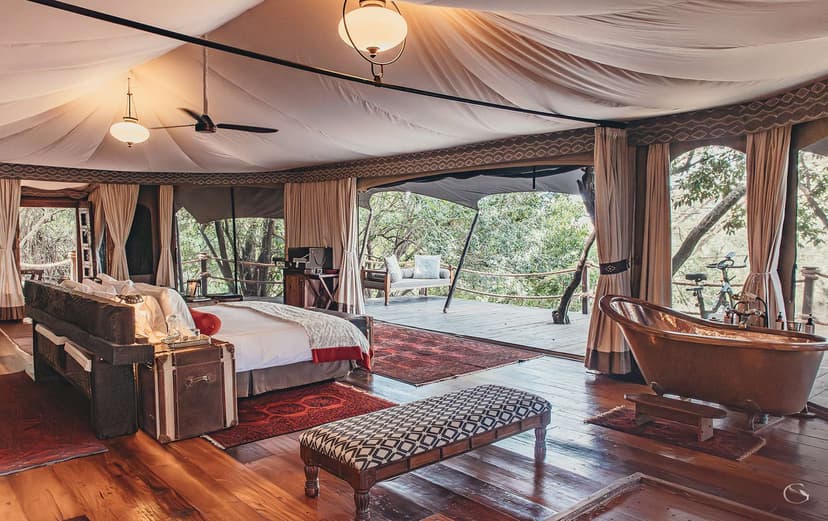
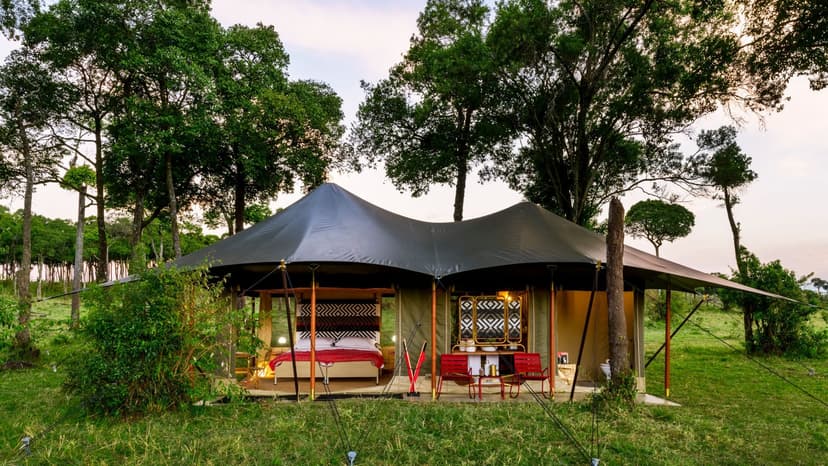
A low-density tented camp inside a private conservancy, where guest and vehicle numbers are capped by agreement with the Maasai landowners. En-suite tents under canvas, a mess tent and a camp fire, and a resident guide who knows the prides by name — with off-road and night drives that the national reserve does not permit.
From $620 per person per night
Laikipia Rhino-Sanctuary Camp
📍 Ol Pejeta / Lewa Conservancy, Laikipia, Kenya
A bush camp on a working rhino conservancy, where your stay buys the fuel, the fences and the ranger salaries that keep the animals alive. Comfortable en-suite rooms or tents, open views across the plateau to Mount Kenya, and direct access to the monitoring teams and the anti-poaching dog unit.
From $580 per person per night
Pricing & Options
All prices per person sharing. Customize any tier to your preferences.
Mid-Range
(~$707/night)
Well-run conservancy and Laikipia camps, light-aircraft flights, all game drives, all meals and every park and conservancy fee included
Get QuoteLuxury
(~$1,129/night)
Premium conservancy camps and a luxury rhino-sanctuary lodge, private transfers, premium beverages and a dedicated guide-vehicle
Get QuoteExclusive
(~$1,643/night)
The top tents and suites, an exclusive-use private vehicle and guide throughout, and all-inclusive beverages across the trip
Get QuoteWhat's Included & Excluded
✓ Included
- ✓ Seven nights' accommodation — one night Nairobi, three in the Mara conservancies, three in Laikipia (chosen tier)
- ✓ All meals as shown — breakfast, lunch and dinner from Day 2 to Day 8
- ✓ Every game drive on the itinerary in an open 4x4 with a resident guide
- ✓ Light-aircraft flights Nairobi–Mara, Mara–Laikipia and Laikipia–Nairobi
- ✓ All national-reserve park fees and all conservancy fees (the fees that fund the leases and rangers)
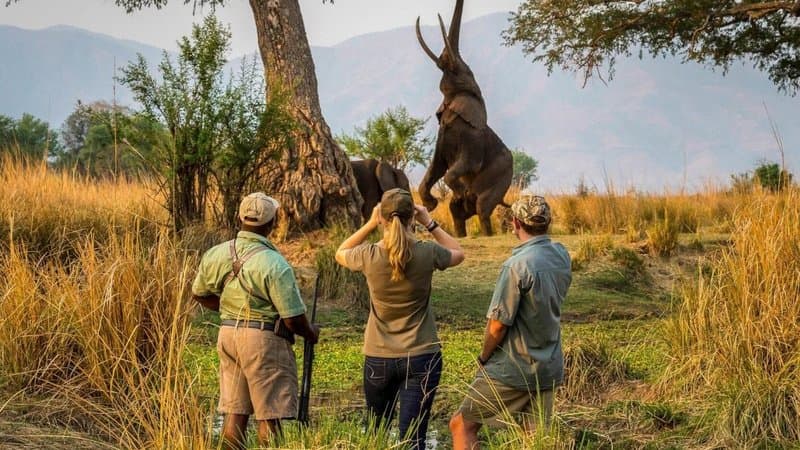
- ✓ Guided walking safari and night drive in the conservancies
- ✓ Ranger, monitoring-team and anti-poaching dog-unit visits as scheduled
- ✓ Airport meet-and-greet and all listed transfers
- ✓ Bottled water and sundowner drinks on game drives
- ✓ 24/7 on-trip support from Beyond Africa Safaris
✗ Excluded
- ✗ International flights into and out of Nairobi
- ✗ Kenyan eVisa fees
- ✗ Travel and medical insurance (mandatory)
- ✗ Premium imported champagne, cellar wines and spirits on lower tiers
- ✗ Gratuities for guides, rangers and camp staff (guidelines provided)
- ✗ Personal expenses and curios
- ✗ Optional extra community-project donations (entirely your choice)
- ✗ Kenyan coast or other beach extensions (gladly arranged on request)
Photo Gallery


Best Time to Travel
The conservancies and Laikipia are good all year, with the dry months of June to October and the dry spell from January to March the strongest for game viewing and clear roads. The long rains in April and May turn the grass green and drop both prices and vehicle numbers, which some travellers prefer. Rhino viewing in Laikipia is reliable in every month.
Why Choose This Package
Conservation You Can Account For
The conservancy fee that funds the Maasai leases and the Laikipia rangers is shown as a line in your costing, not buried in a brochure claim.
The Cats Without the Crowds
Capped vehicle numbers, off-road driving and night drives mean you see more and share it with fewer — the opposite of the reserve in high season.
Two Models, One Trip
Community land leases in the Mara and species recovery in Laikipia — the two approaches that have done the most for Kenyan wildlife, in a single week.
Crafted, Not Booked
Flights, fees, drives and the ranger and community visits arranged end to end, with a resident guide on your vehicle throughout.
Frequently Asked Questions
Ready to Experience the 8-Day Kenya Conservancy Conservation Safari?
From $4,950 per person | 8 Days / 7 Nights
⚡ Limited availability for peak season 2026 — book early to secure your dates