Key Takeaways
- Abu Camp sits on a private island in the southern Okavango Delta
- Just six luxury tented suites — one of Botswana's most exclusive camps
- Famous for its family of orphaned elephants — you walk, feed and learn their stories
- Owned by Great Plains Conservation (same owners as Duba Plains, Zarafa)
- Rates run roughly $2,200–3,200+ per person per night, all-inclusive
- Ideal for elephant lovers, honeymooners and guests seeking something truly unique
First Impressions: An Island of Palms and Elephants
Abu Camp is not like other delta camps. Most Okavango lodges pride themselves on their big-cat viewing or their mokoro experiences. Abu's calling card is something else entirely: a family of orphaned elephants who live semi-wild on the camp's island concession, and who you can walk with, learn from and — if you're lucky — forge a genuine connection with. It's one of the most moving wildlife experiences in Africa, and it draws a particular kind of traveller: those who want more than just game drives; those who want to understand, not just observe.
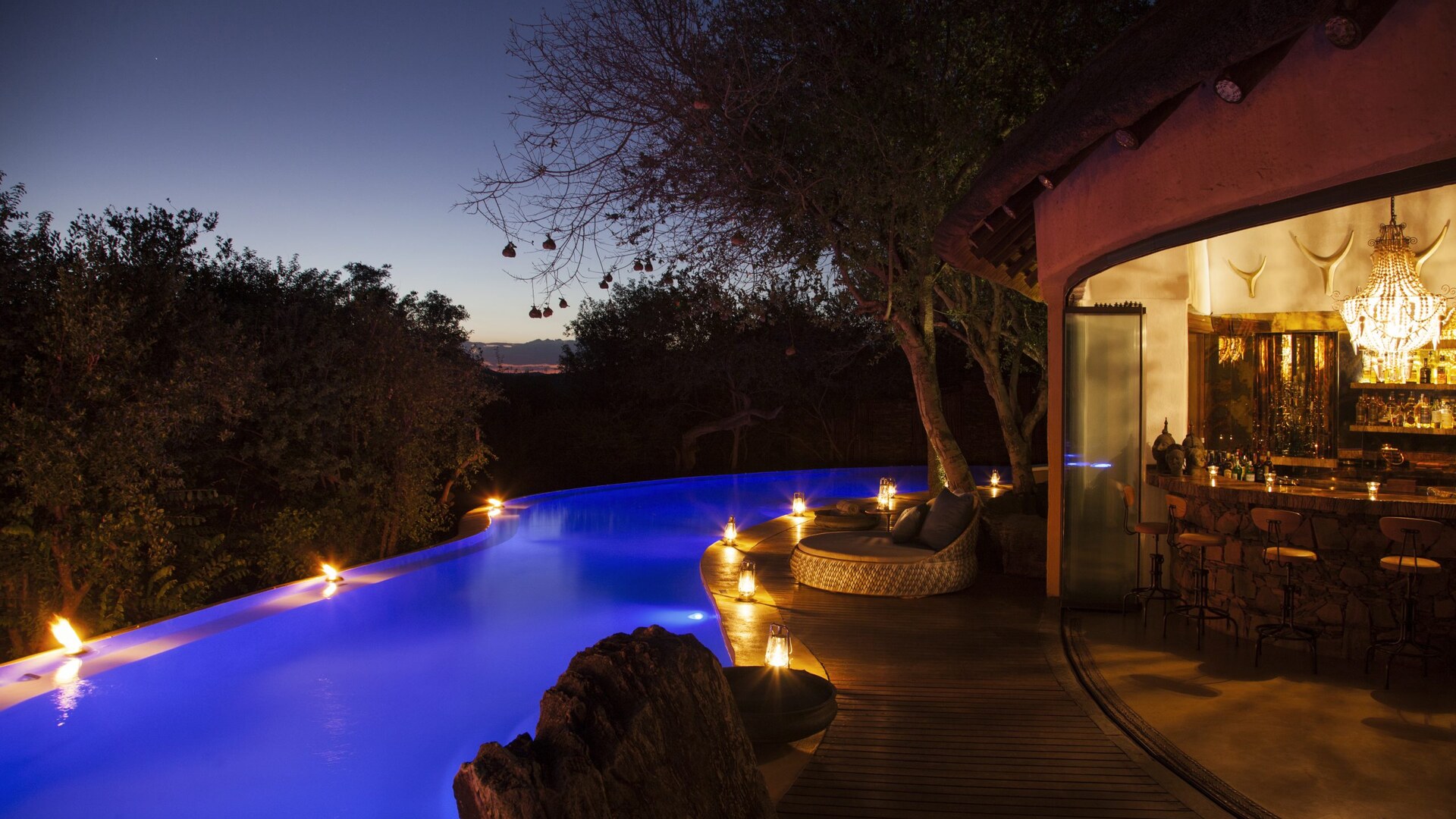
The camp itself channels the golden age of safari — wide canvas pavilions, Persian rugs, leather armchairs, a library stocked with elephant and wildlife books, and a main deck that seems to float above the floodplain. The six suites are vast, elegant and utterly private, each with its own plunge pool, outdoor shower and veranda overlooking the water. Service is warm and near-invisible. It's the kind of place where you feel like a house guest, not a hotel patron.
The Elephant Experience: What Makes Abu Special
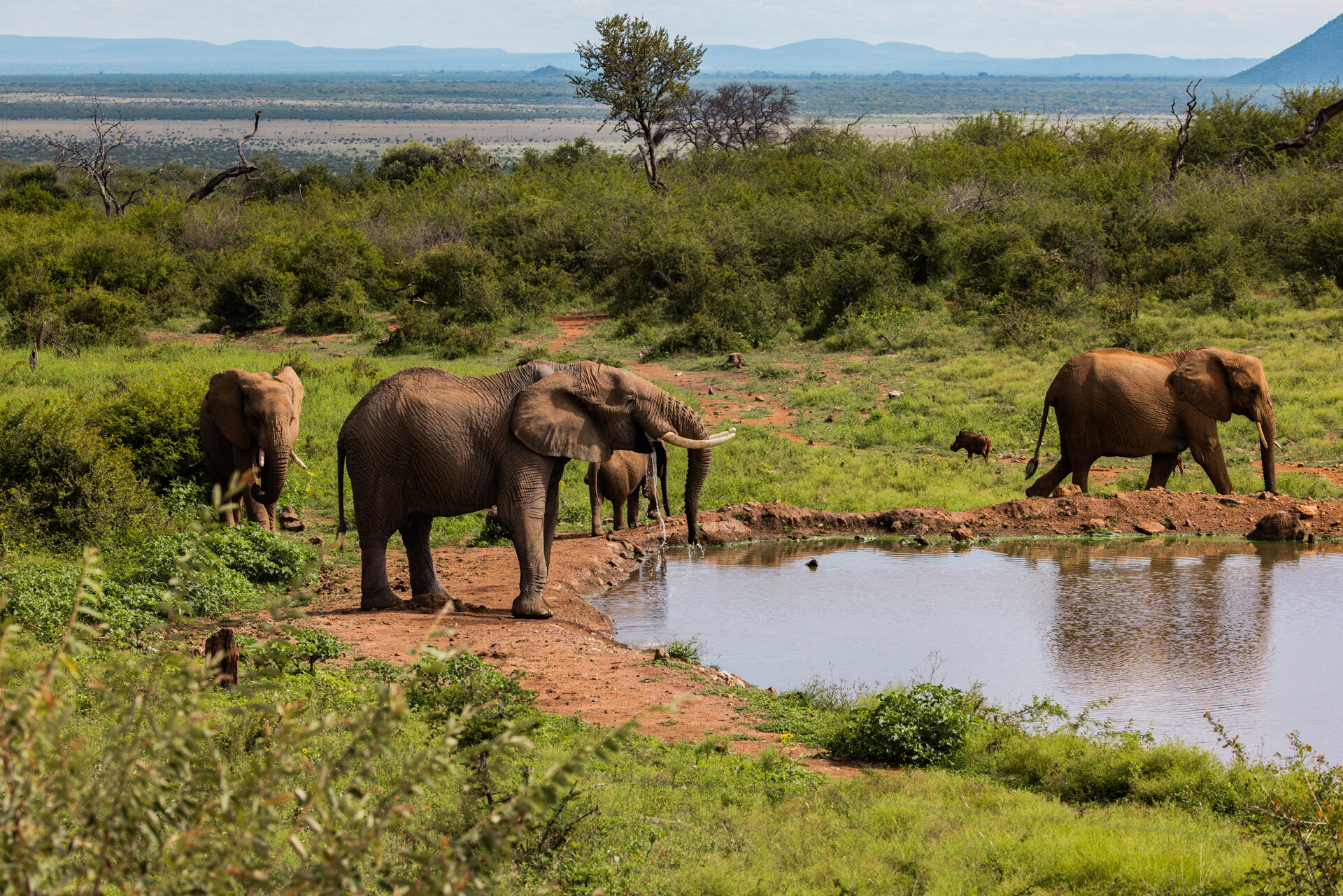
Abu's elephants are not wild — they're a family of orphans who were rescued as calves and now live semi-wild on the island. They're habituated to people, which means you can walk beside them, watch them feed, learn their individual personalities and hear their stories from the handlers who've raised them. It's not a circus act or a riding experience — it's a rare chance to spend time with elephants on something approaching equal footing, observing their intelligence, their relationships with each other and their place in the delta ecosystem.
The walks usually happen in the morning or late afternoon. You'll set out with a guide and handler, find the elephants wherever they're browsing (they roam freely across the island) and spend an hour or two in their company. You might watch a young bull strip bark from a tree, or see the matriarch lead the family down to the water to drink. The handlers will tell you each elephant's backstory — who was orphaned by poachers, who was rescued from a drought, who raised whom. It's deeply personal, often moving, and utterly unlike any other safari experience.
The Suites: Canvas, Copper and Total Privacy
Abu has just six tented suites (plus a two-bedroom family tent), each vast and beautifully appointed. Inside you'll find a king-size bed, an en-suite bathroom with a copper bath and indoor shower, a separate dressing area, air-conditioning and a private veranda with a plunge pool. The design is classic safari romance — canvas and timber, earthy tones, Persian textiles and vintage campaign furniture. It feels timeless.
What sets Abu apart is the sense of space and seclusion. With only six suites spread across the island, you rarely see other guests outside of meal times. Your suite feels like your own private wing of the camp, and the veranda — overlooking the floodplain, with nothing but reeds and water beyond — becomes your personal viewing deck. It's the kind of room that makes you want to linger.
Wildlife Beyond the Elephants
Abu is first and foremost about elephants, but the camp also offers classic delta activities: morning and afternoon game drives (tracking lion, leopard, buffalo, wild dog), mokoro glides through the papyrus channels and guided bush walks. The southern delta is quieter than the big-cat concessions up north (Duba, Mombo), so wildlife densities are lower — but that's part of Abu's appeal. It's a gentler, more contemplative safari. You're here for the experience, not the tick-list.
Birdlife is spectacular year-round, and the mokoro experience — gliding silently through the reeds at sunset, listening to the calls of fish eagles and watching red lechwe leap through the shallows — is one of the delta's great pleasures. See our guide to the best Okavango Delta camps for comparisons.
Dining and Service
Meals at Abu are superb — modern, seasonal and beautifully presented. Breakfast is often taken on your private veranda; lunch is a leisurely affair in the main pavilion; and dinner can be arranged wherever you like: in the dining tent, on the deck under the stars or at a private table set up in the bush. The wine cellar is well-stocked with South African estates, and the service is warm without being intrusive. With a staff-to-guest ratio that borders on the absurd, you're looked after beautifully.
What stands out is the personal touch. Your guide and butler will remember your sundowner preferences, your dietary restrictions, the stories you told at dinner. It's the kind of service that makes a camp feel like a home.
Who Is Abu Camp For?
Abu is a superb choice for elephant lovers and anyone drawn to the idea of a personal, meaningful wildlife encounter rather than a Big Five checklist. It's also ideal for honeymooners and couples who value privacy and intimacy over action. The camp's exclusivity (just six suites) and gentle pace make it a wonderful contrast camp — pair it with a big-cat concession like Duba Plains or a desert camp like Jack's for the full Botswana spectrum.
It's less suited to guests whose priority is high-octane game viewing (for that, head to Duba, Mombo or Zarafa) or to families with very young children (the elephant walks are best appreciated by older kids and adults). But if you want to slow down, connect deeply with a place and leave with stories you'll tell for decades, Abu Camp is one of Africa's finest.
Getting There and Booking
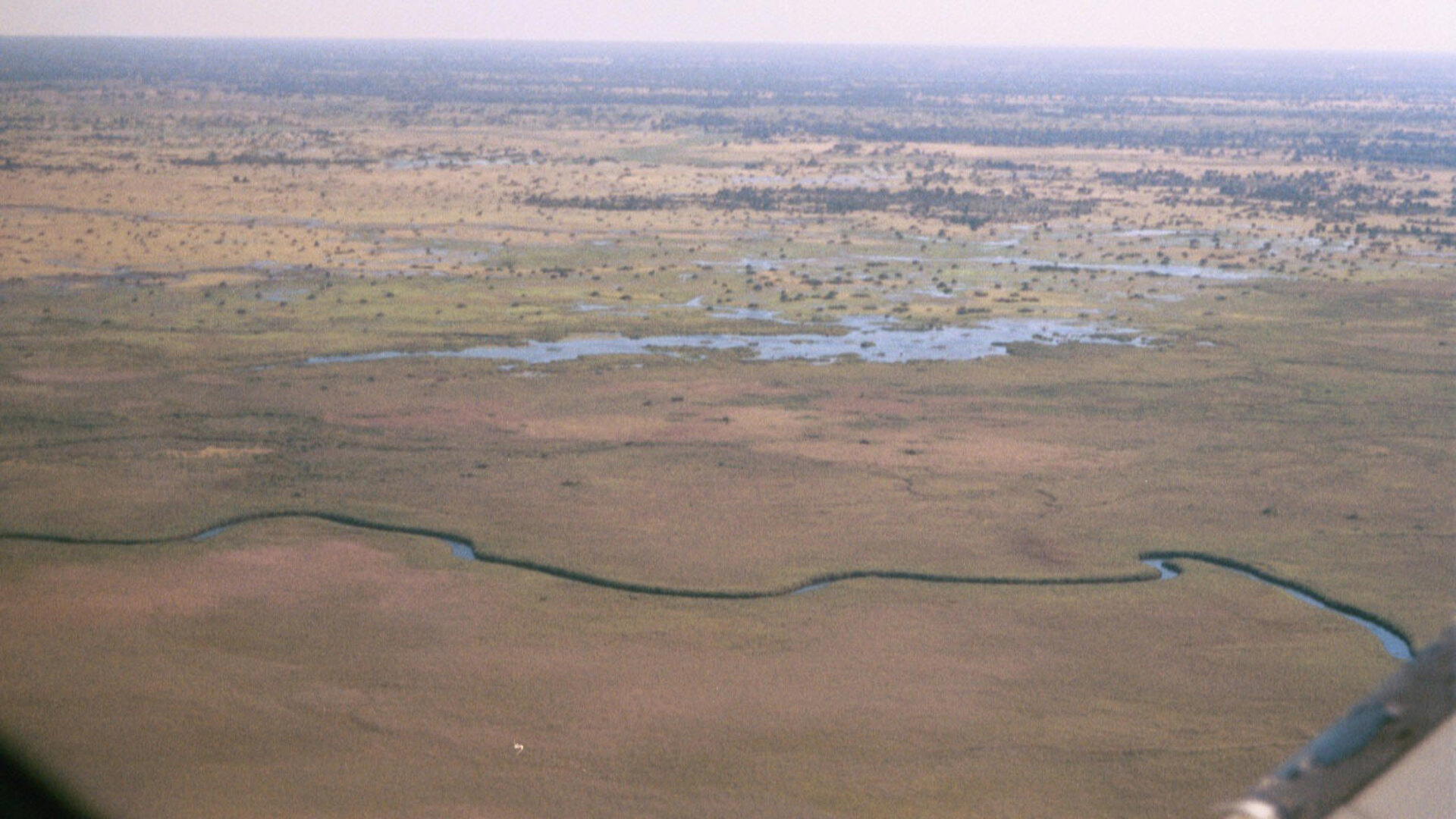
Abu Camp is fly-in only. You'll take a light-aircraft transfer from Maun (roughly 25 minutes), landing on the island's private airstrip where your guide meets you. The flight — low over the delta's channels and elephant herds — is a beautiful introduction. Rates peak in July–October, so book early if you're targeting dry season. We handle the entire process: camp reservations, flights, multi-camp pairings across Botswana.
Private Tours Cape Town arranges every detail of your Abu Camp stay — from light-aircraft flights to perfect camp pairings across the delta and beyond.