🦁 Key Takeaways — Bujumbura City Guide
- What it is: Burundi’s largest city and economic capital, set on the northeastern shore of Lake Tanganyika — a genuine African city with beaches, markets, nightlife and the world’s second-deepest lake on its doorstep
- Beaches: Saga Beach and Plage des Cocotiers for public swimming and beach bars; Club du Lac private beach for resort comfort; Tanganyika Blue Bay south for quieter lodge-style stays
- Markets: Bujumbura Central Market — tropical fruit, spices, crafts and textiles in a sprawling, sensory-overload maze
- Nightlife: Livelier than you expect — beach bars, live music (Congolese rumba, Burundian beats), clubs and restaurant terraces
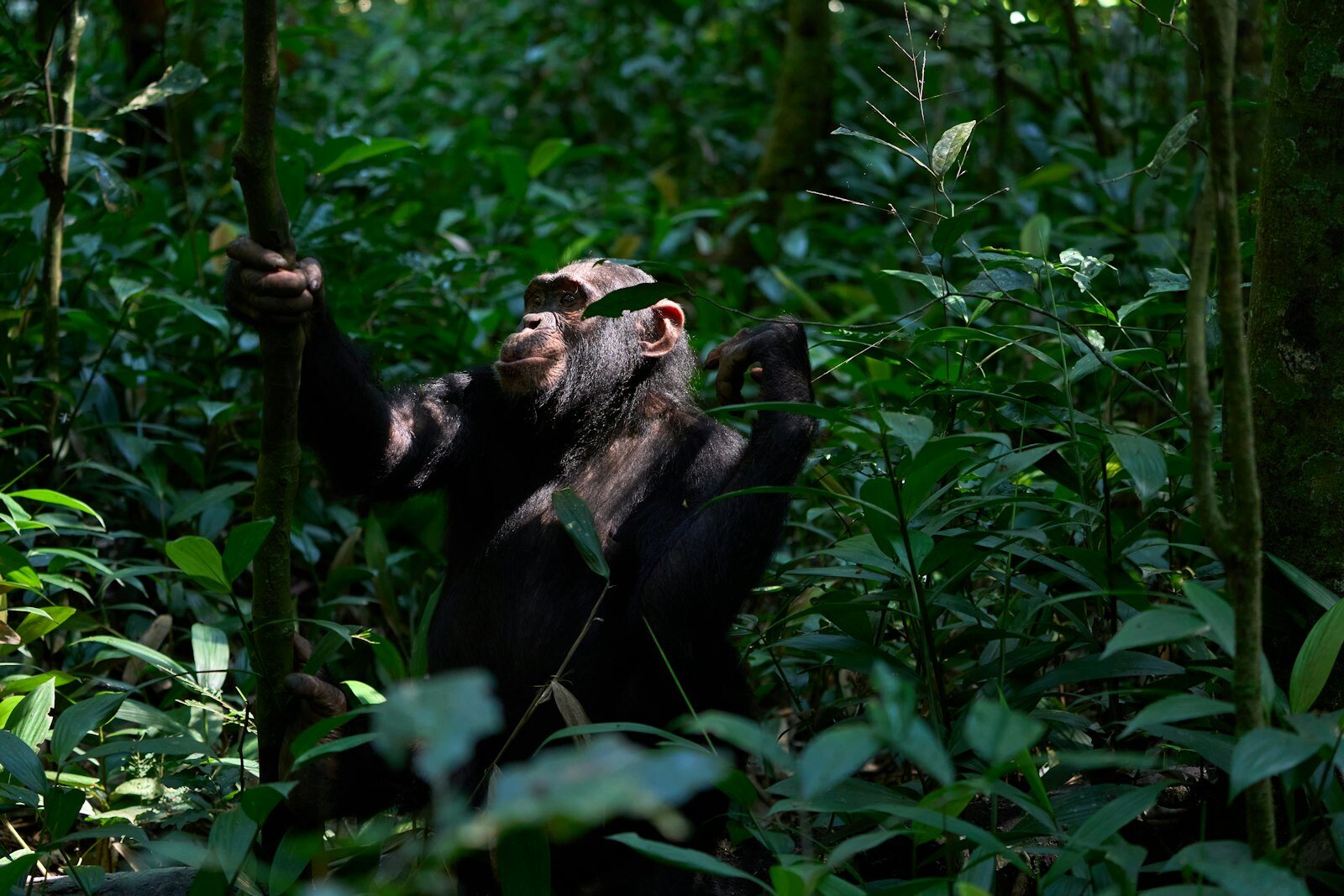
- Day trips: Rusizi hippos (15 min), Kibira chimps (2 hrs), Gishora drums (2 hrs), Mount Heha summit (1 hr), Livingstone-Stanley Monument (30 min south)
- How to visit: Private guided city tour with Beyond Africa Safaris, or as the base for any wider Burundi itinerary
Bujumbura — The City on the Lake
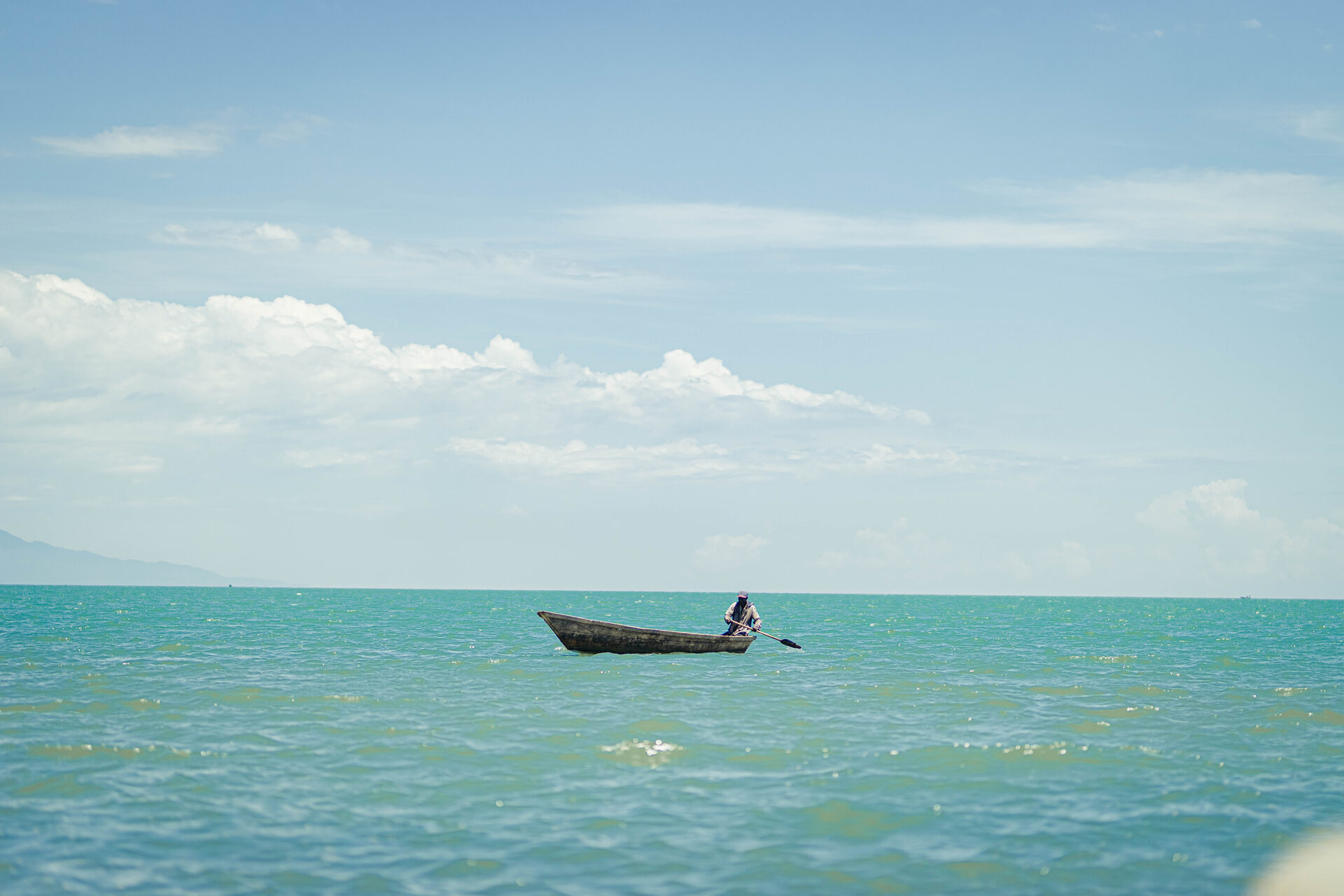
Most African capitals announce themselves with highways and towers. Bujumbura announces itself with water. The city sits on the northeastern shore of Lake Tanganyika — the world’s second-deepest and second-oldest lake, a vast inland sea that stretches 673 kilometres south to Zambia and holds roughly one-sixth of the planet’s available fresh water. The lake is not a backdrop; it is the city’s identity, its rhythm, its sunset and its morning light.
Bujumbura is no longer Burundi’s political capital (that moved to Gitega in the highlands in 2019), but it remains the country’s largest city, its economic engine and its gateway for international travellers. It is also, for those willing to look beyond the headlines, one of the most characterful and enjoyable cities in East Africa — a place where sandy beaches meet tropical markets, where Congolese rumba drifts from beachside bars on weekend evenings, and where the sunset over Tanganyika is one of the great natural shows on the continent.
This guide covers everything: beaches, hotels, markets, museums, nightlife, restaurants, day trips, and the honest safety picture. It is written by someone who knows every street.
Beaches & the Lake Tanganyika Waterfront
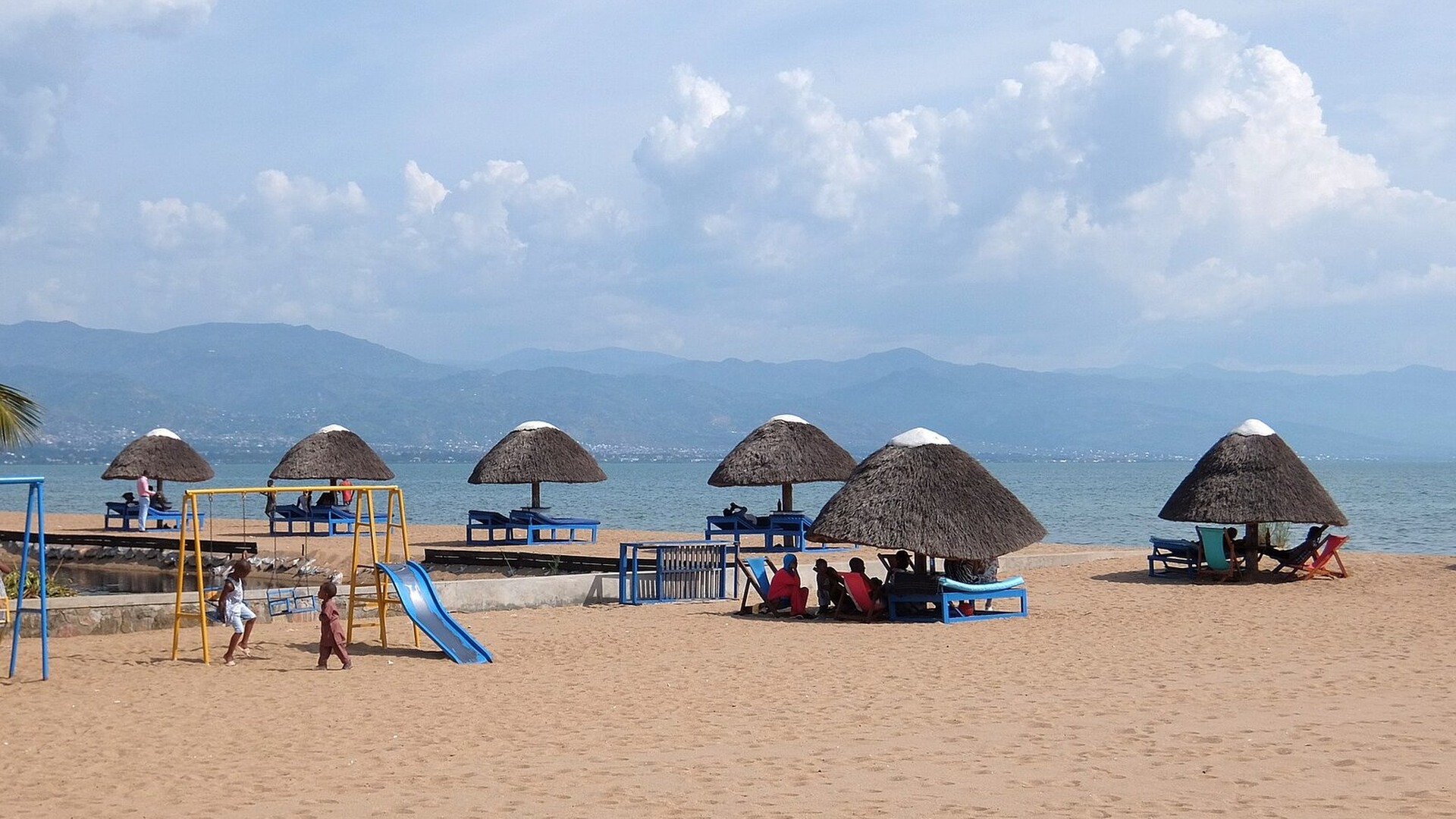
Bujumbura’s beaches are its most unexpected asset. For visitors who associate “African beach” with Zanzibar or Mozambique, the discovery that a landlocked capital has genuine sandy beaches on a freshwater lake is a pleasant surprise.
Saga Beach (Saga Plage)
The most popular public beach in Bujumbura — a wide stretch of golden sand on the lake with beach bars, food vendors, music and a relaxed weekend atmosphere. Swimming is generally safe (the lake is calm in the bay), though there are no lifeguards. Local families, students and visitors mix freely, and the vibe on a Saturday afternoon is one of Bujumbura’s great social experiences.
Plage des Cocotiers (Coconut Beach)
Named for its palm trees, this beach is slightly quieter than Saga and popular with families. Beach bars serve cold drinks and grilled fish, and the shade of the coconut palms is welcome in the midday heat. The sunsets from here — the lake turning gold, fishing pirogues silhouetted against the light, the mountains of the Congo fading to purple — are extraordinary.
Hotel Club du Lac Private Beach
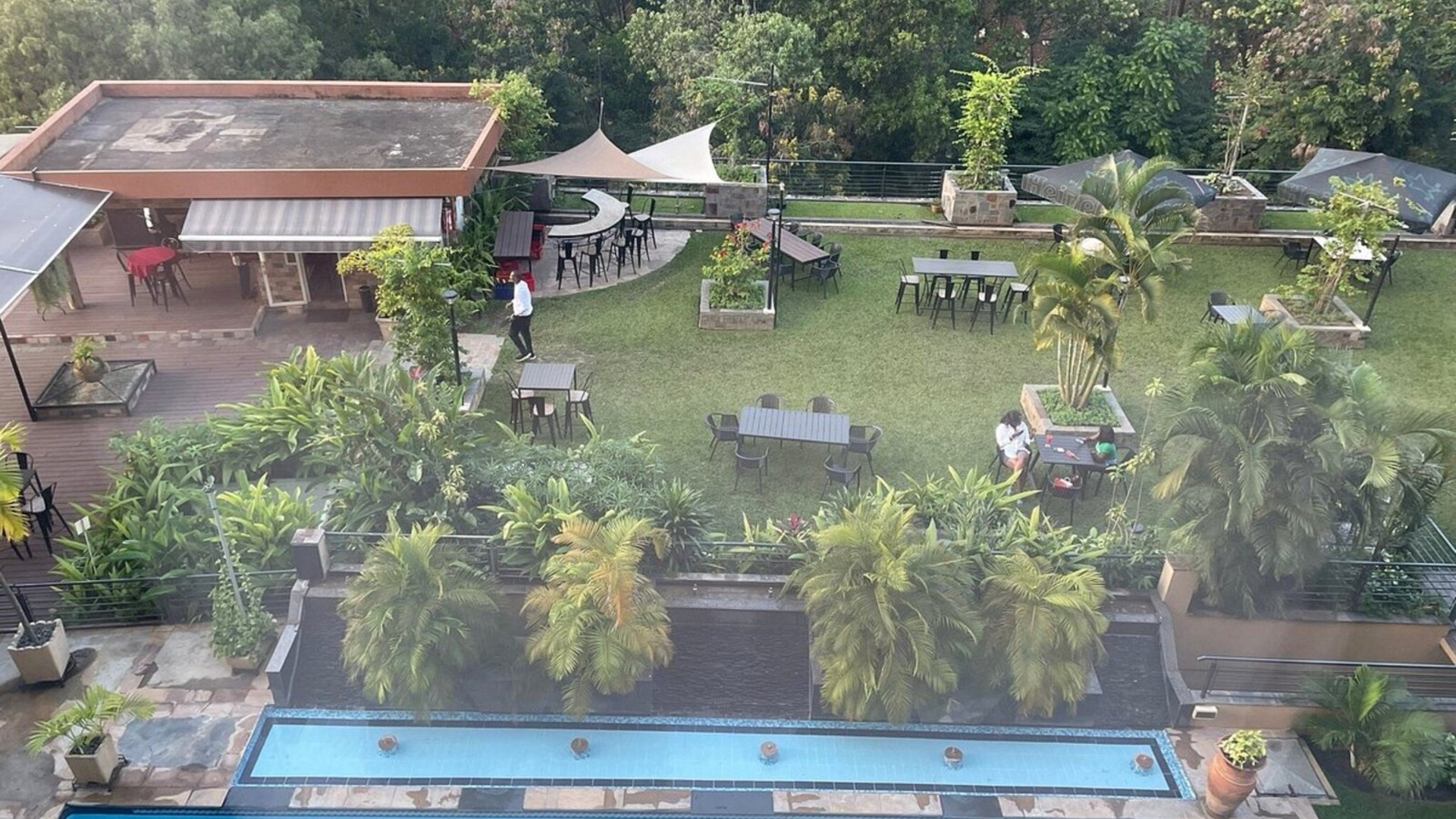
For a more managed experience, the Hotel Club du Lac Tanganyika’s private beach offers sun loungers, a bar, water sports and security. It is the most comfortable beach option in the city and is available to hotel guests.
Beach Lodges South of the City
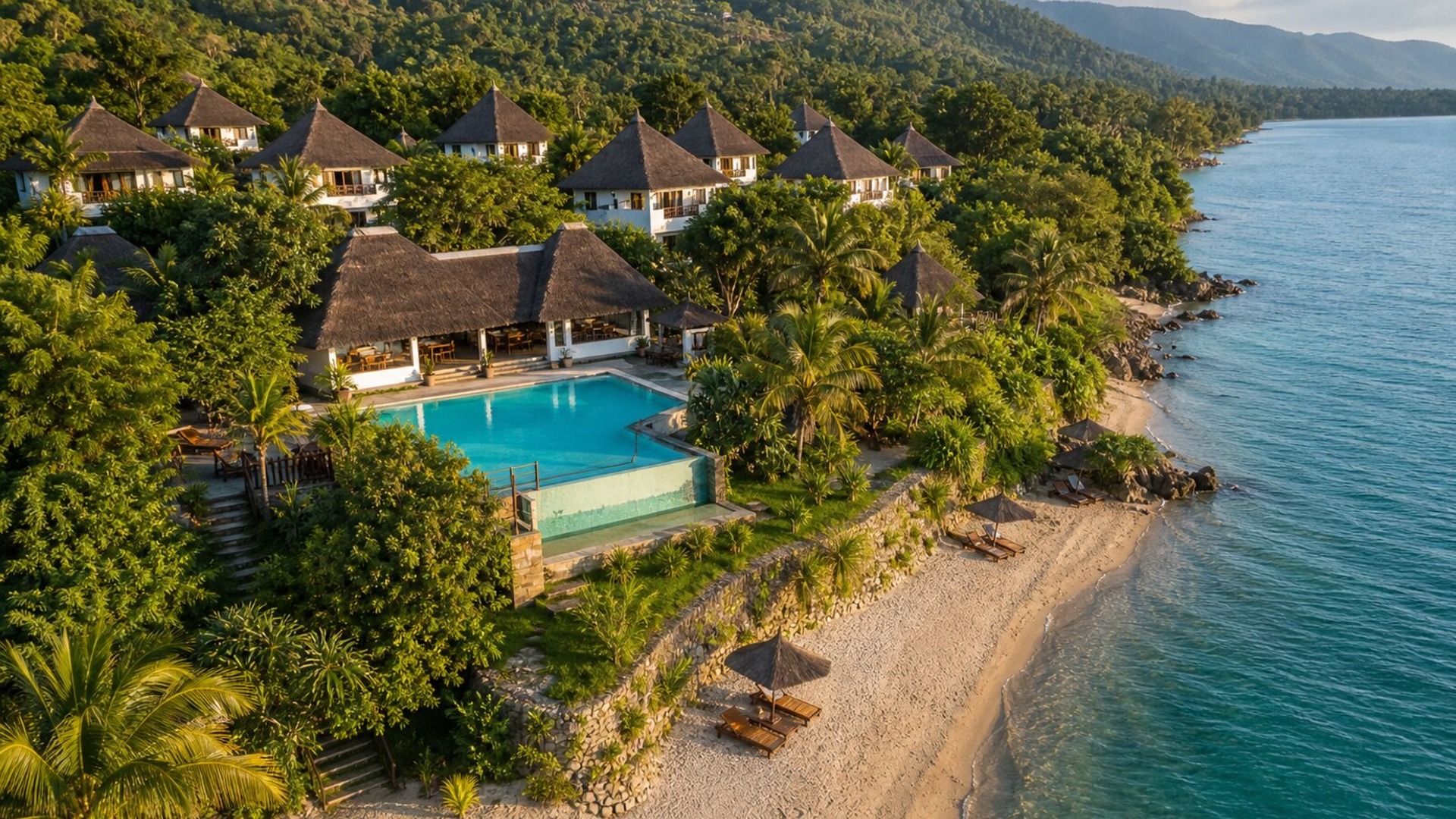
About 20 km south of Bujumbura, the lakeshore becomes quieter and greener. Tanganyika Blue Bay Resort offers beach bungalows, a restaurant and direct lake access in a more intimate setting. It is a popular weekend escape from the city and increasingly attractive to international visitors looking for a day at the beach away from the crowds.
Bujumbura Central Market
The Central Market (Marché Central) is Bujumbura at its most vivid. A sprawling, covered maze of stalls selling everything from tropical fruit (mango, papaya, passion fruit, avocados the size of your head) to spices, textiles, kitchen goods, second-hand clothing, mobile phones and traditional crafts.
This is not a tourist market with fixed prices and air conditioning. It is a working, trading, bargaining, shouting, laughing, colour-saturated place where the entire economy of the city seems to converge. Go with a guide — they will help you navigate the layout, handle Kirundi-language interactions, and steer you toward the best sections for what you want to see.
What to buy: Woven baskets and mats (Burundi’s craft tradition is exceptional), local coffee beans, dried fruit, small drums and carved items. Haggle respectfully — it is expected and part of the social exchange.
Museums & Historical Sites
Geological Museum (Musée Géologique)
A small but interesting museum in central Bujumbura with displays of minerals, fossils and geological specimens from Burundi and the wider East African Rift. It provides useful context for understanding the landscape you are travelling through — why the hills are shaped as they are, what lies beneath the tea plantations and the lake.
Livingstone-Stanley Monument (Mugere)
Approximately 25 km south of Bujumbura, at the confluence of the Mugere River and Lake Tanganyika, a modest stone monument marks the spot where David Livingstone and Henry Morton Stanley are reported to have met during their explorations of the lake in 1871. The historical accuracy is debated, but the setting — a quiet river mouth meeting the great lake — is genuine, and the drive south along the lakeshore is scenic. Combine it with a stop at Tanganyika Blue Bay for lunch.
National Museum (Gitega)
Not in Bujumbura but worth a day trip — the National Museum in Gitega (2 hours east) houses Burundi’s most significant ethnographic collection, including exhibits on the Royal Drummers, traditional monarchy, and the country’s history. Combine it with a visit to the Gishora Drum Sanctuary nearby.
Restaurants & Eating Out
Bujumbura’s dining scene is surprisingly diverse for a city its size:
- La Grillade (Hotel Club du Lac): The best hotel restaurant in the city — Italian-international, with excellent lake fish and pasta
- Beach bars: Roca Golf’s three lakeside bars serve grilled brochettes, fresh fish and cold Primus beer in the most atmospheric setting in town
- Indian and Asian: Several Indian restaurants serve curries, tandoori and vegetarian options — a legacy of the South Asian trading community
- Street food: Brochettes (grilled meat skewers) are the national snack — served at roadside stands throughout the city with pili pili sauce and chips. Safe at busy, well-frequented stands.
- Burundian coffee: Burundi grows some of the finest arabica on the continent. Several cafés serve properly prepared single-origin coffee — a must for coffee lovers
Nightlife & Entertainment
Bujumbura after dark is livelier than most visitors expect. The city has a genuine nightlife scene, driven by a young, music-loving population and the cross-cultural influence of neighbouring Congo:
- Beach bars: The Roca Golf lakeside bars and other waterfront venues are the epicentre of weekend social life — cold drinks, grilled food, music and the lake
- Live music: Congolese rumba and soukous are the soundtrack of Bujumbura nightlife. Several downtown venues host live bands on weekends, and the energy is infectious
- Hotel Club du Lac nightclub: The hotel’s own club is popular on weekends with a mix of international and Burundian music
- Restaurant terraces: For a quieter evening, several restaurants and hotel terraces offer drinks, music at conversation volume, and the chance to watch the city go by
Safety note: Bujumbura’s nightlife is enjoyable but requires normal city awareness. Go with your guide or in a group, arrange reliable return transport before you go out, and avoid walking alone in unfamiliar areas after dark. The popular, well-lit venues are generally safe.
City Tours
A guided Bujumbura city tour is the best way to understand the city on your first day. Beyond Africa Safaris offers private half-day and full-day tours covering:
- Central Market and crafts shopping
- Independence Monument and government quarter
- Lakefront drive and beach stop
- Geological Museum
- Coffee tasting at a local café
- Optional: Livingstone-Stanley Monument (half-day extension south)
The tour provides orientation, context and the confidence to explore independently afterward. Our guides are Bujumbura-born and know the city the way only locals can.
Day Trips from Bujumbura
| Destination | Drive Time | Highlights |
|---|---|---|
| Rusizi National Park | 15–20 min | Hippo pods, crocodiles, waterbirds, boat safari on the Rusizi River delta |
| Mount Heha | 45–60 min | Burundi’s highest peak (2,684 m), highland hiking, cultural village |
| Kibira National Park | ~2 hrs | Chimpanzee trekking, colobus monkeys, montane rainforest |
| Gishora Drum Sanctuary | ~2 hrs | UNESCO-listed Royal Drummers of Burundi, sacred performance |
| Livingstone-Stanley | 30–40 min | Historical monument, scenic lakeshore drive, beach lodge lunch |
| Source of the Nile | ~2.5 hrs | Pyramid at Rutovu, southernmost source of the world’s longest river |
Practical Information
| Detail | Info |
|---|---|
| Airport | Melchior Ndadaye International Airport (BJM) — <5 km from city centre |
| Language | Kirundi & French; English and Swahili increasingly spoken in tourism and trade |
| Currency | Burundian Franc (BIF); USD widely accepted at hotels; cards at top hotels only |
| Transport | Private car with driver (recommended); taxis (negotiate fare); avoid boda-bodas |
| Best time | June–September (dry); December–January (short dry); pleasant year-round |
| Yellow fever | Certificate required for entry |
| Malaria | Prophylaxis recommended; mosquito repellent at dusk especially near the lake |
Safety & Honest Guidance
Bujumbura is not a war zone, and the outdated media image does the city a disservice. That said, it is not a carefree stroll-anywhere destination either. Here is the honest picture:
- Hotel areas: The main hotels (Club du Lac, Kiriri, Roca) are secure, gated and well-lit. No issues.
- Beaches (daytime): Saga Beach and Plage des Cocotiers are busy and generally safe during the day with normal awareness. Do not leave valuables unattended.
- Central Market: Busy and safe during trading hours. Go with a guide for the best and most comfortable experience.
- Nightlife: Enjoyable with sensible precautions — go in company, arrange transport home in advance, stick to well-known venues.
- Walking: Central commercial areas are fine during the day. Avoid walking in unfamiliar areas after dark. Use a car.
- Private guided approach: Recommended for all visitors. A trusted driver-guide handles logistics, language, local knowledge and security awareness so you focus on the experience.
We do not say “Bujumbura is 100% safe” — no honest guide says that about any city. We say: with the right approach, it is a rewarding, enjoyable and manageable destination, and the warmth of the people will stay with you long after you leave.
Frequently Asked Questions
Is Bujumbura safe for tourists?
Main hotel, beach and commercial areas are generally safe during the day. A private guided approach is recommended, particularly for evenings and unfamiliar areas.
What are the best beaches?
Saga Beach and Plage des Cocotiers for public beaches; Club du Lac private beach for resort comfort; Tanganyika Blue Bay south of the city for quieter lodge stays.
What is the Central Market like?
A vast, vibrant trading maze of tropical fruit, spices, crafts, textiles and daily goods. Sensory overload in the best way. Go with a guide.
What is the nightlife like?
Livelier than expected — beach bars, live Congolese rumba, clubs and restaurant terraces. Go in company and arrange transport home.
Are there museums?
Geological Museum in the city, Livingstone-Stanley Monument 25 km south, and the National Museum in Gitega (day trip).
How do I get around?
Private car with driver (recommended and arranged by us). Taxis available; negotiate fare. Avoid boda-boda motorcycle taxis.
Best time to visit?
June–September dry season. December–January secondary window. Pleasant year-round thanks to Lake Tanganyika’s moderating effect.
Can I base here for Burundi safaris?
Absolutely. Bujumbura is the natural hub — all parks, cultural sites and lakes are reachable as day trips or circuits.
What currency should I bring?
US dollars in good condition. Exchange at hotels or reliable bureaux de change. Burundi is largely cash-based.