Key Takeaways
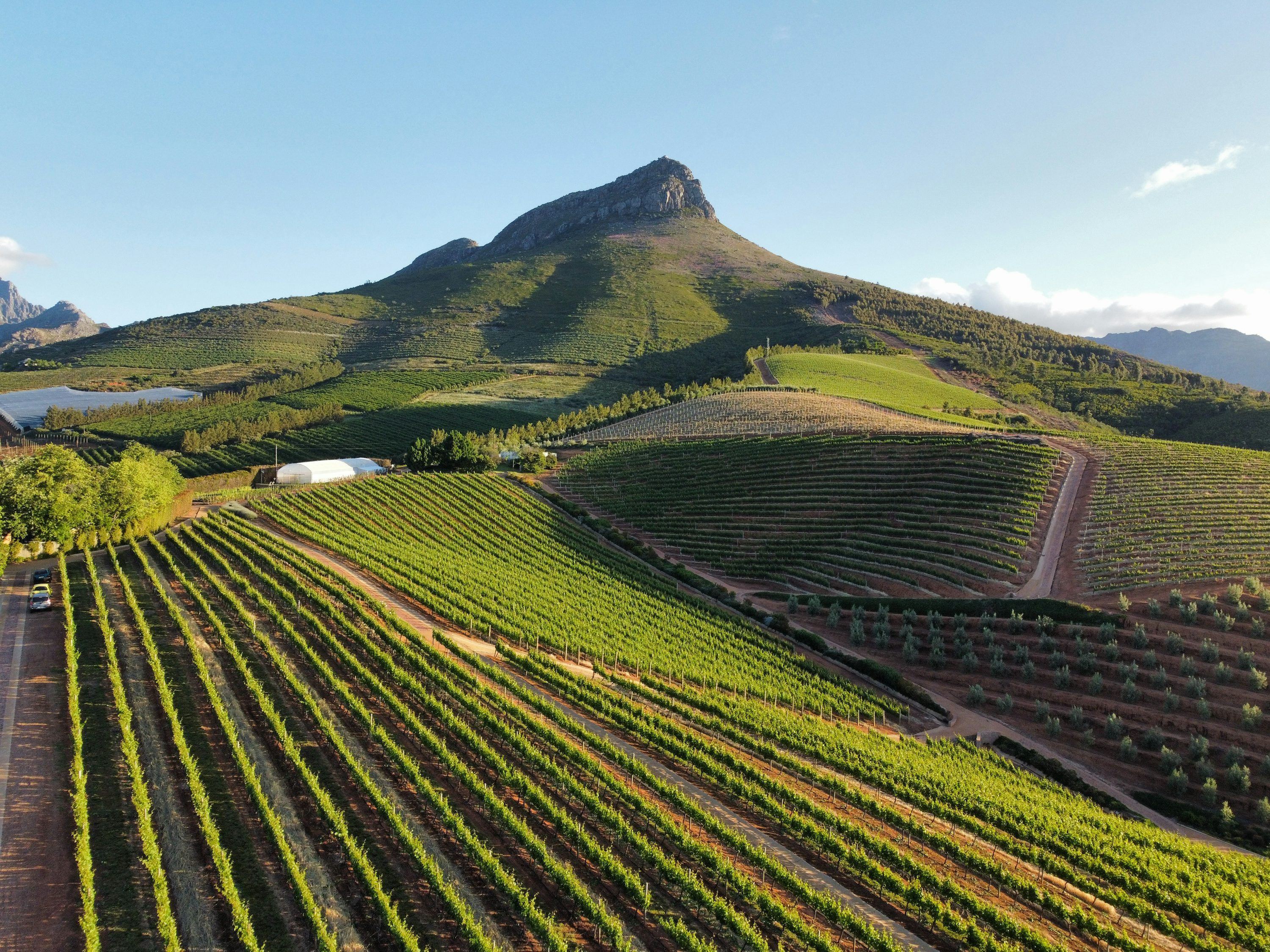
- Stellenbosch is the bigger, older town — a lively university city and the Cape's red-wine capital, with the most estates.
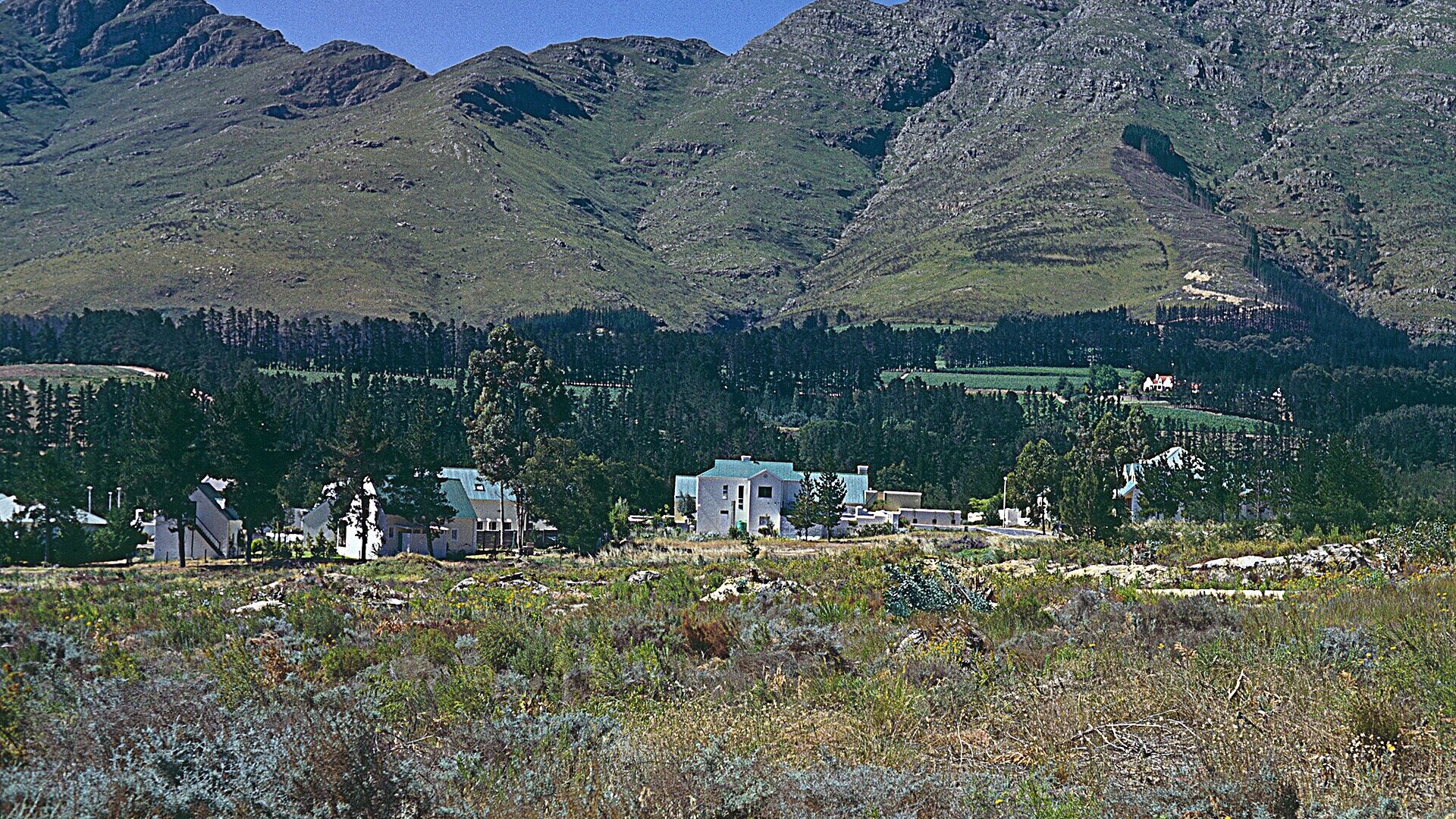
- Franschhoek is smaller and more polished — a compact, walkable food-and-wine village in a dramatic mountain valley.
- For serious reds (Cabernet, Pinotage, blends), lean Stellenbosch; for bubbles, boutique polish and food, lean Franschhoek.
- Both have a hop-on/hop-off wine tram, but Franschhoek's is the more famous and the easier way to visit estates without driving.
- Both are under an hour from Cape Town and only about 30 minutes apart — so with a little time you can, and should, do both.
- Whichever you choose, use a private guide-driver or the tram so everyone can enjoy the wine safely.
The Quick Verdict
If you only have time for one and want the short answer: choose Stellenbosch if you love serious red wine, history and a lively, energetic town atmosphere with the widest choice of estates; choose Franschhoek if you want a compact, polished, walkable village with a famous wine tram, world-class restaurants and a more intimate, indulgent feel. Neither is "better" — they are different flavours of the same wonderful region, and the right choice depends entirely on what you want from the day.
That said, the two towns are only about 30 minutes apart and both sit under an hour from Cape Town, so the genuine best answer for most travellers is: do both. Give Stellenbosch a day for its reds and its history, and Franschhoek a day for its food and its tram, and you will have seen the Cape Winelands at their finest. The comparison below breaks down exactly how they differ, so you can decide how to split your time.
The Wine: Styles & Estates
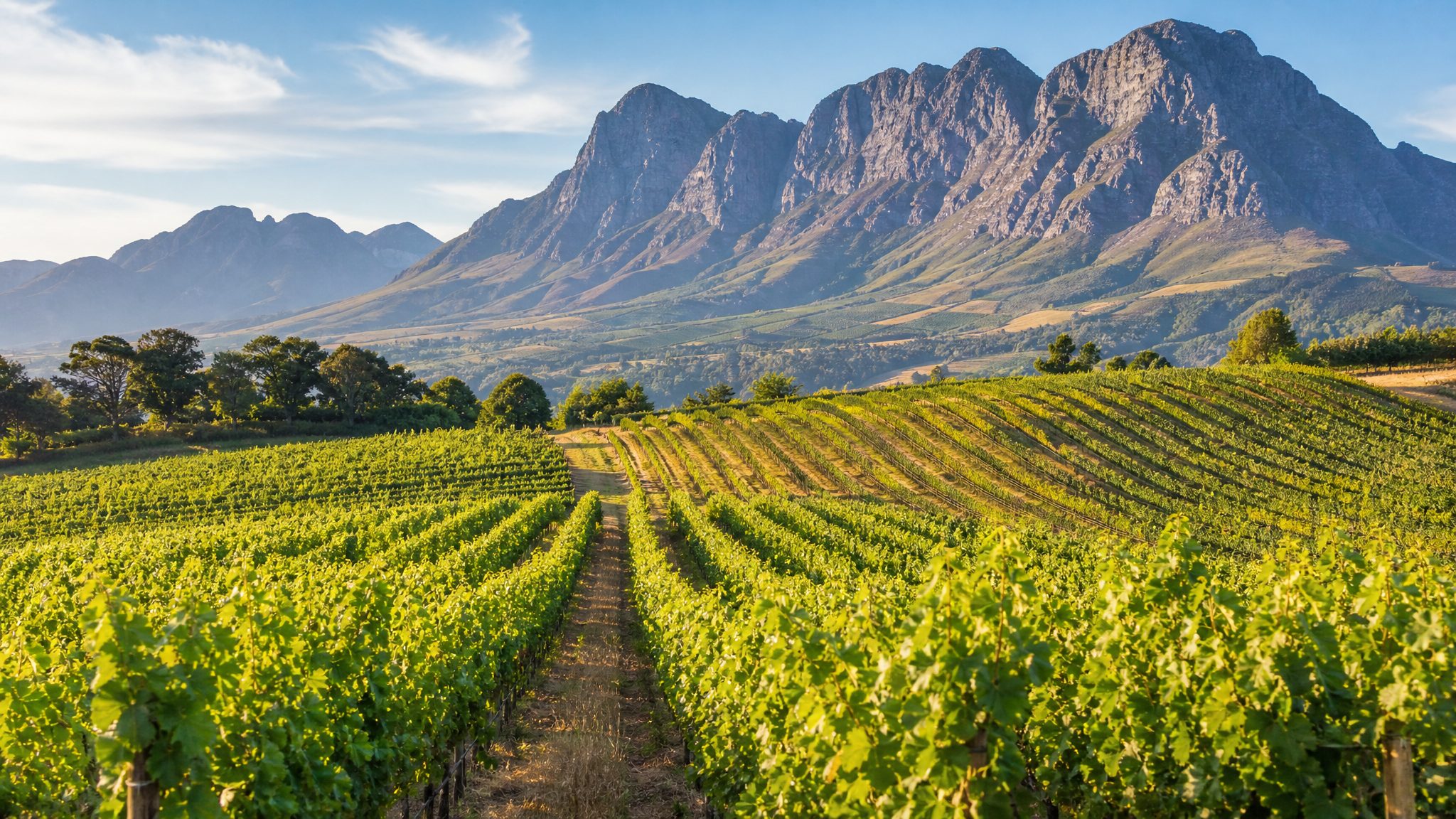
This is where the two towns diverge most clearly. Stellenbosch is South Africa's red-wine capital, with more estates than anywhere else in the country and a deserved reputation for Cabernet Sauvignon, Shiraz, Pinotage and Bordeaux-style blends. Its various sub-wards — Simonsberg, Helderberg, Bottelary and more — each have their own character, and the town is home to legends like Kanonkop, Rust en Vrede, Tokara and Rustenberg. If your idea of a great day is tasting benchmark reds that age for decades, Stellenbosch is your town.
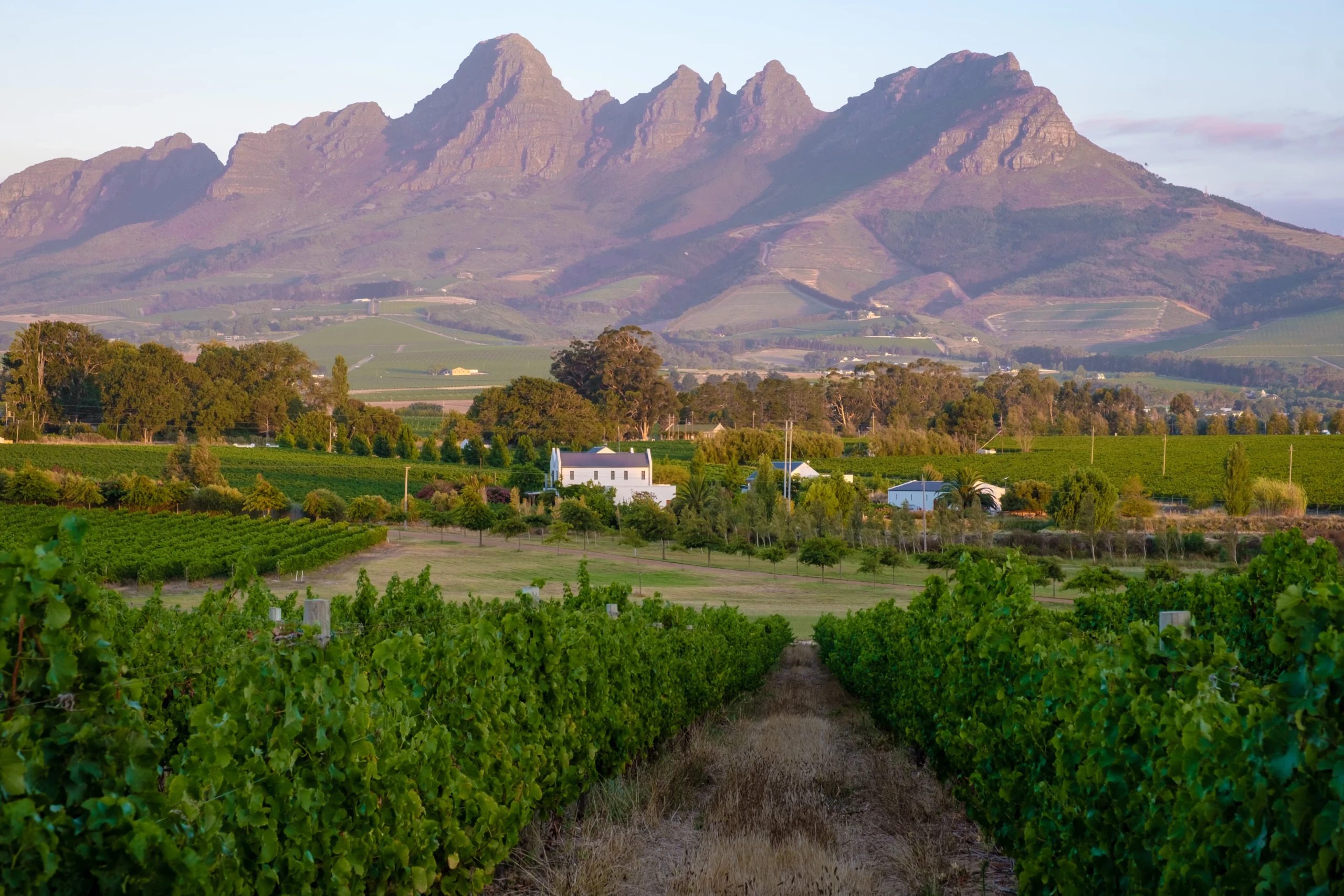
Franschhoek, set in a smaller, steeper valley, is more diverse and more boutique. It is a stronghold of Cap Classique (South Africa's traditional-method sparkling wine), with houses like Haute Cabrière, and home to polished, design-led estates such as La Motte, Grande Provence and Leeu Estates. The valley's French Huguenot heritage runs through its wine culture, and the overall feel is more refined and food-focused than Stellenbosch's broad, red-driven scene. Both make superb wine — the difference is emphasis and atmosphere.
In short: Stellenbosch offers depth and choice, especially for reds; Franschhoek offers polish, bubbles and a curated, boutique feel. Serious collectors gravitate to Stellenbosch; those after an elegant, indulgent tasting day often prefer Franschhoek.
The Towns: Buzz vs Polish
Stellenbosch is the second-oldest town in South Africa, and it wears its history well — oak-lined streets, whitewashed Cape Dutch architecture, museums, galleries and the buzz of a major university. That student population gives Stellenbosch a youthful, lively energy: busy cafes, a good bar scene and a sense of a real working town rather than a tourist bubble. It is bigger and more spread out, with more to do beyond wine, and it rewards a wander on foot through its historic core.
Franschhoek is smaller, quieter and more polished — essentially one long, beautiful main street of restaurants, galleries, boutiques and tasting rooms, ringed by mountains at the head of its valley. It feels more like an upscale village than a town, and it is intensely walkable: you can stroll its length in twenty minutes, stopping for coffee, art and lunch. The atmosphere is refined and unhurried, tilted towards couples, foodies and those after a genteel escape rather than a night out.
If you want energy, history and variety, Stellenbosch wins. If you want compact charm, polish and an easy, walkable base, Franschhoek wins. Many people find Stellenbosch the better place to stay for exploring widely, and Franschhoek the more romantic place for a special couple of nights.
Food & Fine Dining
Both towns are among the finest food destinations in South Africa, so you will eat superbly in either. Franschhoek, though, styles itself the country's gourmet capital, and the claim holds up: for its size it has an astonishing concentration of world-class restaurants, from estate destinations to the celebrated tasting-menu venues that draw diners from across the globe. Combine that with the estate restaurants in the surrounding valley and Franschhoek is hard to beat for a pure food-and-wine pilgrimage.
Stellenbosch counters with breadth and its own share of stars — acclaimed estate restaurants, innovative town bistros and everything from casual to fine dining, all fed by the surrounding farms. The greater size and student population mean more variety at every price point, from relaxed cafes to special-occasion tables. You will not go hungry or unimpressed in either.
The verdict: Franschhoek edges it for concentrated, destination fine dining in a compact, walkable setting; Stellenbosch offers more range and a livelier everyday scene. For a once-in-a-trip gourmet blow-out, Franschhoek; for variety across a longer stay, Stellenbosch.
Getting There, Wine Trams & Getting Around
Both towns are easy to reach: Stellenbosch is about 45 minutes from central Cape Town, Franschhoek about an hour, and the two are roughly 30 minutes apart via the scenic Helshoogte Pass (home to Delaire Graff and Tokara). This proximity is why so many people combine them. Each also anchors its own wine route with dozens of estates in the surrounding valleys.
The wine trams are a key practical difference. The Franschhoek Wine Tram is the famous one — a hop-on, hop-off tram-and-tram-bus system that loops between estates in the valley, letting you taste all day without driving. It is one of the most popular experiences in the whole Winelands and a big point in Franschhoek's favour for independent visitors. Stellenbosch has its own wine tram/hop-on service too, though it is less well known. Either way, a tram or a private guide-driver is the smart, safe way to enjoy a tasting day.
For most visitors, the easiest approach is a private guide-driver who can cover both towns and the estates between them, handling the routing and the reservations. That is exactly what we arrange — a seamless Winelands day (or two) tailored to whether you lean towards Stellenbosch's reds, Franschhoek's food and bubbles, or a blend of both.
Which Should You Choose?
Boil it down to your priorities. Choose Stellenbosch if you are a red-wine lover, enjoy history and a lively town, want the widest choice of estates, or plan a longer Winelands stay with variety. Choose Franschhoek if you want a compact, walkable and polished base, are travelling as a couple, prioritise food and Cap Classique, or love the idea of the wine tram doing the driving for you. Both deliver spectacular scenery, warm hospitality and world-class wine — you cannot go wrong.
But if your schedule allows, do not choose at all: do both. A classic two-day Winelands plan gives Stellenbosch a day for its reds, its history and a town wander, and Franschhoek a day for its tram, its estates and a long gourmet lunch, with the drive over the Helshoogte Pass — and its two great estates — linking them. It is the complete Cape Winelands experience, and only a little more time than doing one.
However you want to split it, we build private Winelands days and stays around exactly these preferences — the estates, the restaurants, the trams and the pace, all matched to you. Tell us whether you lean red or bubbles, buzz or polish, and we will craft the perfect Winelands escape.
Ready to explore? Browse our Cape Winelands tours and packages →