It is the first real question every safari planner asks, and the one people most often get wrong: how many days do you need for a safari? Book too few and you risk a slow run of luck with nothing in reserve. Book too many in one place and the magic can flatten into routine. This guide gives you the honest, length-by-length breakdown — what three, five, seven, ten and fourteen days actually buy you, where the sweet spot sits for first-timers, and how to spend every night where it counts.
Each day on safari brings a different chapter — this is the rhythm you are buying.
Quick Answer
Plan on a minimum of three nights in a single reserve for a worthwhile safari, with four to five nights the sweet spot for first-timers — long enough to almost guarantee the Big Five and absorb a slow day. If you are flying long-haul to Africa, build a seven to ten day trip so you can add a city, the coast, or a second reserve and make the airfare pay off.
The Short Version: A Length-by-Length Cheat Sheet
Before the detail, here is the whole decision on one screen. Use it to find your bracket, then read the section that matches.
| Trip Length | Game Drives | Best For | Big Five Odds |
|---|---|---|---|
| 1 day | 1 long drive | A taste of the bush, day trippers | Fair |
| 3 days (2 nights) | ~4 drives | Short breaks, add-ons | Good |
| 4–5 days | ~6–8 drives | First-timer sweet spot | Excellent |
| 7 days | 2 reserves | Long-haul travellers, variety | Excellent |
| 10–14 days | 2–3 regions | Multi-country, honeymoons | Near-certain |
One Day: A Taste, Not the Full Meal
A single full-day safari is a real thing, and a good one. From Cape Town you can reach a Big Five reserve and be watching lions within a few hours; a day drive into Kruger covers huge ground and turns up elephant, giraffe, zebra and often a cat or two. For someone tight on time or budget, one day is far better than no safari at all.
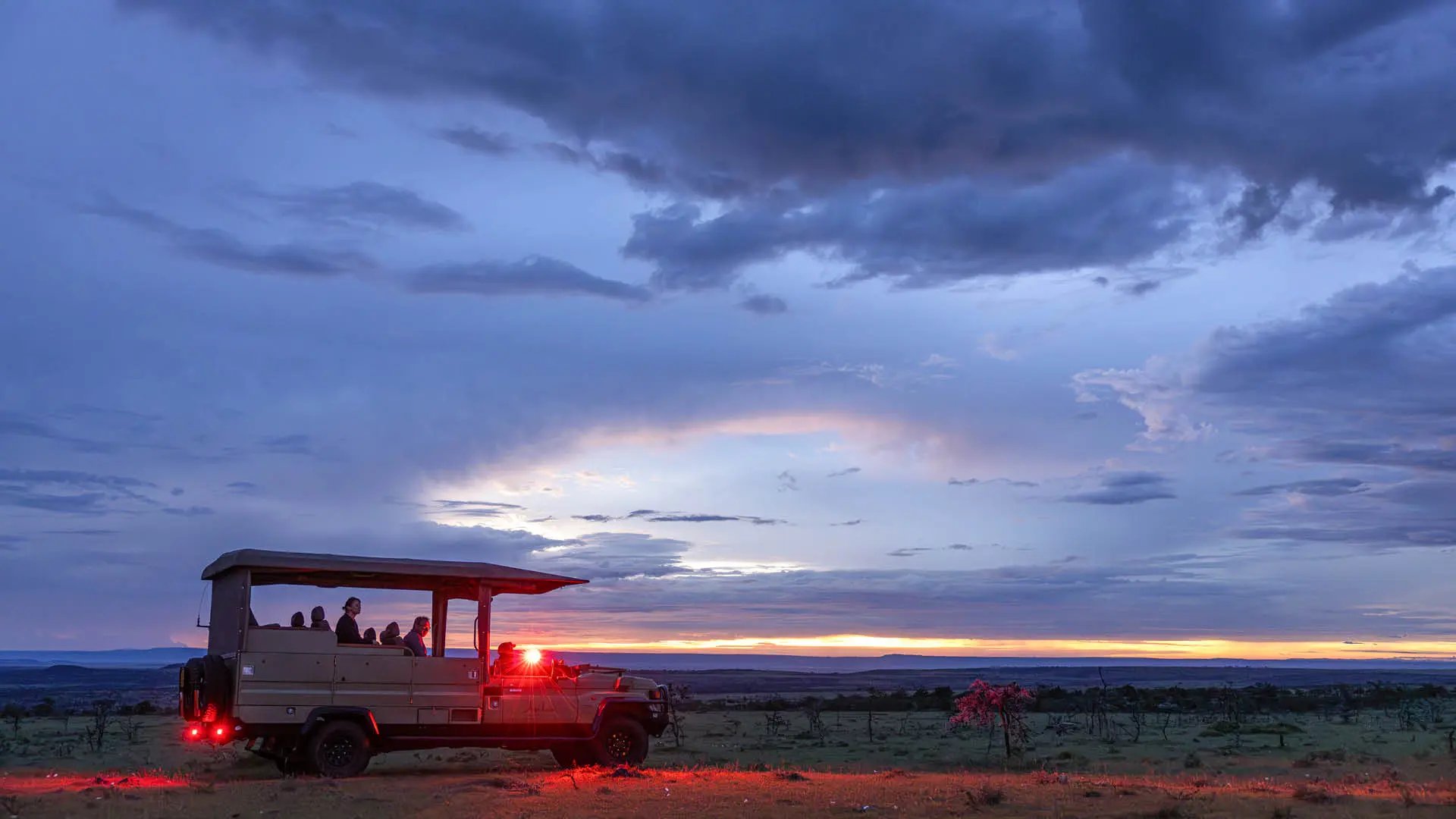
What a day trip cannot give you is the heart of the experience: the cold pre-dawn departure, the golden first light when predators are still moving, the sundowner as the sky turns to fire, and the night sky over the bush. Those moments happen at the edges of the day, when day visitors have already gone home. Treat a one-day safari as the appetiser that convinces you to come back for the real thing.
Three Days (Two Nights): The Smart Minimum
If you want a true overnight safari with the least time commitment, three days is your floor — and a genuinely rewarding one. Two nights typically means four game drives: an afternoon drive on arrival day, a morning and afternoon on the full day, and a final morning before you leave. That is plenty of time, in a well-stocked reserve, to find the Big Five and feel the rhythm of bush life.
Three days shines as an add-on. Tagging two nights of safari onto a Cape Town holiday, a Victoria Falls stop, or a business trip turns an ordinary itinerary into something people talk about for years. The only honest caveat is luck: wildlife moves on its own schedule, and with four drives you have less room to absorb a quiet patch. If your heart is set on a leopard or a river crossing, give yourself another night.
Four to Five Days: The First-Timer Sweet Spot
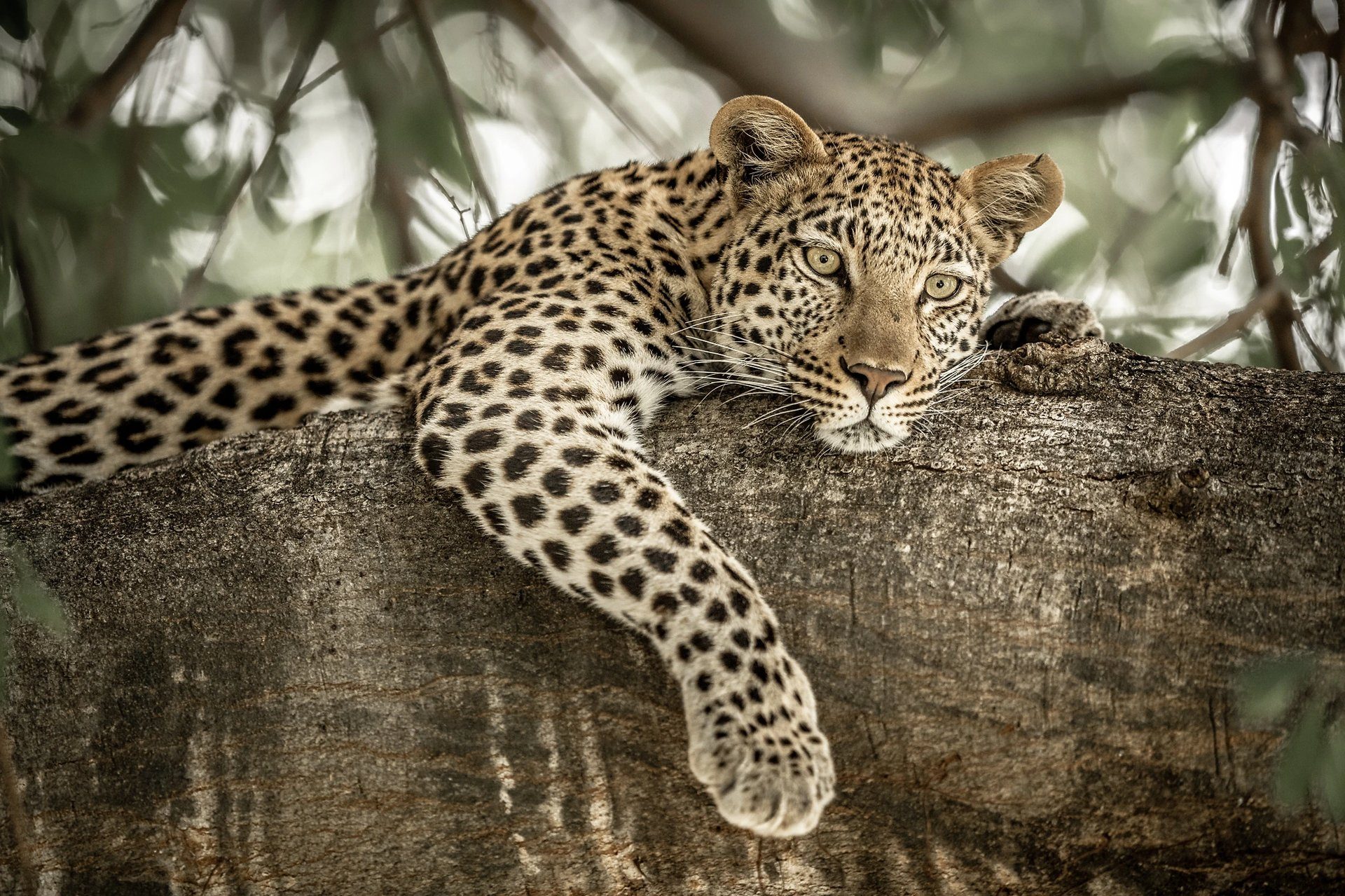
Ask a guide where the value peaks and most will say four to five nights. This is the length that almost guarantees a superb trip. You have six to eight game drives, which means a slow morning costs you nothing — there is always another drive. You shake off any jet lag by day two and start seeing properly: noticing tracks, reading behaviour, recognising bird calls.
Four to five nights also lets a single reserve reveal its range. You will likely visit different habitats — riverine forest, open plains, rocky koppies — and watch the same lion pride or leopard across several days, which is where the real stories happen. For most first-timers, this is the bracket we recommend, often paired with a few days in Cape Town or on the coast for a complete two-week holiday.
Seven Days: Worth the Long-Haul Flight
If you are crossing oceans to reach Africa, seven days is where the trip starts to repay the airfare. A week gives you room to split your time across two reserves or two countries, each with its own character — say a private South African reserve for big-cat sightings, then the waterways of the Okavango Delta for a completely different rhythm of mokoro rides and water-loving game.
Variety is the key word at a week. Two reserves of three to four nights each keep every drive fresh, broaden the wildlife you see, and give you two sets of guides, landscapes and lodges. Seven days is also the comfortable length for the great migration in the Serengeti or Masai Mara, where moving between zones improves your odds of catching the herds and a river crossing.
Ten to Fourteen Days: The Trip of a Lifetime
Ten days to two weeks is the canvas for the big trips — multi-country safaris, honeymoons, and once-in-a-lifetime celebrations. With this much time you can combine three distinct experiences without rushing: for example a Big Five reserve, a water-based delta or river camp, and a finale at Victoria Falls or on an Indian Ocean beach.
The art at this length is pacing. Aim for a minimum of three nights per stop so each leg earns its transfers, and weave in a slower day or two — a spa afternoon, a beach reset, a city stay — so the trip breathes. Done well, a fourteen-day itinerary delivers near-certain Big Five, multiple ecosystems, and the kind of variety that keeps the final drive as thrilling as the first.
How to Decide: Three Questions
Cut through the options with these:
- How far are you travelling? Long-haul guests should lean toward seven days or more to justify the flights. Regional travellers can happily do three.
- What is non-negotiable? If seeing every one of the Big Five — leopard included — matters most, add nights and choose a private reserve with off-road tracking.
- How do you like to travel? If repetition bores you, split a longer trip across reserves and countries rather than parking in one place.
The Bottom Line
For most people, the honest answer to how many days you need for a safari is this: never fewer than three nights, four to five for the sweet spot, and seven or more if you have flown a long way and want variety. Spend your nights where the wildlife is densest and the guiding is best, give yourself room for a slow day, and the bush will do the rest. Our team builds itineraries around exactly this logic — tell us your dates and what you most want to see, and we will shape the right length around it.