Key Takeaways
- Kaingo is Shenton Safaris' family-run flagship — the acknowledged photographic-hide capital of South Luangwa
- Six brick-and-thatch chalets on the Luangwa riverbank, with private decks and outdoor baths
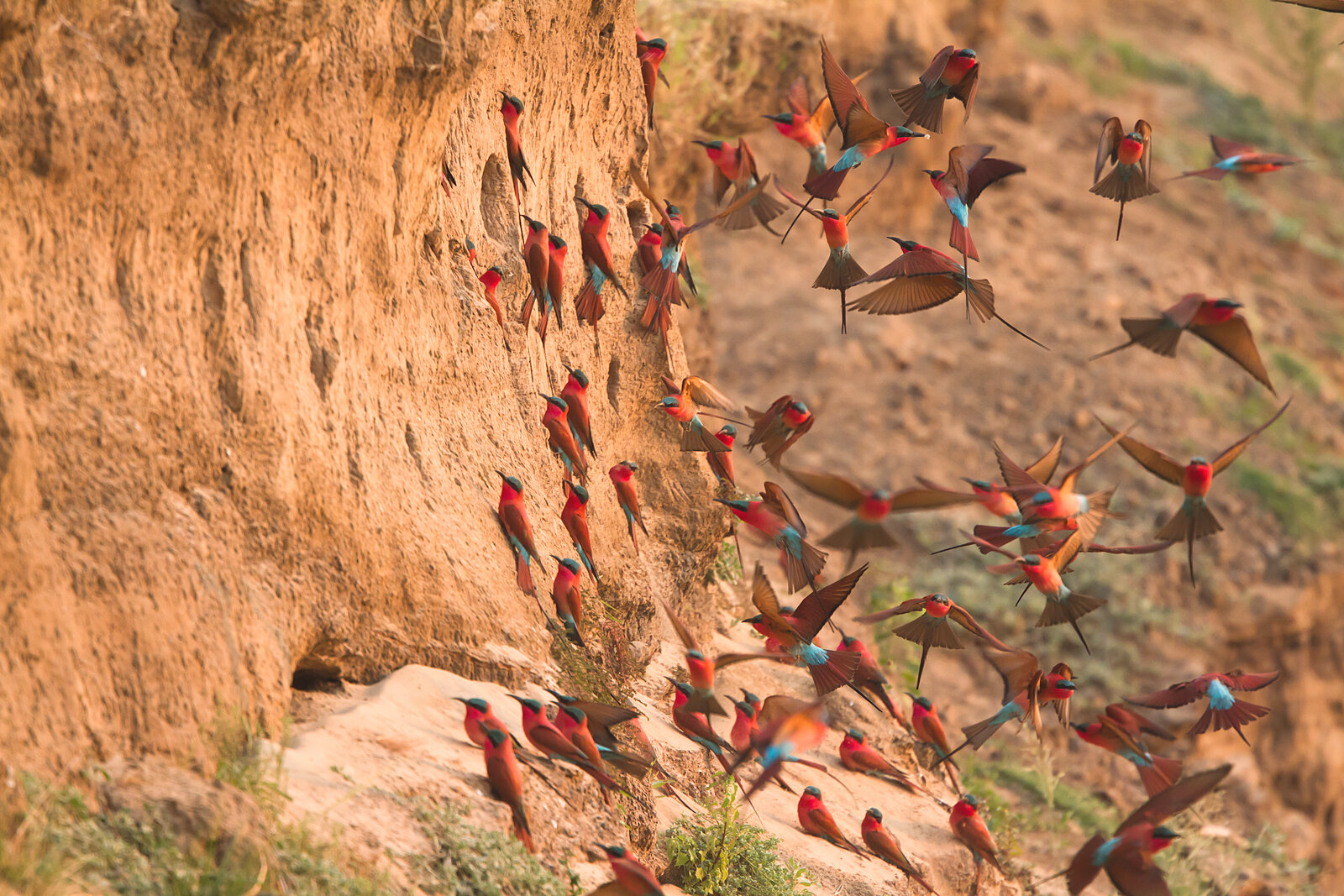
- Celebrated hides: the two-tier Hippo Hide, the Elephant Hide in an ebony tree, the boat-based Carmine Bee-eater Hide and mobile hides
- Three activities a day, including walking safaris, night drives and photographer-equipped vehicles
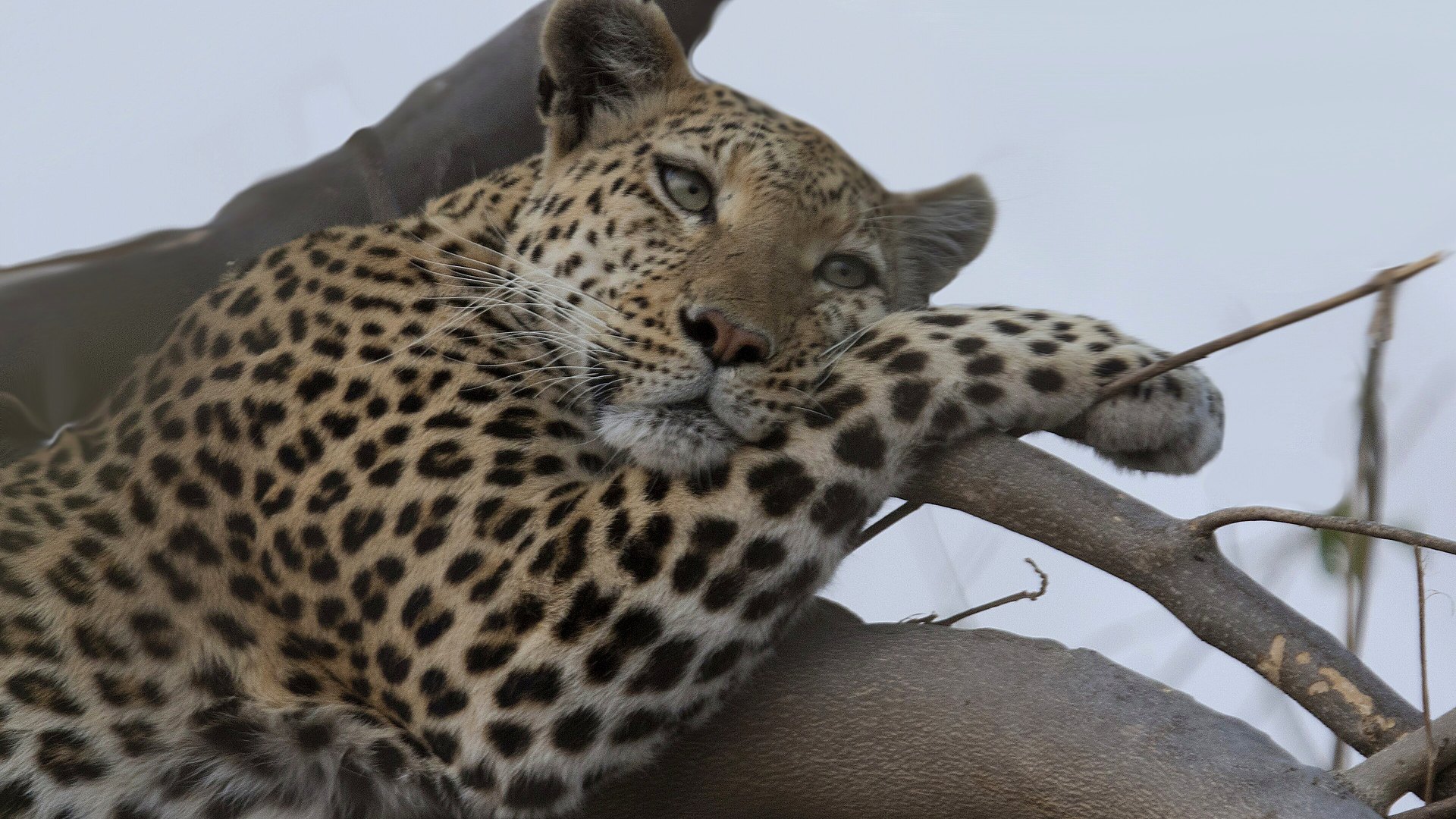
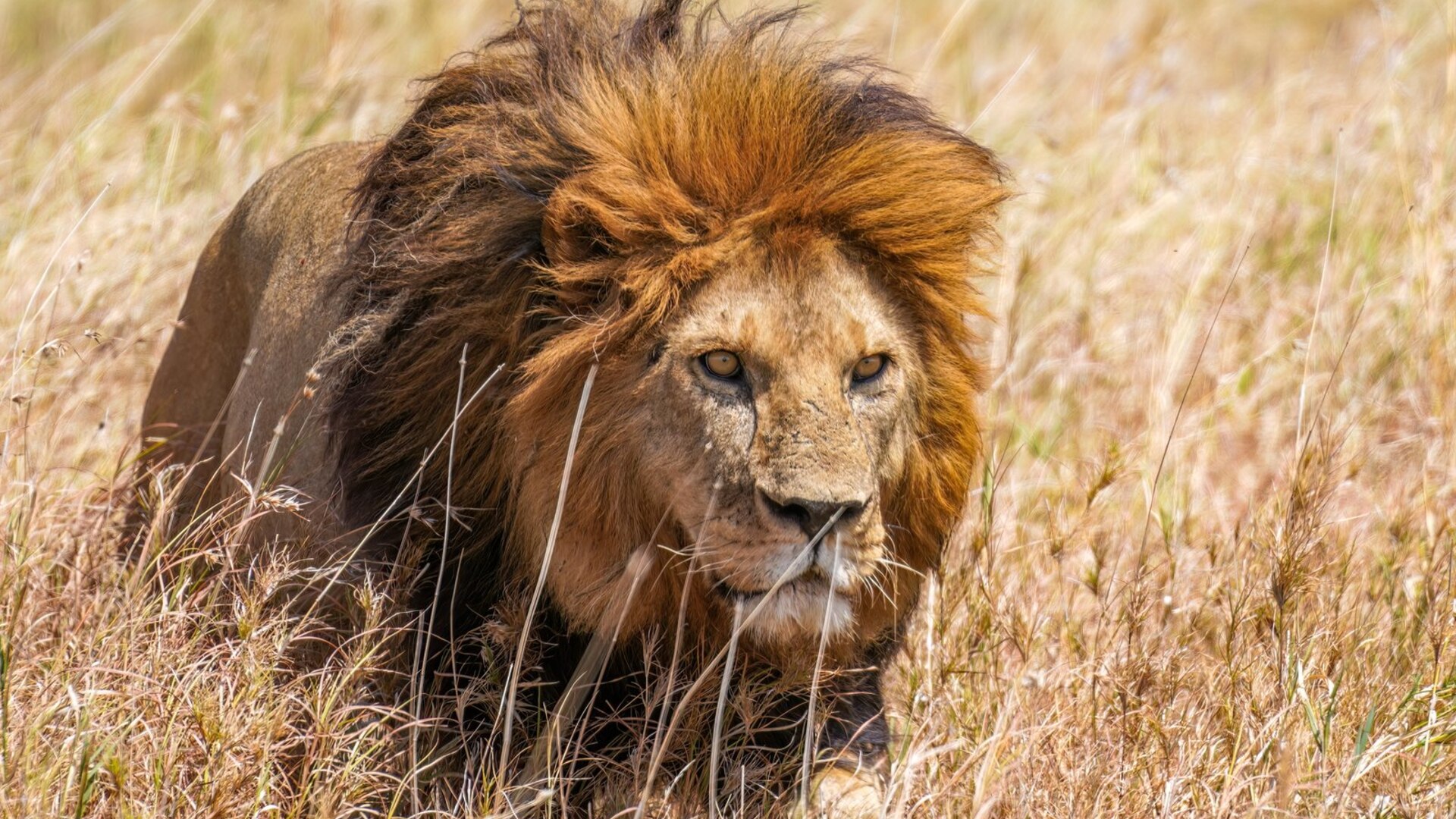
- A northern-sector location rich in leopard, lion and wild dog, quieter than the busy Mfuwe area
- The 'River Song' star bed for a night under the Luangwa sky
First Impressions: A Family's Life Work
Some camps are built by companies; Kaingo was built by a family. Derek and Jules Shenton's home camp is the culmination of decades spent living, guiding and watching wildlife on this quiet northern stretch of the Luangwa, and it shows in every considered detail. Set beneath a grove of ebony and mahogany trees on a high riverbank, Kaingo — the local word for leopard — looks out over one of the busiest hippo pods in the valley, and the sense of place is immediate and deep.
What has made Kaingo world-famous, though, is its extraordinary commitment to wildlife photography. Over many years the Shentons have designed and refined the finest collection of photographic hides anywhere in Africa, each positioned exactly where the action happens and built to put your lens at eye level with the subject. For anyone who cares about coming home with truly special images, this is close to hallowed ground — and yet the camp remains warm, personal and utterly unpretentious.
The Hides: An Unrivalled Collection
The hides are the heart of a Kaingo stay, and there is nothing quite like them. The two-tier Hippo Hide sits directly above a pod of two hundred hippos, close enough to capture the yawns, sparring and constant drama at water level. The Elephant Hide, built into the base of a giant ebony tree, lets you photograph elephants crossing the river just metres away. In September and October the boat-based Carmine Bee-eater Hide drifts up to a riverbank colony of thousands of these jewel-coloured birds, while a series of mobile hides can be positioned at active lagoons and carcasses.
Crucially, these are not gimmicks: they are the product of genuine expertise about where animals go and when. Guests can spend hours in a hide with a guide who understands both the wildlife and the photography, waiting for the light and the moment. It is a slower, more immersive way to experience the bush — and it produces images most safari-goers can only dream of. Even for non-photographers, the intimacy of watching life unfold at eye level is unforgettable.
The Chalets and the Star Bed
Kaingo's six chalets are solid, spacious and beautifully judged — brick-and-thatch structures set well apart along the riverbank, each with a huge private deck, an outdoor bath and uninterrupted views of the water and its constant traffic of hippo and elephant. One is a dedicated family chalet, making Kaingo a viable choice for families with children old enough for the bush. Solar power keeps everything running gently and quietly, in keeping with the camp's low-key, wildlife-first ethos.
For something magical, guests can spend a night on the camp's 'River Song' star bed — a comfortable bed on a private platform above the Luangwa, where you fall asleep to the sound of hippos and wake to the dawn chorus over the river. It is the kind of quietly romantic experience that couples remember for years, and a lovely counterpoint to the intensity of a day in the hides.
Plan My Kaingo Photographic Safari
The Wildlife and the Guiding
Kaingo's northern location is one of its great advantages. This is a quieter, wilder sector than the busy Mfuwe area, with excellent leopard, resident lion prides, and regular wild dog — the classic South Luangwa cast, enjoyed with far fewer vehicles around a sighting. The guiding, honed over decades by a family that knows every bend of this river, is among the most knowledgeable and passionate in the valley, and the vehicles are set up specifically for photographers, with bean bags, charging points and clear sightlines.
Three activities a day — including the walking safaris for which South Luangwa is famous, and productive night drives — mean you can tailor the rhythm of your stay around the hides or the wider bush as you please. For a broader look at where Kaingo fits, see our guide to the best Zambia safari lodges.
Who Is Kaingo For?
Kaingo is the finest choice in Zambia — arguably in Africa — for keen wildlife photographers, from serious amateurs to professionals. The hides, the photographer-equipped vehicles and the depth of guiding knowledge are simply unmatched. But you do not have to own a big lens to love it: anyone who prefers an intimate, family-run camp in a quiet sector, with world-class wildlife and genuine soul, will feel completely at home.
It suits couples, solo travellers and photographically-minded families, and it pairs beautifully with the Shentons' smaller sister camp, Mwamba, for a deeper walking-and-hides combination. If your dream of South Luangwa is about patience, intimacy and extraordinary images rather than polished luxury, Kaingo is very hard to beat.
Recommended Safari Packages
- Wild Dogs & Leopards, Zambia (4 Days) — a predator- and photography-focused escape
- Ultimate Walking Safari, Zambia (7 Days) — the classic Luangwa walking journey
- South Luangwa Explorer (5 Days) — a compact introduction to the valley
Getting There and Booking
Kaingo is reached by a scheduled flight to Mfuwe International Airport followed by a road transfer of around two hours north into the quieter reaches of the park — a journey that is itself a game drive. The camp is seasonal, typically open through the dry months when the hides and game viewing are at their best; the carmine bee-eater colony peaks in September and October. Because there are only six chalets and the hides are in high demand, we recommend booking well ahead.
Beyond Africa Safaris arranges every detail of your stay at Kaingo Camp — the light-aircraft flights, the finest rooms and the ideal pairings across South Luangwa, the Lower Zambezi and Victoria Falls — as one seamless, tailor-made journey.