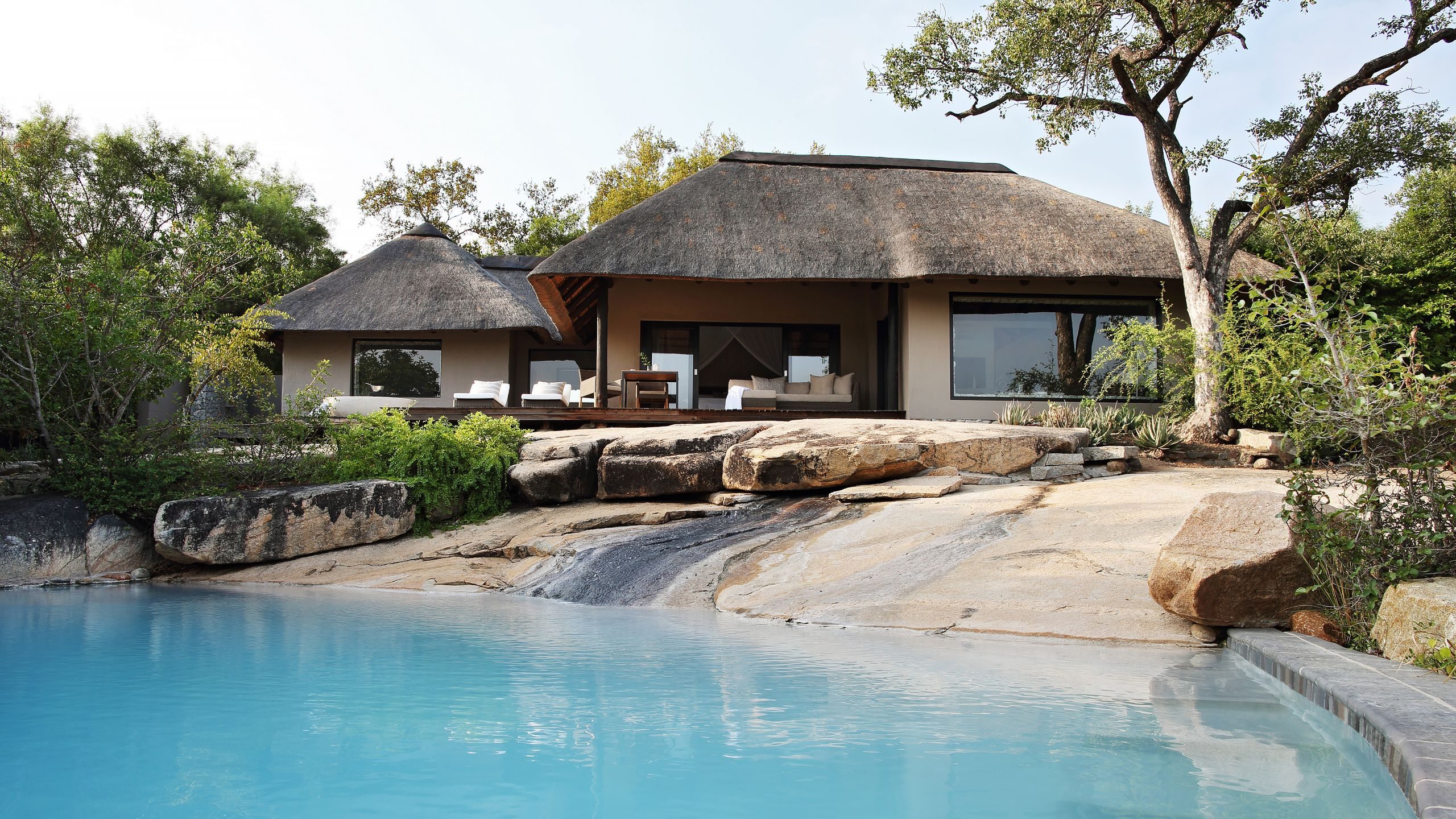
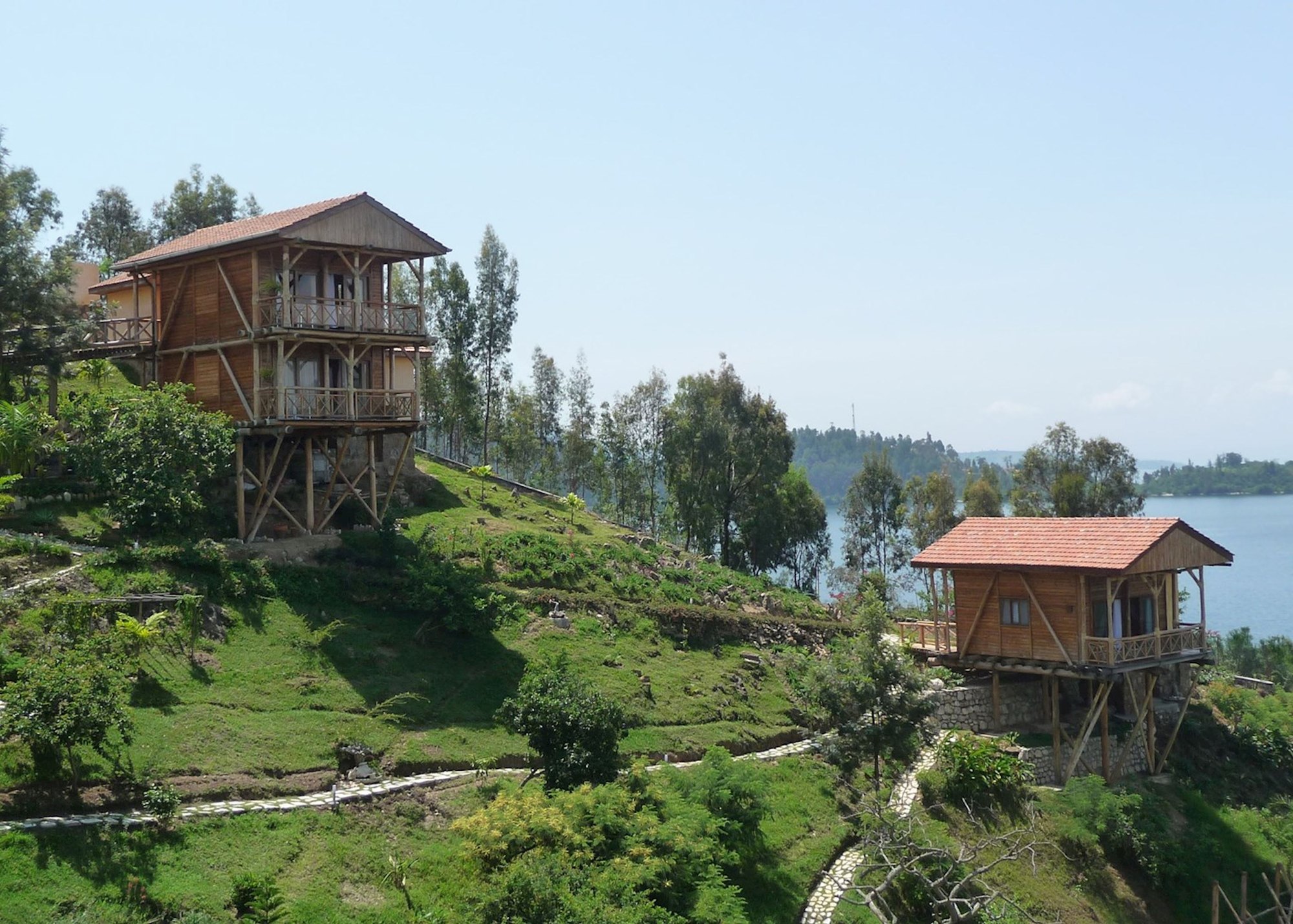
A luxury safari lodge is the difference between watching wildlife and living inside it. Get the lodge right and everything else follows — the sightings, the food, the rest, the feeling of being completely looked after in the middle of the wild. Get it wrong and you spend a fortune on a room with a view and little else. This guide explains how to choose well, written by people who visit these lodges, send guests to them every week, and hear the honest feedback afterwards.
We'll cover what the lodge categories actually mean, what's included in the price, the regions worth your money, the amenities that matter (and the ones that don't), and the booking tips that make the whole thing easy.
Luxury safari lodges in South Africa — the definitive accommodation guide for Big Five reserves.
What 'luxury' really means on safari
Quick Answer
The top luxury safari lodges in South Africa are Singita Ebony & Boulders (Sabi Sands — $2,000+/night, world's best safari lodge), Londolozi Tree Camp & Varty Camp (Sabi Sands — leopard capital, $1,200–$2,000/night), Royal Malewane (Greater Kruger — Big Five + Royal African Discoveries, $1,500+/night), and Jock Safari Lodge (Greater Kruger — intimate, owner-run, $800–$1,200/night).
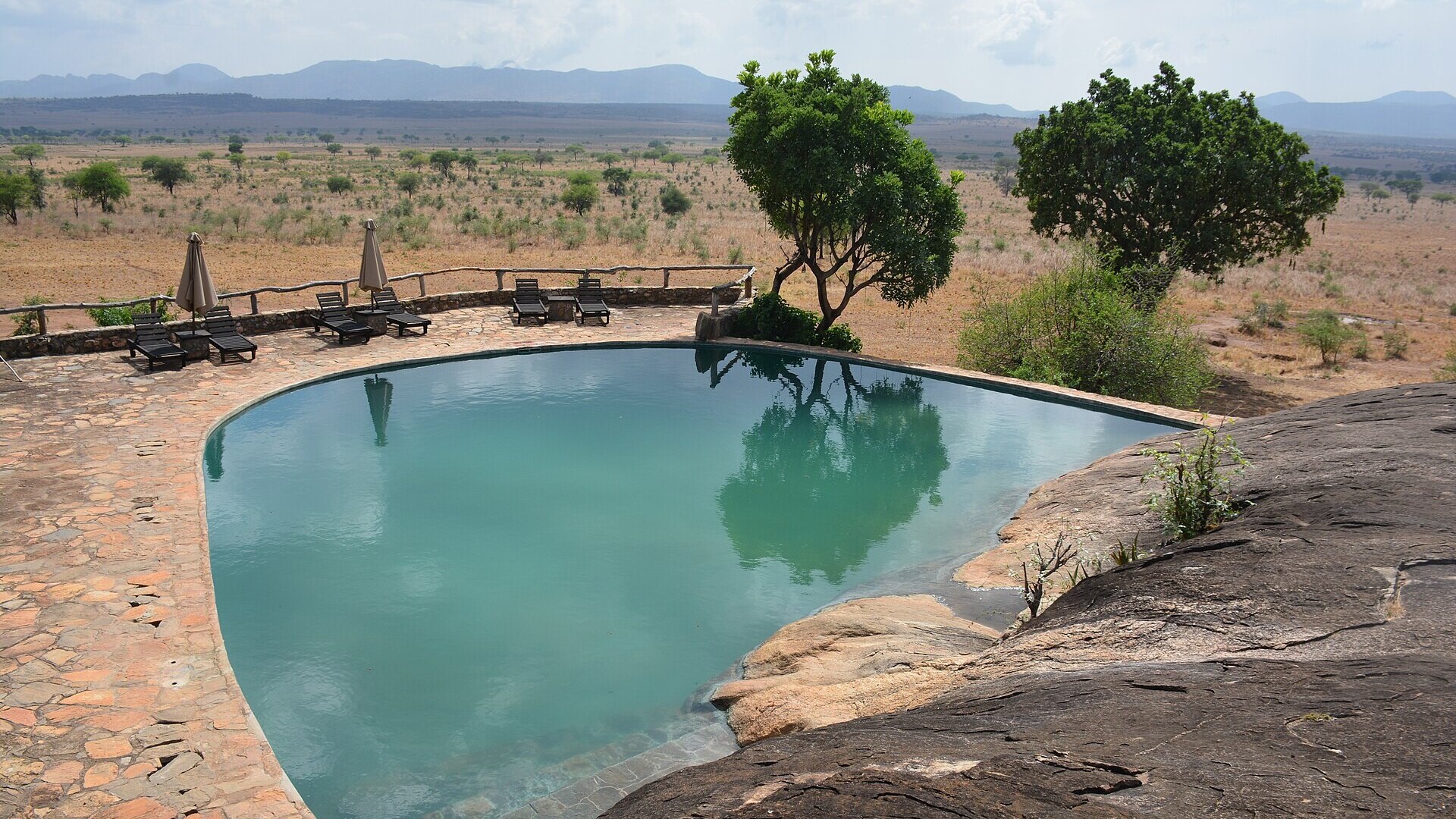
All offer private game drives, expert trackers, Michelin-level dining, spa treatments, infinity pools, and all-inclusive rates. Sabi Sands delivers unmatched leopard sightings. Greater Kruger offers more space and exclusivity. Malaria-free alternatives: Madikwe (Tuningi, Morukuru), Eastern Cape (Kwandwe, Shamwari). Book 9–12 months ahead for June–October peak season.
The word luxury gets thrown around loosely, so let's define it properly. On safari, true luxury isn't only about marble bathrooms and fine wine — though you'll find both. It's about three things working together:
- Exclusivity of land. The best lodges sit on private reserves or concessions where only a handful of vehicles share a huge area. That means no crowds at a sighting, no jostling for position, and the freedom to go off-road to a leopard or a lion kill.
- Quality of guiding. A great ranger and tracker team finds wildlife others miss and reads the bush like a book. This is the single biggest factor in how good your safari feels, and top lodges invest heavily in it.
- Personal service and comfort. Spacious suites, gourmet food, attentive staff who learn your name and your coffee order, and the sense that everything is handled. That's where the plunge pools, spas and cellars come in.
When all three line up, the wildlife experience itself improves — not just the bedroom. That's what you're paying for.
Lodge categories explained
Lodges broadly fall into tiers. Knowing them helps you spend wisely.
Entry luxury (from ~$500–$900 pp per night)
Comfortable, all-inclusive lodges with good guiding, en-suite rooms, a pool and excellent food. You're on a quality reserve with proper game viewing, just without the ultra-exclusive frills. For many guests this tier delivers 90% of the experience at a far gentler price, and we recommend it often.
Premium luxury (~$900–$1,500 pp per night)
Larger suites, often with private plunge pools and outdoor showers, refined cuisine and wine, a spa, and lower guest numbers. Prime locations in the Sabi Sand, Thornybush or top Kruger concessions. This is the sweet spot for honeymooners and special-occasion travellers who want something genuinely memorable.
Ultra-luxury (~$1,500–$3,000+ pp per night)
The icons — vast private suites, butler service, world-class cellars, in-room spa treatments, private vehicles as standard, and design that stops you in your tracks. Names like Royal Malewane, Singita and the top Sabi Sand lodges live here. Extraordinary, and priced to match. Worth it for a milestone trip or those for whom the very best is the point.
Luxury tented camps
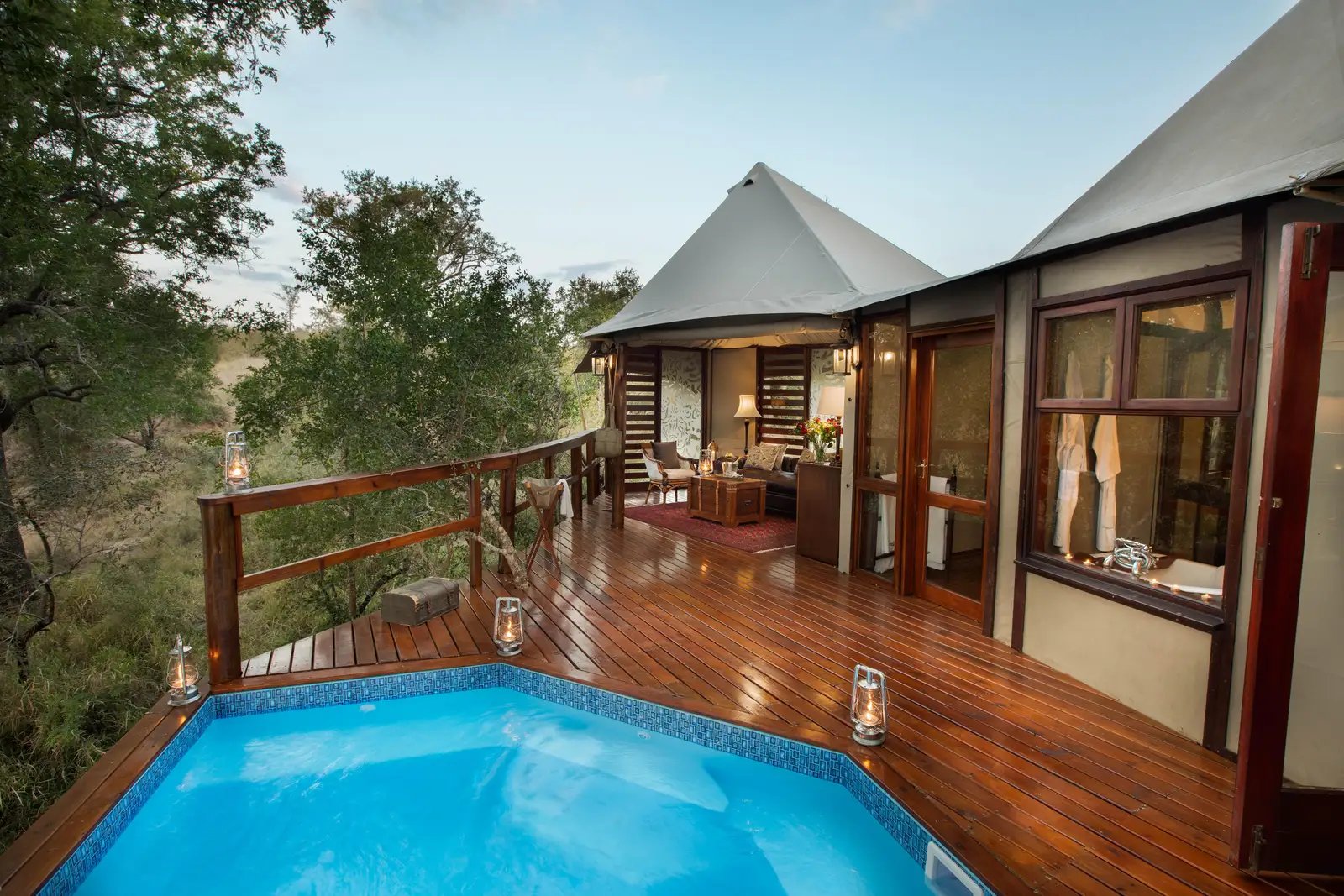
Don't picture camping. Modern luxury tents are canvas-walled suites with proper beds, en-suite bathrooms, decks and sometimes plunge pools. They bring you closer to the sounds of the bush — the nightjars, the distant lions — while keeping every comfort. Romantic, atmospheric and often our personal favourite.
What's included — and what isn't
One of the joys of a luxury lodge is how much is bundled into the rate. Typically included:
- Accommodation in your suite or tent
- All meals — breakfast, lunch, high tea and dinner, often beautifully presented
- Most drinks, frequently including house wines, spirits and soft drinks
- Two daily game drives with an expert ranger and tracker
- Guided bush walks where offered
- Laundry, Wi-Fi and conservation or park fees on many packages
Usually extra: premium and rare wines, spa treatments, curio purchases, a fully private vehicle (sometimes standard at the top tier), scheduled flights between lodges, and gratuities. Always read the inclusions line by line before you commit — the gap between "drinks included" and "selected drinks included" can be meaningful. We confirm all of this for guests up front so there are no surprises on the bill.
The best regions for luxury safari lodges
Where you stay shapes what you see. Here are the regions we trust most.
Sabi Sand Game Reserve
The crown jewel. Sabi Sand shares an unfenced border with Kruger, so wildlife moves freely, and it holds the highest density of leopards anywhere in Africa. The lodge line-up is legendary, the guiding is world-class, and a relaxed leopard at close range is almost a given over a few nights. If leopards and prestige are your priority, this is the place. See our 5-day luxury Sabi Sand safari and the wider Sabi Sand guide.
Greater Kruger private concessions
Private concessions within and bordering Kruger — Timbavati, Manyeleti, Klaserie and others — offer superb Big Five viewing with fewer vehicles than the public park. Excellent value at the entry and premium tiers, with the same free-roaming wildlife.
Thornybush
Adjoining the Greater Kruger, Thornybush is known for reliable Big Five sightings and a strong cluster of luxury lodges, including some of the country's finest. A great choice for first-timers who want a sure thing in beautiful surroundings.
Madikwe (malaria-free)
Near the Botswana border, Madikwe is one of South Africa's largest reserves and entirely malaria-free — ideal for families with young children and travellers who'd rather skip the tablets. It's home to the Big Five plus wild dogs, with a range of excellent family-friendly lodges.
Waterberg and the Eastern Cape
Both malaria-free and scenic, these regions offer quieter, often more affordable luxury lodges. The Eastern Cape pairs naturally with the Garden Route — see our Garden Route guide for how to combine them.
Amenities worth paying for (and the ones that aren't)
Here's where we save you money and improve your trip at the same time.
Worth it:
- A private plunge pool — on hot afternoons between drives, it's pure bliss and genuinely used.
- A low guest-to-vehicle ratio — fewer people means better sightings and a calmer atmosphere. This is the amenity that matters most.
- A strong guiding team — invisible on a brochure, decisive in the field. Ask about it, or let us tell you.
- A private viewing deck — quiet wildlife-watching from your own space, coffee in hand.
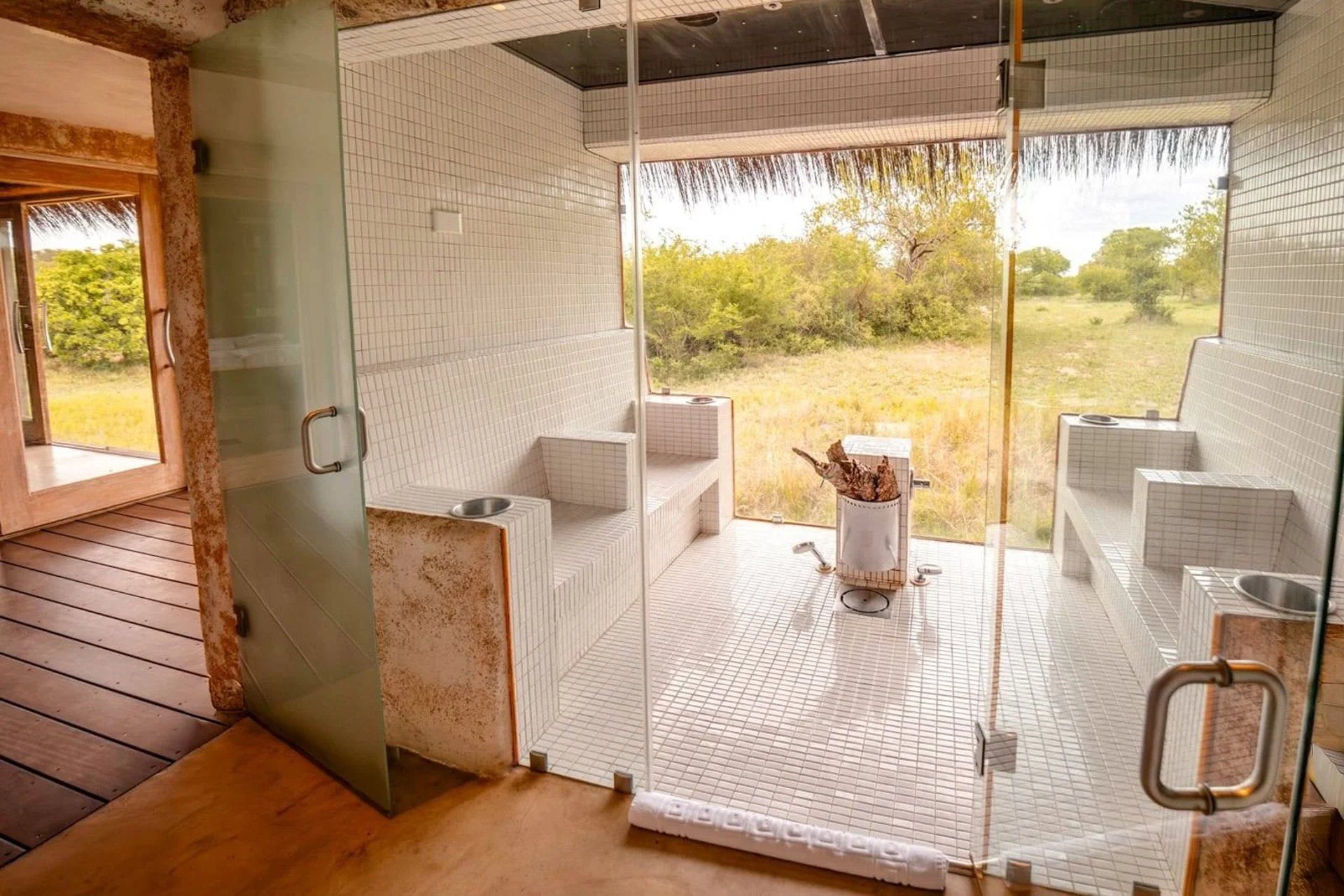
- An on-site spa — if you value downtime, a massage after a dawn drive is a real treat.
Often overrated: ultra-high room counts dressed up as "resort facilities," gimmicky add-ons, and paying a premium purely for a famous name when a quieter lodge nearby offers the same wildlife and warmer service. Beautiful design is lovely, but it should never come at the expense of location and guiding.
Matching the lodge to the traveller
The "best" lodge depends entirely on who you are. A few quick steers:
- Honeymooners — premium or ultra-luxury, private plunge pool, a tented camp for romance, dinners under the stars. Our honeymoon safaris are built for this.
- Families — malaria-free Madikwe or the Eastern Cape, interconnecting suites, a children's programme and flexible timings. Check the lodge's minimum age.
- First-timers — Thornybush or a Greater Kruger concession for reliable Big Five and easy logistics; three to four nights at one lodge.
- Photographers and enthusiasts — the Sabi Sand for leopards and a private vehicle so you can position for the shot and stay as long as you like.
- Older travellers — single-level or lift-access suites, gentle pacing, malaria-free reserves. See our guide for senior travellers.
One lodge or several?
For a first safari, three or four nights at one outstanding lodge is the sweet spot — enough to settle in, build a rapport with your guide, and let the bush reveal itself. For longer or repeat trips, combining two lodges in contrasting settings makes a wonderful journey: leopard country in the Sabi Sand, then the coast or the Cape for a different rhythm. Fly-in transfers connect lodges quickly and add a touch of adventure — our fly-in safari guide explains how it works.
A day in the life at a luxury lodge
If you've never stayed at one, here's how the rhythm flows — and why guests fall so hard for it. You wake before dawn to a gentle knock and coffee on your deck. The morning game drive heads out as the light turns gold, the air still cool, the bush at its most active; you might spend an hour with a pride of lions or follow a leopard on the move. Back at the lodge by mid-morning, a lavish breakfast waits. The middle of the day is yours — a swim in your plunge pool, a spa treatment, a book on the deck, or simply a nap as the heat builds. High tea in the late afternoon leads into the second drive, ending with sundowners somewhere beautiful as the sky catches fire. Dinner is often a feast under the stars or around a fire, sharing the day's sightings with fellow guests and your guide. Then the deep, satisfied sleep that only the bush gives you. Repeat for a few days and you understand why people come back for life.
Conservation — why your stay matters
The best luxury lodges are also serious conservation operations. Your nightly rate helps fund anti-poaching patrols, habitat protection, and community projects that give local people a real stake in keeping wildlife alive. Private reserves like the Sabi Sand exist because tourism makes protecting land more valuable than farming or hunting it. When you choose a responsible lodge, your holiday directly supports rhinos guarded around the clock, wild dogs given room to roam, and schools and clinics in neighbouring villages. It's worth asking a lodge about its conservation and community work — the genuine ones are proud to tell you, and it adds real meaning to the experience.
Booking tips that actually matter
Book early for peak season. The best suites at the top lodges sell out six to twelve months ahead for June–October and the festive period. If your dates are fixed, secure the lodge first and build the rest around it.
Consider the green season. November to March brings lush scenery, newborn animals, superb birding and noticeably lower rates. Yes, there's some rain, but the value and the beauty are excellent.
Use a specialist. Lodge websites all look stunning; the differences live in the detail — guiding quality, traversing rights, vehicle numbers, the feel of the place. A good specialist knows which lodge suits you and often secures the same rates or better, plus added value.
Confirm the inclusions. Drinks, private vehicle, flights, park fees — pin them down so your budget is real.
Pad your stay. Build in an extra night rather than rushing. Safari rewards those who slow down.
For a fuller cost picture, read our safari cost and budget guide, and for inspiration on standout properties, our roundup of the top luxury safari lodges in Africa.
Final word
A luxury safari lodge is the heart of a great safari — it's where you rest, eat, dream and set out each day into the wild. Spend your money where it counts: prime land, brilliant guiding, low guest numbers and the comforts you'll genuinely use. Match the lodge to who you are and how you travel, and the rest takes care of itself.
If you'd like help choosing, that's exactly what we do. Browse our luxury safari packages, tell us about your trip, or speak to a specialist who has stayed at these lodges and will steer you straight. No pressure, no jargon — just honest advice and a safari you'll never forget.