Key Takeaways
- Masoala Forest Lodge is Madagascar's first rainforest-to-reef eco-lodge — established in 2002 and rebuilt in 2010, set within the boundaries of Masoala National Park on a remote peninsula accessible only by motorboat from Maroantsetra (1.5-hour crossing).
- There are seven elevated treehouses, each built from sustainable palm thatch and hardwood with private terraces, en-suite bathrooms with hot water and views of both the rainforest canopy and the Indian Ocean; the lodge is fully solar-powered with a maximum capacity of 14 guests.
- Rates in 2026 run from approximately US$420 per person per night, all-inclusive of accommodation, all meals, drinks and all guided activities such as rainforest walks, night walks, sea kayaking, snorkeling and cultural visits.
- The wildlife is exceptional: red ruffed lemurs, white-fronted lemurs, helmet vangas, Madagascar serpent-eagles, leaf-tailed geckos and a wealth of endemic species in one of Madagascar's last pristine rainforest ecosystems — plus snorkeling in the Tampolo Marine Reserve and humpback whale watching in Antongil Bay (Jul-Sep).
- Every stay includes guided rainforest exploration, sea kayaking through mangroves, snorkeling coral reefs, and cultural visits to Ambodiforaha village — all within a genuine conservation partnership with Madagascar National Parks.
Why Masoala Forest Lodge Is Madagascar's Ultimate Wilderness Escape
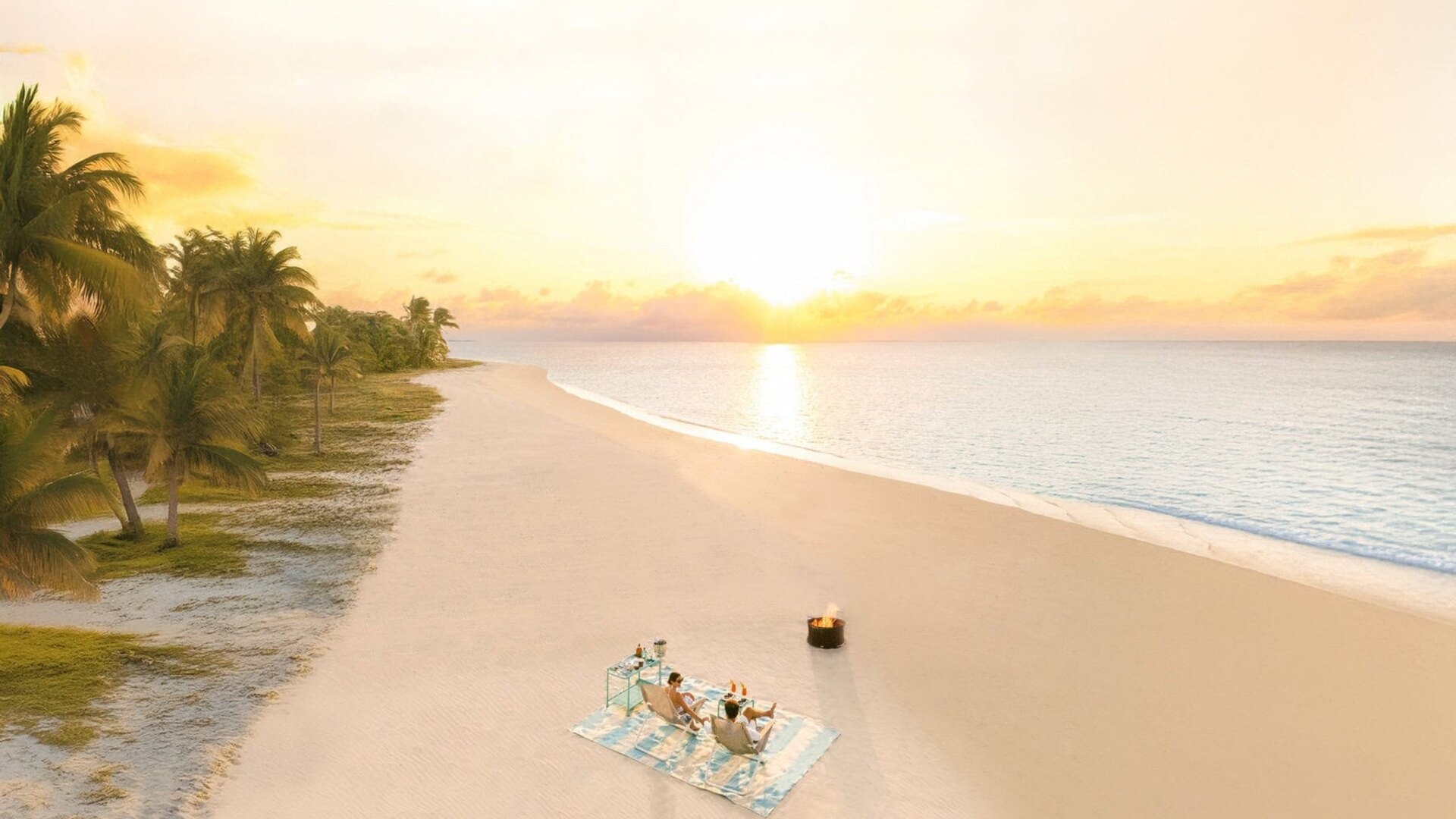
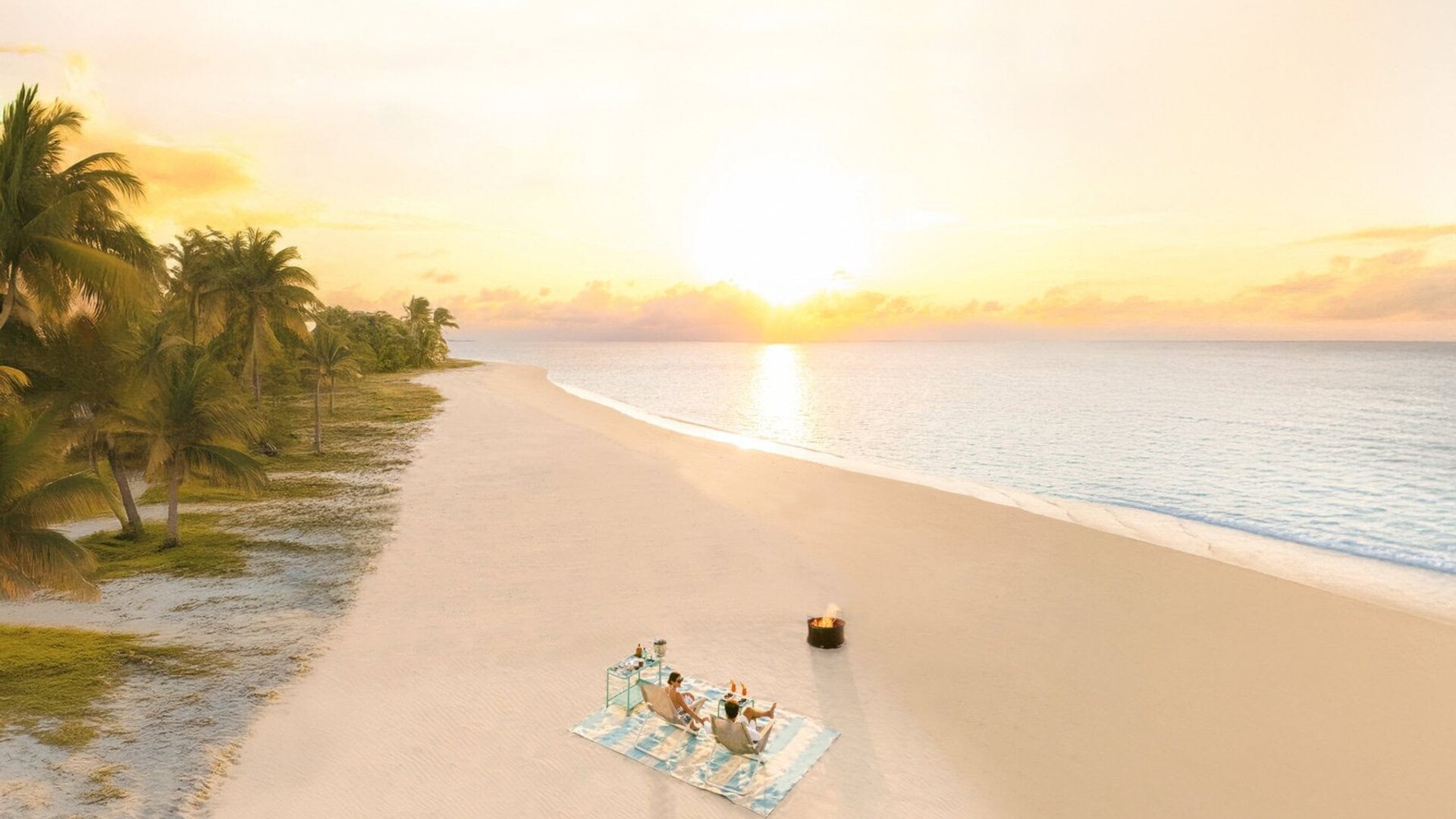
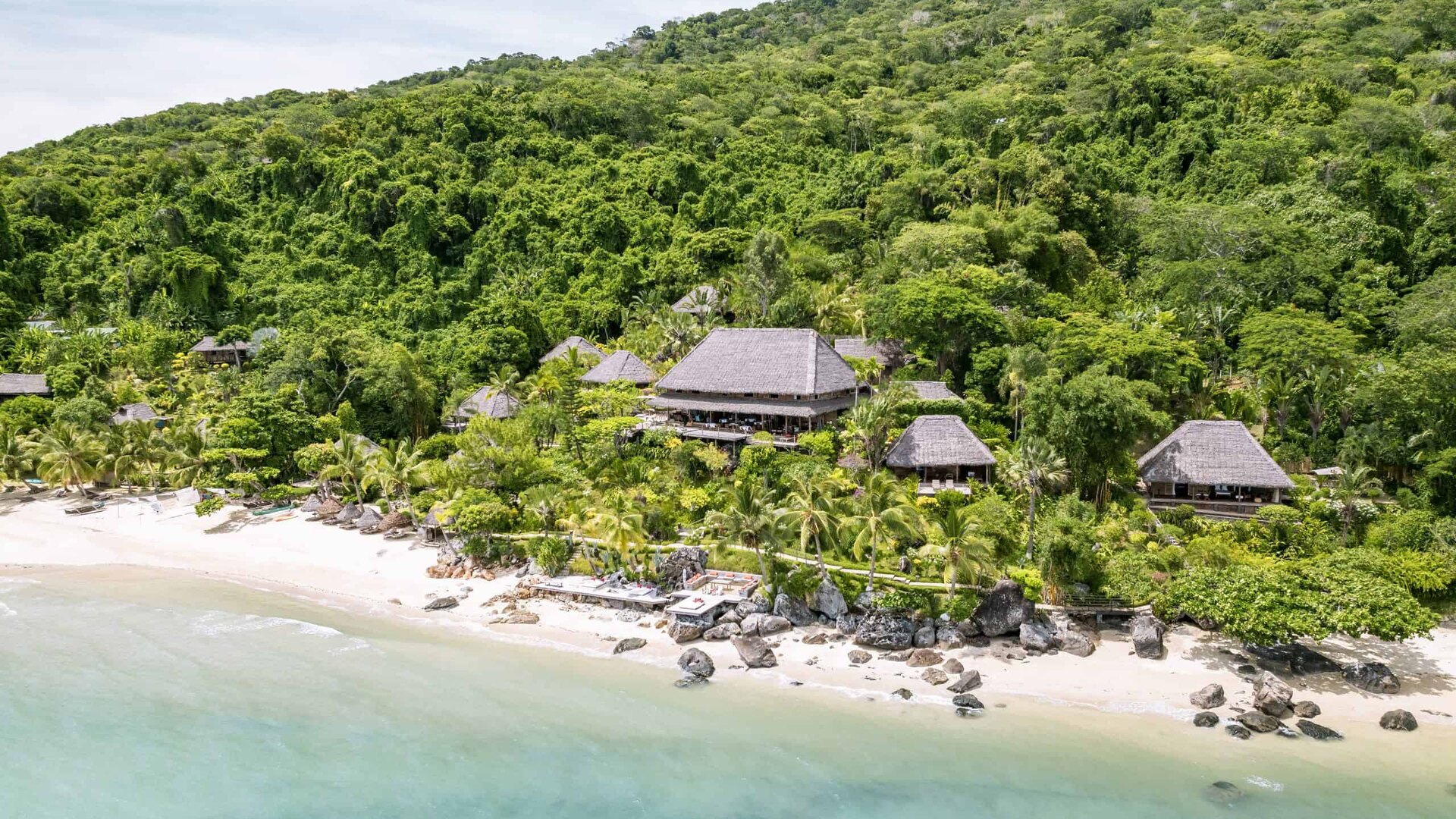
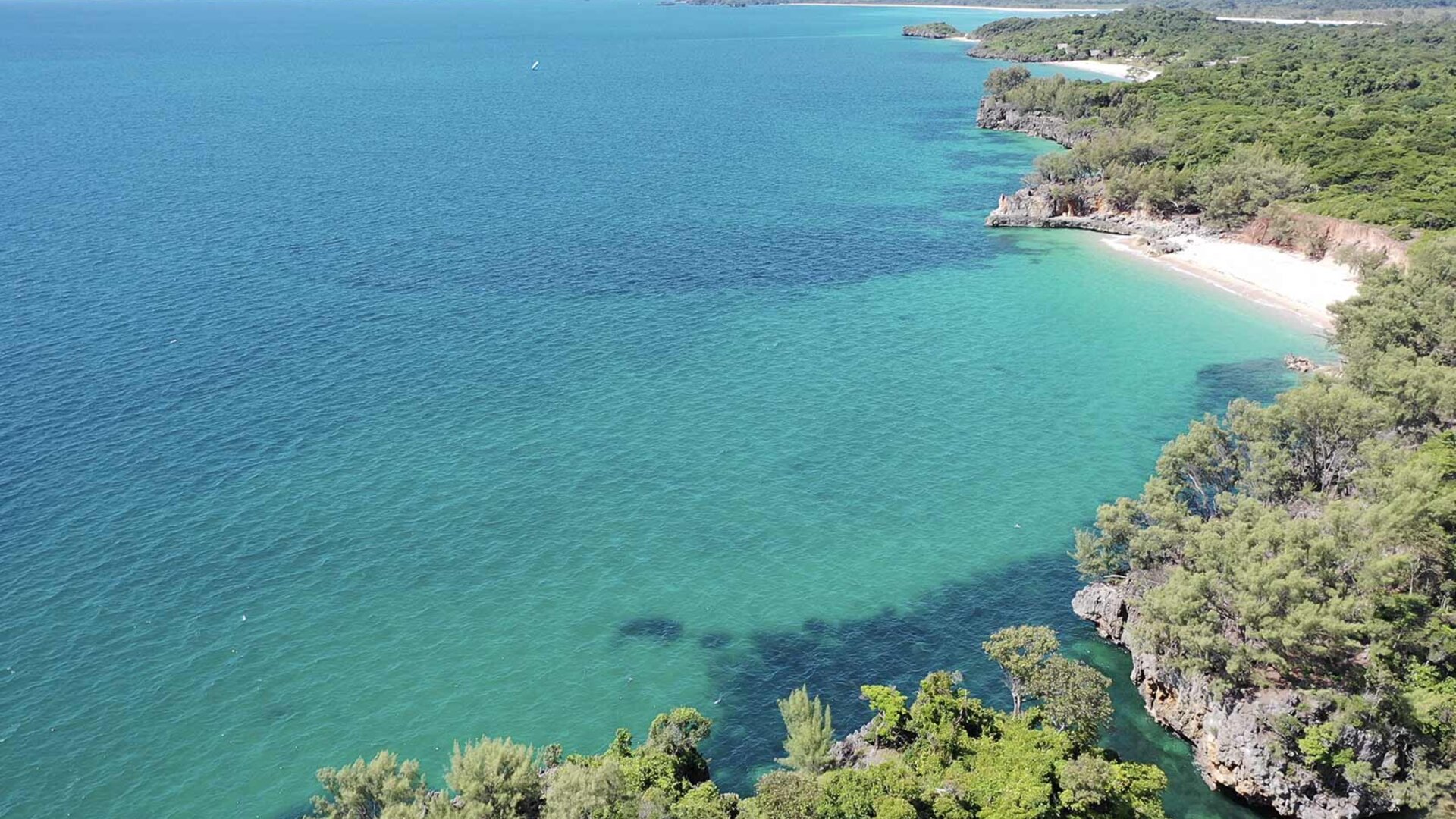
Masoala Forest Lodge is the kind of place that redefines isolation. It stands on the edge of the Masoala Peninsula in northeast Madagascar, within the boundaries of Masoala National Park — a 2,300-square-kilometre expanse of lowland rainforest that remains one of the most pristine and biodiverse ecosystems on Earth. There is no road access; guests arrive by motorboat from the coastal town of Maroantsetra, crossing Antongil Bay for 1.5 hours before landing on a white-sand beach where the rainforest meets the reef. Stepping off the boat feels less like arriving at a hotel and more like stepping into a lost world — the calls of red ruffed lemurs echo from the canopy, waves lap at the shore, and the only other structure visible is the occasional thatched roof of a village hut across the bay.
What makes Masoala singular is that it was Madagascar's first eco-lodge to combine rainforest and marine ecosystems in a single wilderness experience. Established in 2002 and rebuilt in 2010 after Cyclone Hubert, the lodge operates under a partnership with Madagascar National Parks and is the only accommodation inside Masoala National Park itself. This is not a beach resort with a forest walk tacked on; it is a serious conservation estate where you can track red ruffed lemurs through the canopy before breakfast, snorkel coral reefs in the Tampolo Marine Reserve after lunch, and sea kayak through mangrove channels at dusk — all without seeing another soul beyond your fellow guests and the lodge's Malagasy guides.
The lodge is built entirely from sustainable materials — palm thatch, local hardwoods, bamboo — with seven elevated treehouses that rest on stilts in the forest canopy, allowing wildlife to pass freely beneath. It is solar-powered, operates a strict low-impact philosophy, and employs local guides from nearby Ambodiforaha village. Few lodges anywhere let you live quite so intimately inside two ecosystems — rainforest and reef — and fewer still do it with this level of comfort, this depth of conservation partnership, or this sense of being utterly, magnificently alone.
## 1. The Seven Treehouses in the Canopy
Masoala Forest Lodge's seven treehouses are the definition of eco-luxury. Each is an elevated structure built on stilts, with walls of woven palm fronds, a palm-thatched roof and a design that lets the forest breathe through every corner. The treehouses are spaced far apart along the forest edge, ensuring complete privacy, and each faces both the Indian Ocean and the rainforest canopy — a rare architectural feat that gives you sunrise over the sea and the calls of lemurs from the forest at the same time.
Inside, you'll find a comfortable double bed draped in mosquito netting, high-quality linens, bedside lamps powered by solar electricity, and a small seating area with views through screened windows. The aesthetic is natural, understated and deeply romantic — no polished marble or modern minimalism, but rather a genuine sense of living in a treehouse with every comfort waiting. Housekeeping is excellent despite the remote location; beds are made daily, towels are refreshed, and the lodge's staff move quietly and attentively through the camp.
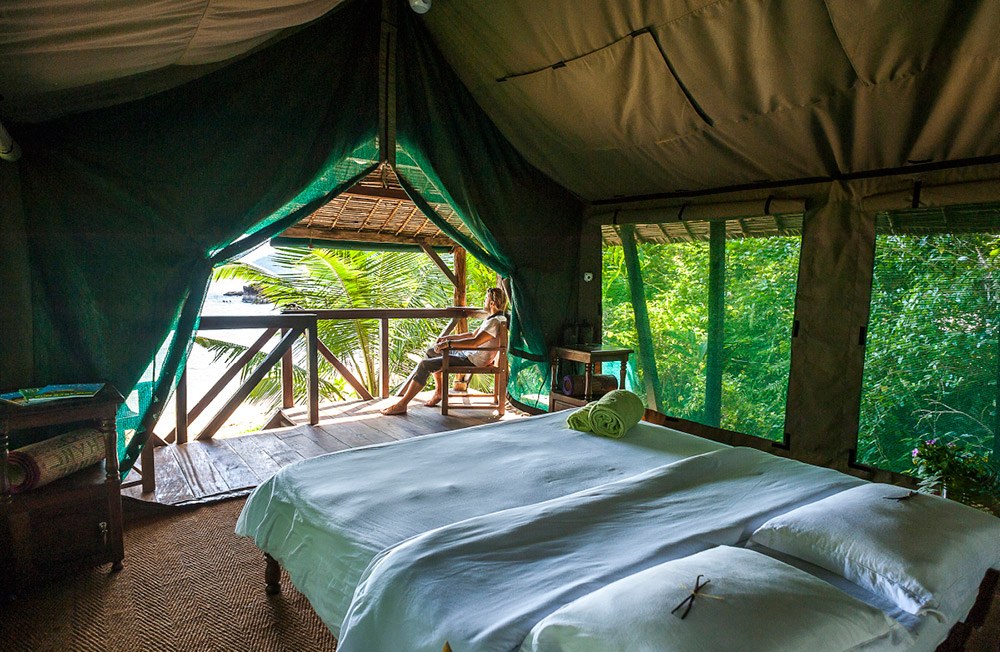
Each treehouse connects to a private, walled structure housing a full en-suite bathroom — a walk-in shower with hot water (heated by solar panels), basin and eco-friendly toiletries. While the lodge is remote and operates off-grid, the bathrooms are spotless, the water pressure is excellent, and the hot showers at the end of a long day of forest walking are genuinely luxurious. There is no guest Wi-Fi (mobile coverage is non-existent on the peninsula), which is part of the appeal — this is a place to disconnect entirely.
The front of each treehouse opens onto a large private terrace with seating, hammocks and uninterrupted views of the ocean and forest. This is where you'll spend your downtime — watching red ruffed lemurs leap through the branches overhead, listening to the forest wake at first light, or simply sitting with a book as the sun sets over Antongil Bay. The design is intentionally open to the elements (there are screens but no glass), and the forest sounds — lemur calls, birdsong, the rustle of wind through palm fronds — are a constant, glorious soundtrack.
For families or groups, the lodge can configure certain treehouses with additional beds or interconnecting layouts, though most guests are couples or solo travellers drawn to the intimacy and wilderness isolation. The overall capacity is just 14 guests maximum, which means that even when the lodge is full, it never feels crowded. The aesthetic is natural, barefoot and deeply romantic — a genuine sense of living in a treehouse in one of Earth's last great wildernesses.
## 2. Rainforest Wildlife & Marine Life
The wildlife at Masoala Forest Lodge is world-class. The lodge sits within Masoala National Park, which protects one of the largest continuous tracts of lowland rainforest left in Madagascar — a biodiversity hotspot where more than half the species are found nowhere else on Earth. The star of the show is the red ruffed lemur (Varecia rubra), a large, spectacularly colored lemur with a rust-red coat, black face and loud, haunting calls that echo through the canopy at dawn. Red ruffed lemurs are endemic to the Masoala Peninsula and critically endangered; seeing them here, in their natural habitat, leaping through the rainforest canopy with their young clinging to their backs, is one of the great wildlife experiences of Madagascar.
But the lemurs are just the beginning. Guided forest walks reveal white-fronted brown lemurs foraging on the forest floor, aye-ayes on night walks (the world's largest nocturnal primate, with its spindly fingers and enormous eyes), and a wealth of endemic birds including the helmet vanga, Madagascar serpent-eagle and the tiny Madagascar pygmy kingfisher. Reptiles and amphibians are exceptional: leaf-tailed geckos that look like bark, chameleons of every size and color, and the bizarre tomato frog, endemic to this corner of Madagascar. Invertebrates include stick insects the length of your forearm and a dizzying array of butterflies.
The marine ecosystem is equally spectacular. The lodge sits on the edge of the Tampolo Marine Reserve, where coral reefs teem with tropical fish, sea turtles glide through the shallows, and the waters of Antongil Bay are a seasonal home to humpback whales (July to September). Snorkeling directly from the lodge's beach reveals hard and soft corals, parrotfish, angelfish and occasional reef sharks, while guided boat trips venture deeper into the bay for whale watching — humpbacks migrate here from Antarctica to breed and calve, and breaching displays are common during peak season.
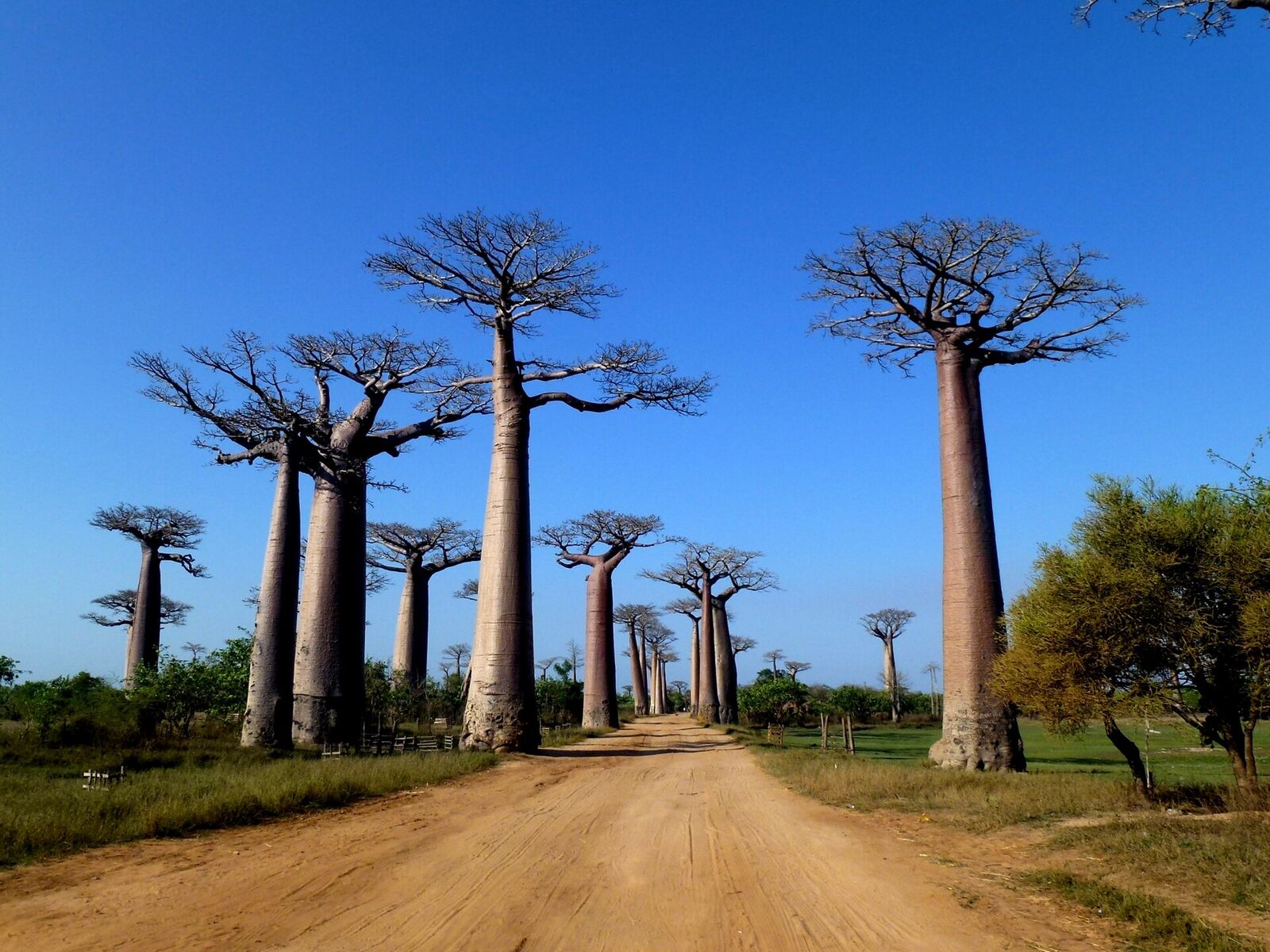
Madagascar's rainforest and reef ecosystems — combine Masoala with the baobabs of Morondava or the spiny forests of the south for a complete picture of the island's natural wonders.
The lodge operates guided sea kayaking trips through mangrove channels and along the coast, snorkeling excursions to the best reef sites, and cultural visits to the nearby village of Ambodiforaha, where guests can meet local families, learn about vanilla cultivation and traditional fishing methods, and visit the village school supported by the lodge's conservation fund. Guides are drawn from the local community, trained in wildlife identification and conservation, and their knowledge of the forest and reef ecosystems is deep and genuine.
Game drives are not part of the Masoala experience (the terrain is rainforest, not savanna, and wildlife viewing is done on foot or by boat), but the variety of activities — forest walks by day and night, sea kayaking, snorkeling, whale watching, cultural visits — ensures that every day feels full, adventurous and deeply connected to the natural world.
## 3. Wilderness Activities & Conservation
What sets Masoala Forest Lodge apart from nearly every other lodge in Madagascar is the breadth and depth of its wilderness activities — and the fact that all of them happen within a genuine conservation partnership with Madagascar National Parks. This is not a lodge with a token conservation project; it is the only accommodation inside Masoala National Park itself, and its operations are governed by a strict partnership agreement that ensures tourism benefits both wildlife and local communities.
A typical stay includes guided rainforest walks by day, where you'll track red ruffed lemurs through the canopy, search for helmet vangas and serpent-eagles, and learn about the medicinal plants, towering strangler figs and the complex ecology of one of Earth's most biodiverse ecosystems. Night walks reveal a completely different forest: aye-ayes foraging with their skeletal fingers, mouse lemurs leaping through the understory, chameleons asleep on branches, and the eerie glow of bioluminescent fungi on fallen logs. These walks are not token hour-long strolls; they are serious expeditions led by expert local guides who know every trail, every lemur troop and every calling site.
Sea kayaking is a highlight — you'll paddle through mangrove channels where kingfishers dive for fish, explore hidden coves inaccessible by foot, and glide across the glassy waters of Antongil Bay with the rainforest rising on one side and the open ocean on the other. Snorkeling trips to the Tampolo Marine Reserve reveal coral gardens teeming with tropical fish, sea turtles and occasional reef sharks, while whale watching expeditions (July to September) venture into Antongil Bay to see humpback whales breaching, tail-slapping and nursing their calves — one of the great marine spectacles of the Indian Ocean.
Cultural visits to Ambodiforaha village are a genuine window into Malagasy coastal life. You'll meet local families, learn about vanilla cultivation (Madagascar is the world's top vanilla producer), see traditional fishing canoes being carved from single tree trunks, and visit the village school and clinic supported by the lodge's conservation fund. These are not staged performances; they are genuine encounters with a community that has lived on this coast for generations and now benefits directly from conservation tourism.
The lodge operates entirely on solar power, sources most of its food from the village and nearby farms, and employs local guides, cooks and housekeeping staff. It operates a conservation fund that supports reforestation, marine protection patrols, and community development projects including schools, clean water and healthcare. The partnership with Madagascar National Parks ensures that a portion of every guest's stay fee goes directly into protecting Masoala's rainforest and marine ecosystems for future generations. It is conservation done right — transparent, locally driven, and deeply integrated into every part of the guest experience.
Masoala Rates at a Glance
| Accommodation | Style | Best for | Approximate Rate (2026) |
|---|---|---|---|
| Treehouse | Elevated palm-thatch structure, private terrace, en-suite, canopy & ocean views | Couples, wildlife & marine travellers, honeymooners | from ~US$420 pp/night (all-inclusive) |
| Boat Transfer | Motorboat from Maroantsetra across Antongil Bay (1.5 hours each way) | All guests (only access method) | typically included in rates |
Rates above are indicative 2026 published rates, quoted per person per night and inclusive of accommodation, all meals, drinks and all guided activities such as rainforest walks, night walks, sea kayaking, snorkeling and cultural visits. Boat transfers from Maroantsetra are typically included. We confirm live pricing and availability when we quote your tailor-made itinerary.
The Masoala Peninsula & Antongil Bay
Masoala Forest Lodge sits within Masoala National Park on the remote Masoala Peninsula in northeast Madagascar. The park protects 2,300 square kilometres of lowland rainforest — one of the largest continuous tracts left in Madagascar — plus a marine zone covering 100 square kilometres of coral reef, mangroves and coastal waters. Antongil Bay, the body of water separating the peninsula from the mainland, is one of the largest bays in the Indian Ocean and a seasonal home to humpback whales, making it one of the best whale-watching destinations in the Southern Hemisphere.
The rainforest here is true lowland tropical forest — towering hardwoods, strangler figs, palms and a dense understory of ferns and vines. It erupts into green during the wet season (November to April), when the forest is alive with flowering plants, butterflies and nesting birds. The dry season (May to October) is drier and slightly cooler, with the best wildlife viewing and the calmest seas for snorkeling and whale watching.
Because Masoala is accessible only by boat — a 1.5-hour motorboat ride from the coastal town of Maroantsetra — it remains one of Madagascar's least-visited wilderness areas. A stay here feels less like a hotel holiday and more like a genuine expedition into one of Earth's last great rainforests, with the Indian Ocean as your constant companion.
Getting There & Combining Masoala with the Rest of Madagascar
Reaching Masoala Forest Lodge requires a domestic flight from Antananarivo (the capital) to Maroantsetra (approximately 1.5 hours), followed by a 1.5-hour motorboat crossing of Antongil Bay to the lodge. The boat transfer is typically included in the lodge rate and is usually arranged as a shared transfer for arriving and departing guests. Maroantsetra is a small coastal town with a basic airstrip served by Madagascar's domestic carriers (Air Madagascar, Tsaradia); flights are not daily, so itineraries must be planned around the flight schedule.
The journey to Masoala is part of the adventure — the motorboat crosses open ocean, threads through mangrove channels, and lands on a white-sand beach where the rainforest meets the reef. Luggage capacity is limited (soft bags only, maximum 15kg per person), so pack light.
For a complete Madagascar itinerary, Masoala combines beautifully with the island's other ecosystems. Pair it with the spiny forests of the south (Mandrare River Camp), the baobabs of Morondava (Avenue of the Baobabs), or the private islands of the north (Miavana, Anjajavy, Tsarabanjina) for a journey that spans rainforest, reef, desert and beach. Most guests spend 3 to 5 nights at Masoala, which allows time for multiple rainforest walks, snorkeling trips, sea kayaking and a whale-watching expedition (if visiting Jul-Sep).
Masoala or Anjajavy? Choosing the Right Wilderness Lodge
Both Masoala Forest Lodge and Anjajavy le Lodge are remote wilderness lodges in Madagascar, but they serve very different experiences. Masoala is a rainforest-to-reef experience — elevated treehouses in lowland rainforest, red ruffed lemurs, sea kayaking and whale watching. It is solar-powered, barefoot eco-luxury with a maximum of 14 guests and a deep focus on conservation and marine activities. Access is by motorboat only, and the aesthetic is natural, open and intimately connected to both forest and ocean.
Anjajavy, by contrast, is a private peninsula reserve on the northwest coast with Relais & Châteaux luxury — 24 rosewood villas with private terraces, a swimming pool, gourmet dining and Coquerel's sifaka lemurs on the beach. It is more polished, more spacious (up to 48 guests) and offers a broader range of leisure amenities including a spa and wellness center. Access is by light aircraft to a private airstrip.
Choose Masoala if you want genuine wilderness isolation, rainforest and marine ecosystems combined, and a barefoot eco-lodge experience with a deep conservation ethos. Choose Anjajavy if you prefer Relais & Châteaux luxury, a private beach with spa facilities, and the convenience of air access. Both are exceptional; the choice depends on whether you prioritize raw wilderness (Masoala) or refined luxury (Anjajavy).
Our Honest Assessment
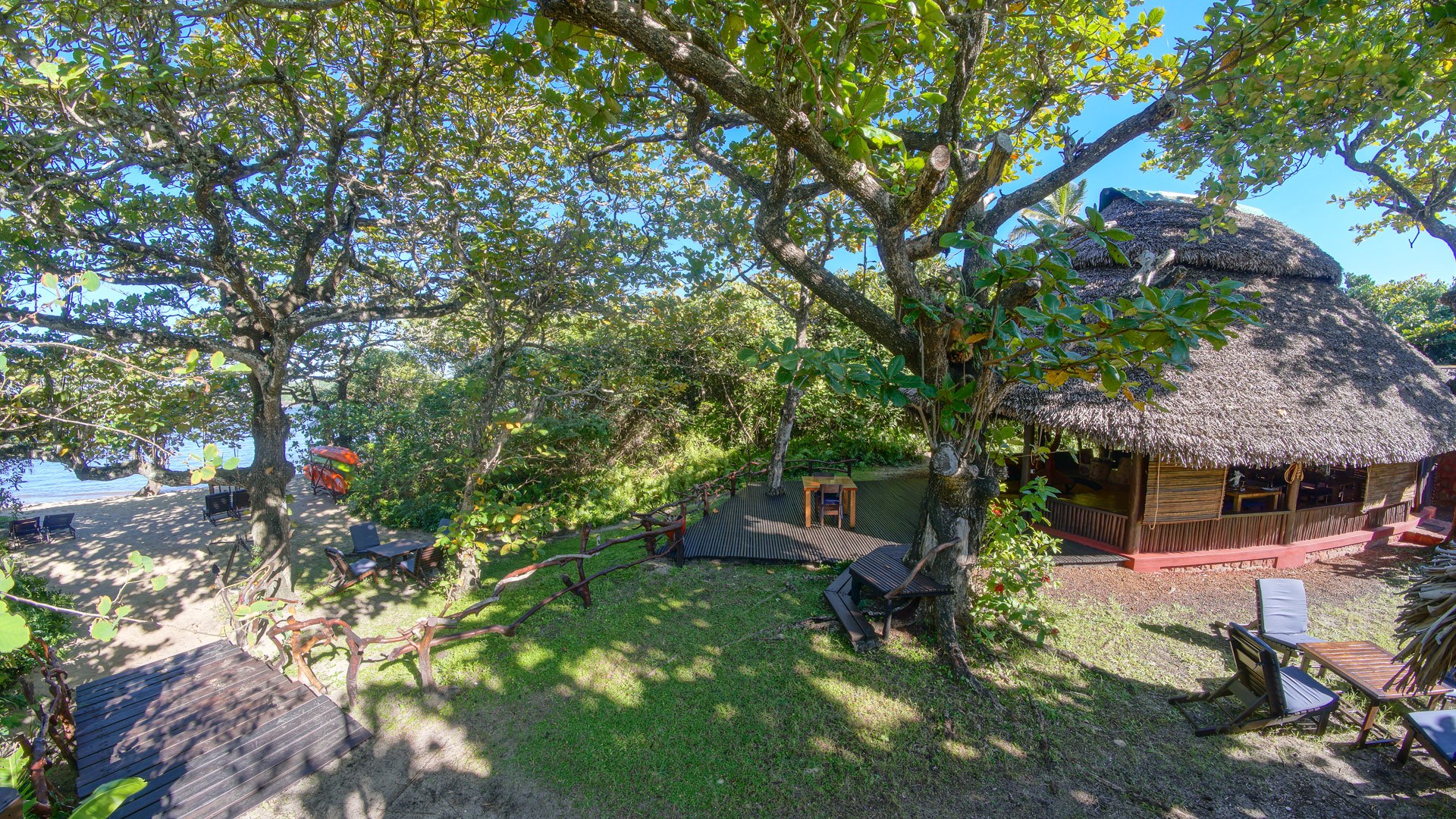
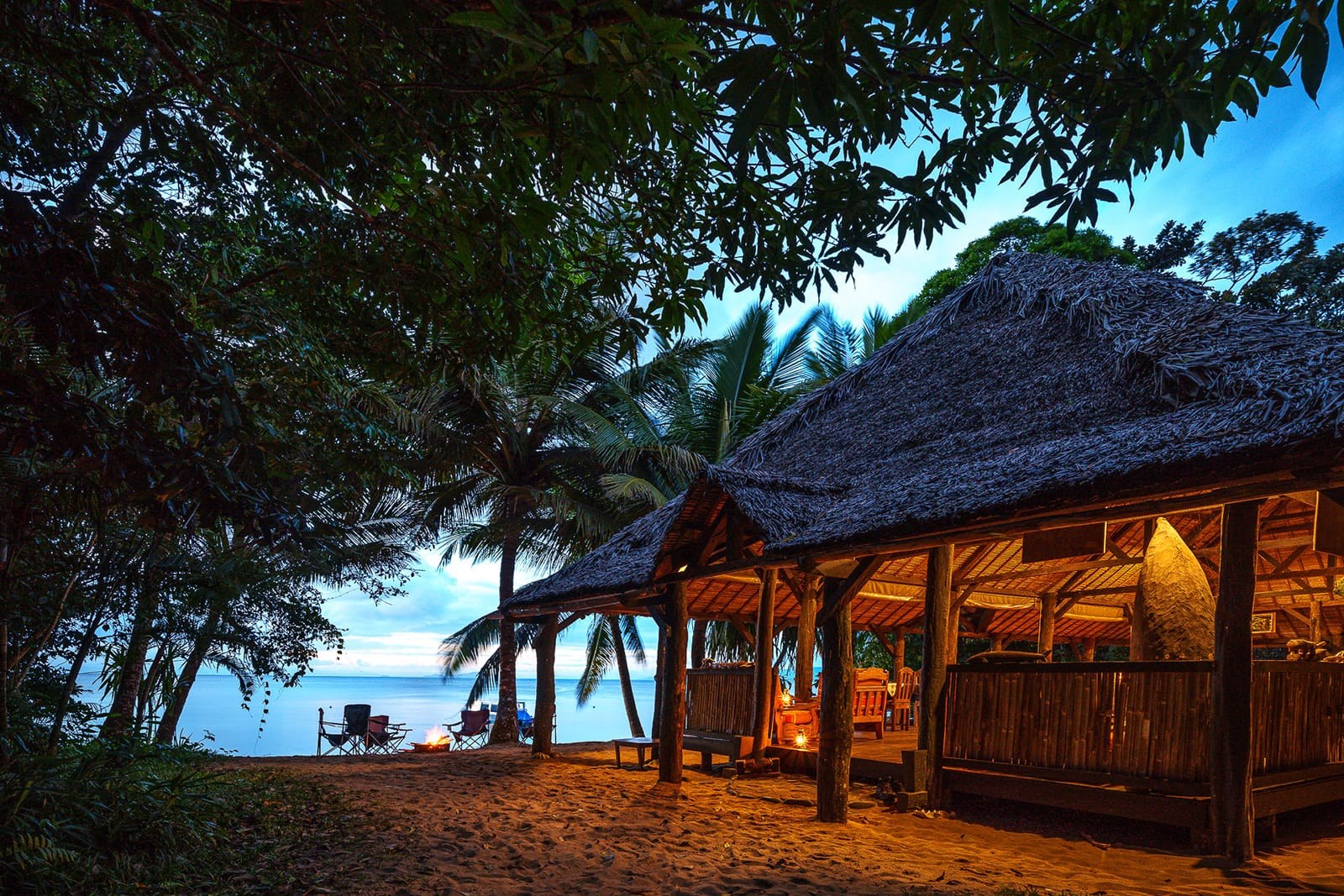
Masoala Forest Lodge is one of the most authentic wilderness experiences left in Madagascar. It is not a polished resort; it is a genuine rainforest eco-lodge where you live in an elevated treehouse, eat communal meals in a thatched beach house, and spend your days tracking red ruffed lemurs through the canopy and snorkeling coral reefs a stone's throw from your front door. The isolation is real — no roads, no mobile coverage, no other guests beyond the 14 at the lodge — and that is precisely the point. If you come to Madagascar seeking wilderness, wildlife and a deep connection to both forest and ocean, Masoala delivers in a way few other lodges can match.
The lodge is not for everyone. Treehouses are open to the elements (screened but not sealed), which means you'll hear every raindrop, every lemur call and every rustle of the forest at night. There is no Wi-Fi, no spa, no swimming pool. Meals are communal (though private dining can be arranged), and the menu, while excellent, is limited by what can be sourced locally and transported by boat. But if you accept the lodge on its own terms — as a genuine wilderness retreat in one of Earth's last great rainforests — it is utterly magnificent. The red ruffed lemurs alone are worth the journey, and the combination of rainforest, reef and whale-filled bay is something few places on Earth can offer.
We place couples, honeymooners and wildlife travellers at Masoala with complete confidence. It is not a beach resort, not a luxury spa retreat, and certainly not a party destination. It is a place for those who want to disconnect, to live inside two of the world's most biodiverse ecosystems, and to support conservation tourism that genuinely makes a difference. If that sounds like you, Masoala Forest Lodge will be one of the great wilderness experiences of your life.
Planning a tailor-made journey to Masoala or across Madagascar? We're a Cape Town-based private safari house with 18 years of experience curating journeys to Madagascar's wilderness lodges — from the rainforests of Masoala to the baobabs of Morondava and the private islands of the north. Get in touch and we'll design your ideal Madagascar itinerary with honest advice, live pricing and zero sales pressure.