Key Takeaways
- Mandrare River Camp is Madagascar's first luxury all-inclusive tented camp — established in 2007 in the remote Ifotaka Community Forest of the deep south, reached by charter flight or a scenic drive from Fort Dauphin.
- There are seven exclusive safari-style tents, each with four-poster beds draped in mosquito netting, Victorian en-suite bathrooms and private terraces overlooking the Manampanihy River; the camp is fully solar-powered.
- Rates in 2026 run from approximately US$885 per tent per night, all-inclusive of meals, drinks and all guided activities such as forest walks, night walks, village visits and cultural experiences.
- The wildlife is exceptional: ring-tailed lemurs, Verreaux's sifaka ('dancing lemurs'), nocturnal mouse lemurs, and a wealth of endemic birds and reptiles in the unique spiny forest ecosystem — a landscape of octopus trees, baobabs and rust-red earth.
- Every stay includes a deep cultural immersion into Antandroy life — sacred ancestral forests, fireside music and dance, village visits and a genuine conservation partnership with local communities.
Why Mandrare River Camp Is Madagascar's Most Soulful Wilderness Lodge
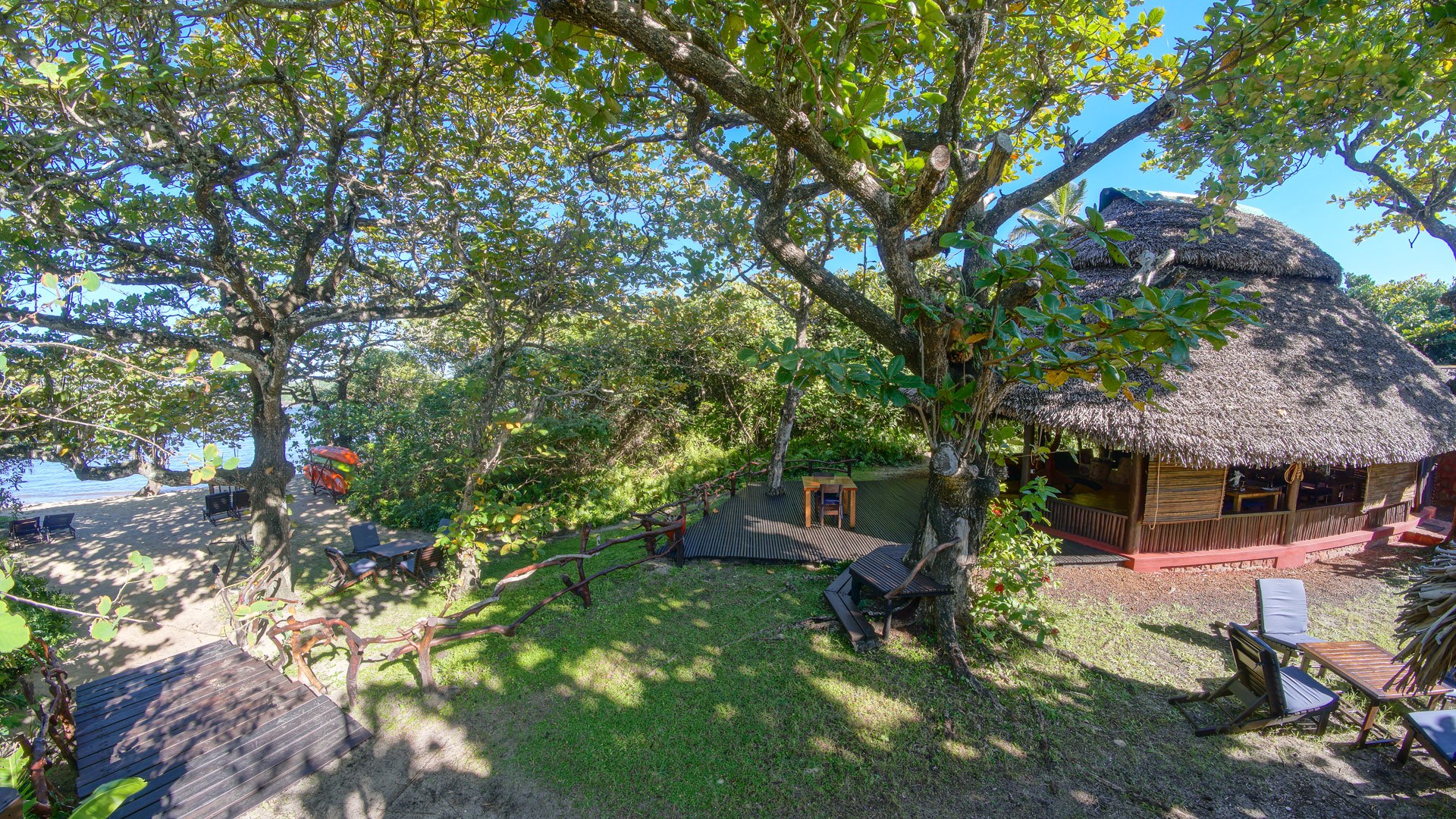
Mandrare River Camp is the kind of place that stays with you long after you've left. It stands on the banks of the Manampanihy River in the deep south of Madagascar, in a pocket of the Ifotaka Community Forest where the otherworldly spiny forest — a landscape found almost nowhere else on Earth — stretches for miles beneath a cloudless sky. There is no paved road for the last stretch; guests arrive either by charter flight to a nearby airstrip or by a scenic drive through villages and forest from Fort Dauphin, stepping out into a world of birdsong, rustling tamarind leaves and the distant calls of ring-tailed lemurs. It is, quite simply, one of the last great wildernesses of southern Madagascar with a lodge at its heart that feels like a privilege to reach.
What makes Mandrare singular is that it was Madagascar's first high-standard all-inclusive tented camp — established in 2007 by the Madagascar Classic Collection — set inside a genuine community forest where conservation and culture are not add-ons but the whole point. This is not a beach resort that happens to have some wildlife; it is a serious conservation estate in partnership with the Antandroy people, where ring-tailed lemurs bound through the trees a few metres from your tent, Verreaux's sifaka perform their sideways 'dance' across the forest floor, and fireside storytellers share traditions that reach back centuries. Few lodges anywhere let you live quite so intimately inside the wild — and fewer still do it with a Victorian en-suite bathroom, a spring-fed pool and Malagasy-French dining waiting at the end of the day.
## 1. The Seven Safari Tents
Mandrare River Camp's seven tented suites are the definition of barefoot luxury. Each is a spacious canvas pavilion set beneath the shade of ancient tamarind trees, far enough apart from its neighbours to feel utterly private, close enough to the river to hear the water at night. The camp was built with a light footprint and a deep respect for the landscape, and that philosophy runs through every detail: natural materials, solar power, and a design that lets the forest in rather than shutting it out.
Inside, you'll find a four-poster bed draped in white mosquito netting, high-quality linens and a ground-floor lounge area with comfortable seating. Housekeeping is excellent — beds are turned down each evening, fresh towels appear daily, and the camp's staff move quietly and attentively through the camp. Each tent connects to a private, walled structure at the rear housing a full en-suite bathroom — a Victorian-style clawfoot tub, walk-in shower and twin basins, all supplied with hot water via solar power and stocked with premium linens. While the camp is remote, it is not rustic; the bathrooms alone rival many five-star hotels.
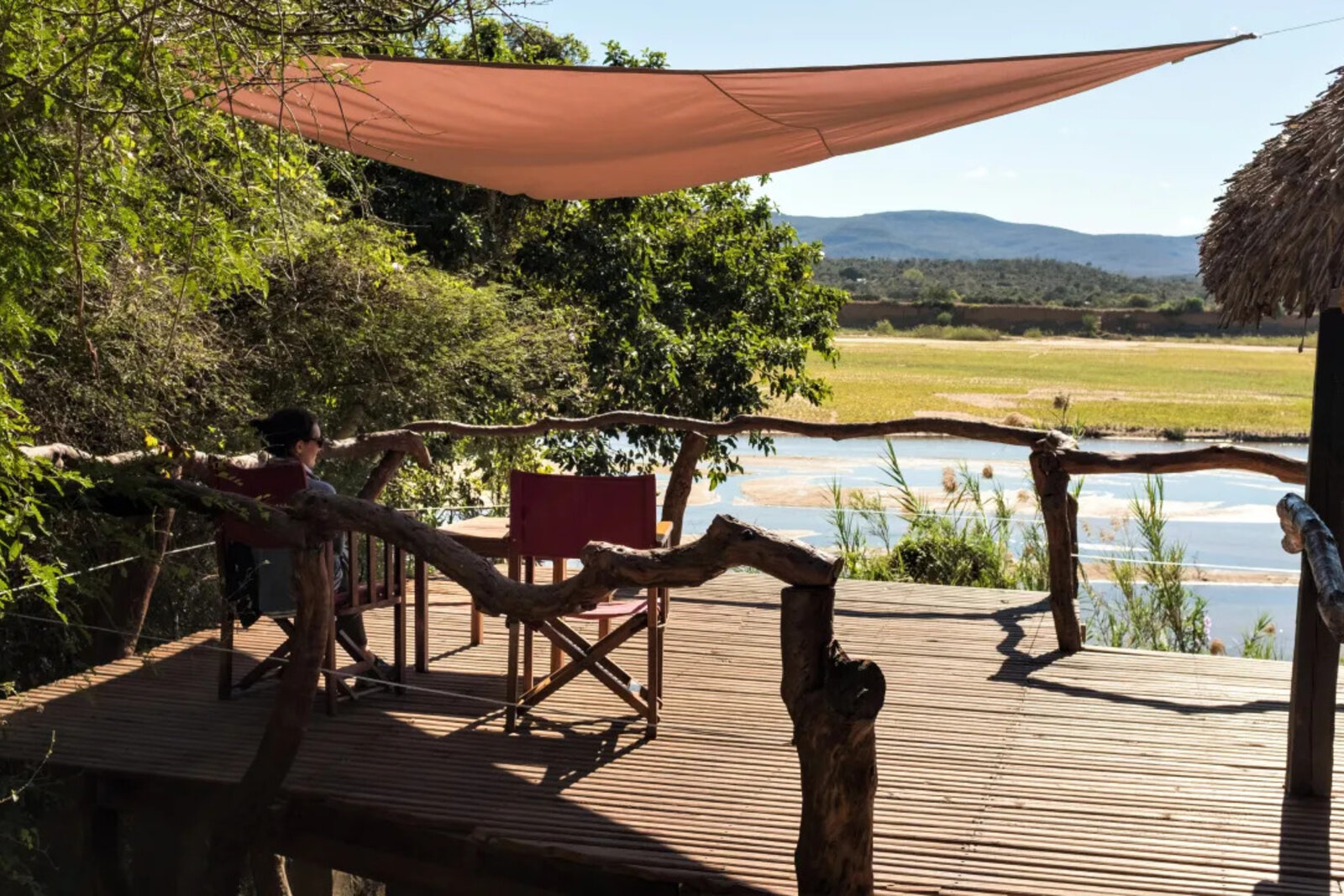
The front of each tent opens onto a large private deck with seating and views of the river. This is where you'll spend your downtime — watching ring-tailed lemurs leap through the canopy overhead, listening to the forest wake at first light, or simply sitting with a book and a cold drink in the heat of the afternoon. The tents are wired with solar-powered lighting and charging points (there is typically no guest Wi-Fi, which is part of the appeal), and ceiling fans keep the air moving in the warm months. While Madagascar's deep south can be hot during the day, the nights are often cool, and the canvas design keeps the interiors comfortable year-round.
For families or groups, the camp can configure certain tents with additional beds, though most guests are couples or solo travellers drawn to the intimacy and quiet. The overall aesthetic is natural, understated and deeply romantic — no polished marble or modern minimalism, but rather a genuine sense of living inside the wilderness with every comfort waiting when you return from the forest.
## 2. Spiny Forest Wildlife & Lemurs
The wildlife at Mandrare River Camp is a revelation. This is one of the few lodges in Madagascar where you can see ring-tailed lemurs — perhaps the country's most iconic species — in genuine abundance. They leap through the tamarind canopy around the camp with their striped black-and-white tails held high like flags, utterly at ease with human presence but still entirely wild. Families of ring-tails forage, groom and play within metres of the tents, and watching them at first light or in the golden hour before dusk is one of the great wildlife experiences of southern Madagascar.
But the real star of Mandrare is the Verreaux's sifaka, often called the 'dancing lemur' for the extraordinary sideways bound it uses to cross open ground. This large, creamy-white lemur with a dark face and limbs is endemic to the spiny forest, and Mandrare is one of the most reliable places in the world to see it. Guided walks lead you into the forest where sifaka families rest in the shade of octopus trees, then leap gracefully from branch to branch or bound across the rust-red earth in a display that looks like a slow-motion ballet. It is unforgettable.
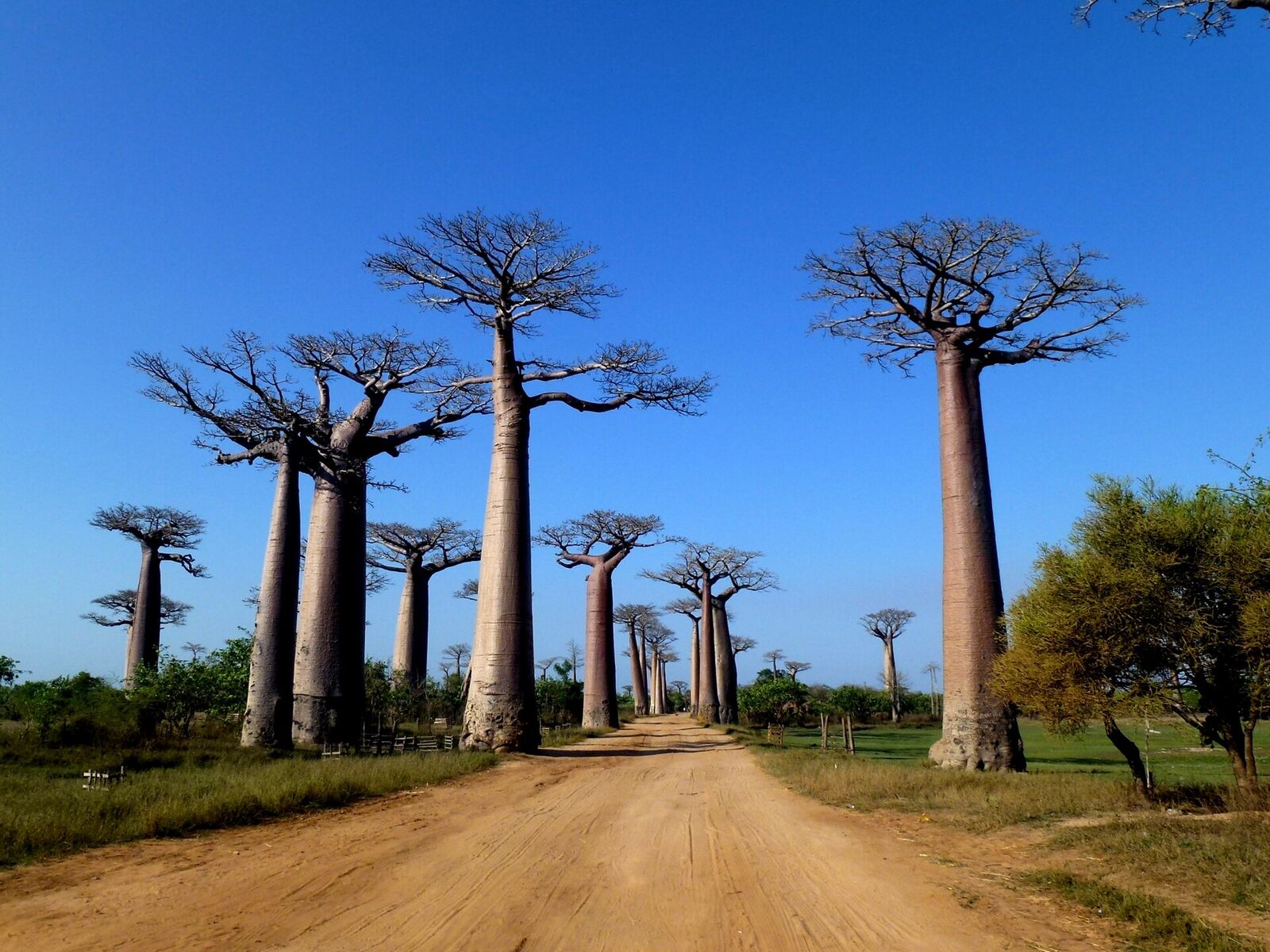
Beyond the lemurs, the spiny forest ecosystem itself is a spectacle. This is a landscape found almost nowhere else on Earth: a tangle of octopus trees (Didierea madagascariensis) with their fleshy, tentacle-like branches; towering baobabs; and a ground cover of thorny scrub and succulents adapted to months of drought. The forest erupts into green during the rains (roughly November to March), but for much of the year it is a study in grey, rust and bone-white — hauntingly beautiful and utterly alien. Birdlife is exceptional, with inventories recording more than 100 species, among them the Madagascar coucal, hook-billed vanga and the sickle-billed vanga, all endemic. Night walks reveal nocturnal mouse lemurs, chameleons and Madagascar's remarkable invertebrate life, including giant hissing cockroaches and stick insects the size of your forearm.
The Madagascar interior — combine your spiny-forest stay at Mandrare with the rainforests of Andasibe or the baobabs of Morondava for a complete picture of the island's ecosystems.
The camp operates in close partnership with local communities, and guides are drawn from nearby Antandroy villages. They know the forest intimately — where the sifaka families rest during the day, which trees the ring-tails favour, where the nocturnal species emerge at dusk. Their knowledge is deep, their passion is genuine, and their presence transforms a walk in the forest into a genuine education in one of Earth's most unusual ecosystems. Game drives are not part of the Mandrare experience (the terrain does not suit vehicles, and the wildlife is best seen on foot), but guided forest walks by day and night, plus cultural visits to sacred sites, are all included in your stay.
## 3. Antandroy Culture & Conservation
What sets Mandrare River Camp apart from nearly every other lodge in Madagascar is the depth of its cultural immersion. This is not a wildlife camp with a token village visit tacked on; it is a lodge built on a genuine partnership with the Antandroy people — the 'people of the thorns' — whose ancestral lands surround the Ifotaka Community Forest. That partnership is visible in every part of the experience: the guides, the conservation projects, the village visits and the fireside storytelling that brings the region's history and traditions to life.
A stay at Mandrare typically includes visits to Antandroy villages, where you meet local families, learn about their livelihoods (cattle herding, honey gathering, handicrafts) and see the intricate carvings and colourful textiles for which the region is known. You'll visit sacred ancestral forests — patches of woodland preserved by the community as burial sites and spiritual sanctuaries — where you'll hear stories of the tombs, the rituals and the deep reverence the Antandroy hold for the land. These are not staged performances; they are genuine windows into a way of life that has endured for centuries in one of Madagascar's harshest and most isolated regions.
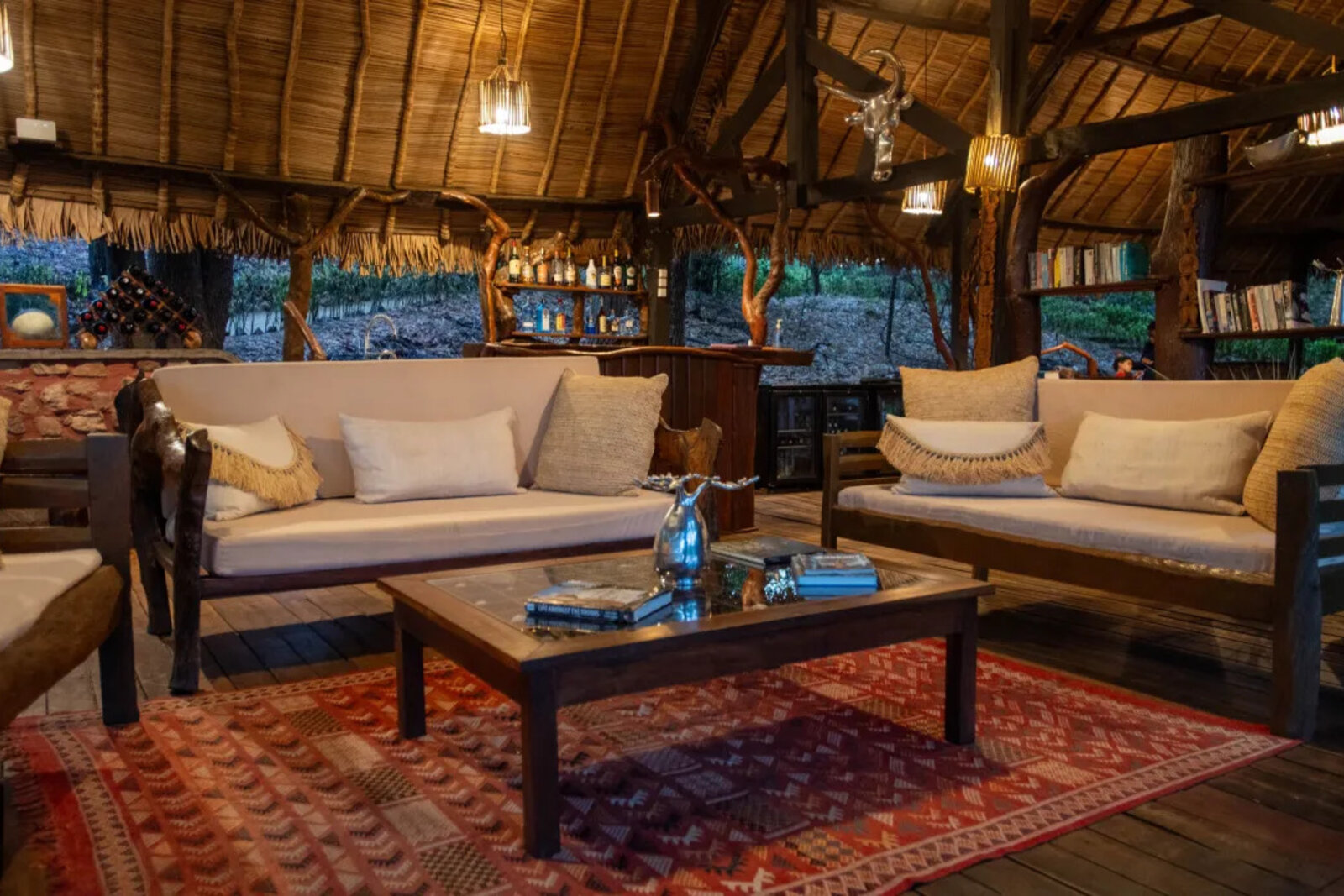
Evenings at Mandrare often culminate in fireside music and dance performances by local Antandroy musicians, who play traditional instruments, sing in the Antandroy dialect and perform dances that tell stories of ancestors, cattle, and the rhythms of the seasons. It is deeply moving — raw, authentic and utterly unlike the polished cultural shows you might encounter at larger resorts. The camp operates a conservation fund and supports local schools, health clinics and reforestation projects, and guests are encouraged to visit these initiatives to see the impact first-hand. It is conservation and community development done right, and it gives a stay at Mandrare a sense of purpose that goes far beyond a simple wildlife holiday.
The lodge itself is fully solar-powered, operates a strict low-impact ethos, and works closely with the surrounding villages to ensure that conservation benefits local people directly. The Ifotaka Community Forest is not a national park but a community-managed reserve, which means that the Antandroy themselves have a stake in protecting the spiny forest and its wildlife for future generations. It is a model that works, and it is one of the reasons why a stay at Mandrare feels less like a luxury escape and more like a genuine expedition into wild Madagascar with a conscience.
Mandrare Rates at a Glance
| Tent Type | Style | Best for | Approximate Rate (2026) |
|---|---|---|---|
| Safari Tent | Canvas suite, four-poster bed, Victorian en-suite, river-view deck | Couples, wildlife & culture travellers, families | from ~US$885 per tent/night (all-inclusive) |
| Charter Flights | Air transfer to nearby airstrip (alternative to road from Fort Dauphin) | Guests seeking fastest access | additional, on request |
Rates above are indicative 2026 published rates, quoted per tent per night and inclusive of taxes, all meals, drinks and all guided activities such as forest walks, night walks, village visits and cultural experiences. Charter flights to and from the nearby airstrip are additional. We confirm live pricing and availability when we quote your tailor-made itinerary.
The Spiny Forest & Southern Madagascar
Mandrare River Camp sits in the Ifotaka Community Forest in the deep south of Madagascar, where the spiny forest ecosystem — a landscape of octopus trees, baobabs and rust-red earth — stretches for miles beneath a cloudless sky. This is a landscape found almost nowhere else on Earth: gnarled trunks with fleshy, tentacle-like branches; towering baobabs that store water in their swollen trunks; and a ground cover of thorny scrub and succulents adapted to months of drought. The forest erupts into green during the rains (roughly November to March), but for much of the year it is a study in grey, rust and bone-white — hauntingly beautiful and utterly alien.
The nearby Manampanihy River — a ribbon of water winding through the forest — is the lifeline of the region, and the camp sits on its banks beneath the shade of ancient tamarind trees. Because so few travellers reach this corner of Madagascar, a stay at Mandrare feels less like a hotel holiday and more like a private expedition into one of Earth's last great wildernesses, with every comfort waiting when you return.
Getting There & Combining Mandrare with Mainland Madagascar
Reaching Mandrare River Camp is an adventure in itself. Most guests fly by international connection to Antananarivo, Madagascar's capital, then take a domestic flight to Fort Dauphin (Taolagnaro) on the south-east coast. From Fort Dauphin, you can either drive (approximately 3–4 hours through villages and forest, a scenic journey in itself) or take a charter flight to a nearby airstrip, a short transfer from the camp. There is no paved road for the last stretch, but the journey is part of the charm, and we arrange the entire routing — domestic flights, charter flights or road transfers — as part of your itinerary.
Because Madagascar rewards those who pair ecosystems, we most often combine Mandrare with the great regions of the interior and coast — the rainforests of Andasibe and its indri, the baobabs of Morondava, the limestone Tsingy de Bemaraha, or the beaches and island lodges of the north-west such as Nosy Be or Anjajavy. Our Ultimate Madagascar — 14 Days journey is built around exactly this rhythm of rainforest, spiny forest, baobab and ocean. For the wider picture, see our complete Madagascar safari guide. We handle every flight, transfer, charter and permit from door to door.
What We Tell Our Clients — The Honest Take
Mandrare River Camp is one of the most soulful lodges we book anywhere in Madagascar. It is wilderness luxury of a rare kind: Madagascar's pioneering luxury tented camp, set in a genuine community forest, where the wildlife and the culture are not add-ons but the whole point. For the traveller who wants to fall asleep to the forest and wake to ring-tailed lemurs in the tamarinds — without giving up a Victorian bathtub, exceptional food and a beautiful tent — there is nothing quite like it in the deep south.
We recommend Mandrare most confidently to wildlife and culture travellers who want lemurs, sifaka and Antandroy immersion on the doorstep; to couples and honeymooners drawn to the intimacy, the fireside storytelling and the romance of canvas under the stars; and to serious naturalists, for whom the spiny forest ecosystem is a bucket-list destination. It is less suited to travellers seeking a classic Big Five safari — that is mainland Africa's domain — or to those who want the polished sheen of a modern beach resort, since Mandrare's charm is deliberately natural, understated and deeply connected to the land. But for barefoot luxury inside one of Earth's most unusual ecosystems, with a genuine cultural soul, Mandrare River Camp is in a class of its own.