What a Nyungwe Safari Package Costs
The quick answer first — and we will unpack it below with sample itineraries and transparent breakdowns. A Nyungwe safari is priced mainly by your lodge tier and the number of days you spend in the forest, with activity costs being modest compared to gorilla permits. **The canopy walkway costs around US$60 per person, chimpanzee tracking around US$150 per person, and colobus tracking around US$60 per person** — all should be booked in advance through Rwanda Wildlife Authority or via a registered operator like us. Accommodation ranges from around **US$120–180 per person per night** at comfortable lodges and guesthouses (Nyungwe Top View Hill Hotel, Gisakura Guest House) to **US$400–700** at the luxury One&Only Nyungwe House perched at the forest edge, and **US$800 to US$1,200+** at ultra-luxury flagship properties if you are combining Nyungwe with Volcanoes or Akagera.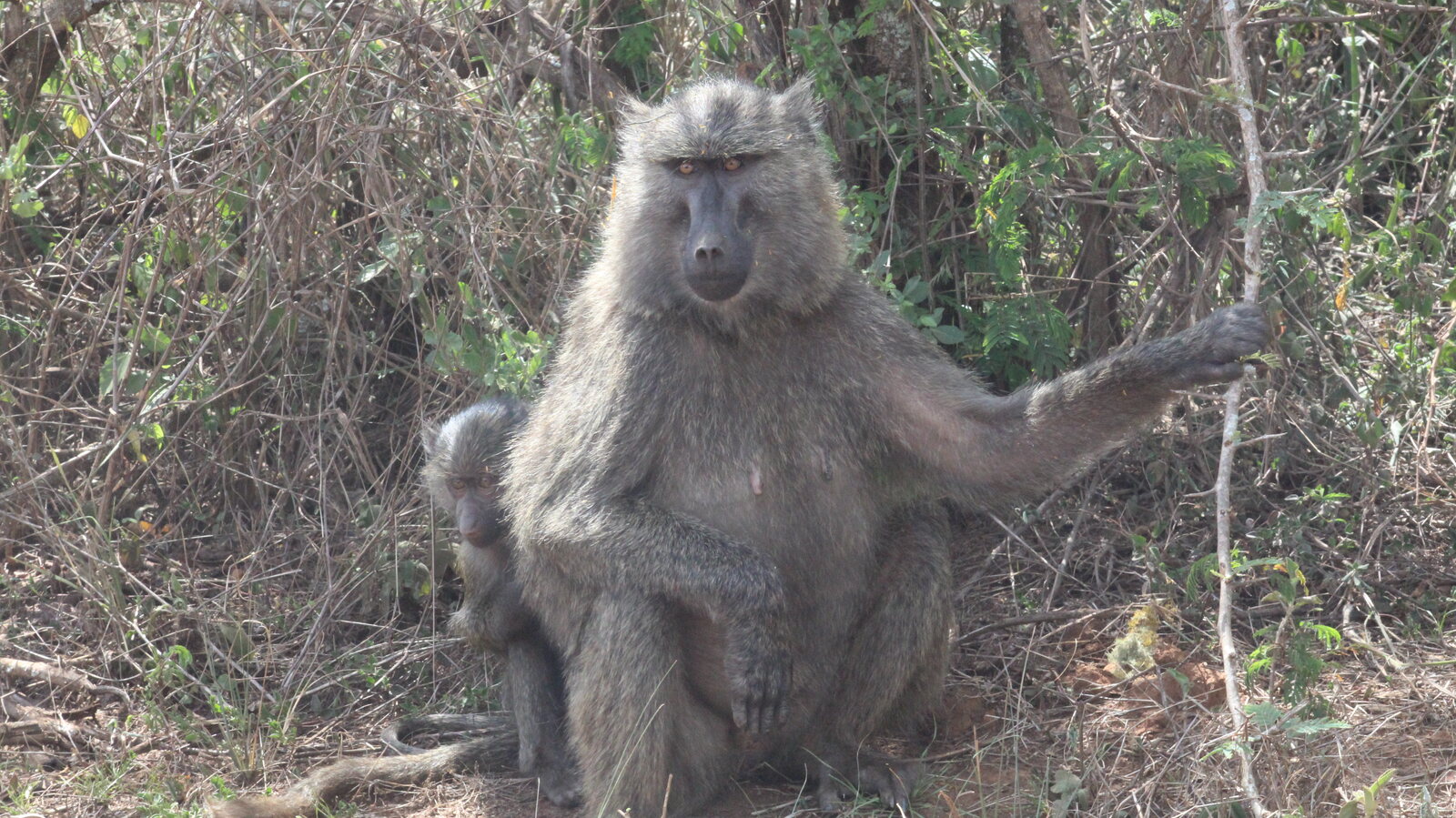
Why Nyungwe Is One of Africa's Greatest Rainforests
Nyungwe Forest National Park is not just another rainforest — it is one of Africa's most ancient and best-preserved montane forests, a primeval wilderness that survived the last Ice Age and today stands as the largest intact block of Afromontane forest in East Africa.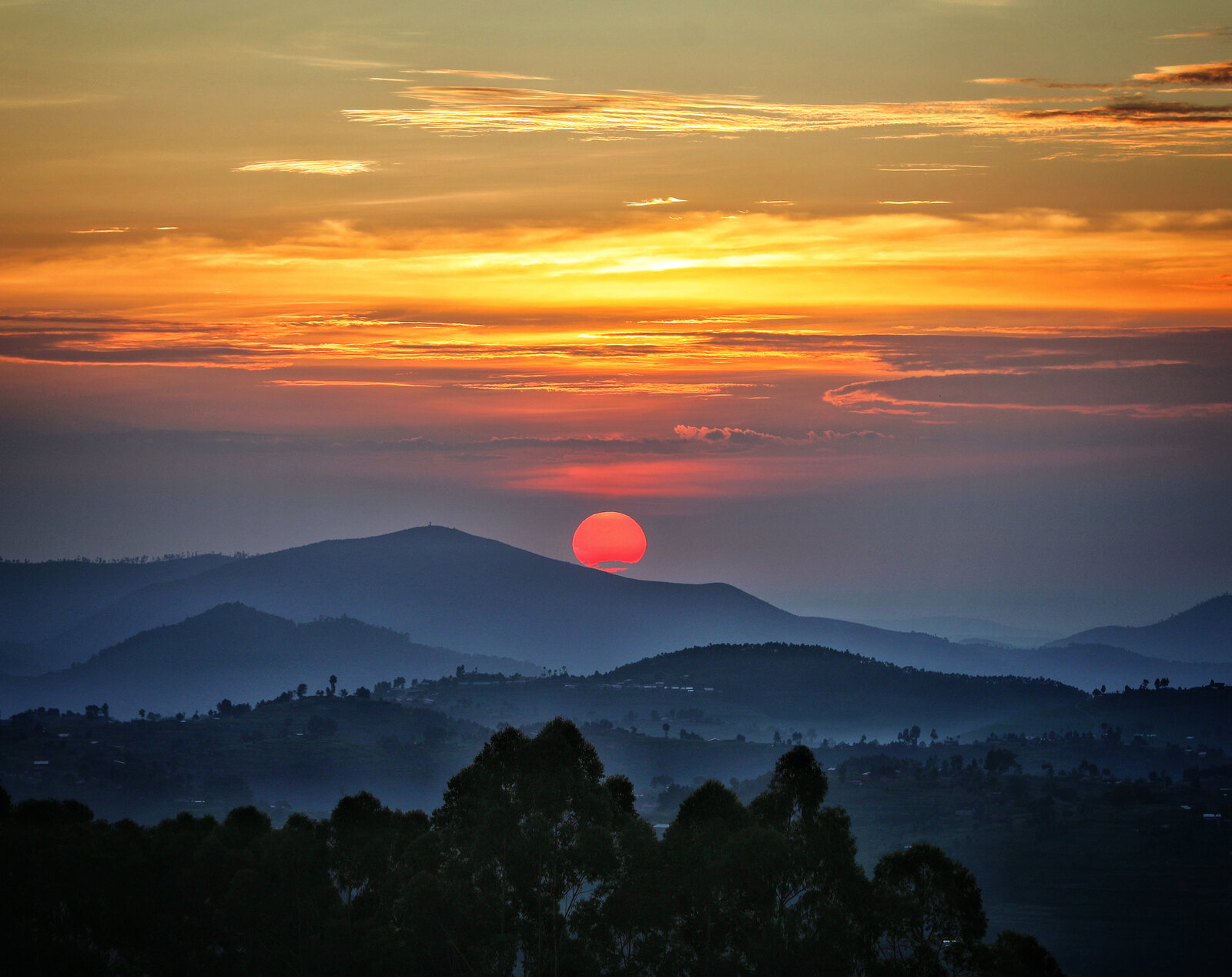
Sample Nyungwe Safari Itineraries with Real Pricing
Below are four sample itineraries with transparent, per-person pricing for 2026/2027 — a 4-day explorer, a 5-day classic, a 7-day flagship immersion, and a 10-day grand Rwanda journey combining Nyungwe with Volcanoes gorillas and Akagera savannah. All prices are based on two people travelling together and include activity permits, park fees, full-board lodges, private 4WD transfers, an English-speaking driver-guide and drinking water. They exclude international flights, visas, tips, drinks and personal expenses. **4-Day Nyungwe Explorer Safari — US$2,300 to US$4,500+ per person** *Ideal for travellers combining Nyungwe with gorillas or Akagera and short on forest time — gives you the canopy walk and one tracking session in a focused rainforest immersion.* - **Day 1:** Drive from Kigali to Nyungwe (5–6 hours) via the scenic mountain road, with a stop at the King's Palace Museum or Ethnographic Museum en route. Arrive at your forest-edge lodge in the afternoon, settle in, and take an evening nature walk along the forest trails. - **Day 2:** Morning canopy walk — set out early along the Igishigishigi Trail to the 160-metre suspension bridge, 70 metres above the forest floor. Swaying gently among the treetops, with eye-level birding and sweeping views across the green canopy sea. Afternoon colobus tracking to watch troops of up to 400 Angolan colobus ripple through the canopy — one of the great wildlife spectacles of Africa. - **Day 3:** Dawn chimpanzee tracking — follow habituated chimp communities through the ancient rainforest as they wake and feed. Afternoon at leisure — forest trails, birding, or relax at the lodge. - **Day 4:** Morning at leisure or a final forest walk, then drive back to Kigali (5–6 hours), arriving in the afternoon for your onward flight or to continue to Volcanoes or Akagera. **5-Day Nyungwe Classic — US$3,100 to US$6,200+ per person** *Our recommended length for keen primate enthusiasts — gives you both chimp and colobus tracking, the canopy walk, and time to explore the forest trails and birding at a relaxed pace.* - **Day 1:** Drive from Kigali to Nyungwe (5–6 hours) via the scenic mountain road, with a stop at the King's Palace Museum or Ethnographic Museum en route. Arrive at your forest-edge lodge, settle in, and take an evening nature walk. - **Day 2:** Morning canopy walk — East Africa's only suspended bridge 70 metres above the forest floor, accessed via the Igishigishigi Trail. Afternoon colobus tracking to watch troops of up to 400 Angolan colobus move through the canopy. - **Day 3:** Full-day chimpanzee tracking and forest immersion — set out at dawn to follow habituated chimp families, then spend the afternoon on a guided forest trail learning about the ancient hardwoods, orchids and smaller primates (L'Hoest's monkeys, blue monkeys, mangabeys). - **Day 4:** Morning birding along the Karamba or Umugote trails — Rwenzori turaco, Albertine endemics and eye-level canopy birds. Afternoon at leisure or a visit to the nearby tea plantations to see the hillside carpets of green and learn how Rwanda's high-altitude tea is grown and processed. - **Day 5:** Morning at leisure or a final forest walk, then drive back to Kigali (5–6 hours), arriving in the afternoon. **7-Day Nyungwe Flagship Immersion — US$4,600 to US$9,500+ per person** *The ultimate Nyungwe experience — multiple tracking sessions, canopy walk, birding, Kamiranzovu waterfall, tea plantation visit, and time to soak in the ancient forest at your own pace.* - **Day 1:** Drive from Kigali to Nyungwe (5–6 hours) via the scenic mountain road, with a stop at the King's Palace Museum or Ethnographic Museum. Arrive at your forest-edge lodge, settle in, and take an evening nature walk. - **Day 2:** Morning canopy walk — the 160-metre bridge 70 metres above the forest, swaying among the crowns of ancient hardwoods. Afternoon colobus tracking to watch the spectacular 400-strong troops. - **Day 3:** Full-day chimpanzee tracking and forest immersion — dawn departure to follow habituated chimp families, then spend the afternoon on a guided forest trail exploring the orchids, giant tree ferns and smaller primates. - **Day 4:** Morning birding along the Karamba or Umugote trails — Rwenzori turaco, Albertine endemics and canopy birds. Afternoon at leisure or a second colobus tracking session for photographers keen to capture the big troops in the best light. - **Day 5:** Full-day excursion to the Kamiranzovu waterfall and swamp — a longer forest walk through the heart of Nyungwe to a remote waterfall and a high-altitude swamp where elephants sometimes forage. Pack a picnic lunch and spend the day deep in the ancient forest. - **Day 6:** Morning visit to the nearby tea plantations — walk the hillside carpets of green, meet the pickers, and learn how Rwanda's high-altitude tea is grown, processed and exported. Afternoon at leisure or a final forest trail. - **Day 7:** Morning at leisure or a final canopy walk at dawn (the best time for light and birding), then drive back to Kigali (5–6 hours), arriving in the afternoon. **10-Day Grand Rwanda Journey — Nyungwe, Volcanoes & Akagera — US$8,500 to US$15,000+ per person** *The ultimate Rwanda safari — combining Nyungwe's ancient rainforest with the mountain gorillas of Volcanoes and the Big Five savannah of Akagera for the complete East African experience.* - **Days 1–3:** Nyungwe Forest — canopy walk, chimp tracking, colobus tracking, birding and forest trails as per the 4-day explorer above. - **Day 4:** Drive from Nyungwe to Lake Kivu (3–4 hours) via the scenic lakeshore road through fishing villages and tea plantations. Afternoon at leisure on the lake — kayak, swim, or relax at your lakeside lodge. - **Day 5:** Morning at leisure on Lake Kivu, then drive to Volcanoes National Park (3–4 hours), arriving in the afternoon. Settle in at your mountain-view lodge and prepare for tomorrow's gorilla trek. - **Days 6–7:** Two days of mountain gorilla trekking in Volcanoes National Park — track different families on consecutive mornings, spending one magical hour with each group among the bamboo and hagenia forest of the Virungas. - **Day 8:** Drive from Volcanoes to Akagera National Park (4–5 hours or a charter flight to Kigali then Akagera). Arrive in the afternoon, settle in at your savannah lodge, and take an evening game drive. - **Day 9:** Full day in Akagera — morning game drive for lions, elephants, buffalo, giraffe and antelope across the savannah and acacia woodland; afternoon boat safari on Lake Ihema for hippos, crocodiles and waterbirds. - **Day 10:** Morning game drive or boat safari, then drive to Kigali (2.5 hours), arriving in the afternoon for your onward flight. Each of these itineraries can be tailored — lodge tiers, number of tracking sessions, side trips to Lake Kivu or the Gishwati-Mukura forest, internal flights to save time. When you enquire, we build a day-by-day proposal with transparent per-person pricing for your dates, group size and lodge preference, and lock in permits and lodges as soon as you confirm.When to Visit Nyungwe Forest National Park
Primate tracking and the canopy walk run year-round in Nyungwe, so there is no bad time to visit — but the seasons shape the trails, the experience and the photographic conditions.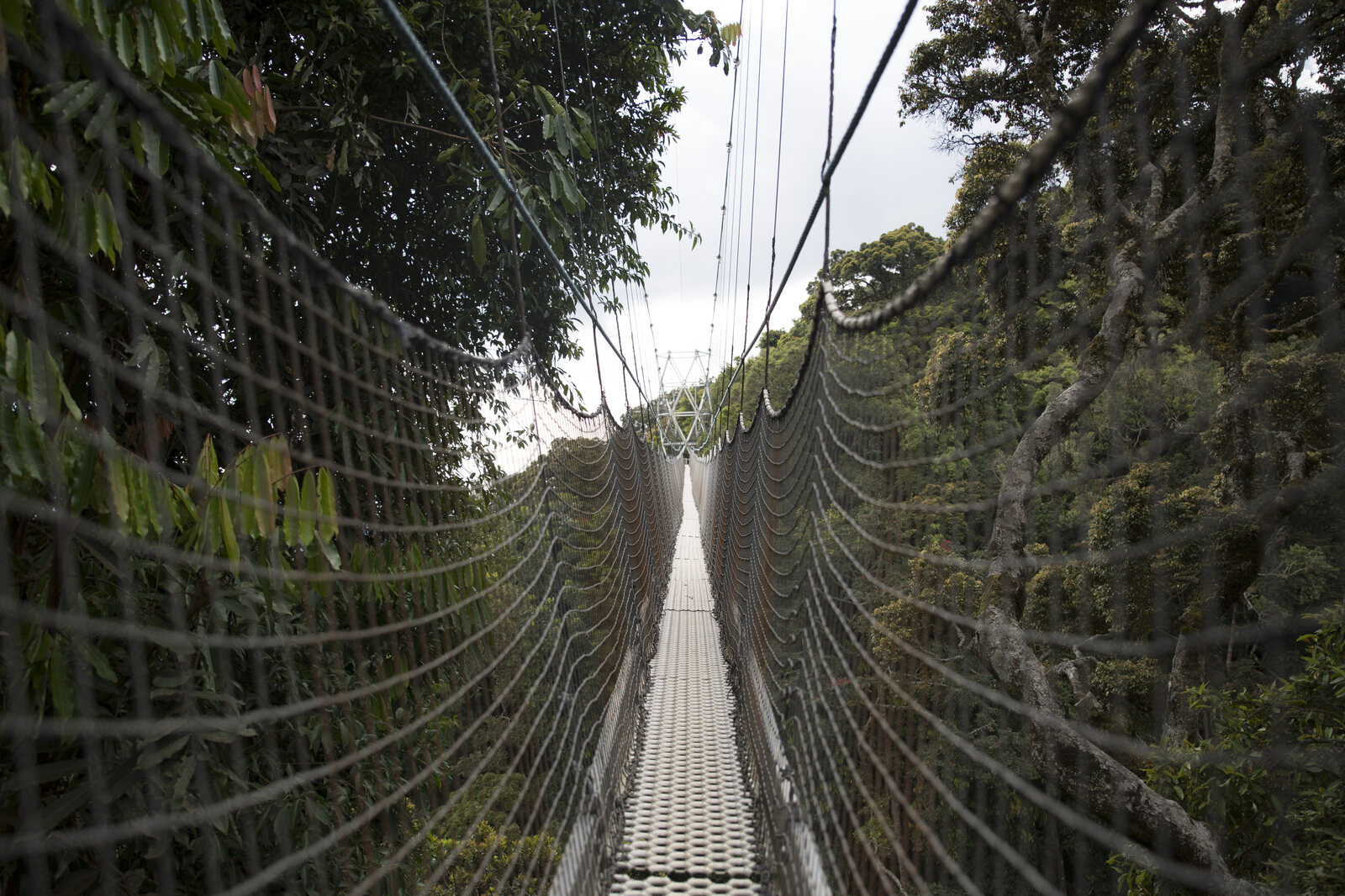
Nyungwe's Signature Experiences — Canopy Walk, Chimps & Colobus
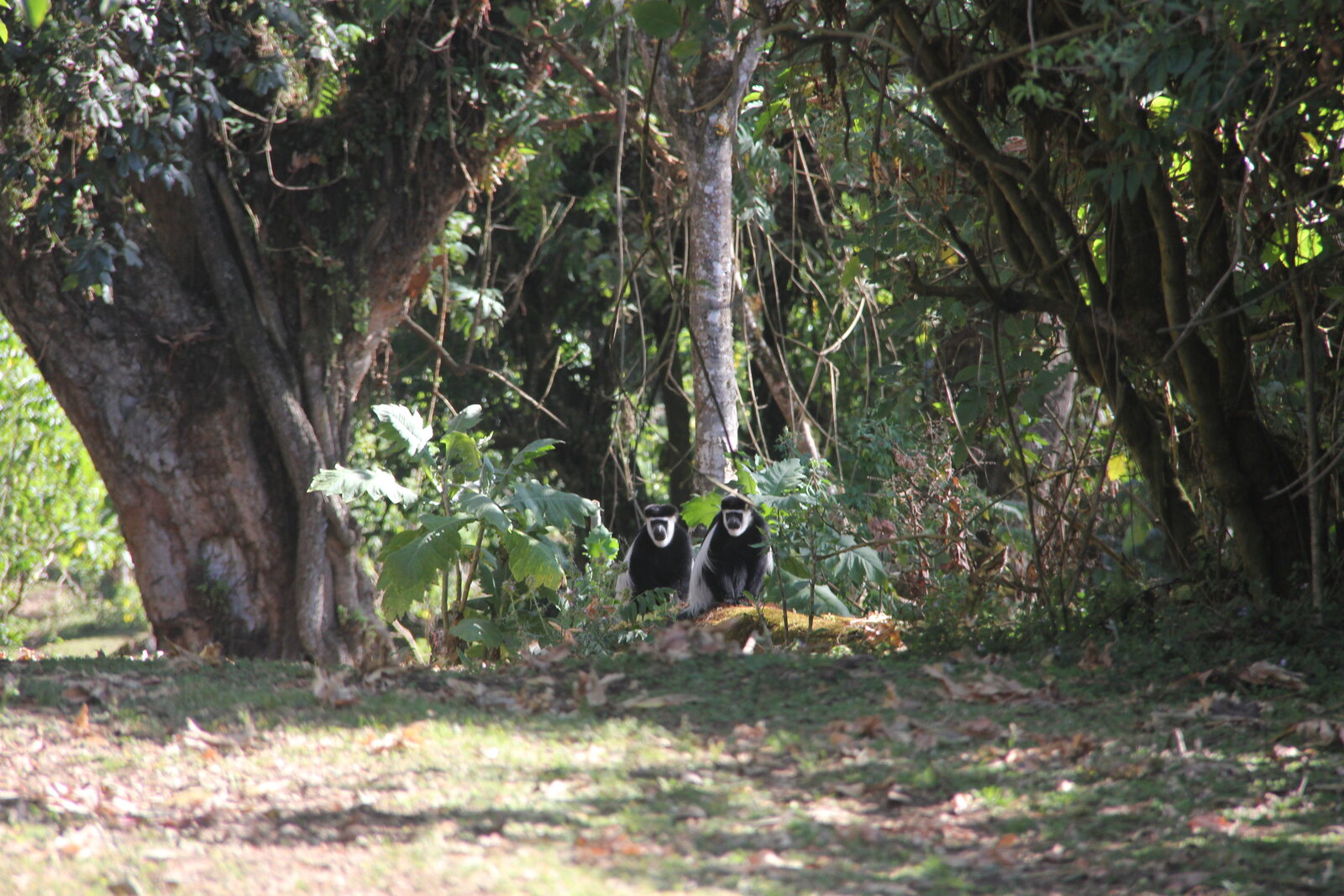
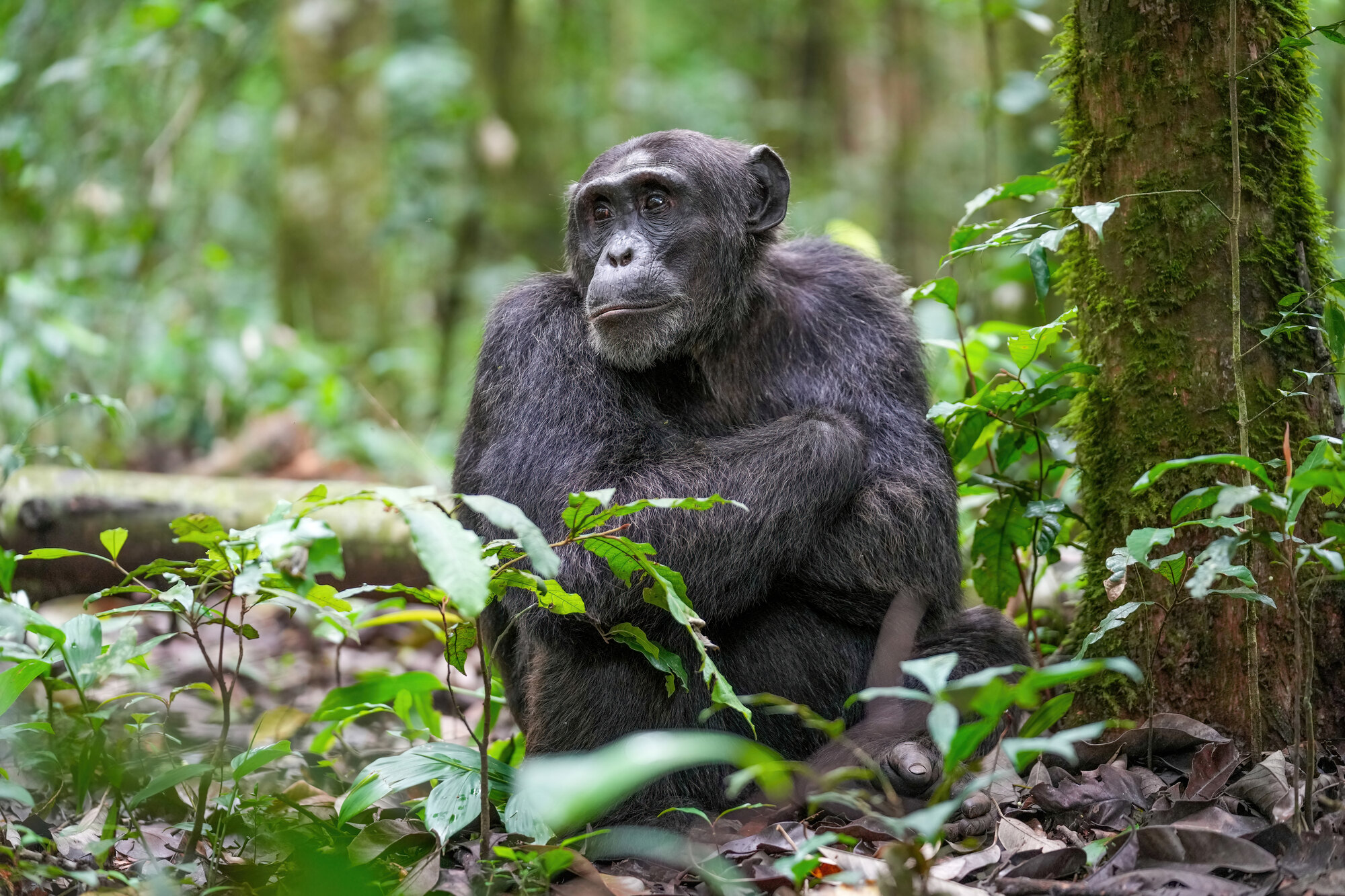
Nyungwe offers four signature experiences that together give you the complete ancient-rainforest immersion — the canopy walkway, chimpanzee tracking, Angolan colobus tracking, and the forest trails and birding. Most 4-to-5-day packages include at least the canopy walk and one tracking session; 7-day flagship trips give you all four at a relaxed pace. **The Canopy Walkway — 70 Metres Above the Forest Floor** In the cool of early morning you set out along the Igishigishigi Trail, where a slender suspension bridge stretches 160 metres across a forested ravine, seventy metres above the ground. Mist drifts through the crowns of the giant hardwoods; birds flit at eye level; and far below, the forest breathes. Swaying gently among the treetops, you see Nyungwe as its primates do — a rolling green ocean of canopy stretching to the horizon. It is exhilarating, serene and utterly unique in East Africa. The walk itself takes about two hours including the canopy crossing and the loop trail, and is suitable for most fitness levels — the access trail is gentle and well maintained, though young children must be comfortable with heights. Early morning is best for light, birding and cooler temperatures. The canopy walk costs around US$60 per person and should be booked in advance. We include it in every package and time it to catch the best conditions. **Chimpanzee Tracking — Into the Ancient Forest** Nyungwe's habituated chimpanzee communities can be tracked with expert guides, usually setting out very early to catch them as they wake and feed. The forest protects around 500 chimpanzees in total, and while sightings are not guaranteed — the chimps range widely and the forest is vast — the experience of following them through ancient rainforest is unforgettable, and when you do encounter a family the intimacy and beauty of the setting rival anywhere in East Africa. A chimpanzee tracking excursion typically lasts three to five hours including the walk and the time spent with the chimps. The terrain can be steep and muddy depending on where the chimps are, so a reasonable level of fitness is helpful, and waterproof boots are a must. Tracking costs around US$150 per person and should be booked in advance. Nyungwe's chimps are less reliably seen than Kibale's (which has a 95% success rate), but the reward of encountering them in this ancient, misty rainforest is deeply special. We secure permits in advance and pair tracking with the canopy walk or colobus for the most rewarding days. **Angolan Colobus Troops — Up to 400 Strong** The Angolan colobus (also called Rwenzori or Ruwenzori colobus) is a spectacular black-and-white monkey endemic to the forests of the Albertine Rift, and Nyungwe is home to some of the largest troops ever recorded — sometimes reaching 400 individuals, the biggest colobus gatherings in the world. Watching a troop of several hundred monkeys ripple through the canopy in a wave of black and white is one of the great wildlife spectacles of Africa, and utterly unique to Nyungwe and a few neighbouring forests. Colobus tracking is a dedicated activity (around US$60 per person) led by rangers who know where the big troops forage, and typically lasts two to three hours along forest trails. The troops are often found in the trees around the Uwinka sector and the canopy walk area, and their calls — a deep, resonant "roar" — carry across the forest. Beyond the Angolan colobus, Nyungwe is home to 13 primate species in total — including L'Hoest's monkeys, blue monkeys, grey-cheeked mangabeys, red-tailed monkeys, olive baboons and nocturnal bushbabies — making it one of the richest primate communities in Africa.