Quick Facts: Helicopter Flights Over the Delta
- Typical flight duration: 12–20 minutes (short, but unforgettable)
- Cost: Roughly $250–450 per person depending on camp and route
- Best time: Early morning or late afternoon (golden light, cooler air)
- Seats: Usually 4–6 passengers per helicopter (doors-off option at some camps)
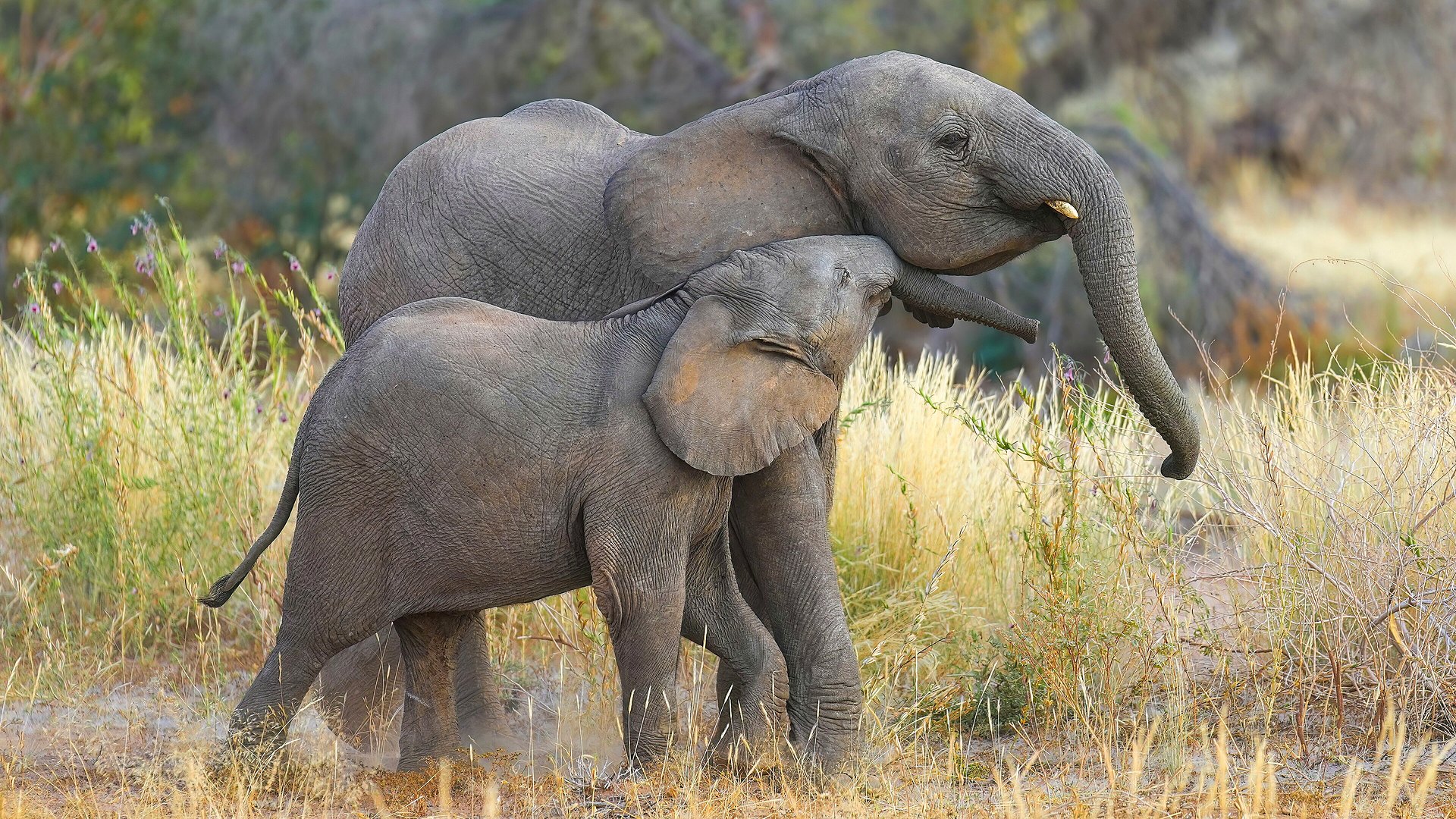
- What you'll see: Elephant herds, hippo pods, meandering channels, islands, floodplains
- Bookable at: Most luxury Okavango camps (Mombo, Duba, Vumbura, etc.) or via Maun operators
Why Do a Helicopter Flight Over the Delta?
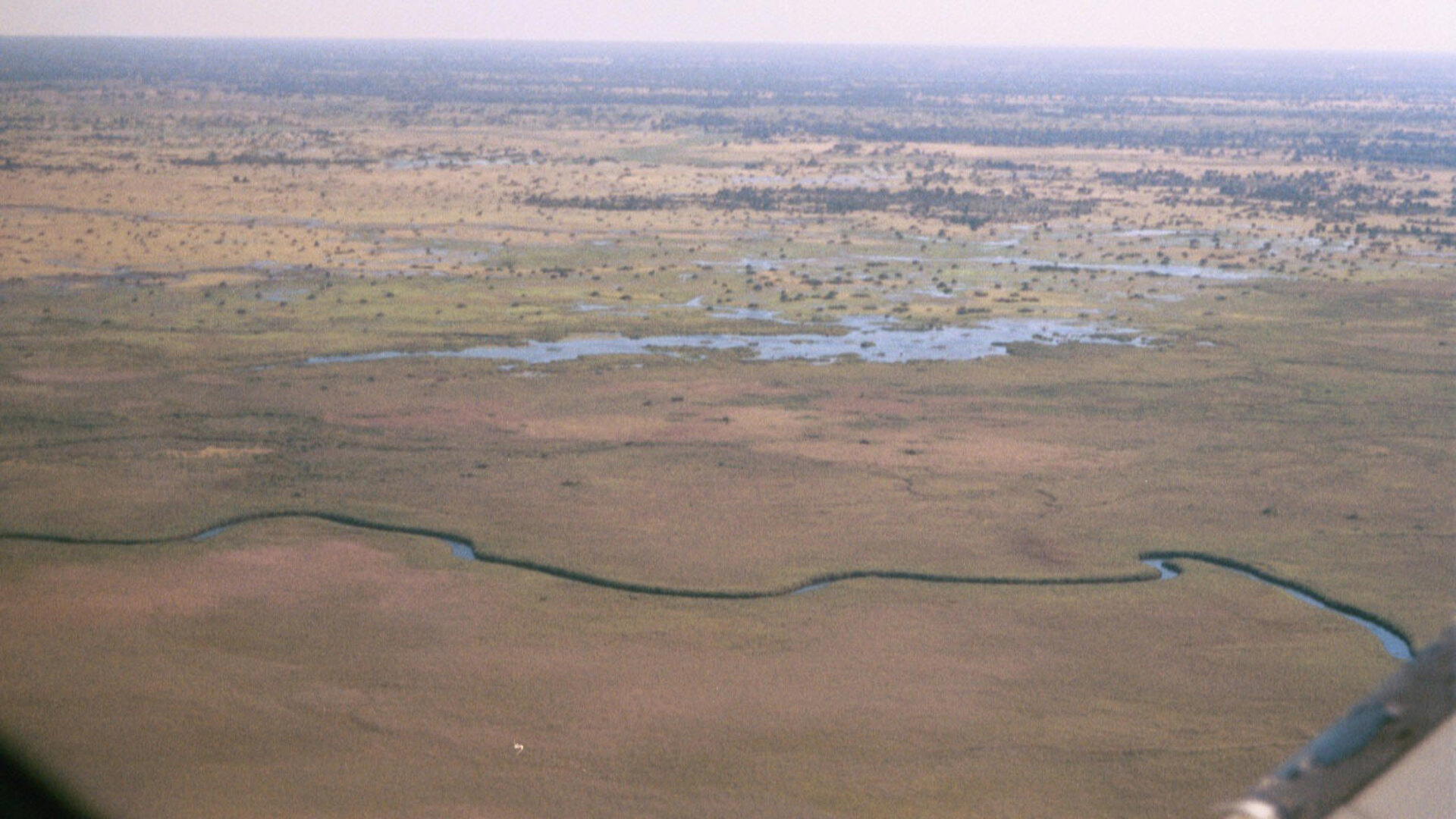
The Okavango Delta is one of the world's great natural wonders — a vast inland delta that floods each year, transforming the Kalahari Desert into a lush water-wilderness teeming with wildlife. From the ground, you experience its intimacy: the glide of a mokoro through papyrus channels, the splash of a lechwe herd, the silent approach of a leopard. But from the air, you see its full, astonishing scale.
A helicopter flight reveals the delta's intricate geometry: braided waterways snaking through the bush, islands of palms and fig trees forming emerald mosaics, elephant herds moving like slow grey shadows across the floodplains. You'll spot hippo pods clustered in lagoons, buffalo herds grazing on reed-beds and — if you're lucky — lion prides resting in the shade of an acacia. The perspective shift is profound. After a helicopter flight, you understand the delta not just as a series of beautiful moments, but as a living, breathing ecosystem — vast, complex and utterly wild.
What Does a Typical Flight Look Like?
Most helicopter flights depart in the early morning or late afternoon, when the light is soft and the air is cooler (better for flying and wildlife spotting). You'll meet your pilot at the camp's airstrip or helipad, usually after breakfast or during afternoon tea. A quick safety briefing, then you're airborne.
The helicopter lifts off and within seconds you're over the canopy, the delta spreading out beneath you in every direction. Your pilot will fly low (500–1,000 feet) and slow, banking over channels so you can photograph the scene below. The doors are typically closed, but some operators offer doors-off flights for photographers willing to pay extra (and brave the wind).
You'll circle over your camp to see how it sits within the landscape, then follow a channel or two, watching elephants scatter in the shallows and hippos disappear beneath the surface. The pilot will point out wildlife, islands and ox-bow lagoons. If you're flying at sunset, the light turns the water molten gold and the experience becomes almost dreamlike. After 12–20 minutes, you bank back toward the airstrip and touch down. It's short — but you'll talk about it for years.
Best Camps for Helicopter Flights
Most luxury camps in the Okavango offer helicopter flights, either from their own airstrip or via a short transfer to a nearby helipad. The best are those with stunning concessions and easy access to the delta's heart. Mombo, Duba Plains, Vumbura Plains, Chief's Camp and Xigera all offer superb helicopter options. Some camps include a scenic flight as part of a multi-night package; others charge separately.
If you're not staying at a delta camp but flying through Maun, several operators (Mack Air, Delta Air, Helicopter Horizons) offer flights from Maun itself. These are longer (30–45 minutes) and cover more ground, but you lose the intimacy of lifting off from deep within the delta. For the full experience, book through your camp. See our guide to the best Okavango Delta camps.
Add a Helicopter Flight to My Safari
Prices include departure tax ($20 pp). Minimum 2 passengers typically required. Private charters available on request.
Photography Tips for Your Flight
A helicopter flight is a photographer's dream — if you're prepared. Bring a fast shutter speed (1/1000th or faster to freeze motion and compensate for vibration), a zoom lens (70–200mm is ideal for isolating wildlife), and shoot through open windows or doors-off if possible (shooting through closed plexiglass degrades image quality). Set your ISO high enough to maintain that fast shutter, and shoot in continuous burst mode — you'll be flying past scenes quickly.
Golden hour (early morning or late afternoon) offers the best light, with long shadows and warm tones that make the water glow. Overcast days can be stunning too, with moody skies and high contrast. Avoid midday flights if you can — harsh overhead light flattens the landscape. And don't forget to put the camera down for a few minutes and just watch. Some moments are better felt than photographed.
When to Book a Helicopter Flight
Helicopter flights are offered year-round, but the dry season (May–October) is ideal: clear skies, cooler air (better flying conditions) and the delta at its flooded peak. July through September are the prime months, with guaranteed sunshine and spectacular wildlife concentrations. The green season (November–April) can also be beautiful — dramatic clouds, lush vegetation, newborn animals — but flights may be cancelled if weather turns.
Book in advance, especially in peak season. Most camps have a limited number of slots per day, and popular times (early morning, sunset) fill quickly. If a helicopter flight is a priority, mention it when booking your safari — we'll make sure it's locked in.


Private Tours Cape Town books Okavango Delta helicopter flights as part of tailored safaris — we'll suggest the best camp, route and timing for your trip.