Key Takeaways
- Okonjima sits on its own 200 km² private nature reserve, roughly halfway between Windhoek and Etosha
- It is the home of the AfriCat Foundation, a leading carnivore-conservation organisation
- Namibia's best place to track leopard and cheetah, plus brown hyena hides and pangolin encounters
- Plains Camp is the relaxed, mid-luxury flagship — comfortable rooms facing a busy waterhole
- A perfect first or last stop on a Namibia trip, an easy drive from the capital
- Rates run roughly $300–650+ per person per night, largely all-inclusive
First Impressions: A Reserve Built Around the Cats
Okonjima is different from almost every other lodge in Namibia, because it exists for a reason beyond hospitality. The name means "place of the baboons" in the local Herero language, but Okonjima is famous the world over as the home of the AfriCat Foundation — a pioneering carnivore-conservation organisation that has spent decades rescuing, rehabilitating and researching Namibia's big cats and other predators. Staying here, on the family's own 200-square-kilometre reserve, means your visit directly funds and supports that work. It gives the whole experience a purpose and a warmth that is impossible to fake.
Plains Camp, the reserve's welcoming flagship, sits looking out over a grassy plain and a busy waterhole backed by the Omboroko mountains. It is relaxed, unstuffy and genuinely comfortable rather than opulent — a place of thatch and timber, easy chairs, a good pool and long views. Because Okonjima is an easy two-and-a-half-hour drive north of Windhoek, it is the ideal first or last stop on a Namibian journey, a soft landing or a triumphant finale. But make no mistake: however comfortable the camp, everyone comes here for what walks, stalks and forages beyond it.
The Rooms: Comfort Facing the Waterhole
Plains Camp offers spacious, thatched view rooms strung along the plain, each with a private terrace facing the waterhole and the mountains beyond. The style is comfortable, modern-African and unpretentious — a big bed, cool tiled floors, a generous en-suite bathroom, and a wall of glass and sliding doors that pull the landscape indoors. From your bed or your terrace you can watch oryx, kudu, warthog and a parade of birds come down to drink, and the rooms are well spaced for privacy.
This is mid-luxury done right: everything you need for real comfort — air-conditioning for the warm months, good lighting, thoughtful touches — without the price tag or the formality of the country's most exclusive camps. The main area, with its open lounge, bar, dining space and swimming pool, all face the waterhole too, so the wildlife-watching continues seamlessly through the day. For travellers who want their money going as far on conservation and wildlife as on thread counts, the balance Okonjima strikes is exactly right.
The Wildlife: Tracking Leopard, Hyena and Pangolin
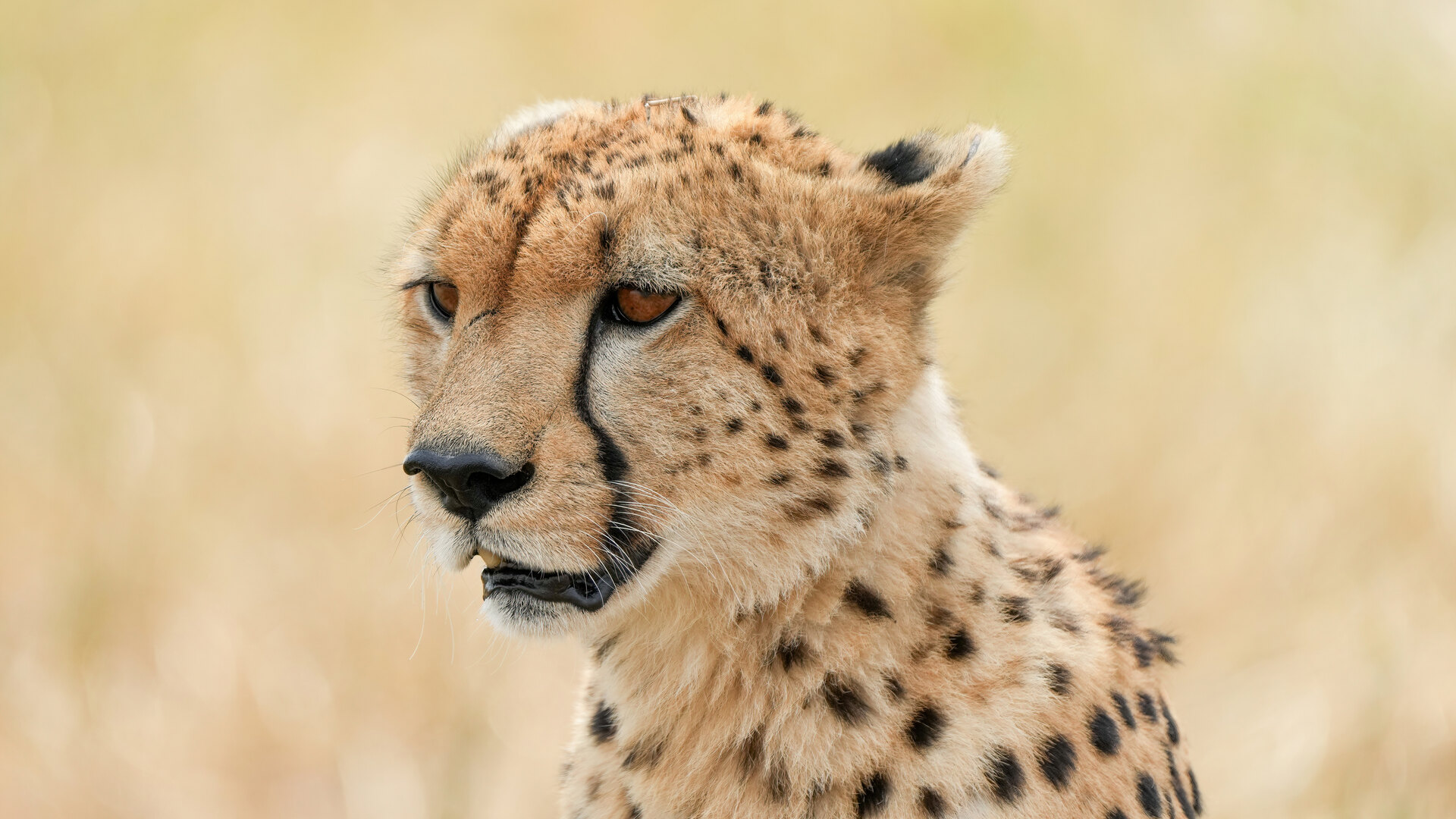
This is where Okonjima becomes something truly special. Because the reserve is fenced and its predators are the focus of decades of research, the tracking here is among the most reliable on the continent. The headline activity is leopard tracking: guides use radio telemetry to locate collared cats, then work with you — by vehicle and, thrillingly, on foot — to find them in the wild, resulting in some of the closest, most consistent leopard sightings in Africa. Cheetah tracking follows the same model, offering encounters with these fast, elegant cats in the open.
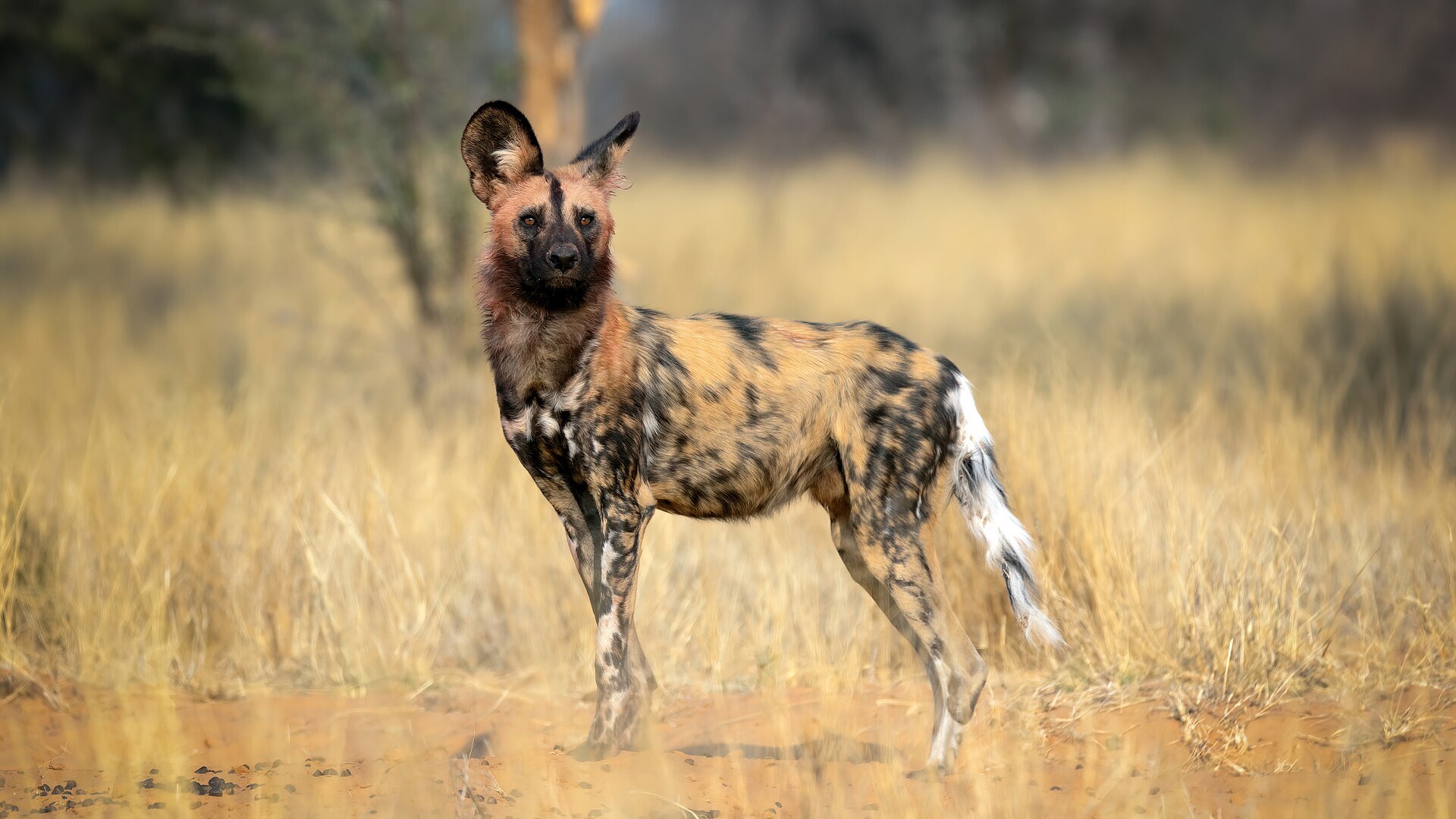
But Okonjima's genius is in the rarities. It runs a dedicated brown hyena hide, giving you a near-guaranteed sighting of one of Africa's shyest carnivores. Night drives turn up aardvark, porcupine, African wild cat and the almost mythical pangolin — Okonjima is one of the very few places on the planet where travellers have a real chance of seeing one. The reserve also protects white and black rhino, giraffe, eland, and dozens of plains-game and bird species. Add guided nature walks and the chance to visit AfriCat's education and conservation centre, and you have a wildlife experience of astonishing depth. For more, see our guide to rhino tracking safaris in Namibia.
Dining, Service and the AfriCat Story
Dining at Okonjima is relaxed and generous — buffet and plated meals of fresh, satisfying food served in the main area or on the deck, built around the rhythm of the tracking day. The camp handles the practicalities smoothly, and the atmosphere is friendly and informal, the kind of place where guests swap sightings over dinner and the conversation naturally turns to the cats. Good Namibian and South African wines round out the table.
Service is warm and knowledgeable, but the real distinction is the guiding and the conservation ethos behind it. The guides here are trackers and naturalists of real skill, and because AfriCat is woven into everything, they can explain not just what you are seeing but the science and the stories behind each animal. A visit to the AfriCat centre puts the whole reserve in context — the rescues, the research, the human-wildlife-conflict work that makes coexistence possible. You leave not just having seen extraordinary animals, but understanding why they still exist here at all.
Who Is Okonjima Plains Camp For?
Okonjima is for the wildlife enthusiast, the family and the conservation-minded traveller. If your priority is seeing leopard, cheetah, brown hyena and even pangolin — reliably and up close — while knowing your money supports genuine conservation, this is one of the best-value wildlife experiences in Africa. It suits first-timers who want guaranteed big-cat encounters, photographers after close, repeatable sightings, and families, thanks to its relaxed style and easy access from Windhoek.
Because it sits neatly between the capital and Etosha, it slots perfectly into almost any Namibian itinerary as a first or last stop — a wildlife-rich bookend to the deserts and dunes. It is not the place for those seeking ultra-exclusive, ultra-luxury design or a vast open wilderness; the reserve is managed and the style is comfortable rather than opulent. But for sheer wildlife value and meaning, few places anywhere can match it.
Getting There and Booking
Okonjima is an easy, well-signposted drive of around two and a half hours north of Windhoek, making it a natural self-drive stop, though light-aircraft transfers to its airstrip are also available for fly-in trips. Its position makes it the ideal opening or closing chapter of a Namibian journey. The reserve is open year-round; the dry May–October months make tracking easiest as the bush thins, while the green season brings lush scenery and newborn plains game.
We arrange every element of an Okonjima stay — the timing, the tracking activities, and the pairings with Etosha, the deserts and the coast that build a complete Namibian trip. Okonjima works beautifully as the wildlife anchor of a wider journey. Tell us your dates and we will secure the rooms and weave the leopard and pangolin tracking into a seamless itinerary.
Private Tours Cape Town arranges every detail of your Okonjima stay — transfers, tracking activities and perfect pairings across Namibia and beyond.