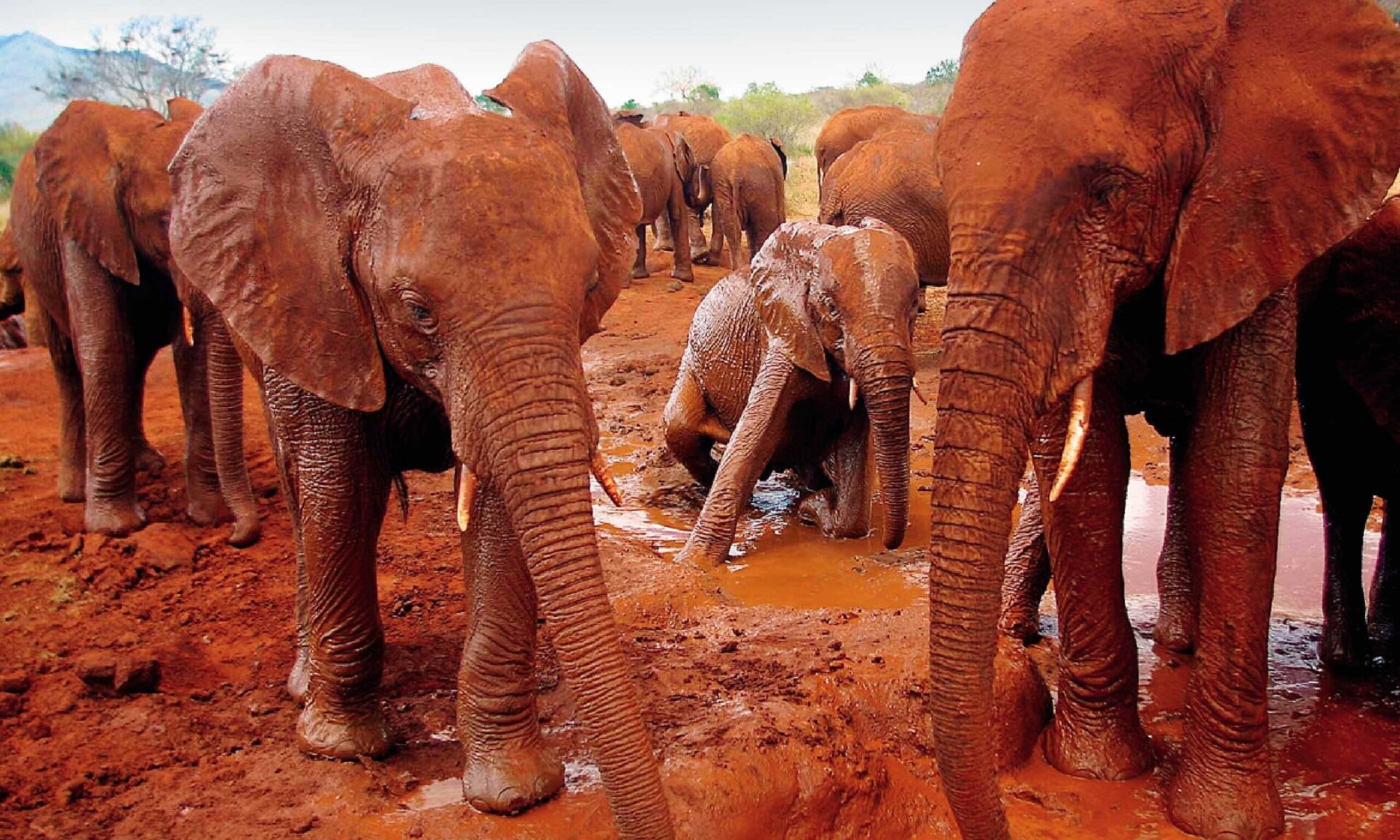
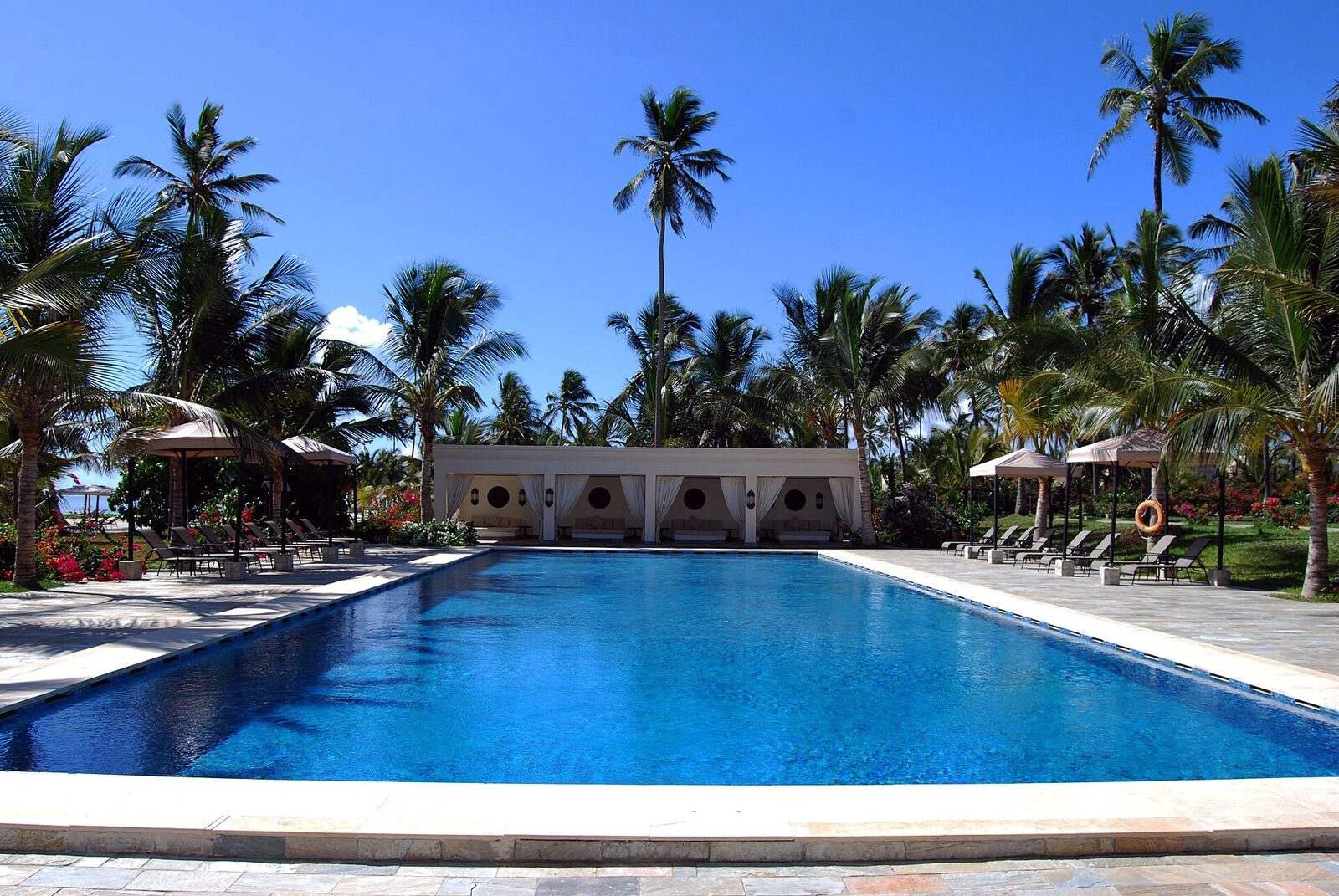
Pilanesberg National Park delivers South Africa's easiest Big Five safari: malaria-free wilderness set inside the crater of an extinct volcano, just two hours from Johannesburg and moments from the glittering resort of Sun City. This is the park where families go for their first safari, where short-break travellers get the Big Five without flying to Kruger, and where you can spot elephants, rhino, lion, leopard and buffalo across 550 square kilometres of ancient volcanic landscape. This guide strips away the marketing fog to give you transparent 2026 and 2027 pricing, proven multi-day itineraries, and honest advice on when Pilanesberg's wildlife viewing peaks. Whether you're planning a quick day-trip from Johannesburg, a weekend escape to Sun City with morning game drives, or a week-long malaria-free Northern safari linking Pilanesberg to Madikwe, you'll leave here with the real costs, the right timing, and a booking plan that matches your budget.
📌 KEY TAKEAWAYS — Pilanesberg Safari Packages 2026/2027
- ✓ Closest Big Five to Johannesburg: Two-hour drive (170km) — the most accessible Big Five reserve in South Africa, perfect for short safaris, families and add-ons to Johannesburg or Sun City stays.
- ✓ Completely Malaria-Free: No antimalarial tablets required — ideal for young children, pregnant travellers, and older guests. One of South Africa's three premier malaria-free Big Five reserves (alongside Madikwe and the Eastern Cape).
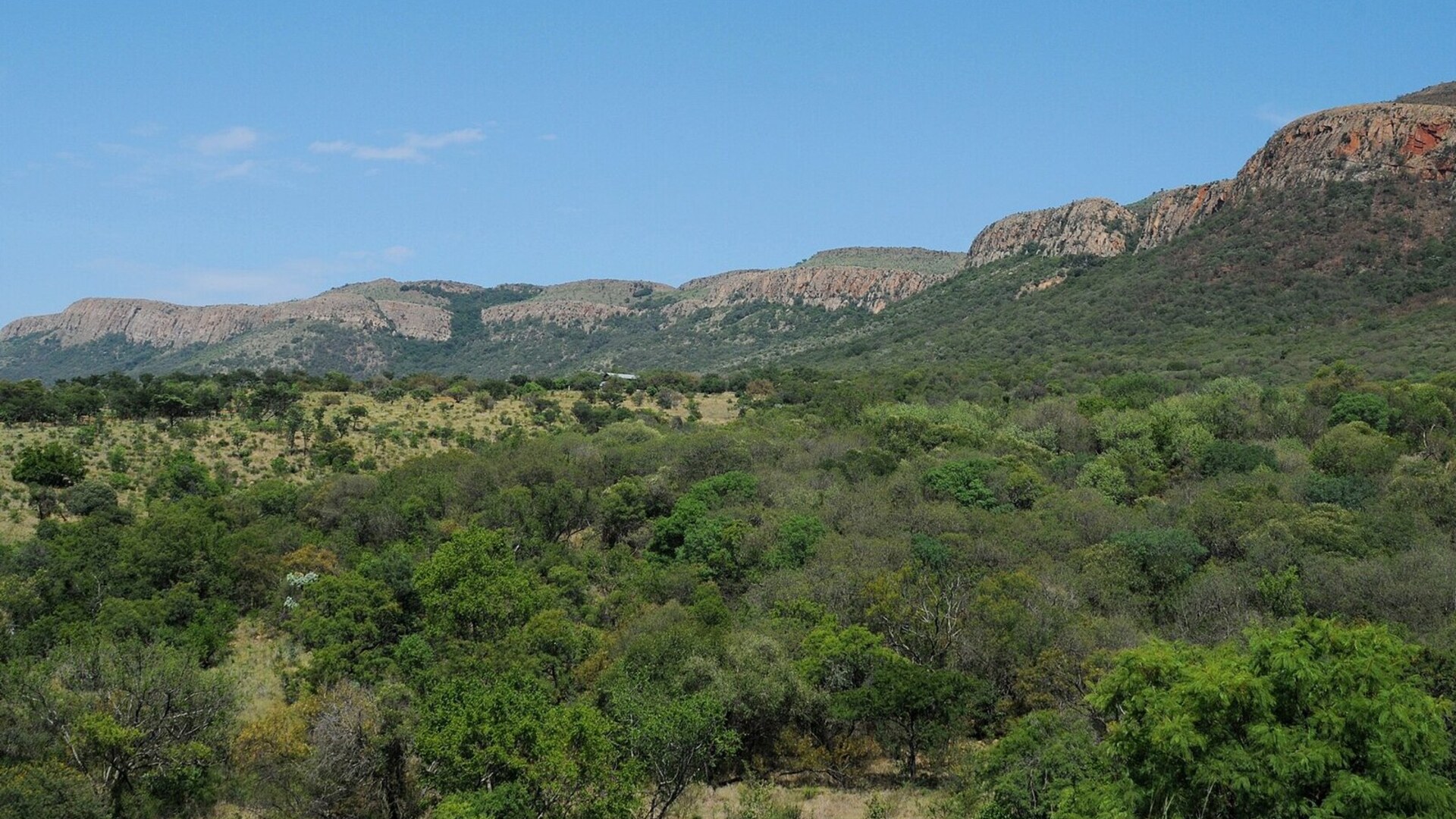
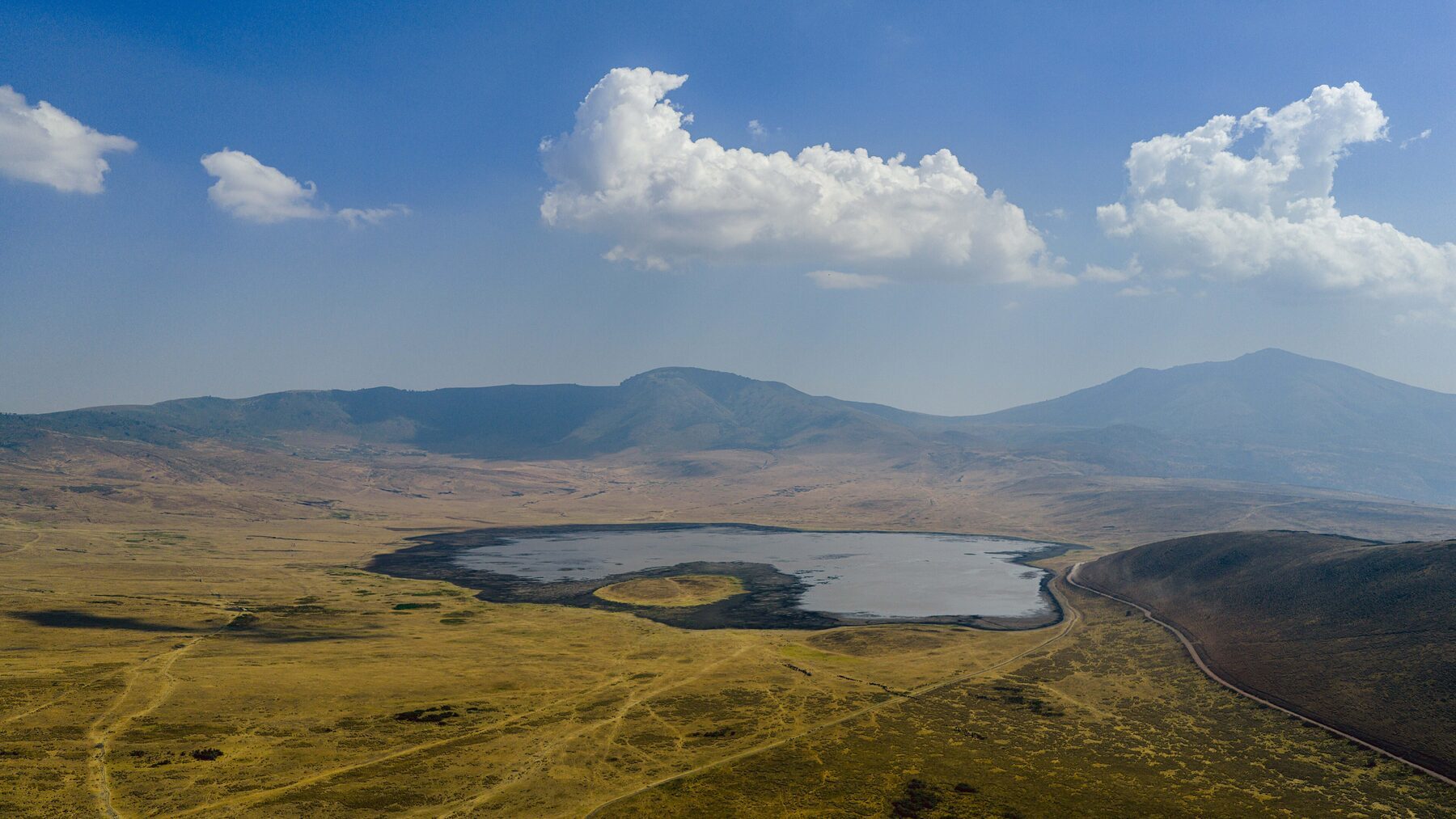
- ✓ Big Five in an Ancient Crater: Lion, leopard, elephant, rhino and buffalo roam inside a two-billion-year-old extinct volcanic crater — one of the most scenic Big Five settings in Africa, with concentric rings of hills and a central lake.
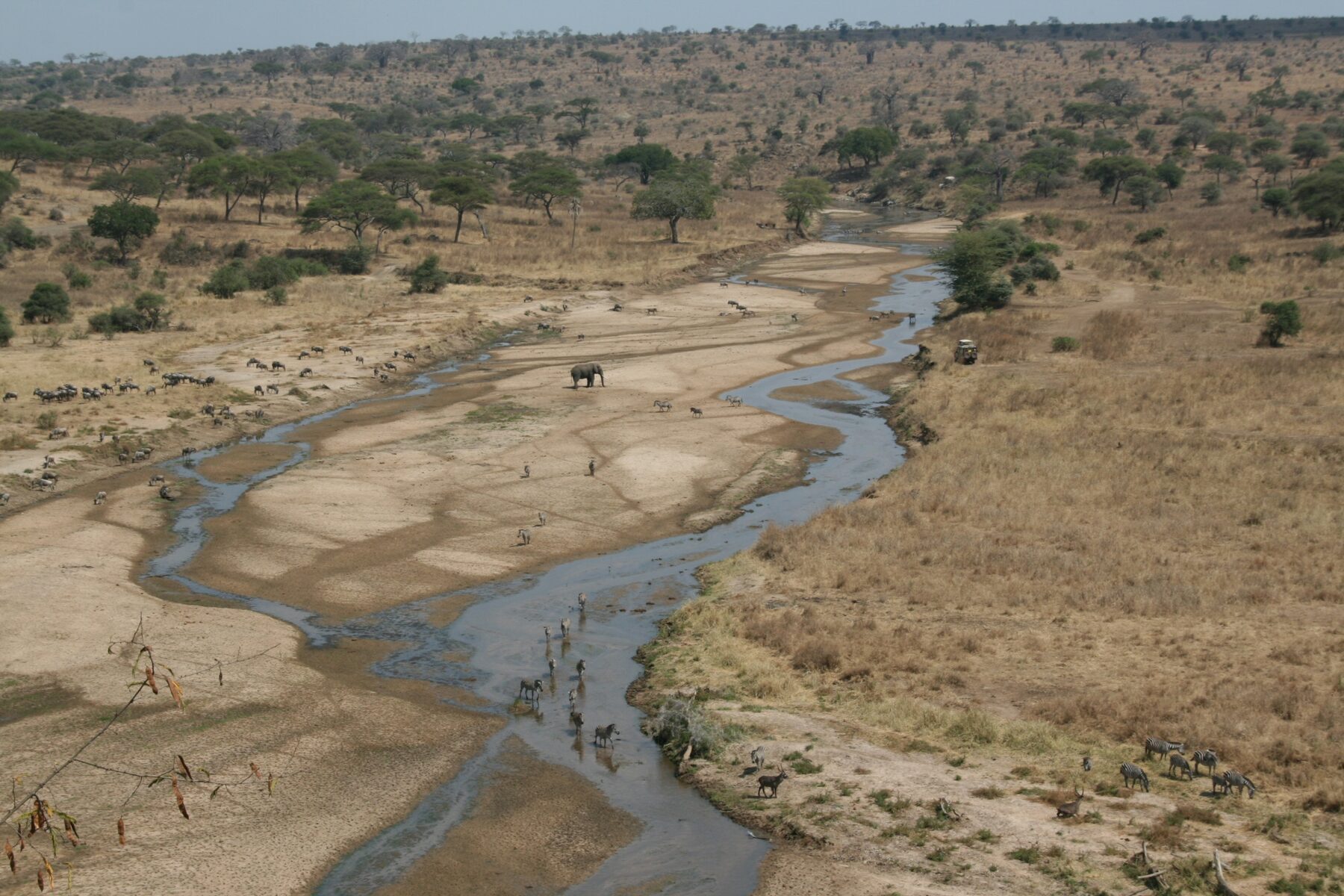
- ✓ Best Wildlife Months: May–September (dry winter) — the prime game-viewing season when animals concentrate around waterholes and the vegetation is low. Pilanesberg rewards year-round, but winter delivers the clearest sightings.
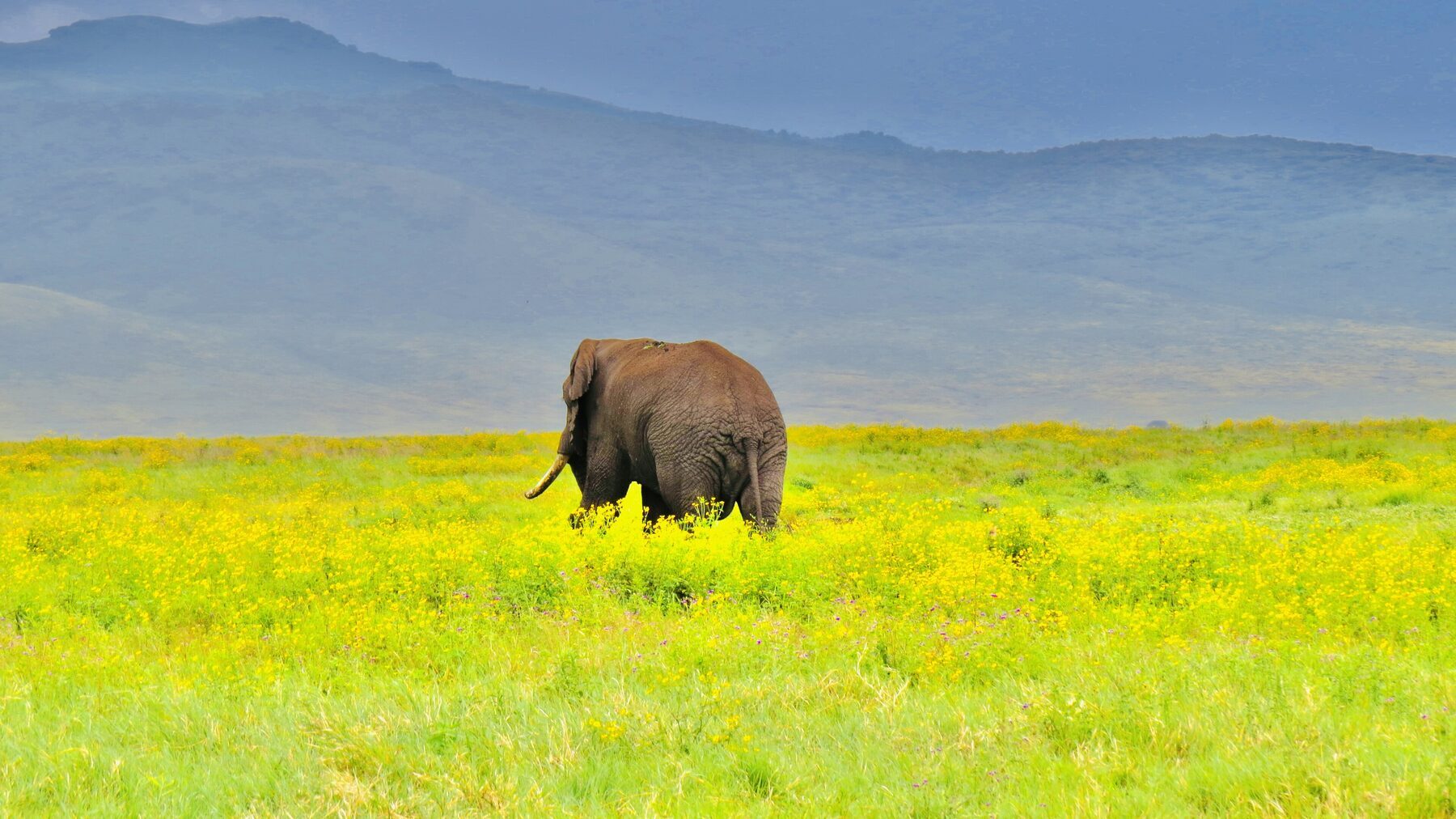
- ✓ Crown Jewel: The Mankwe Dam in the dry season — the park's central waterhole where elephants, buffalo, rhino and predators converge. Early-morning and late-afternoon drives to the dam deliver Pilanesberg's signature moments.
1. Transparent Pilanesberg Safari Pricing 2026/2027 — What You'll Really Pay
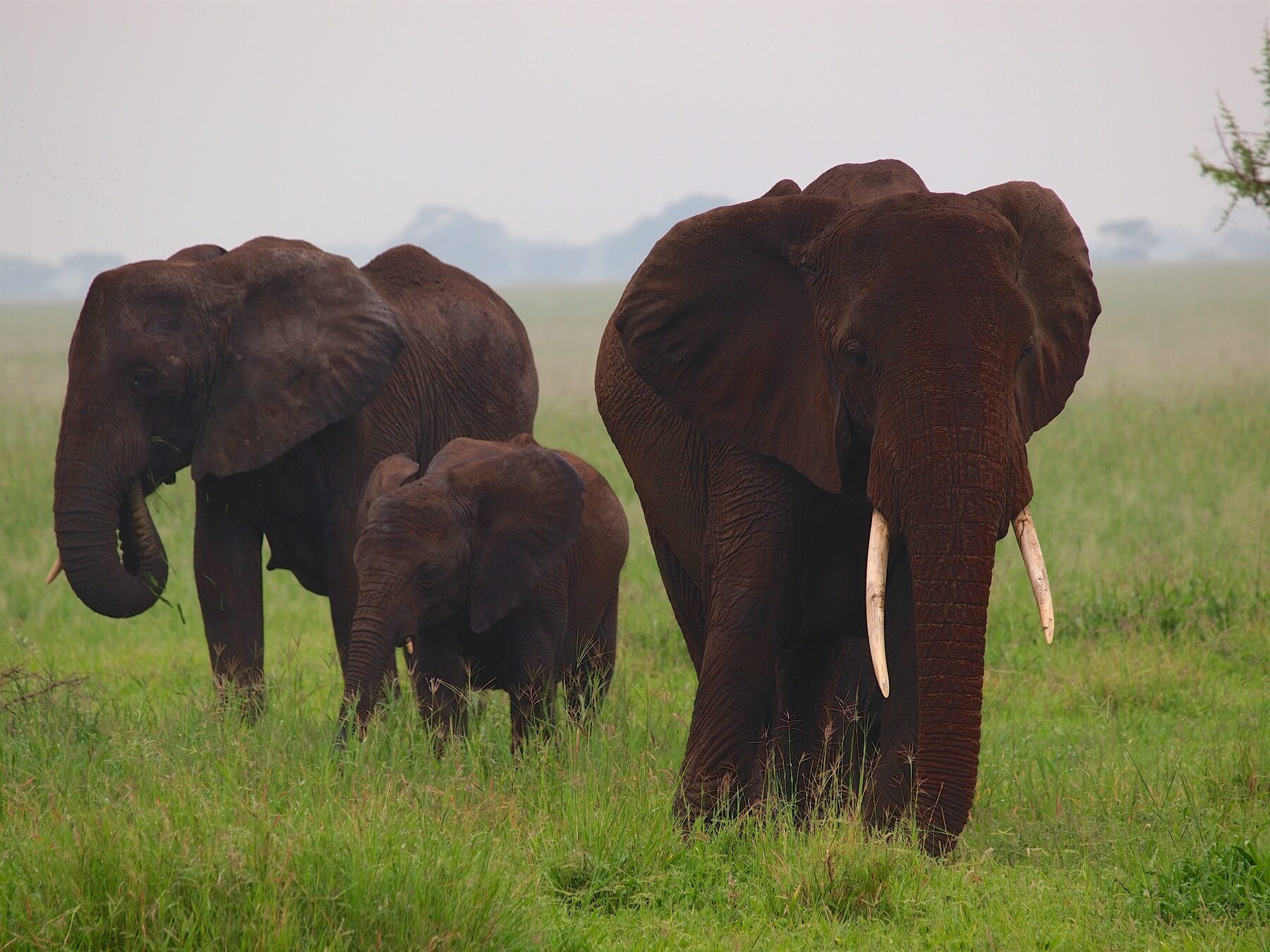
Pilanesberg safari packages span a wide pricing spectrum — from budget-friendly day-trips and camping to luxury lodges with private game drives. Here's what you can expect to pay in 2026 and 2027, broken down by safari length and style.
💵 TIER 1: Day-Trip Pilanesberg Safari — The Quick Big Five Taste (1 Day)
Best for: Johannesburg-based travellers, short-break visitors, or those adding a wildlife day before flying out. The most accessible Big Five safari in South Africa.
🔹 What You Get: Early-morning pickup from Johannesburg/Pretoria (6–7am), 2-hour scenic drive to Pilanesberg, full-day game drive (typically 6–8 hours in the park), picnic lunch or restaurant meal, return to Johannesburg by evening (6–7pm). Shared or private vehicle options available.
💰 Cost: $100–180 per person (ZAR 1,800–3,250) for shared day-safari. Private vehicle day-safari: $250–400 per person (2-person minimum, scales down with more guests). Park entry fee (~$12pp) usually included.
Why this works: Perfect for short-break visitors or those on a tight schedule — you get authentic Big Five game viewing without an overnight stay. The downside: you miss the prime dawn and dusk wildlife activity, and you're back on the road by 3–4pm.
💵 TIER 2: 2–3 Day Pilanesberg Safari — The Malaria-Free Weekend Escape
Best for: Families with young children, couples wanting a short malaria-free Big Five break, or Sun City guests adding a wildlife component.
🔹 What You Get: 2 nights at a mid-range Pilanesberg lodge or tented camp (Manyane Resort, Bakgatla Camp, Ivory Tree Game Lodge), 4–5 game drives (dawn and dusk sessions), all meals, park fees, and Johannesburg/Sun City road transfers. Some packages include a Sun City resort stay pre- or post-safari.
💰 Cost: $300–600 per person (twin-share, 2–3 nights) for mid-range lodges. Budget camping at Manyane: $150–250pp. Luxury lodges (Shepherd's Tree, Tshukudu): $600–900pp.
Who books this: The sweet spot for first-time safari-goers and families — you get the full safari rhythm (dawn drives, bush dinners, campfire storytelling) without the cost or travel time of a Kruger or Botswana safari. Pairing with Sun City adds a resort element for non-safari days.
💵 TIER 3: 4–5 Day Pilanesberg & Madikwe Safari — The Malaria-Free Northern Combination
Best for: Travellers wanting to maximise Big Five sightings across South Africa's two premier malaria-free reserves, families seeking variety, or photographers after wild dog and cheetah alongside the Big Five.
🔹 What You Get: 4 nights split between Pilanesberg (2 nights) and Madikwe Game Reserve (2 nights), 8–10 game drives across both reserves, all meals and park fees, road transfers between parks (3-hour scenic drive), and Johannesburg airport transfers. Madikwe adds wild dog and higher predator densities; Pilanesberg brings the volcanic crater drama.
💰 Cost: $800–1,500 per person (twin-share, mid-range to luxury lodges, 4–5 nights). Budget camping combination: $400–650pp. All-inclusive luxury (Madikwe Hills + Shepherd's Tree): $1,800–2,500pp.
Who books this: Safari enthusiasts and families wanting the full malaria-free Northern safari experience — two distinct Big Five reserves, excellent predator sightings (Madikwe has one of Africa's highest wild dog populations), and the scenic variety of crater landscape (Pilanesberg) plus open bushveld (Madikwe).
💵 TIER 4: Week-Long Pilanesberg, Madikwe & Greater Kruger Safari — The Ultimate South African Safari
Best for: First-time Africa visitors wanting the definitive South African safari, honeymooners, milestone celebrations, or photographers seeking the full wildlife spectrum from malaria-free reserves to the iconic Greater Kruger.
🔹 What You Get: 6–7 nights split across Pilanesberg (2 nights), Madikwe (2 nights), and Greater Kruger private reserves (2–3 nights at Sabi Sand, Timbavati or Manyeleti), 12–16 game drives, all meals and drinks, park and concession fees, scenic road transfers or charter flights between reserves. You get the malaria-free ease of Pilanesberg and Madikwe plus the wild grandeur and leopard guarantee of Greater Kruger's private concessions.
💰 Cost: $2,000–4,000+ per person (twin-share, 6–7 nights, luxury lodges). Fly-in version (charter flights between reserves): $3,500–6,000+pp. Ultra-luxury (including Singita Sabi Sand or Londolozi): $5,000–9,000+pp.
Why this is the ultimate: You experience South Africa's full safari palette — the accessibility and malaria-free assurance of Pilanesberg, the wild dog and cheetah action of Madikwe, and the legendary leopard sightings and walking safaris of Greater Kruger's private reserves. This is the journey for travellers who want it all.
💡 PRICING NOTE: All Pilanesberg packages include the park entry fee (approx. $12pp per day, non-resident adult) and conservation levies. Costs shown are 2026/2027 estimates for twin-share, high season (May–October). Solo travellers typically pay 1.5–1.8× the per-person rate. Children under 12 usually 50–70% of adult cost, under 6 often free (check per lodge). Prices are indicative — always request a current quote.
2. Sample Pilanesberg Safari Itineraries — What to Expect Day by Day
Here's what the three most popular Pilanesberg safari packages look like on the ground — the game drives, the lodges, the wildlife moments, and the rhythm of each day.
📅 OPTION A: 2-Day Pilanesberg Weekend Safari — The Malaria-Free Big Five Immersion
Best for: Johannesburg-based families, couples seeking a quick bush escape, or first-time safari-goers wanting to test the waters before a longer African journey.
- Day 1: Johannesburg departure (early morning or midday), 2-hour scenic drive through North West Province farmland, arrive Pilanesberg by lunch. Check in at your lodge (Shepherd's Tree, Ivory Tree, Manyane Resort or Bakgatla Camp), settle in, then head out for your first afternoon game drive (3:30–6:30pm). Track elephants around Mankwe Dam, search for lions in the crater grasslands, watch the sun set over the volcanic hills. Return to lodge for dinner and campfire storytelling.
- Day 2: Wake-up call at 5:30am for the prime dawn game drive (6–9am) — the money session when predators are most active and elephants gather at the waterholes. Return to lodge for brunch. Optional late-morning game drive or relaxation at the lodge pool before departing for Johannesburg (12–1pm arrival back around 3–4pm). This is the minimum time to experience the full safari rhythm — dawn and dusk drives, bush meals, and the Big Five in their element.
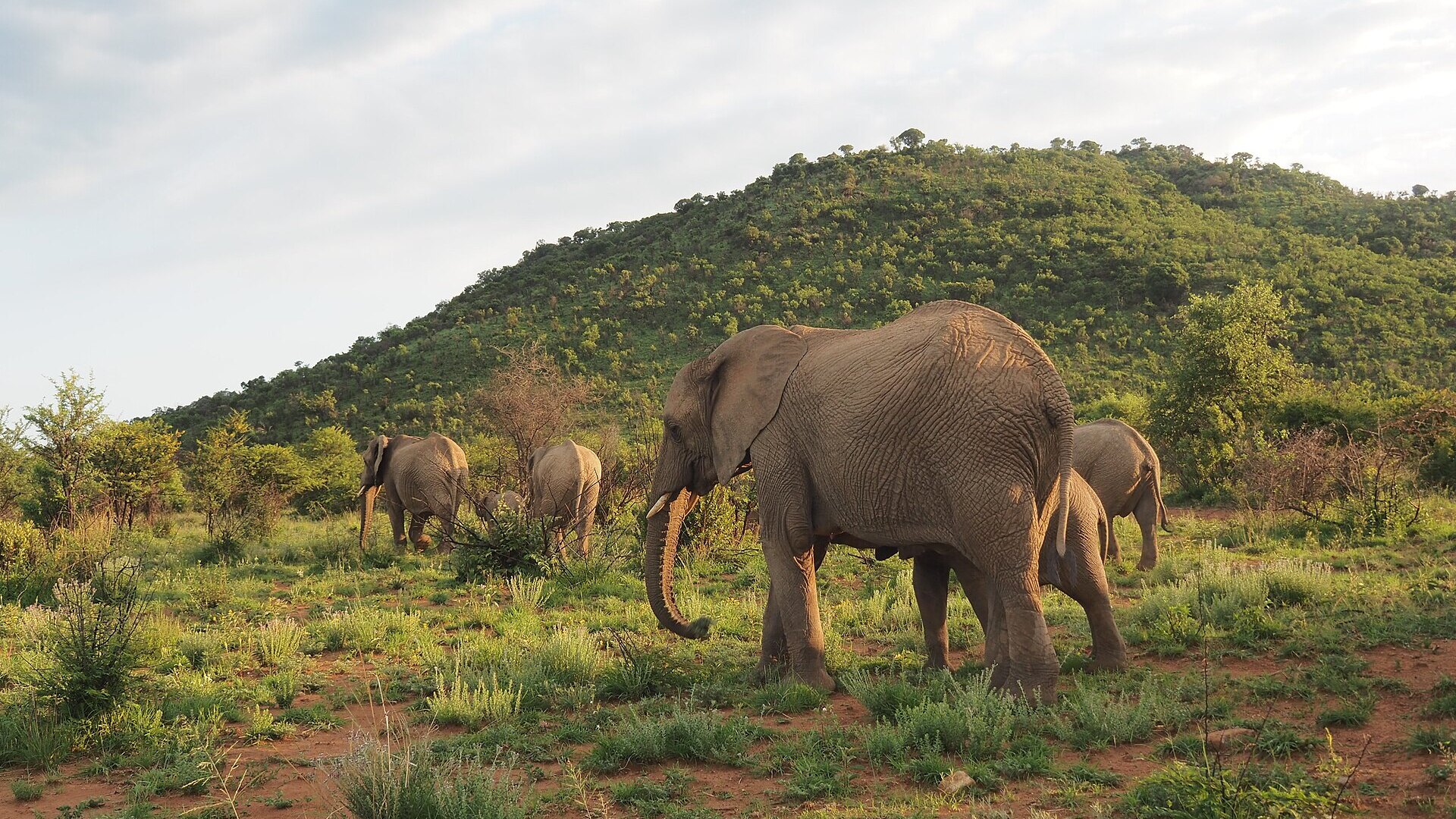
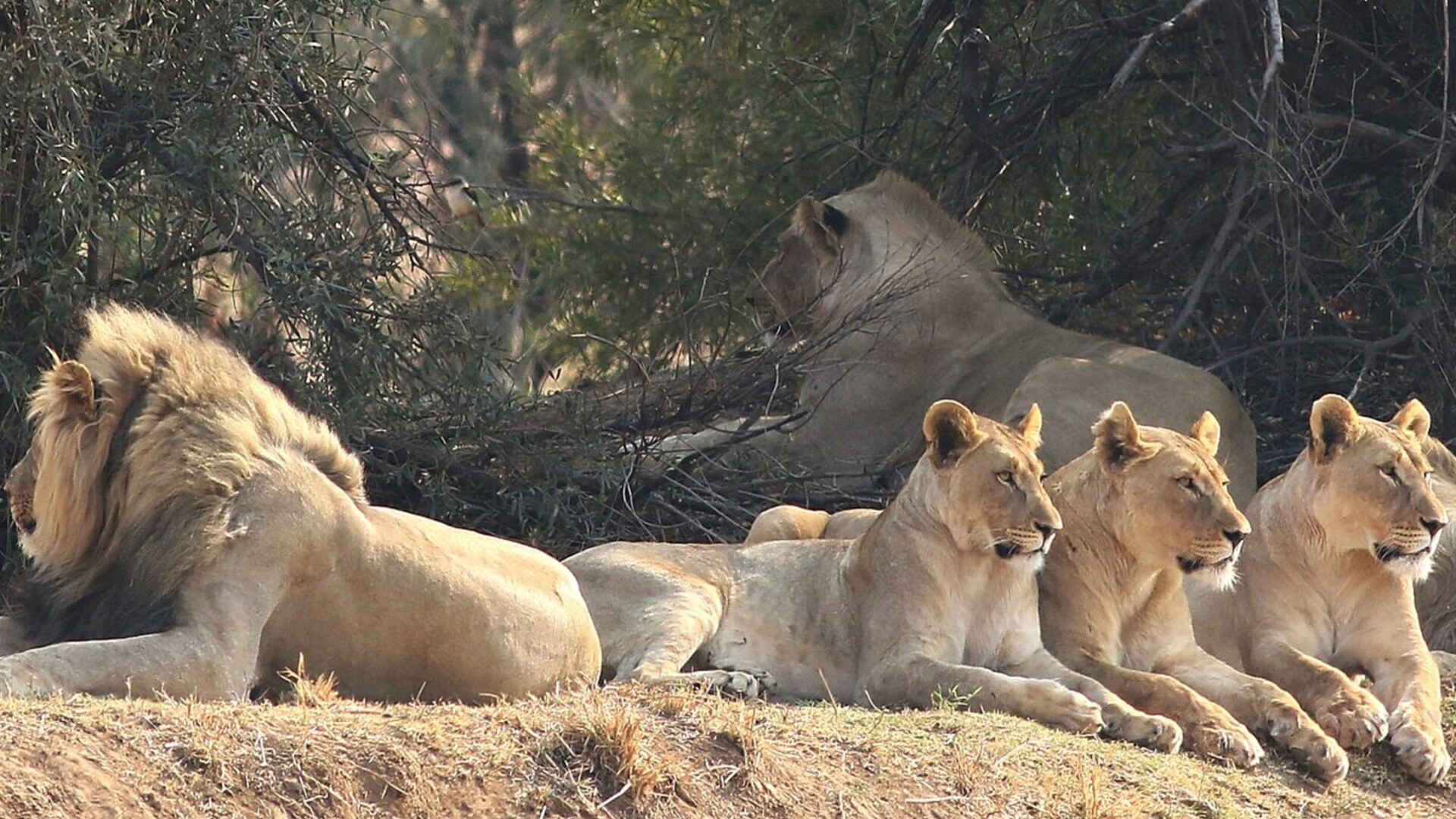
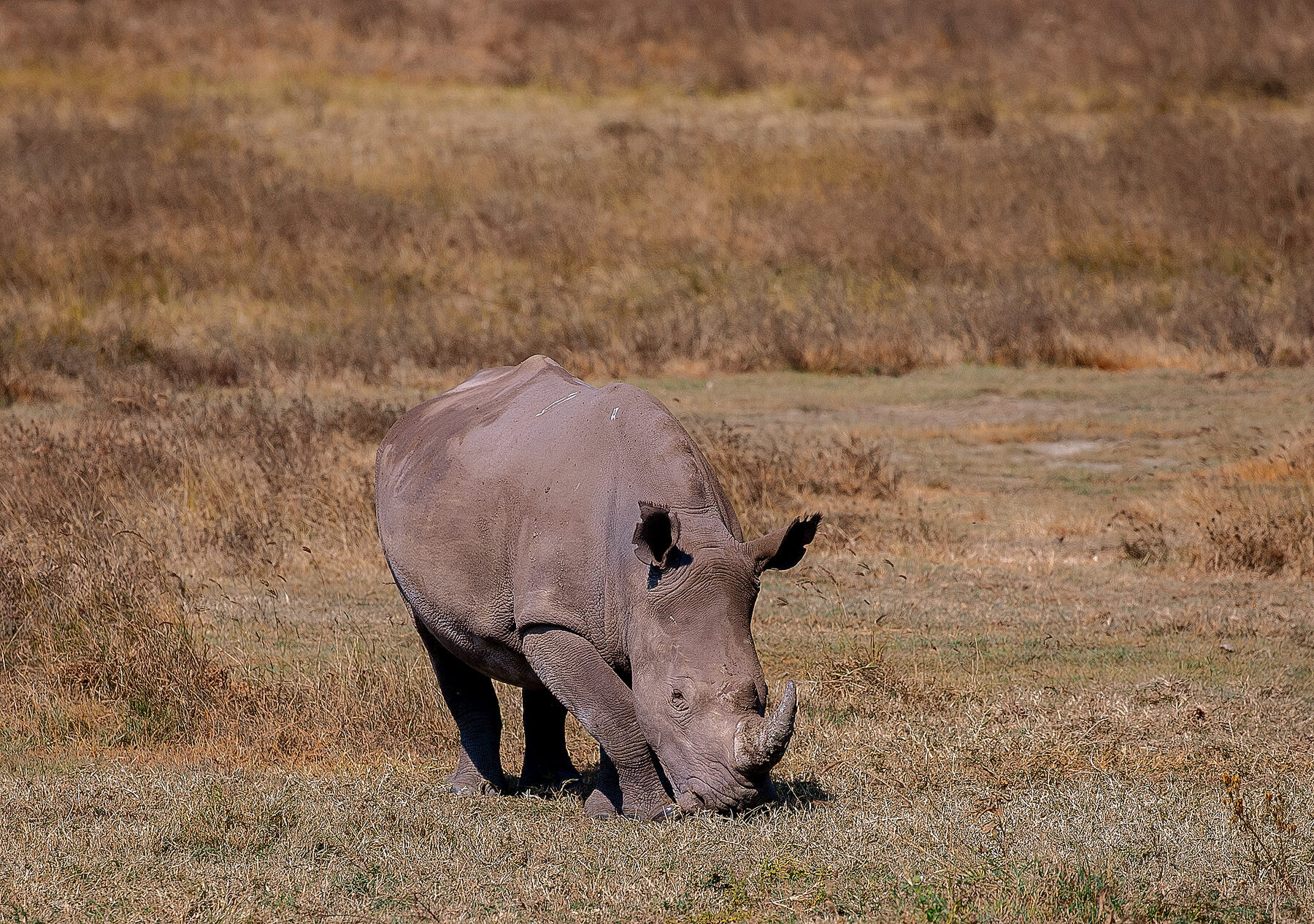
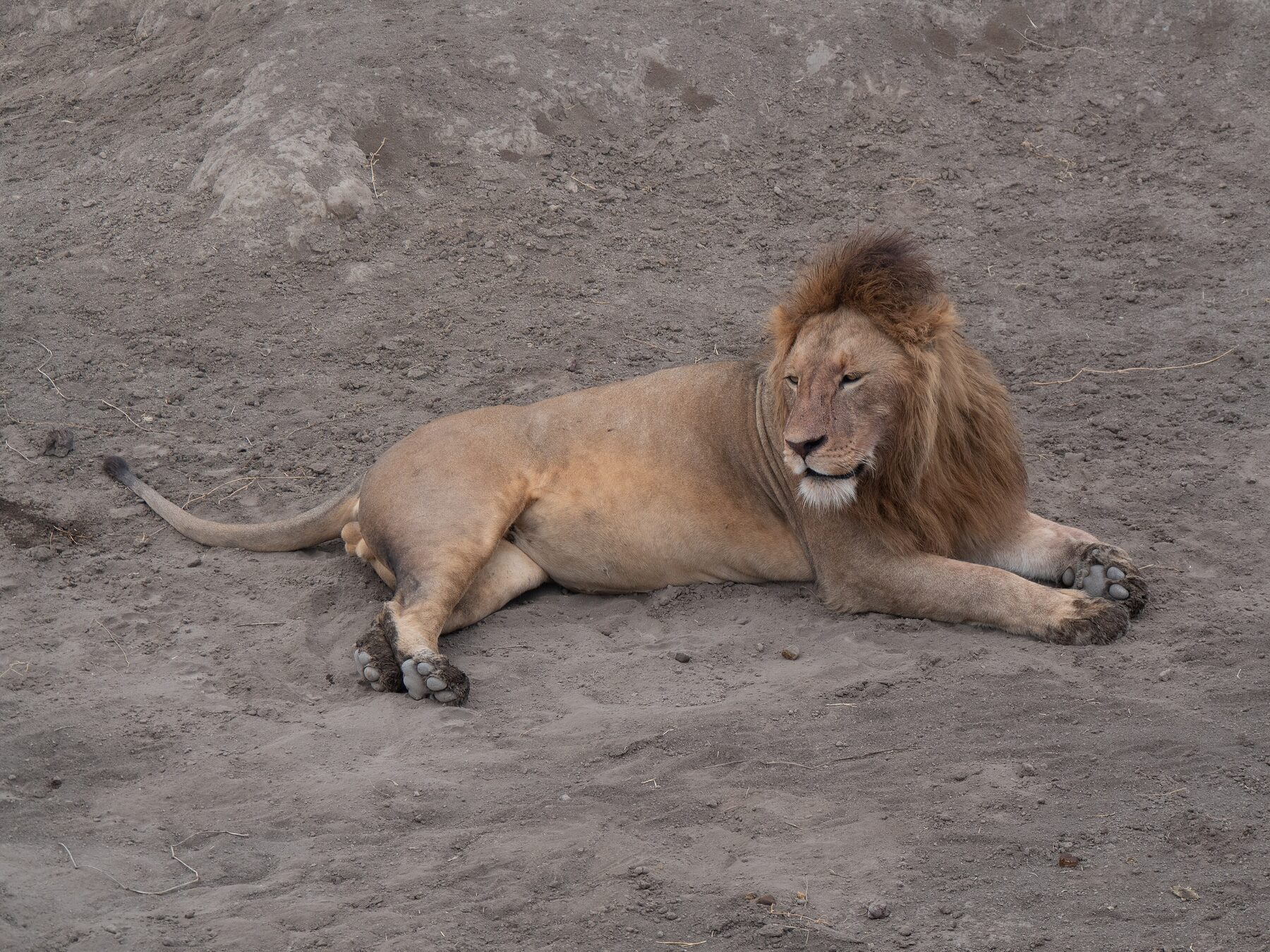
Wildlife to expect: Elephant herds are virtually guaranteed (Pilanesberg has one of the highest elephant densities in South Africa). Rhino sightings are excellent (both white and black rhino present). Lion prides patrol the open grasslands and are frequently seen. Buffalo herds gather around Mankwe Dam and the southern waterholes. Leopard sightings are less common but possible, especially in the rocky outcrops and riverine woodland. Cheetah and wild dog are present but rare.
📅 OPTION B: 5-Day Pilanesberg & Madikwe Safari — The Malaria-Free Big Five Double-Header
Best for: Families wanting variety across two distinct reserves, wildlife photographers after wild dog and cheetah alongside the Big Five, or travellers maximising sightings without flying to distant parks.
- Days 1–2: Johannesburg to Pilanesberg — 2 nights at Shepherd's Tree or Ivory Tree Game Lodge. Four game drives across the volcanic crater landscape, tracking elephants around Mankwe Dam, searching for lions on the grasslands, and exploring the rocky outcrops for leopard. Pilanesberg's compact size and varied habitats deliver excellent Big Five sightings in a short time.
- Day 3: Scenic 3-hour road transfer from Pilanesberg to Madikwe Game Reserve (morning departure after brunch, arrive Madikwe by lunch). The drive crosses North West Province farmland and Tswana villages — a window into rural South African life. Check in at your Madikwe lodge (Tuningi, Madikwe Safari Lodge, Jamala or Morukuru), settle in, then afternoon game drive. Madikwe brings open bushveld, wild dog packs, and higher predator densities.
- Days 4–5: Full days in Madikwe — dawn and dusk game drives, tracking wild dog packs (Madikwe has one of Africa's highest wild dog populations), searching for cheetah on the plains, and watching elephants at the Marico River. Return to Johannesburg on Day 5 (morning departure, arrive back around 1–2pm).
Why the combination works: Pilanesberg gives you the dramatic volcanic crater setting and excellent Big Five diversity; Madikwe delivers higher predator action (wild dog, cheetah, lion and leopard all present in good numbers) and the open bushveld contrast. Together they offer South Africa's best malaria-free safari experience — two reserves, two landscapes, maximum wildlife diversity.
📅 OPTION C: 7-Day Pilanesberg, Madikwe & Sabi Sand Safari — The Ultimate South African Journey
Best for: First-time Africa visitors, honeymooners, or travellers wanting the full South African safari palette from malaria-free reserves to the iconic Greater Kruger private concessions.
- Days 1–2: Pilanesberg (as above) — 2 nights, Big Five immersion in the volcanic crater.
- Days 3–4: Madikwe (as above) — 2 nights, wild dog and cheetah alongside the Big Five.
- Days 5–7: Fly or drive to Greater Kruger (Sabi Sand, Timbavati or Manyeleti private reserves) for 3 nights at a luxury lodge (Londolozi, Singita, Lion Sands, Tanda Tula). The Greater Kruger section brings walking safaris, off-road driving, night drives, and the near-guaranteed leopard sightings that made these private reserves legendary. Return to Johannesburg on Day 7.
Why this is the ultimate: You start with the ease and family-friendliness of Pilanesberg (malaria-free, close to Johannesburg, perfect introduction), escalate to the wild dog drama of Madikwe, then finish with the wild grandeur and leopard guarantee of Greater Kruger's exclusive concessions. This is the journey that delivers every facet of a South African safari.
3. Choosing Your Pilanesberg Base — Lodges, Camps & Sun City Combinations
Pilanesberg offers a spectrum of accommodation from budget national-park camping to luxury private lodges. Here's how to choose your base.
🏕️ BUDGET: Manyane Resort & Bakgatla Camp — Self-Catering & Camping
Best for: Budget travellers, self-drive safari-goers, families wanting flexibility and low cost.
What you get: Self-catering chalets, camping sites, shared ablutions, on-site restaurant and shop, swimming pool. Both camps are inside the national park and offer self-drive game viewing. Manyane has a hide overlooking a waterhole (great for birdwatching and game viewing from camp). Budget-friendly, basic facilities, bring your own food or eat at the restaurant.
Cost: $30–80 per person per night (camping and self-catering chalets). Park entry fee paid separately (~$12pp per day).
🏠 MID-RANGE: Ivory Tree Game Lodge, Bakubung Bush Lodge, Kwa Maritane Bush Lodge
Best for: First-time safari-goers, families, couples seeking comfort without luxury price tags.
What you get: Comfortable en-suite rooms or chalets, swimming pool, restaurant, bar, twice-daily guided game drives (dawn and dusk), all meals included. These lodges sit on the park boundary or inside private concessions adjacent to Pilanesberg, offering good wildlife access and the full safari lodge experience at mid-range pricing.
Cost: $150–300 per person per night (twin-share, all-inclusive with game drives). Excellent value for families and first-timers.
🌟 LUXURY: Shepherd's Tree Game Lodge, Tshukudu Bush Lodge, Black Rhino Game Lodge
Best for: Honeymooners, couples, luxury travellers seeking exclusivity, photographers wanting private vehicles and flexible timing.
What you get: Spacious suites with private decks, plunge pools, high-end finishes, gourmet meals and premium drinks, twice-daily private game drives (flexible timing), walking safaris, spa facilities, and personalised guiding. These lodges offer the full luxury safari experience — think Sabi Sand-style service and accommodation at a fraction of the cost (because Pilanesberg is not Greater Kruger).
Cost: $300–600 per person per night (twin-share, fully inclusive). Ultra-luxury suites at Tshukudu or Black Rhino: $600–900pp per night.
🎰 SUN CITY COMBINATION: Pilanesberg Safari + Sun City Resort
Best for: Families wanting wildlife plus resort entertainment, couples seeking a safari-and-spa combination, or travellers wanting the full South African "bush and bling" experience.
What you get: 2–3 nights split between Pilanesberg (safari lodge, dawn and dusk game drives) and Sun City (world-class resort with waterpark, golf, casino, spa, multiple restaurants). Sun City sits 10 minutes from Pilanesberg's gate — perfect for combining Big Five wildlife with resort luxury.
Cost: $400–900 per person for 3–4 nights (including safari lodge, Sun City resort, game drives, and some meals). Premium Sun City hotels (Palace of the Lost City): add $200–400pp per night.
When to Go — Best Time for Pilanesberg Wildlife Viewing
May–September (Dry Winter) — Prime Game Viewing: This is Pilanesberg's peak wildlife season. The winter dry season brings low vegetation, animals concentrating around waterholes (especially Mankwe Dam), and comfortable cool days (15–25°C). Predator sightings improve as lions and leopards stake out the water sources. This is the best time for first-time safari-goers and photographers.
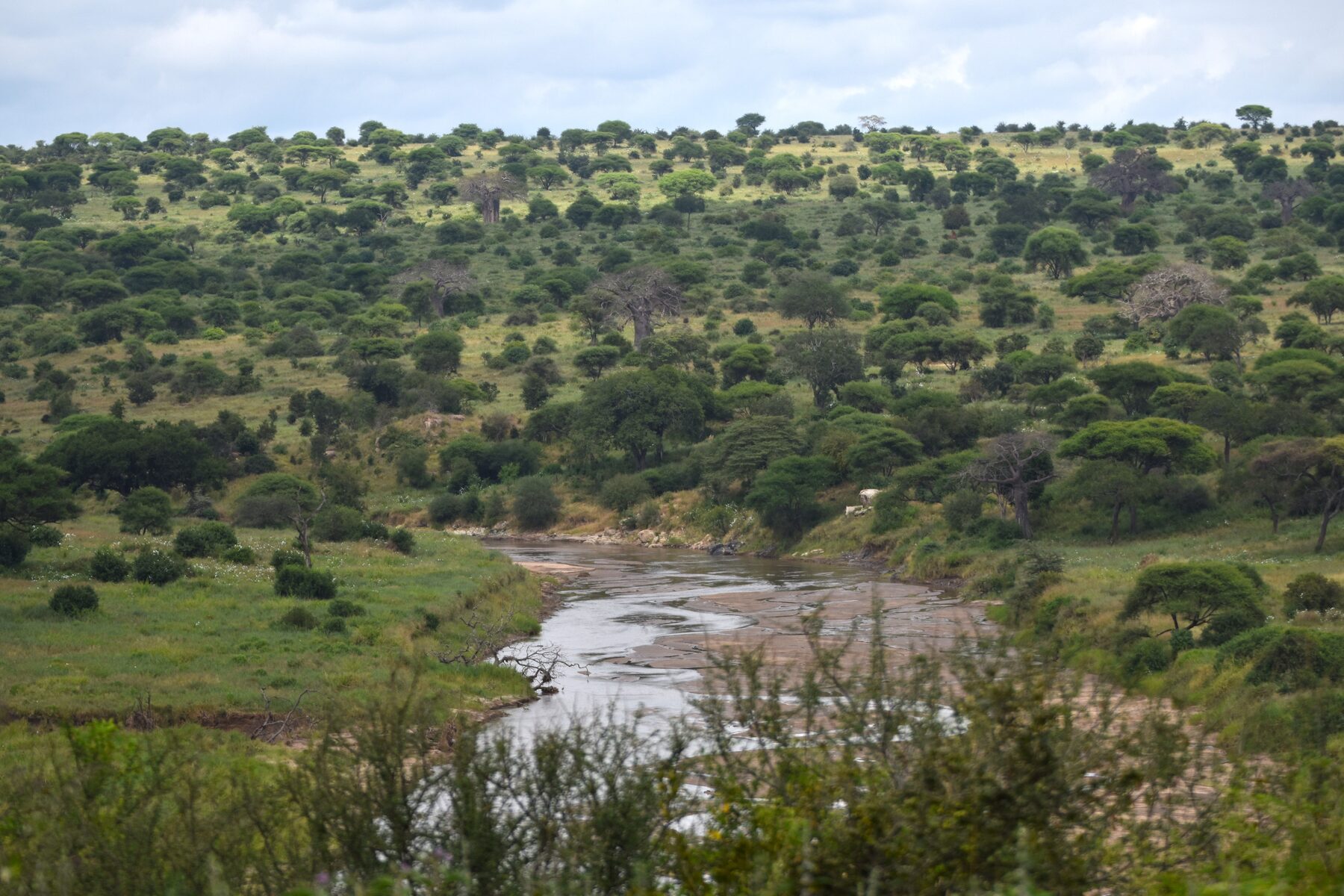
October–April (Summer & Wet Season) — Green Season & Baby Animals: The summer months bring afternoon thunderstorms, lush green landscapes, newborn animals (especially impalas and zebras in December–February), and excellent birdwatching (summer migrants arrive). Wildlife is more dispersed (less concentrated around waterholes), but sightings remain good and the park is less crowded. Accommodation prices drop 20–40%.
Pilanesberg rewards year-round — even in the wet summer months the wildlife viewing is excellent, and the dramatic summer storms over the volcanic crater make for spectacular photography.
Why Pilanesberg Works So Well — The Advantages Over Kruger
Pilanesberg is not Kruger — it's smaller (550 km² vs. Kruger's 20,000 km²), lacks Kruger's wild grandeur, and doesn't have Greater Kruger's exclusive private concessions. But for many travellers — especially families, first-timers, and short-break visitors — Pilanesberg is the smarter choice:
- Completely malaria-free — no tablets, no worries, ideal for young children and pregnant travellers.
- Two hours from Johannesburg — drive in, no flights, no long transfers. Perfect for adding a wildlife component to a Johannesburg or Sun City stay.
- Compact and scenic — the volcanic crater setting is dramatic and photogenic, and the smaller size means excellent sightings in a short time.
- Excellent Big Five diversity — all Big Five present (lion, leopard, elephant, rhino, buffalo), plus cheetah, wild dog, 350+ bird species.
- Family-friendly infrastructure — good roads, accessible lodges, safe environment for children.
- Affordable — significantly cheaper than Greater Kruger private reserves (especially the luxury concessions).
When to choose Kruger instead: If you want walking safaris, off-road driving, night drives, near-guaranteed leopard sightings, the full wild Africa experience, or you're not worried about malaria — Greater Kruger's private reserves (Sabi Sand, Timbavati, Manyeleti) deliver a wilder, more immersive safari. But Pilanesberg is the perfect introduction, the smart short-break choice, and the go-to malaria-free Big Five reserve for families.
How to Book Your Pilanesberg Safari — The Smart Way
Book directly with specialist operators (like us at Beyond Africa Safaris) rather than aggregator platforms — you'll get better lodge access, flexible itineraries, and real safari expertise. We craft Pilanesberg packages from our Cape Town base, combining the malaria-free Northern reserves with the Garden Route, Cape Town, and the Eastern Cape for the ultimate South African journey.
Lead time: Book 3–6 months ahead for high season (May–September) and South African school holidays (April, July, December). Last-minute bookings (2–4 weeks out) are possible in the green season (October–April) and can unlock discounts.
What to ask for: Flexible game-drive timing (especially important for photography), private vehicle options, lodge upgrades, and honest advice on whether Pilanesberg alone is enough or whether you should combine it with Madikwe or Greater Kruger. A good operator will tailor the itinerary to your wildlife priorities, your budget, and your time constraints — not just sell you a generic package.
Final Thoughts — Is Pilanesberg Right for You?
Pilanesberg is the smart choice if you want the Big Five without the long journey to Kruger, if you're travelling with young children and need a malaria-free guarantee, if you're on a short break from Johannesburg, or if you're a first-time safari-goer wanting to test the waters before a longer African adventure. It's accessible, affordable, family-friendly, and delivers genuine Big Five sightings inside one of the most dramatic landscapes in Africa.
But Pilanesberg is not Kruger — it lacks the wild grandeur, the exclusive private concessions, and the near-guaranteed leopard sightings of the Greater Kruger reserves. If you want the full wild Africa experience, walking safaris, night drives, and the best guiding in the business — Greater Kruger's private reserves are worth the extra cost and travel time.
The best of both worlds? Combine Pilanesberg with Madikwe (malaria-free wild dog and cheetah action) and finish with 2–3 nights in Greater Kruger's Sabi Sand or Timbavati. You get the accessibility of Pilanesberg, the predator drama of Madikwe, and the leopard guarantee of Sabi Sand — the ultimate South African safari trifecta.
Ready to plan your Pilanesberg safari? Contact us for a tailored itinerary and current 2026/2027 pricing — we'll match the right lodges, timing, and combinations to your budget and wildlife priorities.