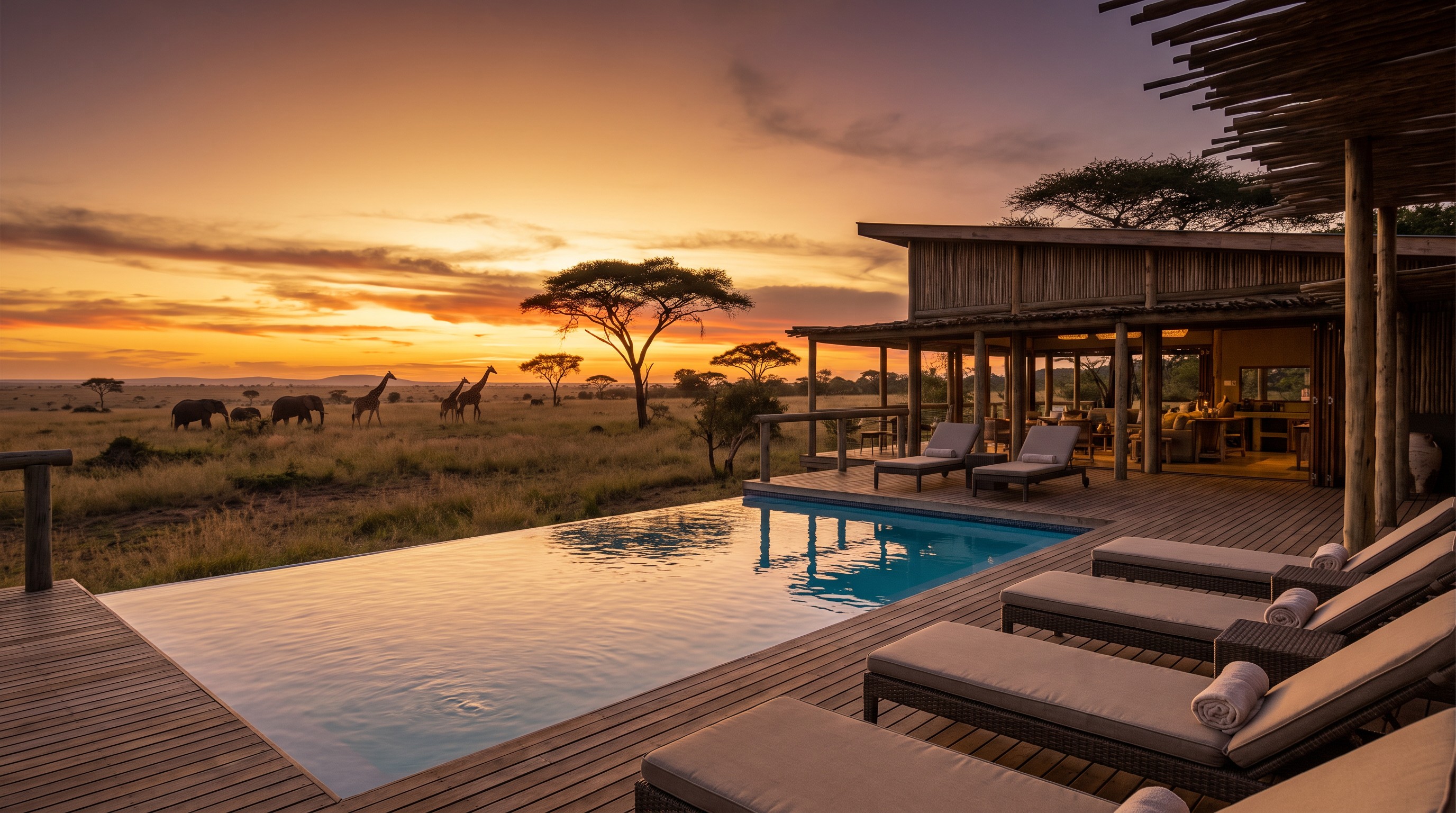
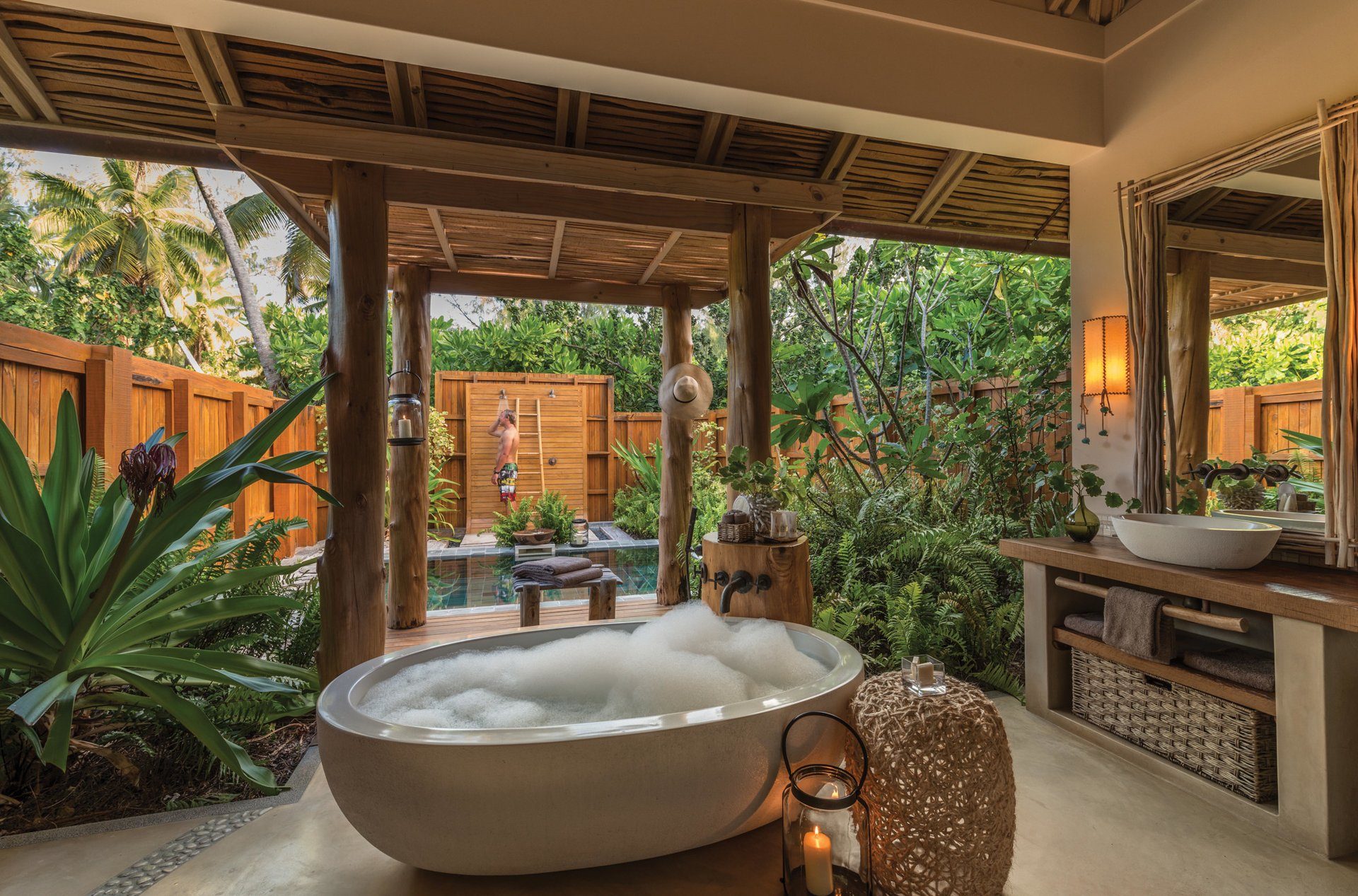
Key Takeaways
- Seven days is the sweet spot for an African safari — long enough to see the Big Five and settle into the rhythm of the bush, short enough to fit a real holiday and a sensible budget.
- The golden rule for one week is to go deep in a single region rather than criss-cross the continent. The best one-week routes cover two or three areas inside one country, or pair a game park with a waterfall, a delta or a beach.
- For the most reliable Big Five and the best value, choose South Africa's Kruger and Sabi Sand. For open plains and the Great Migration, choose Tanzania's Serengeti or Kenya's Masai Mara. For low-volume wilderness, choose Botswana.
- A fully inclusive week runs from around US$4,200 per person for classic value, US$6,000–US$9,000 for comfortable mid-range, and US$9,000–US$20,000-plus for genuine luxury — with the country and the season making the biggest difference.
- With only seven days, at least one internal light-aircraft flight usually pays for itself in the hours of game viewing it saves. Private, tailor-made safaris make every one of those hours count.
Seven days is, for most people, the perfect length for an African safari. It is long enough to leave the world behind — to stop checking your phone, to learn the names of the birds, to feel the slow build of a morning's tracking pay off in a leopard draped along a branch — and yet short enough to fit a normal holiday and a budget that makes sense. A week gives you the Big Five, the big skies and the quiet, and it sends you home changed rather than merely tired. This is the complete guide to 7-day African safari tours: the eight finest one-week routes across the continent, each with a real sample itinerary, honest prices, and the hard-won knowledge of which week suits which traveller.
Across more than two decades of building African journeys, the single most useful thing we tell our travellers is this: in one week, do not try to see Africa. See a piece of it properly. The continent is larger than the United States, China, India and most of Europe combined, and the quickest way to waste a precious week is to spend it in airports chasing three countries. The routes below each solve that problem a different way — some stay inside one country and move between its great parks, some combine neighbours that sit naturally together, and one or two trade animal numbers for landscape or for the beach. Every one of them is a week we build and send travellers on regularly, and every one of them works.
How far can you really get in seven days?
Before the routes, a word on time, because it governs everything. A seven-day safari almost never means seven days of game drives. The first and last days are usually travel days — arriving, clearing immigration, connecting to a bush airstrip; then, at the end, flying back to the gateway city for an international flight home. That leaves roughly five full days in the wild, which is plenty if you plan it well and very little if you do not. The way you protect those five days is by limiting how often you move and how you move between areas.
As a rule, two bases in a week is relaxed, three is active, and four is a mistake. Each move costs you half a day at least, and in remote country a road transfer can swallow a whole one. This is why light-aircraft flights matter so much on a short safari: a forty-minute hop between airstrips can replace a six-hour drive, handing you back an entire afternoon of lions and elephants. It is also why the most satisfying one-week itineraries tend to pair areas that are genuinely close — the Serengeti and the Ngorongoro Crater, Kruger and the Sabi Sand, Victoria Falls and Chobe — rather than ones that merely look close on a map.
1. Serengeti & Ngorongoro, Tanzania — the classic Northern Circuit
If there is an archetypal one-week African safari, this is it. Tanzania's Northern Circuit strings together a run of parks so rich that a single week delivers a lifetime of sightings: the vast, golden Serengeti, where lion prides patrol the kopjes and the Great Migration churns across the plains; the Ngorongoro Crater, a collapsed volcano whose two-thousand-foot walls enclose one of the densest concentrations of wildlife anywhere on earth; and, with time to spare, Tarangire, famous for its ancient baobabs and its elephants. It is open-plains Africa at its most cinematic, and it is the week that turns first-timers into lifelong safari-goers.
A typical seven days begins with a flight into Kilimanjaro and a short hop or drive to the first camp. Days two and three settle into the Serengeti — in the migration months, positioned near the herds and the river crossings; the rest of the year, in the resident-game-rich central and southern plains. Day four crosses to the Ngorongoro highlands, with a full crater day on day five: a dawn descent to black rhino, lion, flamingo-pink soda lakes and elephant bulls with tusks that sweep the grass. Days six and seven unwind the journey home. A classic, well-run version starts from around US$5,500 per person; a fly-in luxury week in the private concessions runs US$9,000 to US$15,000 and beyond. Our 7-day Serengeti Migration Safari and the value Northern Circuit week are two of our most-booked journeys for exactly this reason.
2. Masai Mara & the Great Rift Valley, Kenya
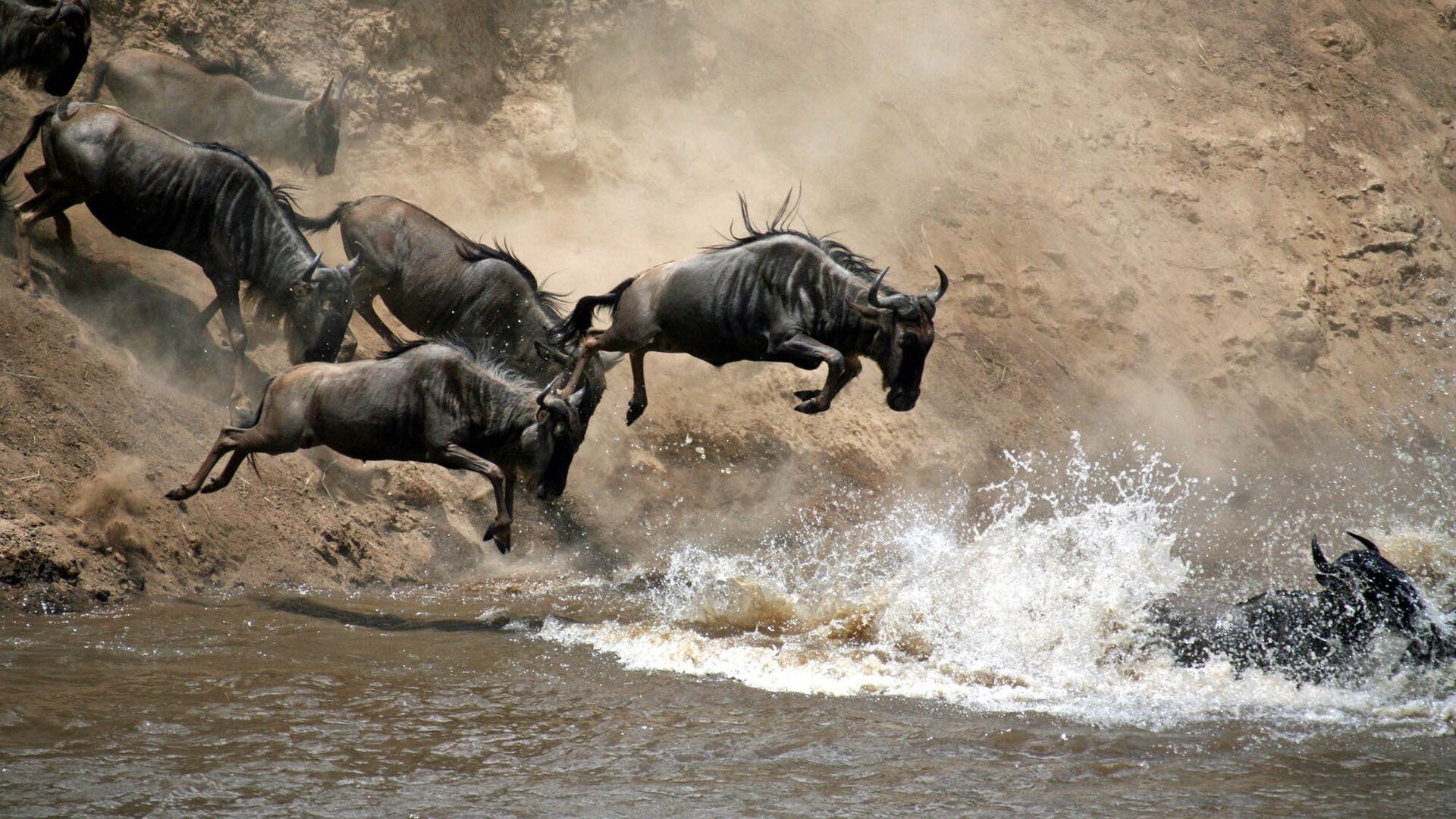
Kenya is where the word safari was born, and for a one-week trip it has a priceless advantage: the Masai Mara, its crown jewel, is a short flight from Nairobi, so almost none of your week is lost getting there. The Mara is big-cat country without equal — lion, cheetah on the termite mounds, leopard along the Talek and Mara rivers — and from roughly July to October it hosts the northern, most dramatic stage of the Great Migration, when wildebeest hurl themselves across crocodile-filled rivers in their thousands. Pair the Mara with a Rift Valley lake or the elephants of Amboseli beneath Kilimanjaro, and a week feels wonderfully full.
A strong seven days flies you from Nairobi to the Mara for three nights — ideally in one of the community conservancies bordering the reserve, where vehicle numbers are capped, off-road driving and night drives are allowed, and the sightings are gloriously uncrowded. From there you might add two nights at Amboseli for its great tusker elephants and mountain backdrop, or in Samburu in the arid north for its unusual species. Days are framed by Nairobi at each end. Expect from around US$5,000 per person for a classic week and US$8,500 to US$14,000 for luxury conservancy camps with private guiding. Our Kenya: Giraffe, Samburu & Masai Mara week shows how beautifully the country layers together in seven days.
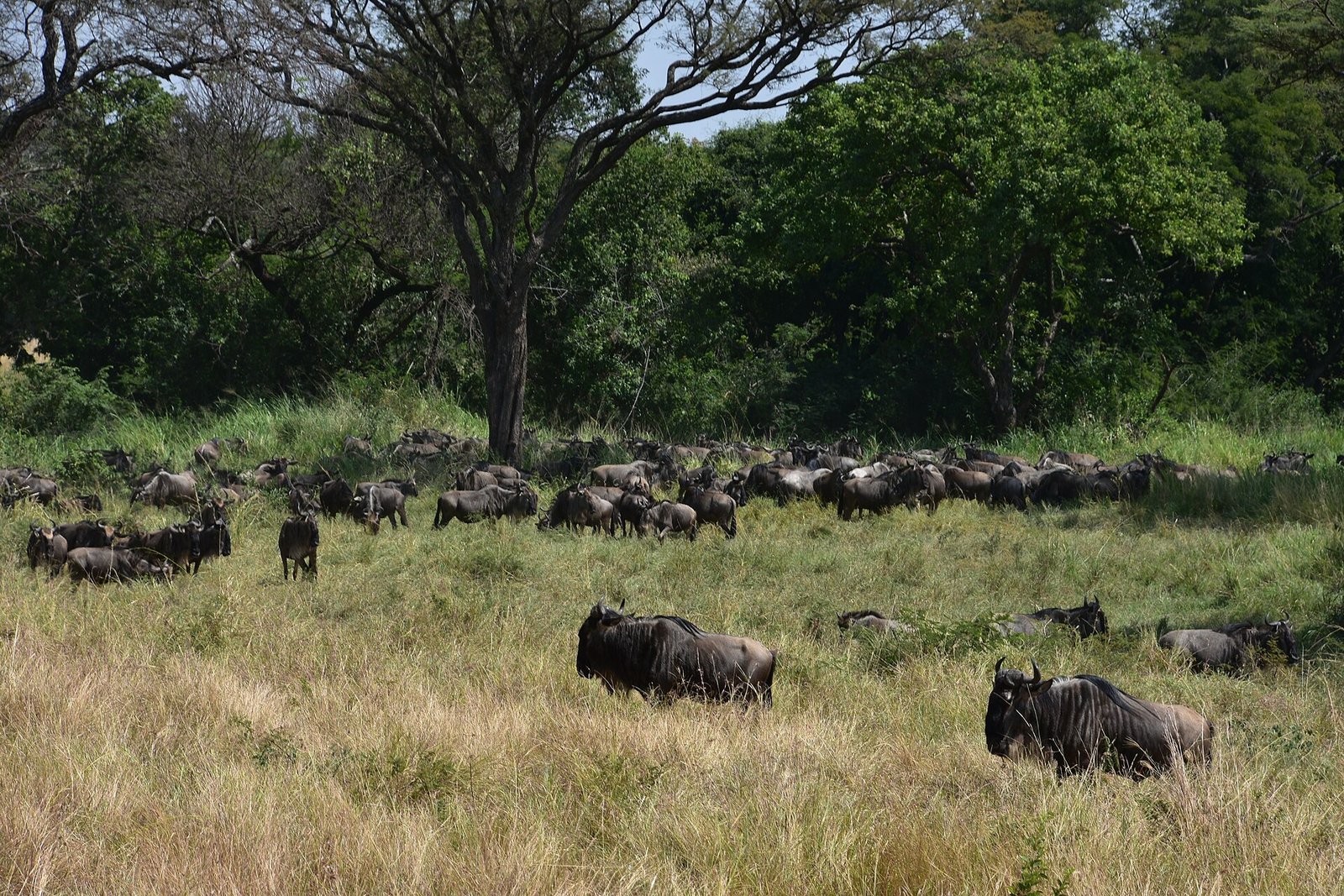
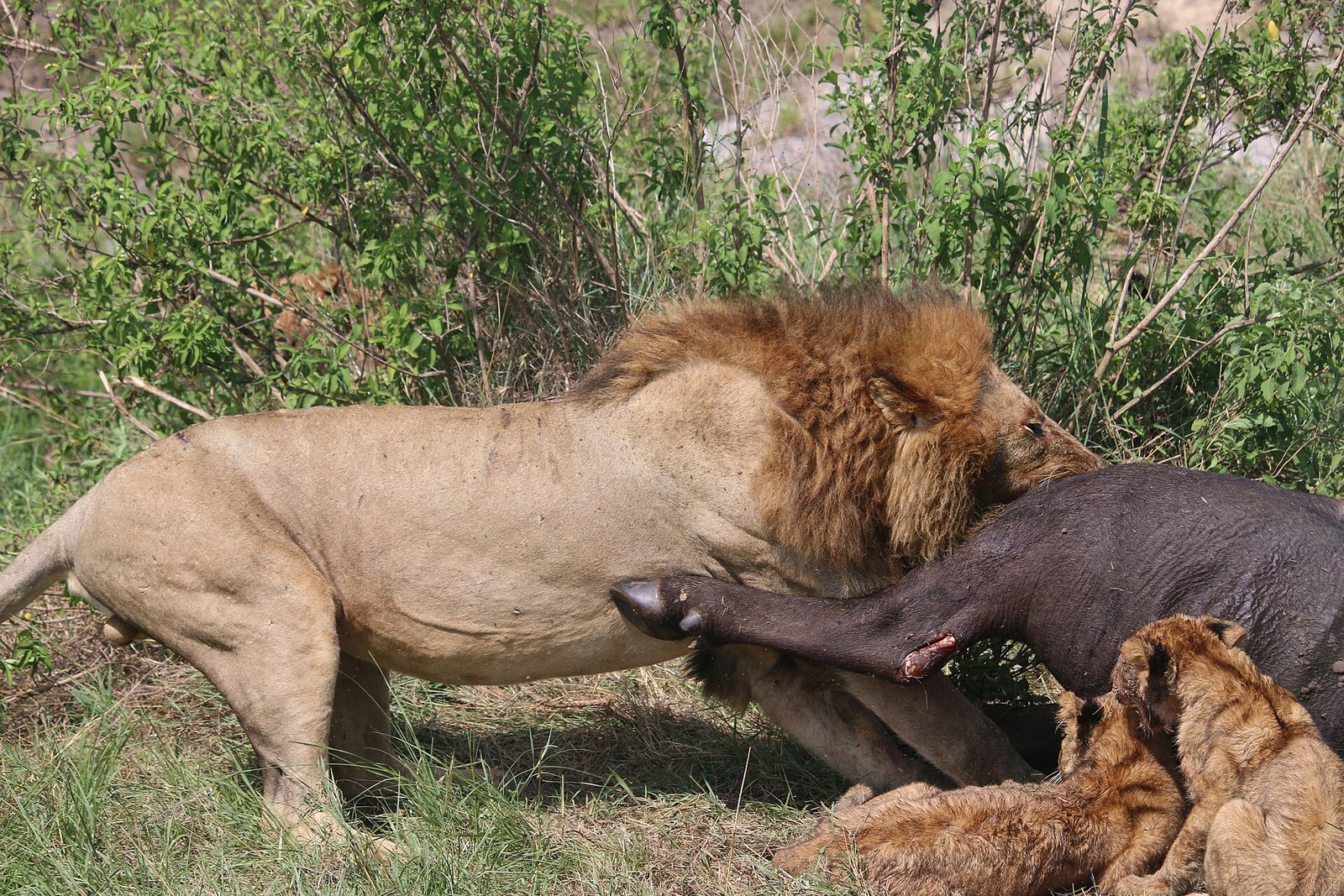
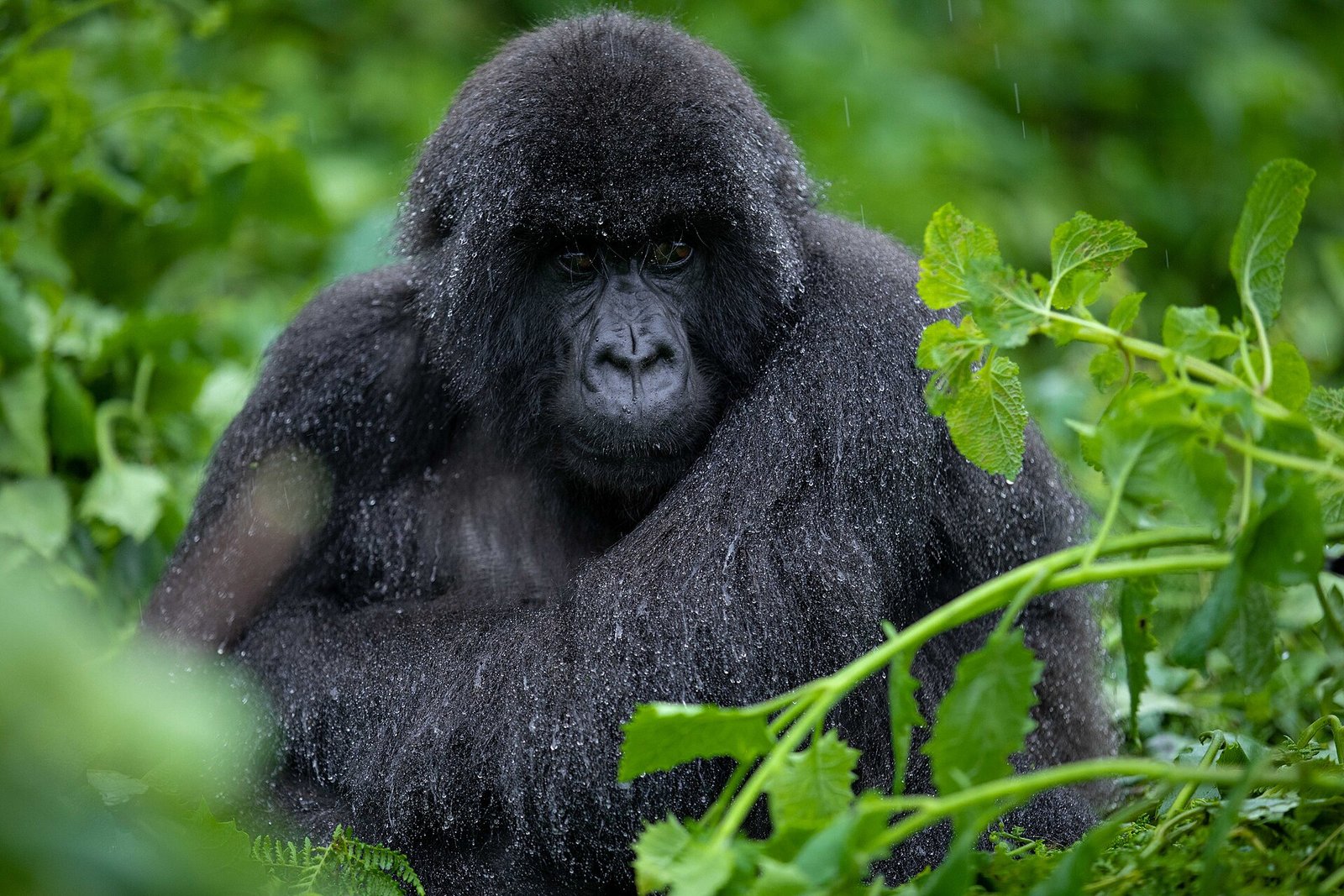
3. Kruger & the Sabi Sand, South Africa — the most reliable Big Five week
For a first safari, for families, and for anyone who wants the surest Big Five viewing with the easiest logistics and the best value, South Africa's lowveld is our most-recommended week on the whole continent. The Greater Kruger — the vast national park and the private reserves that share its unfenced boundary, above all the legendary Sabi Sand — offers the highest-quality game viewing in Africa for the money, and the finest leopard sightings anywhere on earth. The private reserves allow off-road driving and night drives, so your ranger and tracker can follow a leopard into the thickets or find a pride on a kill after dark, something the public park cannot match.
A classic seven days flies from Johannesburg into a bush airstrip and settles into one or two private camps for four or five nights of twice-daily game drives, with the Big Five typically seen inside the first few days. Because the lowveld is compact, you can do the whole week from a single luxurious base and never feel you are missing out — or split your nights between two reserves for variety. The region also pairs effortlessly with Cape Town or the Garden Route at the end if you want a little more than bush. Value weeks start from around US$4,200 per person; the great 5-star lodges of the Sabi Sand run US$8,000 to US$13,000 and up. Our 7-day Big Five Luxury Safari and the malaria-free Addo Elephant & Garden Route week are perennial favourites.
4. Victoria Falls, Chobe & the Okavango — the tri-country week
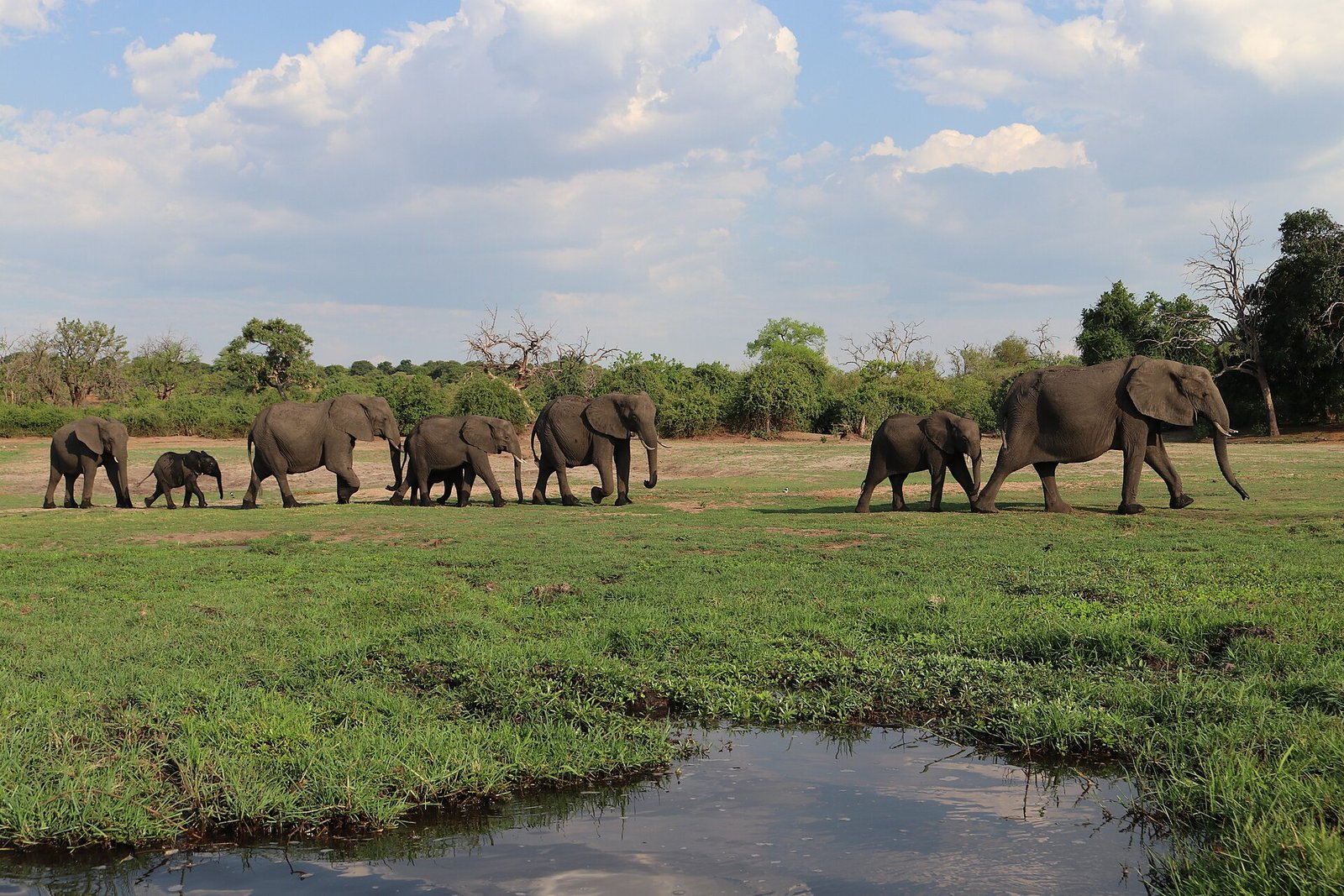
Some one-week routes draw their magic from variety, and none does it better than the corner of Southern Africa where Zimbabwe, Zambia, Botswana and Namibia nearly touch. Here, within a tight circle, sit one of the Seven Natural Wonders of the World and some of the greatest wildlife on the continent. The week usually opens at Victoria Falls — the thundering mile-wide curtain of the Zambezi, best seen on foot along the rainforest paths and from the air by helicopter — before moving to Chobe, where the largest elephant population in Africa gathers along the river in herds that can number into the hundreds, watched from an open boat as the sun goes down.
A beautifully balanced seven days might spend two nights at the Falls, two or three on the Chobe River, and two in a water camp of the Okavango or Linyanti, stitched together by short road transfers and one light flight. You finish with waterfalls behind you, elephants beside you and the hush of the delta channels in your ears. Prices for the classic tri-country week start from around US$4,800 per person and rise to US$8,000–US$13,000 for luxury lodges and fly-in delta camps. Our Hwange & Victoria Falls Classic Safari and Victoria Falls & Chobe honeymoon week are built around precisely this geography.
5. Okavango Delta & Linyanti, Botswana — the fly-in wilderness week
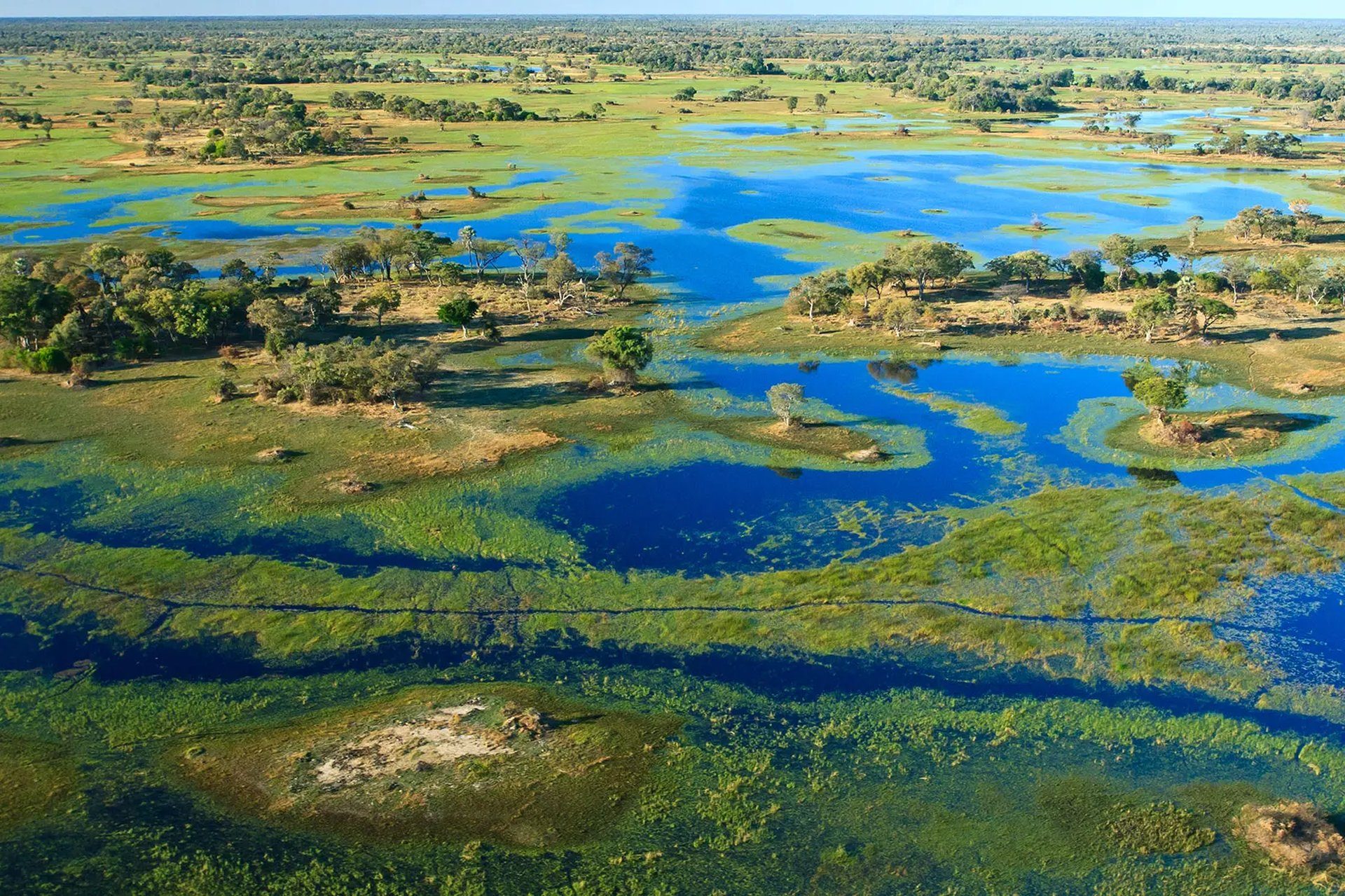
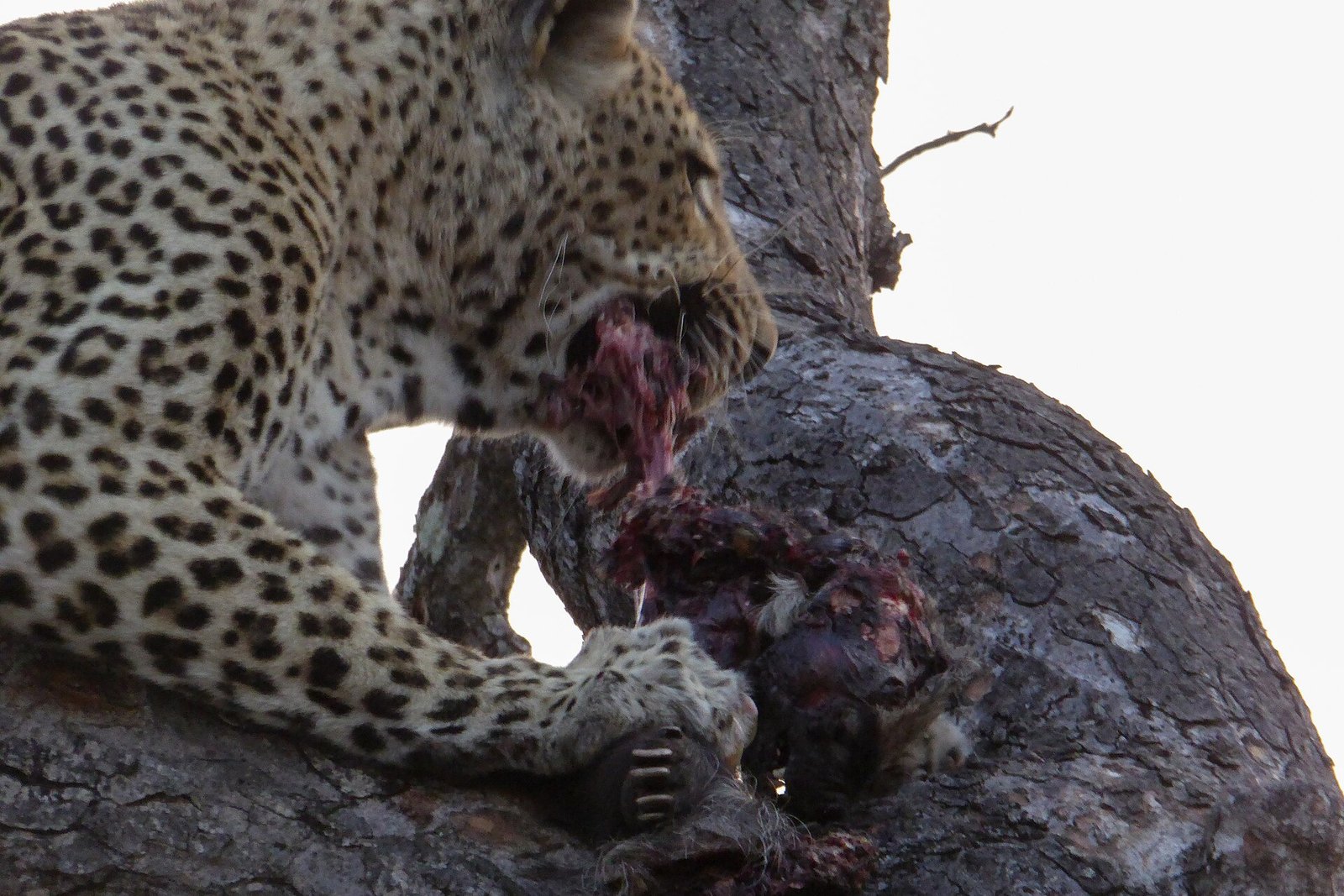
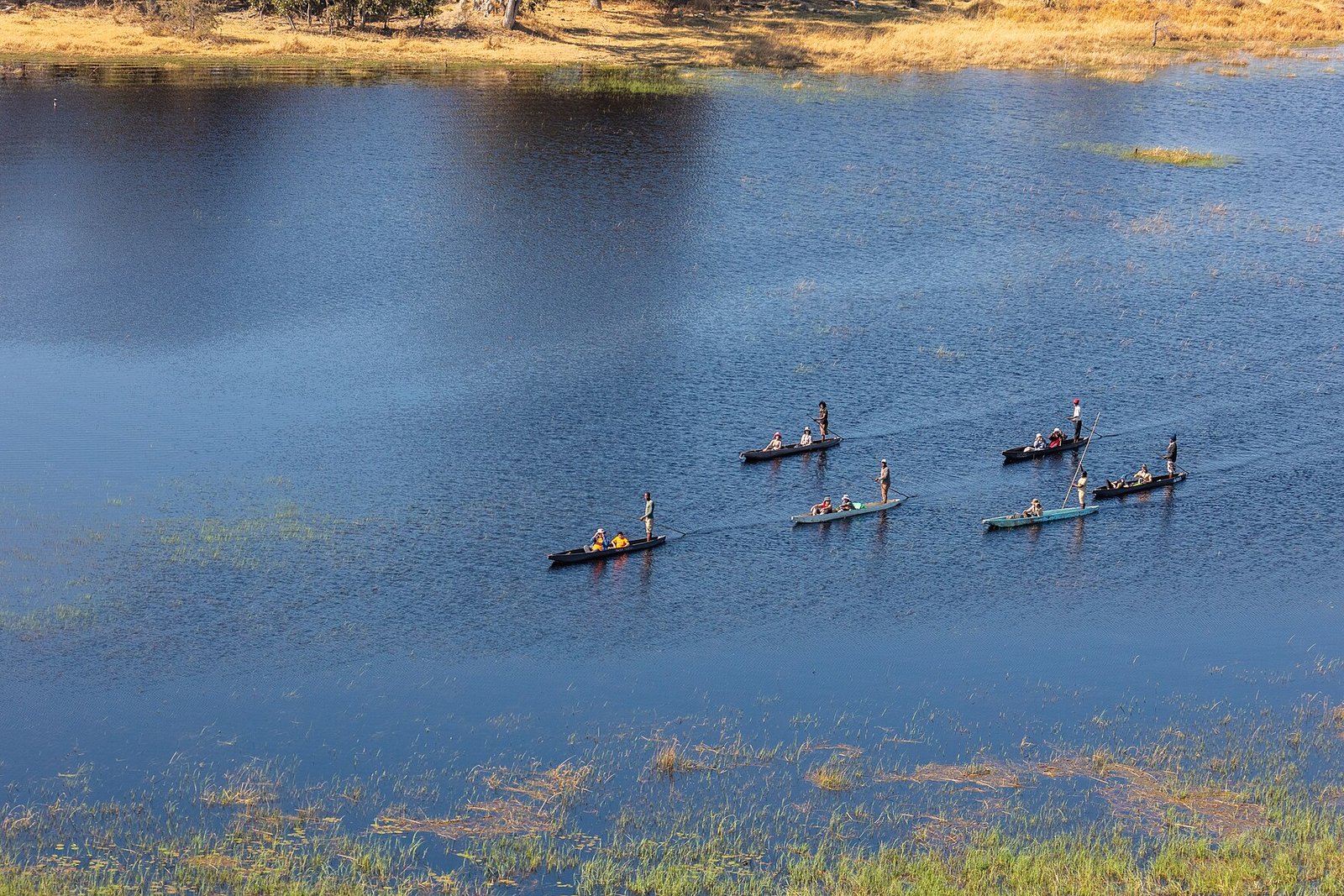
If your dream of a week in Africa is wilderness without crowds — the feeling of having an ocean of channels, islands and floodplains entirely to yourself — Botswana is the finest in the world, and it is built for a fly-in week. The country made a deliberate choice decades ago to keep tourism low-volume and high-value, which is why its camps are small, its concessions are private and its sightings are so uncrowded. The Okavango is the planet's great inland delta, a maze of water in the heart of the Kalahari where you glide by mokoro past elephants and red lechwe; Linyanti and Selinda, to the north, are famous for enormous dry-season elephant herds and for predators — lion, leopard and some of the best wild-dog viewing anywhere.
A classic Botswana week flies between two or three camps by light aircraft, spending three nights in a water camp and three in a predator-rich dryland concession, so you experience both faces of the country. Days blend game drives with mokoro and boat safaris, and the exclusivity is the whole point — you will rarely see another vehicle. This is the one region where the budget floor is genuinely high: expect from around US$7,500 per person for the classic version and US$12,000 to US$20,000-plus for the celebrated luxury camps. For predator fanatics, our Okavango horseback week and the romance-focused Okavango honeymoon show the delta's range.
6. Namibia — desert, dunes & Etosha
Not every great week in Africa is about animal numbers. Namibia offers the most extraordinary landscapes on the continent, and a one-week route here is for travellers who want their jaw to drop as often as their shutter clicks. The rust-red dunes of Sossusvlei, the highest on earth, glow at sunrise above the ghostly white pan of Deadvlei; the Skeleton Coast throws fog and shipwrecks against the desert; and in the north, the great Etosha pan draws elephant, lion, rhino and vast herds of plains game to its waterholes, giving the week its classic game-viewing anchor. It is Africa at its most elemental, and it photographs like nowhere else.
Because Namibia's distances are huge, a week here is best done either as a fly-in circuit between desert and Etosha, or as a well-planned self-drive for the independent-minded, on good gravel roads with a fitted 4x4. A typical seven days takes in two nights in the Sossusvlei dune country, a night on the coast or in the stark beauty of Damaraland (where you can track desert-adapted elephant and black rhino on foot), and two to three nights at Etosha. Namibia is also superb value and entirely malaria-free in the desert regions, which makes it a wonderful family choice. Classic weeks start from around US$4,500 per person, with fly-in luxury from US$8,000 to US$12,000.
7. Rwanda & Uganda — the gorilla week
For many travellers, the most moving hour of their lives is spent sitting a few metres from a family of mountain gorillas in a misted forest, and a single week is enough to do it and still enjoy a classic game park. There are just over a thousand mountain gorillas left on earth, living only in the Virunga volcanoes shared by Rwanda, Uganda and the DRC, and in Uganda's Bwindi Impenetrable Forest. You meet them on a permit-based trek — a guided hike up through the forest to spend one strictly limited, extraordinary hour with a habituated group: a silverback the size of a small car, mothers nursing infants, youngsters wrestling through the undergrowth.
Rwanda makes this the easiest week of all: Volcanoes National Park is only a two-to-three-hour drive from Kigali's international airport, so you can land, trek gorillas over two or three days for near-certain success, and still add nights in Akagera for Big Five savanna game or on the shores of Lake Kivu to relax. Uganda is wilder and its permits cost less, and it adds the chance of chimpanzees and tree-climbing lions. A gorilla week is never cheap — the permits alone are a significant, and vital, conservation cost — with classic itineraries from around US$6,500 per person and luxury weeks US$10,000 to US$16,000. It is, for those who do it, worth every cent.
8. Safari & beach — the combination week
Perhaps the most requested seven days of all, and for good reason: three or four days in the bush followed by three or four beside the Indian Ocean is the perfect honeymoon, the ideal family reward, and a gloriously balanced way to spend a week. A short, intense burst of safari — long enough to see the Big Five and feel the magic of dawn in the bush — gives way to warm water, white sand and nothing on the agenda but rest. The trick, as always with a short trip, is choosing combinations whose flights connect sensibly, so the transitions are quick.
The great pairings are well established. A Kruger or Sabi Sand safari flows naturally into the dhows and coral of Mozambique's Bazaruto and Benguerra islands. A Serengeti or Masai Mara week finishes beautifully on the spice-scented beaches of Zanzibar. A Kenyan safari rounds off on the Swahili coast around Diani or Lamu. And for something rarer, a Big Five week can end on the castaway sands of the Seychelles. Prices vary widely with the beach chosen, but a mid-range safari-and-beach week typically runs US$6,000 to US$12,000 per person all-in. Our Sabi Sand honeymoon and Masai Mara balloon honeymoon are two of the most romantic weeks we offer.
What a 7-day safari costs, by country
Price is the question everyone asks and few operators answer honestly. The table below is a working guide for a fully inclusive seven-day week — lodges, game drives, meals, park and conservancy fees and internal light-aircraft transfers — per person, in US dollars. It excludes international flights, visas, insurance and tips, and it will shift with the season and the exact camps chosen. Use it to understand the shape of each country's pricing rather than as a fixed quote; we will always build you a precise, itemised proposal.
| Region | Classic / value (7 days pp) | Luxury (7 days pp) |
|---|---|---|
| South Africa (Kruger & Sabi Sand) | from US$4,200 | US$8,000–US$13,000+ |
| Namibia (desert & Etosha) | from US$4,500 | US$8,000–US$12,000 |
| Zimbabwe & Zambia (Vic Falls, Hwange) | from US$4,800 | US$8,000–US$13,000 |
| Kenya (Masai Mara & conservancies) | from US$5,000 | US$8,500–US$14,000 |
| Tanzania (Serengeti & Ngorongoro) | from US$5,500 | US$9,000–US$15,000+ |
| Rwanda & Uganda (gorilla trekking) | from US$6,500 | US$10,000–US$16,000 |
| Botswana (Okavango & Linyanti) | from US$7,500 | US$12,000–US$20,000+ |
Two things move these numbers more than anything else. The first is season: travelling in the shoulder or green months, rather than the peak of the dry season, can cut the price of the same lodge by a third. The second is how you move: a well-judged internal flight costs money but buys back hours of game viewing that would otherwise vanish into a transfer — on a seven-day trip, those hours are the whole investment.
Fly-in or road? Private or group?
Two choices shape the feel of your week more than the lodge you pick. The first is fly-in versus road. On a short safari that covers more than one area, light-aircraft flights are usually worth every cent: they turn long, bruising transfers into short scenic hops and leave the days free for wildlife. This is standard in Botswana, the remote Serengeti and the best of Zambia. Road safaris, by contrast, are more economical and let you feel the country roll past — they shine in compact regions like the Kruger lowveld, the Masai Mara, and a Namibian self-drive. Many of the best weeks use both: a flight to reach the far camp, and drives once you are there.
The second choice is private versus group. A private, tailor-made safari gives you your own vehicle, guide and pace — you linger at the leopard, you choose the breakfast spot, you never wait on strangers — and in private reserves it unlocks off-road driving and night drives. Shared group departures cost less and can be sociable, but they move at the group's rhythm. We build private journeys almost exclusively, because seven days is simply too short, and too precious, to spend on someone else's timetable. For couples, families and photographers especially, the difference is night and day.
How to choose the right week for you
With eight superb routes on the table, the choice comes down to what you most want from your seven days. If this is your first safari and you want the surest Big Five with the easiest logistics and the best value, start with South Africa's Kruger and Sabi Sand. If you dream of endless plains, big cats and the romance of the Serengeti name, choose Tanzania or Kenya. If exclusivity and wilderness matter more than ticking off species, Botswana is unmatched. If you are drawn to landscape and photography above all, Namibia will fill your camera and your soul.
If you are travelling with children, lean towards the malaria-free options — the Eastern Cape and Madikwe in South Africa, or Namibia's desert — where young families can safari with total peace of mind. If you are honeymooners, the safari-and-beach combination, or a private Sabi Sand or Okavango week, is made for you. And if you want the single most profound wildlife encounter on earth, add the gorillas of Rwanda. There is no wrong answer here, only the one that fits your week — and finding it is exactly what we do.
How we build your seven days
Beyond Africa Safaris is a specialist, owner-run operation, and we build every one of these weeks by hand. We do not resell someone else's package; we choose the camps ourselves, hold the relationships with the guides directly, and design each itinerary around the traveller in front of us — your budget, your pace, the animals and places that matter most to you, and the quiet logistics that make a short trip feel unhurried. We have walked these reserves, flown these airstrips and eaten at these camp tables, and that first-hand knowledge is the difference between a good week and an extraordinary one.
When you are ready to plan, tell us your dates, your rough budget and what you most want to see, and we will come back with an honest, itemised proposal and a frank conversation about where your money is best spent. There is no obligation and no hard sell — just two decades of knowing exactly how to make seven days in Africa count. You can send your enquiry through our safari planning form, or reach Remondy directly on WhatsApp at +27 78 471 4852 to start building your week today.