Key Takeaways
- Five days is the first length where the Mara feels like a proper safari rather than a flying visit: an arrival day, three full days in the reserve, and a departure day.
- Fly in from Nairobi (about 45 minutes) to save most of a day each way, or take the classic five-to-six-hour drive down through the Great Rift Valley for less.
- The three full days cover the big cats, an afternoon of Maasai culture or a private conservancy, the dawn balloon and — from July to October — the Mara River crossings.
- Blending two nights in a private conservancy with days driving into the national reserve gives you both the quiet and the classic sights.
- Expect roughly US$2,200–US$3,800 per person for a comfortable trip, with the balloon a separate add-on of about US$450–US$500.
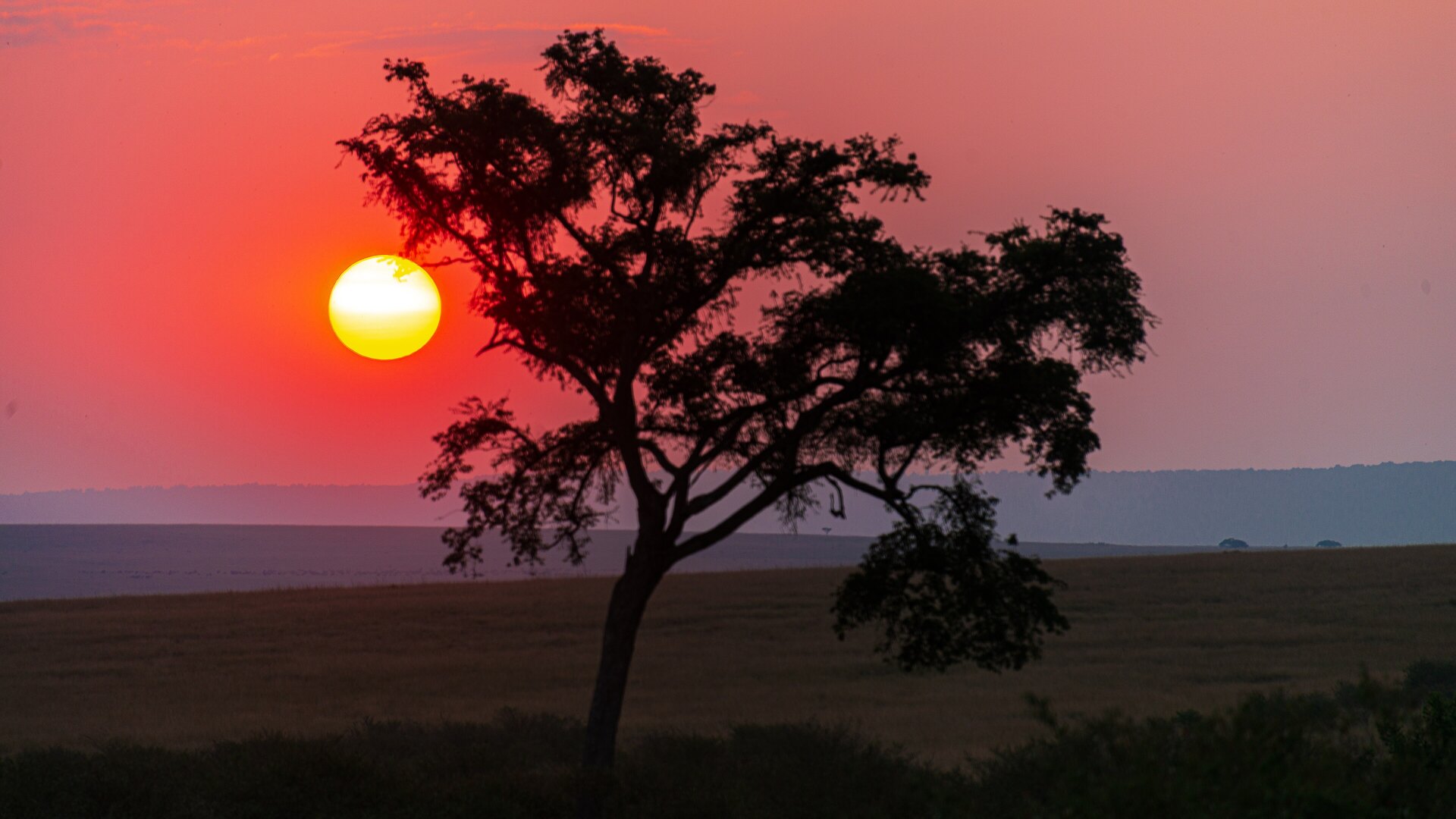
The Masai Mara is the safari that most people picture when they picture Africa: a vast sweep of golden grass under an enormous sky, lion on almost every drive, and — for a few months each year — the greatest movement of animals left on earth. It is also one of the easiest great reserves to reach, a short hop from Nairobi, which is exactly why five days works so well here. You lose very little time getting in and out, and almost all of it is spent where it matters: on the plains.
The question we are asked most is how to shape those five days so none of them is wasted. The answer is a clean, unhurried rhythm — arrive and drive, two or three full days built around the big cats, the Maasai and the migration, the dawn balloon on one of them, and a last morning before the journey home. Here is the whole trip, day by day, with the honest choice between flying and driving, what it all costs in plain US dollars, and the best time to come depending on whether the river crossings are your dream.
How the five days fit together
The shape is dictated by one happy fact: the Mara is close to Nairobi. A light aircraft from Wilson Airport reaches the reserve's airstrips in about 45 minutes, and even the road journey — five to six hours down through the Great Rift Valley — is a single day rather than the multi-day haul that some African reserves demand. That proximity is what lets a five-day trip deliver three genuinely full days on the plains, rather than spending half of them in transit.
The rhythm we recommend is simple. Day one gets you in and onto a first afternoon drive. Days two, three and four are full days, each with a different character — one given to the big cats, one to Maasai culture and the quieter private conservancies, one built around the dawn balloon and, in season, the river crossings. Day five is a final morning drive and the journey home. Below we walk through each day in turn, then through the fly-in-versus-drive decision, the costs and the best time to travel.
Day 1: Nairobi to the Mara, and the first afternoon drive
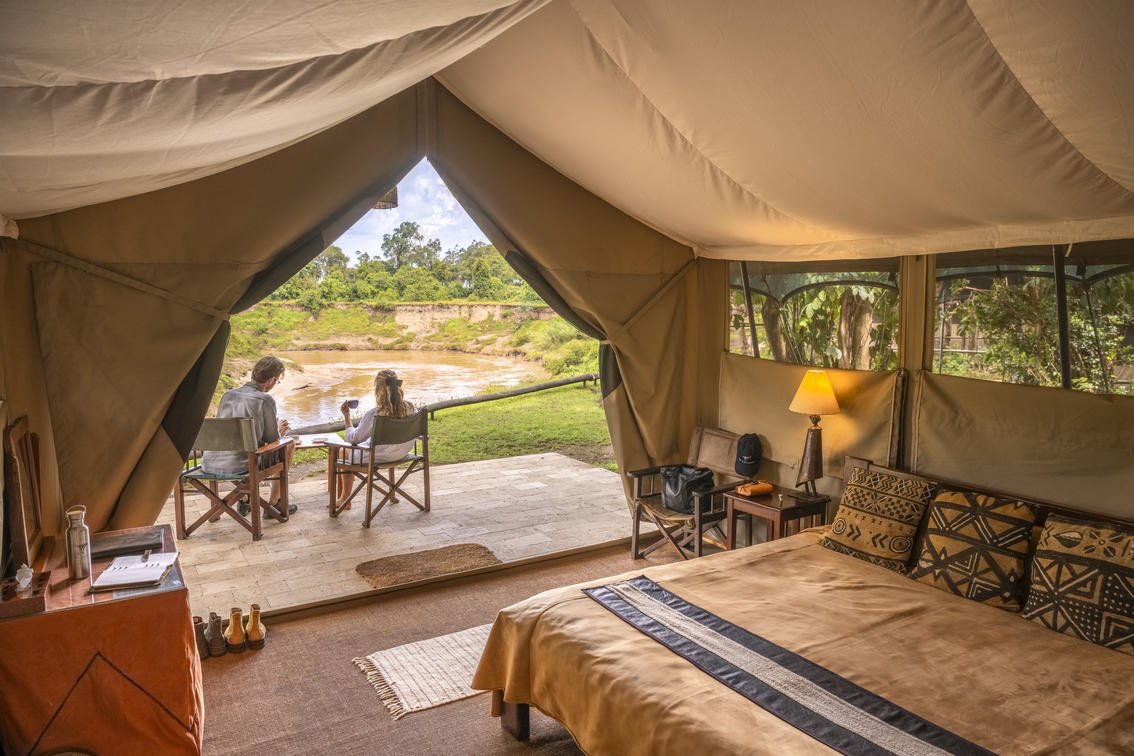
Your safari begins in Nairobi, and how you leave it is the first real choice. The fly-in is the gentle option: a 45-minute flight from Wilson Airport sets you down on an airstrip inside or beside the reserve, where your camp vehicle is waiting, and you can be on a game drive within the hour. The drive is the classic option: five to six hours south-west from the city, descending through the Great Rift Valley with its escarpments and far horizons, arriving in the early afternoon. The drive costs less and the Rift Valley scenery is genuinely beautiful; the flight gives you back most of a day. We will lay both out plainly and let the trip's budget and your appetite for roads decide.
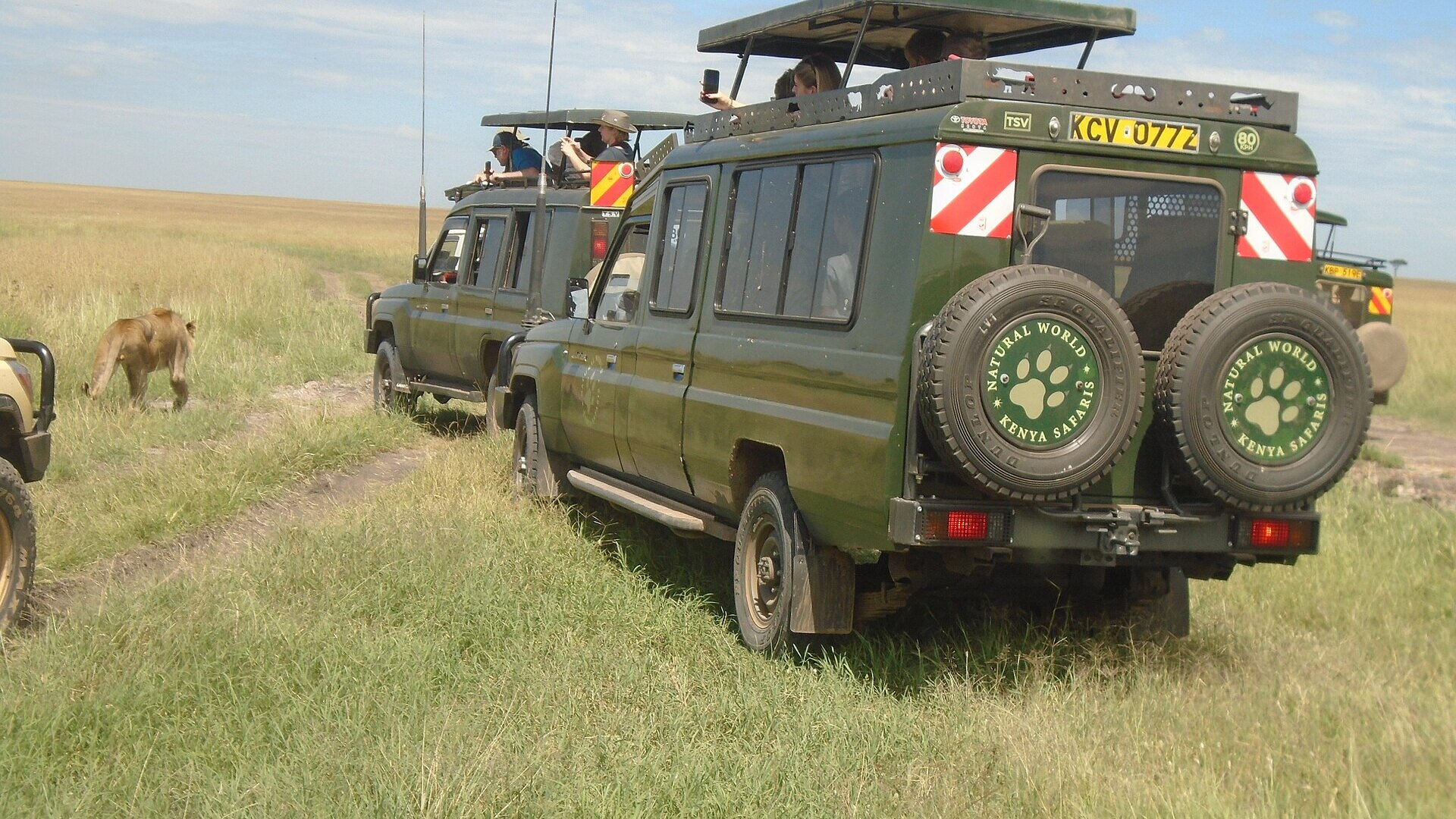
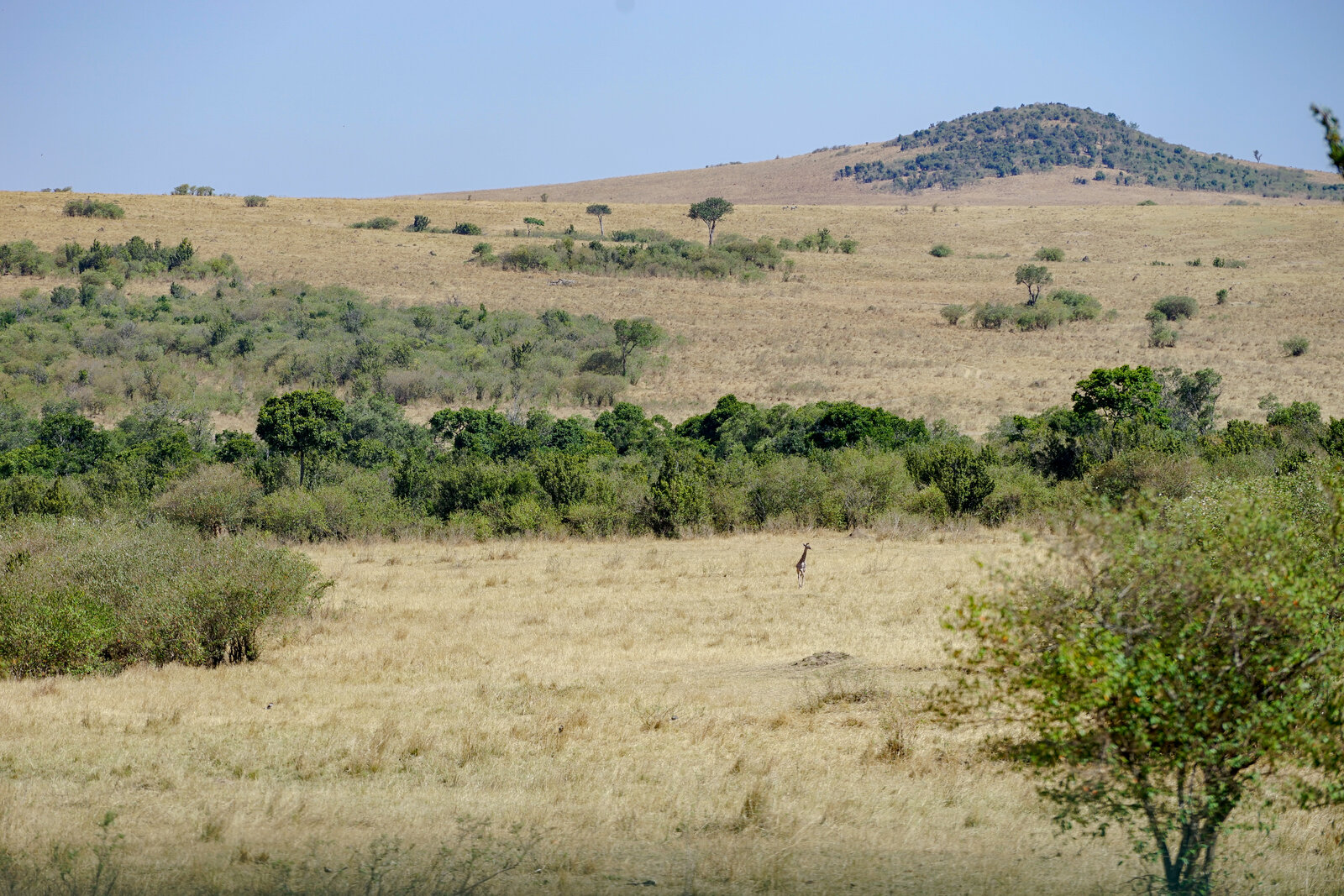
Either way, the afternoon is yours on the plains. After settling into camp and a late lunch, you head out for the first game drive as the heat eases and the light begins to turn gold — the Mara's finest hour. It is often a gentle introduction: a pride of lion dozing in the grass, elephants moving to water, a tower of giraffe against the sky. By the time you return for dinner under the stars, you are properly in the Mara, and four days still lie ahead.
Day 2: A full day among the big cats
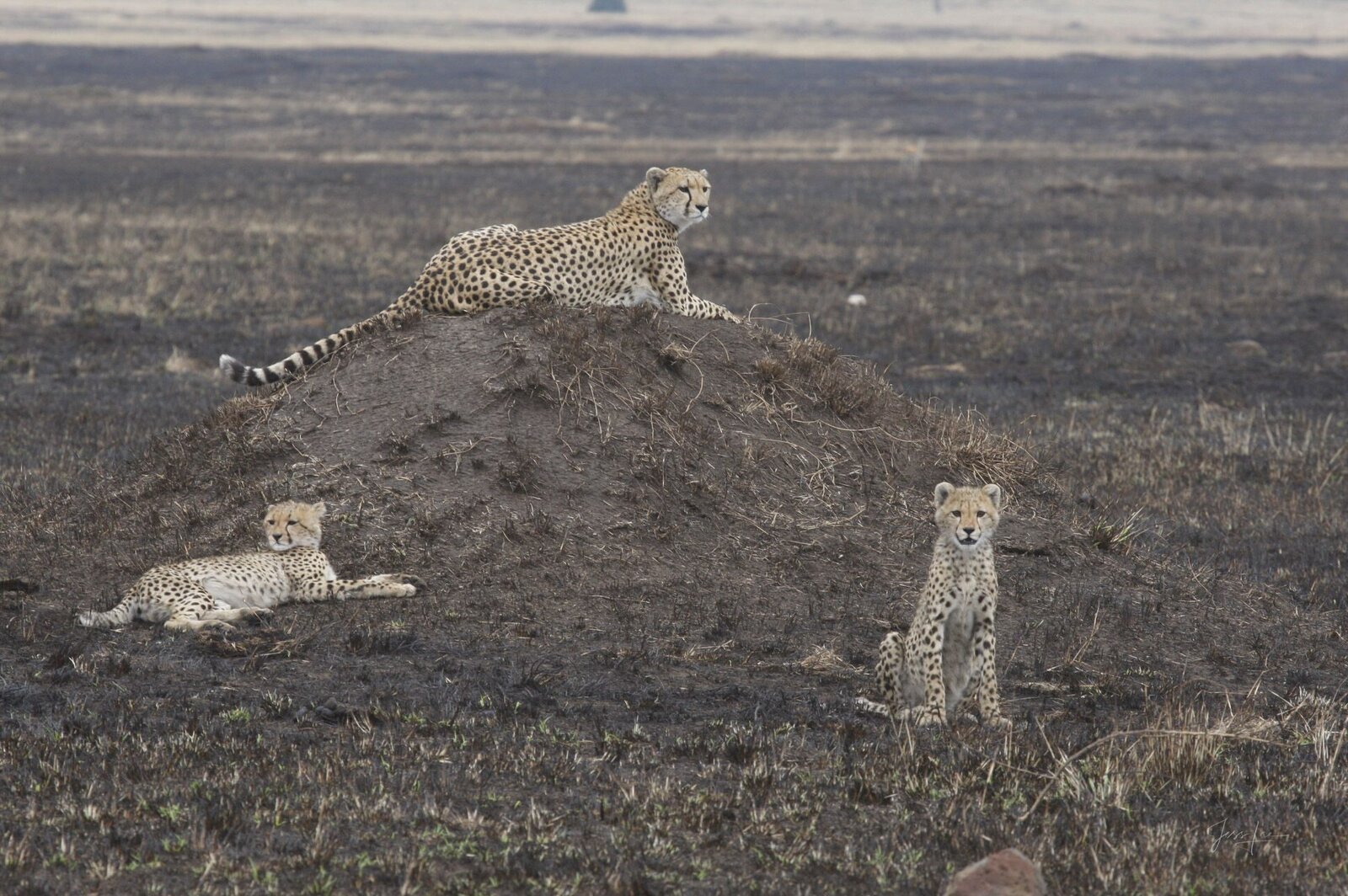
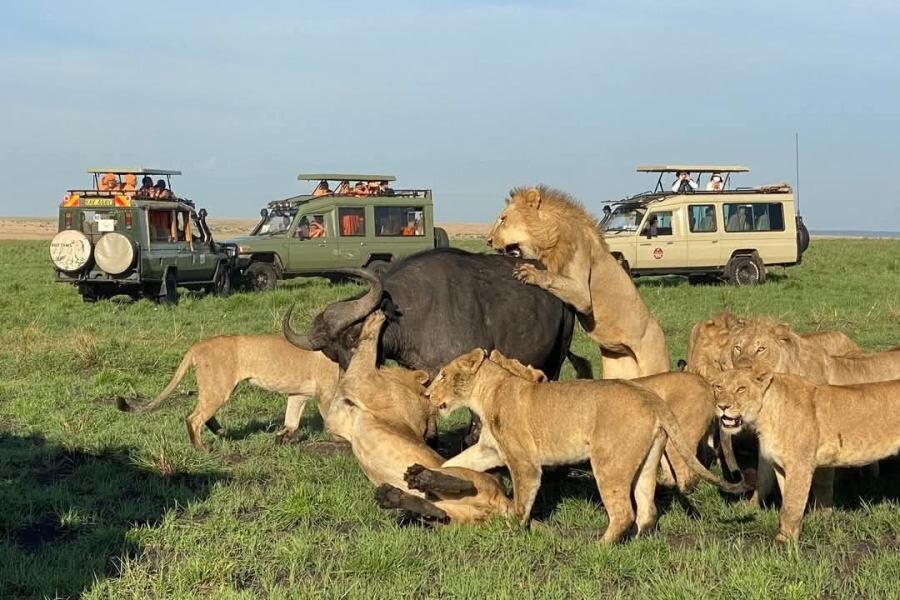
The first full day belongs to the thing the Mara does better than almost anywhere on earth: the big cats. The reserve holds some of the highest densities of lion, cheetah and leopard in Africa, and a full day — out early, a picnic breakfast on the grass, back late — is what it takes to find them properly. You leave camp at first light, when the cats are still active and the air is cool, and spend the morning working the areas your guide knows best: the lion prides on their territories, cheetah scanning from a termite mound, perhaps a leopard draped in a sausage tree along a river line.
A full day also means you are not rushing back for lunch. A picnic breakfast unpacked beside the vehicle, deep in the reserve, is one of the quiet pleasures of a Mara safari — coffee and the sounds of the plains while a herd of elephant drifts past in the distance. The afternoon brings the light back to gold and, with it, the cats back on the move. This is the day that most people remember longest.
Day 3: Maasai culture and the private conservancies
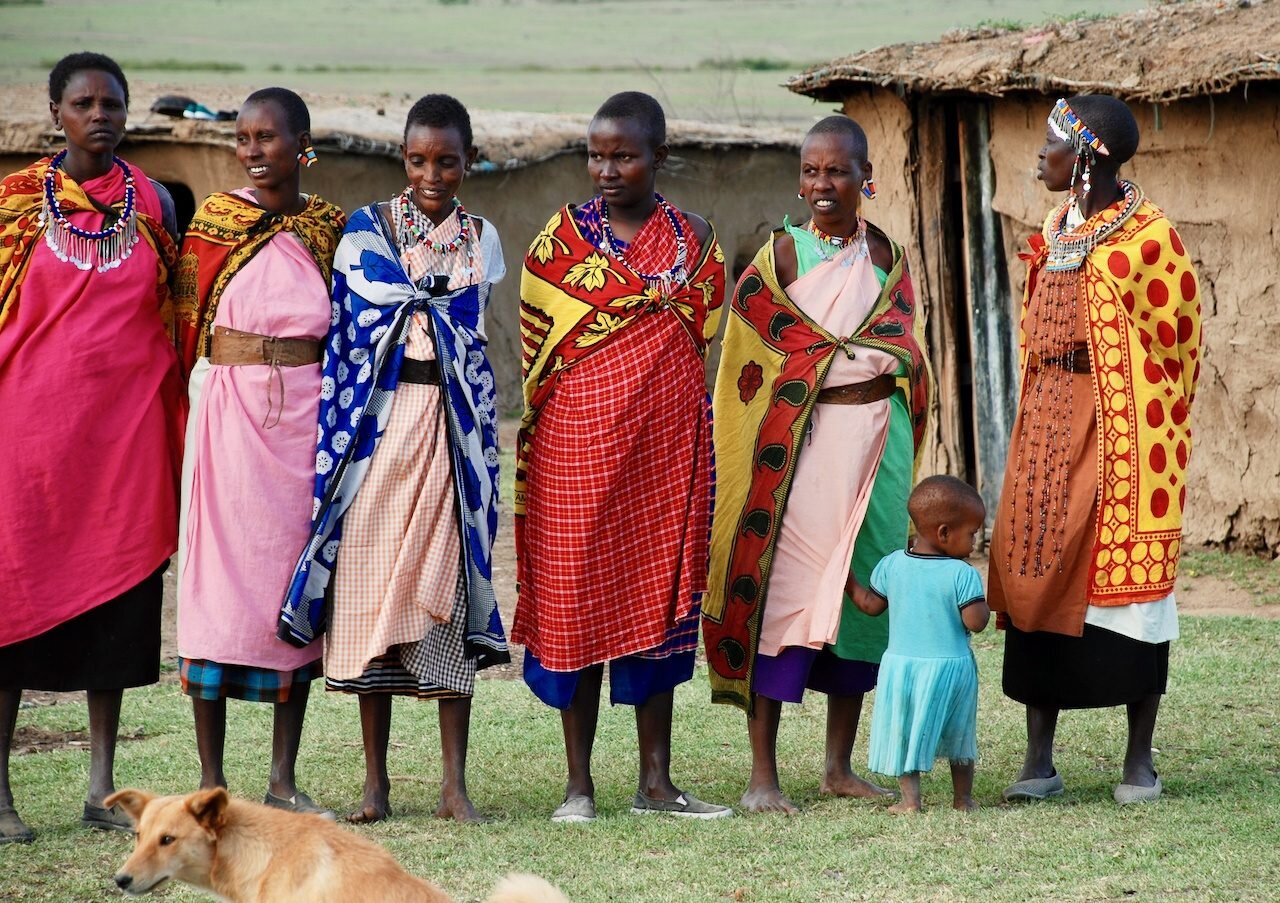
The second full day changes the texture of the trip. The Mara is named for the Maasai, who have lived alongside this wildlife for centuries, and an afternoon spent properly with them — in a village, or walking with Maasai guides — is one of the most human parts of a safari. Done well, it is not a staged photo stop but a genuine window into a way of life: the livestock, the beadwork, the knowledge of the land that makes Maasai guides among the finest trackers anywhere. We choose community visits that are honest and that put money where it belongs.
This is also the day to feel the difference between the national reserve and the private conservancies that border it. The reserve has the classic sights and the big herds, but it can be busy and vehicles must stay on the tracks. The conservancies — Mara North, Olare Motorogi, Naboisho and others — offer the same wildlife with a fraction of the vehicles, and they allow what the reserve does not: night drives after dark, and walking safaris on foot. A morning game walk or an after-dinner drive in search of nocturnal animals gives the trip a dimension that driving alone never can. Our private conservancies guide compares them camp by camp.
Day 4: The dawn balloon and the river crossings
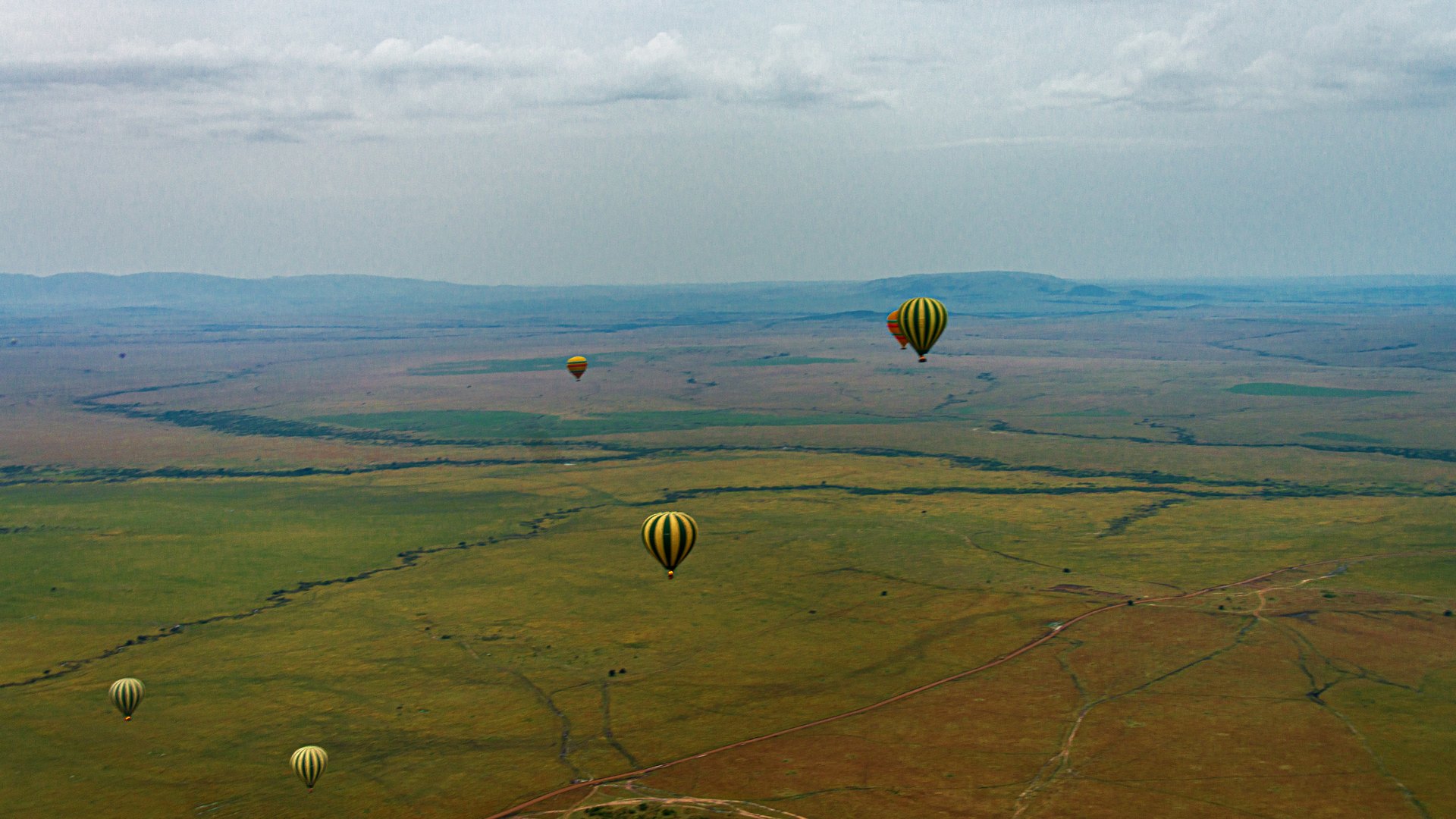
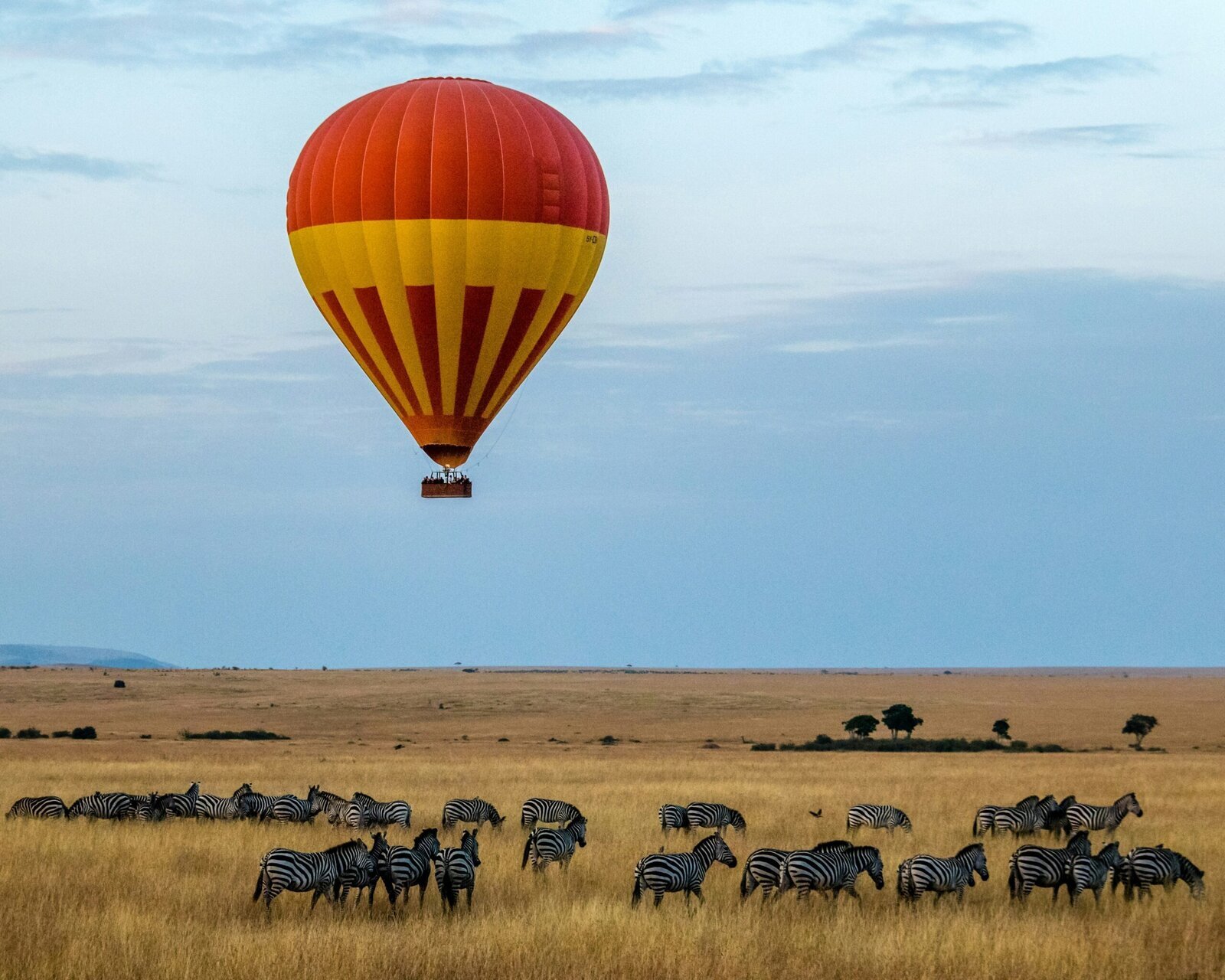
The third full day opens in the dark. Long before sunrise you are driven to the launch site, where the balloons are being filled with roaring flame, and as the first light greys the sky you lift off and float out over the plains. A hot-air balloon over the Mara is the reserve's signature experience, and it earns the billing: the silence, the herds moving below, the shadow of the balloon sliding across the grass, and a champagne breakfast laid out on the plains where you land. It is a separate add-on — usually around US$450 to US$500 per person — and almost everyone who does it calls it the highlight. Our balloon safari guide covers how it works.
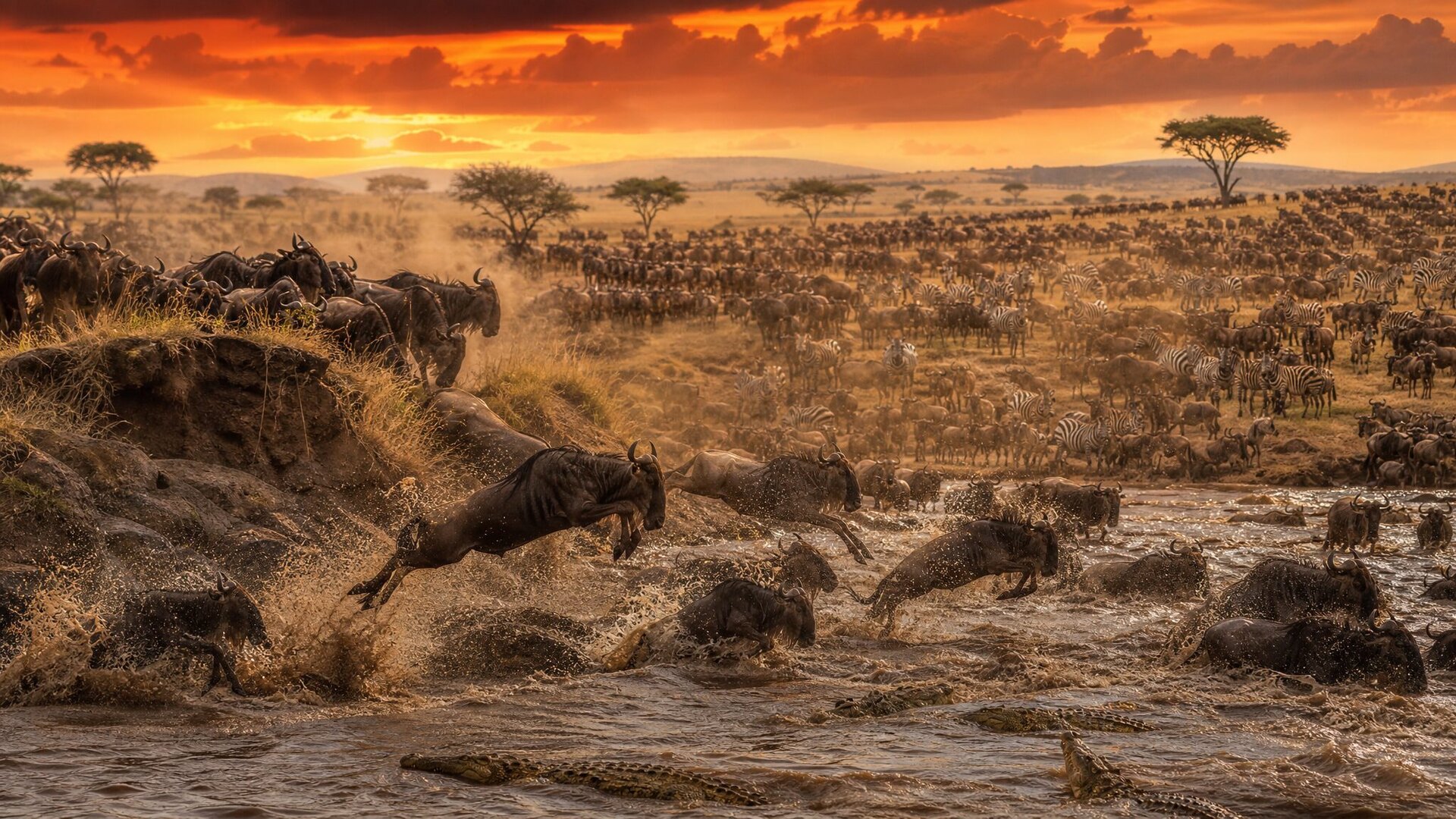
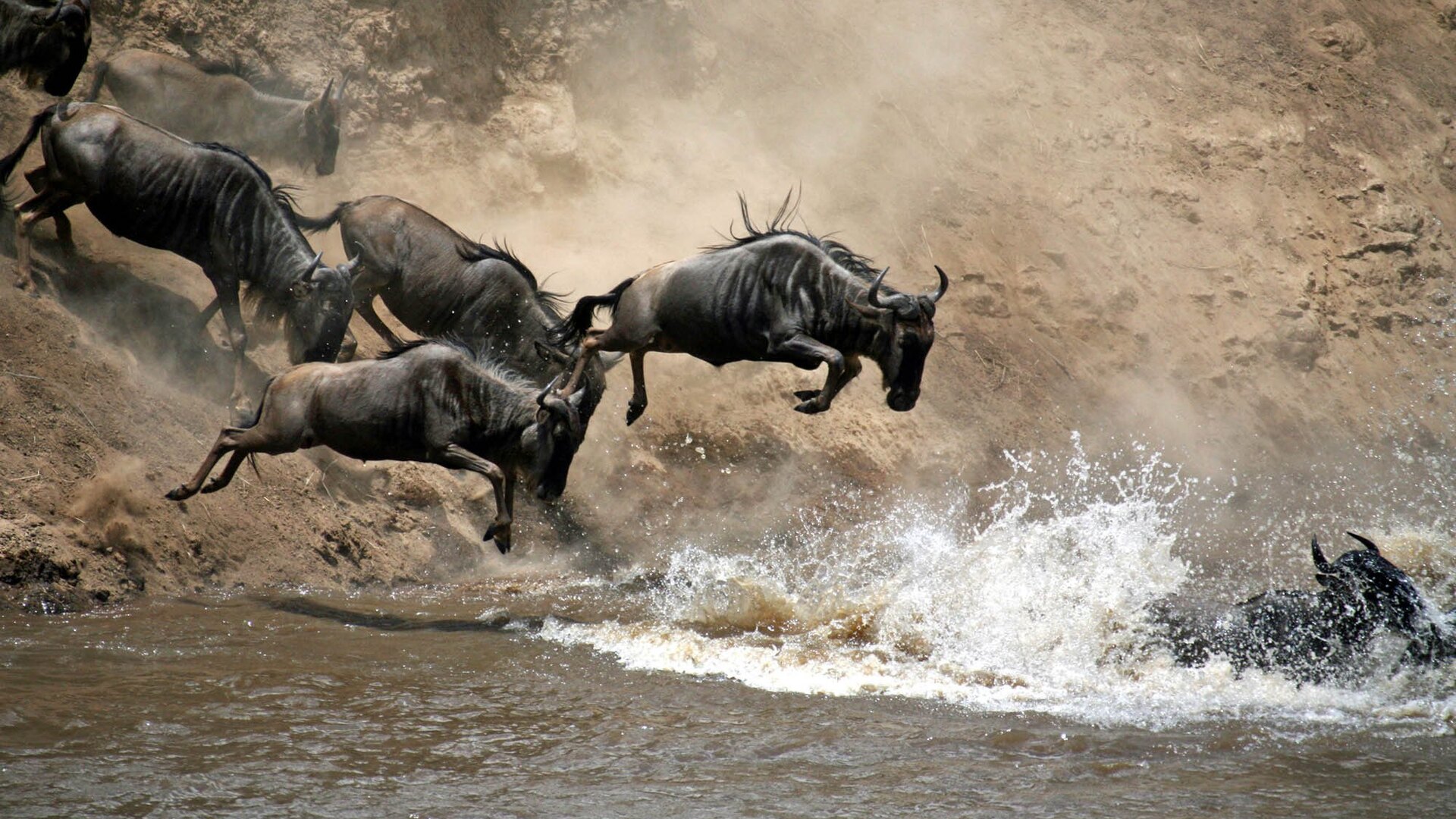
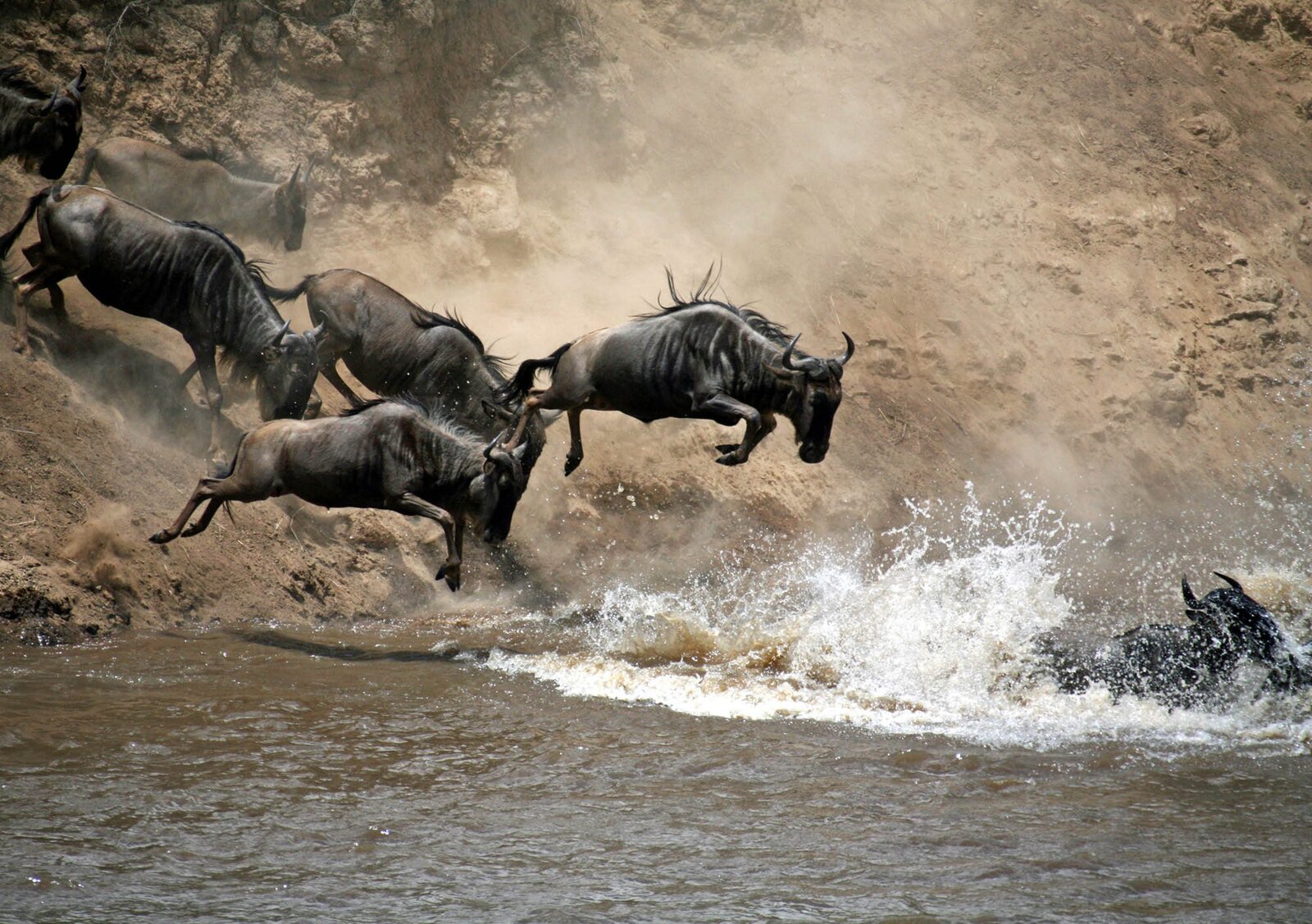
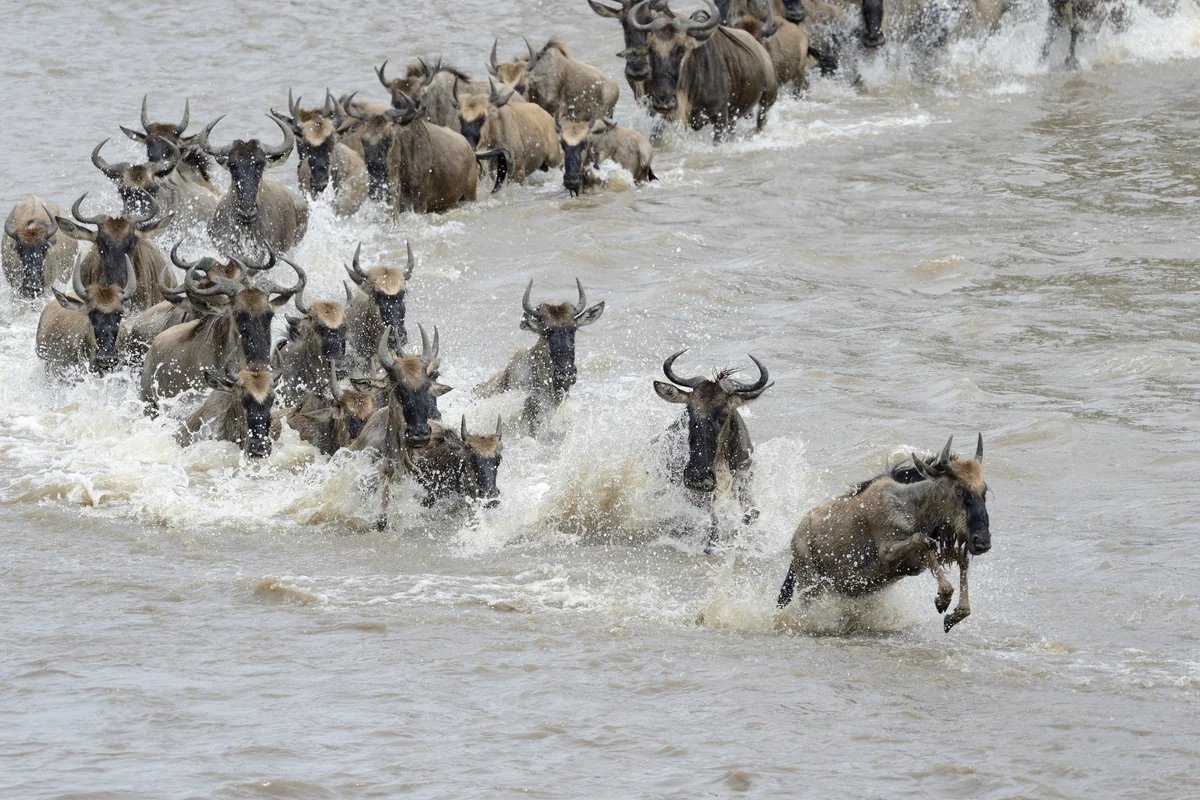
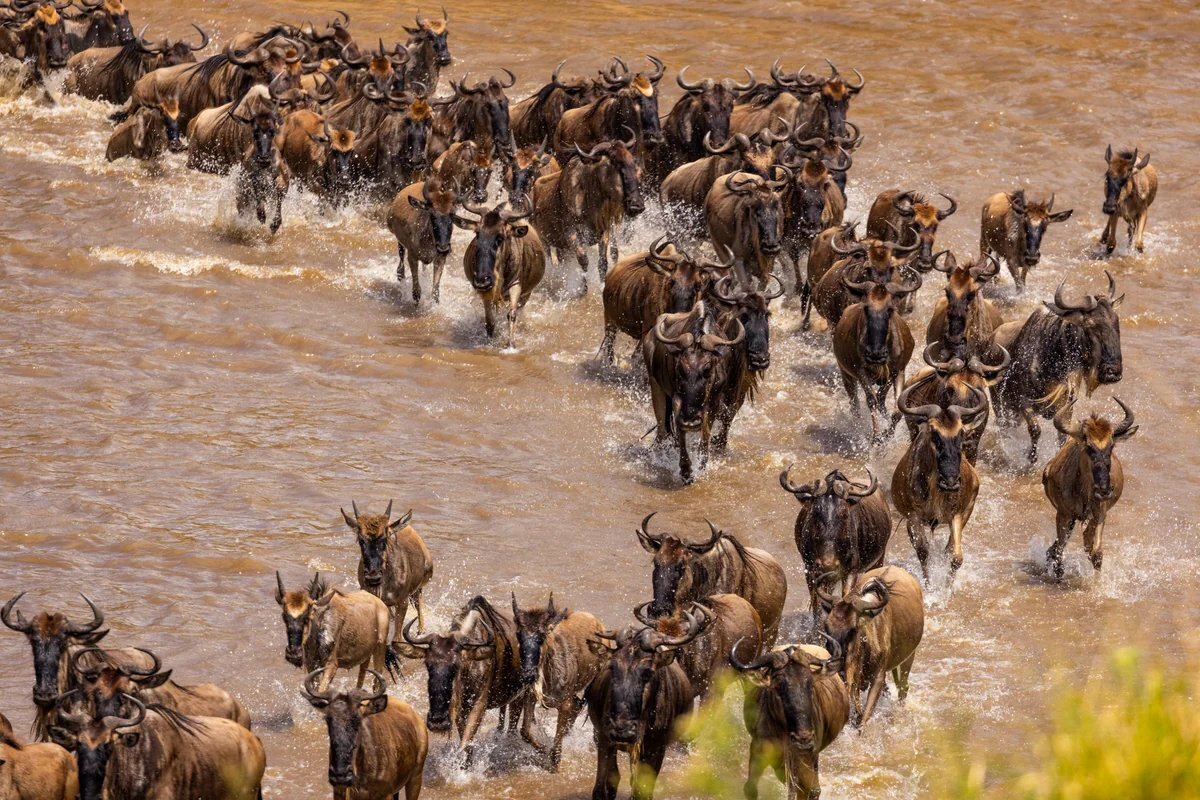
From roughly July to October, this is also the day built around the Great Migration. The wildebeest and zebra that have spent the dry months crossing from the Serengeti mass on the Mara's banks, and the river crossings — thousands of animals plunging into the current, crocodiles waiting — are among the most dramatic sights in nature. Nobody can promise a crossing on a given morning; the herds gather and may go within minutes or wait for hours. What three full days and a good guide give you is the time and the knowledge to be in the right place when it happens. Outside those months the herds are south in the Serengeti, but the Mara's resident wildlife carries the day beautifully — our migration route guide explains where they are month by month.
Day 5: A final drive and the journey home
The last day is unhurried. Most camps let you take a final morning game drive before you leave, and it is often a quietly special one — a last chance for the sighting that has eluded you, or simply a slow farewell to the plains in the best light of the day. Back at camp there is time for a proper breakfast before you make your way to the airstrip for the short flight to Nairobi, or begin the road journey back up through the Rift Valley.
How you spend the rest of the day depends on what comes next. Many people connect in Nairobi onto an international flight home the same evening; others carry on to a second Kenyan highlight — Amboseli for the elephants beneath Kilimanjaro, Samburu in the north, or the Indian Ocean coast for a few days of white sand to finish. Whatever follows, you leave the Mara having given it the time it deserves: three full days on the plains, the balloon, the Maasai, and — if the season was right — the river.
Fly in or drive? The honest comparison
This is the decision that shapes the cost and the comfort of the whole trip, so it is worth weighing plainly. The table below sets the two side by side for a five-day itinerary.
| Getting there | Time & comfort | Best for |
|---|---|---|
| Fly-in from Wilson Airport | About 45 minutes; on a game drive within the hour; saves most of a day each way | Short trips where plains time is precious; anyone who would rather not spend a day on the road |
| Drive via the Great Rift Valley | Five to six hours; beautiful Rift Valley scenery; rough in the final stretch | Tighter budgets; travellers who want to see the country between city and reserve |
| One of each | Drive down for the scenery, fly back to save the last day | A sensible middle ground that we often recommend |
For most five-day Mara trips we lean towards flying at least one way, because on a trip this short the time the flight returns to you — a whole extra half-day on the plains in each direction — is usually worth more than the saving from driving. But the Rift Valley descent is a genuine experience in its own right, and for travellers on a tighter budget the road is a perfectly good way in. We will price both and let you decide.
What a 5-day Masai Mara safari costs
Price is the question everyone asks and few operators answer plainly. The table below is a working guide for a fully inclusive five days — camp or lodge, all game drives, park and conservancy fees, meals and the internal flights or road transfers — per person sharing, in US dollars. It excludes international flights, visas, insurance, tips and the balloon, and it will shift with the season and the exact camp chosen.
| Style of trip | Per person sharing (5 days) | What it looks like |
|---|---|---|
| Value | from US$1,800 | Excellent but unflashy tented camps inside the reserve, road transfer from Nairobi |
| Mid-range | US$2,200–US$3,800 | A comfortable camp, a mix of reserve and conservancy, fly-in at least one way |
| Luxury | US$4,500–US$9,000+ | The Mara's finest private-conservancy camps, private vehicle, fly-in both ways |
Two things move these numbers more than anything else. The first is the camp, and in particular whether you stay inside the national reserve or in a private conservancy, where the conservancy fee buys you exclusivity, walking and night drives. The second is the season: the migration months of July to October are the peak, and prices are at their highest, while the green months and the long rains are far gentler on the budget. The balloon is a separate add-on of around US$450 to US$500 per person. For a fuller breakdown, see our Masai Mara private safari cost guide, and our Masai Mara safari packages for ready-made combinations.
The best time for a 5-day Masai Mara safari
The Mara is a year-round reserve, but the month you choose changes the character of the trip — above all whether you see the Great Migration. The table below shows how the reserve behaves through the year so you can weigh it against your own dates.
| Season | What the Mara is like | Good for |
|---|---|---|
| Jul–Oct (migration) | The herds are in the Mara; river crossings; busiest and priciest | Anyone whose dream is the Great Migration and the crossings |
| Dec–Feb (green) | Green plains, lovely light, superb resident big cats, fewer vehicles | Big cats and value without the migration crowds |
| Apr–May (long rains) | Quietest and cheapest, lush scenery; some camps close | Budget travellers who do not mind afternoon showers |
| Jun & Nov (shoulder) | Quieter, good value, game building towards or easing from the peak | Travellers wanting strong game with gentler prices |
If the river crossings are the reason you are coming, aim for the July-to-October window and book well ahead, because the best camps fill a year out. If you want the big cats, the light and real value, the green months of December to February are a quiet secret. Either way, our guide to when the Great Migration reaches the Masai Mara breaks down the timing in detail, and for the camps themselves see our guide to the best luxury safari camps in the Masai Mara.
How we build your five days
A Mara trip rewards getting the detail right, and that is exactly where we earn our keep. Beyond Africa Safaris is a specialist, owner-run operation: we build every one of these itineraries by hand, choosing the camps ourselves, knowing which sit in the best game areas and which are worth the fly-in, and matching the balance of reserve and conservancy to your dates, your budget and whether the migration matters to you. We have flown the airstrips, timed the balloon, and learned which guides read the river best — so you get a straight recommendation rather than a brochure. Our complete Masai Mara safari guide is a good next read while you plan.
When you are ready, tell us your dates, your rough budget and whether the river crossings are your dream, and we will come back with an honest, itemised proposal in plain US dollars and a frank conversation about where your money works hardest. There is no obligation and no hard sell. You can send your enquiry through our safari planning form, or reach Remondy directly on WhatsApp at +27 78 471 4852 to start building your five days on the Mara today.