Key Takeaways
- The best African safari tour for 2027 is the one built around your travel style, season and wildlife dreams — there is no single "best" for everyone, and any honest specialist will tell you the same.
- Eight regions deliver world-class game viewing: the Serengeti, Masai Mara, Sabi Sands, Kruger, Okavango Delta, Chobe, South Luangwa and Victoria Falls — each with its own rhythm and peak season.
- Private tailor-made tours give you your own vehicle, guide and pace; small-group tours trade a little flexibility for value and company; self-drive suits confident, budget-minded travellers in parks like Kruger.
- In 2027, quality safaris run roughly US$400–$800 per person per day (mid-range) and US$800–$2,000+ (luxury), all-inclusive of lodging, meals, game activities and park fees.
- Book peak-season 2027 camps 9–12 months ahead — the finest lodges for July–October sell out first, and early booking protects both choice and price.
- Choose a SATSA-bonded specialist so your deposits are protected, and verify every operator on TripAdvisor, Viator and Google before you pay a cent.
Africa in 2027 has never been more rewarding — or more confusing — to plan. Camps are busier, prices have shifted, and the internet is thick with brochures all claiming to be "the best." This guide cuts through the noise. After designing thousands of journeys across the continent, we have distilled everything a traveller needs to choose well next year: which regions truly deliver, what a great tour costs, how to match the trip to who you are, and how to spot an operator worth trusting. Consider it the honest conversation we would have with you over coffee before you spend a rand, a dollar or a pound.
What Makes a Safari Tour Truly Great in 2027?
Here is the humbling truth we have learned the hard way: the "best" safari tour is never universal — it is deeply personal. A honeymooning couple, a family with young children, a serious photographer and a first-time traveller all deserve different itineraries, seasons and camps. A great tour reads your priorities correctly and then executes them flawlessly. Below is the framework we use internally — and the same one you can turn on any operator you are considering, us included.
Wildlife Density & Diversity
The wildlife is the whole point. The finest tours take you to reserves with genuinely high game densities and real conservation success — places where sightings are frequent, unhurried and ethical. Kenya's Masai Mara, Tanzania's Serengeti, Botswana's Okavango Delta and South Africa's Sabi Sands consistently deliver extraordinary encounters thanks to superior habitat and protected populations. A great tour also builds in contrast — pairing open savanna with water-wilderness, or big-cat country with an elephant kingdom — so no two days feel the same.
Guiding — Where Your Safari Lives or Dies
A brilliant guide turns a sighting into a story and a game drive into a masterclass. Seek operators whose guides hold recognised qualifications — FGASA in southern Africa, or Kenya Professional Safari Guides Association certification in East Africa — and who show real passion for wildlife and conservation. The guide reads the bush, anticipates behaviour and finds the leopard the other vehicles drive straight past. Lodge architecture is secondary; the human expertise leading your drive is what you will still be talking about years later.
Logistics, Timing & Accountability
Africa is vast and its logistics are intricate: bush flights, transfers, park-fee structures and seasonal wildlife rhythms all have to align. The best 2027 tours are sequenced to the season — the river crossings in the north, the calving on the southern plains, the dry-season concentrations at the waterholes — with a single accountable team behind every flight, transfer and booking. When something shifts at short notice (weather, a camp closure, a delayed connection), a world-class operator resolves it before it ever becomes your problem.
The Eight Great Safari Regions, Compared
These are the regions we return to again and again because they deliver for our guests year after year. Each has a distinct character, a peak rhythm and an ideal traveller — and the best tours often weave two or three together for contrast.
1. Serengeti, Tanzania — The Migration Epicentre
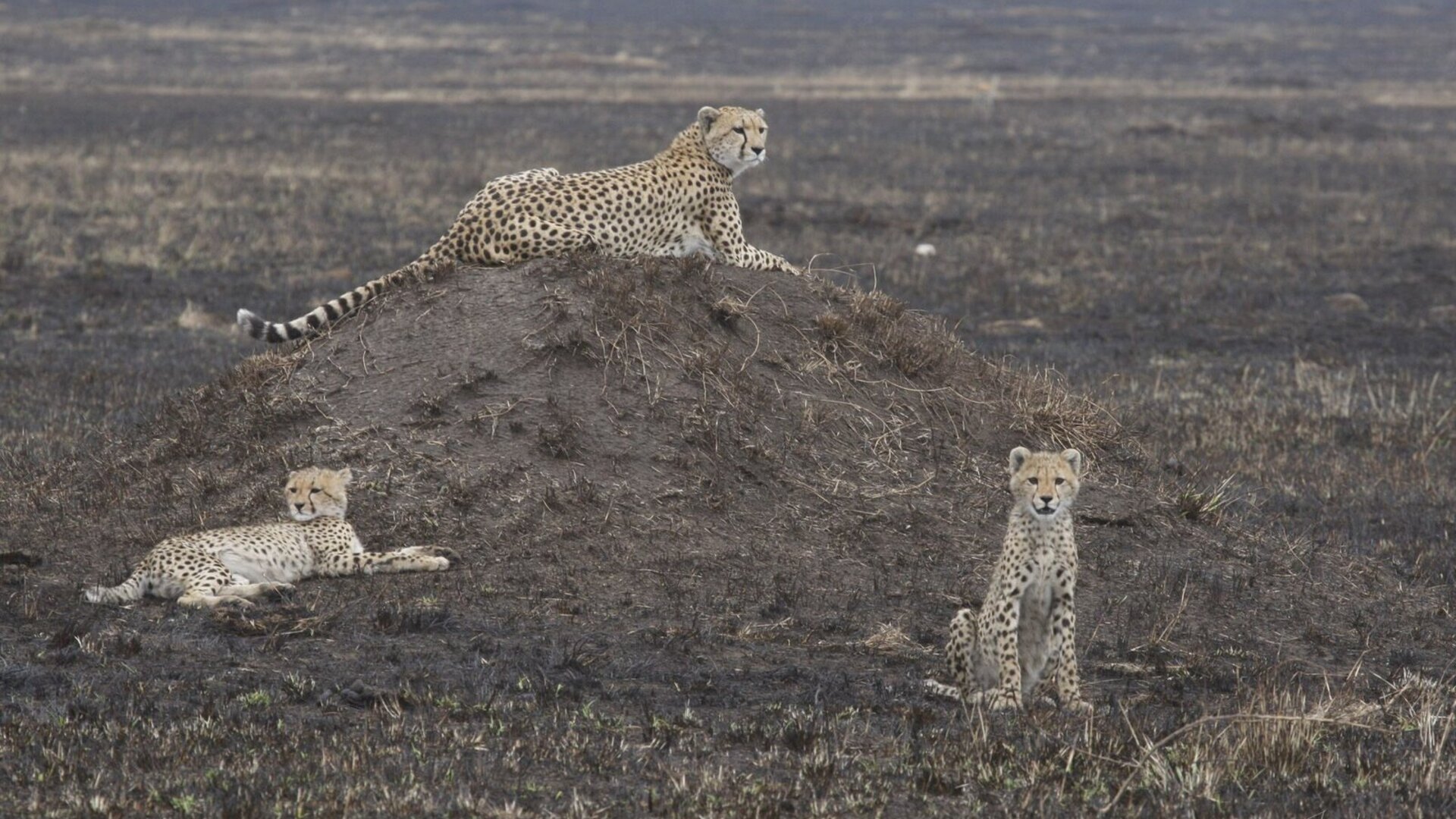
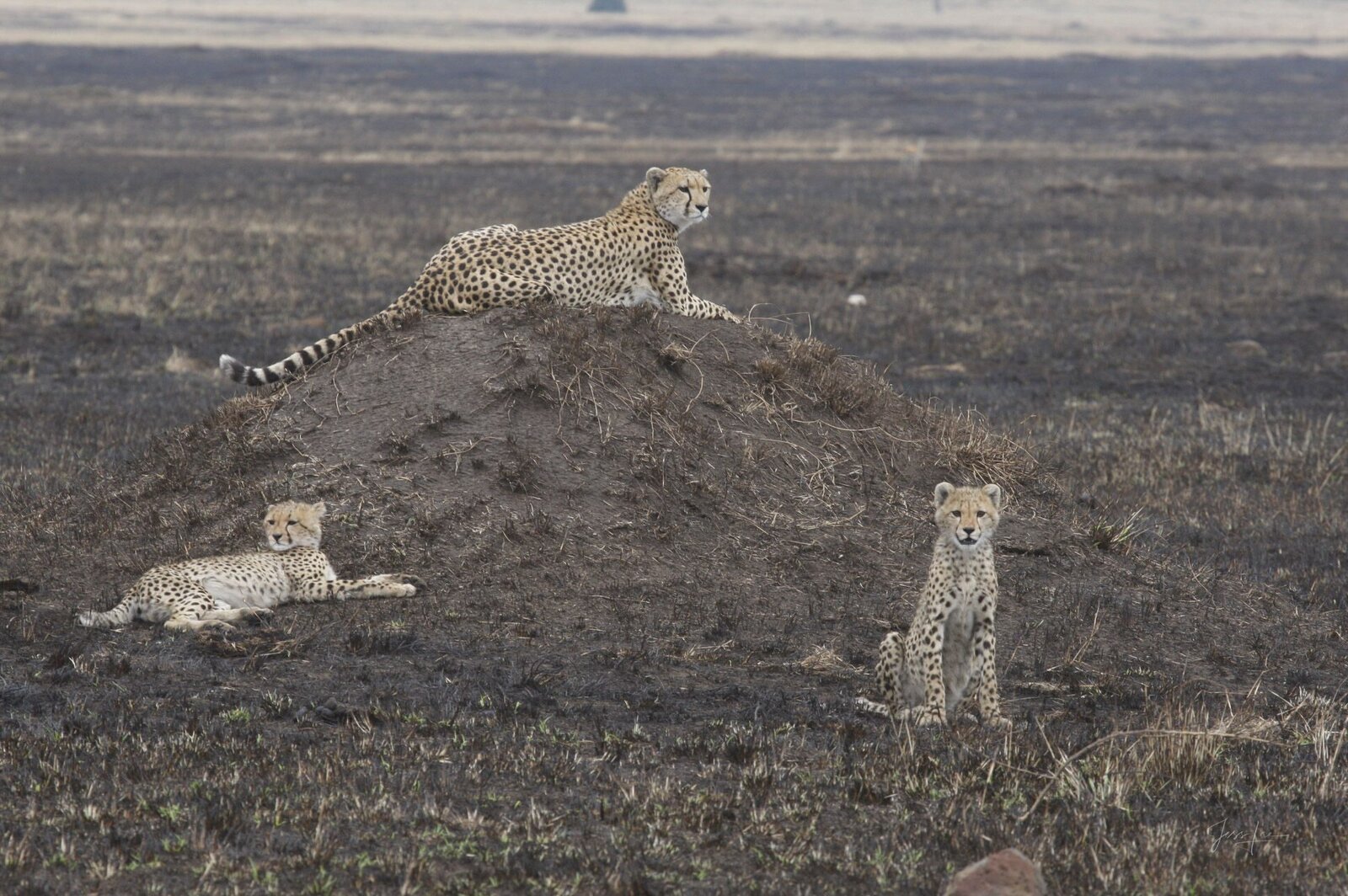
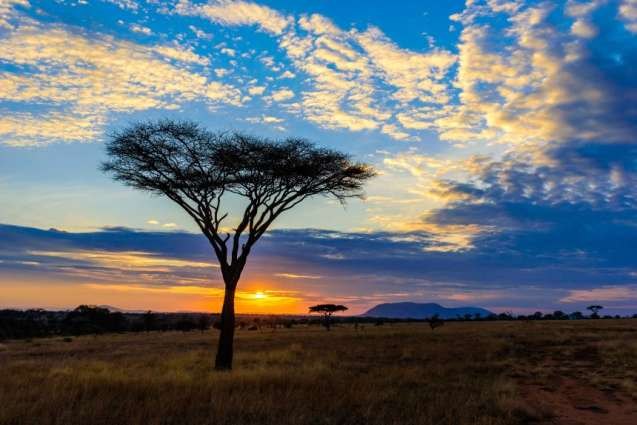
The Serengeti remains Africa's most iconic safari stage: 14,763 km² of UNESCO-protected wilderness that hosts the annual Great Migration of more than 1.5 million wildebeest, 200,000 zebra and 300,000 gazelle. Even outside Migration season it is extraordinary — over 3,000 lions, prolific cheetah and habitats ranging from short-grass plains to riverine forest. It is the ideal centrepiece for a first safari and a photographer's dream.
Best for: first-timers, Migration enthusiasts, photographers. Peak in 2027: June–October (river crossings in the north) and January–February (calving in the south).
2. Masai Mara, Kenya — River-Crossing Drama
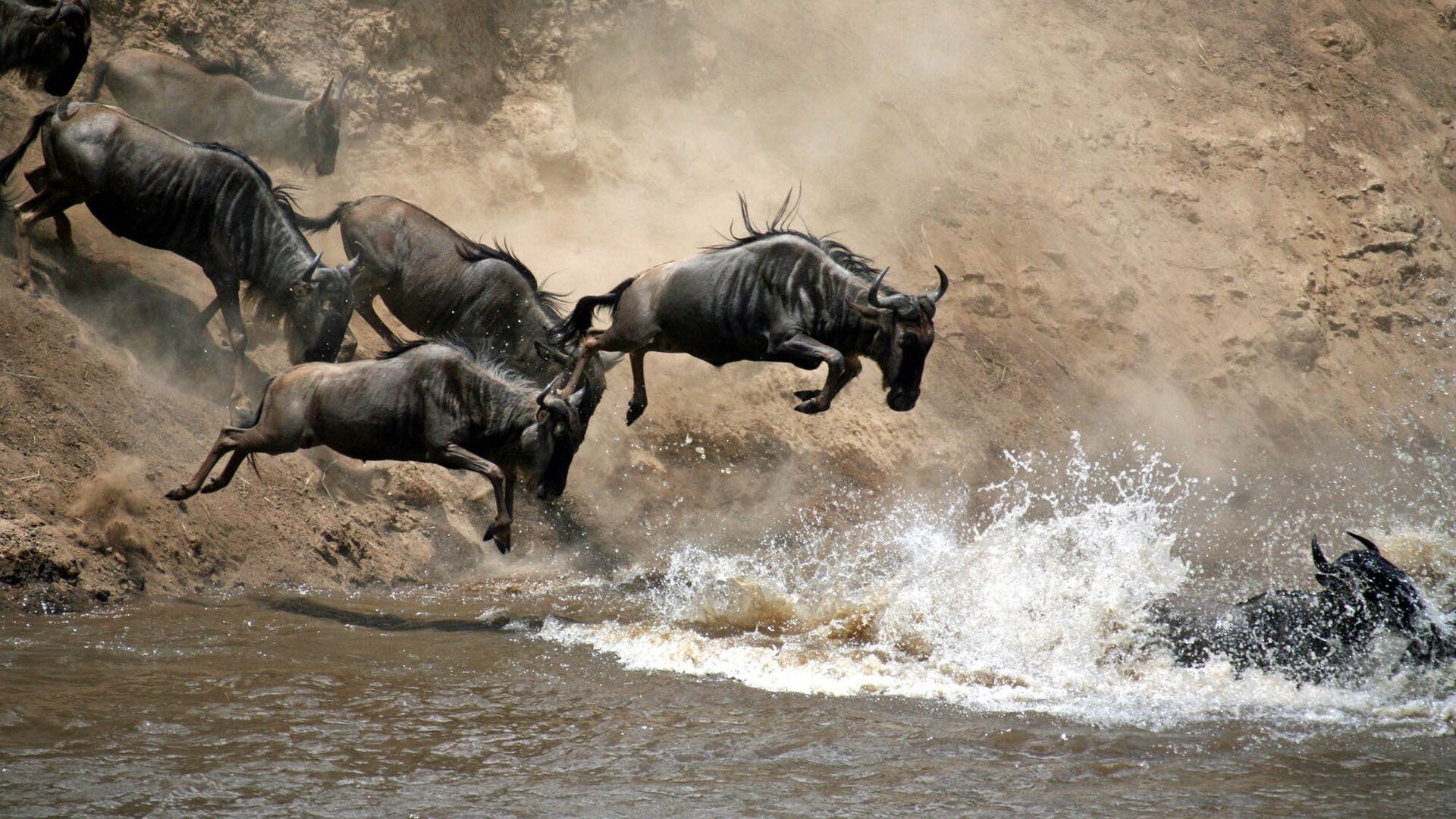
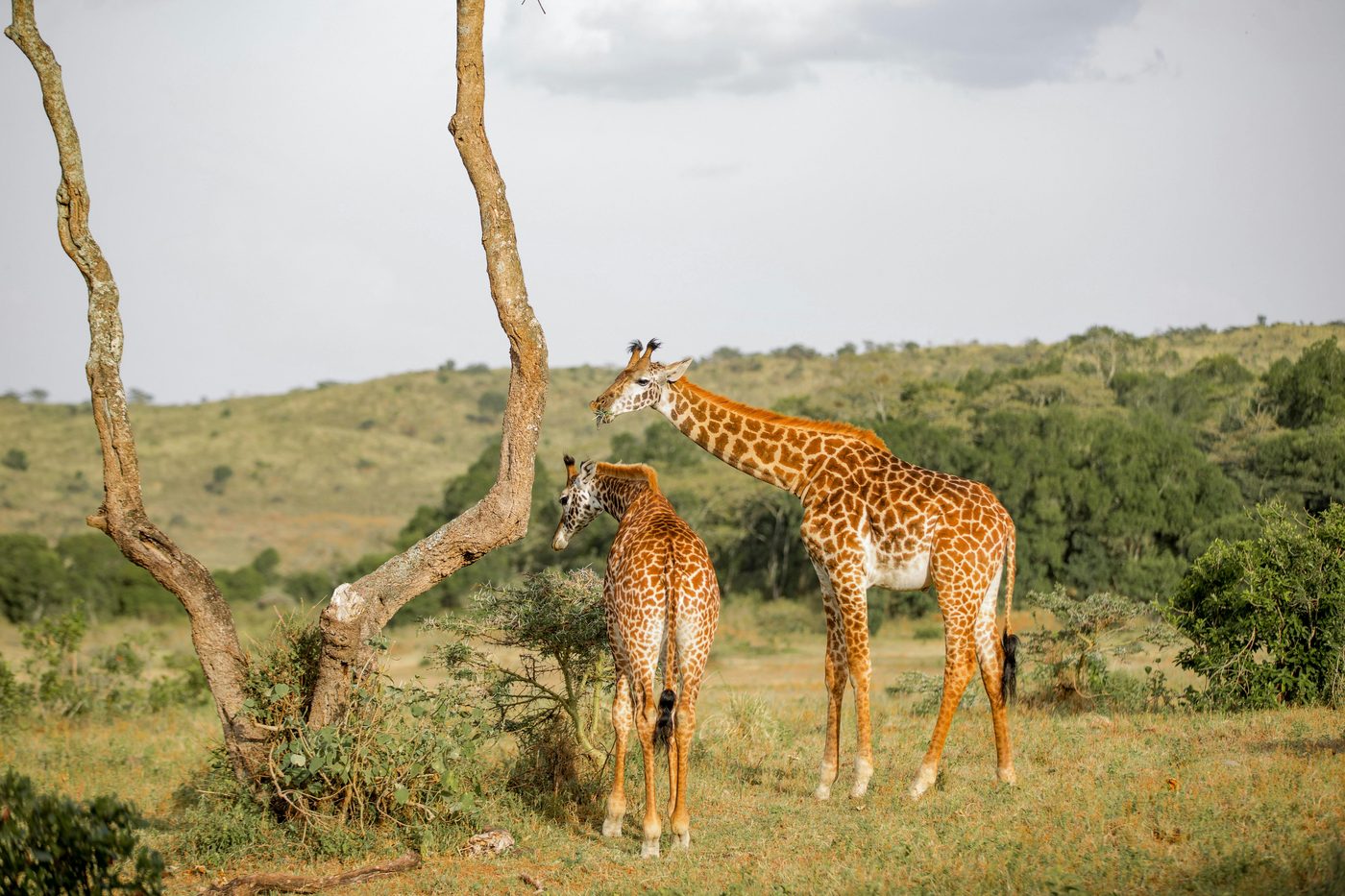
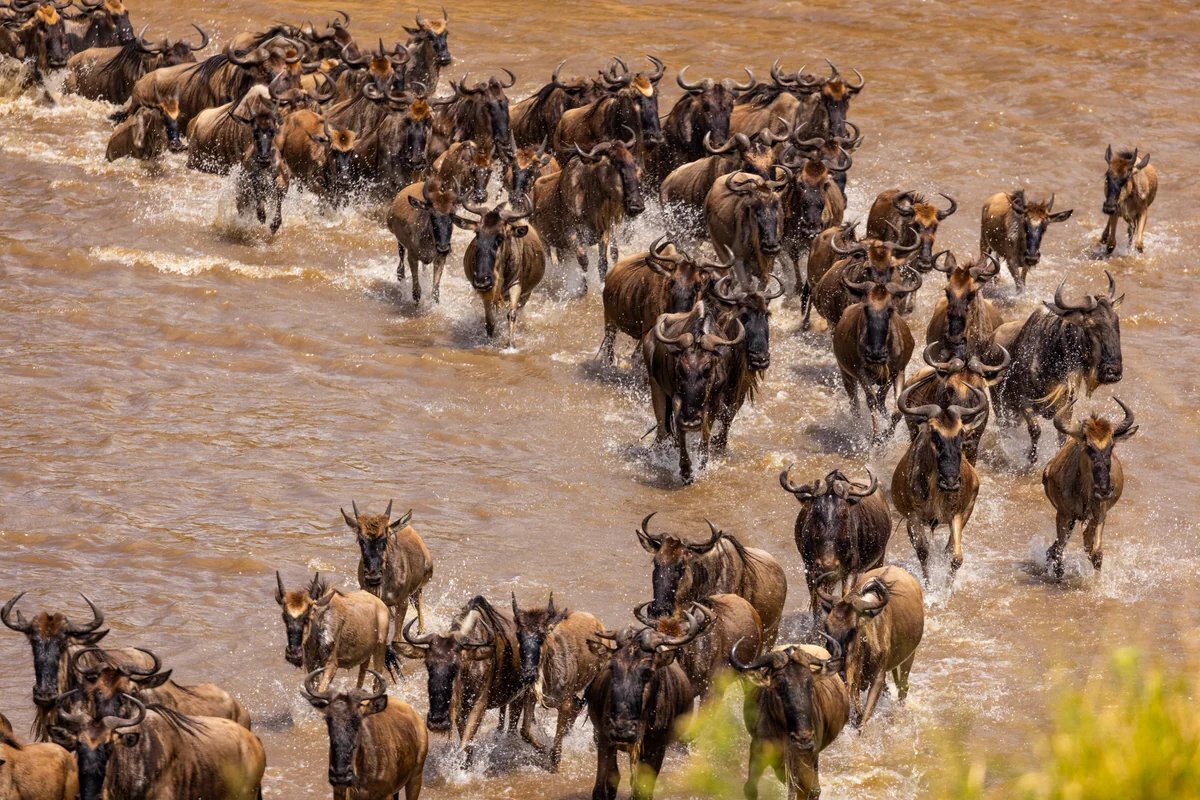
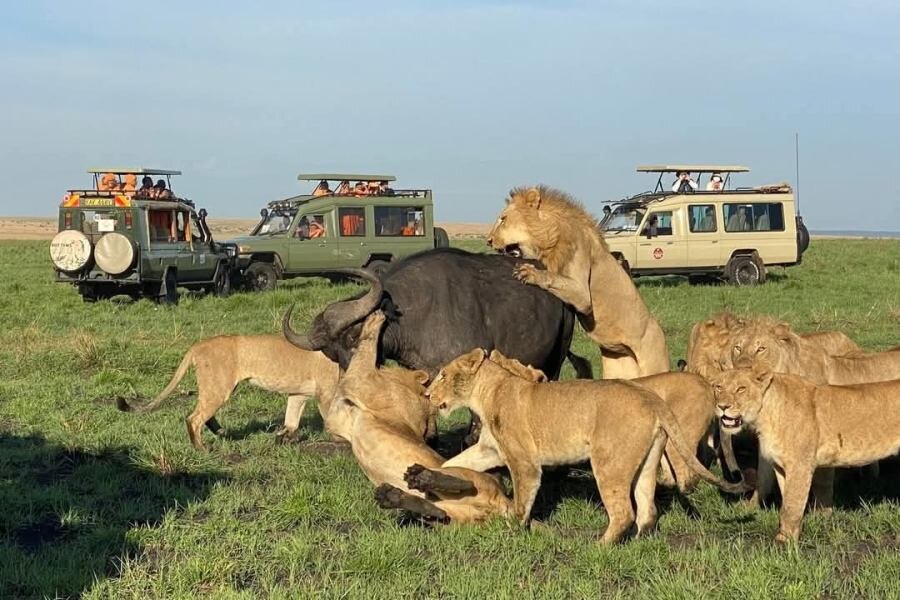
The Mara serves up Africa's most heart-stopping wildlife theatre: the Mara River crossings of July–October, when hundreds of thousands of wildebeest brave crocodile-filled waters. This compact 1,510 km² reserve also holds resident lion prides of 20-plus, superb cheetah and leopard, and some of the continent's finest tented camps. Easy logistics from Nairobi make the Mara perfect for shorter, high-impact 2027 itineraries.
Best for: Migration crossings, predator lovers, shorter trips. Peak in 2027: July–October (crossings); January–February (fewer crowds, excellent viewing).

3. Sabi Sands, South Africa — Leopard Capital of the World
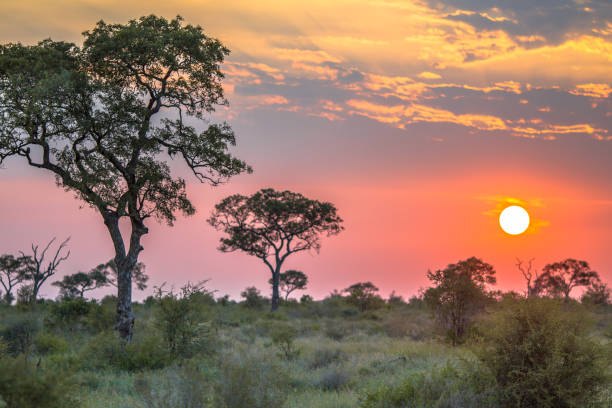
Sharing unfenced borders with Kruger, the private Sabi Sands is the planet's premier leopard destination, with off-road tracking and private-vehicle access national parks simply cannot match. The guiding is legendary — its guides and trackers rank among the most skilled on Earth — and the lodges set the global benchmark for luxury. It is the natural choice when you want near-guaranteed Big Five and world-class comfort with easy access from Johannesburg.
Best for: leopard and Big Five, luxury seekers, honeymooners. Peak in 2027: May–September (dry winter).

4. Kruger National Park, South Africa — Accessible Big Five
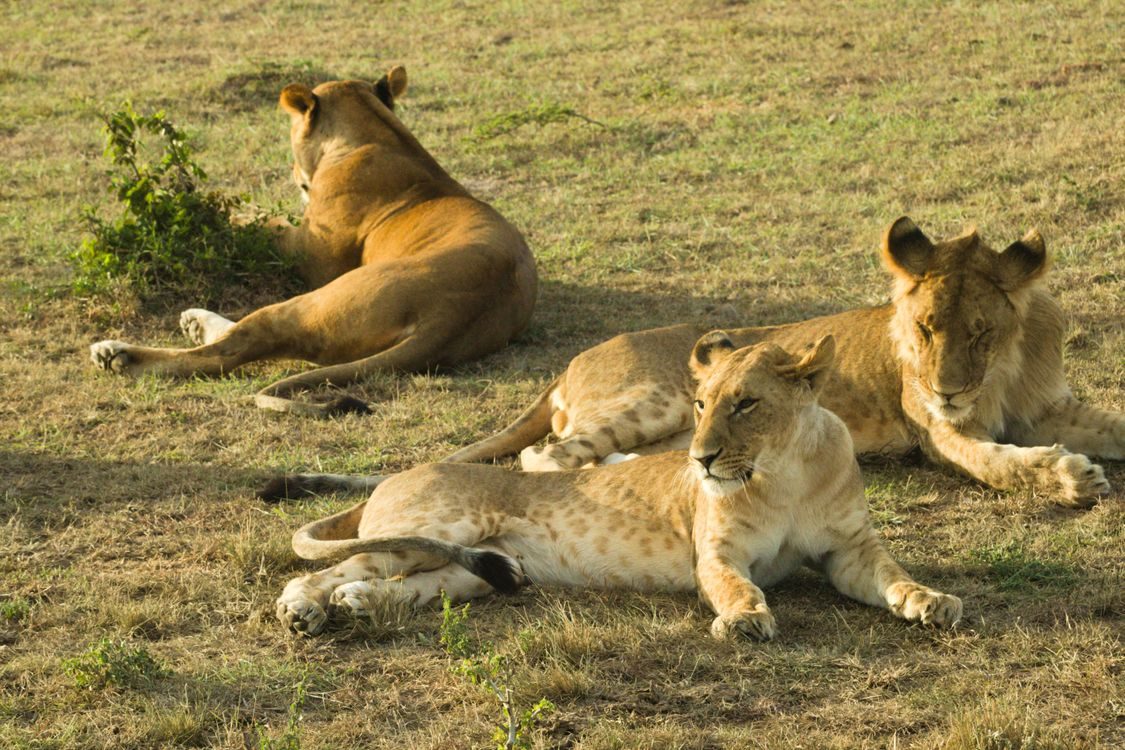
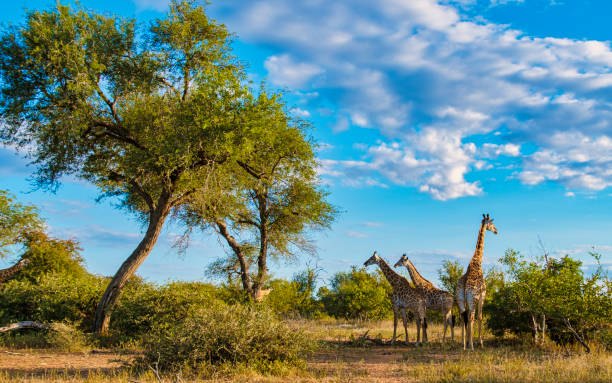
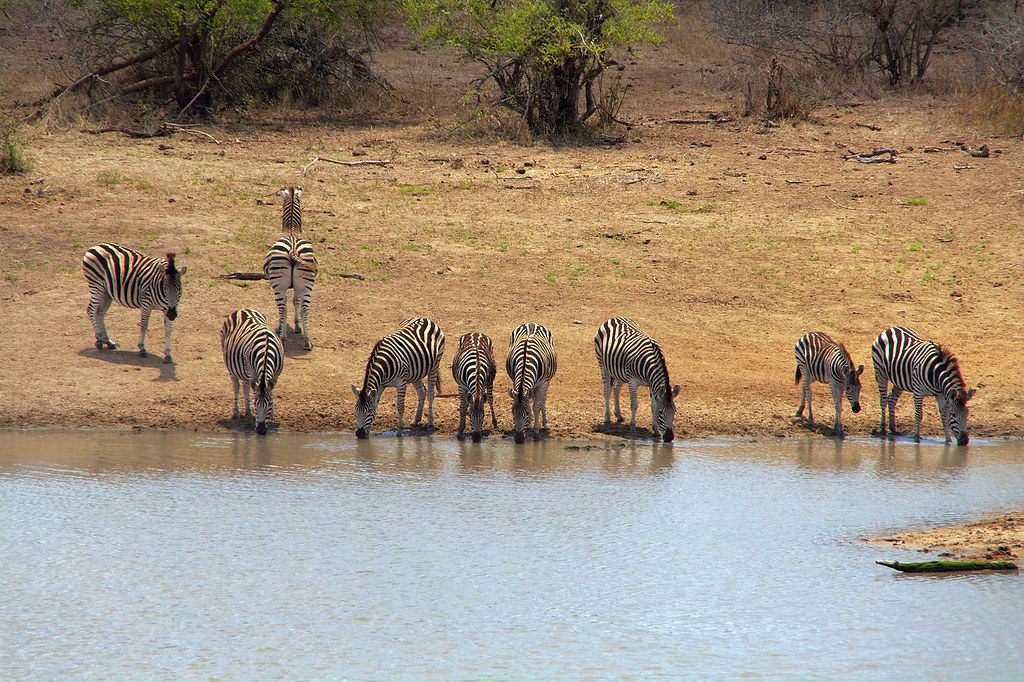
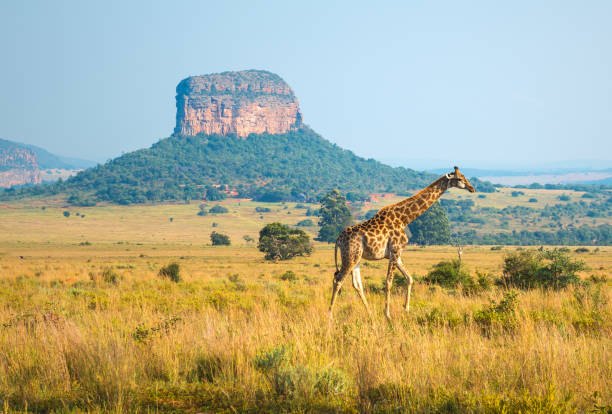
Kruger is Africa's most accessible Big Five giant: 19,485 km² with superb infrastructure, self-drive options and accommodation from rest camps to flagship private lodges. It offers reliable sightings, strong conservation, one of the continent's largest wild-dog populations and unbeatable value — the natural first safari for families and budget-conscious travellers, and an easy pairing with the Sabi Sands for those who want both worlds in one trip.
Best for: families, self-drive, first-timers, value. Peak in 2027: May–September (dry season).
5. Okavango Delta, Botswana — Water-Wilderness
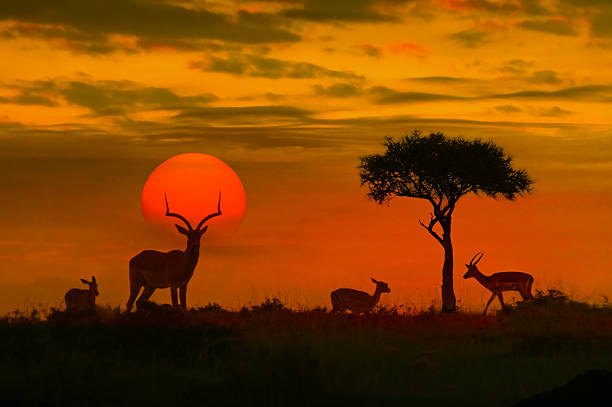
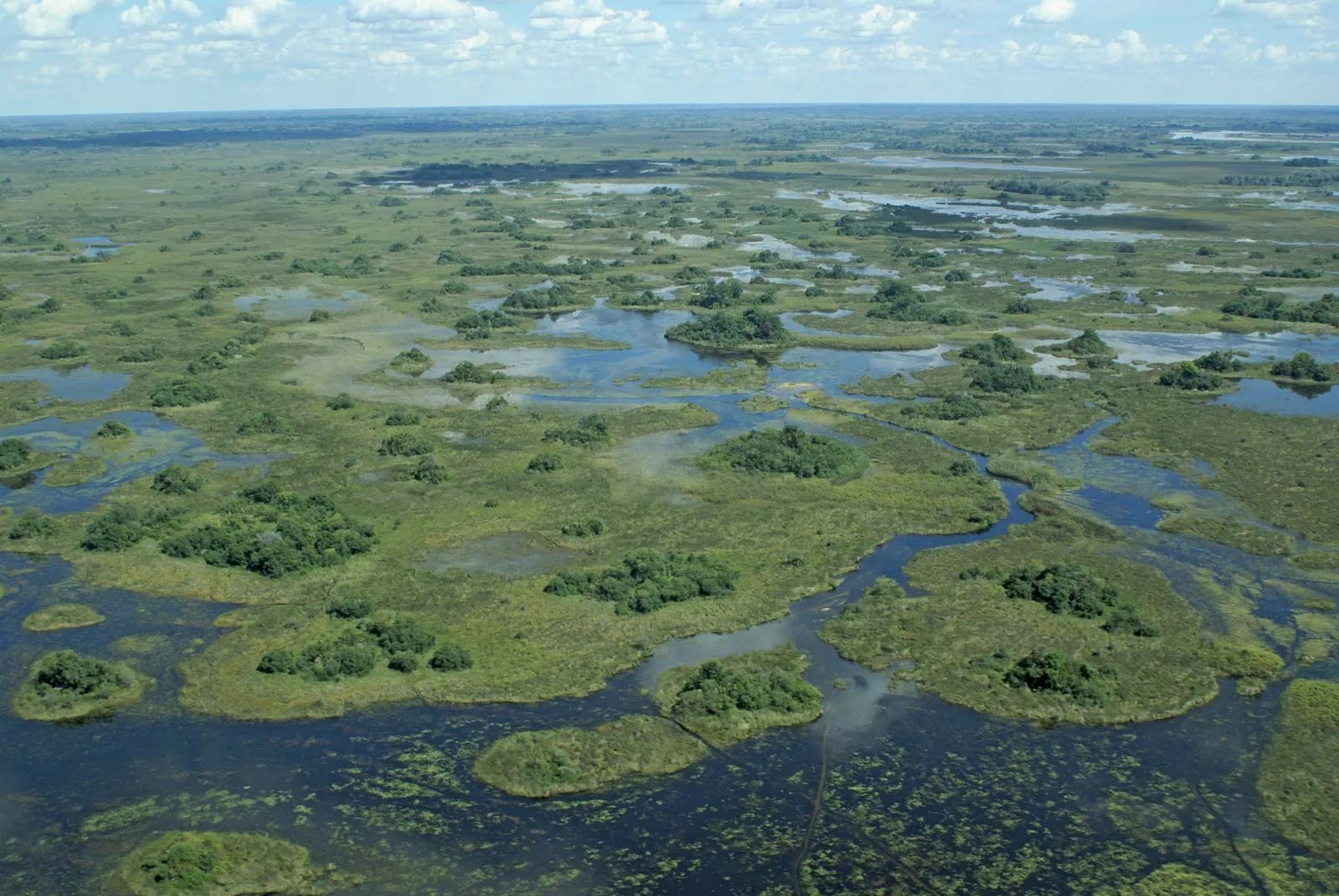
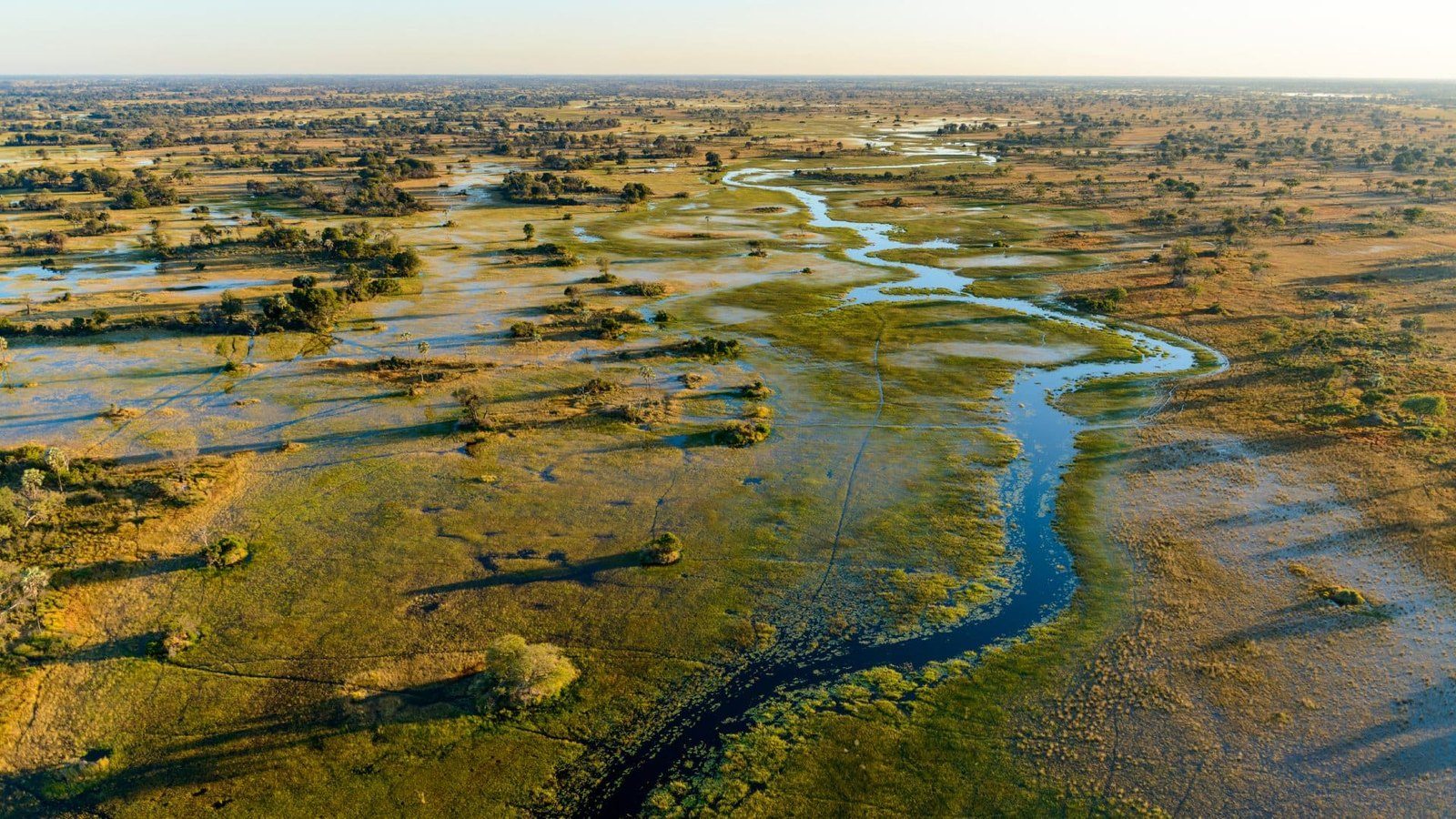
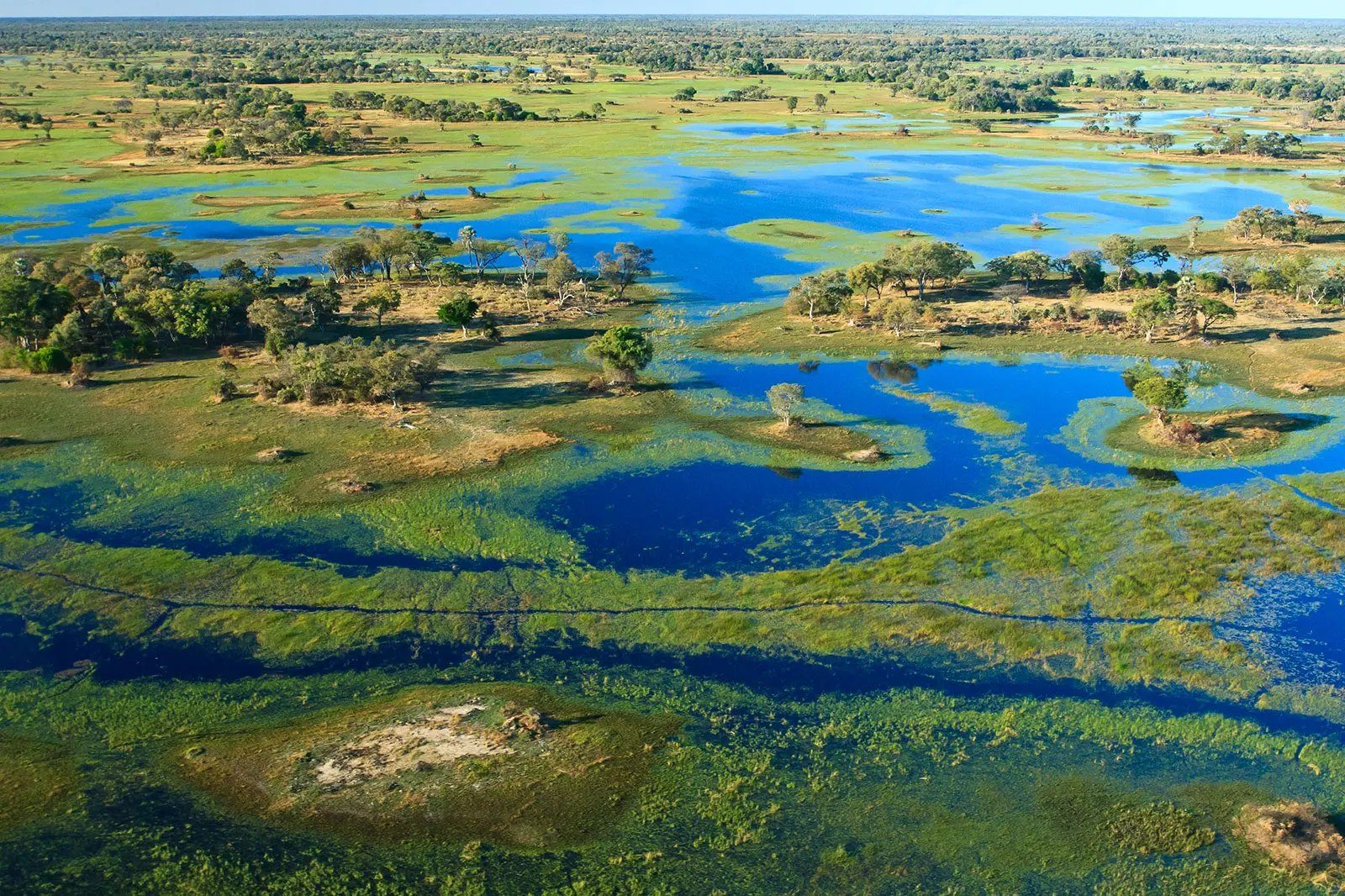
The Okavango is unlike anywhere else on Earth: a 15,000 km² inland delta where a river fans out into the Kalahari, creating a pristine water-wilderness of channels, islands and floodplains. Botswana's high-value, low-volume model keeps visitor numbers low and exclusivity high. Here you glide by mokoro (a traditional dugout canoe), track wild dog and elephant, and experience genuine wilderness immersion from intimate camps of just 8–16 guests.
Best for: luxury, honeymoons, water-based safaris, exclusivity. Peak in 2027: May–October (flood May–September).
6. Chobe, Botswana — Elephant Kingdom
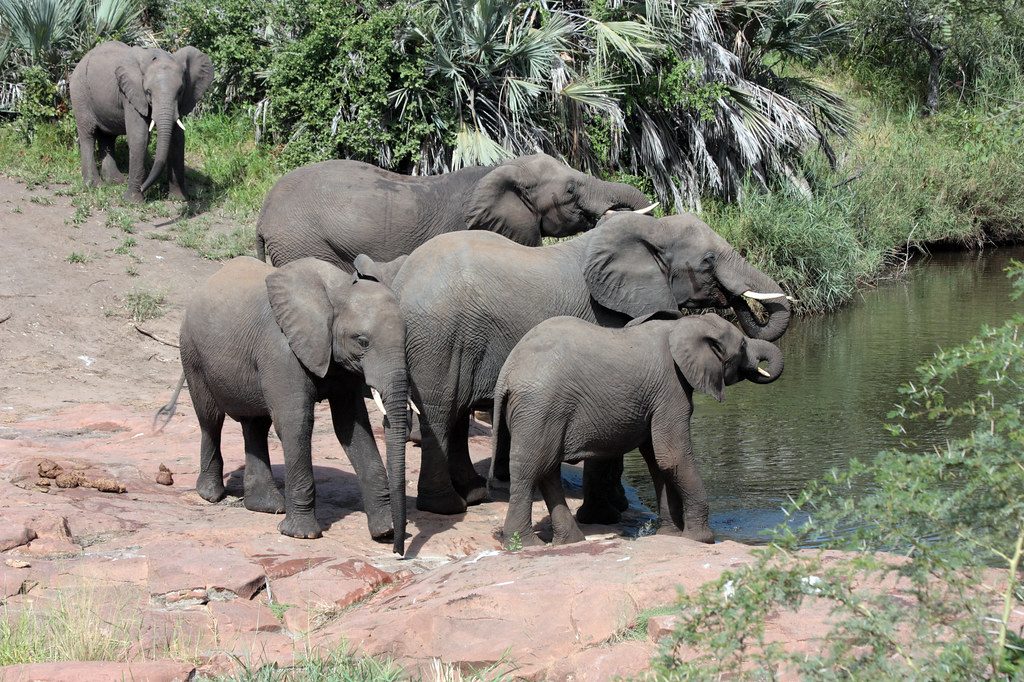
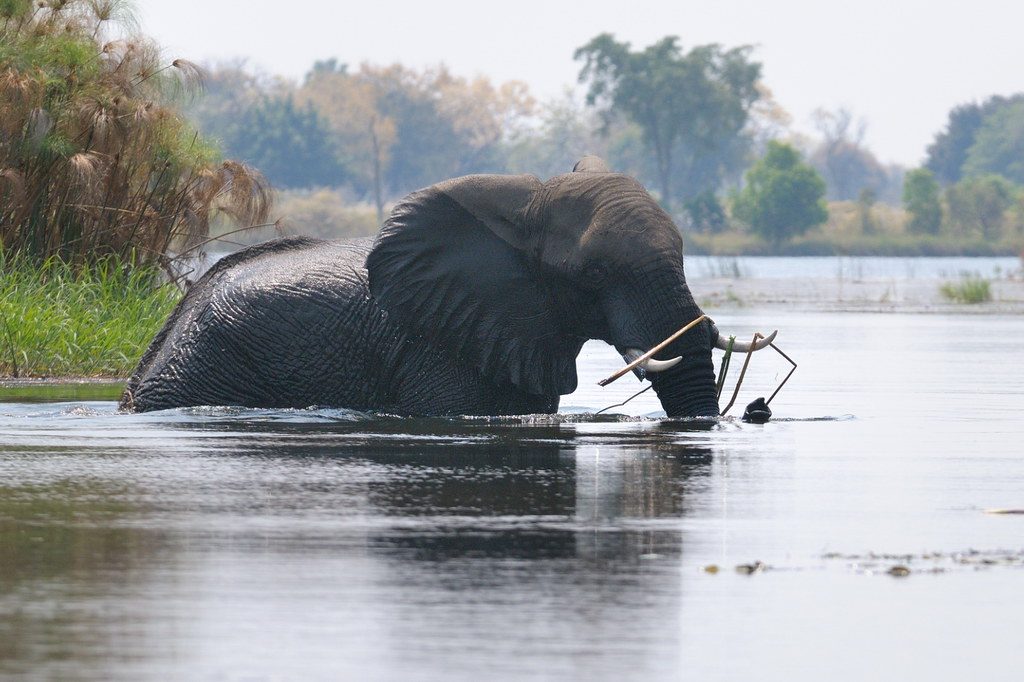
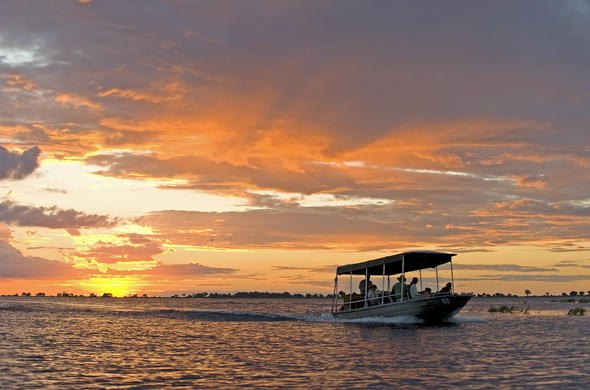
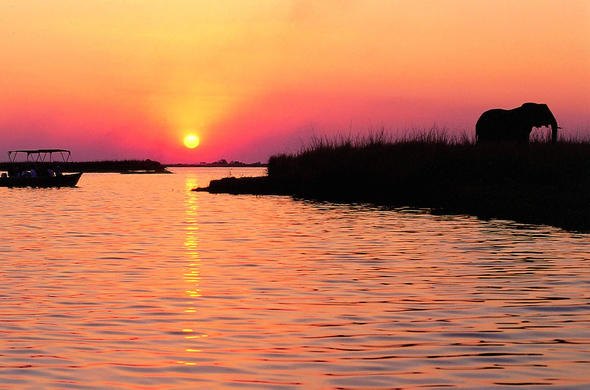
Chobe holds one of the greatest elephant concentrations on the planet — well over 100,000 across the wider ecosystem — and its river frontage makes for spectacular boat-based game viewing at sunset, when herds come down to drink and bathe. It pairs beautifully with Victoria Falls just an hour away, and with the Okavango for a complete Botswana circuit in 2027.
Best for: elephant spectacles, boat safaris, Falls combinations. Peak in 2027: May–October (dry season).

7. South Luangwa, Zambia — The Walking-Safari Pioneer
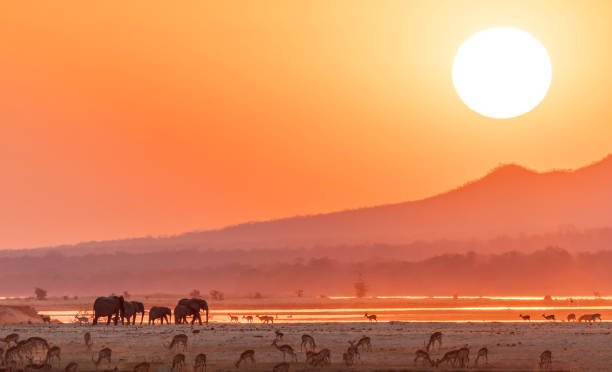
South Luangwa is the birthplace of the walking safari and a stronghold of authentic, unhurried bush. Its leopard density ranks among Africa's highest, its guiding tradition runs deep, and its night drives reveal a nocturnal world most parks never show. For travellers who have done the classic circuits and crave something rawer and more intimate, Luangwa is the connoisseur's choice for 2027.
Best for: walking safaris, repeat travellers, leopard and night drives. Peak in 2027: June–October (dry season).
8. Victoria Falls — The Grand Finale
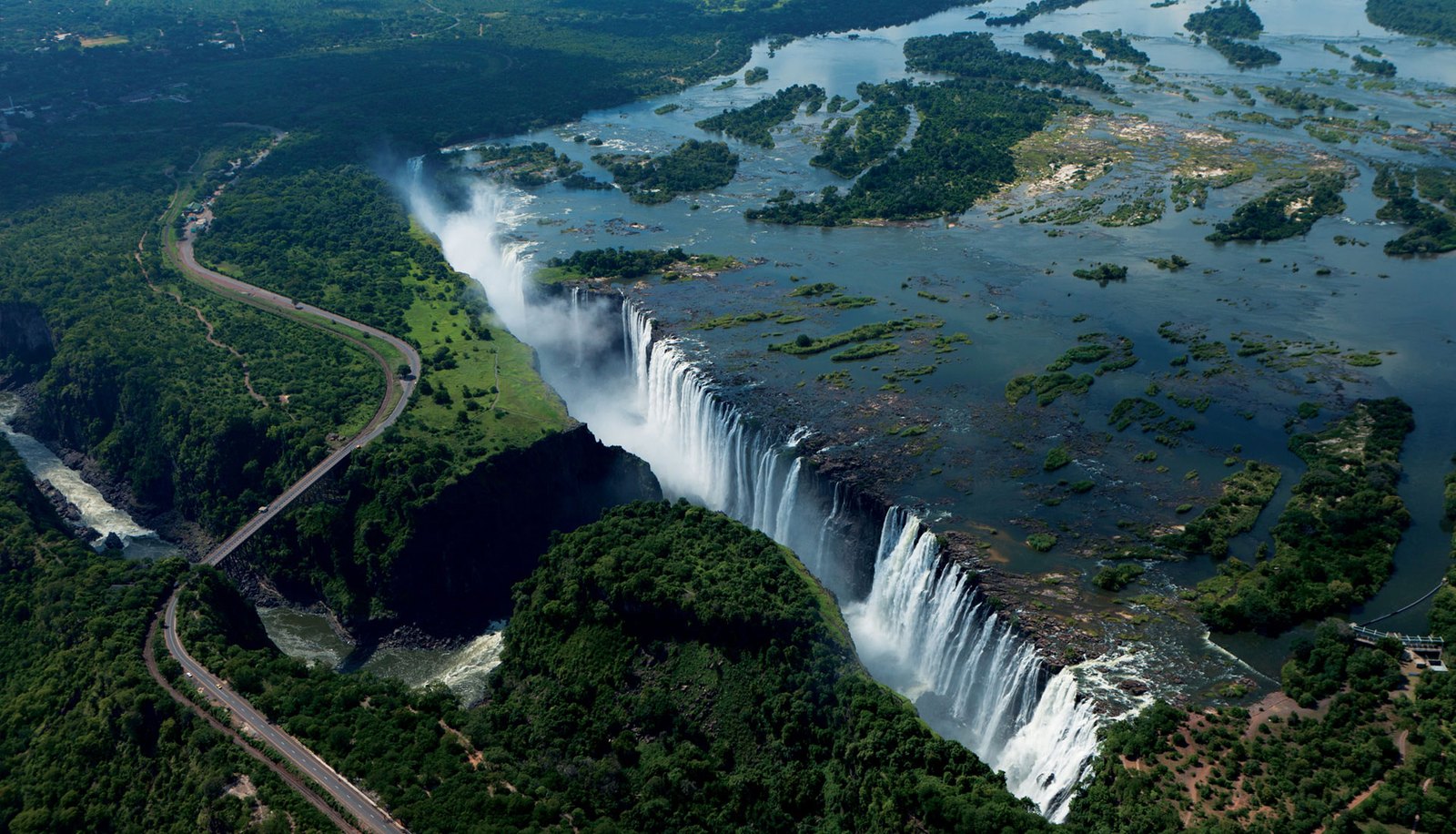
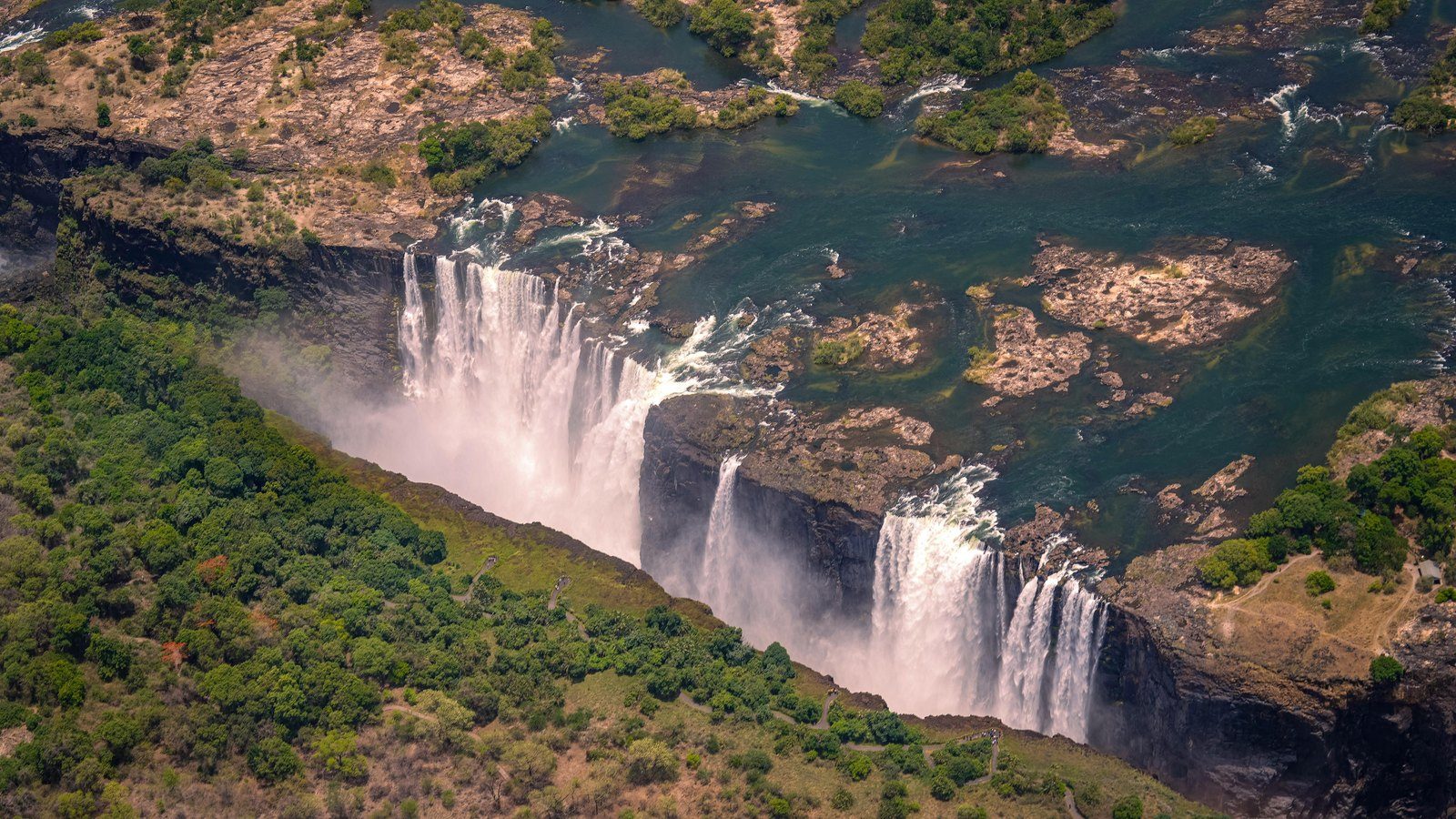
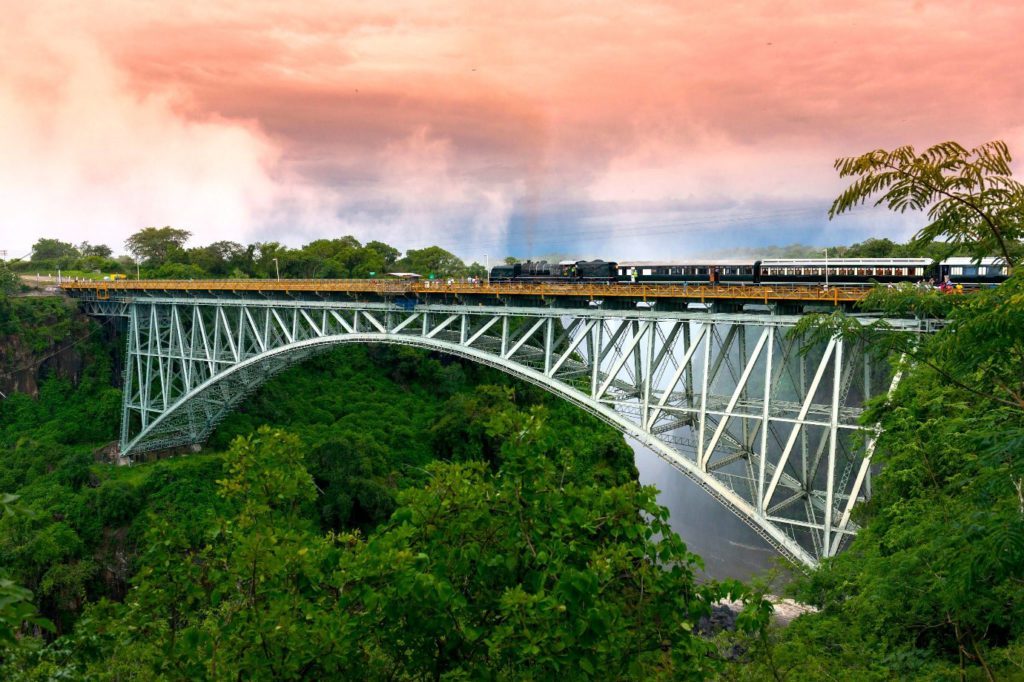
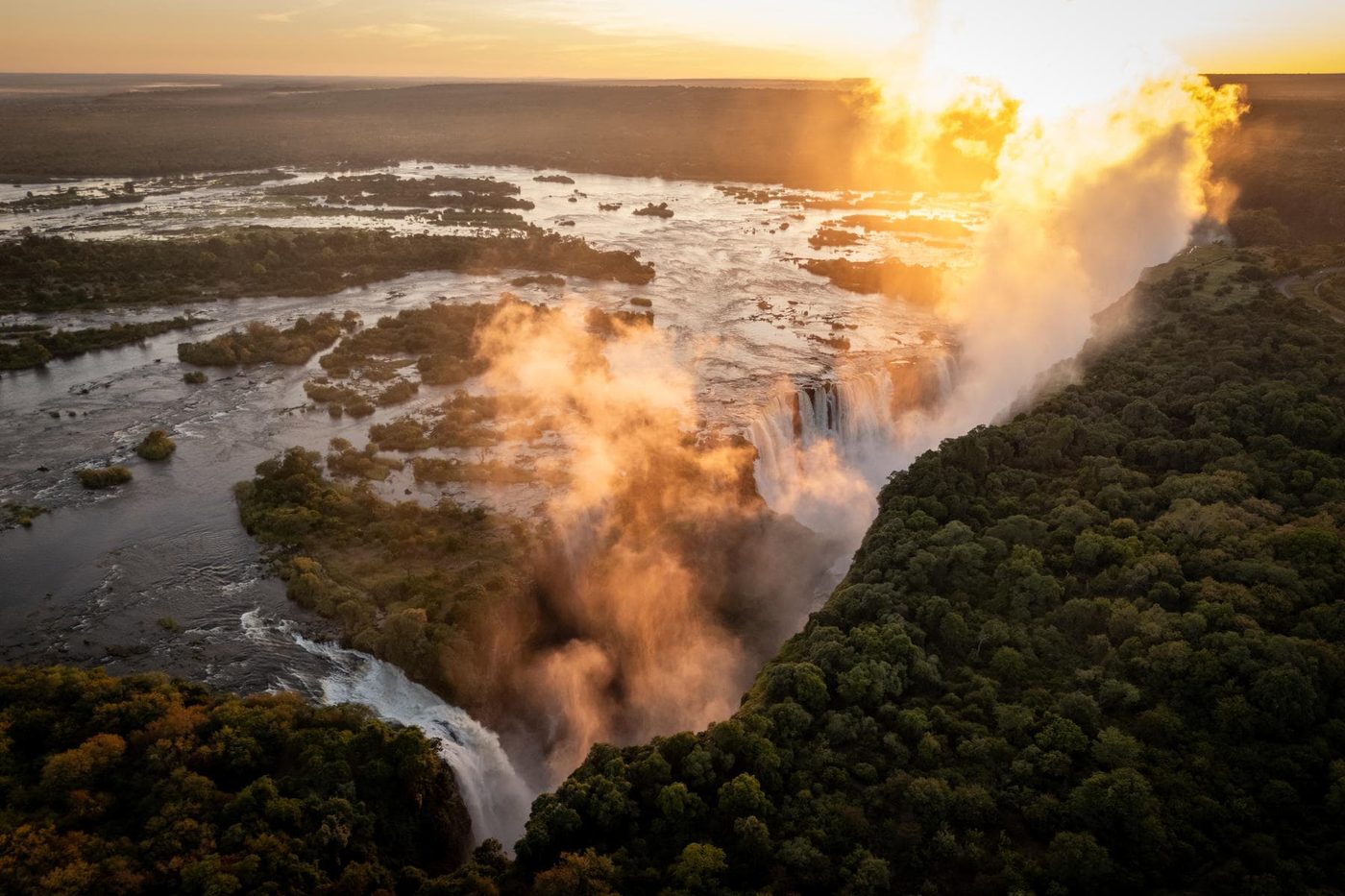
Not a game reserve but the perfect bookend to a safari: one of the Seven Natural Wonders of the World, thundering between Zambia and Zimbabwe. A day or two at the Falls adds drama and romance — sunset cruises on the Zambezi, helicopter flights over the gorge and easy access to Chobe — turning a wildlife trip into a complete African journey.
Private, Small-Group or Self-Drive? Choosing Your Style for 2027
The style of your tour shapes the experience as much as the destination. Here is how the three main approaches compare next year.
Private, Tailor-Made Safaris
Your own vehicle, guide and schedule. You linger at a leopard sighting as long as you wish, adjust each day's timing to your energy and interests, and chase personal passions — photography, birding, a particular species. Private safaris suit honeymooners, families with young children, serious photographers and anyone who values control. They cost more, but the flexibility and intimacy are unmatched.
Small-Group Safaris
Typically 4–8 guests sharing a vehicle and guide. You trade a little flexibility for excellent value and the camaraderie of travelling with like-minded people. A well-run small-group departure with a superb guide delivers a wonderful safari at a friendlier price — ideal for solo travellers and couples who enjoy company.
Self-Drive Safaris
In well-organised parks like Kruger, confident travellers can self-drive between rest camps and reserves. It is the most economical route and offers total independence, but you sacrifice the expert eyes of a professional guide and the off-road, night-drive and private-concession access that elevate a guided safari. We often blend the two — self-drive days in Kruger paired with a few guided nights in a private reserve.
Matching the Safari to the Traveller
First-Timers
Start with reliability. A 7–10 day tour combining South Africa's Kruger or Sabi Sands with a second highlight (the Cape, or Victoria Falls) delivers dependable Big Five, excellent infrastructure and malaria-free options — an ideal, low-stress introduction. The Serengeti is an equally superb first safari for those drawn to the Migration.
Families
Prioritise malaria-free reserves (the Eastern Cape, Madikwe, Pilanesberg) or well-managed lodges with family programmes. Private vehicles are invaluable with children, allowing flexible timing and rest. Many lodges run junior-ranger activities that turn a safari into a lifelong spark of wonder.
Honeymooners
Combine intimacy and drama: the Sabi Sands or Okavango for exclusivity and romance, perhaps paired with a beach finale in Mozambique or Zanzibar. Private plunge pools, candlelit bush dinners and helicopter transfers turn a safari into the honeymoon of a lifetime.
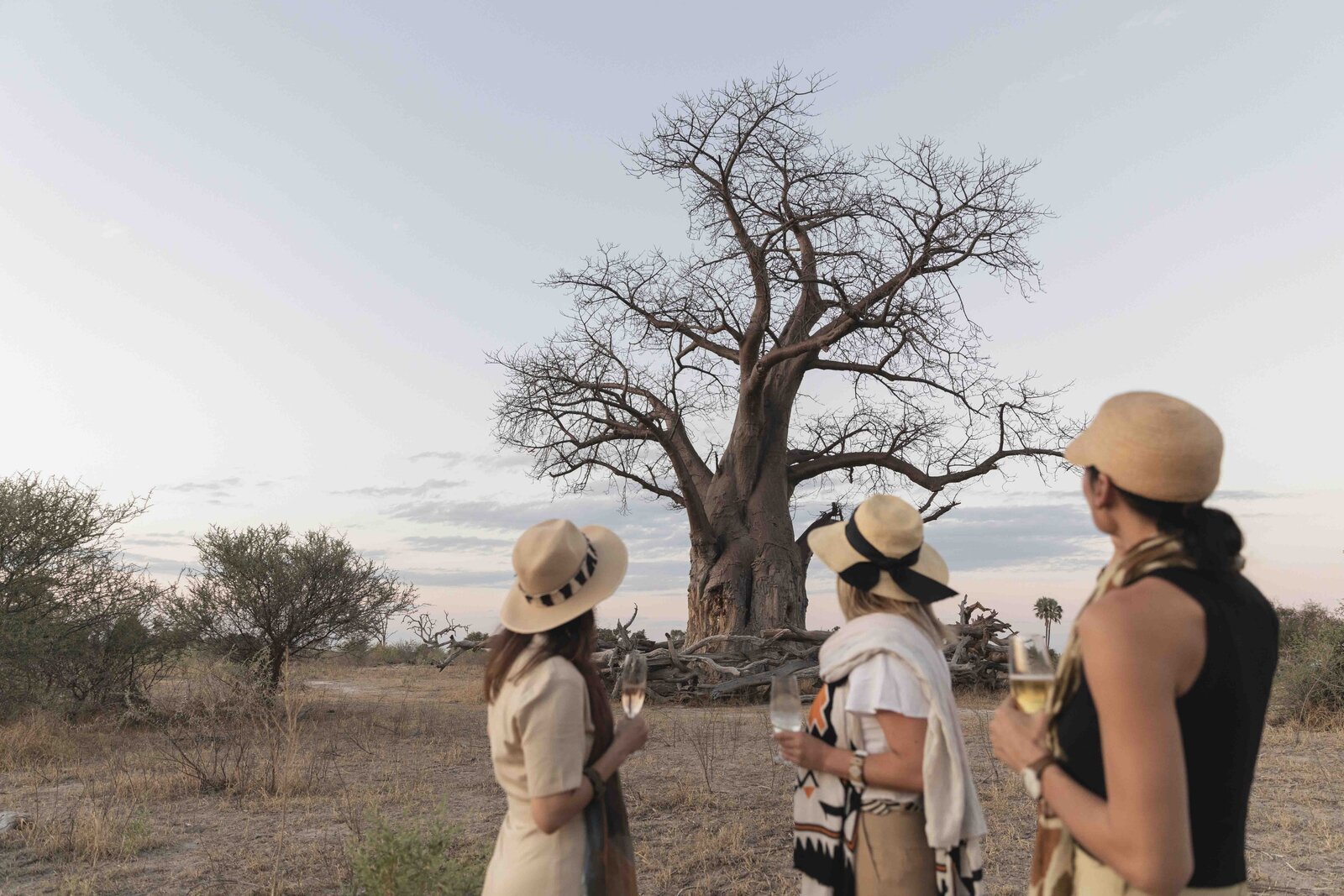
Photographers
Choose private vehicles and reserves famed for close, ethical sightings — the Sabi Sands for leopard, the Mara and Serengeti for big cats and the Migration, the Delta for elephant and wild dog. Ask specifically for a photography-friendly guide and vehicle (beanbag rests, low angles, patience at sightings).
What a Great Safari Tour Costs in 2027
Safari pricing is almost always quoted per person per day, all-inclusive of accommodation, meals, game activities and park fees (but excluding international flights and tips). As an honest guide for 2027:
- Budget / camping: roughly US$200–$400 per person per day — guided camping and mobile safaris, superb value with authentic bush immersion.
- Mid-range: US$400–$800 per person per day — comfortable lodges and tented camps, small groups, excellent guiding. The sweet spot for most travellers.
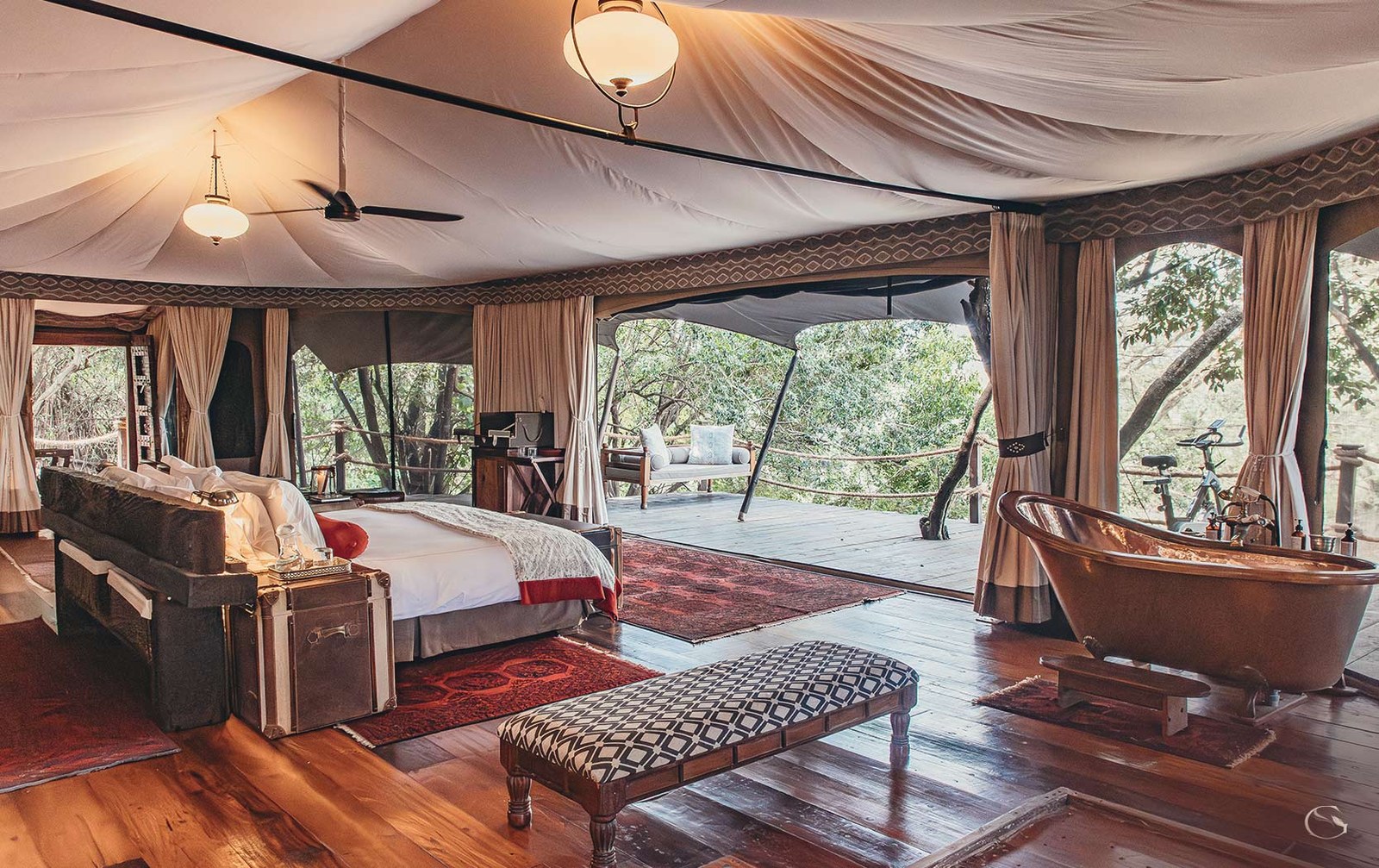
- Luxury: US$800–$2,000 per person per day — premium lodges, private vehicles, gourmet dining and seamless logistics.
- Ultra-luxury: US$2,000–$3,500+ per person per day — flagship suites, exclusive-use villas and private guides at the great safari houses.
Be wary of quotes that look suspiciously low: resellers often advertise a base rate and then layer on park fees, bush flights and "handling charges." A trustworthy operator gives you one transparent, itemised figure so you can compare like with like. And remember — spending more does not always buy a better safari. A superb mid-tier camp with an outstanding guide often delivers more magic than a flagship lodge in the wrong season.
2027 Pricing by Tier
| Tier | Daily Rate (per person) | What's Included | Best For |
|---|---|---|---|
| Budget / Camping | US$200–$400 | Guided camping, mobile tented camps, shared vehicles (6–8 guests), meals, park fees | Adventurous, budget-conscious travellers wanting authentic bush immersion |
| Mid-Range | US$400–$800 | Comfortable lodges/tented camps, en-suite, small groups (4–6), excellent guides, meals, park fees, game drives | Most travellers — the best value-for-money sweet spot |
| Luxury | US$800–$2,000 | Premium lodges, private vehicles, gourmet dining, premium drinks, seamless logistics, bush flights | Honeymooners, luxury seekers, serious photographers |
| Ultra-Luxury | US$2,000–$3,500+ | Flagship suites, private plunge pools, butler service, exclusive-use villas, helicopter transfers, private guides, fully bespoke | Milestone celebrations and maximum exclusivity |
What these rates exclude: international flights (typically US$1,300–$2,600 return from the US/Europe in 2027), visas (US$30–$100 per country), tips for guides and lodge staff (US$15–$40 per day), premium alcohol at mid-range camps, and specialist activities such as hot-air balloon safaris (US$450–$650 per person). For a deeper breakdown, see our African safari cost guide.
Sample 10-Day Multi-Country Safari (Luxury Tier)
Here is a real-world 10-day journey combining three countries — South Africa, Botswana and Zimbabwe — at the luxury tier. It is an itinerary we run regularly, and these are honest 2027 numbers.
| Day | Destination | Accommodation | Activities | Cost (pp/day) |
|---|---|---|---|---|
| 1–3 | Sabi Sands, South Africa | Luxury tented camp | Big Five game drives, bush walks, leopard tracking | US$1,250/day |
| 4–6 | Okavango Delta, Botswana | Premium water camp | Mokoro excursions, game drives, boat safaris | US$1,450/day |
| 7–8 | Chobe, Botswana | Riverside lodge | Elephant river cruises, game drives | US$950/day |
| 9–10 | Victoria Falls, Zimbabwe | Boutique hotel | Falls tour, Zambezi sunset cruise, helicopter flight | US$650/day |
| Safari Base Cost (10 days): | US$11,300 | |||
| Internal flights (3× light aircraft): | US$1,300 | |||
| Park fees & transfers: | US$850 | |||
| TOTAL PER PERSON: | US$13,450 | |||
Excludes: international flights (~US$1,900 return), visas (~US$80 total), tips (~US$320), and a balloon safari if desired (~US$550).
Total Trip Budget Calculator (7 Days, Fully Landed)
| Budget Tier | Safari Base (7 days) | Int'l Flights | Extras (visas, tips, activities) | Total Per Person |
|---|---|---|---|---|
| Budget | US$1,900 | US$1,300 | US$400 | US$3,600 |
| Mid-Range | US$4,500 | US$1,600 | US$650 | US$6,750 |
| Luxury | US$9,600 | US$2,100 | US$950 | US$12,650 |
| Ultra-Luxury | US$18,500 | US$2,600 | US$1,300 | US$22,400 |
This is the true all-in budget. Be cautious of operators who quote only the safari base — the final bill can be 40–60% higher once you add flights and extras.
Destination Decision Matrix & 2027 Booking Timeline
Every great safari region has a distinct character, budget and season. Use this matrix to match your priorities to the right destination for 2027.
| Destination | Budget Tier | Min. Days | Family-Friendly? | Best For | Peak Season |
|---|---|---|---|---|---|
| Serengeti, Tanzania | Mid to luxury | 5–7 | Yes (malaria prophylaxis required) | Migration, first-timers, photographers | Jun–Oct, Jan–Feb |
| Masai Mara, Kenya | Mid to luxury | 3–5 | Yes (malaria prophylaxis required) | River crossings, shorter trips, big cats | Jul–Oct |
| Sabi Sands, South Africa | Luxury to ultra | 3–4 | Yes (malaria risk, prophylaxis advised) | Leopards, Big Five luxury, honeymooners | May–Sep |
| Kruger, South Africa | Budget to luxury | 3–5 | Excellent (malaria risk, prophylaxis advised) | Families, self-drive, first-timers, value | May–Sep |
| Okavango Delta, Botswana | Luxury to ultra | 3–5 | Moderate (malaria prophylaxis required) | Water safaris, exclusivity, honeymooners | May–Oct |
| Chobe, Botswana | Mid to luxury | 2–3 | Yes (malaria prophylaxis required) | Elephants, boat safaris, Falls combos | May–Oct |
| South Luangwa, Zambia | Mid to luxury | 4–5 | Moderate (malaria prophylaxis required) | Walking safaris, leopard, repeat travellers | Jun–Oct |
| Eastern Cape, South Africa | Mid to luxury | 2–3 | Excellent (malaria-free) | Families, malaria-free Big Five, Garden Route combos | Year-round |
When to Book for 2027
The best 2027 lodges have limited rooms and the peak months sell out first. Here is the realistic timeline for securing your preferred camps and dates.
| Lead Time | What to Book | Availability | Pricing |
|---|---|---|---|
| 9–12 months | Peak-season 2027 luxury (Jul–Sep Serengeti, Mara, Sabi Sands, Okavango) | Full choice of camps and dates | Standard rates, occasional early-bird discounts |
| 6–9 months | Peak-season mid-range, shoulder-season luxury | Good choice, flagship camps filling | Standard rates |
| 3–6 months | Shoulder season, Kruger self-drive, mid-range anywhere | Limited choice for peak-season luxury | Standard rates, some last-release specials |
| Under 3 months | Green season, camp cancellations, budget/mid camps with space | Very limited for peak luxury; good for wet-season | Significant discounts possible (30–50% off green season) |
Insider tip for 2027: if you are flexible on dates, booking 3–4 months out for the green season (Nov–Apr) can unlock spectacular value — fewer crowds, dramatic skies and newborn animals, often at half the peak-season rate. For a full month-by-month view, see our guide to the best time to go on safari in Africa.
How to Vet Any Safari Operator (Including Us)
Not every operator is honest. These are the warning signs we have learned to spot over thousands of bookings — and that you should too.
- No verifiable reviews at scale — a handful of testimonials on an operator's own site means nothing. Look for hundreds or thousands of independent reviews on TripAdvisor, Google, Viator and GetYourGuide.
- Quotes that are suspiciously low — if a quote is 30–40% cheaper than every competitor for the same itinerary, the camps are not what was described, or the "extras" will arrive later as surprise charges.
- Vague or missing financial protection — ask directly: "Are my deposits protected by SATSA, IATA, ATOL or an equivalent bonding scheme?" If they dodge, your money is unprotected.
- No direct lodge confirmation — reputable operators forward the camp's own confirmation. If you only ever hear from the operator, they may not have actually booked you.
- They have never visited the destinations — ask when they last visited the Serengeti, or which Sabi Sands camps they recommend for first-timers versus photographers. Generic answers signal a reseller with no field knowledge.
- Pressure tactics and "last room" urgency — genuine scarcity exists, but manufactured urgency is a classic high-pressure sales tactic.
- No named, reachable planner — you should have a single accountable person with a direct email and phone number, not a generic inbox that goes quiet when things go wrong.
How Beyond Africa Plans Your 2027 Safari
We will not claim to be "the best" — that would be arrogant, and the honest truth is that different operators excel at different things. What we can offer is verifiable proof and a way of working that puts your journey first.
Award-winning and independently verified. Beyond Africa Safaris is a TripAdvisor Travellers' Choice winner (2022–2026), a Viator/TripAdvisor award winner (2019–2021) and a GetYourGuide award winner (2019), with over 11,900 verified five-star reviews across TripAdvisor, Viator and GetYourGuide. These are not testimonials on our own website — they are independently aggregated reviews from thousands of real travellers, year after year. Verify us, and every operator you consider, before you pay a cent.
SATSA bonded — your deposit protected. We are a bonded member of the Southern Africa Tourism Services Association, which means your pre-paid deposits are protected by the SATSA Lost Advances Fund — a regulated guarantee most operators, including many well-known international brands, simply do not offer.
Independent, not tied to one brand. As a Cape Town-based, tailor-made specialist we book you door-to-door into the great safari houses — Singita, Londolozi, &Beyond, Wilderness, Great Plains, MalaMala — and because we are independent, we match the right camp to your priorities without bias.
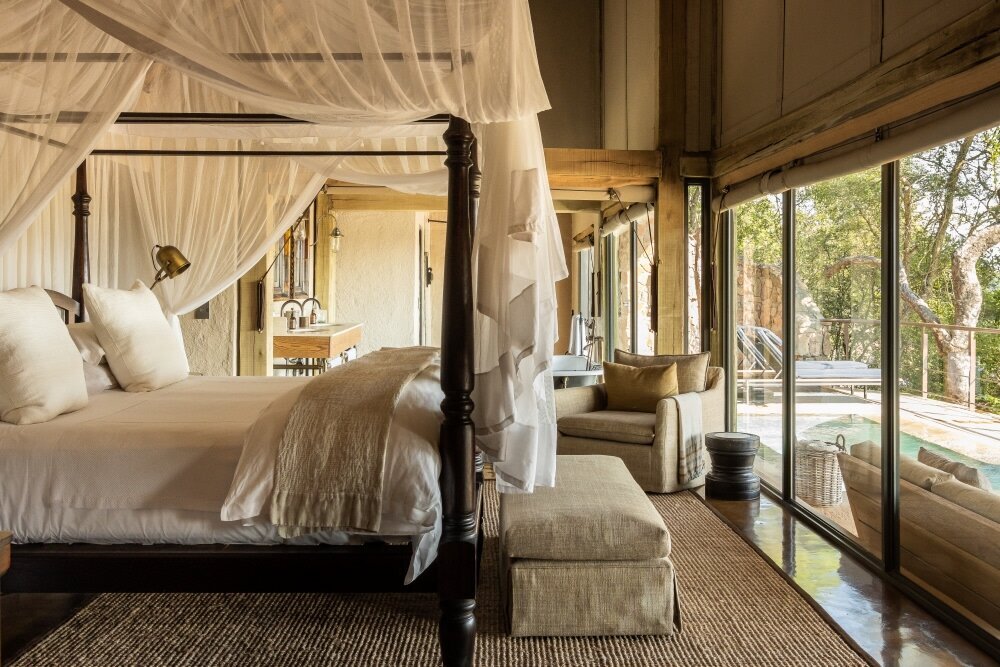
A SATIB-insured fleet and 24/7 accountability. Every vehicle in our Mercedes-Benz fleet carries dedicated SATIB passenger-liability cover, and every safari comes with a named planner reachable directly, day or night, while you are in the field — one team, accountable from the moment you land to the moment you depart.
Ready to Plan Your Best African Safari for 2027?
We will build a tailor-made itinerary around your dates, budget and dreams — with transparent 2027 pricing, SATSA-bonded protection and a named planner accountable from arrival to departure.
Frequently Asked Questions
What is the best African safari tour for 2027?
There is no single best safari for everyone — the right 2027 tour depends on your travel style, season and wildlife priorities. For first-timers, a 7–10 day tour combining South Africa's Kruger or Sabi Sands with Victoria Falls or the Cape is hard to beat. For the Great Migration, target the Serengeti or Masai Mara in the peak months. For romance and exclusivity, the Okavango Delta or Sabi Sands lead the field.
How much does an African safari cost in 2027?
Quality 2027 safaris range from US$400–$800 per person per day for mid-range experiences to US$800–$2,000 for luxury. Budget camping safaris start around US$200–$400 per day, while ultra-luxury exceeds US$2,000–$3,500+ per day. These rates typically include accommodation, meals, game activities and park fees, but exclude international flights and tips.
When is the best time to go on an African safari in 2027?
Africa's dry season (May–October) concentrates wildlife around water and offers the easiest game viewing, with July–September the peak. For the Great Migration, aim for July–October for Masai Mara river crossings or January–February for Serengeti calving. The green season (November–April) brings dramatic skies, newborn animals and lower rates.
What's the difference between Kenya and Tanzania safaris?
Kenya's Masai Mara delivers world-class Migration river crossings (July–October), superb tented camps and easy logistics for shorter trips. Tanzania's Serengeti offers year-round Migration access, more wilderness immersion, the Ngorongoro Crater and often better value. Choose Kenya for dramatic crossings and shorter itineraries; Tanzania for broader Migration coverage and multi-park circuits.
Is a private safari worth the extra cost?
Private safaris offer unmatched flexibility: your own vehicle, guide and schedule let you linger at special sightings, adjust timings and pursue personal interests. They are ideal for honeymooners, photographers and families with young children. Small-group safaris (4–8 guests) offer excellent value and social connection — the right choice depends on your priorities and budget.
Can I combine multiple countries in one 2027 safari?
Absolutely — multi-country safaris are common and rewarding. Classic combinations include South Africa (Sabi Sands or Kruger) + Botswana (Okavango or Chobe) + Zimbabwe (Victoria Falls) for a 10–14 day Southern Africa circuit; or Kenya (Masai Mara) + Tanzania (Serengeti + Ngorongoro) for an East Africa Migration safari. Light aircraft and short regional flights make the logistics seamless.
Do I need malaria medication for an African safari?
Most classic destinations (Kruger, Serengeti, Masai Mara, Okavango, Zambia, Zimbabwe) are malaria zones, and prophylaxis is essential. South Africa offers excellent malaria-free alternatives — the Eastern Cape reserves, Madikwe and Pilanesberg — ideal for families with young children. Always consult a travel-health clinic 6–8 weeks before departure.