The Short Version
- 🦁 On safari, “all-inclusive” usually means your lodge, every meal, house drinks, twice-daily game drives and the transfers between camps — not your flights from the US, tips, or premium wine.
- 🦁 The costs Americans miss are the small ones that add up: nightly conservation levies, park and reserve fees, visa fees, and gratuities. We quote all of them up front, in US dollars.
- 🦁 A realistic all-inclusive safari runs from about US$650 per person per night at the solid end to US$2,500–$5,000+ at the flagship camps. A full 7–10 night trip lands roughly between US$6,500 and US$25,000 per person, land-only.
- 🦁 From the US you reach the bush through Johannesburg or Nairobi, then a short light-aircraft hop with Federal Air straight to the camp airstrip.
- 🦁 We run private trips only — your own guide and vehicle, never a shared truck — and give you one named price with nothing left to work out later.
If you have booked an all-inclusive week in Cancun or Punta Cana, you already have a picture in your head: a wristband, a buffet, a swim-up bar, and a bill you settled before you left home. An African safari uses the same two words and means something close, but not identical, and the difference is worth understanding before you wire a deposit. This guide is written for travelers booking from the United States, for trips in 2027 and 2028, and it is as plain as we can make it. No rounded-up brochure numbers, no small print we hope you skip — the real shape of what you are buying.
We are a private safari company based in Cape Town, and we have been putting American travelers into the bush since 2008. A large share of our guests fly in from New York, Atlanta, Washington, Chicago, Dallas and the West Coast, and most of them arrive asking the same two questions: what does “all-inclusive” actually cover, and what is this really going to cost me, all in? Those are the right questions. Here are the honest answers.
What “all-inclusive” actually means on safari
On a resort beach, all-inclusive is a pricing trick to stop you thinking about money for a week. On safari it is closer to a practical necessity: the camps sit hours from the nearest town, there is no front desk to swipe a card at, and guests are out in a vehicle at the hours a store would be open anyway. So the model is built around a rate that carries almost everything that happens once you reach camp.
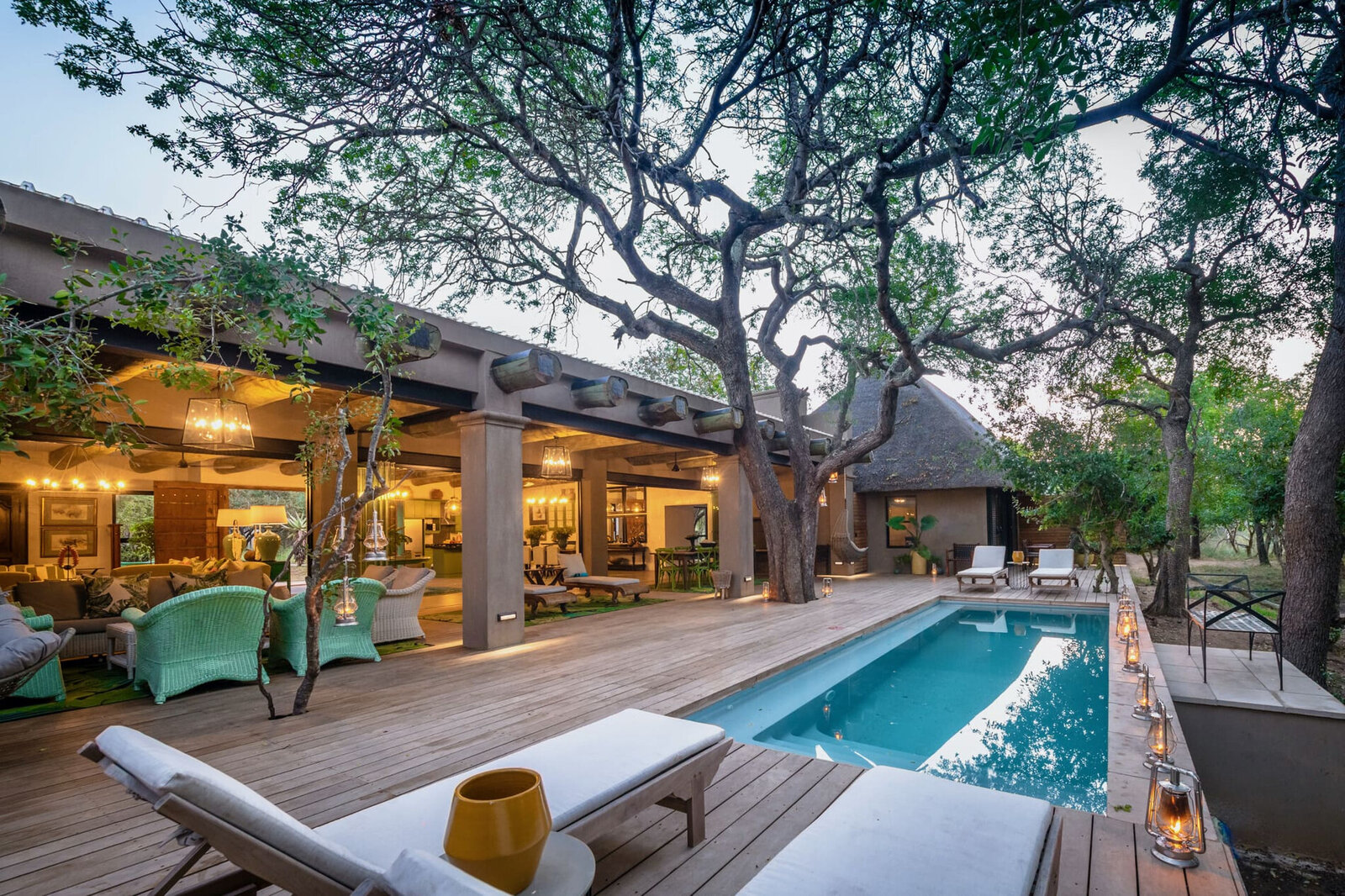
At a genuine all-inclusive safari lodge or tented camp, a single per-person, per-night rate covers your room, all your food — usually three full meals plus the snacks that come out on a morning drive and the drinks at sundown — your house drinks, which means soft drinks, local beer, house wine and often the standard spirits, your guided game activities, normally two drives a day and walks where the reserve allows them, and the road transfers between your camps and the local airstrip. Laundry is frequently thrown in too, because you are packing light for small planes.
That is the part that lines up neatly with what an American expects. The place it drifts is at the edges, and the edges are where a trip either comes in on budget or quietly runs over. So before we talk price, let us lay out exactly what is in the rate and what sits outside it.
Usually inside the rate
- Your accommodation — a suite, chalet or large walk-in tent with a private bathroom
- All meals, plus tea, coffee, drive snacks and sundowner nibbles
- House drinks: soft drinks, local beer, house wine, standard spirits
- Two guided game activities a day with a professional guide and tracker
- Road transfers between camps and the nearest airstrip
- Laundry at most camps; park entry at many (not all) lodges
Usually outside the rate
- International flights from the US — your biggest separate cost
- Travel insurance (we treat this as non-negotiable)
- Visa fees where they apply, and any entry requirements
- Gratuities for guides, trackers and camp staff
- Premium imported wine and Champagne, and top-shelf spirits
- Nightly conservation levies and some park or reserve fees
- Special activities: hot-air balloon, private vehicle upgrade, helicopter, spa, gorilla or chimp permits
The costs Americans get surprised by
None of the items below are hidden on purpose by a decent operator. They are standard across the industry. But they often live three clicks deep on a lodge website, or get left off a cheap quote to make the headline number look sharper, and an American reading a glossy ad has no reason to know they exist. These are the four that catch people out most.
Conservation levies. Many of the best private reserves charge a nightly, per-person conservation or community levy — money that goes to anti-poaching, habitat and the local communities who share the land with the wildlife. It can run from a few dollars to well over fifty dollars a person, a night, and on a weak quote it is left out and then added at the end. We fold it into the price we give you so there is no sting later.
Park and reserve fees. Some lodges bundle government park fees into the rate; others charge them on top. In East Africa especially, park fees are a real line item — a single day in a Kenyan or Tanzanian national park carries a per-person entry fee that stacks up over a week. The better camps in the Masai Mara conservancies, for instance, include both the conservancy and park fees in their all-inclusive rate; many national-park lodges do not. We check this camp by camp so you are never comparing a rate that includes fees against one that does not.
Gratuities. Tipping is expected and it is separate from the rate. A fair guideline is roughly US$20–$25 per guest per day for your guide and tracker combined, plus a smaller amount into the general staff box. On a 7-night trip that is real money — a few hundred dollars per person — and we would rather you planned for it than felt ambushed at checkout.
Your flights, insurance and visa. The land cost of a safari and the cost of getting there are two different budgets. Round-trip airfare from the US to Johannesburg or Nairobi typically runs US$1,200–$2,500 in economy and far more up front, depending on season and how early you book. Comprehensive travel insurance that includes medical evacuation is something we insist on. And South Africa is visa-free for US passport holders for tourism; Kenya and Tanzania require a paid entry authorization you arrange before you fly. We walk you through all of it.
What an all-inclusive safari really costs, in US dollars
Prices on safari move with the camp, the country and above all the season, so anyone who gives you a single number is guessing. What we can give you are honest bands, in dollars, for 2027 and 2028, so you know which conversation you are having before you start.
Put those nightly rates into a real trip and the shape becomes clear. A 7-night all-inclusive safari at the solid-comfort level comes in around US$6,500–$9,000 per person, land-only. Step up to premium private reserves and you are looking at US$10,000–$16,000 per person for the same length. A flagship 7–10 night trip at the very top can run US$20,000–$35,000 per person and beyond. Those figures are the land cost — camps, meals, drinks, drives, fees, internal flights — before your airfare from the US.
The single biggest lever on that number is when you go. The same suite that costs US$1,800 a night in the August peak can drop to US$900 in the low-rainfall green season, when the bush is thick, the plains are full of newborns and the light is at its best for photographs. If your dates are flexible, shifting a trip by a few weeks can move the whole budget by thousands — and we will tell you honestly when the saving is worth it and when the peak is worth paying for.
A note on comparing quotes
When two safari quotes look thousands of dollars apart, nine times out of ten they are not the same trip. One includes park fees, conservation levies and internal flights; the other strips them out to win the click. One puts you in a private vehicle with your own guide; the other seats you with five strangers on a shared game drive.
Ask any operator the same three questions: is the vehicle private, are all park and conservation fees included, and are the light-aircraft transfers in the price? Our answer to all three is yes, and it is written into the quote.
Getting there from the United States
The flights are long, and there is no way around that, but they are far simpler than first-timers fear. For a southern African safari — South Africa, Botswana, Zimbabwe, Namibia — the gateway is Johannesburg. Atlanta and New York both fly nonstop to Johannesburg in around 15 to 17 hours; from anywhere else in the US you connect once, usually through a European or Gulf hub. For an East African safari — Kenya, Tanzania — the gateway is Nairobi, reached from the East Coast in roughly 15 to 20 hours with a single stop, often through Europe, the Gulf or Addis Ababa.
From that main airport, you do not drive for hours. You step onto a light aircraft and fly the last leg straight to a dirt strip near your camp, where your guide meets the plane. Our fly-in transfers run with Federal Air, whose small-plane network links the Johannesburg hub and the private reserves, so the handover from your long-haul flight to the bush is clean and the views on that last short hop — the land breaking up into rivers and game trails below you — are part of the trip. We build those internal flights into your all-inclusive price so there is nothing to arrange on the ground.
If you want the full breakdown of routes, flight times, jet lag and dollar budgets before you commit, our dedicated guide to planning an African safari from the USA covers the logistics in depth. This page is about the trip itself and what it costs all-in.
Private, not shared — and why it matters here
This is the line we will not blur. Every safari we run is private: your own vehicle, your own guide, your own pace. It is not an upsell on our trips, it is the baseline. A lot of the cheapest “all-inclusive” safari deals aimed at Americans are group departures where you share a vehicle with five or six other guests you have never met, and the drive moves at the speed of the least patient person in it.
On a private vehicle, if a leopard is asleep in a marula tree and you want to sit with it for forty minutes, you sit. If you have small kids who need to be back for lunch and a nap, you go back. If you are a photographer who needs the vehicle angled into the light and the engine off, your guide does that without a carload of people checking their watches. Your guide is a professional, English-speaking local who has worked the same ground for years and reads it the way you read your own neighborhood — and on a private trip, that expertise is pointed entirely at you.
For American travelers in particular, who have usually saved hard and flown a long way for one trip of a lifetime, that control over the days is the difference between a nice vacation and the one they talk about for the next decade.
The all-inclusive camps we put Americans into
We are not tied to any lodge group, which means we place each guest where the trip actually calls for it rather than where a contract pushes us. These are some of the genuinely all-inclusive camps we book most often for travelers from the States, grouped by the kind of trip they suit.


- South Africa, big names, easy to reach. Singita Boulders and Sabi Sabi Earth Lodge in the Sabi Sand, and Royal Malewane in the Thornybush, set the global standard for all-inclusive luxury — private guiding, superb food, and Big Five on the doorstep, a short flight from Johannesburg. Motswari in the Timbavati is the warmer-priced way into the same greater-Kruger wilderness.
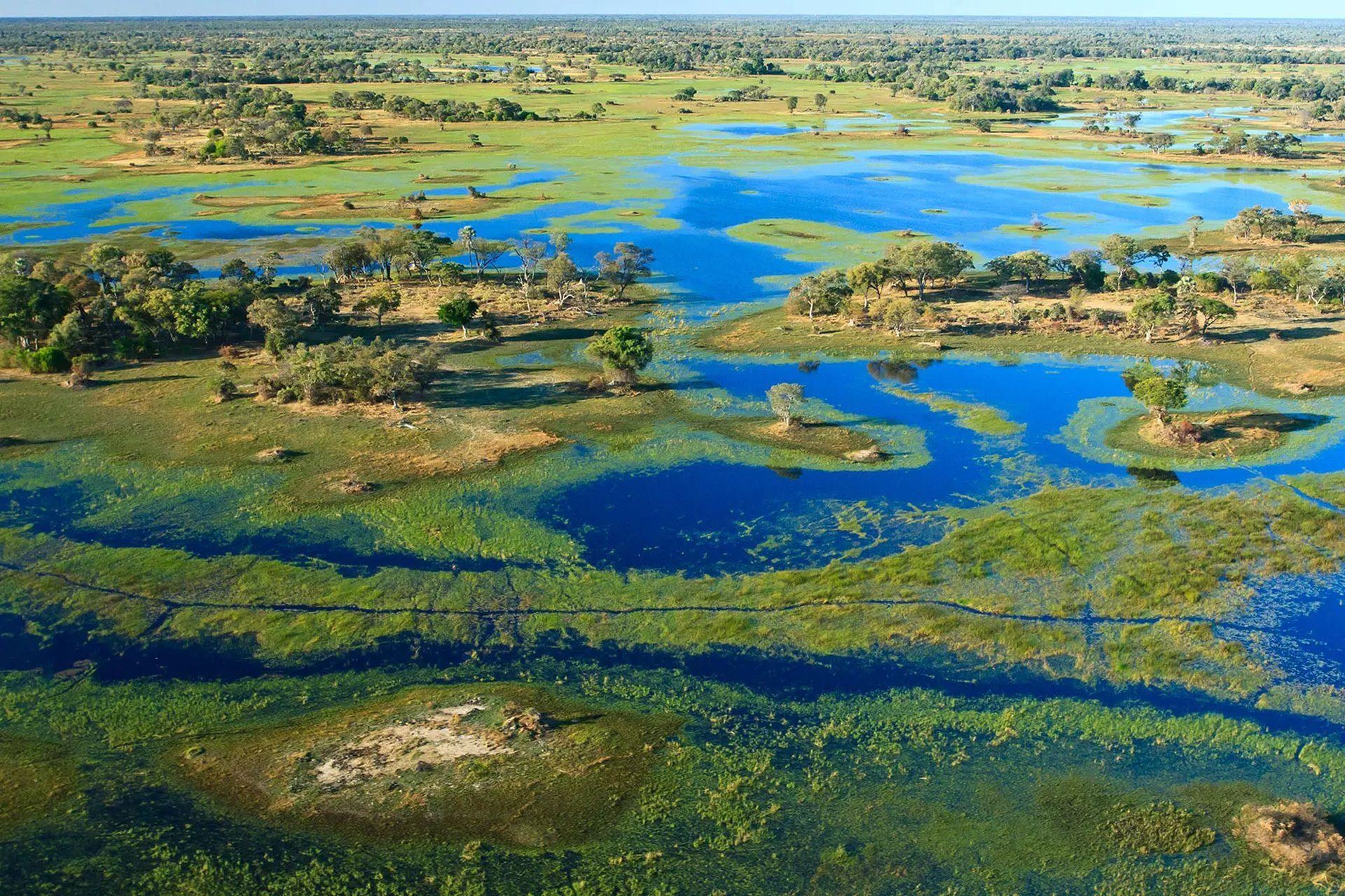
- Botswana, water and wilderness. Mombo Camp and the Duba Plains and Explorers camps in the Okavango Delta are among the finest all-inclusive camps on the continent, where the rate carries everything down to the mokoro canoe trips and the house Champagne at some.
- East Africa, the great plains. Mara Plains Camp in the Masai Mara includes both conservancy and park fees in its all-inclusive rate — a rare and honest arrangement — and &Beyond Serengeti Under Canvas is a mobile camp that moves with the migration, so your all-inclusive stay sits right where the herds are that month.
- For families and the malaria-cautious. Reserves like Madikwe and Phinda in South Africa are malaria-free, Big Five, and run proper children's programs — the obvious first all-inclusive safari for American families with kids.
If the top-end camps are the whole point of your trip, our ranked rundown of the best all-inclusive luxury safari lodges across Africa goes camp by camp through the flagship names and what each one includes.
When to go in 2027 and 2028
Timing is the one decision that shapes both your sightings and your budget, so it is worth a minute. There is no single best month for all of Africa — it depends on where you go and what you most want to see.
For the southern African reserves — the greater Kruger, Sabi Sand, Madikwe, the Okavango — the dry winter months of June through October are prime: thin bush, animals drawn to shrinking water, and cool, clear mornings. That is also the peak-price window. The green season, roughly November through March, brings afternoon rain, dramatic skies, newborn animals and materially lower rates — a strong trade for anyone whose budget matters more than guaranteed dry mornings.
For the Serengeti and Masai Mara, the question is the Great Migration. The dramatic river crossings in the Mara usually run July to October; the calving season on the southern Serengeti plains, when hundreds of thousands of wildebeest give birth within weeks and the predators follow, is roughly late January into February. Both are extraordinary, and both are worth planning your 2027 or 2028 dates around rather than booking blind.
Because the standout camps for peak dates sell out a year or more ahead, the honest advice for a 2027 or 2028 trip is to pick your window now and let us hold the space while the rest of the plan comes together.


Our ranked all-inclusive picks for 2027-2028
Below are the private, fully-priced itineraries we build most often for American travelers, from the classic first safari to the bush-and-beach honeymoon. Every one is run private, with all park and conservation fees and internal flights carried in the price, and every one can be shifted to your dates and tuned up or down a level. The cards below link straight through to the full day-by-day and the current rate.
If none is an exact fit, that is normal — most of our trips start as one of these and get reshaped around what you want. Tell us your dates, your party and roughly where your budget sits, and we send back one trip with one US-dollar price.
How we price it — one number, no surprises
When we quote a trip, you get a single per-person price in US dollars, and underneath it a plain list of exactly what that number carries: every camp and its nights, every meal and house drink, every game drive, every park fee and conservation levy, and every internal flight. Alongside it, just as plainly, sits what the number does not carry — your international airfare, insurance, visa fees, tips and any premium extras — so you can budget the whole trip and not just the part that photographs well.
We are a Cape Town company, we answer to our guests and not to a lodge group, and the enquiry you send lands with a real person who will be looking after your trip — not a call center. If you are weighing where a safari sits against the rest of your travel plans, our broader guides to the range of African safari vacation packages and to planning a safari from Canada are worth a read too. When you are ready, send us your dates and we will come back with a real trip and a real price.