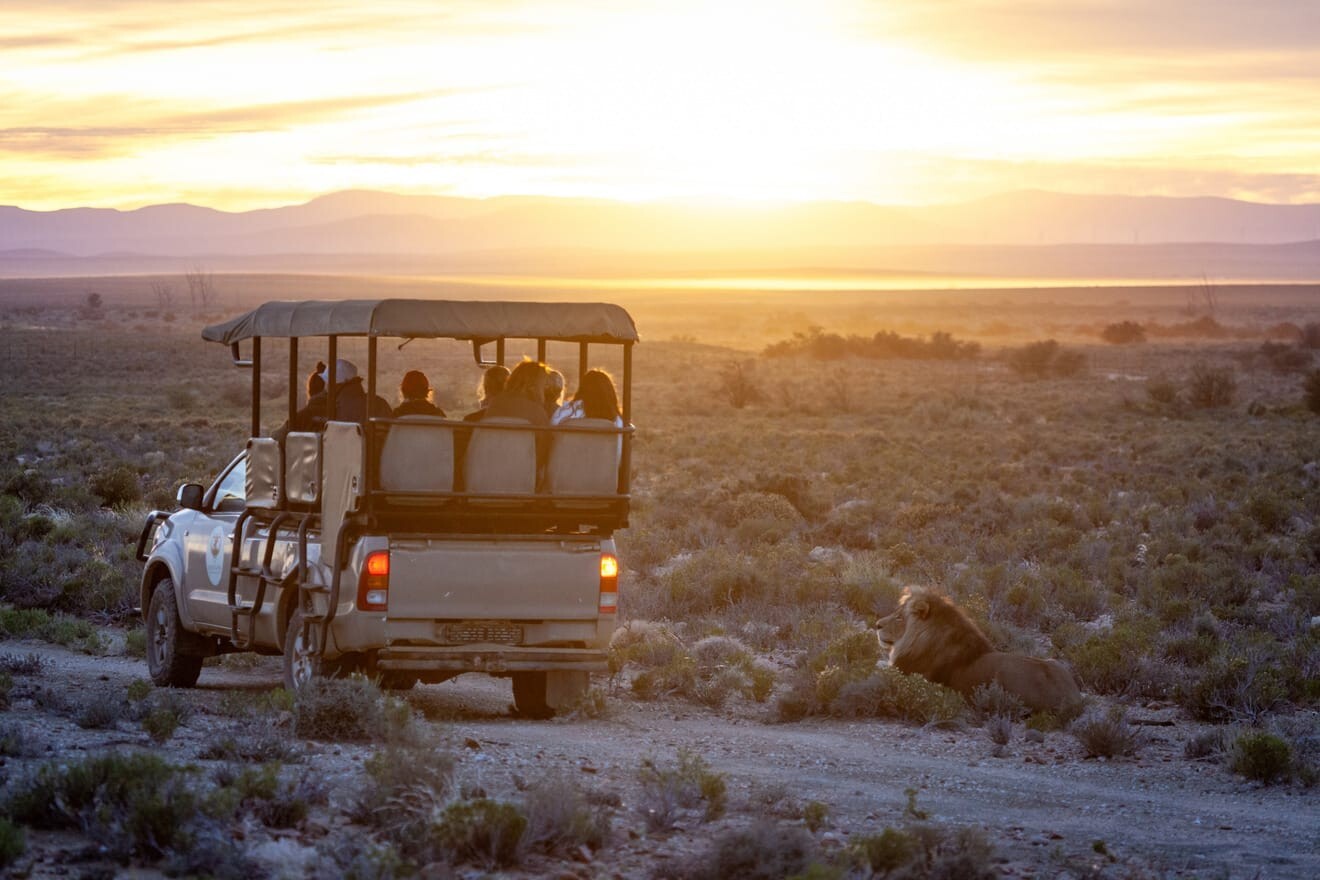
Key Takeaways
- The camp moves with you. A mobile safari is a tented expedition that packs up and relocates every few nights, carrying you across several wilderness areas in one journey rather than anchoring you to a single lodge.
- Your crew stays the whole way. The same guide, chef and camp team travel with you from start to finish — the continuity is the magic, and the guiding is often the best in the country.
- Three real tiers. Participation camping is the most affordable; serviced mobile is the popular mid-range with walk-in tents and a private crew; luxury mobile rivals the lodges for comfort while keeping the expedition freedom.
- Honest 2026 pricing. Mobile safaris run roughly US$350–US$750 per person per night depending on tier, with participation trips lower and luxury private mobiles above — genuinely better value than fly-in lodges for a multi-area trip.
- Exclusive, private wilderness. Botswana allocates remote campsites to one operator at a time, so a private mobile safari gives you a true "safari bubble" — no other guests, no shared vehicles, camp fires under an unbroken sky.
- Every safari here is private and tailor-made. We build the route, the camps and the pace around you — this guide shows what is possible, not a fixed departure.
Long before Botswana became famous for its fly-in lodges, this is how the country was seen: a small convoy of vehicles, a few canvas tents, one guide who stayed with you from the first morning to the last, and a camp that folded away and reappeared deeper in the wild each time you moved. That tradition never died. Today a mobile safari is not the poor cousin of the lodge circuit — it is a deliberate choice, and for a great many seasoned travellers it is the one they come back for.
The idea is simple and old. Instead of flying between permanent camps, you travel overland with your own expedition, and the camp travels with you. One journey can carry you from the water world of the Okavango Delta into the predator country of Moremi, across the wild channels of Savuti and out onto the vast salt pans of the Kalahari — all with the same crew, the same campfire, the same unbroken sense of being genuinely in the bush. This is our complete, honest guide to how a Botswana mobile safari really works, what the camps are like, the routes worth taking, and what it all costs in 2026.
What a mobile safari actually is
A mobile safari follows a tradition that reaches back to the great expeditions of the 1920s, built on one guiding principle: bring everything in, leave nothing behind. Rather than staying in a fixed lodge, you move through the wilderness while a dedicated team sets up and strikes camp for you. When you arrive at a new area, the tents are already standing, the fire is lit and dinner is on; when you leave, the camp vanishes and the land is left exactly as it was.
Because the camp is temporary, it can be pitched in places no lodge could ever exist — deep in a private concession, on the edge of a floodplain, beneath a lone tree on a Kalahari pan. Botswana regulates these sites tightly, allocating each remote campsite to a single operator at a time, which is why a private mobile safari delivers something the busiest lodge cannot: a genuine safari bubble, with no other travellers, no shared vehicles and the whole wilderness feeling like your own.
How a moving expedition works
The rhythm of a mobile safari is what sets it apart. Instead of checking in and out of properties and losing half a day to flight schedules, you often travel between regions on a long, unhurried game drive — the day itself becomes the safari, while a separate crew moves the camp ahead of you and rebuilds it before you arrive.
Three things make the experience singular:
- Continuity. The same professional guide is with you throughout, learning what you love — the cats, the birds, the light for photography — and shaping every day around it. On a lodge circuit your guide changes at each stop; on a mobile safari the relationship deepens all week.
- Immersion. Camps sit in unfenced wilderness. You fall asleep to lions calling and wake to the crunch of an elephant browsing beyond the canvas. There is no wall between you and Botswana.
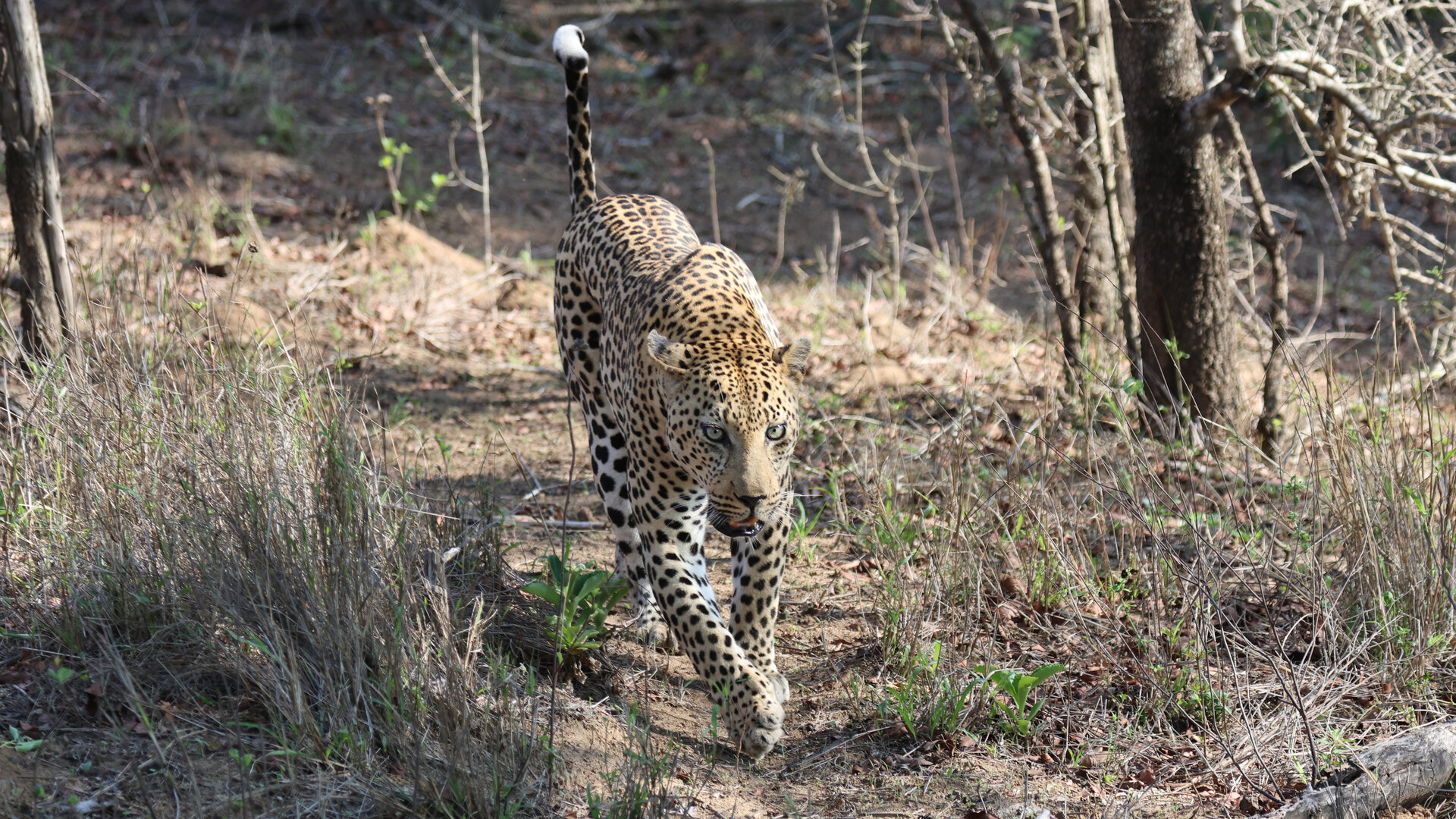
- Flexibility. Without a fixed lodge programme, the guide can linger three hours at a leopard sighting, chase a distant storm for the light, or simply stay out longer when the bush is alive. The day bends to the wildlife, not the timetable.
Most mobile safaris are private journeys for a family or small group; some operators also run scheduled small-group departures — typically six to twelve guests — for travellers who want the experience at a lower price. Either way, luggage is limited to soft duffel bags, and connectivity is deliberately thin: this is time genuinely unplugged.
What a mobile camp is really like
Forget the image of roughing it. A modern serviced mobile camp is far more comfortable than most people expect. The photography below is real canvas — the tents, the beds, the bush kitchen and the fireside you will actually live around on an expedition.
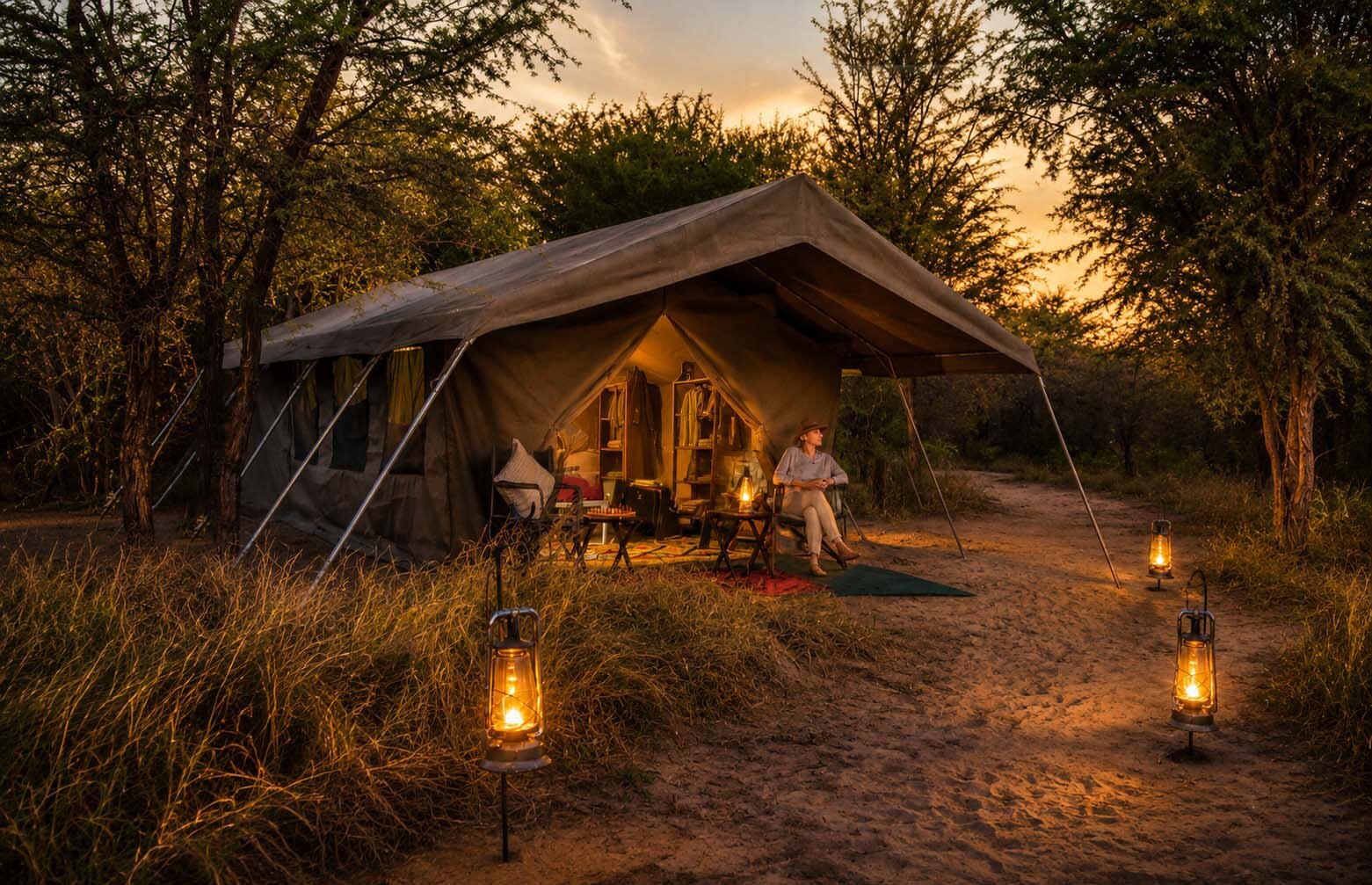
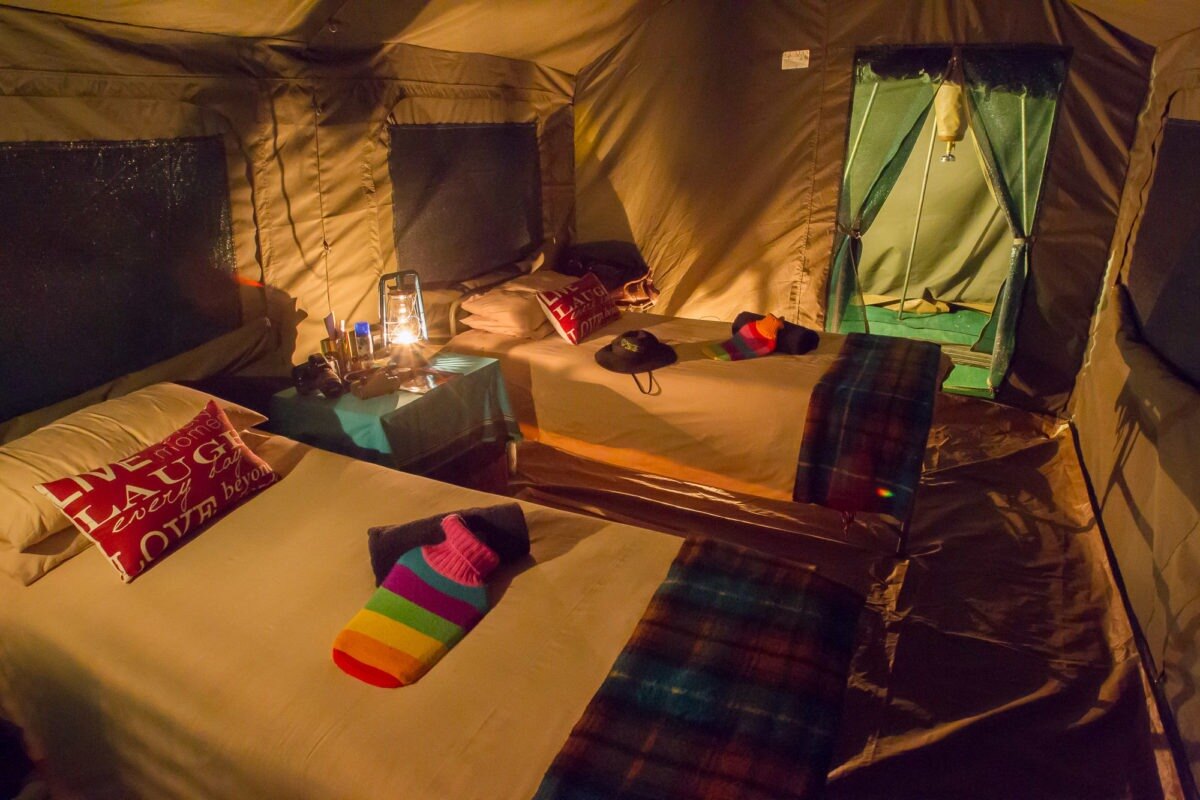
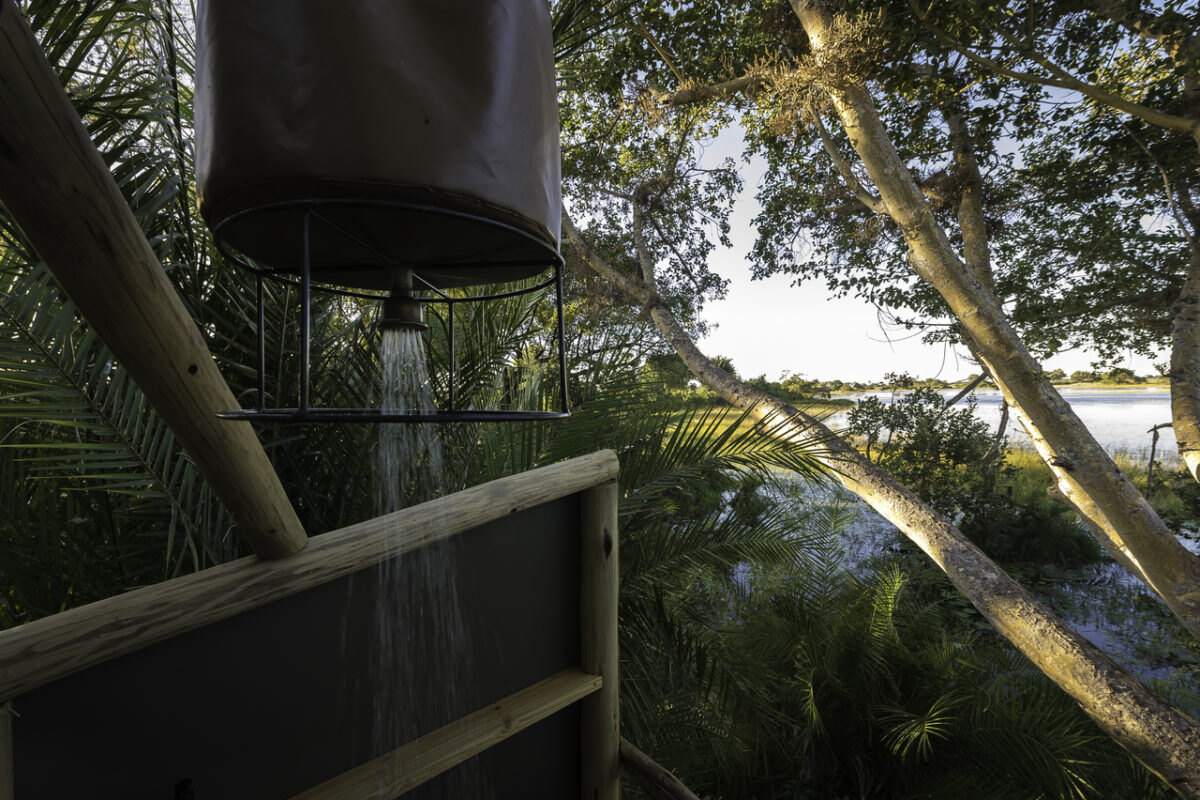
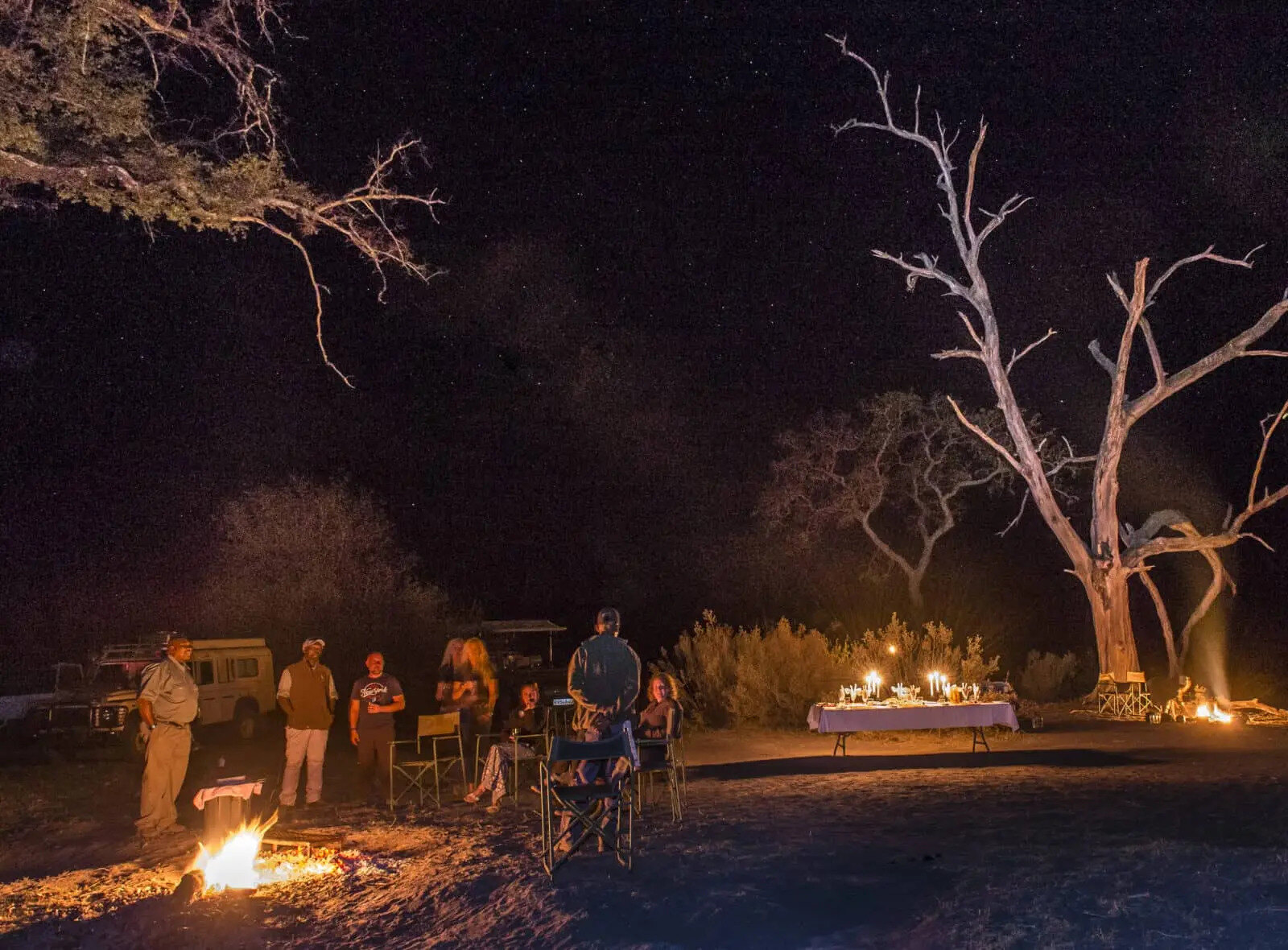
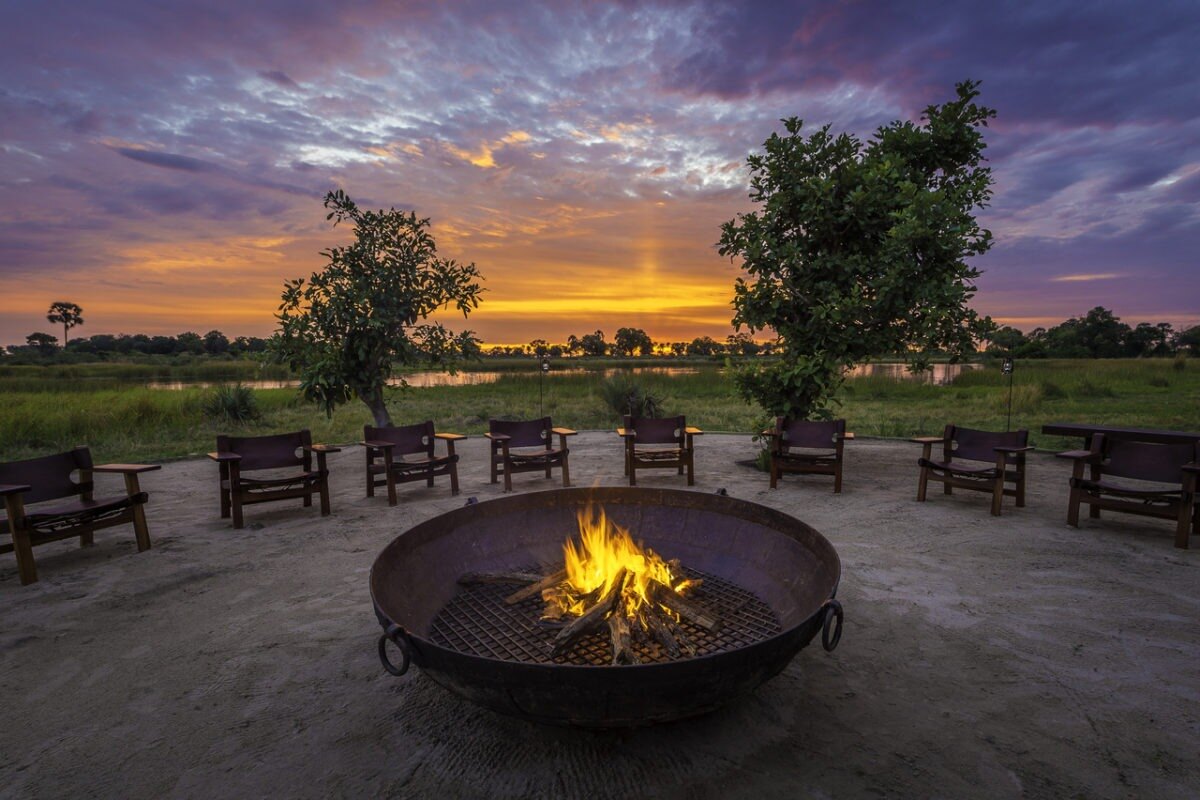
On a good serviced or luxury mobile safari you sleep in a spacious walk-in Meru-style tent tall enough to stand in, on a proper bed with cotton linen — never a cot on the ground. Each tent has its own screened bathroom behind it, with a flush or drop toilet and a hot-water bucket shower filled by the crew on request. A private chef cooks three-course dinners over the coals, served in a mess tent or beneath the stars, and a camp manager keeps the whole thing running invisibly. It is, in the truest sense, glamping — canvas comfort in places money simply cannot build a hotel.
The three tiers of mobile safari
"Mobile safari" covers a wide range, and the tier you choose shapes both the comfort and the cost. Here is how the three levels really compare.
| Tier | What it's like | Best for | 2026 guide price pp/night |
|---|---|---|---|
| Participation camping | Dome or smaller tents, shared tasks (help pitch camp, dishes), often a shared vehicle and public or semi-private campsites. Adventurous and social. | Younger travellers, overlanders and tight budgets who want the wild without the price. | US$165–350 |
| Serviced (semi-luxury) mobile | Walk-in Meru tents with real beds, private en-suite bush bathrooms, a private crew who does everything, exclusive campsites. The popular sweet spot. | Most travellers — couples, families and first-timers who want comfort and value together. | US$350–550 |
| Luxury private mobile | Large, beautifully furnished tents, fine dining, private guide and vehicle, the finest exclusive campsites. Lodge-level comfort, expedition freedom. | Discerning travellers who want the mobile experience without giving up any comfort. | US$600–750+ |
The middle tier — a private, serviced mobile safari — is where most of our guests land, and for good reason: it delivers genuine comfort, a crew entirely your own and the exclusive campsites, at roughly half the nightly cost of a fly-in luxury lodge. If your priority is the lowest possible price, a participation trip is unbeatable value; if it is comfort with no compromise, the luxury private mobiles are extraordinary. We are happy to build any of the three, or a blend.
The great wilderness you move through
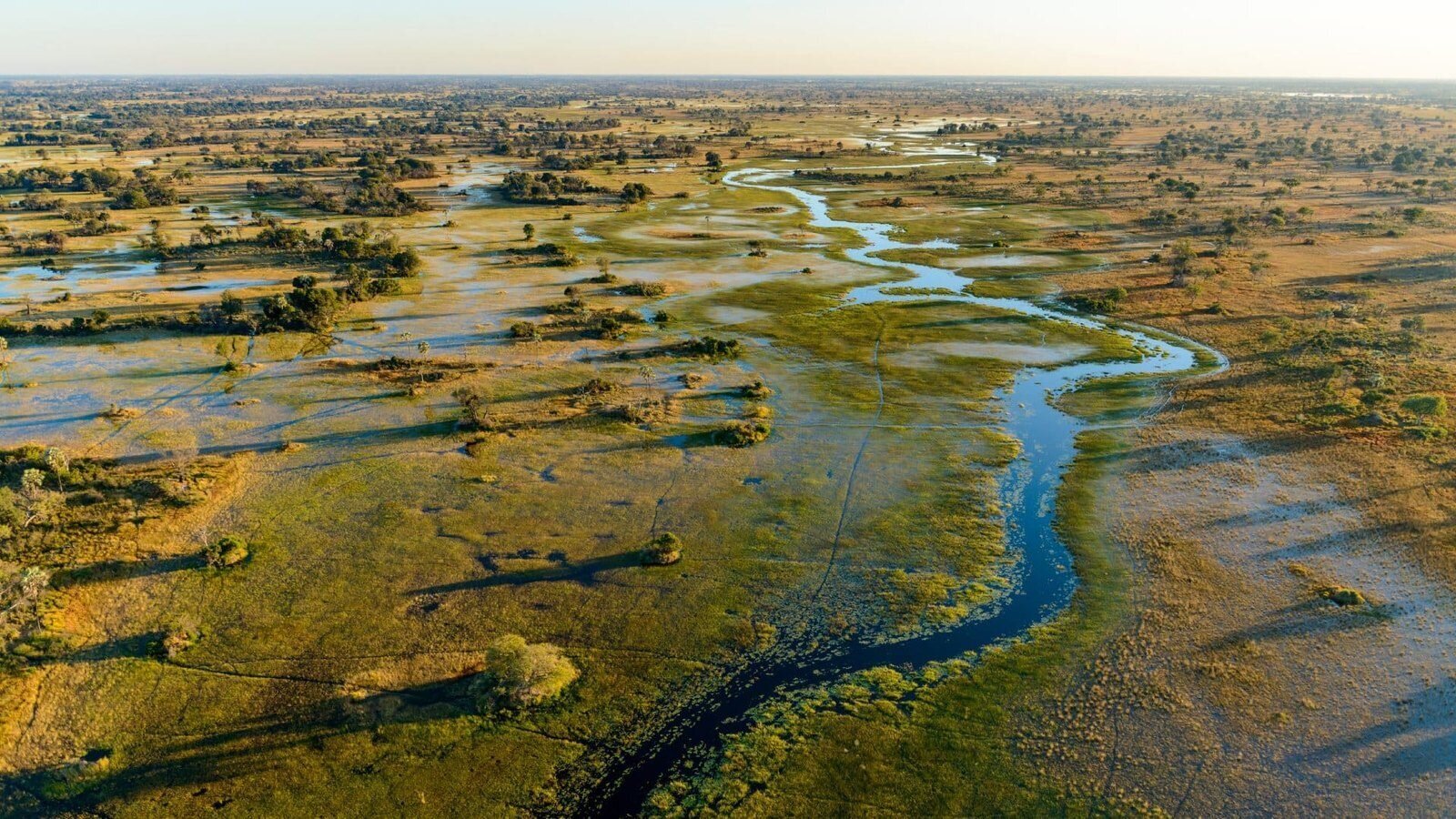
The joy of a mobile safari is the sheer range of country it crosses. A single expedition can carry you through three or four entirely different worlds — this is the Botswana you move through.
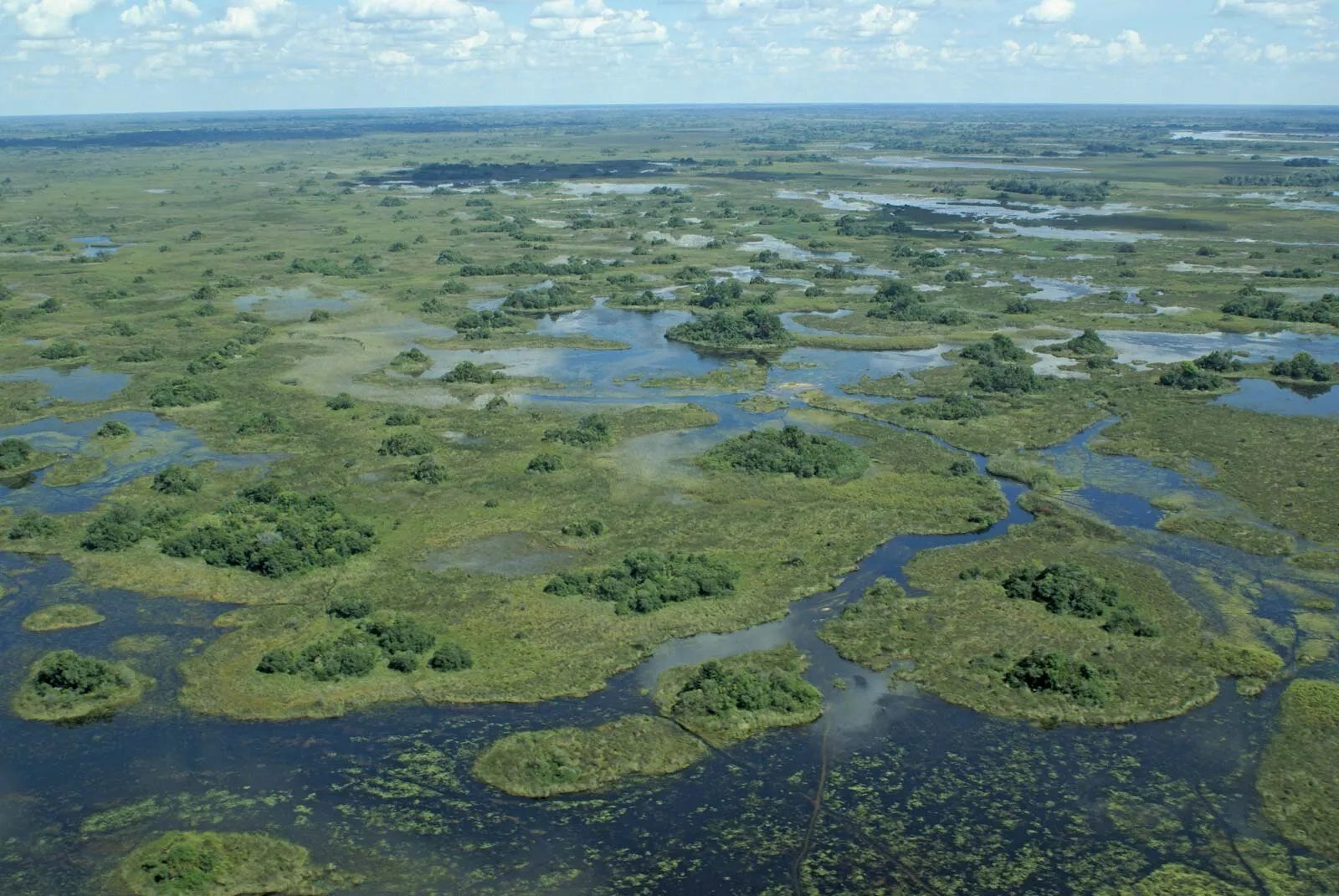
The Okavango Delta & Moremi
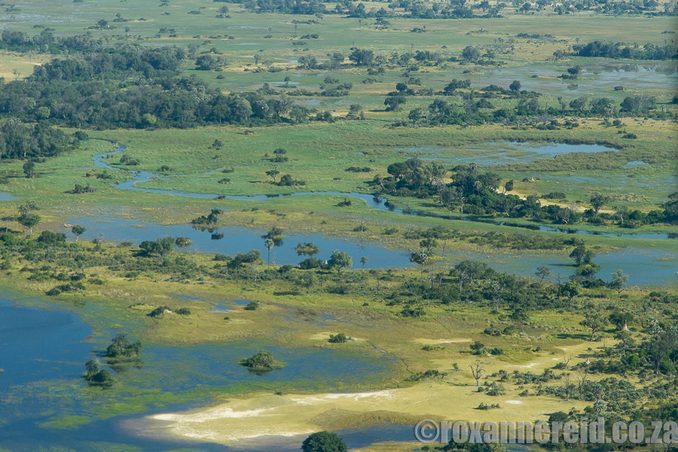
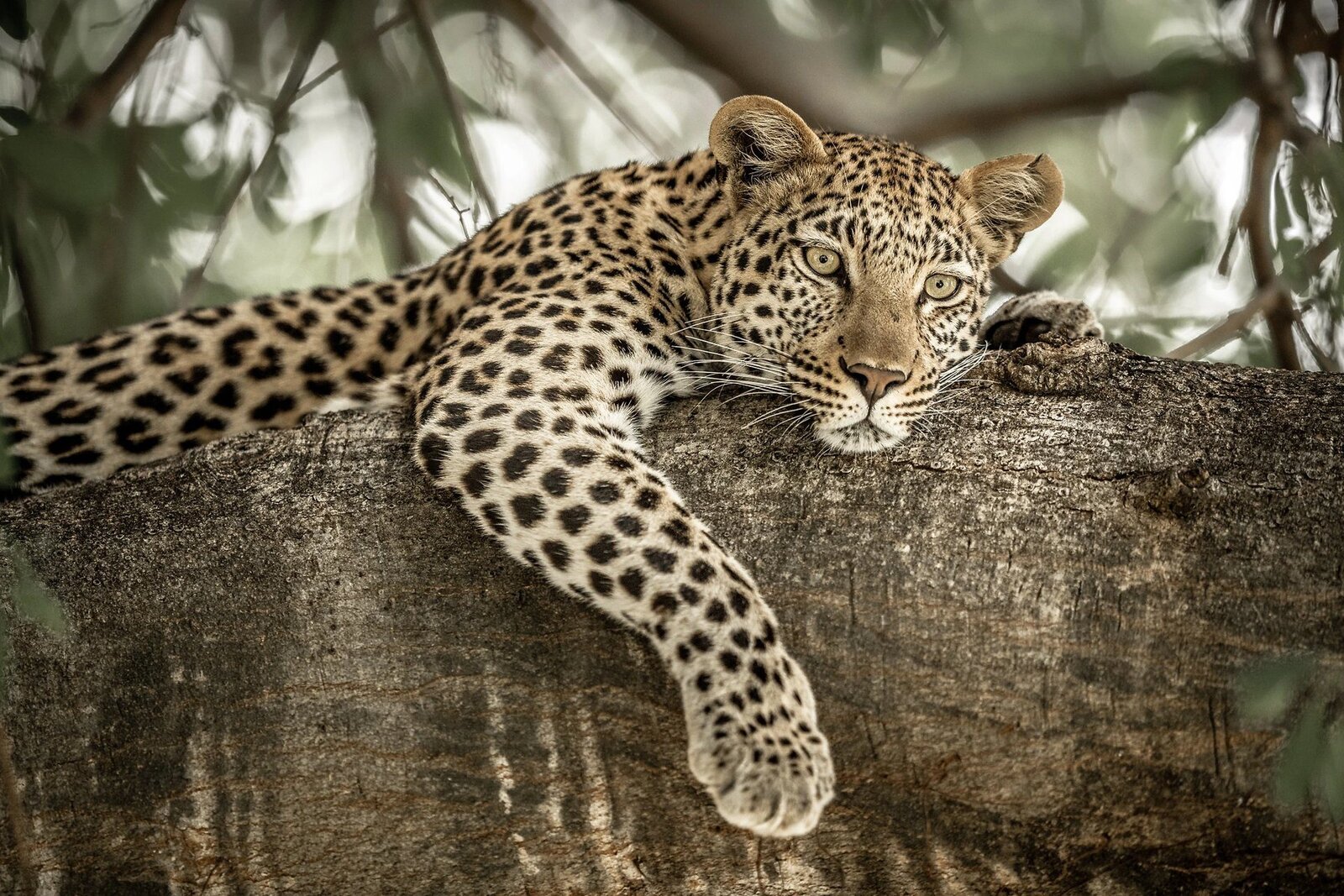
The heart of most mobile itineraries. Moremi Game Reserve, on the eastern side of the Delta, is one of the richest wildlife areas in Africa — leopard, lion, wild dog and huge concentrations of plains game — and a mobile camp lets you pitch right on its edge. Add mokoro trips through the Delta channels and you have the classic Botswana combination of water and predators, all from canvas.
Savuti & the Linyanti
Wild, dramatic and famous for predators, Savuti sits in the northern reaches of Chobe National Park, its mysterious channel flooding and drying on its own decades-long rhythm. This is elephant and lion country on a grand scale, and one of the great stops on an overland route between Moremi and the Chobe river.
Chobe Riverfront
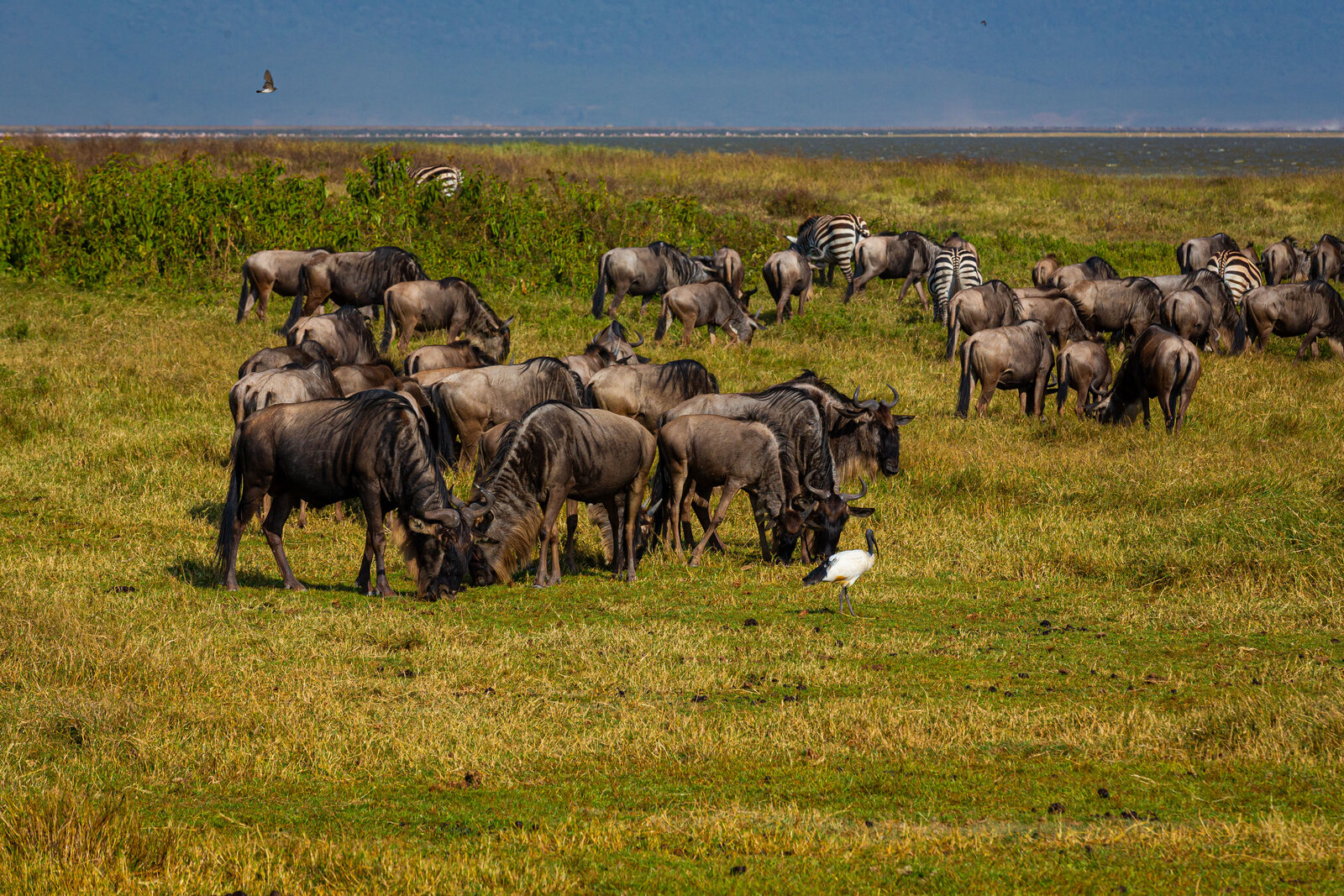
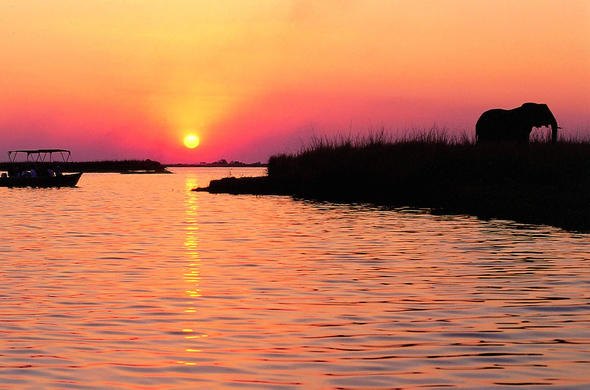
The Chobe holds the largest elephant population on earth, and its riverfront is the classic finale to a northern mobile route — herds hundreds strong coming down to drink at dusk, hippo and buffalo along the water, and boat cruises to change the pace after days on the tracks.
The Central Kalahari & Makgadikgadi
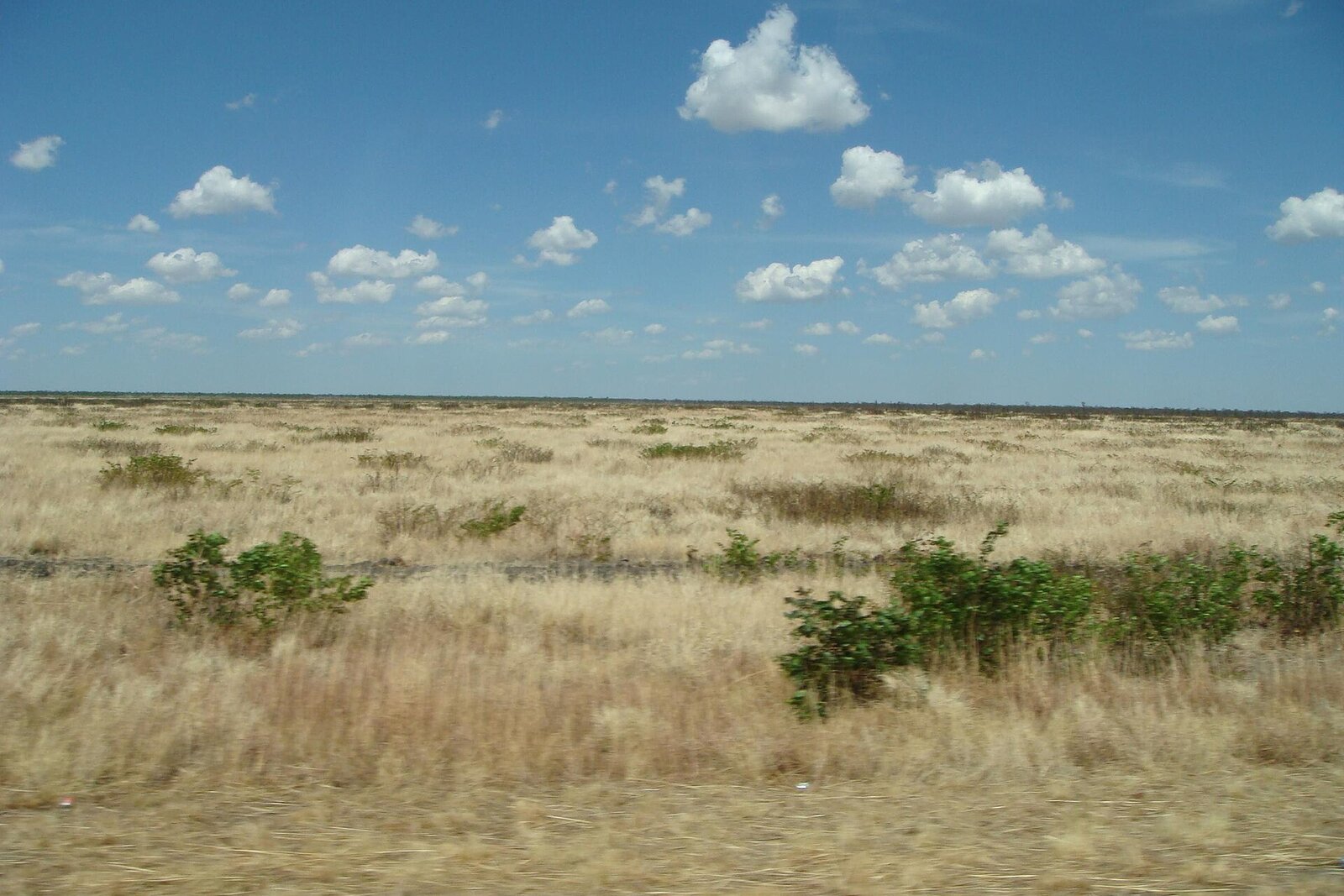
For a completely different world, a mobile safari can strike out into the Central Kalahari Game Reserve — vast, silent, and superb in the green season for black-maned lions, cheetah and the great herds that gather on Deception Valley. Nearby, the Makgadikgadi salt pans offer meerkats, ancient baobabs and some of the emptiest horizons in Africa.
Mobile safari vs lodge safari — how to choose
Neither is better; they are different experiences, and the right answer depends on what you value most. Here is the honest comparison.
| Mobile safari | Lodge safari | |
|---|---|---|
| Experience | Immersive and expedition-style; camp moves with you across several areas. | Comfort and consistency; you stay put and fly between fixed properties. |
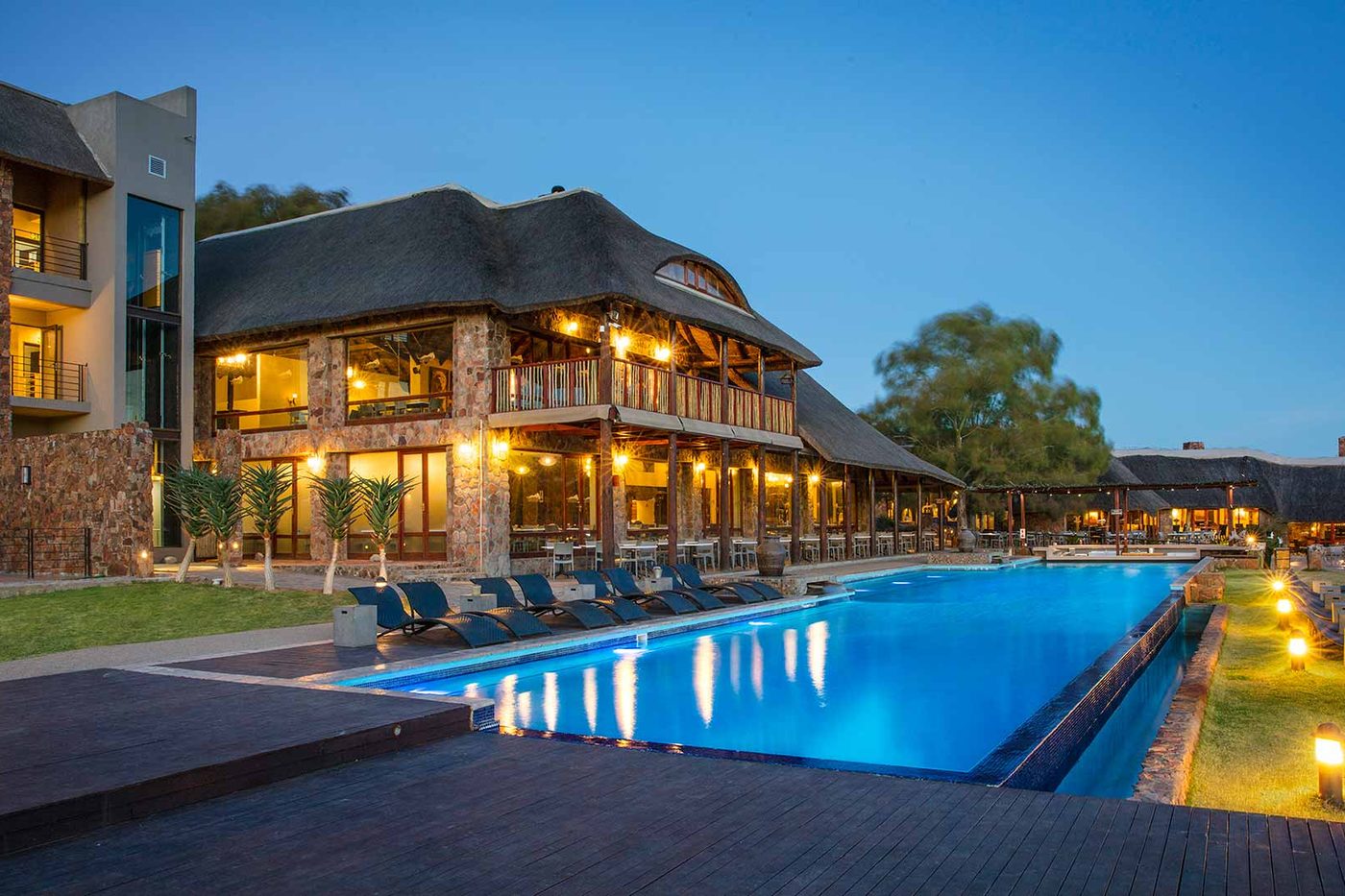
| Comfort | Very comfortable at serviced/luxury tiers, but canvas and bush bathrooms. | Superior — solid rooms, plunge pools, full hospitality. |
| Continuity | Same guide and crew all trip — a family-like bond. | New guide and staff at every camp. |
| Travel between areas | Scenic all-day game drives; fewer flights. | Light-aircraft hops; quicker but pricier and less on the ground. |
| Cost | Better value per night, especially across multiple areas. | Higher, driven by fixed infrastructure and flights. |
| Best for | Immersion, flexibility, value, seeing more of the country. | Maximum comfort and a relaxed, unhurried pace. |
Many of our guests do not choose at all — they combine the two, opening with a few nights of mobile expedition to cross the wild country overland, then finishing at one beautiful fly-in lodge for the plunge pool and the deck. If a luxury lodge trip is where your heart lies, our guide to the best luxury safari lodges in Botswana covers the finest camps in the country; for the fly-in circuit specifically, see our Botswana luxury safari tours guide.
What a Botswana mobile safari really costs in 2026
A mobile safari is widely regarded as the value choice for exploring Botswana, and the maths is straightforward: because there is no permanent infrastructure and far less flying, you pay for the wilderness and the crew rather than for buildings and bush flights. Here is an honest 2026 picture, per person sharing, for private serviced expeditions all-inclusive of camping, meals, park fees, guiding and vehicle.
| What moves the price | Effect |
|---|---|
| Tier | Participation from ~US$165–350 pp/night; serviced ~US$350–550; luxury private ~US$600–750+. |
| Season | Green season (Nov–Apr) can be 30–50% cheaper than the peak July–October dry season. |
| Group size | Prices are usually per two sharing; larger private groups spread the fixed vehicle, guide and crew cost and lower the per-person rate. |
| Flights | Overland routing keeps costs down; adding a light-aircraft leg (US$300–600 per hop) raises them. |
| Not included | International flights, travel insurance, visas and tips (budget roughly US$20–30 per guest per day for the crew). |
As a rule of thumb, a classic seven-to-ten-night private serviced mobile safari lands well below the cost of the equivalent fly-in lodge circuit while covering more ground. For a deeper breakdown of overall safari budgets, see our full guide to Botswana safari cost per day and our value-focused guide to an affordable Botswana safari. If you want the private, guided experience without the mobile-camping element, our private safari tours in Botswana guide covers the alternatives.
A day on a mobile safari
The days follow the wildlife, not the clock. A gentle wake-up call comes with coffee at the tent before first light. You are out on a game drive as the bush wakes — the best hours for predators — returning to a cooked brunch back in camp. The heat of the day is for resting in the shade of the mess tent, a book, a nap to the sound of doves. In the late afternoon you head out again, timing sundowners on a floodplain or a pan as the light turns gold, often staying out for a short night drive on private land. Dinner is around the fire under a sky thick with stars, the guide sketching tomorrow's plan while something calls in the dark beyond the light. On the days you move camp, the drive itself is the safari — hours of unhurried exploring while the crew leaps ahead to rebuild your camp before you arrive.
Sample mobile safari itineraries
These are starting points, not fixed departures — every mobile safari we run is private and rebuilt around your dates, pace and budget.
The Classic Northern Expedition — 7 nights
The quintessential Botswana mobile route, overland through the great northern wilderness.
- Nights 1–3 — Moremi & the Okavango: Pitch on the edge of Moremi for leopard, lion and wild dog, with mokoro trips into the Delta channels.
- Nights 4–5 — Savuti: Move west into Chobe's wild predator country, famous for its lions and elephants.
- Nights 6–7 — Chobe Riverfront: Finish on the river for the great elephant herds and a boat cruise to change the pace.
Indicative from around US$3,500–5,500 per person sharing at the serviced tier, all-inclusive overland.
Delta, Desert & Salt — 10 nights
For travellers who want the full sweep of Botswana, from water to desert.
- Nights 1–3 — Central Kalahari: Open in the vast silence of Deception Valley — black-maned lions, cheetah and desert-adapted game.
- Nights 4–5 — Makgadikgadi: The salt pans, meerkats and ancient baobabs on the emptiest horizons in Africa.
- Nights 6–8 — Moremi & the Okavango: North to the water and the predators, mokoro and drives combined.
- Nights 9–10 — Savuti or Chobe: Close on elephants and big cats, or add a lodge finale for a plunge pool and a soft landing.
Indicative from around US$5,500–8,500 per person sharing at the serviced tier, all-inclusive overland.
When to take a mobile safari
The dry season (May–October) is the classic window: the bush thins, water sources shrink, and wildlife concentrates in the open — the best game viewing of the year, and the busiest and priciest. July to September is peak. The green season (November–April) transforms the country — lush landscapes, dramatic skies, newborn animals, superb birding and the Kalahari at its finest, all at rates that can be a third to a half lower. Mobile safaris run beautifully in both; for a first trip focused on classic game viewing we usually point people at the May–October dry season, and we advise booking several months ahead because the exclusive campsites are strictly limited and sell out fast.
Who a mobile safari is — and isn't — for
A mobile safari rewards travellers who want to be genuinely in the wild: those who love the idea of the same guide all week, of falling asleep to lions and waking to birdsong, of covering real country rather than staying put. It suits couples, families with older children, photographers and repeat safari-goers especially well. It asks a little in return — reasonable mobility to get in and out of vehicles and manage uneven ground, a willingness to be off-grid without Wi-Fi, and comfort with canvas rather than concrete. If your idea of the perfect trip is a plunge pool, air conditioning and a spa, a lodge safari will make you happier. If it is the fire, the stars and the sense of a real expedition, nothing beats a mobile.
How to plan yours with us
The details make or break a mobile safari — the choice of exclusive campsites, the strength of the guide, the routing that keeps drive days scenic rather than gruelling, and the balance of areas. We build every mobile expedition privately, matching the tier to your budget, the route to your interests and the pace to your family, and we hold the relationships that secure the best sites in the best months. Pack light in soft duffels, leave the screens behind, and let us handle the rest.
Let us build your Botswana mobile safari
Every expedition in this guide is private and tailor-made — we choose the campsites, the crew and the route around you, from a value participation trip to a luxury private mobile. Tell us your dates, your budget and what you dream of seeing, and we will design the journey.