- Best for the Okavango: Okavango Delta Private Safari 6 Days — mokoro, boat and game drives through Africa's greatest water wilderness
- Best all-round package: Okavango & Chobe Classic Circuit 8 Days — the two greatest Botswana experiences in one safari holiday
- Best luxury: Botswana Luxury Fly-in Safari 7 Nights — Mombo, Xigera, Vumbura and the finest private concessions by light aircraft
- Best value: Affordable Mobile Camping Safari 8 Days — the Okavango and Moremi in authentic bush style from US$525pp/night
- Best combo: Victoria Falls & Chobe 5 Days — Botswana's elephant herds plus one of the natural wonders of the world
- The Okavango Delta flood peaks June to August — the best time for mokoro and boat safaris on full channels
- Peak-season Mombo, Xigera and Linyanti camps book 10–12 months ahead — act early for 2026 and 2027
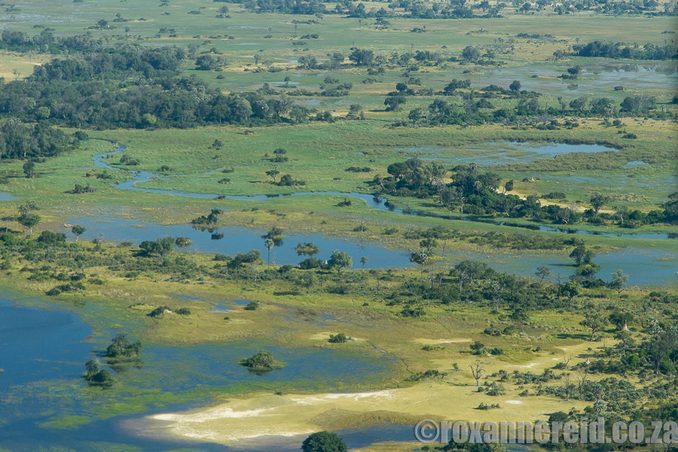
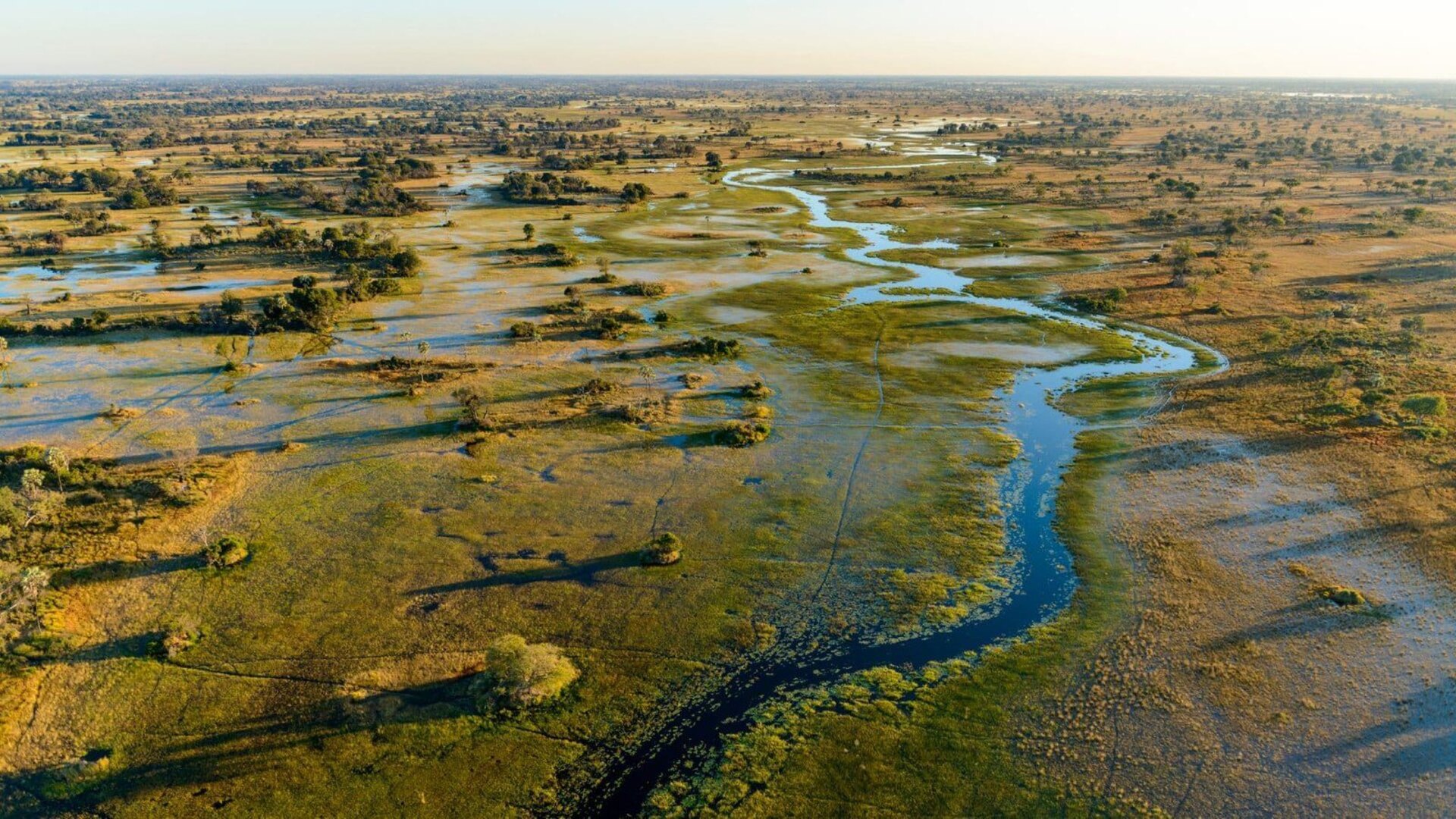
Botswana is the supreme wilderness safari destination in Africa. Not for volume of sights, not for the grand migration theatre of the Serengeti, but for something rarer: a country that has chosen to protect its wild places with genuine seriousness. Low visitor numbers by law, private concessions where no other vehicles intrude, an intact ecosystem where predators still follow prey across ancient, unmarked land. The Okavango Delta — a UNESCO World Heritage Site and one of Africa's last great wilderness frontiers — is the crowning jewel: an inland delta where the Okavango River fans out from the Kalahari sands into 11,000 square kilometres of channels, papyrus beds, palm islands and open floodplains, holding wildlife densities that are, in the right season, almost unbelievable.
We have assembled, compared and ranked the ten best Botswana safari packages available for 2026 and 2027 — private, luxury, all-inclusive, affordable, Okavango, Chobe, Linyanti and Victoria Falls combo packages. Each is a real, bookable itinerary. For the full country picture, see our Botswana safari tours guide; for timing, our best time to visit Botswana guide; for the finest camps in detail, our best safari lodges in Botswana guide; and for the Okavango specifically, our Okavango Delta safari guide is where to go next.
How We Ranked These Packages
Each package was assessed across five criteria: wildlife access (concession exclusivity, camp positioning and the range of activities — game drives, mokoro, boat safaris, walks and night drives), accommodation standard (camp character, location, exclusivity and guiding depth), inclusions (how genuinely all-inclusive the rate is — activities, meals, drinks, park fees, concession levies and internal flights), experience match (whether the package suits Delta-seekers, elephant-chasers, photographers, families, honeymooners or value travellers) and value (what you receive at the price point). Rankings reflect the best overall score per traveller type, not simply the most expensive camp.
1. Okavango Delta Private Safari — 6 Days
Best for: The authentic Okavango experience — mokoro through the papyrus, game drives on the islands and the wildlife-rich channels of Moremi.
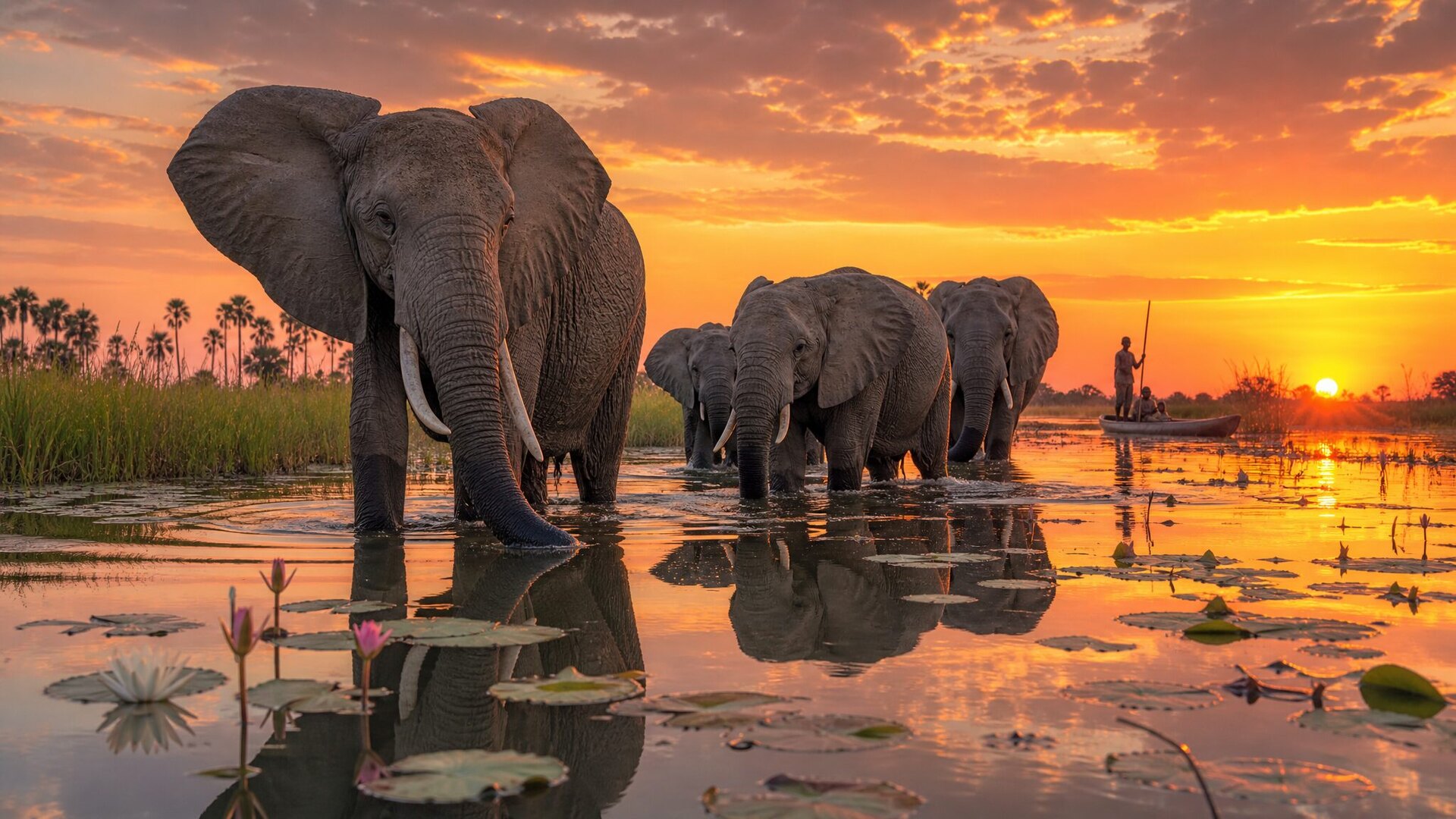
The Okavango Delta is unlike anywhere else in Africa. You arrive by light aircraft, landing on a grass airstrip surrounded by palm trees and open floodplain, and the camp is reached by boat. Morning activities combine open-vehicle game drives through the Moremi Game Reserve — Africa's first community-managed reserve and one of its finest — with mokoro excursions through the channels, where you drift in near-silence past hippos and elephant, and afternoon boat safaris along the lagoons. The wildlife throughout is superb: lion, leopard, wild dog, cheetah, buffalo, elephant and the entire Botswana-endemic suite of water-adapted species — sitatunga, red lechwe and the water-loving birds that make the Delta a birder's paradise.
Six days lets you move between two camps — typically one in the permanent Delta and one in the seasonal floodplain of Moremi — experiencing the different characters of the ecosystem without rushing. It is the ideal introduction to the Okavango, the heart of any Botswana safari holiday, and one of the most extraordinary wildlife experiences on the continent. For the Delta in full detail, see our Okavango Delta safari packages guide and our best Okavango Delta safari lodges guide. Full itinerary on our Okavango Delta Luxury Safari page.
Price from US$7,500 per person sharing (fly-in, 6 days / 5 nights, mid-range island camps, all meals, all activities, concession and park fees, all internal flights). Luxury and private-concession options from US$12,000pp. Best season: May–October, with the flood at peak June–August. Ideal for: First-time Botswana visitors, wildlife enthusiasts, couples, honeymooners.


2. Chobe National Park Safari — 5 Days
Best for: The largest elephant herds in Africa — land game drives and river cruise game drives along the Chobe.
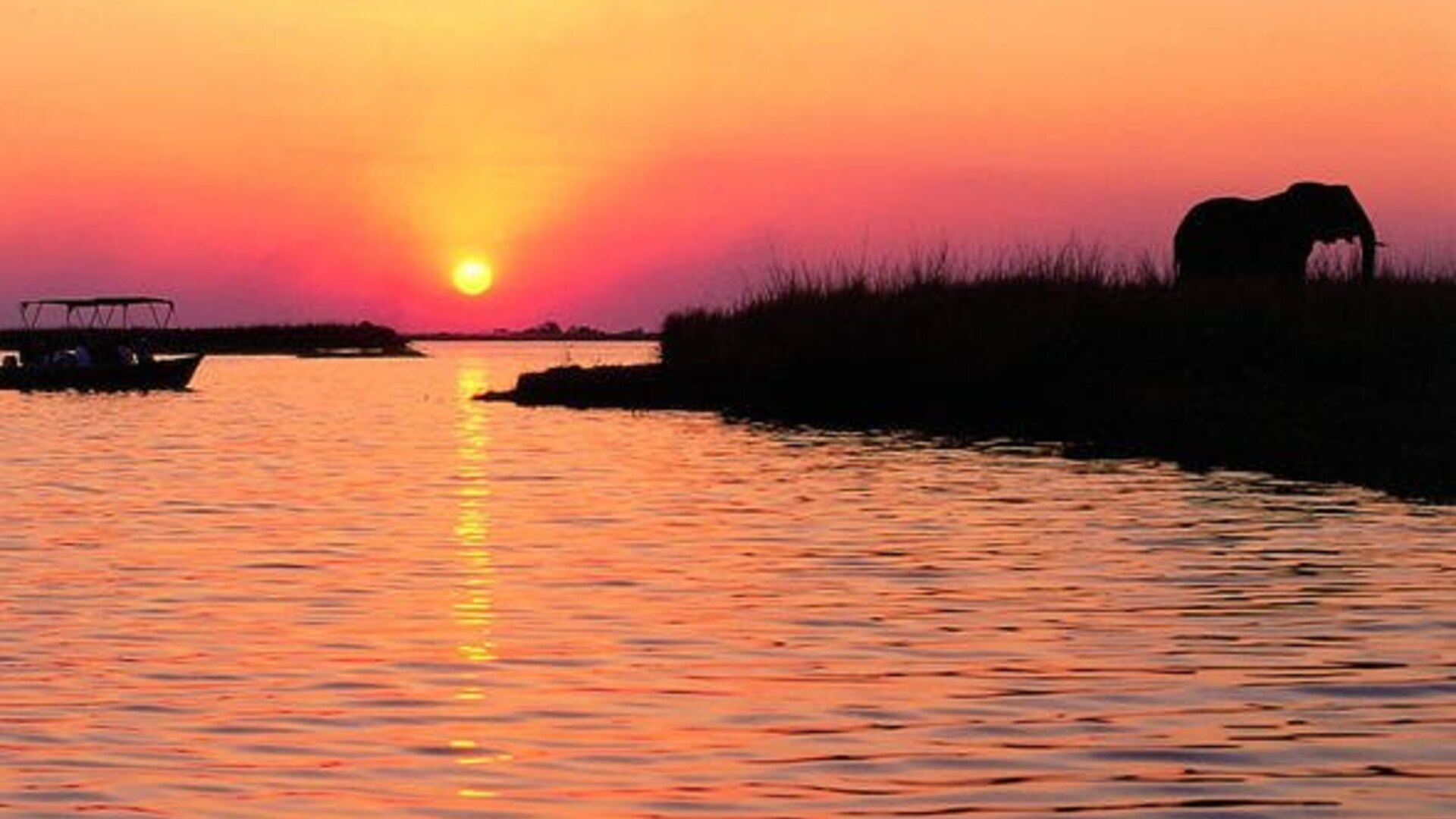
The Chobe River is one of the great game-viewing locations in Africa. During the dry season, the open grasslands of the Chobe floodplain and the long stretch of river frontage attract what are genuinely some of the largest elephant concentrations on the continent — thousands of animals moving daily between the river and the interior in herds that stretch to the horizon. What makes Chobe especially compelling is the river cruise game drive: a motorboat instead of a 4x4, drifting at water level past hippo pods, crocodiles, elephant wading across to Namibia, buffalo herds, and the predators that follow them.
Five days in Chobe gives you the full picture — the Chobe River sector (the floodplains and the river cruises), the Savuti sector in the west (famous for its lion prides and the dramatic bull-elephant encounters in the dry waterhole) and time to simply absorb the sheer, abundant scale of wildlife that makes this park extraordinary. It is also the natural gateway for the Victoria Falls extension, just a short drive across the border. See our Chobe safari packages guide for more. Full itinerary on our Victoria Falls & Chobe Safari page.
Price from US$4,500 per person sharing (5 days / 4 nights, riverfront lodge, all meals, land and river game drives, park fees and airport transfers). Best season: May–October for elephant and dry-season concentrations. Ideal for: Elephant enthusiasts, short-trip travellers, Victoria Falls add-on.
3. Okavango & Chobe Classic Circuit — 8 Days
Best for: The complete Botswana experience — the water wilderness of the Okavango and the elephant herds of Chobe in one trip.
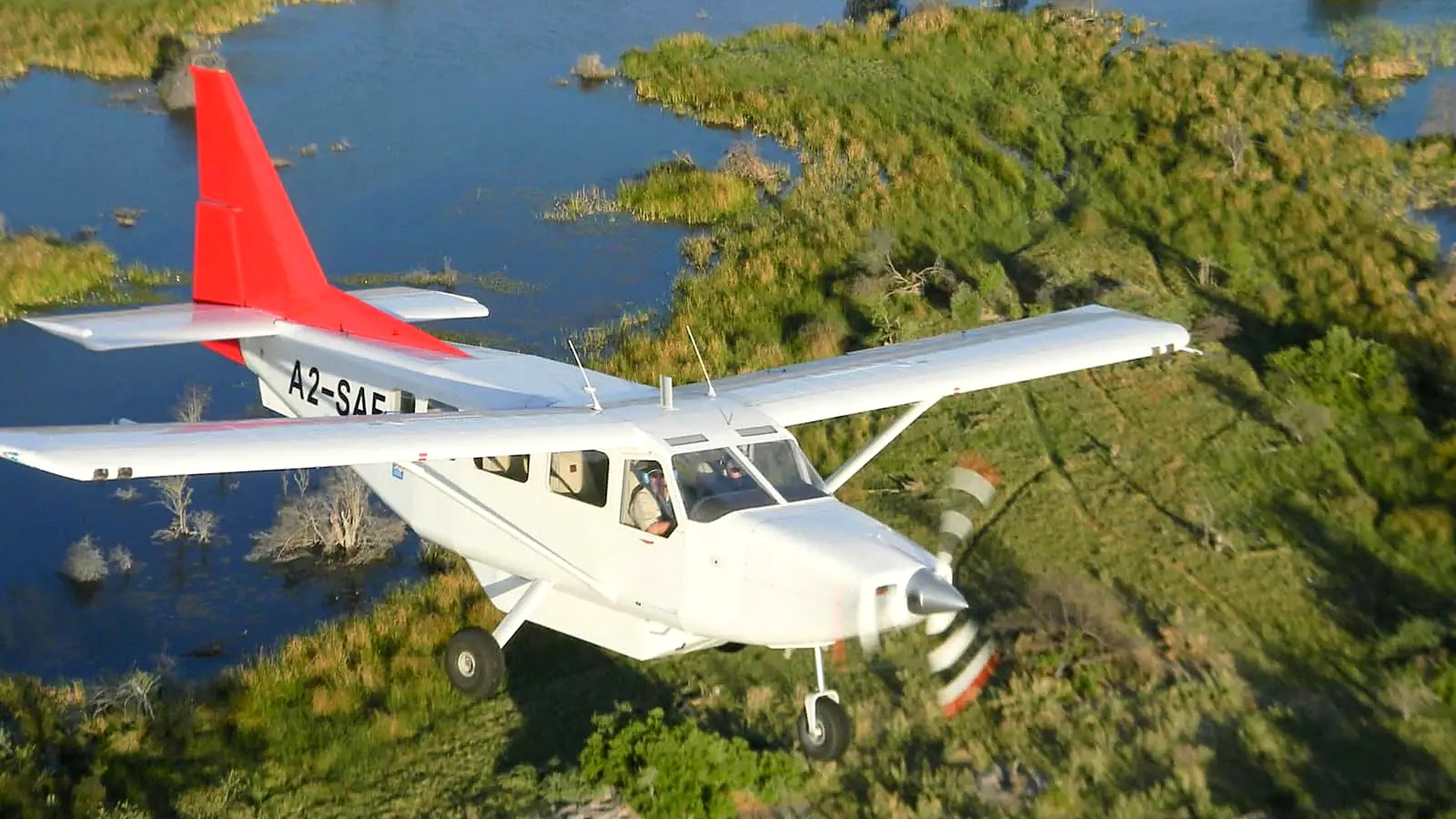
For most first-time visitors, the Okavango and Chobe circuit is the ideal Botswana safari. It pairs the two signature experiences of the country — the intimate, water-based wilderness of the Okavango Delta with its islands, channels, mokoro and Moremi wildlife, and the vast, open, elephant-dominated landscapes of the Chobe River — in a single eight-day journey. A light aircraft links the two regions, turning a long drive into a short scenic hop, and the contrast between the watery Okavango and the arid Chobe floodplains is genuinely remarkable.
The circuit is the blueprint of the classic Botswana safari holiday: three to four nights in the Delta (game drives, mokoro, boat safaris) followed by three nights at Chobe (river cruises, game drives, optional Victoria Falls extension). It suits couples, families, first-time Botswana visitors and anyone who wants genuine wildlife wilderness without choosing between the two greatest parks. Full circuit itinerary on our Water & Wildlife Okavango page as a starting point, extendable to the full circuit.
Price from US$8,500 per person sharing (8 days / 7 nights, fly-in to Okavango, mid-range to premium camps, all meals, all activities, park and concession fees, internal flights). Best season: May–October. Ideal for: First-time Botswana visitors, couples, families, milestone trips.
4. Botswana Luxury Fly-in Safari — 7 Nights
Best for: The pinnacle of African luxury — Mombo, Xigera, Vumbura Plains and the finest private concessions by light aircraft.
At the very top of the Botswana market sits a tier of camps that represents the finest safari accommodation in Africa — and possibly the world. Mombo Camp, on the northern tip of Chief's Island at the heart of Moremi, is widely regarded as the most prolific wildlife-viewing camp on the continent, with lion, wild dog and leopard sightings that are simply extraordinary. Xigera Safari Lodge, rebuilt as an icon of African design, occupies a private island with unmatched water access. Vumbura Plains, on a private 55,000-hectare concession in the northern Delta, offers the rarest experience of any area: an ecosystem almost entirely to yourself.
A seven-night luxury fly-in safari string two or three of these camps together by light aircraft, moving between the Delta's different ecosystems — permanent Delta, seasonal floodplains, Moremi riverine forest — without ever driving. Night drives, walking safaris and mokoro excursions are permitted in these private concessions, which the national park itself does not allow. For the properties in depth, see our best safari lodges in Botswana guide. Full itinerary on our Okavango Delta Luxury Safari page.
Price from US$14,000 per person sharing (ultra-luxury island camps, 8 days / 7 nights, all meals and all drinks, all activities, concession fees, all internal light-aircraft transfers and airport transfers included). Best season: June–October for the peak Delta flood and dry-season game. Ideal for: Luxury travellers, honeymooners, returning visitors, special occasions.
5. Makgadikgadi Pans & Linyanti Wilderness — 6 Days
Best for: The specialist Botswana — ancient salt pans, meerkat habituated colonies and the remote predator-rich Linyanti concessions.
For travellers who have done the Okavango and Chobe and want to go deeper into Botswana's extraordinary variety, the Makgadikgadi and Linyanti circuit is the revelation. The Makgadikgadi Pans — a vast, flat expanse of ancient lake bed that once covered the northern Kalahari — are one of Africa's most surreal landscapes: blinding white salt stretching to every horizon, ancient baobabs rising from the cracked earth, habituated meerkat colonies that treat you as part of their foraging group, and after the rains a zebra migration rivalling anything in the Serengeti in numbers though far less observed. Baines' Baobabs, unchanged since Thomas Baines painted them in 1862, stand here like ancient sentinels.
The Linyanti, across the Chobe district to the northwest, is private-concession Botswana at its most remote. No public-access roads cross these concessions; you arrive by light aircraft and share the ecosystem with a handful of other vehicles. Wild dogs den here regularly; lion and leopard sightings are exceptional; the dry-season elephant concentrations at the Linyanti River rival Chobe. It is the Botswana that very few visitors ever see. Price from US$9,500 per person sharing (fly-in, 6 days / 5 nights, specialist camps, all meals, all activities, all internal flights). Best season: June–October for Linyanti predators; November–April for the Makgadikgadi migration. Ideal for: Repeat safari-goers, wildlife enthusiasts, specialist travellers.
6. Affordable Mobile Camping Safari — 8 Days
Best for: Best value — the Okavango and Moremi in authentic mobile camping style at the most accessible price point.
Botswana has a reputation as one of Africa's most expensive safari destinations, and at the luxury fly-in level that is accurate. But the mobile camping circuit — which moves a small group of travellers through Moremi, the Okavango and sometimes Chobe in a convoy of 4x4 vehicles, setting up a mobile camp each night in a different location — delivers a genuine Botswana wilderness experience at a fraction of the price of the island camps. You sleep under canvas within the game reserve, cook over an open fire, and wake to the sounds of the African night without a fence between you and the wild.
Eight days gives the mobile camping circuit time to cover the main sectors — the Khwai community area, Moremi's different ecosystems and the Delta fringes — and the experience, though simpler in accommodation, is often richer in immersion. It is the way many guides and wildlife filmmakers choose to travel Botswana when they are spending their own money. Price from US$4,200 per person sharing (8 days / 7 nights, road-based mobile camp, all meals, game drives, park and conservation fees). Best season: June–October when roads are passable and game concentrated. Ideal for: Value-seekers, adventure travellers, younger visitors, immersive wildlife enthusiasts.
7. All-Inclusive Botswana Family Safari
Best for: Families — a safe, comfortable and unforgettable introduction to Botswana's greatest wildlife, built around children's pace and curiosity.
Botswana is an outstanding family safari destination, particularly for families with older children who are ready for genuine wilderness. The wildlife is abundant and easily seen — game drives in the Chobe or Moremi rarely require long searches before elephants, giraffe, lion or hippo appear — and many camps in the Delta and on the Chobe offer family-room configurations, child-focused guiding that turns every sighting into a learning moment, swimming pools and flexible meal times. The mokoro experience — drifting through the papyrus channels on a flat-bottomed dugout canoe — captivates children and adults equally, and is one of the most memorable activities any family can share.
An all-inclusive family package is built around comfort, pace and predictability: a private vehicle so you set your own schedule, camps chosen for space and facilities, game-drive timings adjusted for younger stamina, and a single all-in price with no surprises. A Victoria Falls addition gives the journey a dramatic natural finale. See our Botswana family safari guide for how to build the right trip. Price from around US$5,500 per person sharing (mid-range camps, 7–8 nights, all meals, all activities, park fees; child rates and family room on request). Best season: June–October and the December–January school holidays. Ideal for: Families with children 8 years and older, multi-generation groups.


8. Victoria Falls & Chobe Combo — 5 Days
Best for: The classic southern Africa combination — one of the world's great waterfalls plus Chobe's elephants.
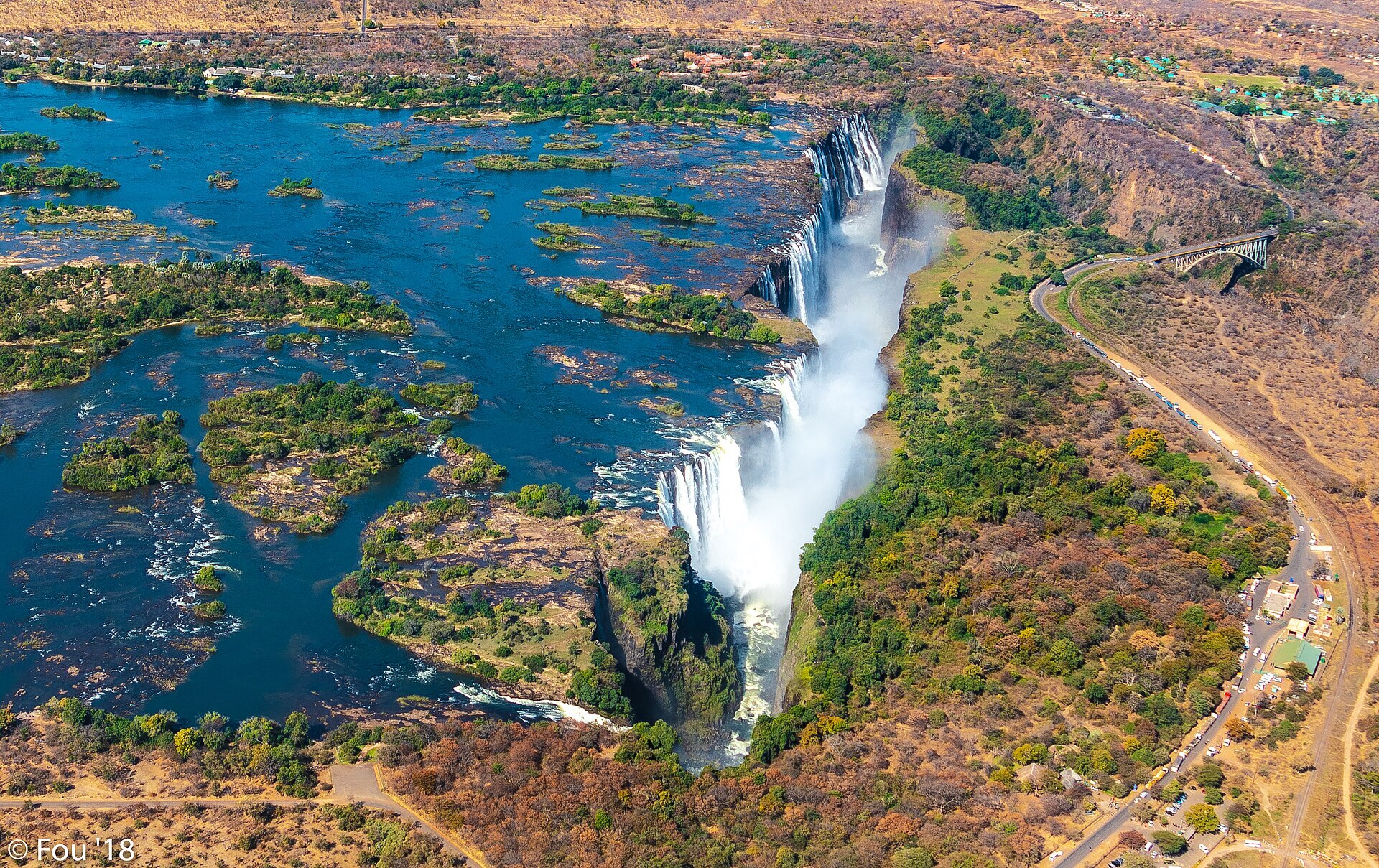
From Kasane — Chobe National Park's gateway town — Victoria Falls is 80 kilometres away across the Kazungula border. The combination of three nights at a Chobe camp and two nights at Victoria Falls is the most popular short Botswana itinerary, and its appeal is obvious: you pair the most elephant-rich game-viewing in Africa with one of the seven natural wonders of the world. Whether you approach the Falls from the Zimbabwe side (Victoria Falls town, with its close-up Devil's Pool views in the dry season) or the Zambia side (Livingstone, with the broadest wet-season view), the Chobe-to-Falls combination delivers two extraordinary experiences in one efficient trip.
The five-day format suits travellers who are combining a short Botswana leg with a larger southern Africa itinerary — perhaps South Africa and Botswana together — or who have limited time and want to maximise the highlights. Activities at the Falls include sunset cruises on the Zambezi, white-water rafting below the gorge, helicopter flights over the Falls and guided walks to the viewpoints. The combination is equally at home as a standalone Botswana safari vacation or as a segment within a multi-country southern Africa circuit. Full itinerary on our Victoria Falls & Chobe Safari page. Price from US$4,800 per person sharing (5 days, Chobe riverside camp plus Victoria Falls hotel, all meals, game drives, river cruise, transfers). Best season: June–October. Ideal for: Short-trip travellers, couples, post-wedding trips, multi-country itineraries.
9. Okavango Delta Photographic Safari
Best for: Photographers — the Okavango's extraordinary light, mokoro access and the world-class predator action of Moremi.
The Okavango Delta is a photographer's dream. The light in the morning and late afternoon across the open floodplains is long, golden and without the heat haze that plagues drier landscapes. The combination of land-based game drives through Moremi — big cats, wild dog, buffalo, elephant — with mokoro excursions that bring you to eye level with the waterbirds, the hippos wallowing in the shallows and the red lechwe bounding through the reeds is a subject range unmatched in Africa. Private-concession camps permit off-road driving, meaning you can position the vehicle precisely for the light and the angle.
A photographic safari in the Okavango is built around the light and the access: a private vehicle or small exclusive group, guides who understand focal length and exposure, camps positioned in areas with the highest predator activity, and early departures and late returns that capture the best golden-hour conditions. Wild dog den sightings — one of the rarest photographic prizes in Africa — occur regularly in Moremi and the private concessions. The honeymoon photographic package on our Okavango Delta Honeymoon Safari page combines intimate access with the most romantic setting in African travel. Price on request (private vehicle; private concession camps from US$10,000pp for 6 nights). Best season: May–September for light and predator activity. Ideal for: Wildlife photographers at any level, serious enthusiasts, honeymoon couples.


10. Ultimate Botswana: Okavango, Chobe, Kalahari & Linyanti
Best for: The definitive Botswana safari — every great ecosystem, every great experience, nothing left out.
The complete Botswana circuit takes in the country's four great wilderness regions — the Okavango Delta (water, islands, mokoro and the world's finest camps), the Chobe River (elephants, river cruises and the Savuti lion prides), the Linyanti (remote private concessions, exceptional predators, wild dogs) and the Kalahari (the great red-sand desert, meerkats, brown hyena and the surreal Makgadikgadi salt pans) — each of which offers something the others cannot.
Ten to twelve days gives you time to move between all four wilderness areas without rushing, carried by light aircraft between regions and by 4x4 within them. The contrast between ecosystems is extraordinary: from the water-logged channels of the Okavango to the open floodplains of the Chobe to the empty red dunes of the Kalahari, it is as if you are visiting four entirely different countries within one. It is the safari vacation for those who want to understand Botswana completely — and those who want to leave knowing they have seen the country at its most diverse. Price on request (road, fly-in or hybrid; mid-range to ultra-luxury). Best season: May–October for all regions at peak. Ideal for: Serious safari travellers, returning visitors, those wanting the complete Botswana picture.
Botswana Safari Package Prices — 2026-2027
Botswana spans every budget tier, from mobile camping at competitive rates to some of the most exclusive fly-in camps in Africa. Here is what to expect per person per night, all-inclusive, in 2026/2027. Planning a Botswana safari holiday for two? Use these benchmarks to set your budget before our team builds the right combination of camps and experiences. For the full breakdown, see our Botswana safari tours guide:
| Package Tier | Duration | Price Range (per person, per night) | What's Included |
|---|---|---|---|
| Mobile Camping Safari | 7–10 nights | $350 – $550 | Mobile camp, all meals, road game drives, park and conservation fees |
| Classic Camp or Lodge (fly-in) | 5–7 nights | $550 – $1,100 | Accommodation, meals, game drives, mokoro, concession fees, internal flights |
| Premium / Private Concession Camp | 5–7 nights | $1,100 – $2,200 | All above plus night drives, walking safaris, all drinks, private guiding option |
| Ultra-luxury (Mombo, Xigera, &Beyond) | 5–7 nights | $2,200 – $4,000+ | All above plus exclusive camps, exceptional guiding, all premium drinks, butler |
A classic seven-night Botswana safari holiday for two, all-inclusive, typically ranges from US$9,000 to US$18,000 at the classic camp tier; US$18,000 to US$32,000 at the premium concession level; and US$40,000 or more for an ultra-luxury fly-in at the finest camps. Because concession fees in Botswana are among the highest in Africa — built into the low-density, high-revenue model that keeps the wilderness intact — always ask for a fully all-inclusive quote. Watch for packages that strip concession fees or internal flights from the headline rate and add them back separately. Because we book direct with the camps, you pay no resale markup.
Why Book With Beyond Africa?
We have been placing guests across Botswana — the Okavango Delta, Moremi, Chobe, the Linyanti and the Kalahari — for many years. We know which camps sit in the best positions for the seasonal flood, which private concessions deliver the most exclusive game viewing, which guides are the best in each region, and which combination of camps and regions delivers the most for a given budget. When you book through us, the entire Botswana journey — internal flights, mokoro excursions, camp combinations and Victoria Falls extensions — is arranged as a single coherent experience. A Botswana safari vacation is one of the most significant journeys you will ever make: we want it to be faultless. Talk to us about your Botswana safari for 2026 or 2027.