- Cape Town has four dolphin species: the resident Indian Ocean bottlenose and the big travelling super-pods of common dolphin in False Bay, and the small endemic Heaviside's and acrobatic dusky dolphin on the colder Atlantic west coast.
- The best free viewpoint in the city is Boyes Drive above Muizenberg — the height lets you scan a wide sweep of False Bay and pick up fins long before anyone on the beach does.
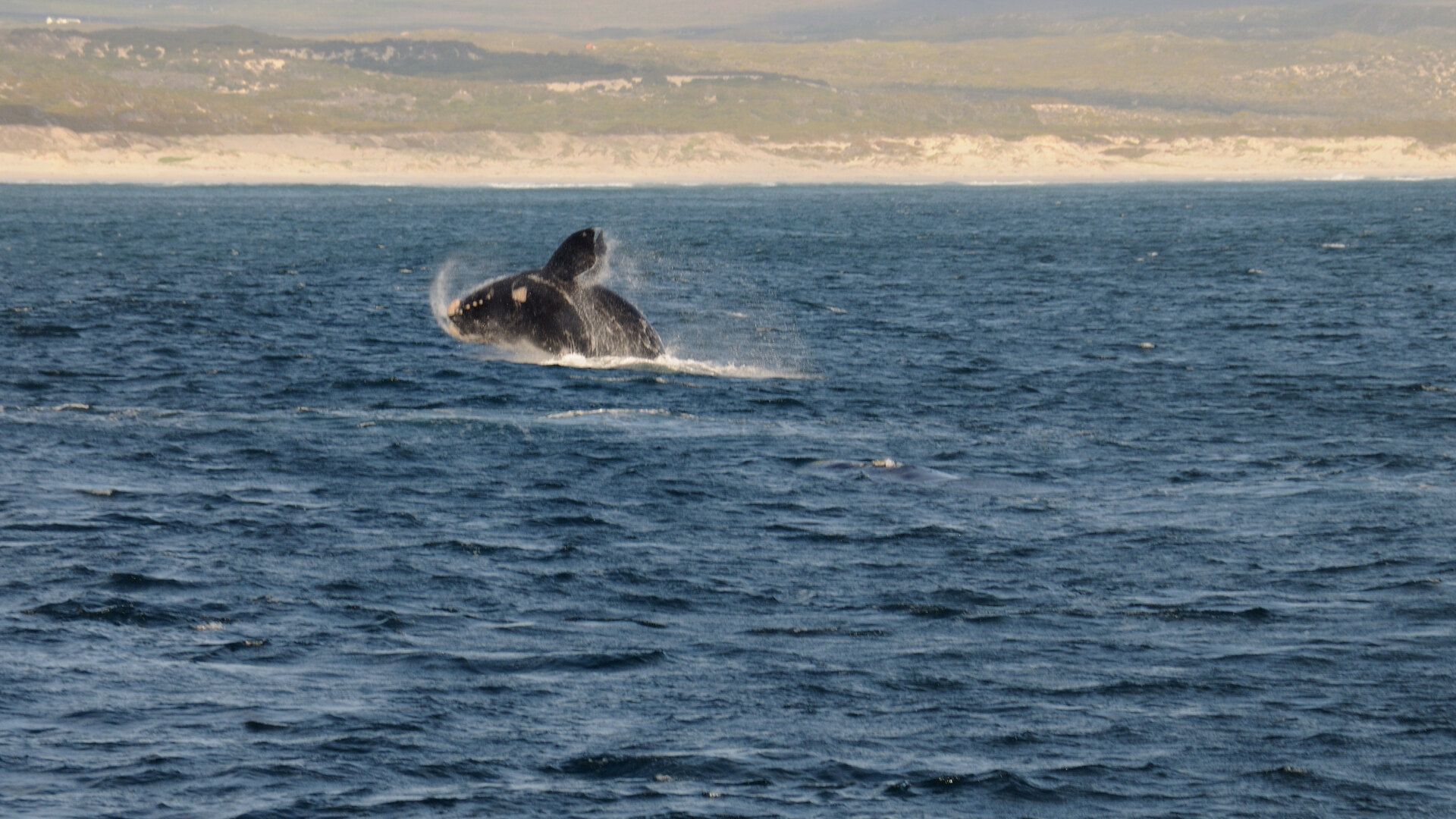
- You can watch dolphins all year. Calm, windless mornings are best, and the winter-to-spring months (roughly June to November) also bring southern right whales, so one slow coastal drive often gives you both.
- No boat is needed to see them, but a permitted boat trip from Simon's Town or Hout Bay gets you alongside a pod and often adds seals, penguins and seabirds to the morning.
- South African law keeps boats a respectful distance from marine mammals. Go with a licensed operator, never a skipper who chases a pod — good viewing is quiet, patient and on the animals' terms.
I have lost count of the mornings I have stood on the wall at Muizenberg with a coffee going cold in my hand, watching a pod of dolphins work its way along the back-line while the surfers sat and stared. People fly across the world to see this and it happens, quietly, a few hundred metres from a railway line and a row of painted beach huts. Cape Town is one of the few big cities where wild dolphins are part of the ordinary week, and once you know how to read the water you start seeing them everywhere.
This guide is the one I give to guests before a marine day. It covers the four dolphin species you can actually see around the Cape, the difference between watching from the road and watching from a boat, the lookouts I use, the times of year that stack the odds in your favour, and the behaviour that makes dolphins worth the early start. At the end you will find the tours we run on this coast and the questions guests ask me most.
The four dolphins of the Cape
Two seas meet at the Cape Peninsula, and that is the whole story. False Bay, on the warmer eastern side, and the cold Atlantic on the west hold different dolphins, because the water temperature and the food are different. Learn the four and you will know what you are looking at, which is half the pleasure.
Indian Ocean bottlenose dolphin. This is the one most guests picture — robust, grey, up to around two and a half metres, with the familiar beak and the easy smile of the species. In False Bay they are more or less resident, cruising close inshore past Muizenberg, Fish Hoek and Kalk Bay in pods from a dozen to well over a hundred. They hug the surf line, which is exactly why you can watch them from a wall or a road. If you see dolphins from the beach in Cape Town, these are almost always the ones.
Common dolphin. Smaller, faster and marked with a pale hourglass along the flank, the common dolphin travels in the numbers that stop traffic. Super-pods of several hundred to a few thousand sweep through False Bay chasing shoals of fish, and when they hit a bait ball with gannets diving overhead it is the most alive the ocean ever looks. These are deeper-water animals, so a boat or a high lookout gives you the best chance, and the sardine movements up the east coast are the classic trigger for the big gatherings.
Heaviside's dolphin. A Cape secret, this one. Tiny — barely more than a metre and a half — stocky, dark, with a pale cape marking over the back, and found nowhere else on earth but the cold Benguela current from Namibia down to around Cape Town. They are shy and quick, and seeing them properly usually means a west-coast trip rather than a False Bay morning, but they are the dolphin that makes a keen wildlife guest sit up, because you simply cannot see them anywhere but here.
Dusky dolphin. The acrobat. Dark above, pale below, with a two-tone blaze along the side, the dusky dolphin loves the cold Atlantic water and throws itself clean out of the sea in leaps and somersaults, often in the same cold-current areas as the Heaviside's. When a dusky pod is feeding and leaping, the show is pure energy.


The best places to watch dolphins in Cape Town
You do not need to spend a cent to see dolphins here. Some of my favourite viewing is from the road with a flask and a pair of binoculars. Here is where I go, in the order I would send a guest.
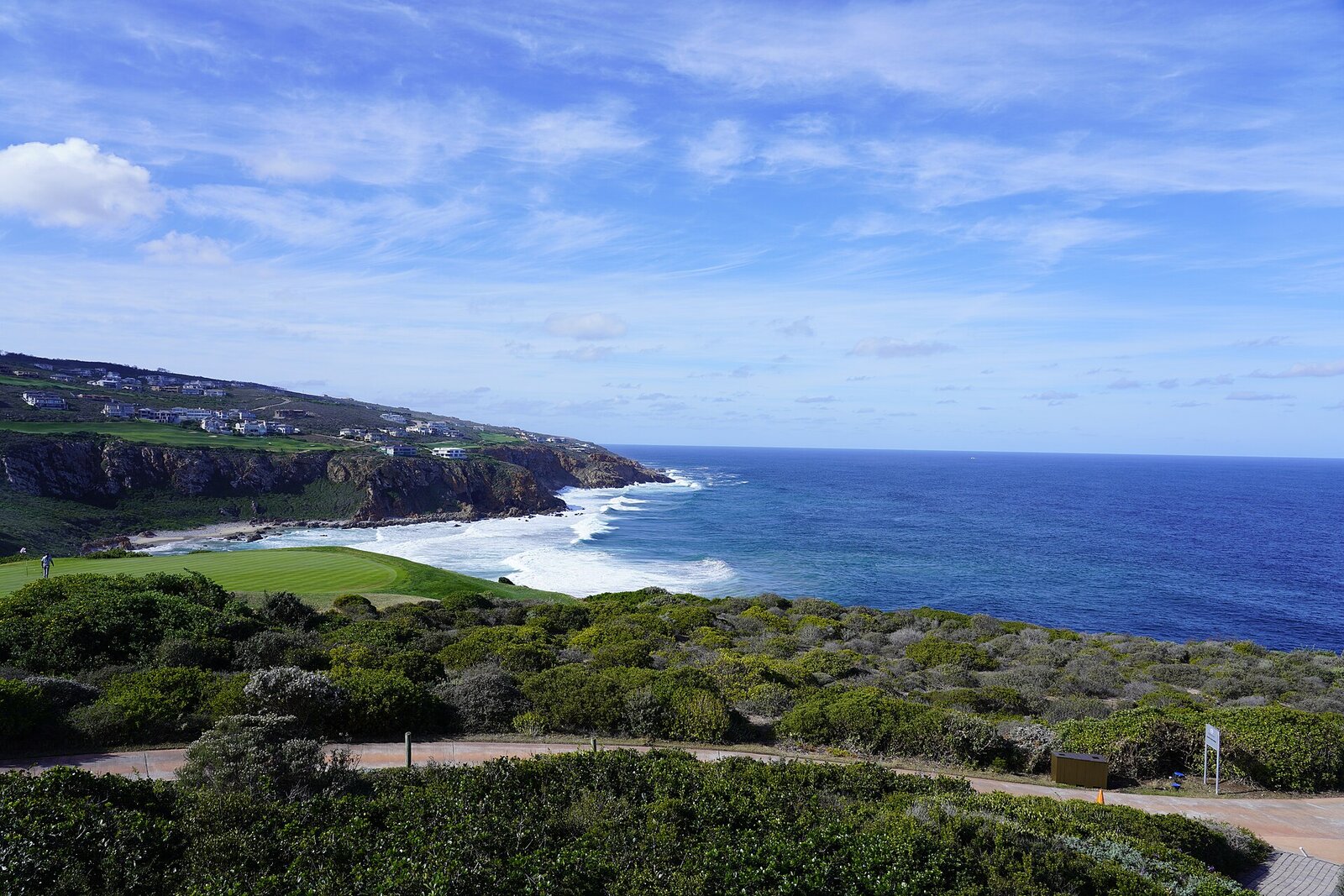
1. Boyes Drive, above Muizenberg. If you do one thing, do this. Boyes Drive runs along the mountainside above the False Bay railway, and the height gives you a clean, wide view over the water. From up here you can scan the whole sweep from Muizenberg to Kalk Bay and spot pods — and whales in season — long before the people on the sand. Pull into one of the lay-bys, kill the engine, and watch the surf line.
2. Muizenberg and Surfer's Corner. The famous beach with the coloured huts. Bottlenose pods often cruise straight past the back-line here, sometimes through the surfers, and you can watch from the promenade with your feet on the sand. Early morning, before the wind, is the moment.
3. Fish Hoek Bay. A wide, sheltered bay a little further down the coast where dolphins come in close to feed. The walkway along Jager's Walk, on the rocks towards Sunny Cove, is a lovely slow place to sit and wait.
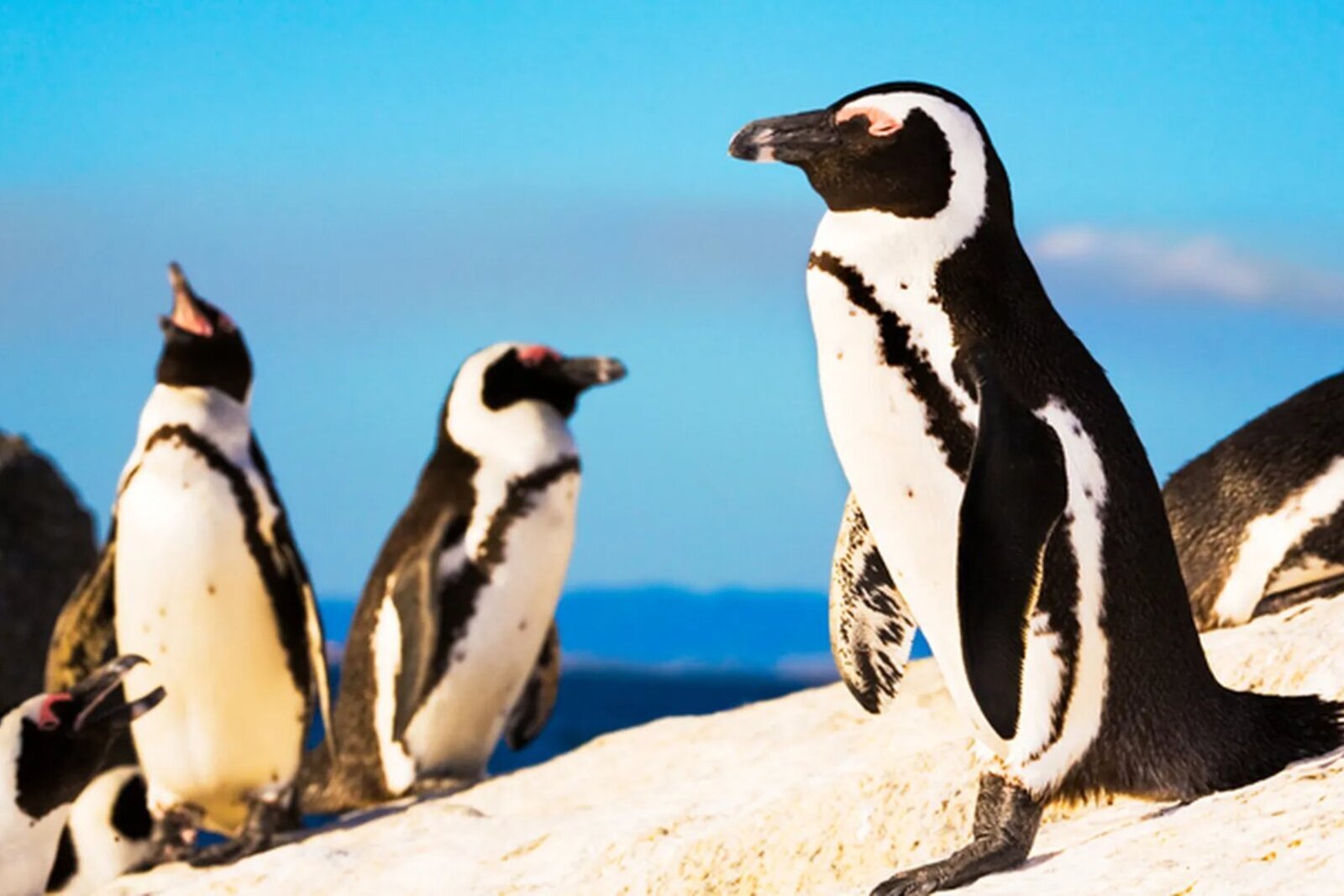
4. Kalk Bay and Simon's Town, by boat. This is where most permitted boat trips launch. A morning on the water puts you alongside a pod, and the same trip usually takes in the Cape fur seals, the African penguins near Simon's Town, and whatever seabirds are working the area. Going out with a licensed skipper is the right way to get close without disturbing the animals.
5. Cape Point and the Cape of Good Hope. The tip of the peninsula, where the two currents wrestle, is a dramatic place to scan from the high viewpoints near the lighthouse. Dolphins pass below, and the whole reserve is worth a morning anyway for the ostriches, bontebok and the end-of-the-continent feeling.
6. Hout Bay, on the Atlantic side. On the colder west side of the peninsula, Hout Bay is the launch point for boat trips towards Duiker Island and its seal colony, and the cooler water means a chance at the dusky and, further out, the Heaviside's that you will not find in False Bay.
7. A private peninsula day. My own favourite. With your own guide and vehicle you can chase the calm water rather than a fixed schedule — start on Boyes Drive at first light, drop to Muizenberg if a pod shows, swing to Simon's Town for a boat, and carry on to Cape Point. The whole coast becomes one slow, flexible morning.
8. The open bay in sardine season. When the baitfish move and the common dolphin super-pods gather, a boat into the middle of False Bay can put you in the thick of a feeding frenzy — dolphins, gannets, seals and sometimes a Bryde's whale all working the same shoal. It is weather-dependent and never guaranteed, but it is the greatest marine show the Cape offers.
When to go, and how to read the morning
The honest answer is all year. Dolphins are here every month, and I have had wonderful sightings in the depth of winter and the heart of summer alike. But two things tilt the odds.
First, wind. Cape Town's south-easter flattens your chances by churning the surface so you cannot pick out a fin. A calm, glassy morning is worth ten windy afternoons. Check the forecast the night before and be on the coast early, because the wind usually builds through the day.
Second, the whale overlap. From about June to November, southern right whales come into False Bay to calve, and humpbacks pass on migration. That is the same window when the bay is often calm at dawn, so a single slow drive along Boyes Drive and down to Hermanus way can hand you dolphins and whales in one morning. If you are choosing a season for marine life as a whole, those months are the richest — but you will see dolphins whenever you come.
What they are actually doing out there
Half the joy of watching dolphins is understanding the behaviour, so here is what is going on beneath the fins.
They see with sound. Dolphins hunt and navigate by echolocation — firing rapid clicks and reading the echoes to build a picture of the fish, the sea floor and each other in water where eyes are nearly useless. A feeding pod is a storm of clicks you will never hear from the shore, but it is how they find a single fish in a dark ocean.
Every dolphin has a name. Each animal develops a signature whistle, a unique call it uses to identify itself and to stay in contact with the pod. Mothers and calves whistle back and forth to keep together. It is as close to names as the animal world comes.
Pods are societies. Dolphins live in fluid, lifelong social groups, cooperate to herd fish, defend one another, and teach young animals to hunt. The bottlenose pods of False Bay are not a random crowd — they are families and alliances that know this coast intimately.
They ride for the fun of it. Bow-riding on a boat's pressure wave and surfing the face of a breaker are, as far as anyone can tell, partly play. When a pod peels onto a wave at Muizenberg it is doing the same thing the surfers are, and it is hard not to grin.
They feed as a team. The great super-pod spectacles are cooperative hunts: dolphins drive baitfish into a tight ball near the surface, the gannets plunge from above, and the seals join in. Everyone eats. Watching a bait ball form is watching the whole food chain switch on at once.
Watching them the right way
Dolphins are protected under South Africa's marine law, and the rules exist for good reason. Boats must keep a respectful distance and may not chase, split or crowd a pod. A proper operator approaches slowly, lets the animals choose whether to come closer, and backs off the moment they show stress. If a skipper guns the engine to cut across a pod, that is the wrong boat — get off it.
From the shore the etiquette is simpler: enjoy them, keep dogs under control near seal and bird haul-outs, and take your litter home, because the fishing line and plastic that end up in False Bay are a real danger to everything that lives in it. Good dolphin watching leaves the animals exactly as it found them.
How we build a marine day around the dolphins
When guests tell me they want dolphins, I do not sell them a single boat ticket and call it done. I build the morning around calm water and stack the wildlife. A typical day starts early on Boyes Drive to scan the bay, drops to Muizenberg or Fish Hoek if a pod is close, takes a permitted boat from Simon's Town for the seals, penguins and a closer look at the dolphins, and runs on to Cape Point for the viewpoints. In whale season we simply add the whales to the same drive.
Because we go privately, with our own guide-driver, we can follow the weather instead of a timetable — and that flexibility is the single biggest thing that turns a maybe into a sighting. Below are the tours we run on this coast, and the day we most often book for guests who want the dolphins at the centre of it.