Key Takeaways
- Congo's most biodiverse park: 7,955 km² spanning rainforest, savanna, lagoons, mangroves, and 60 km of Atlantic coastline — terrestrial and marine ecosystems in one protected area.
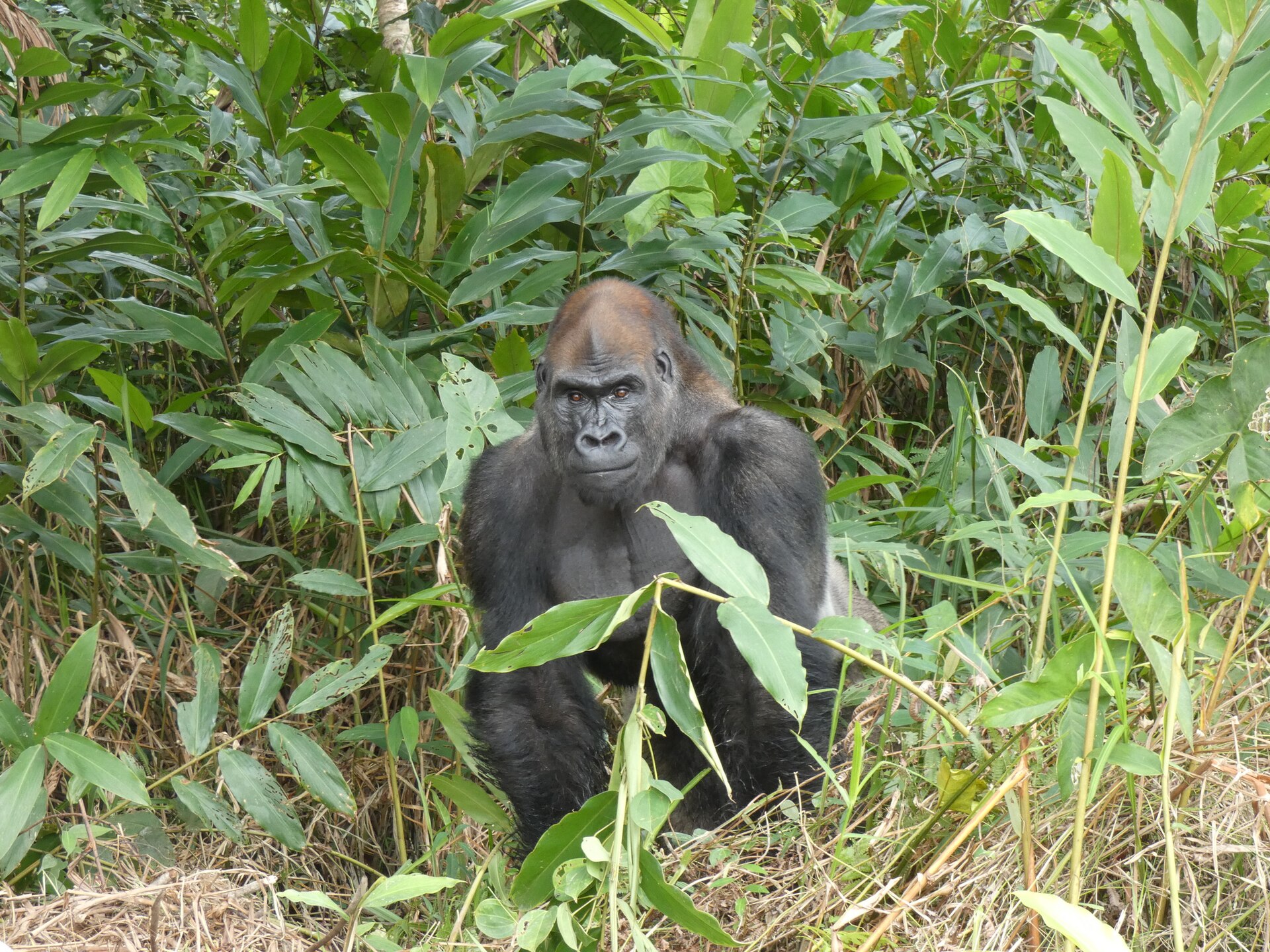
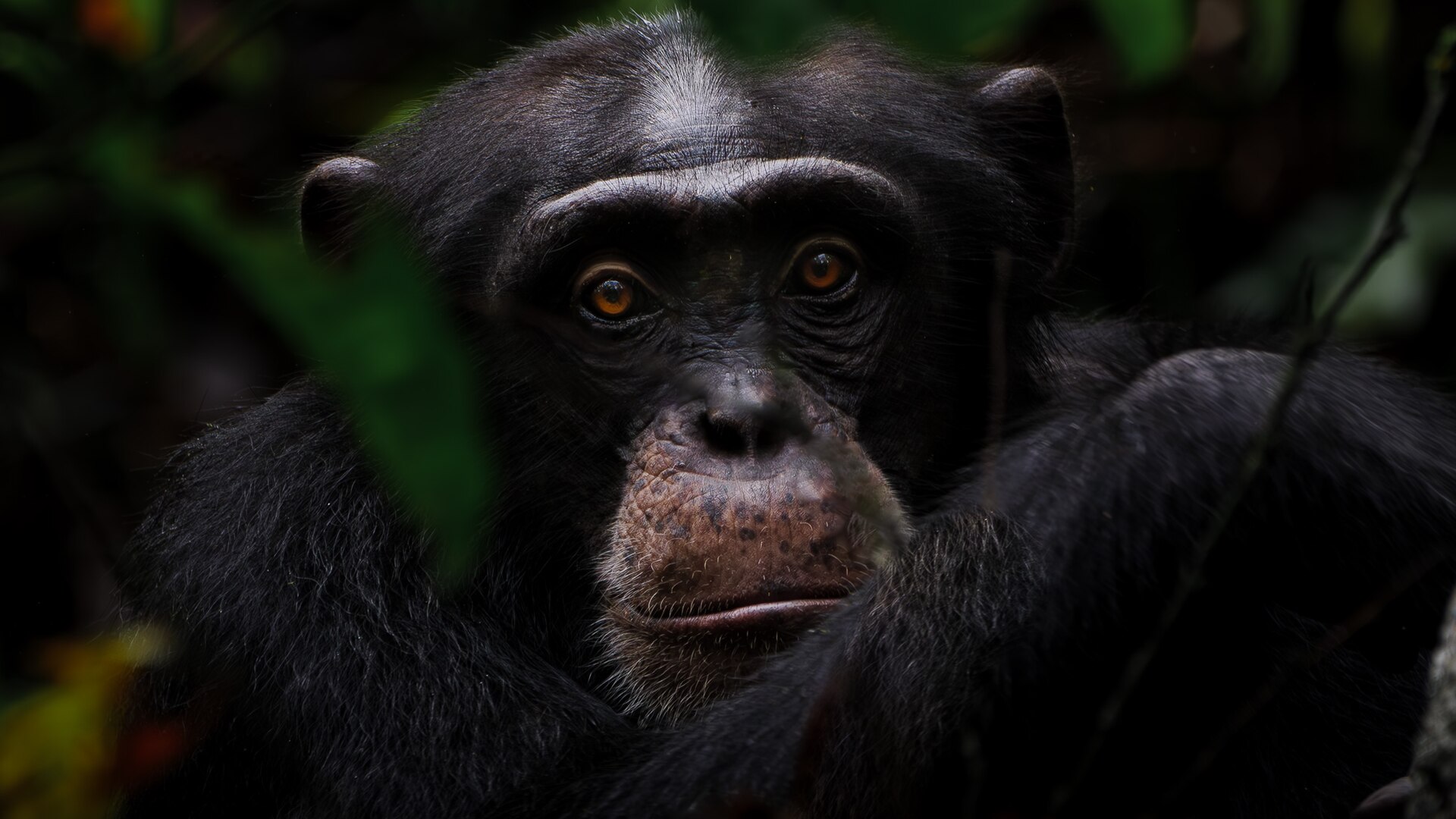
- 1,500 gorillas + 5,000 chimps: Western lowland gorillas and common chimpanzees share the forest with 950 elephants, leatherback turtles, manatees, and Africa's largest Atlantic humpback dolphin population.
- Accessible from Pointe-Noire: 150 km northwest of Congo's economic capital — reachable by 4x4 in 3–4 hours, with basic eco-lodges and organized multi-day safari packages.
- Managed by Noé: 20-year public-private partnership (2021–2041) protecting one of Africa's last intact coastal rainforest-to-ocean corridors under UNESCO recognition.
What Is Conkouati-Douli National Park?
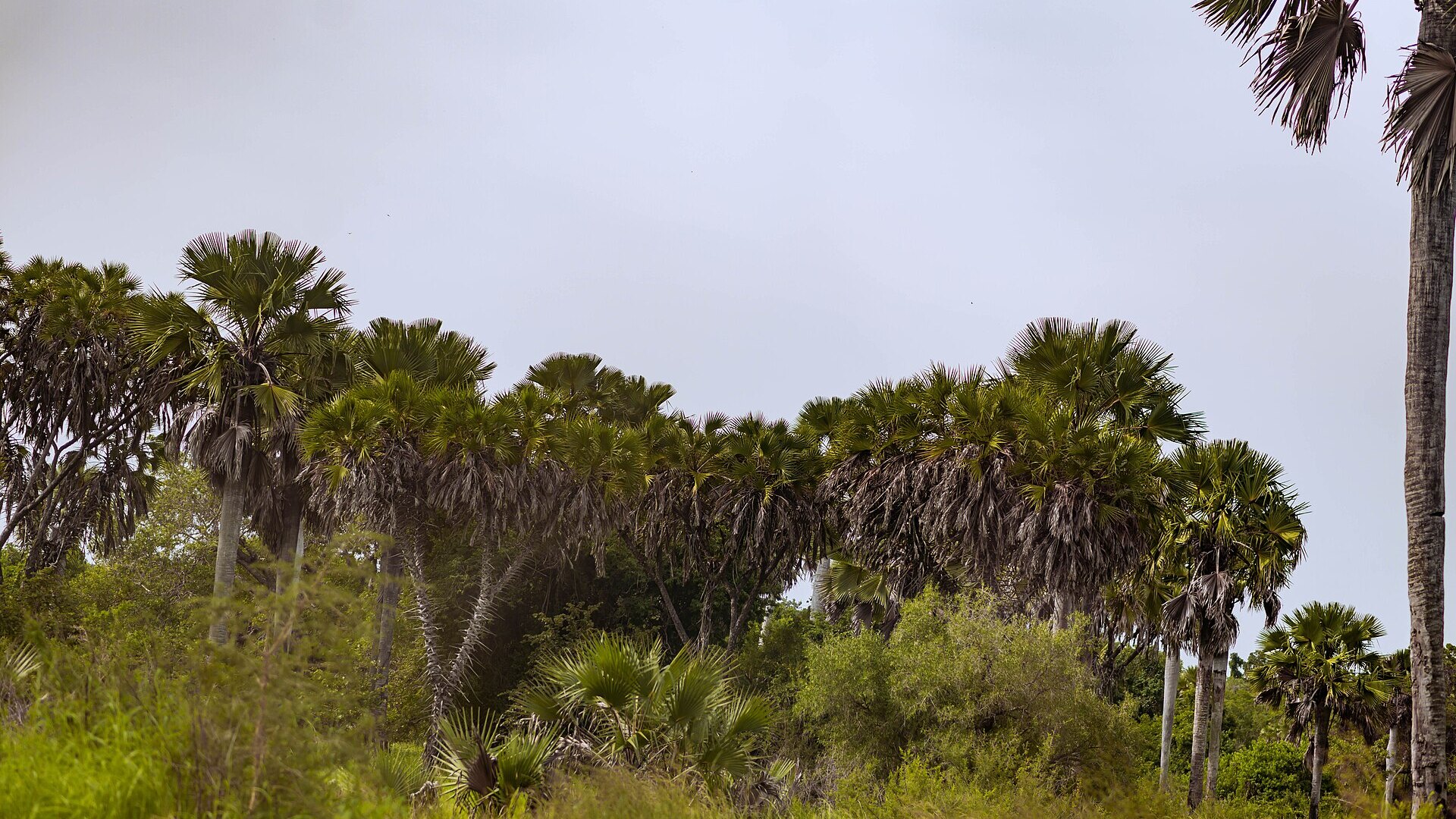
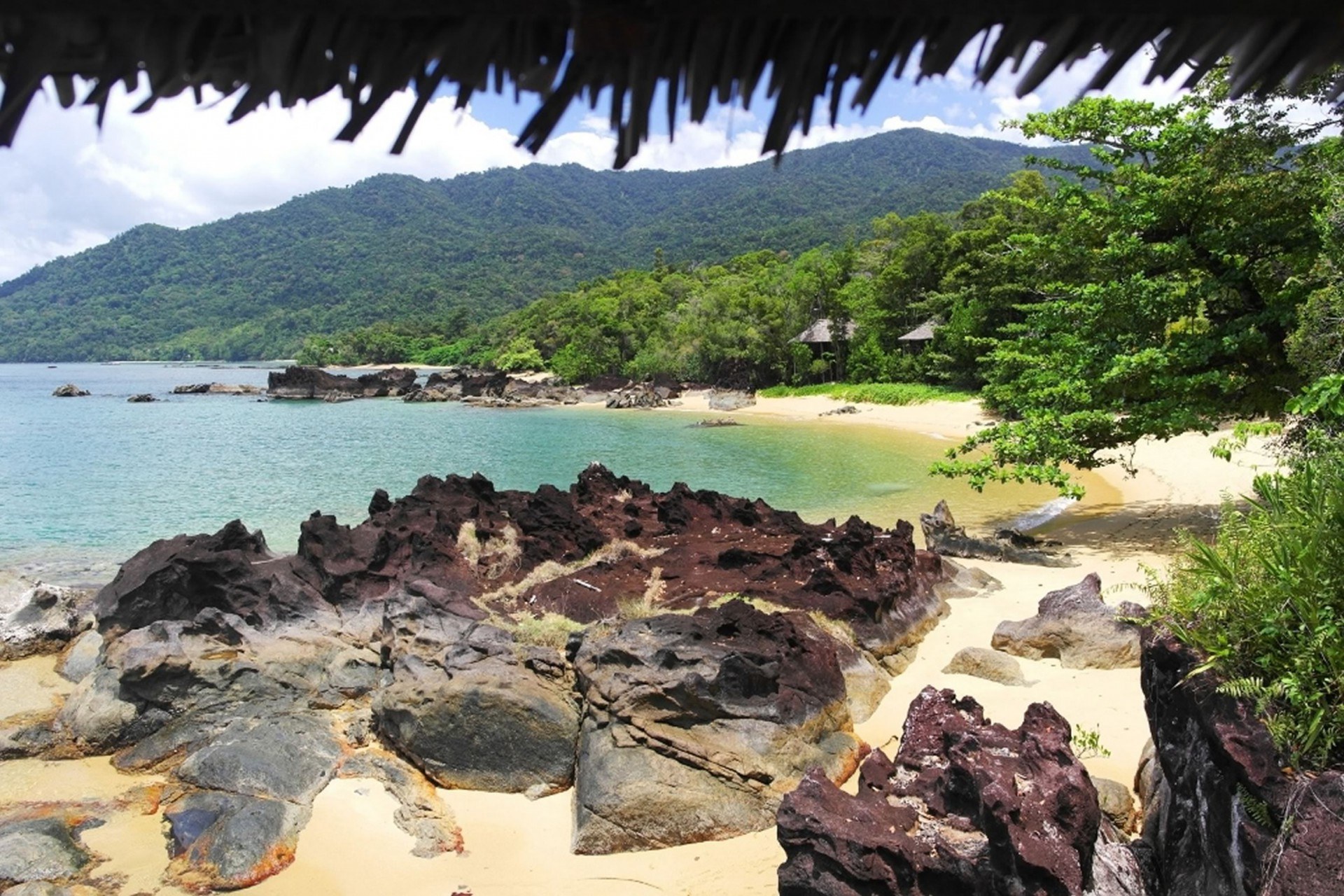
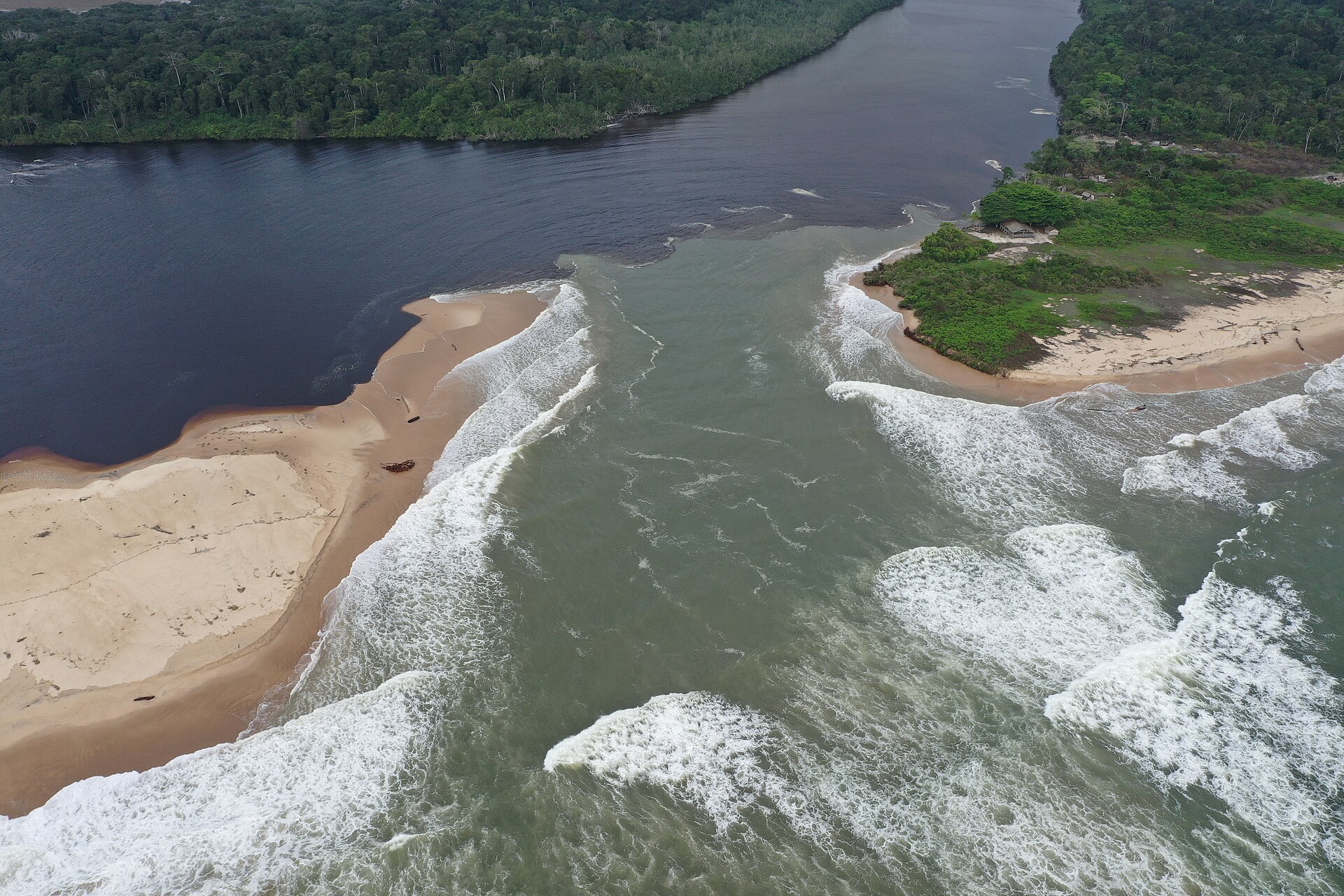
Conkouati-Douli National Park is an 7,955-square-kilometer protected area in the Kouilou Department of the Republic of the Congo, established by presidential decree in August 1999. The park stretches from the Atlantic Ocean inland through coastal lagoons, mangrove channels, lowland rainforest, savanna mosaics, and mountain slopes — making it the Congo's only protected area that encompasses both terrestrial and marine ecosystems.
The numbers tell the biodiversity story: 1,500 western lowland gorillas, 5,000 common chimpanzees, 950 forest elephants, leopards, forest buffalo, red river hogs, mandrills, manatees, Atlantic humpback dolphins, five species of nesting sea turtles, and over 300 bird species documented. UNESCO designated Conkouati-Douli an Important Bird Area in 2001 and later recognized it as part of the Mayumba-Conkouati Transfrontier Park, which connects across the Gabon border to Mayumba National Park.
What makes Conkouati-Douli significant is its uniqueness. This is one of the last places on the African continent where intact equatorial rainforest runs unbroken to an Atlantic beach. The 60-kilometer coastline hosts the continent's second-most-important leatherback turtle nesting site. The lagoons shelter Africa's largest population of Atlantic humpback dolphins. And the forest interior remains wild enough that gorillas and chimps coexist in densities comparable to Odzala, but with the added dimension of coastal and marine wildlife.
Management shifted in 2021 when the Congolese government signed a 20-year partnership agreement with the French NGO Noé (previously named Noé Conservation), replacing the Wildlife Conservation Society (WCS), which had managed the park since its creation. Noé's mandate runs through 2041 and focuses on integrated conservation: protecting wildlife, supporting the 7,800 people in 31 villages inside or adjacent to the park, and developing low-impact tourism that funds both.
Wildlife & Marine Life — Forest, Coast, and Ocean
Primates
Western lowland gorillas and common chimpanzees are the park's flagship species. The gorilla population is estimated at 1,500 individuals distributed across the park's rainforest zones. Chimps number around 5,000 and occupy overlapping habitat. Both species are present but not habituated — tracking requires experienced guides and flexible expectations. The NGO HELP Congo operates a chimpanzee sanctuary within the park, rehabilitating orphaned and confiscated individuals with the eventual goal of reintroduction.
Other primates include mandrills, black colobus, putty-nosed monkeys, and crowned guenons.
Terrestrial Megafauna
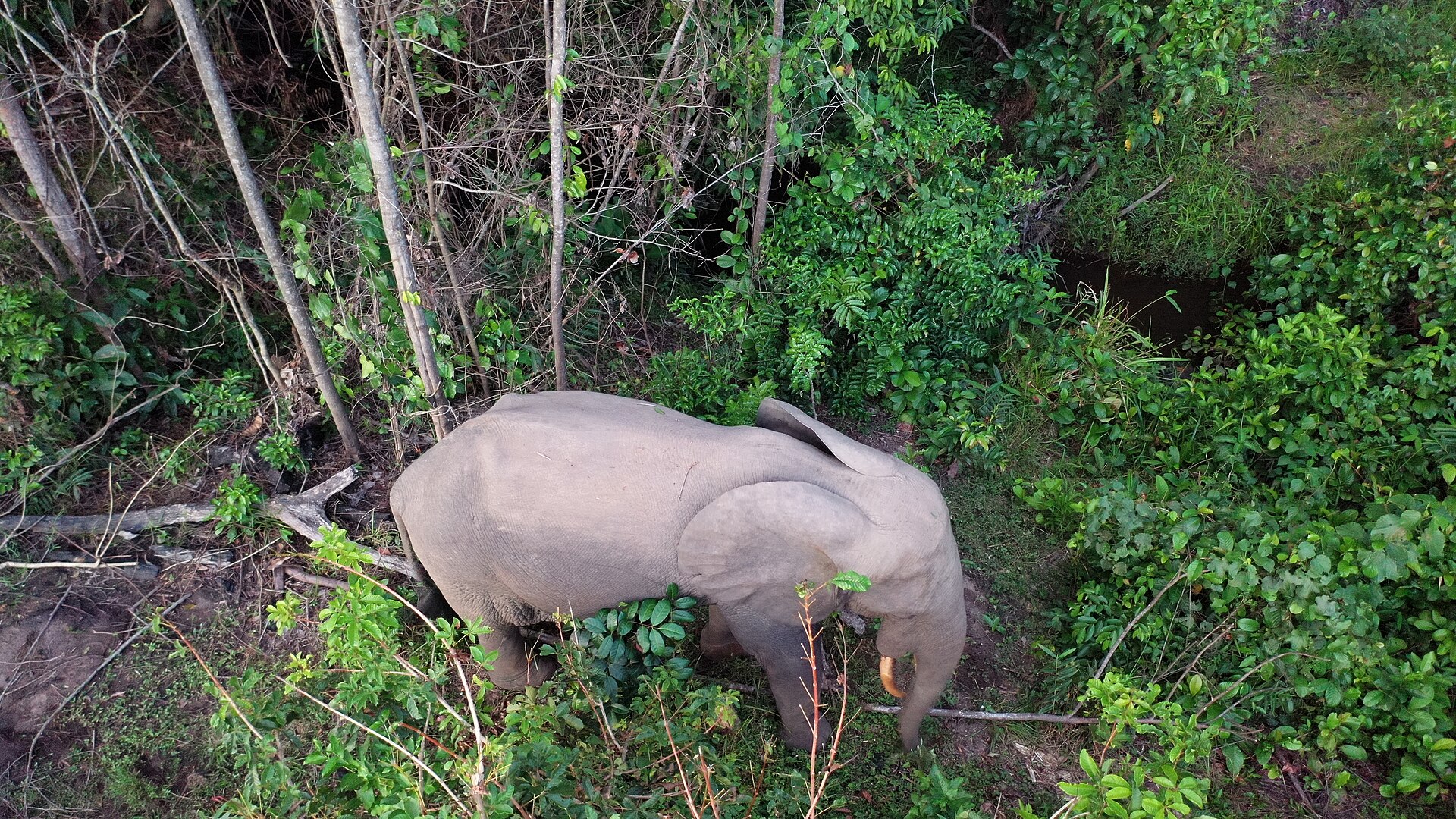
Forest elephants (950 individuals) move between the park's dense rainforest and savanna clearings. Leopards, forest buffalo, bongo, blue duiker, red river hogs, and giant forest hogs are present but elusive. Nile crocodiles inhabit the lagoons and river systems.
Marine & Coastal Species
Conkouati-Douli's coastal zone is where the park diverges from inland Congo reserves:
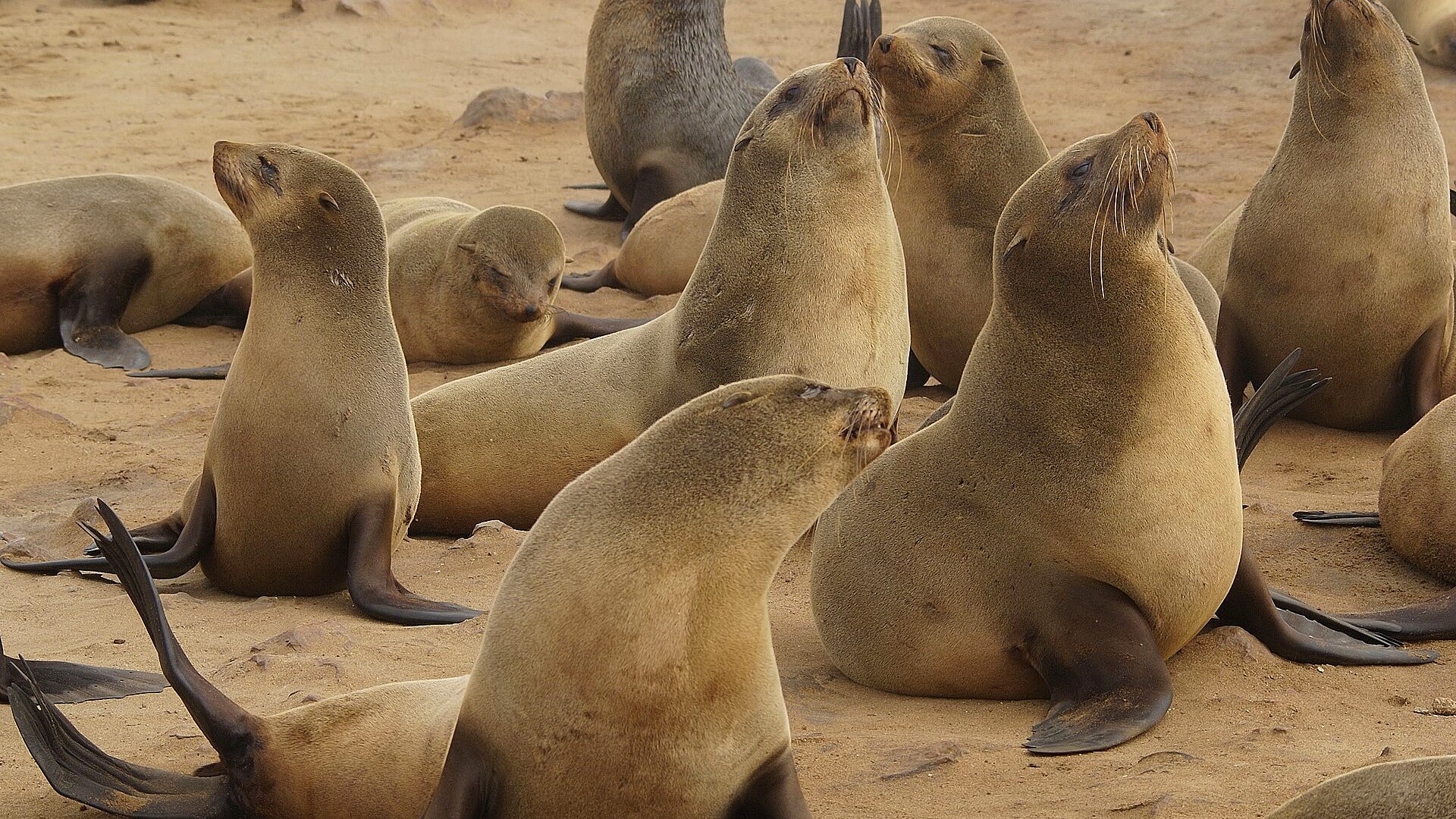
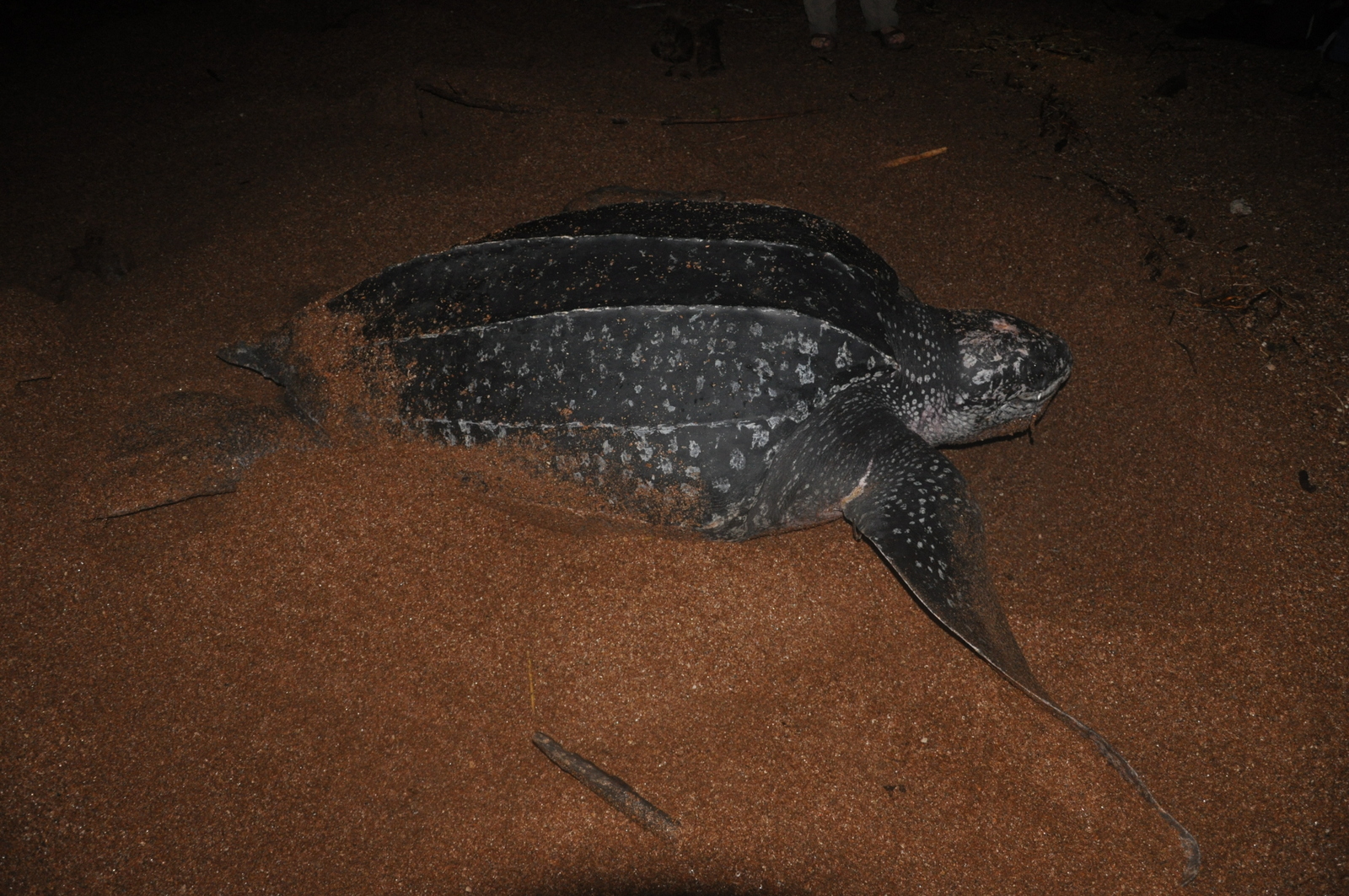
- Sea Turtles: Five species nest on the park's beaches — leatherback (Dermochelys coriacea), olive ridley (Lepidochelys olivacea), green turtle, hawksbill, and loggerhead. The leatherback nesting season (October–February) brings over 1,000 females ashore annually, making this the second-most-important nesting site in the Atlantic after Gabon's Pongara.
- Manatees: African manatees (Trichechus senegalensis) inhabit the park's lagoons, mangrove channels, and the lower Kouilou River. Sightings are rare but documented regularly by researchers.
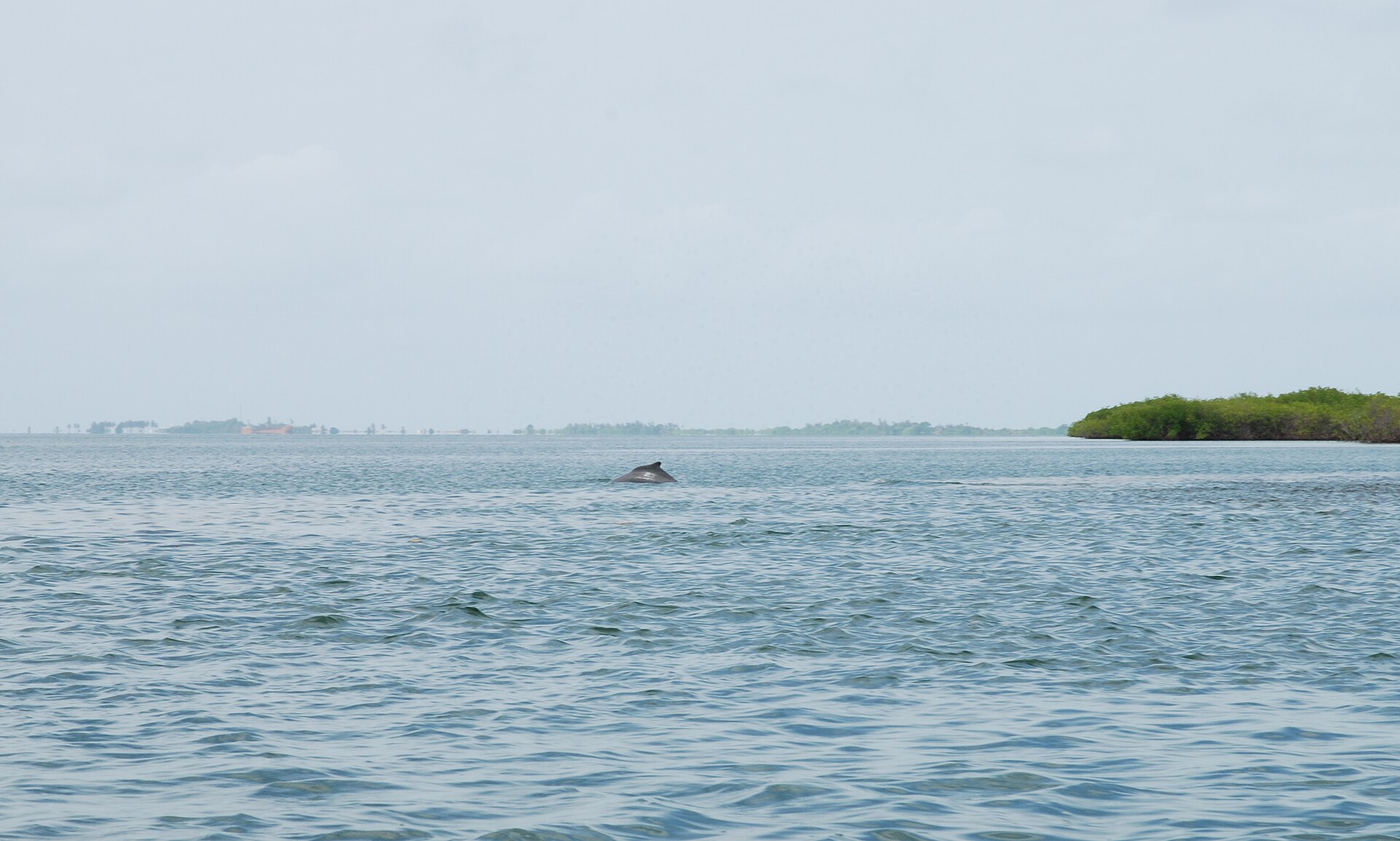
- Atlantic Humpback Dolphins: Conkouati-Douli shelters Africa's largest known population of Sousa teuszii, a critically endangered coastal dolphin species. Best observed during boat excursions in the lagoons and near-shore waters.
- Humpback Whales: Seasonal visitors (June–September) migrate through the park's marine zone during the southern winter.
Birdlife
Over 300 bird species recorded, including African fish eagles, grey parrots, palm-nut vultures, various hornbills, kingfishers, and migratory wetland species. The park's mangroves and lagoons function as critical stopover habitat for Palearctic migrants.
Accommodation & Lodges
Conkouati-Douli is not a luxury lodge destination. Accommodation is basic, research-oriented, and limited. Most visitors stay in eco-lodges or bungalows within or near the park, arranged through tour operators as part of multi-day packages.
Noumbi Resort & Ecolodge Kunda
These are the primary accommodation options inside the park, offering simple bungalows with bedding, mosquito nets, and basic meals. Hot water is often unavailable. Electricity may be limited to generator hours. Expect research-station comfort, not safari-lodge luxury.
Rates: €20–€50 per night for budget travelers arranging independently; higher when booked as part of an organized package.
HELP Congo Chimpanzee Sanctuary
Some operators arrange overnight stays or day visits to the HELP Congo sanctuary, which accepts visitors by prior arrangement. Accommodation is basic dormitory-style.
Organized Tour Packages
Most visitors book 3- to 5-day safari packages from Pointe-Noire that include 4x4 transport, fuel, park fees, boat transfers, meals, guides, and lodge accommodation. Operators include Congo Travel & Tours, Kwafrika Travel, and others registered with Noé.
The reality: This is a science and conservation post, not a commercial tourism operation. If your expectation is an Odzala-style luxury camp, Conkouati-Douli will disappoint. If you are prepared for basic conditions in exchange for extraordinary biodiversity and genuine wilderness, it delivers.
Safari Costs & Packages
Conkouati-Douli safari costs depend on group size, trip length, and whether you are booking independently or through an operator.
Budget Breakdown (Per Person)
- Park Entry: Variable by nationality and trip length; expect €20–€50 per day.
- 4x4 Transport from Pointe-Noire: €50–€100 per vehicle (shared among passengers); the 150 km journey takes 3–4 hours on rough roads.
- Lodging: €20–€50 per night for basic bungalows.
- Meals: €10–€20 per day (included in most organized packages).
- Guides & Activities: €30–€60 per day (forest treks, boat excursions, turtle patrols).
Organized Package Pricing
Multi-day all-inclusive packages from Pointe-Noire (4x4 transport, fuel, park fees, meals, lodging, guides, boat trips):
- Solo traveler: $2,500–$2,900 for a 3-day/2-night package
- Two travelers: $1,600–$2,000 per person
- Small group (5+ people): $1,100–$1,400 per person
Pricing varies by operator, season, and specific itinerary (e.g., turtle nesting excursions, chimp sanctuary visits, extended boat safaris).
Best Value Strategy
Form a small group (3–5 people) and book a 3- or 4-day package during the dry season. This spreads fixed costs (4x4 rental, fuel, guide fees) and keeps per-person rates reasonable while maximizing wildlife sightings.
Conkouati-Douli vs. Odzala-Kokoua — Understanding the Difference
| Category | Conkouati-Douli | Odzala-Kokoua |
|---|---|---|
| Primary Draw | Coastal biodiversity: gorillas + chimps + sea turtles + marine life | Habituated gorilla trekking + bai elephant viewing |
| Ecosystems | Rainforest, savanna, lagoons, mangroves, 60 km Atlantic coast | Dense rainforest, bais (forest clearings), rivers |
| Gorilla Habituation | None — wild, non-habituated populations | Yes — Neptuno & Jupiter families at Ngaga |
| Unique Wildlife | Leatherback turtles, manatees, Atlantic humpback dolphins | Forest bongo, massive bai elephant gatherings |
| Accommodation | Basic eco-lodges, research-station comfort | Luxury tented camps (Ngaga, Lango, Mboko) |
| Access | 4x4 from Pointe-Noire (150 km, 3–4 hours) | Charter flight from Brazzaville |
| Cost | $1,100–$2,900 for 3–5 days | $10,575–$19,745 for 7–12 nights |
| Who Should Choose It | Adventurous travelers seeking coastal wilderness, marine life, basic conditions, lower cost | Luxury safari clients prioritizing habituated gorilla trekking, comfort, comprehensive Congo experience |
The bottom line: Odzala is the Congo's premier gorilla-trekking product — habituated families, luxury camps, comprehensive forest safari. Conkouati-Douli is the Congo's coastal wilderness wildcard — turtles, dolphins, manate es, chimps, and gorillas in one biodiverse park, with basic infrastructure and lower costs. They complement each other; they do not compete.
Best Time to Visit Conkouati-Douli
Dry Season: June–September (Prime)
The main dry season is the optimal window for most visitors. Forest trails are passable, wildlife concentrates near water sources, and humpback whales migrate through offshore waters. This is also the best period for primate tracking and boat excursions through the lagoons.
Short Dry Season: December–February (Turtle Nesting)
The second dry season coincides with peak leatherback turtle nesting. If your primary goal is witnessing turtle nesting on Atlantic beaches, this is the season to visit. Primate tracking remains viable, though forest humidity is higher than June–September.
Wet Season: March–May & October–November (Off-Peak)
Heavy rains make forest trails muddy and some roads impassable. Wildlife disperses as water sources proliferate. Turtle nesting tapers off. This is low season for a reason — not recommended unless you have flexible dates and high tolerance for challenging conditions.
Verdict: June–September for general wildlife and forest trekking; December–February if turtle nesting is your priority.
How to Visit Conkouati-Douli National Park
Step 1: Book Through a Registered Operator
Independent travel to Conkouati-Douli is possible but not advisable. The park is remote, roads are rough, lodges require advance coordination, and Noé prefers visitors arrive through registered operators who comply with park protocols.
Recommended operators:
- Congo Travel & Tours — multi-day Conkouati packages from Pointe-Noire
- Kwafrika Travel — tailored Congo itineraries including Conkouati
- Contact Noé directly for a current list of approved operators.
Step 2: Fly to Pointe-Noire
International travelers fly to Brazzaville (BZV), then connect to Pointe-Noire (PNR) on a domestic flight (1 hour, $150–$250). Ethiopian Airlines, Kenya Airways, and Royal Air Maroc serve Brazzaville from Africa and Europe.
Step 3: 4x4 Transfer to the Park
Most packages include 4x4 transport from Pointe-Noire to the park (150 km, 3–4 hours). Roads are rough; expect slow travel.
Visas & Health
- Visa: Required for most nationalities. Apply in advance at a Congolese embassy or consulate; tourist visas cost $100–$150 and take 5–10 business days. E-visas are not reliably available as of 2026.
- Yellow Fever: Vaccination certificate mandatory for entry to the Republic of the Congo.
- Malaria Prophylaxis: Essential. Conkouati-Douli is in a high-transmission zone.
The Honest Take on Conkouati-Douli
Conkouati-Douli is one of the most biodiverse protected areas in the Congo Basin, and possibly the only place on the African continent where you can track gorillas in equatorial rainforest in the morning and watch leatherback turtles nest on an Atlantic beach in the evening. That combination is extraordinary.
But this is not Odzala. You will not sit ten meters from a habituated gorilla family. The lodges are basic research-station bungalows, not luxury tented camps. The roads are rough. The infrastructure is minimal. If your expectation is a polished, comfortable, guaranteed-gorilla-sighting safari, you will be disappointed.
What Conkouati-Douli offers instead is rawness, diversity, and the sense that you are witnessing conservation in progress. The Noé partnership is still young. Tourism is undeveloped. Visitor numbers are low. And the wildlife — gorillas, chimps, elephants, turtles, dolphins, manatees — exists in a functional, intact ecosystem that spans from mountain slopes to open ocean.
If you are an adventurous traveler who values biodiversity over comfort, who understands that wildlife sightings in non-habituated populations require patience, and who wants to support a conservation project that is working — Conkouati-Douli is worth the effort. Just go in with eyes open about what it is and what it is not.
Where is Conkouati-Douli National Park?
Conkouati-Douli National Park is located in the Kouilou Department in the southwestern Republic of the Congo, 150 km northwest of Pointe-Noire. The park spans 7,955 km² from the Atlantic coast inland through lagoons, mangroves, rainforest, and savanna, bordering Gabon's Mayumba National Park to the south.
What wildlife lives in Conkouati-Douli?
Conkouati-Douli shelters approximately 1,500 western lowland gorillas, 5,000 common chimpanzees, 950 forest elephants, leopards, forest buffalo, bongo, and red river hogs. The coastal zone hosts five species of nesting sea turtles (including over 1,000 leatherback females annually), African manatees, Atlantic humpback dolphins (Africa's largest population), and seasonal humpback whales. Over 300 bird species have been recorded.
How much does a Conkouati-Douli safari cost?
Organized 3- to 5-day packages from Pointe-Noire (including 4x4 transport, fuel, park fees, meals, lodging, guides, and boat trips) range from $1,100–$1,400 per person for groups of 5+, $1,600–$2,000 per person for two travelers, and $2,500–$2,900 for solo travelers. Budget travelers arranging independently can expect €20–€50 per night for basic lodging, plus transport, park fees, and guide costs.
When is the best time to visit Conkouati-Douli?
The main dry season (June–September) is optimal for primate tracking, boat safaris, and whale watching. The short dry season (December–February) coincides with peak leatherback turtle nesting and is the best window for turtle-nesting excursions. Avoid the wet seasons (March–May and October–November) when trails become muddy and roads may be impassable.
Can you see habituated gorillas in Conkouati-Douli?
No. Conkouati-Douli's gorilla population is wild and non-habituated. Sightings require forest tracking with experienced guides and are not guaranteed. For habituated gorilla trekking in the Republic of the Congo, visit Odzala-Kokoua National Park (Ngaga Camp), where the Neptuno and Jupiter gorilla families accept human presence.
How do I get to Conkouati-Douli from Pointe-Noire?
Conkouati-Douli is 150 km northwest of Pointe-Noire, accessible by 4x4 vehicle in 3–4 hours on rough roads. Most visitors book organized packages that include transport from Pointe-Noire. Independent travelers can arrange 4x4 rental (€50–€100 per vehicle), but this requires coordination with park management and is not recommended for first-time visitors.
What is the difference between Conkouati-Douli and Odzala?
Conkouati-Douli is a coastal biodiversity hotspot with gorillas, chimps, turtles, dolphins, and marine life, accessed by 4x4 from Pointe-Noire, with basic eco-lodges and lower costs ($1,100–$2,900 for 3–5 days). Odzala-Kokoua is the Congo's premier rainforest gorilla-trekking destination with habituated gorilla families, luxury tented camps, and charter-flight access from Brazzaville, at significantly higher cost ($10,575–$19,745 for 7–12 nights). Both are extraordinary; they serve different priorities.
Who manages Conkouati-Douli National Park?
Conkouati-Douli is managed through a 20-year public-private partnership (2021–2041) between the Congolese Ministry of Forest Economy and Sustainable Development and the French NGO Noé. The Wildlife Conservation Society (WCS) managed the park from 1999 to 2018. Noé's mandate focuses on wildlife protection, community development, and low-impact tourism.