Key Takeaways
- The entire Eastern Cape is malaria-free, so there is no antimalarial medication to take — making it the safest and most relaxed Big Five destination in South Africa, especially for families with young children and older travellers.
- Its private reserves sit within an hour’s flight of Cape Town and at the eastern end of the Garden Route, so a Big Five safari slots seamlessly into a wider South African journey without the long detour that Kruger requires.
- Tours run the full range — from self-drive Addo escapes around US$200 per person per night to ultra-luxury exclusive-use villas at US$1,500 or more — with the same free-roaming Big Five across every reserve.
- The region is a genuine year-round destination: crisp, sighting-rich winters (May–September) and lush, bird-filled green summers (October–April) both deliver, so there is no bad time to visit.
- The sweet spot for most first-timers is a three- to five-night stay across one or two reserves, or a seven-day grand combination pairing the bush with Cape Town, the Winelands and the Garden Route.
The Complete Guide to Eastern Cape Safari Tours
If you want the Big Five without the malaria risk, the long-haul domestic flights or the crowds, the Eastern Cape is the answer. This corner of South Africa has quietly become the country’s most sensible safari region — a cluster of superb private reserves that deliver lions, elephants, buffalo, rhino and leopard in genuinely wild country, all within easy reach of Cape Town and the Garden Route, and all completely malaria-free. Whether you are planning a first safari, a family holiday, a honeymoon or a photographic pilgrimage, an Eastern Cape safari tour gives you world-class wildlife with none of the usual compromises.
This guide is the complete picture. We cover why the region is special, every type of tour on offer, the top reserves and what sets each apart, when to go, what a day on safari actually feels like, how long to stay, and how to choose the right tour for you — with three sample itineraries and honest cost guidance throughout. Think of it as the map of the whole territory; when you want to go deeper on any one topic, we link out to our specialist guides on packages, luxury lodges, cost and private, exclusive-use safaris.
Why Choose an Eastern Cape Safari?
Every safari region has a headline feature. The Serengeti has the migration; the Sabi Sands has its leopards. The Eastern Cape’s advantage is more practical, and for most travellers more valuable: it delivers a full Big Five experience with fewer downsides than anywhere else in South Africa. Five things make it stand out.
It is completely malaria-free. This is the single biggest reason families and older travellers choose the Eastern Cape. There is no antimalarial medication to take, no side effects to worry about, and no anxious nights checking for mosquito bites. For anyone travelling with young children, or with a health condition that makes antimalarials awkward, this alone can be decisive. You get the same free-roaming lions and elephants as the far north, without the health calculus.
It is astonishingly accessible. The reserves cluster around Gqeberha (Port Elizabeth), roughly a one-hour flight from Cape Town or two hours from Johannesburg, then a short road transfer to the lodge. There is no full travel day lost to connections. You can have breakfast in Cape Town and be watching elephants at a waterhole by late afternoon. For a fuller look at the routing, see our guide on getting from Cape Town to an Eastern Cape safari.
The wildlife is the real thing. The Eastern Cape’s private reserves are large, well-managed conservation areas with genuine free-roaming populations of all Big Five, plus cheetah, giraffe, zebra, hippo, and more than 300 bird species across the region’s five distinct vegetation biomes. Reserves such as Kwandwe and Shamwari run serious conservation and anti-poaching programmes; this is not a drive-through zoo but working wilderness. For the region’s wider story and habitats, our Eastern Cape safari guide goes deeper.
It works year-round. Because it spans several biomes and enjoys a temperate coastal climate, the Eastern Cape has no true off-season. Winter (May–September) brings crisp mornings, thin bush and concentrated sightings; summer (October–April) is lush, green and superb for birding and newborn animals. You can plan around school holidays, weather preferences or budget rather than being forced into one narrow window.
It combines beautifully. The Eastern Cape anchors the eastern end of the Garden Route, so your Big Five days pair naturally with Cape Town, the Cape Winelands and the coast. Instead of a stand-alone safari, you build a single seamless journey — city, wine, ocean and bush — spreading your international airfare across a far richer trip. It is one of the smartest value moves in South African travel.
Why Families Love the Eastern Cape
No other Big Five region is as easy on families. Being malaria-free removes the biggest health worry, and several reserves have built their entire offering around children — Amakhala and Shamwari run dedicated family lodges, junior ranger programmes, flexible drive times and family suites with connecting rooms.
- Short flight from Cape Town — no exhausting travel day with tired children.
- Malaria-free, so no daily medication for young ones.
- Family game drives, kid-friendly meal times and childminding at select lodges.
- Big, charismatic animals — elephants and rhino — that keep children captivated.
For the full family playbook, see our Eastern Cape malaria-free family safari guide.
Types of Eastern Cape Safari Tours
“Safari tour” covers a wide spectrum in the Eastern Cape, from an independent self-drive weekend to a fully guided fly-in with a private vehicle and a personal chef. Understanding the formats helps you match the trip to your budget, your travel style and the time you have. The table below sets out the main tour types; the sections that follow add the detail.
| Type | Duration | Best For | Price Range |
|---|---|---|---|
| Lodge-Based Safari | 2–4 nights | First-timers, couples, most travellers wanting a classic private-reserve stay | US$350–800pp/night |
| Fly-In Luxury | 3–5 nights | Honeymooners, luxury travellers, those short on time who want maximum comfort | US$800–1,500+pp/night |
| Combination (Safari + Garden Route + Cape Town) | 7–14 days | First trip to South Africa, travellers wanting city, coast and bush in one journey | US$2,500–6,000+pp total |
| Self-Drive Safari | 1–4 nights | Independent travellers, budget-conscious families, Addo Elephant Park visitors | US$200–350pp/night |
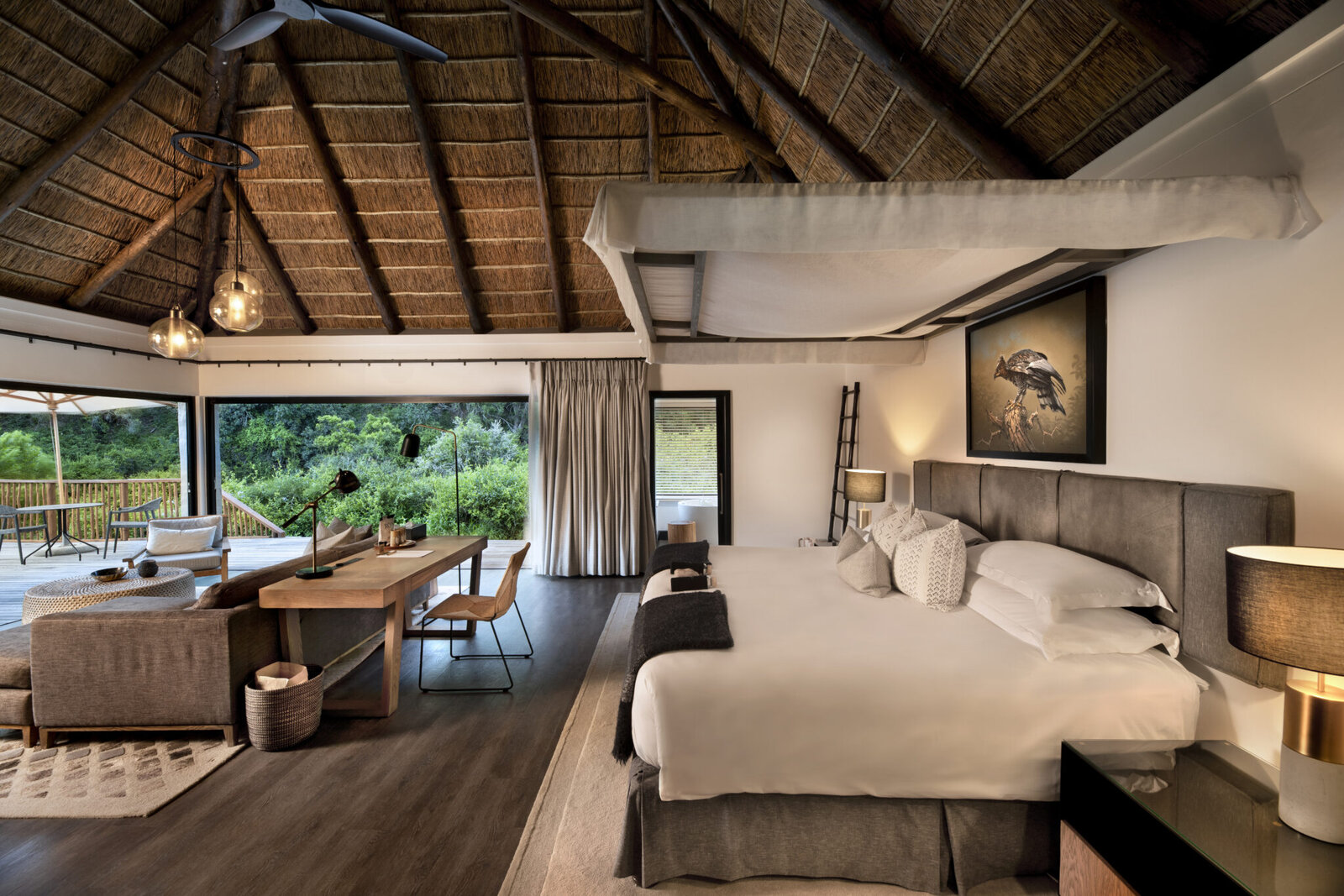
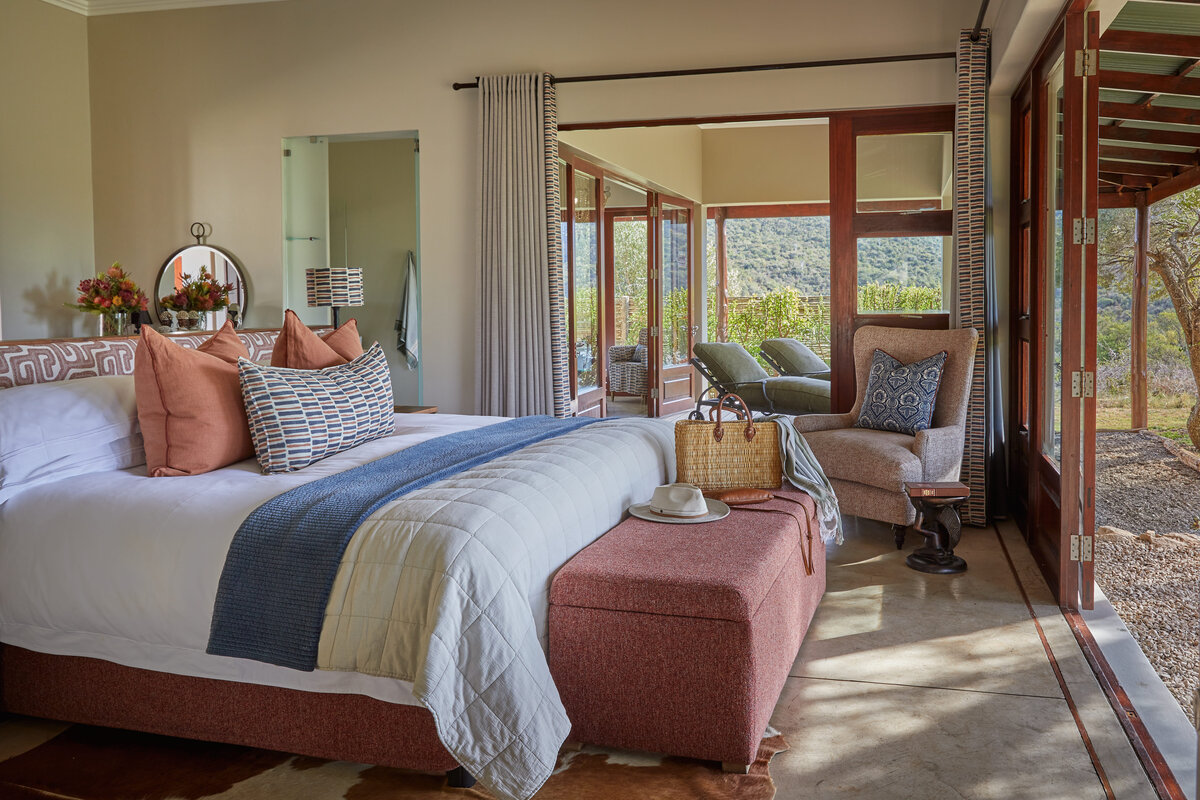
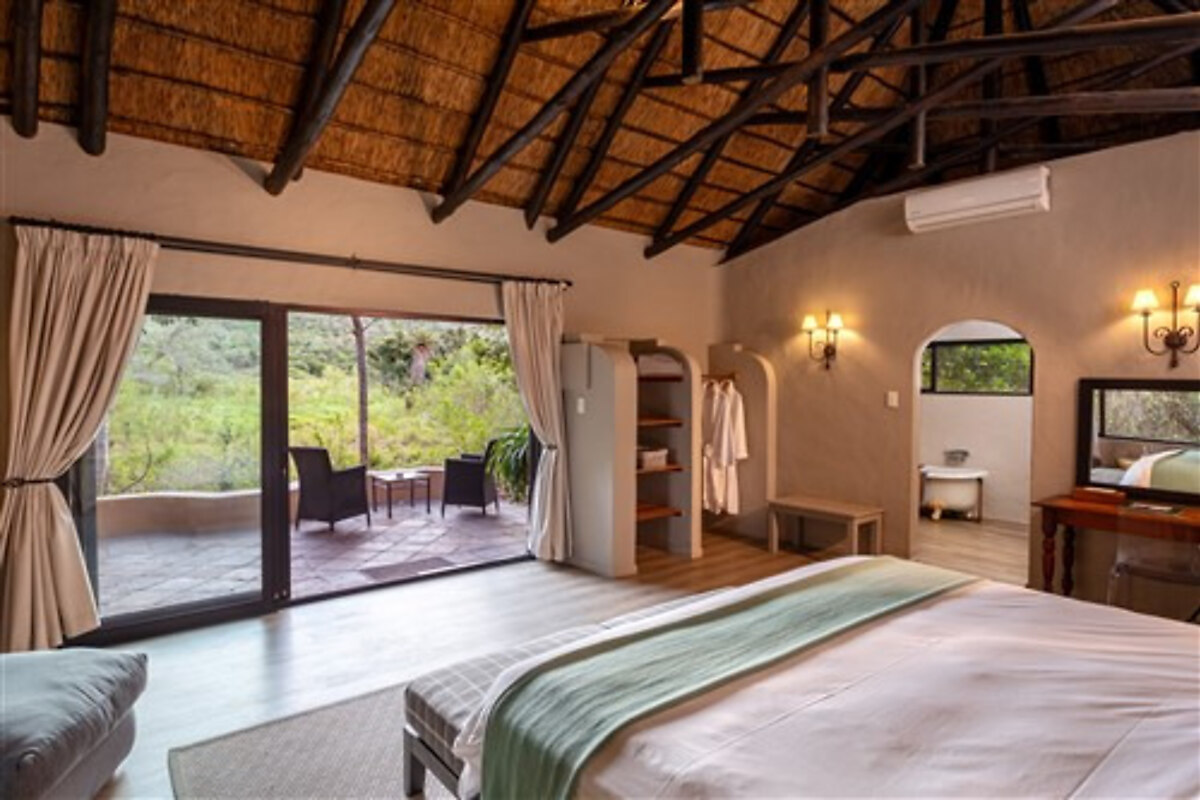
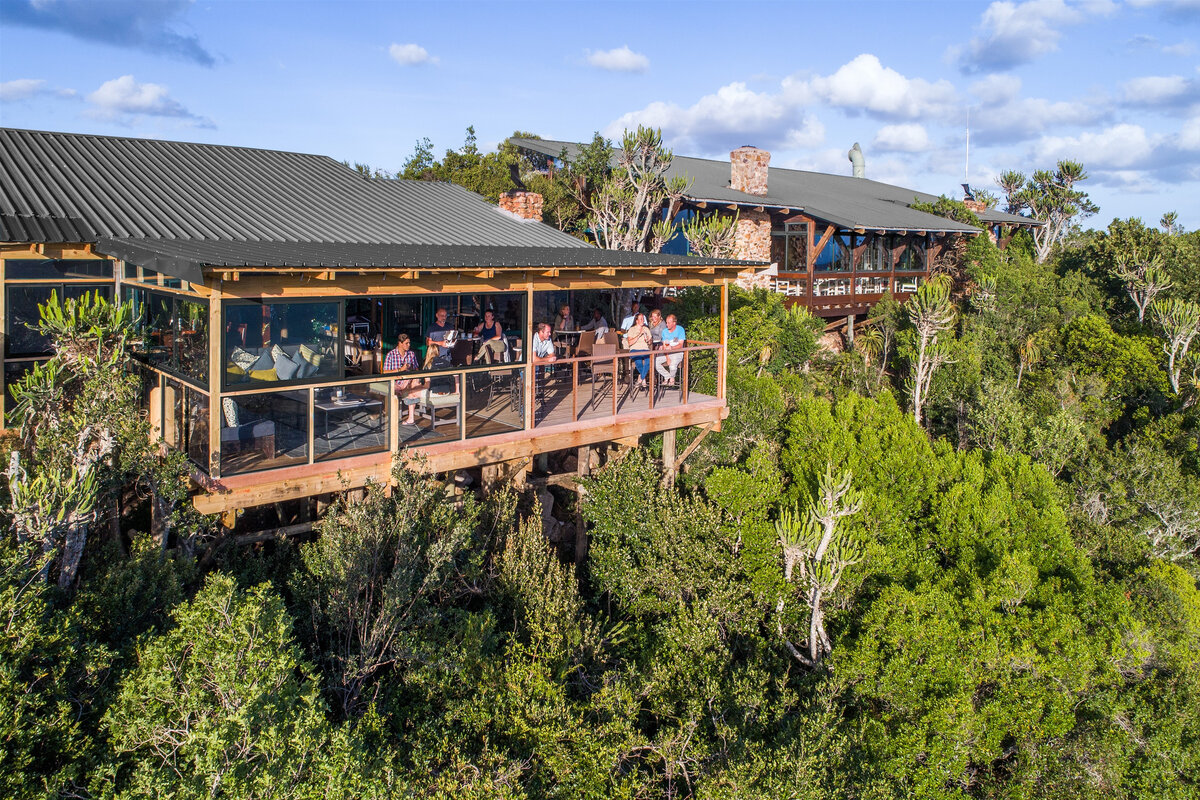
Lodge-based safaris are the classic choice and what most people picture: you stay at a private-reserve lodge, and your rate includes your suite, all meals, most drinks and twice-daily game drives with an expert ranger-and-tracker team. This is the format for the great majority of Eastern Cape tours, from comfortable mid-range lodges such as Amakhala Bukela and Shamwari Riverdene to flagship five-star suites at Kwandwe Great Fish River and Shamwari Eagles Crag.
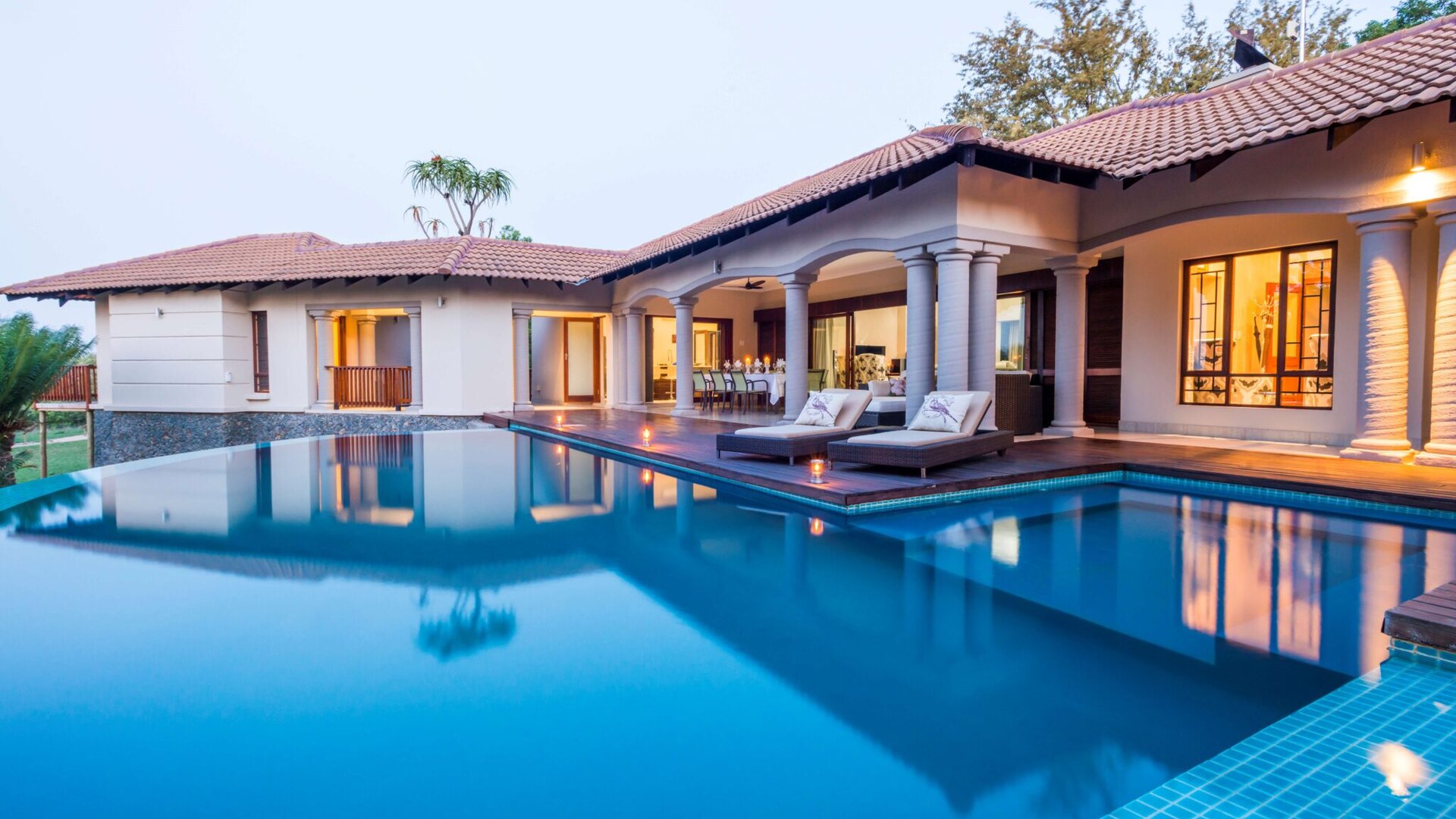
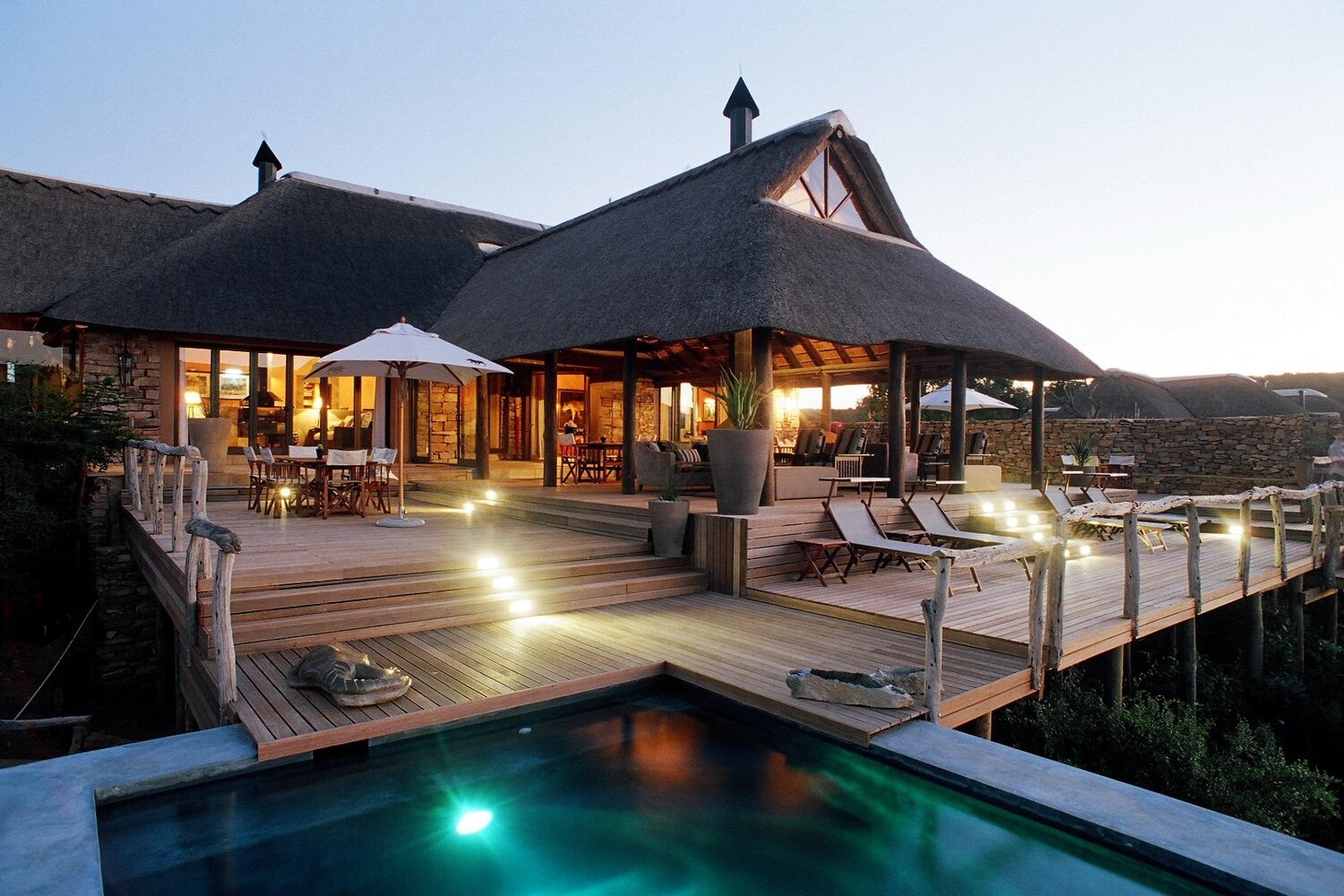
Fly-in luxury tours add a light-aircraft transfer and step up the lodge to the top tier — plunge-pool suites, low guest density, premium cellars and impeccable service. They suit honeymooners and travellers who want to compress the highest-end experience into a few flawless days. Our luxury Eastern Cape safari guide covers this tier in full.
Combination tours are the region’s signature strength. Because the Eastern Cape sits at the end of the Garden Route, a single trip can string together Cape Town, the Winelands, the coast and a Big Five finale. These 7- to 14-day journeys are the most popular choice for a first trip to South Africa — you see the country’s finest highlights in one loop, and the safari feels like the triumphant climax rather than an add-on.
Self-drive safaris centre on Addo Elephant National Park, one of the few Big Five parks in the country you can explore in your own vehicle on excellent tarred and gravel roads. It is the most affordable way to safari the region and a favourite with independent families; you can pair it with guided drives at a nearby private reserve for the best of both worlds. Beyond these four, specialist formats — romantic honeymoon retreats, dedicated photographic safaris with hides and specialist guides, and walking safaris — are available at many reserves on request.
Top Reserves & Game Viewing Areas
The Eastern Cape’s safari country is a constellation of private reserves and one great national park, most within an hour or so of Gqeberha. Each has its own character, landscape and specialities. The table gives you the shape of the field; the notes that follow add colour, and for a ranked deep-dive see our top 10 game reserves in the Eastern Cape and best 5-star game lodges guides.
| Reserve | Size | Big Five | Specialty | Accommodation Style |
|---|---|---|---|---|
| Shamwari | ~250 km² | Yes | Award-winning all-rounder, conservation, multiple lodges | Mid-range to flagship 5-star |
| Kwandwe | ~220 km² | Yes | Exclusivity, low guest density, black rhino | Luxury & exclusive-use villas |
| Addo Elephant Park | ~1,640 km² | Yes | Elephants in huge numbers, self-drive, value | Rest camps to private lodges |
| Kariega | ~100 km² | Yes | River cruises, coastal scenery, great value | Comfortable to premium 5-star |
| Pumba | ~65 km² | Yes | Free-roaming white lions, lakeside setting | Luxury lodges & suites |
| Amakhala | ~90 km² | Yes | Family-friendly, wide lodge choice, value | Family to luxury lodges |
Shamwari is the region’s best-known name and a deserving flagship — a large, multiple-award-winning reserve with a serious conservation record and a spread of lodges from the family-friendly Riverdene to the cliff-set glamour of Eagles Crag. It is the safest choice if you want a proven, polished all-rounder.
Kwandwe is the connoisseur’s pick: huge, quiet and exclusive, with some of the lowest guest densities in the country and a landmark black rhino conservation programme. Its exclusive-use villas — Uplands Homestead and Melton Manor — are among the finest private safari homes in South Africa.
Addo Elephant National Park is the great democratic safari: vast, affordable, and home to more than 600 elephants. You can self-drive its excellent roads or take guided drives, and it is the anchor of any value-focused or independent trip. Our Addo Elephant National Park guide covers it in full.
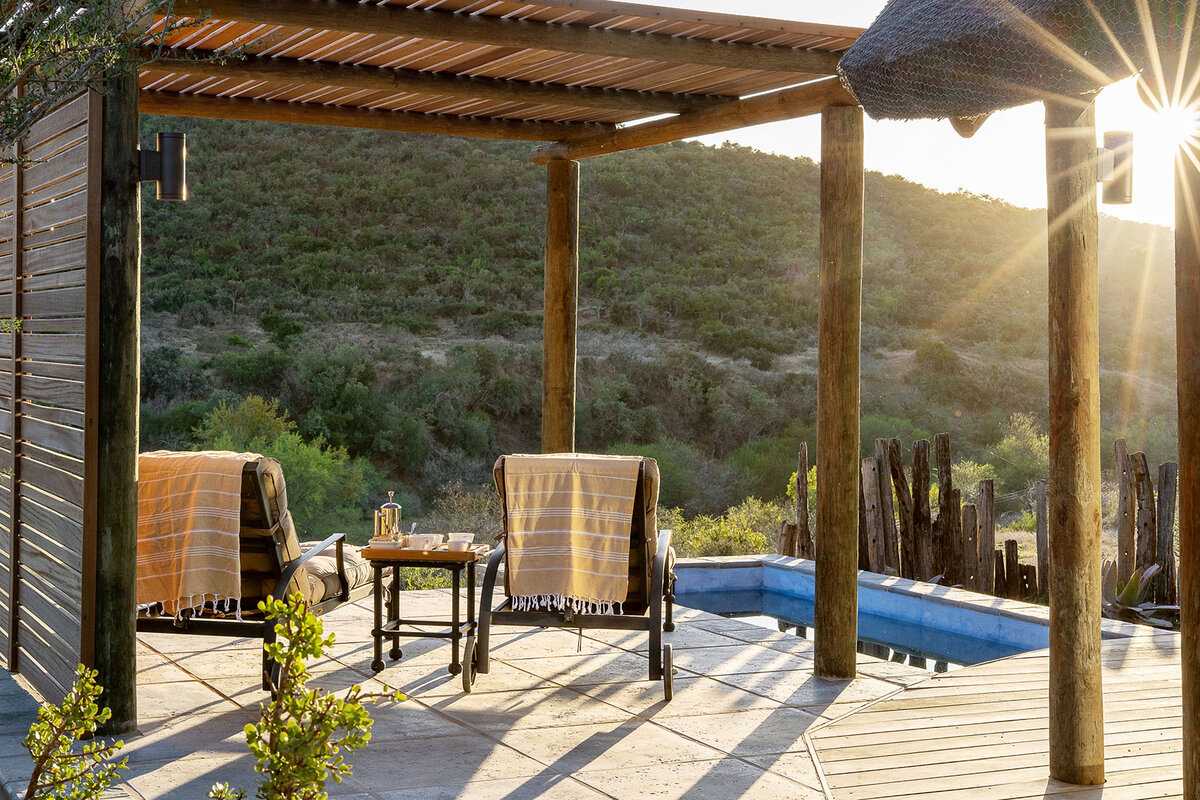
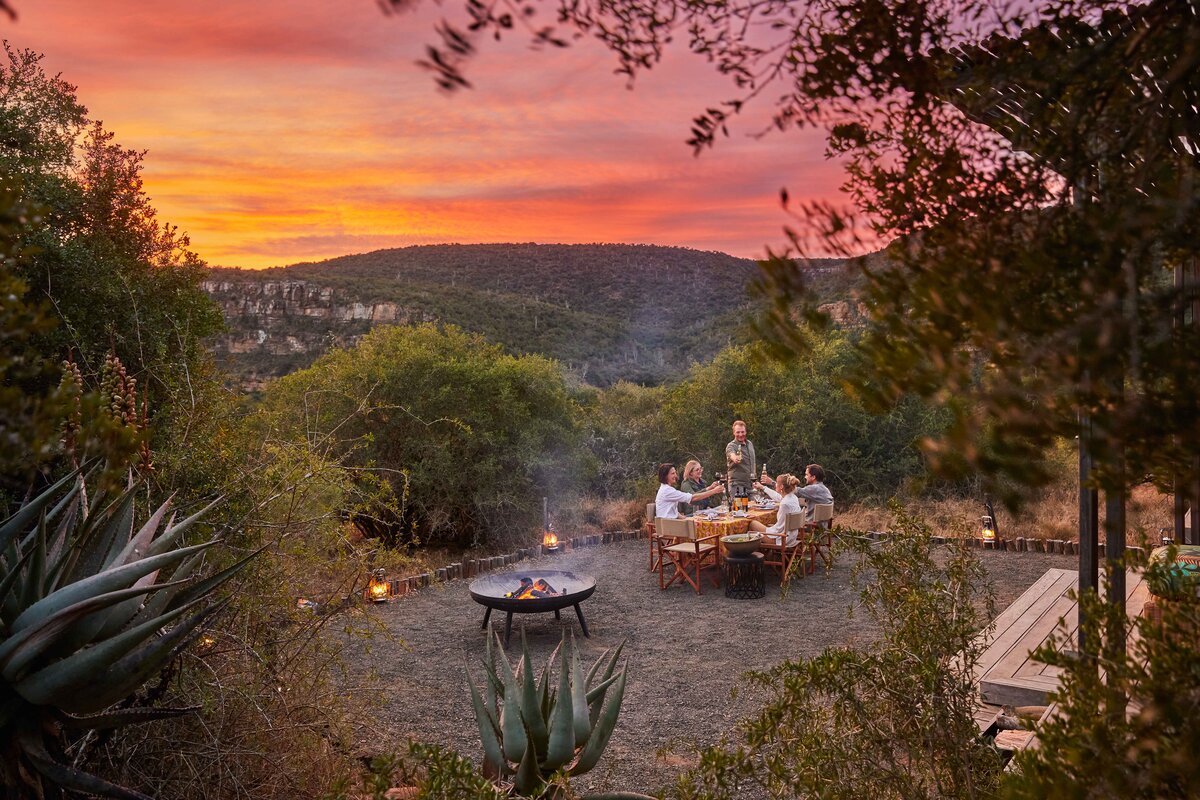
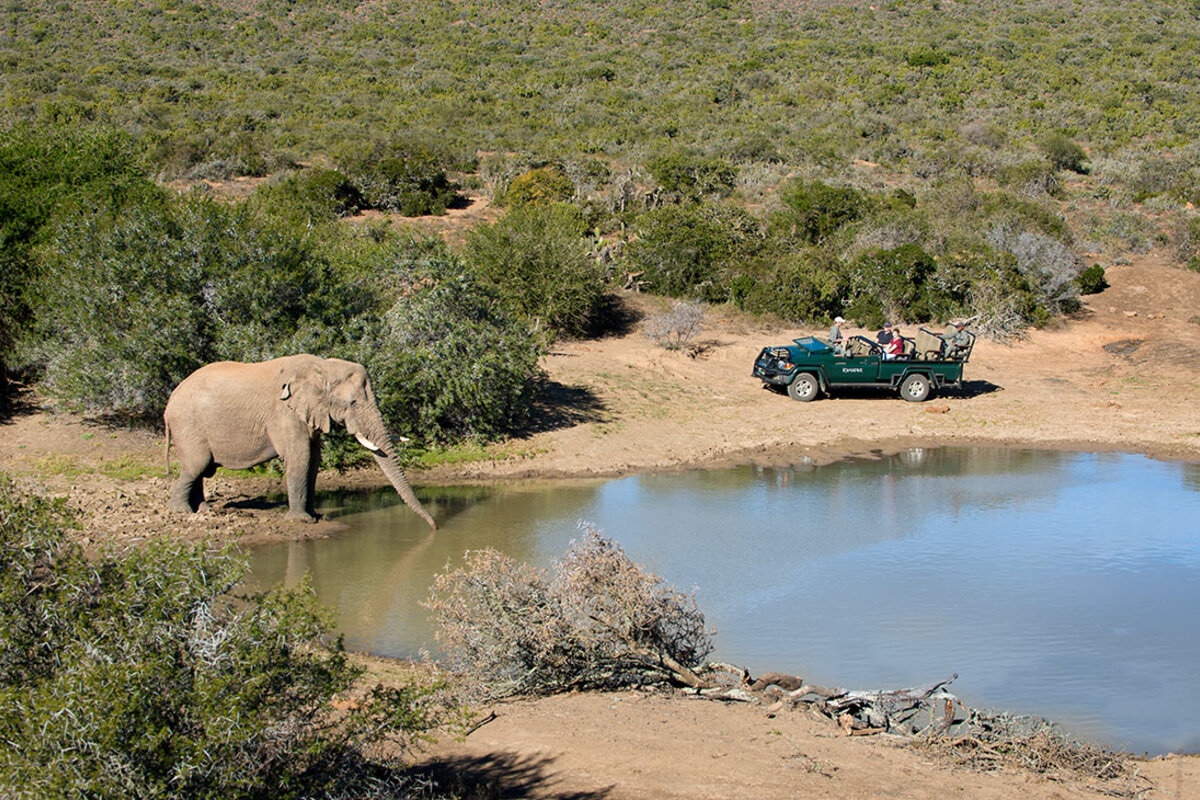
Kariega blends bush and coast, and is the only reserve where you can add a boat-based river cruise to your game drives — a wonderful change of pace and a highlight for families. Pumba is famous for its free-roaming white lions and its beautiful lakeside setting. Amakhala is the family specialist, with the widest choice of lodges and a genuinely child-focused approach. Beyond these, Lalibela and Sibuya round out the field — Sibuya uniquely accessed by boat up the Kariega River, giving arrival a sense of expedition.
When to Go on an Eastern Cape Safari
The best news about timing an Eastern Cape safari is that there is no wrong answer. Being malaria-free and spanning several biomes, the region delivers rewarding game viewing throughout the year — the seasons simply offer different flavours of the same excellent wildlife.
Winter (May to September) is the classic game-viewing season. Cooler, drier weather thins the bush and draws animals to permanent water, so sightings are frequent and easy. Mornings are crisp — pack warm layers for open-vehicle drives — but days are usually clear, sunny and comfortable. This is the peak window for photographers and for anyone whose priority is maximising sightings.
Summer (October to April) transforms the reserves into lush green country. This is calving season, when the plains fill with newborn antelope and the predators that follow them, and it is the best time for birding, with migrant species swelling the count past 300. Days are warm to hot; occasional afternoon showers keep everything vivid. Green-season rates are often lower, and the scenery is at its most beautiful.
Shoulder months — particularly April–May and September–October — offer the finest balance: good weather, strong sightings, fewer visitors and softer rates. If you have the flexibility, these are our favourite windows. For the full national picture, see our best time to visit South Africa guide. Whatever month you choose, the Eastern Cape’s temperate, malaria-free climate means comfortable, worry-free days in the bush.
What to Expect on Your Safari
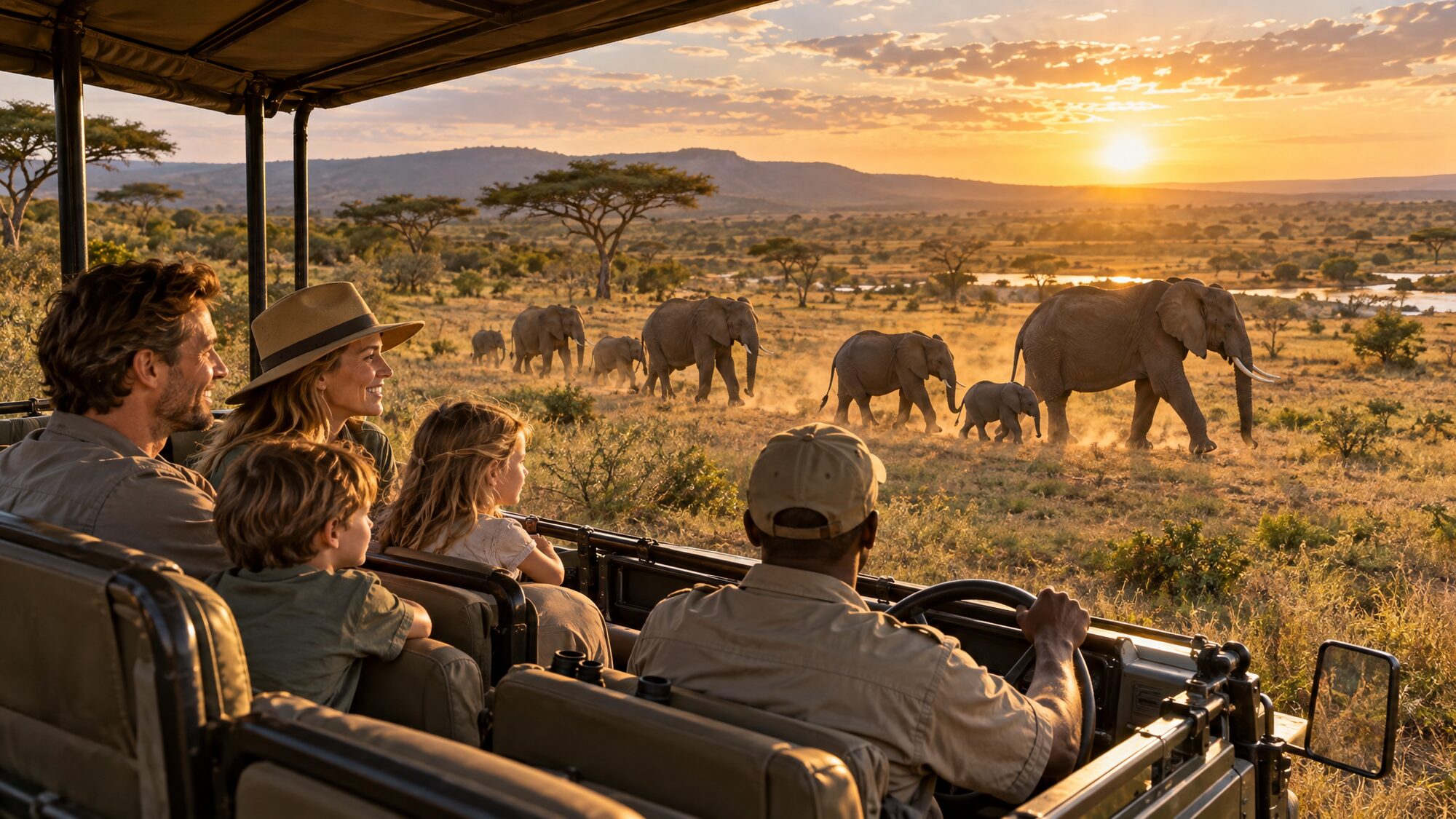
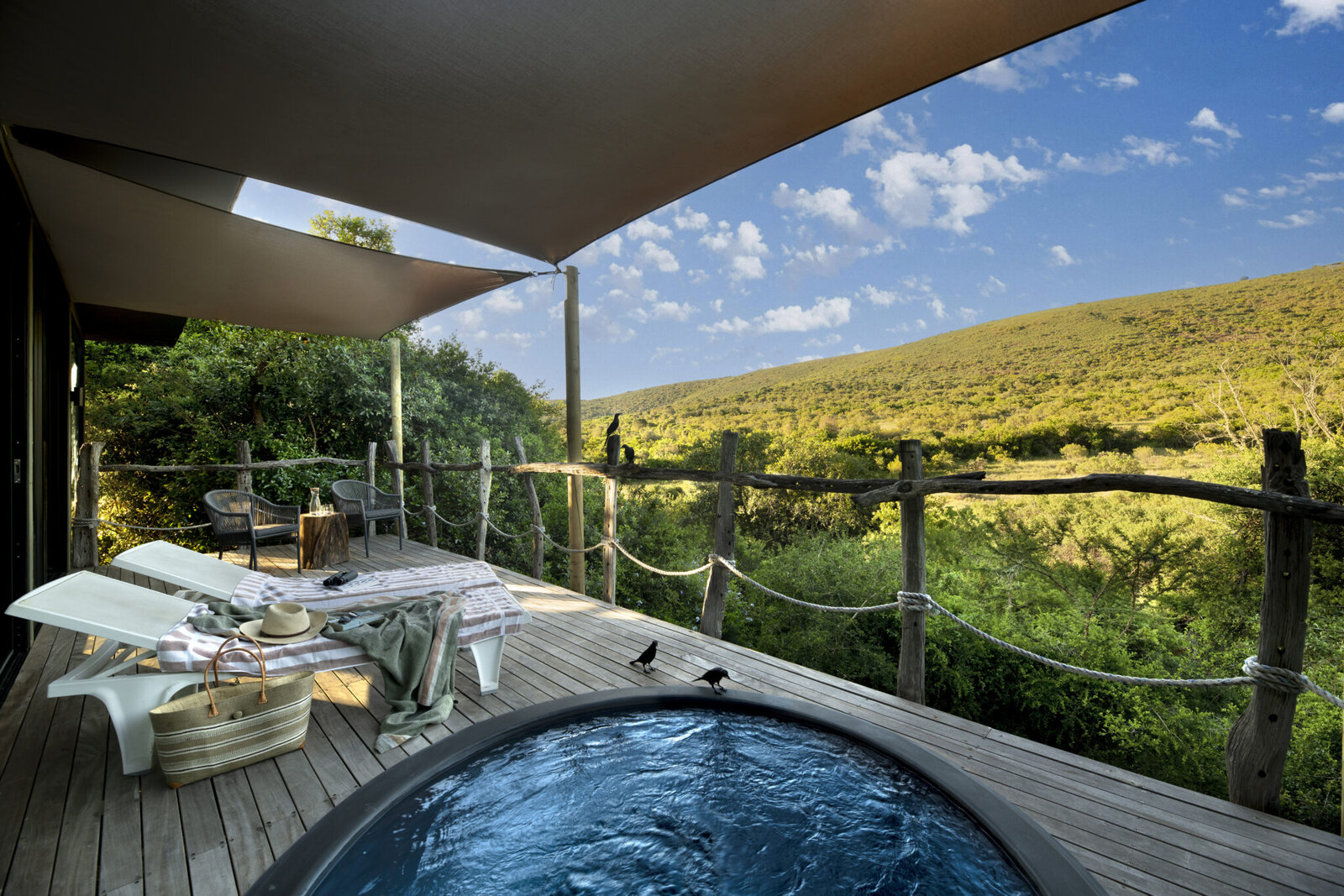
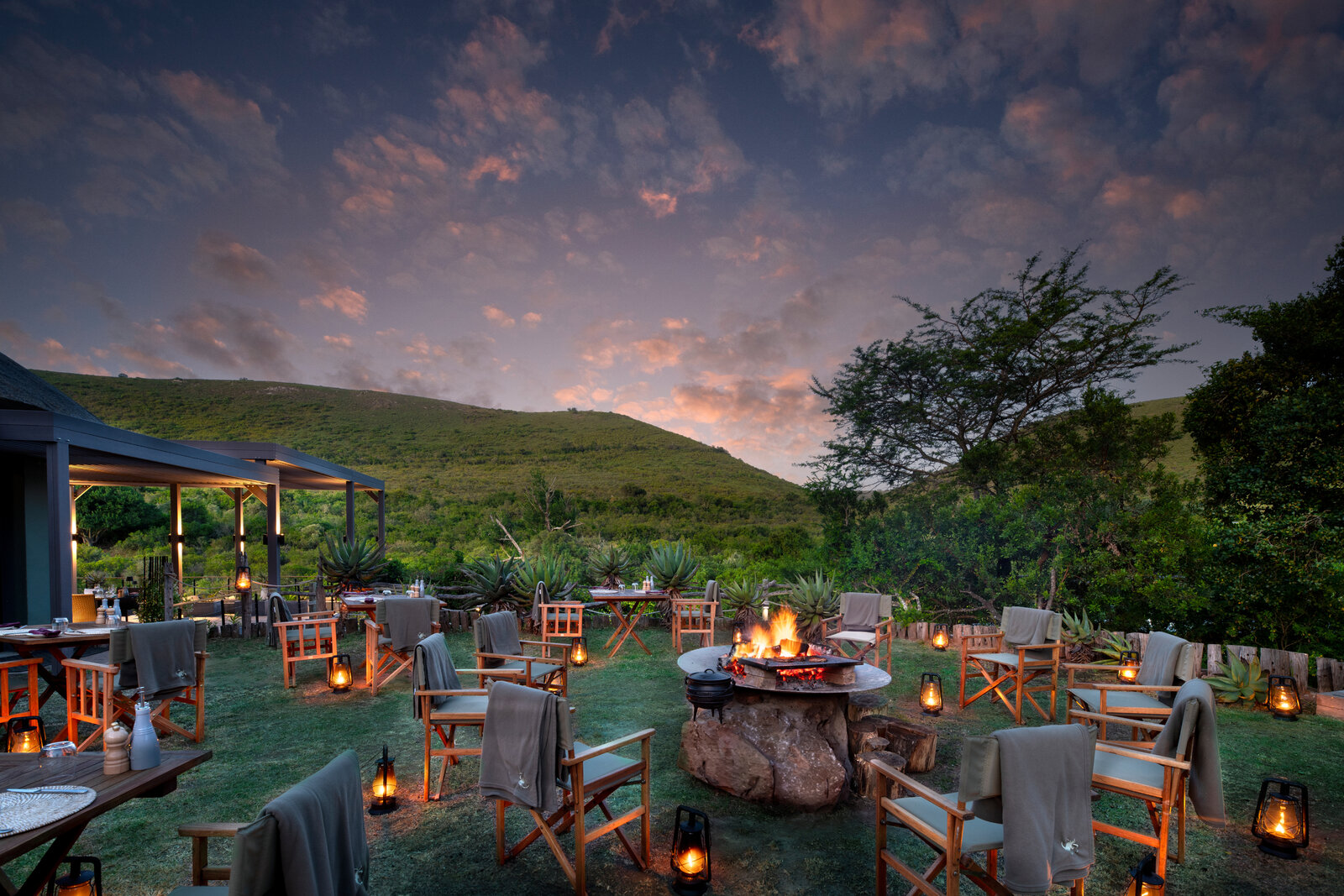
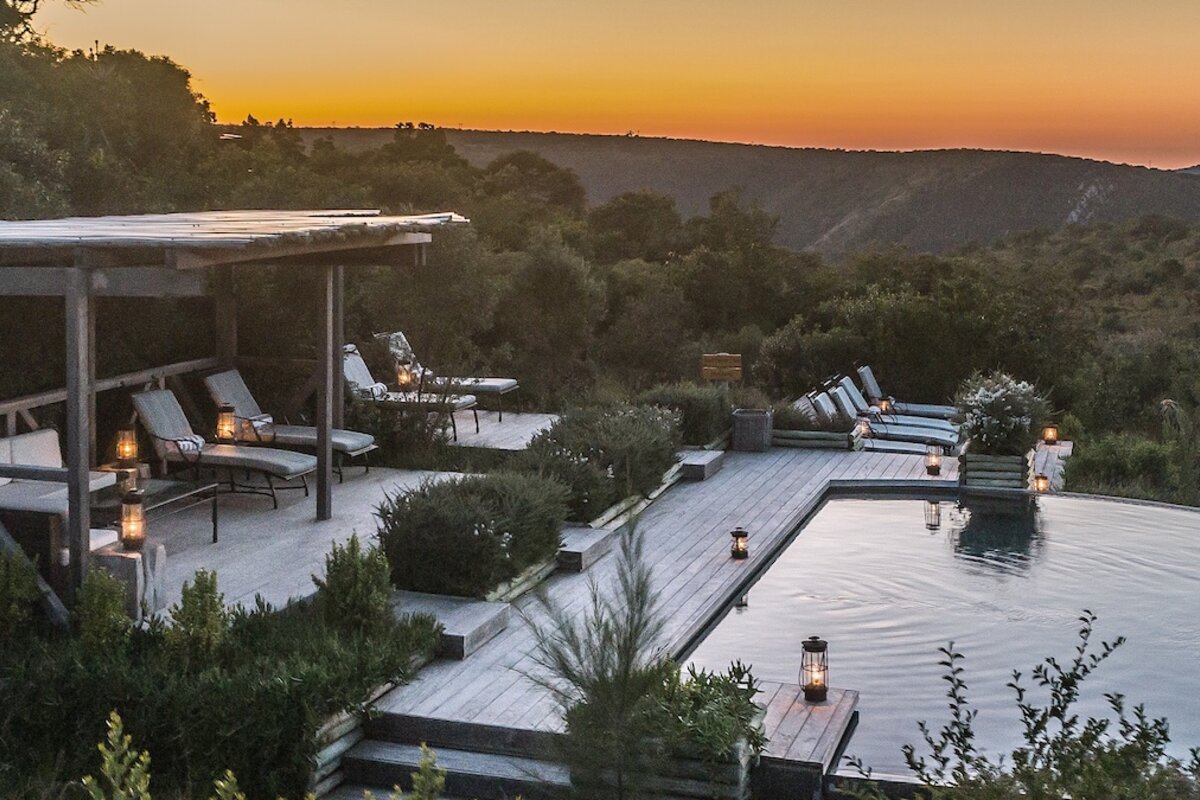
A day on an Eastern Cape safari follows a gentle, timeless rhythm built around the animals’ most active hours. You wake before dawn to coffee and rusks, then head out on the morning game drive as the light turns gold — the best window for predators and general activity. You return mid-morning to a generous brunch, then the day is yours: rest, read on your private deck, take a dip in the plunge pool, or book a spa treatment. As the heat softens, you set out again on the afternoon drive, pausing for sundowners in a beautiful spot before returning after dark, when a candlelit dinner — often around the fire in the boma — caps the day.
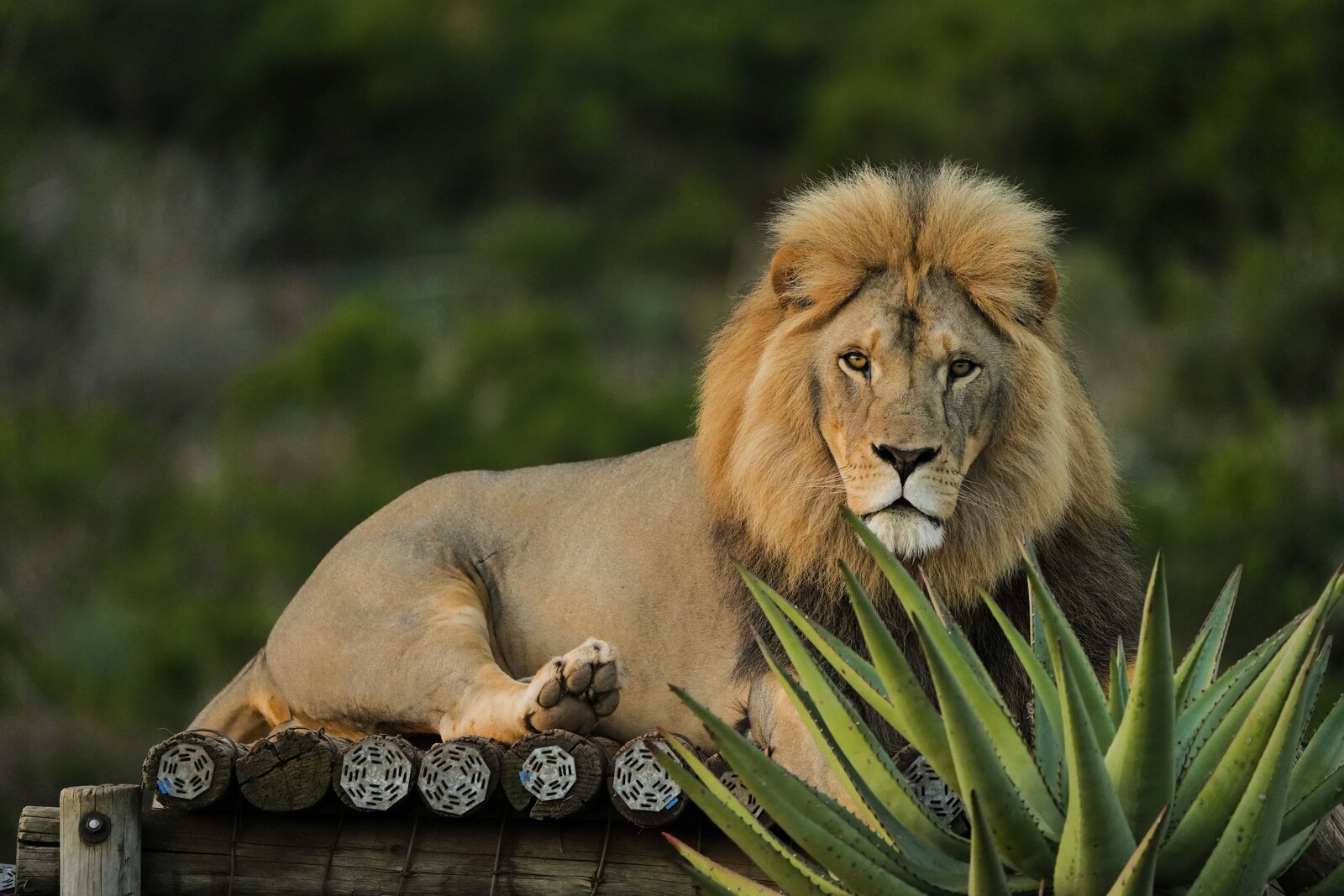
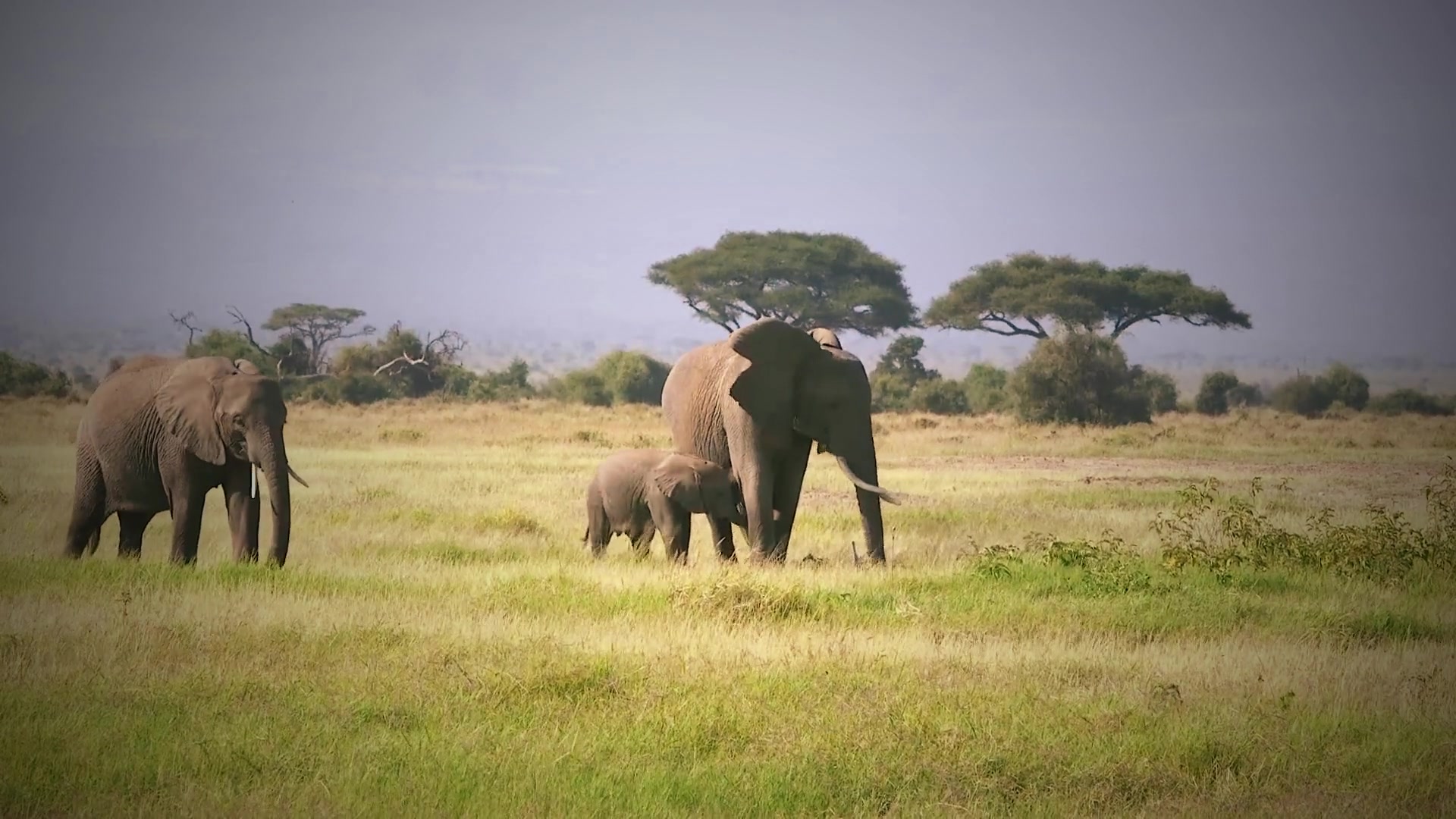
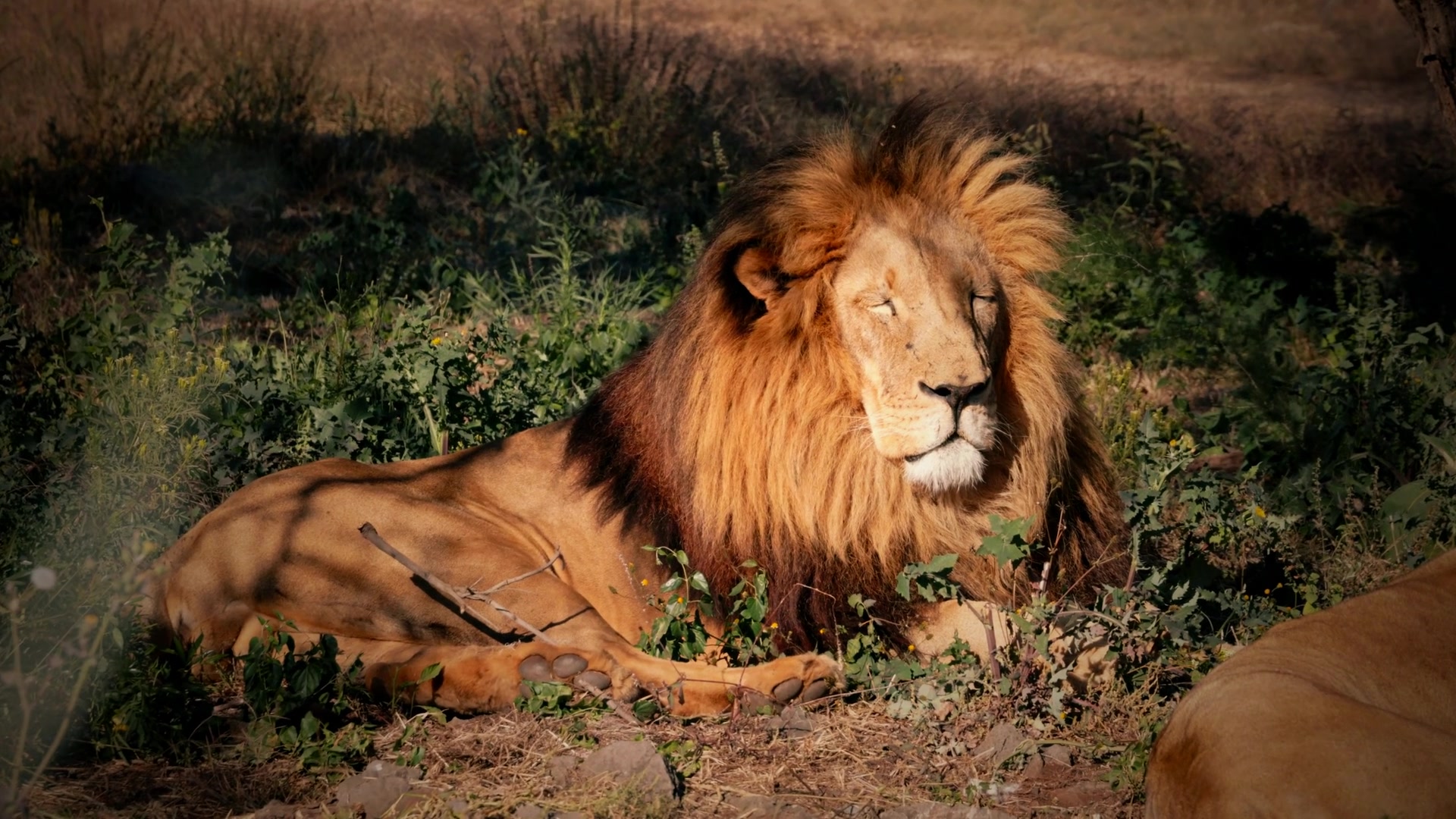
The Big Five and its supporting cast. Lion, elephant, buffalo, rhino and the elusive leopard are the headline acts, and most multi-night stays across a good reserve will show you all five. But the supporting cast is just as memorable: cheetah on the open plains, giraffe browsing the acacias, zebra and wildebeest, hippo in the rivers, and free-roaming white lions at Pumba. Birders are spoilt, with everything from secretary birds and korhaans to fish eagles and, along the coast, marine species.
Beyond the game drive. The Eastern Cape’s variety of activities is a real strength. Many lodges offer guided bush walks with an armed ranger, bringing the smaller wonders — tracks, dung beetles, medicinal plants — into focus. At Kariega you can swap the vehicle for a river cruise. Reserves such as Shamwari run conservation experiences and, at times, visits to wildlife rehabilitation centres. Add spa treatments, wine tastings and star-lit dinners, and a safari here is as much a wellness retreat as a wildlife expedition.

Tour Formats & Durations
How long should you stay? The honest answer is: as long as you can, but even a short stay delivers. Because sightings come quickly on well-stocked private reserves, a two- or three-night tour can already show you the Big Five, while a week-long combination lets you weave the bush into a full South African journey. The table below matches duration to experience.
| Duration | What You’ll Experience | Ideal For | Sample Itinerary |
|---|---|---|---|
| 2–3 days | A quick Big Five taster — four to six game drives, good odds on all five, one reserve | Add-on to a Cape Town trip, short breaks, first-timers testing the water | 3-Day Malaria-Free Quick Escape |
| 4–5 days | A complete safari — time for all Big Five, bush walks, river cruise, and to truly unwind | Couples, families, the classic stand-alone safari | 5-Day Classic Eastern Cape Safari |
| 6–7 days | Two reserves or safari plus Garden Route/Cape Town — depth, variety and no rush | First trip to South Africa, honeymoons, once-in-a-lifetime trips | 7-Day Grand Combination |
| 8+ days | The full South African loop — city, wine, coast and multiple reserves at a relaxed pace | Bucket-list travellers, multi-generational family trips | 12-Day Cape, Coast & Bush grand tour |
Sample Itinerary 1 — 3-Day Malaria-Free Quick Escape
Perfect as an add-on to a Cape Town holiday. From around US$1,200–2,500pp all-inclusive.
- Day 1: Morning flight from Cape Town to Gqeberha, road transfer to your private-reserve lodge, lunch, then your first afternoon game drive and sundowners.
- Day 2: Full day of safari — dawn game drive, leisurely brunch, an optional bush walk or spa afternoon, then a second drive ending with dinner in the boma.
- Day 3: A final early-morning drive to tick off any remaining Big Five, breakfast, and transfer back for your onward flight.
Sample Itinerary 2 — 5-Day Classic Eastern Cape Safari
Two reserves, a complete Big Five experience. From around US$2,200–4,500pp all-inclusive.
- Days 1–2: Fly in and settle at your first reserve — say Shamwari or Amakhala — for two nights of twice-daily drives, focusing on lion, elephant and buffalo.
- Day 3: Transfer to a contrasting second reserve, such as Kariega for a river cruise or Kwandwe for exclusivity, arriving for an afternoon drive.
- Days 4–5: Two more nights of game drives, bush walks and downtime, rounding out the Big Five and enjoying the different landscape, before your departure transfer.
Sample Itinerary 3 — 7-Day Grand Combination
Safari + Garden Route + Cape Town in one seamless loop. From around US$3,500–6,000pp.
- Days 1–2: Cape Town — Table Mountain, the V&A Waterfront, Cape Point and a day in the Winelands for wine tasting.
- Days 3–4: Drive or fly along the Garden Route — Knysna, the forests and the coast — with a night on the way east.
- Days 5–7: A Big Five finale at an Eastern Cape private reserve — three nights of game drives and lodge life — before flying home from Gqeberha or back via Cape Town.



Planning & Booking Your Eastern Cape Safari
Planning an Eastern Cape safari is refreshingly straightforward, but a few practical points make the difference between a good trip and a flawless one.
Getting there. Almost every tour starts at Gqeberha (Port Elizabeth) airport, a one-hour flight from Cape Town or two hours from Johannesburg. From there it is a one- to two-hour road transfer to most reserves, usually arranged as part of your package. Fly-in tours can land you on a lodge airstrip for the ultimate in convenience.
What is included. At private-reserve lodges from mid-range upward, your rate is fully inclusive: accommodation, all meals, most drinks, twice-daily game drives with a ranger and tracker, and park and conservation fees. What sits outside the rate is usually flights, gratuities (budget around US$15–25 per person per day), premium drinks and optional extras such as spa treatments. Our Eastern Cape safari cost guide breaks this down tier by tier.
Lead times. Book flagship suites and exclusive-use villas four to nine months ahead for peak dates (December–January and June–August); shoulder-season stays can often be arranged two to three months out. Self-drive Addo accommodation should be secured early for school holidays.
What to pack. Neutral, layered clothing (mornings are cold on open vehicles even in summer), a warm jacket and beanie for winter drives, a wide-brimmed hat and sunscreen, binoculars, a good camera, and any personal medication. No antimalarials are needed — one of the region’s great conveniences. For deeper reserve-by-reserve planning, our Eastern Cape private game reserves overview and packages guide are the natural next reads.
Combining Your Safari with Cape Town & the Garden Route
The Eastern Cape’s trump card is its position at the end of the Garden Route. Rather than a stand-alone safari, most travellers weave it into a single loop that takes in South Africa’s greatest hits:
- Cape Town — Table Mountain, Cape Point, the V&A Waterfront and the beaches.
- The Winelands — Stellenbosch and Franschhoek for world-class wine and food.
- The Garden Route — Hermanus whale watching, Knysna’s lagoon and the coastal forests.
- The Eastern Cape — a Big Five finale at a malaria-free private reserve.
This routing spreads your international airfare across a far richer trip — and avoids the extra domestic flight north that a Kruger safari requires. See our Cape Town to Eastern Cape safari guide for the routing detail.
How to Choose the Right Tour
With so many reserves and formats, the best tour is simply the one that fits your priorities. The decision matrix below is our quick-reference guide; underneath, a few words on each traveller type.
| Reserve | Best For | Price | Vibe |
|---|---|---|---|
| Shamwari | All-rounders, first-timers | $$–$$$$ | Polished, proven, conservation-led |
| Kwandwe | Privacy, honeymoons, groups | $$$–$$$$ | Exclusive, spacious, serene |
| Addo | Value, self-drive, elephants | $–$$ | Independent, affordable, iconic |
| Kariega | Value luxury, river cruises | $$–$$$ | Scenic, relaxed, great value |
| Pumba | White lions, lakeside luxury | $$$ | Distinctive, romantic |
| Amakhala | Families, flexible budgets | $$–$$$ | Welcoming, child-friendly |
- If you want the safest first safari: A lodge-based stay at Shamwari or Amakhala — proven, comfortable and full of Big Five.
- If you are travelling with children: Amakhala or Kariega, malaria-free with family lodges and activities such as river cruises. See our family safari guide.
- If you want maximum luxury: Kwandwe Great Fish River or Shamwari Eagles Crag — covered in our luxury Eastern Cape safari guide.
- If you want total privacy: An exclusive-use villa at Kwandwe — see our private Eastern Cape safari tours guide.
- If value is everything: Self-drive Addo, or Kariega for premium comfort at a saving. Our cost guide shows every tier. For a wider comparison, see malaria-free safaris in South Africa.
Plan Your Eastern Cape Safari
Tell us your dates, who is travelling and the experience you have in mind, and our specialists will craft a private, malaria-free Big Five safari tailored to you — the right reserve, the right lodge, the right tour length, with complete transparency on every cost before you commit.