We're Open8am–6pm SAST
WishlistPartner Portal
← Back to BlogCape Town

Is Cape Town Safe? A Local's Honest 2026 Safety Guide for Tourists

Audio EditionListen to this article
0:000:00

It is the first question almost every visitor types into Google before booking flights: is Cape Town safe? It is a fair question, and it deserves an honest answer rather than either breathless reassurance or scaremongering. So here it is, from people who live and work in this city every day: Cape Town is safe for the overwhelming majority of travellers who use ordinary common sense — and it is, without exaggeration, one of the most beautiful and rewarding cities on the planet.

Millions of tourists visit the Cape every year. The vast, vast majority go home with nothing more dramatic than sunburn and a camera full of Table Mountain photos. But Cape Town is also a real city in a country with real inequality, and it rewards the traveller who understands how it works. This guide gives you the full, straight picture — the safe areas, the smart habits, the things to avoid, and how travelling with a local removes almost all the worry so you can simply enjoy the Cape.

Quick Answer

Yes, Cape Town is safe for tourists who take sensible precautions. Stay in a well-known neighbourhood (the V&A Waterfront, Atlantic Seaboard, City Bowl or Southern Suburbs), use Uber or a private driver rather than walking after dark, keep valuables out of sight, and explore Table Mountain, the Peninsula and townships with a group or guide. Do that, and your risk is very low.

The easiest way to travel worry-free is with a local guide. Explore our private Cape Town tours with door-to-door hotel pickup, or talk to our Cape Town team.

The Honest Big Picture

South Africa's crime statistics look alarming on paper, and it would be dishonest to pretend otherwise. But raw national numbers tell you almost nothing about your actual experience as a visitor, because crime is heavily concentrated in specific areas far from the tourist map — areas you have no reason to visit and that no reputable guide would take you to. The Cape Town that travellers experience — Table Mountain, the Cape Peninsula, the Winelands, the beaches, the V&A Waterfront — is a well-patrolled, tourism-focused environment where trouble is rare and almost always opportunistic rather than violent.

The city has also had a genuinely good couple of years. The rolling power cuts (loadshedding) that once dominated headlines have largely ended, tourist numbers have surged to record highs, and Cape Town continues to collect global "best city" awards. In short: come with your eyes open and a little street sense, and the odds are firmly in your favour.
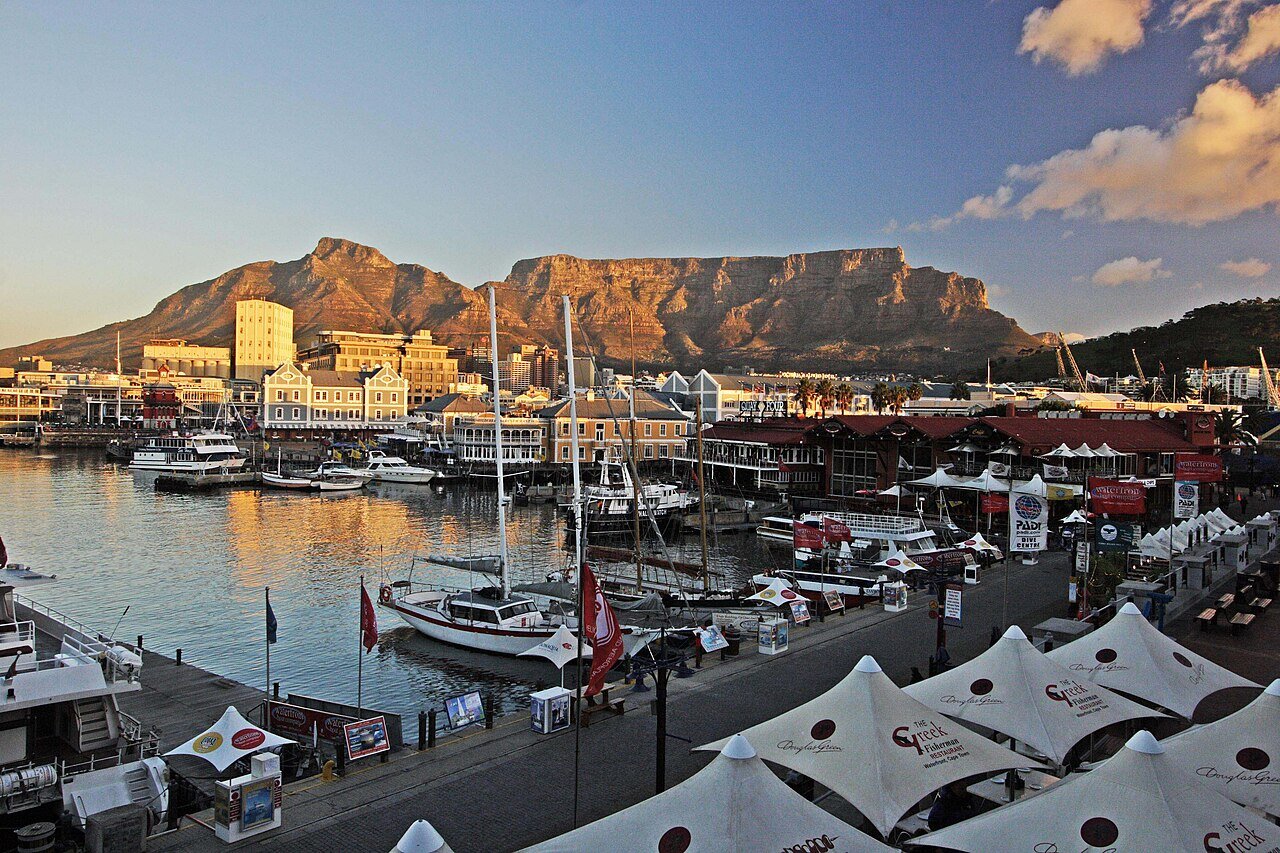
V&A Waterfront and harbour glowing at dusk with Table Mountain behind
The V&A Waterfront — one of the busiest, safest and most-loved spaces in the city.

The Safest Areas to Stay and Explore

Where you base yourself matters more than almost anything else. The good news is that Cape Town's best-loved neighbourhoods are also its safest, and they put you within easy reach of the sights. Our full where to stay in Cape Town guide breaks these down in detail, but the headlines are:

The V&A Waterfront — a secure, gated retail and hotel precinct with its own security, ideal for first-timers, families and cruise passengers. Walkable day and night.

The Atlantic Seaboard — Mouille Point, Green Point, Sea Point, Bantry Bay, Clifton and Camps Bay. Upmarket, scenic and well-patrolled, with the busy Sea Point promenade and Camps Bay beachfront perfect for daytime strolls.

The City Bowl & De Waterkant — the beating heart of the city, with Kloof Street, Bree Street and the Bo-Kaap nearby. Lively and central; simply take an Uber rather than walking quiet side streets late at night.

The Southern Suburbs — leafy, residential Constantia, Newlands and Claremont, close to Kirstenbosch and the Constantia wine estates. Calm and family-friendly.

The False Bay coast — Muizenberg, Kalk Bay and Simon's Town: relaxed seaside villages with a village feel, great cafés and the Boulders penguins on the doorstep.
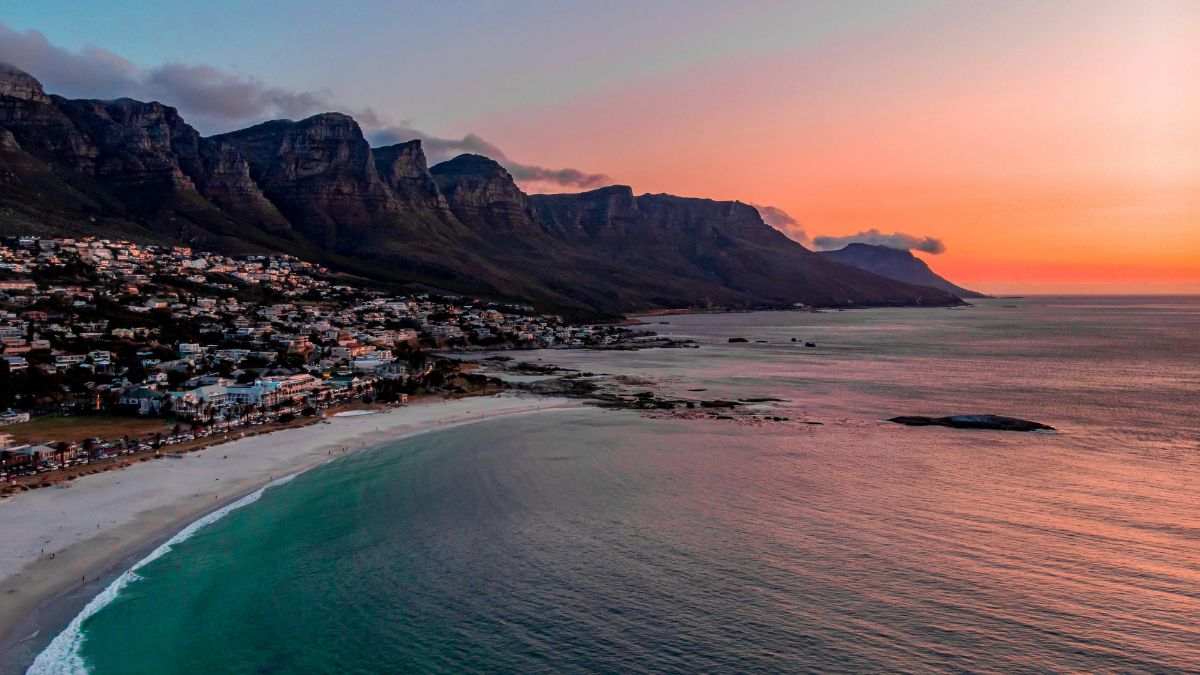
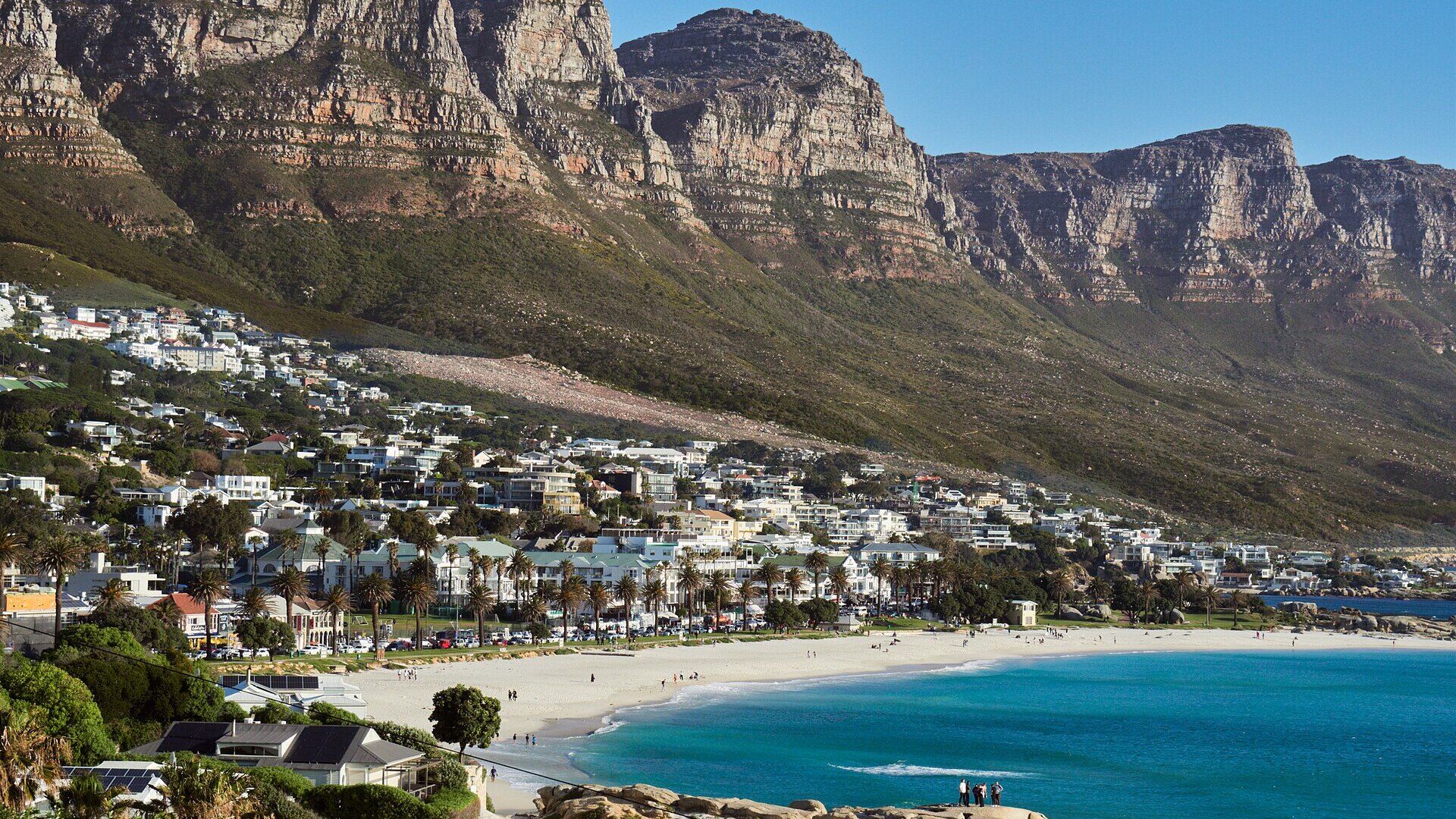
Camps Bay beach below the Twelve Apostles in warm evening light
Camps Bay — a relaxed, well-patrolled beachfront that comes alive at sunset.

Getting Around Safely

How you move around the city is the other half of the safety equation. The single best habit you can adopt is simple: don't walk long distances or through quiet streets, especially after dark — ride instead.

Uber and Bolt are widely available, cheap by international standards, reliable and the default way most visitors get around at night. A private driver-guide is the most comfortable option of all: door-to-door from your hotel, no navigation stress, and someone who knows exactly which routes and stops are worthwhile. The MyCiTi bus is safe and useful on its main routes (airport, Waterfront, Atlantic Seaboard). Avoid unmarked taxis and minibus taxis unless you know the system. For the full breakdown, see our how to get around Cape Town guide.

If you self-drive, keep doors locked and windows up in traffic, never leave anything visible in the car, and don't leave valuables in a parked vehicle — smash-and-grab at traffic lights and break-ins to parked cars are the most common property crimes. Use the marked car guards (in numbered bibs) and tip them a few rand.

Table Mountain and the Trails

Table Mountain is a highlight of any trip and perfectly safe when treated with respect — but it is a genuine mountain, not a theme park. The overwhelming majority of incidents on the mountain are weather-related (people underestimate how fast conditions change) rather than crime, but there have been isolated muggings on quiet, remote trails. The rules are straightforward: never hike alone, stick to popular, busy routes such as Platteklip Gorge, start early, check the forecast, carry water, warm layers and a charged phone, and turn back if the weather turns. Better still, join a guided hike or take the cableway on a calm, clear day. The same "busy routes and daylight" logic applies to Lion's Head and Signal Hill.
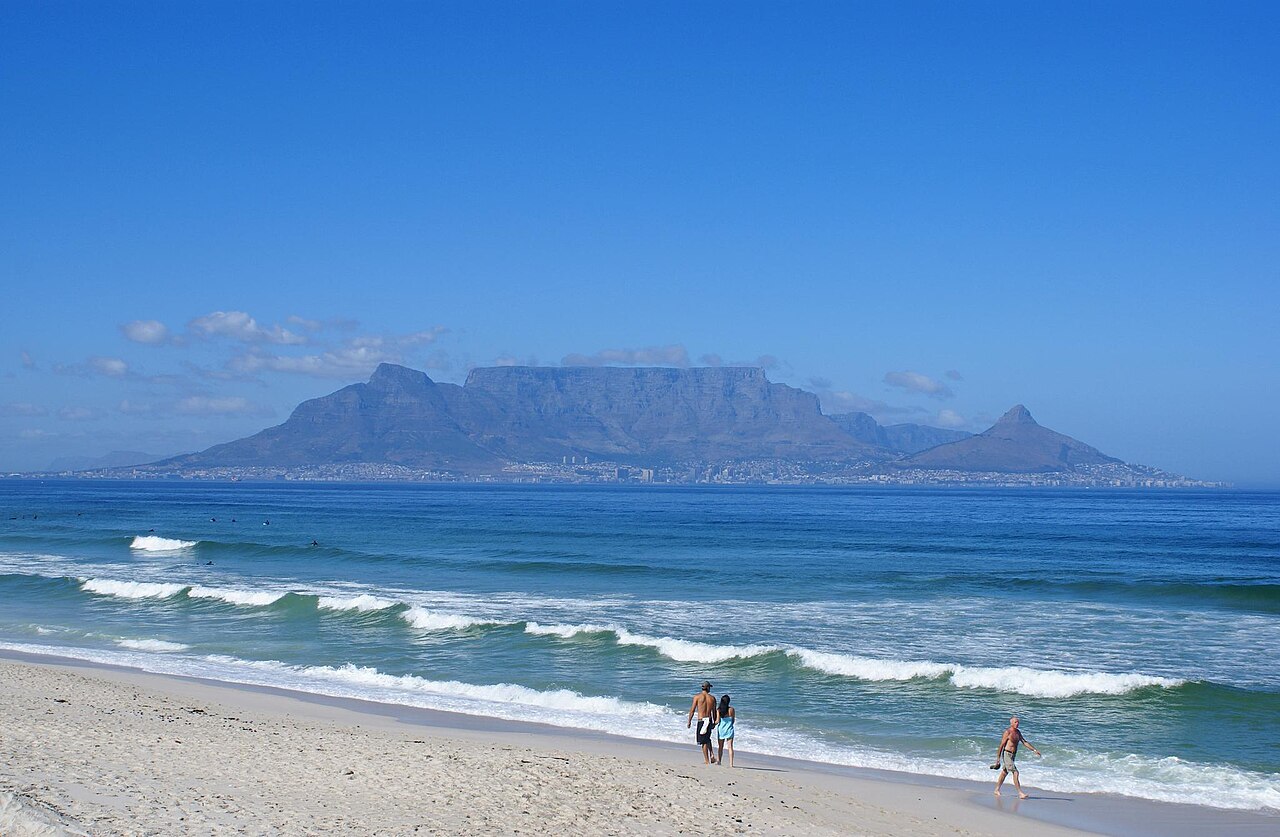
Table Mountain rising above the Cape Town City Bowl under clear skies
Table Mountain rewards the prepared — hike in groups or take the cableway on clear days.

Common Scams and Petty Crime to Sidestep

Serious crime against tourists is rare; opportunistic petty crime is the thing to guard against. Keep these in mind:

Pickpocketing in crowds — keep bags zipped and worn in front of you at markets, the Waterfront and busy attractions.

Smash-and-grab — never leave phones, bags or shopping visible in the car; keep them in the boot or footwell.

Beach and café theft — don't leave belongings unattended on the sand or draped over a chair.

ATM helpers — decline anyone who offers to "help" at an ATM; use machines inside malls or banks.

Street sellers for tours and tickets — book Table Mountain, Robben Island and tours through reputable operators or your hotel, not from people approaching you on the street.

None of this is unique to Cape Town — it is the same common sense you would use in any major city from Barcelona to Rio. Adopt it as habit and you will barely think about it.

Is Cape Town Safe for Families and Solo Travellers?

For families, Cape Town is a dream: penguins at Boulders, the aquarium at the Waterfront, sandy beaches, easy day trips and countless kid-friendly restaurants. Base yourself at the Waterfront or the Atlantic Seaboard, use private transport, and you will have a relaxed, safe trip. See our ideas for a Cape Town family holiday.

For solo travellers, including solo women, the Cape is a popular and manageable destination. The formula is the same — safe neighbourhood, Uber or private driver at night, keep someone informed of your plans, stay aware — with one extra tip: joining small-group or private tours is a brilliant, sociable and safe way to reach the sights that are less comfortable to do alone, from the Peninsula to the townships.
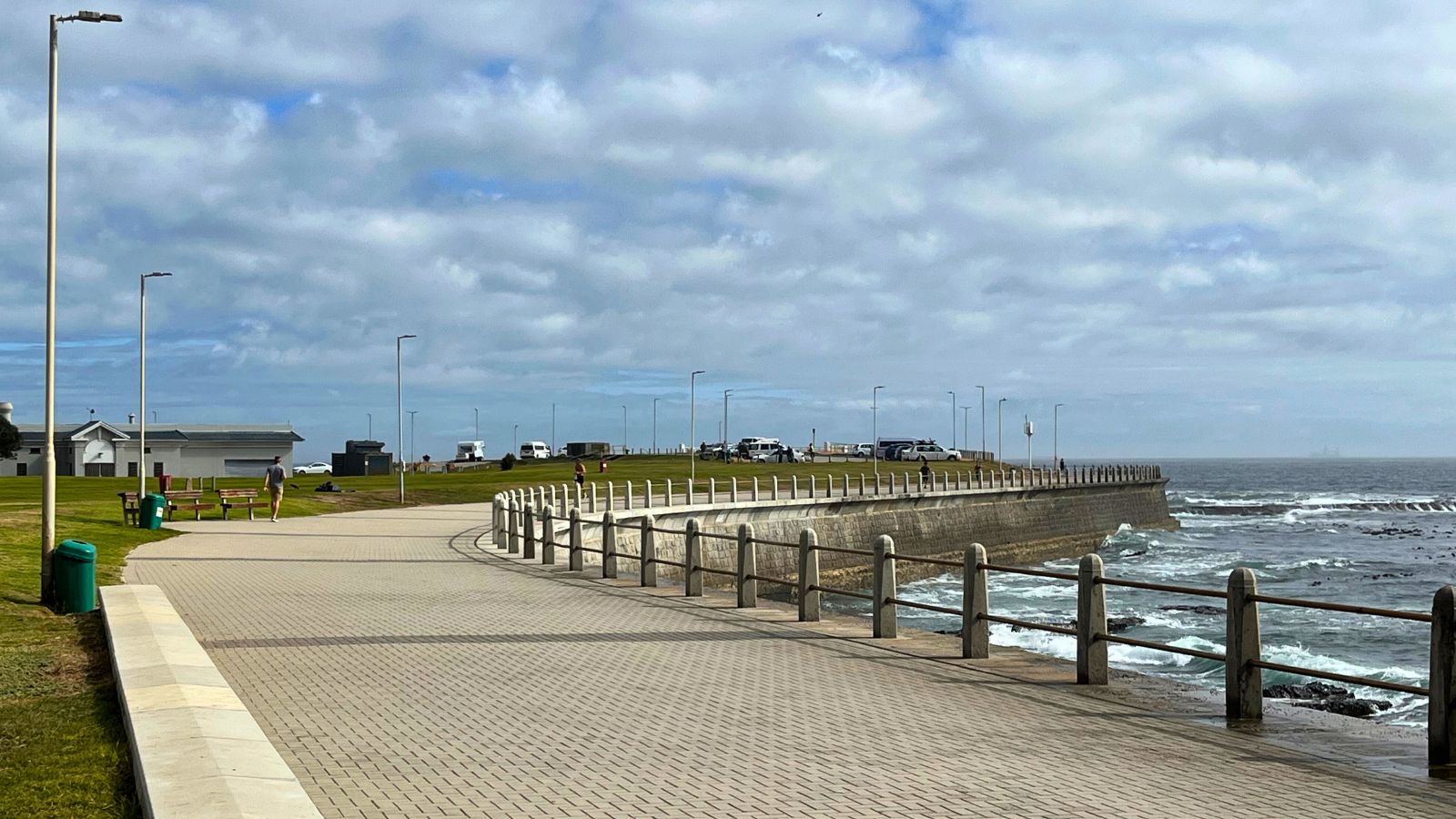
The Sea Point promenade running alongside the Atlantic seaboard
The Sea Point promenade — one of the city's most pleasant, walkable daytime spaces.

Health, Water and Practicalities

Beyond crime, the practical stuff is reassuringly easy. Tap water is safe to drink across the city. Cape Town is a malaria-free region, so no anti-malarials are needed for the city, Peninsula or Winelands (that only applies to certain far northern safari areas). Private hospitals are excellent; take out travel insurance as you would anywhere. Get a local SIM or eSIM on arrival for maps and Uber, keep a charged phone, and note the national emergency number (112 from a mobile). The sun is strong — sunscreen and a hat matter more than you expect.

Why a Private Guide Is the Smartest Safety Decision

If there is one thing that turns "is Cape Town safe?" from a worry into a non-issue, it is travelling with a trusted local. A private guide picks you up at your hotel door, drives you safely to each sight, knows exactly which areas and times are worthwhile, handles the logistics and parking, and simply lets you relax and soak up the beauty. You see more, you stress less, and you get the kind of local insight — where to eat, when to go, what to skip — that no guidebook can match.

Our smart pickup system arranges door-to-door collection from hotels and guesthouses across the Cape, so you are never left navigating unfamiliar streets. Whether it is a full day taking in Table Mountain and the city, a Cape Point and penguins adventure, or a relaxed day in the Winelands, you travel in safe, expert hands.

The Bottom Line

Is Cape Town safe? Yes — for the sensible traveller, overwhelmingly so. Choose a good neighbourhood, ride rather than walk after dark, keep your valuables discreet, treat the mountain with respect, and lean on local expertise for the bigger adventures. Do that, and the only thing that will stay with you is the memory of a city where the mountain meets two oceans and the sunsets go on forever.

Ready to explore Cape Town the easy, safe and unforgettable way? Talk to our local Cape Town team and we will build the perfect worry-free itinerary, with door-to-door pickup and a guide who knows every corner of the Cape.

Frequently Asked Questions

Yes — Cape Town is safe for the vast majority of tourists who use common sense. Millions of visitors travel here each year and have wonderful, trouble-free trips. Like any large city, it has areas of higher crime, but these are almost entirely away from the tourist routes. Stick to well-known neighbourhoods, avoid displaying valuables, use trusted transport rather than walking after dark, and you dramatically reduce any risk. Travelling with a private local guide removes almost all the guesswork.

The safest and most popular areas for visitors are the V&A Waterfront, the Atlantic Seaboard (Sea Point, Green Point, Mouille Point, Camps Bay, Clifton), the City Bowl and De Waterkant, and the leafy Southern Suburbs (Constantia, Newlands). Along the False Bay coast, Simon's Town, Kalk Bay and Muizenberg are relaxed and visitor-friendly. These areas are well-patrolled, walkable in daylight and close to the main attractions.

In busy, well-known areas — the V&A Waterfront, the Sea Point promenade, Camps Bay beachfront, Kalk Bay's main street, Kirstenbosch — daytime walking is comfortable and normal. Be more cautious in the City Bowl streets after dark and avoid walking alone at night, on empty streets, or between distant areas. For anything beyond a short, busy stretch after dark, take an Uber or a private transfer rather than walking.

Cape Town's nightlife is vibrant and most visitors enjoy it without incident, but night-time calls for a little more care. Travel by Uber or a pre-arranged driver rather than on foot, keep phones and valuables out of sight, stay in busy, well-lit areas like the Waterfront, Camps Bay, Kloof Street and Bree Street, and don't leave drinks unattended. Avoid walking through quiet City Bowl side streets late at night.

Many solo travellers, including solo women, visit Cape Town happily every year. The key is the same sensible approach: stay in a safe, central neighbourhood, use Uber or private drivers at night, keep people informed of your plans, and be aware of your surroundings. Joining small-group or private tours is a great way to see the harder-to-reach sights (Table Mountain trails, the Cape Peninsula, townships) safely and in good company.

The most common issues are opportunistic: pickpocketing in crowds, smash-and-grab from cars at traffic lights, and theft of unattended bags on beaches or in cafés. Avoid leaving anything visible in a parked car, keep bags zipped and in front of you in crowds, be wary of overly helpful strangers at ATMs, and only use car guards in the marked bibs. Book tours and tickets through reputable operators rather than street sellers.

Table Mountain is one of the world's great urban hikes, but it should be treated as a real mountain. The safest approach is to hike in a group or with a guide, never alone; start early; check the weather (it changes fast); carry water, layers and a charged phone; and stick to marked routes like Platteklip Gorge. There have been isolated incidents of muggings on quieter trails, so busy routes and guided hikes are strongly recommended. The cableway is a safe, easy alternative on calm, clear days.

You can self-drive Cape Town, and many do, but a private guide or driver is the most relaxing and safest option — especially for first-timers. You skip the stress of unfamiliar roads, parking, navigation and knowing which turn-offs to avoid, and you get local knowledge of exactly where to go and when. For the Cape Peninsula, Winelands and Table Mountain, a guided day is both safer and richer than going it alone.

Make It Happen

Tours & Experiences

Day Tour
4.9

Table Mountain Cableway Ticket from Cape Town

The single most iconic thing to do in Cape Town. Your ticket carries you to the summit of Table Mountain aboard the famous Aerial Cableway, whose floor rotates a full 360° as you rise over 700 metres for uninterrupted views in every direction. On top, easy walkways lead through rare fynbos to a series of breathtaking lookouts over the city, the ocean and the peninsula.

Day Tour
4.9

5-Star Small-Group: Cape of Good Hope, Penguins & Bo-Kaap Tour

The classic Cape Peninsula loop raised to 5-star comfort — smaller groups (max 8 guests), luxury Mercedes vehicles, and a pace that allows you to linger at the highlights. Experience Cape Point's wild beauty, meet the beloved African penguins at Boulders Beach, cruise scenic Chapman's Peak Drive, and photograph the vibrant Bo-Kaap. This is the peninsula tour for travellers who value comfort, attention to detail and unhurried exploration.

Day Tour
4.9

Shark Cage Diving Private Boat Tour to Gansbaai

Gansbaai is the great white shark capital of the world, and this private full-day adventure puts you right in the heart of the action. Travel from Cape Town along the scenic coast to Kleinbaai Harbour, board your own private boat with an expert crew, and descend into a secure cage as great white sharks — and the playful bronze whalers and copper sharks — glide past just inches away. With light breakfast, lunch and all dive gear included, this is the ultimate bucket-list ocean encounter.

Day Tour
4.8

Cape of Good Hope, Penguins, Seals & Chapman's Peak Shared Tour

The most popular of all Cape Town tours, and for good reason. This small-group shared day sweeps you around the entire Cape Peninsula — from the seal colony at Duiker Island and the cliff-hugging curves of Chapman's Peak Drive to the legendary Cape of Good Hope and the endearing African penguins of Boulders Beach. A perfect first-day overview of everything that makes the Cape unforgettable.

Day Tour
4.8

Hermanus Whale Watching Boat Cruise & Penguins from Cape Town

Hermanus is one of the finest land- and boat-based whale watching destinations on Earth. This full-day tour takes you along the scenic coast to Walker Bay, where a permitted whale watching boat cruise brings you close to southern right whales as they breach, lobtail and nurse their calves (in season, roughly June–November). You will also stroll Hermanus's famous cliff path and meet the charming African penguin colony at Stony Point in Betty's Bay.

Day Tour
4.8

Cape Winelands Private Tour to Stellenbosch and Franschhoek

Design your perfect wine day with this fully private tour of the Cape Winelands. Your personal guide takes you through the oak-lined streets of Stellenbosch, over the Helshoogte Pass to the French-flavoured village of Franschhoek, and to three wine estates of your choosing (or let us recommend the best). Flexible, unhurried and tailored to your taste — this is winelands exploration done your way.

Ready to experience it yourself?

Let our local experts craft a private journey around the places you just read about.

Explore ToursPlan My Trip
Curated For You

You May Also Like

Table Mountain glowing above the Cape Town City Bowl and harbour at golden hourCape Town

One Day in Cape Town — The Perfect One-Day Itinerary (2026)

One day in Cape Town is never enough — but it's plenty to fall head over heels. Whether you're on a cruise stopover, a long layover or the first day of a bigger trip, this perfectly-paced one-day itinerary takes you from the summit of Table Mountain through the colourful Bo-Kaap and City Bowl to the buzzing V&A Waterfront, with a Cape Peninsula alternative for those who'd rather chase penguins and Cape Point. Here's how to see the best of the Mother City in 24 hours.

22 Jul 2026 · 14 min
Table Mountain glowing above the Cape Town City Bowl and harbour at golden hourCape Town

2 Days in Cape Town — The Perfect 48-Hour Itinerary (2026)

Two days in Cape Town is the sweet spot — enough to see the icons without rushing, enough to fall completely in love. This perfectly-paced 48-hour itinerary gives you the city and the mountain on Day 1 — Table Mountain, the colourful Bo-Kaap, the historic City Bowl, the buzzing V&A Waterfront and a Signal Hill sunset — then hands you the wild, wind-carved Cape Peninsula on Day 2, from Chapman's Peak Drive to Cape Point and the beloved Boulders penguins. Here's how to make every one of your 48 hours count.

22 Jul 2026 · 15 min
Thousands of wildebeest crossing the Mara River on a wildebeest migration safari package in the Serengeti and Masai MaraSafari

Wildebeest Migration Safari Packages: The Complete 2026 Guide to Prices, Dates & the Best Trips

The Great Wildebeest Migration is the single greatest wildlife spectacle on Earth — over two million wildebeest, zebra and gazelle moving in an endless loop across the Serengeti and Masai Mara. This is the complete guide to migration safari packages for 2026 and 2027: what each package includes, honest prices, exactly when and where to go, and how to lock in the trip of a lifetime before the best camps sell out.

18 Jul 2026 · 16 min read
Simple, Personal, Expert-Led

How It Works

From first message to the trip of a lifetime — planning your safari with us is effortless.

  1. 1

    Share Your Dream

    Tell us who is travelling, your dates and what you long to see. One quick message is all it takes to begin.

  2. 2

    We Design It

    Your specialist crafts a private, tailor-made itinerary — the right camps, the right season, every detail considered.

  3. 3

    Refine Together

    We fine-tune the journey with you until every day feels perfect, then handle flights, transfers and permits.

  4. 4

    Travel With Confidence

    Set off knowing every detail is handled and a dedicated specialist is on call from your first game drive to home.

Your Journey Starts Here

Let Our Experts Craft Your Perfect Safari

Every itinerary is handcrafted by our team of local specialists who have spent 18+ years exploring Southern and East Africa. From Big Five game drives to gorilla trekking — we create journeys that stay with you forever.

Start PlanningChat with Us
Chat