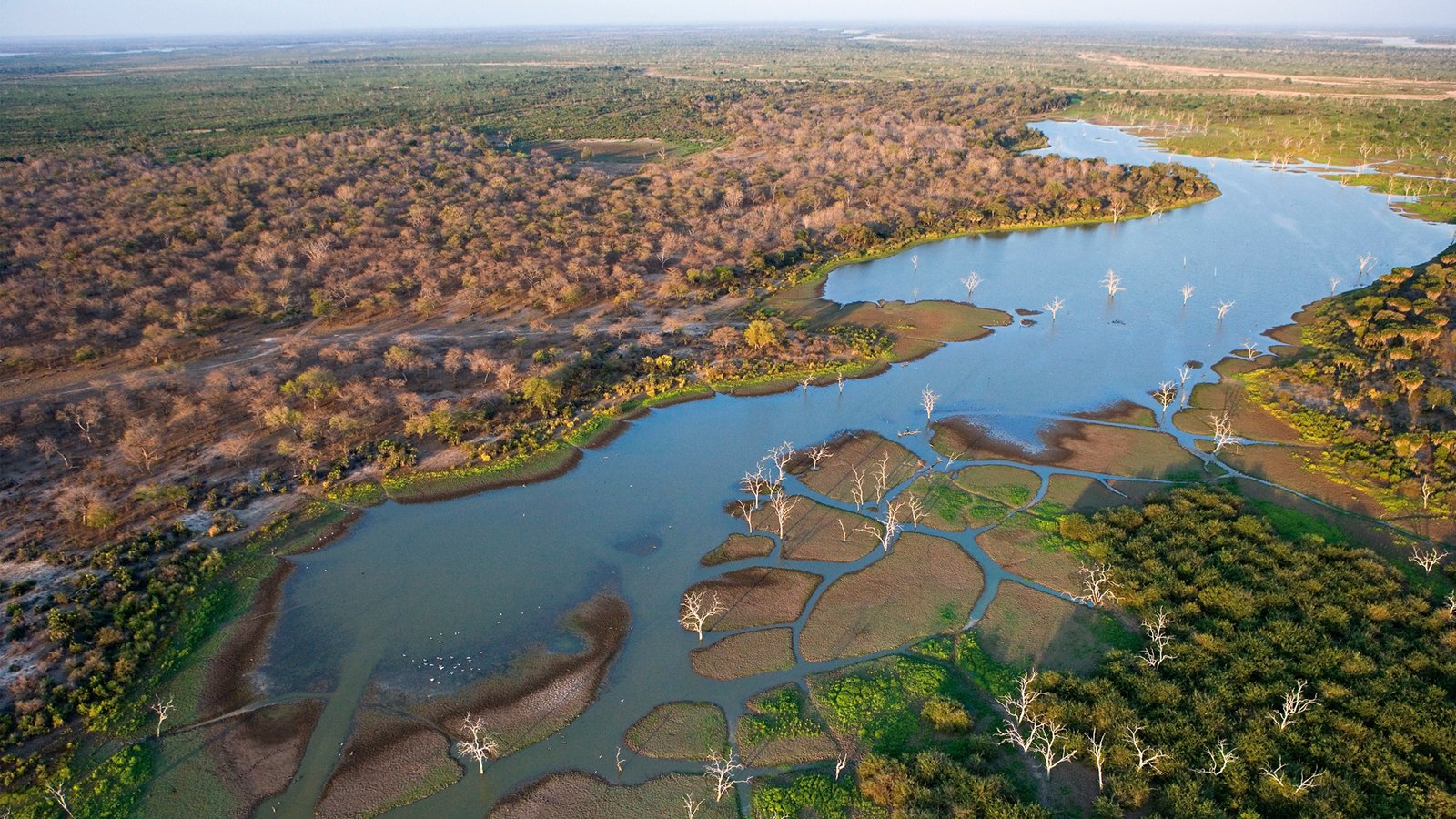
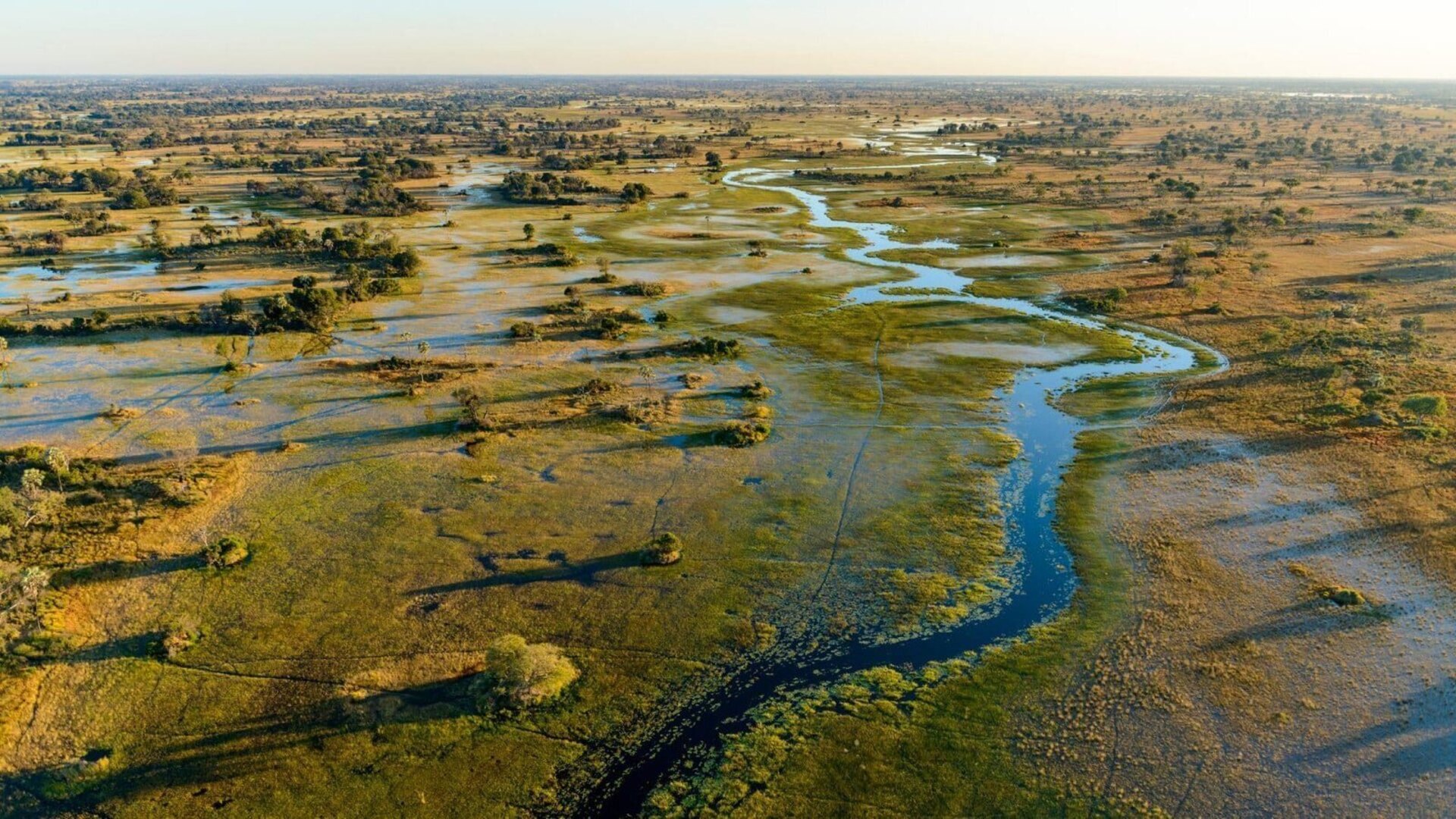
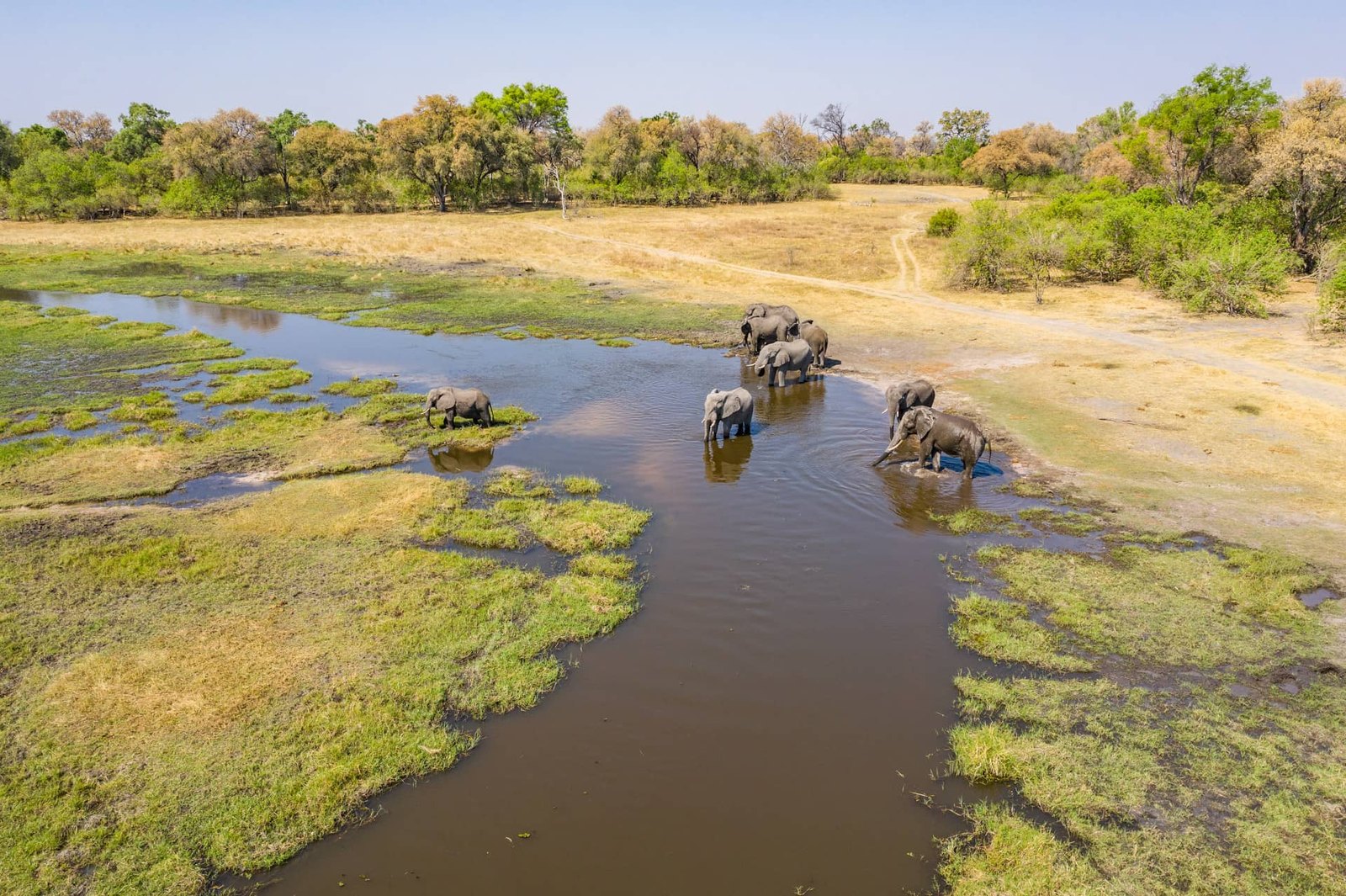
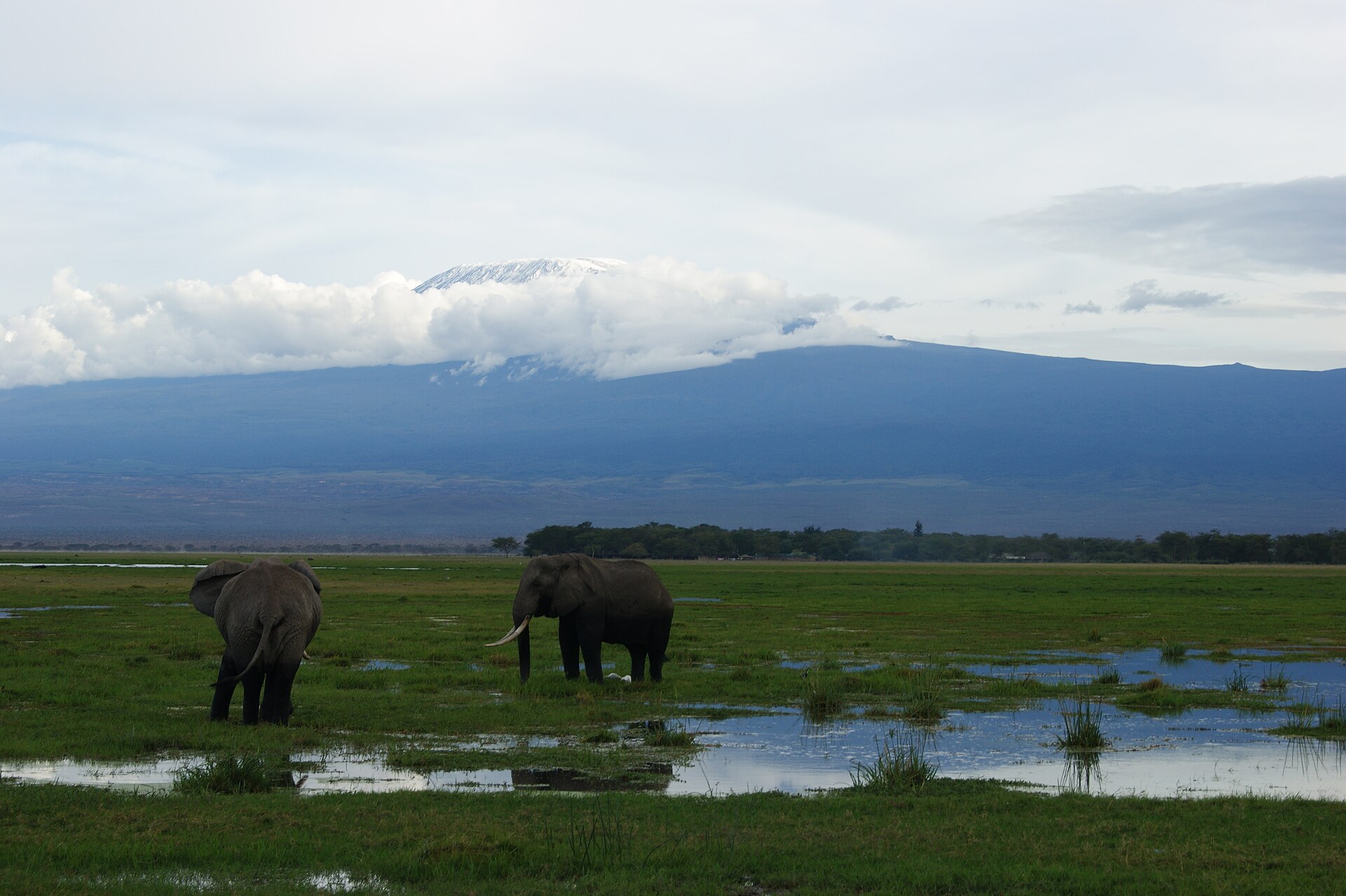
Khwai is where the rules relax and the wild takes over. On the northeastern edge of the Okavango Delta — just across the river from the Moremi Game Reserve — lies a slender ribbon of floodplain, riverine forest, and mopane woodland that punches far above its size. This is the Khwai Community Area, a community-owned concession where tourism revenue flows straight back to a Batswana village, and where you can do the very things Botswana's national parks forbid: drive off-road to a leopard in a tree, walk the bush with an armed guide, drift down the channels in a mokoro, and spotlight the hunters of the night. The Khwai River is the lifeline — a permanent thread of water that draws elephant, buffalo, lion, and Africa's most endangered predator, the painted wild dog. Khwai is not a manicured park. It is raw, flexible, and intimate, and it remains one of the most rewarding safari areas in all of northern Botswana.
We match your Khwai stay to the water, the season, and the wildlife on the ground right now — a fly-in lodge in the exclusive private reserve, a mobile camp in the community concession, or a self-drive route linking Moremi, Khwai, Savuti, and Chobe. We tell you what the concession is delivering this month, not what a brochure promised five years ago.
At a glance, the Khwai Community Area sits on the northeastern edge of the Okavango Delta, bordering Moremi, managed by the Khwai Development Trust for the village of roughly 400 residents. It is famous for wild dogs, leopards, night drives, walking safaris, and mokoro trips — and the best time to visit is May to October (dry season peak).
Why Go
- Night drives — spotlight leopards, genets, bush babies, porcupines, and hunting predators after dark, impossible in the neighbouring national park
- Walking safaris — track wildlife on foot with an armed guide, reading the bush at ground level
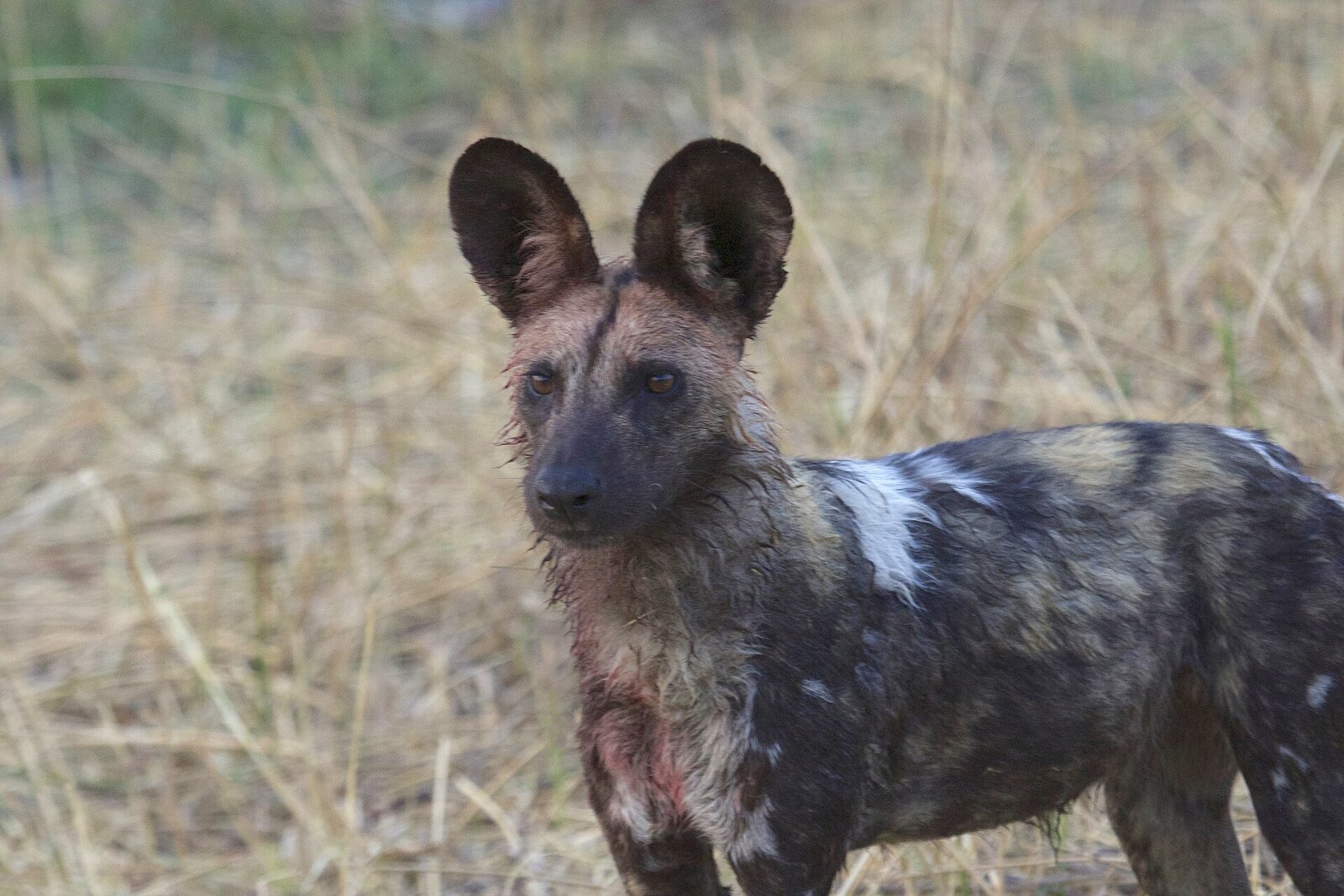
- African wild dogs — one of Botswana's most reliable areas for painted dogs, which den here with pups in the dry winter
- Off-road game viewing — vehicles can leave the track to follow a sighting, delivering unmatched leopard and predator encounters
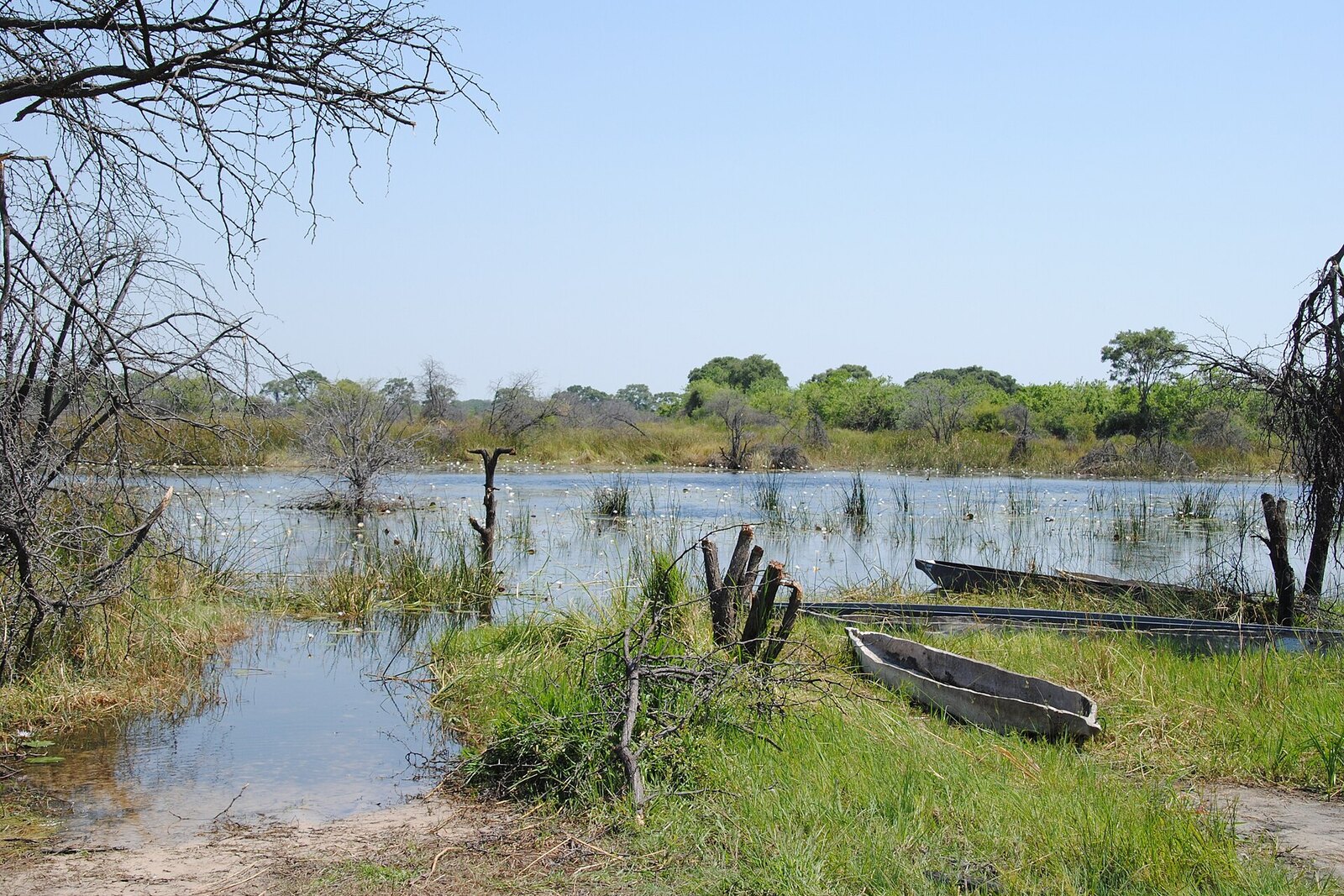
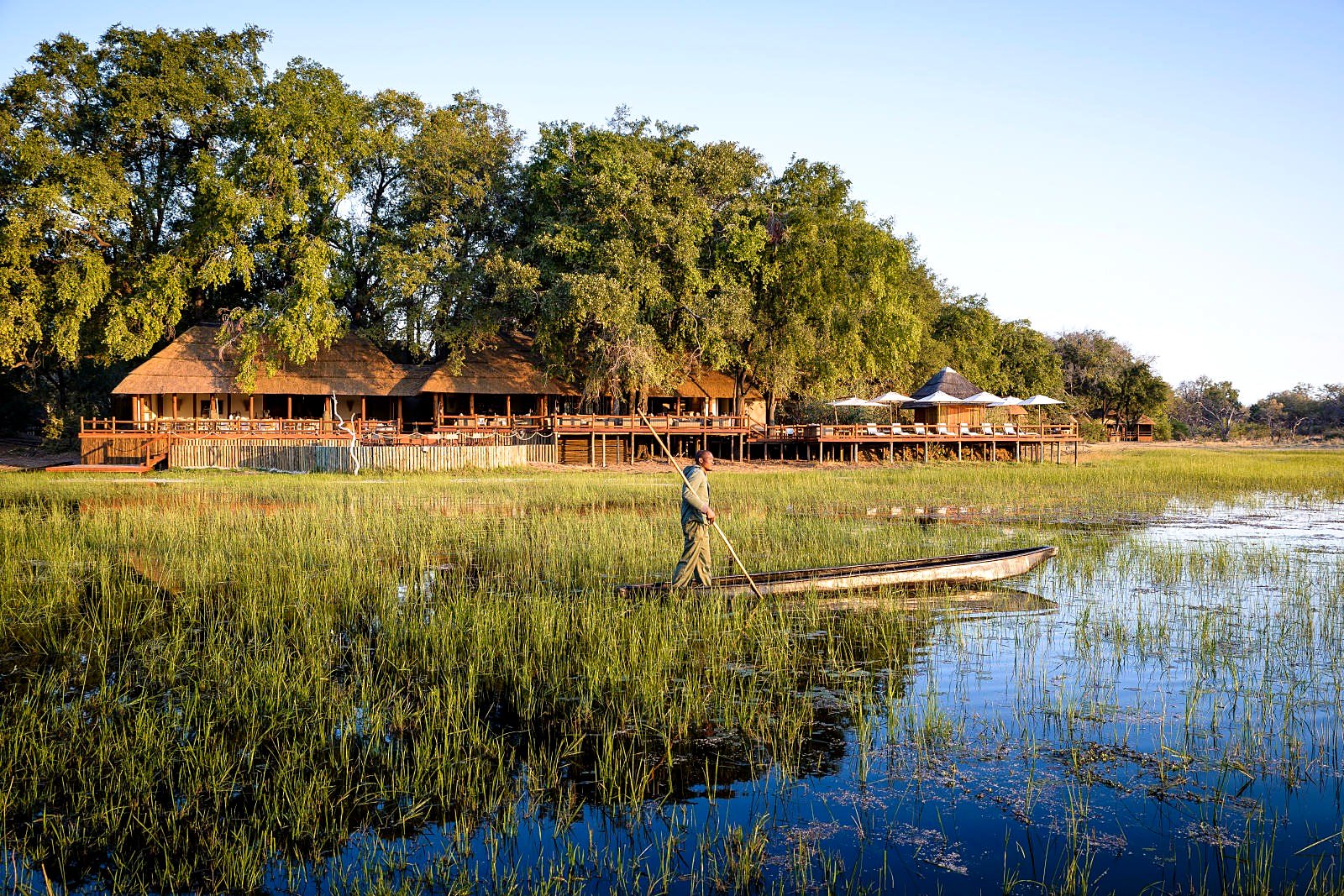
- Mokoro excursions — glide the Khwai River channels by dugout canoe when water levels allow
- Community-owned conservation — your visit directly funds the Khwai village through the Khwai Development Trust
- A perfect Delta gateway — combine Khwai with Moremi, Savuti, and Chobe on a classic northern Botswana circuit
🌊 Planning Your Botswana Safari?
For the complete Botswana safari resource — expert guides, honest costs, luxury lodges, curated itineraries, and everything you need to plan your trip — visit our comprehensive hub:
View Complete Botswana Safari Hub →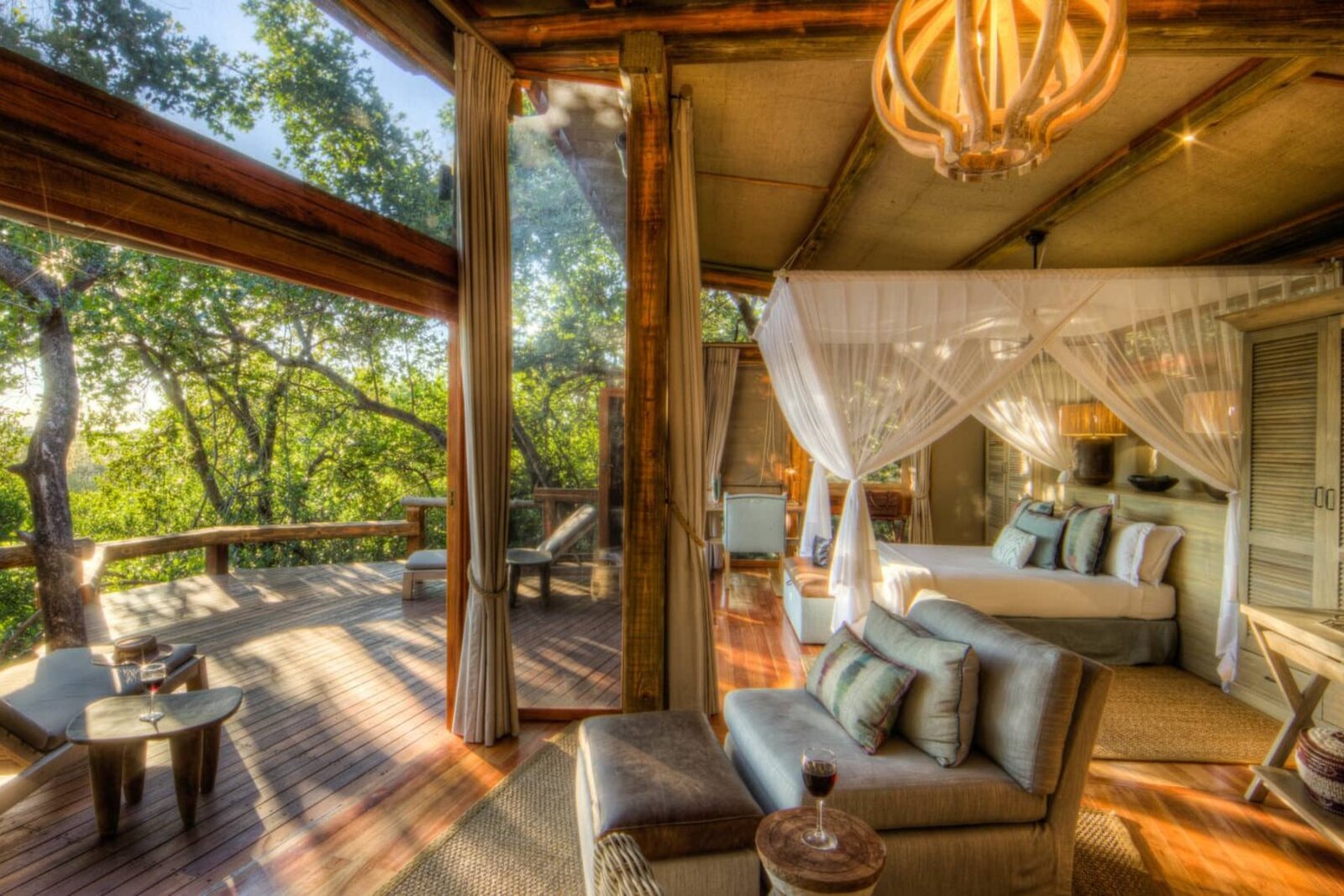
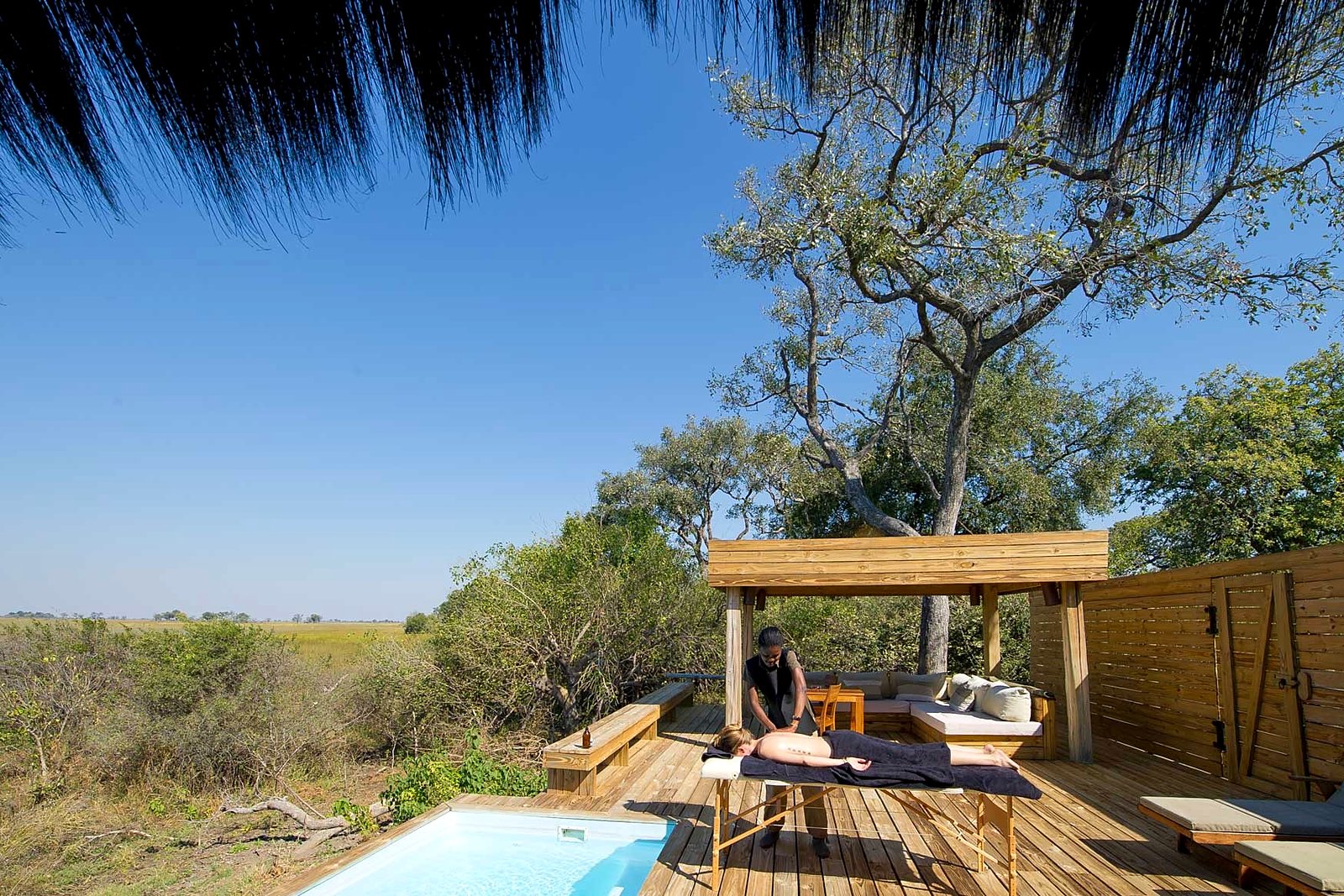
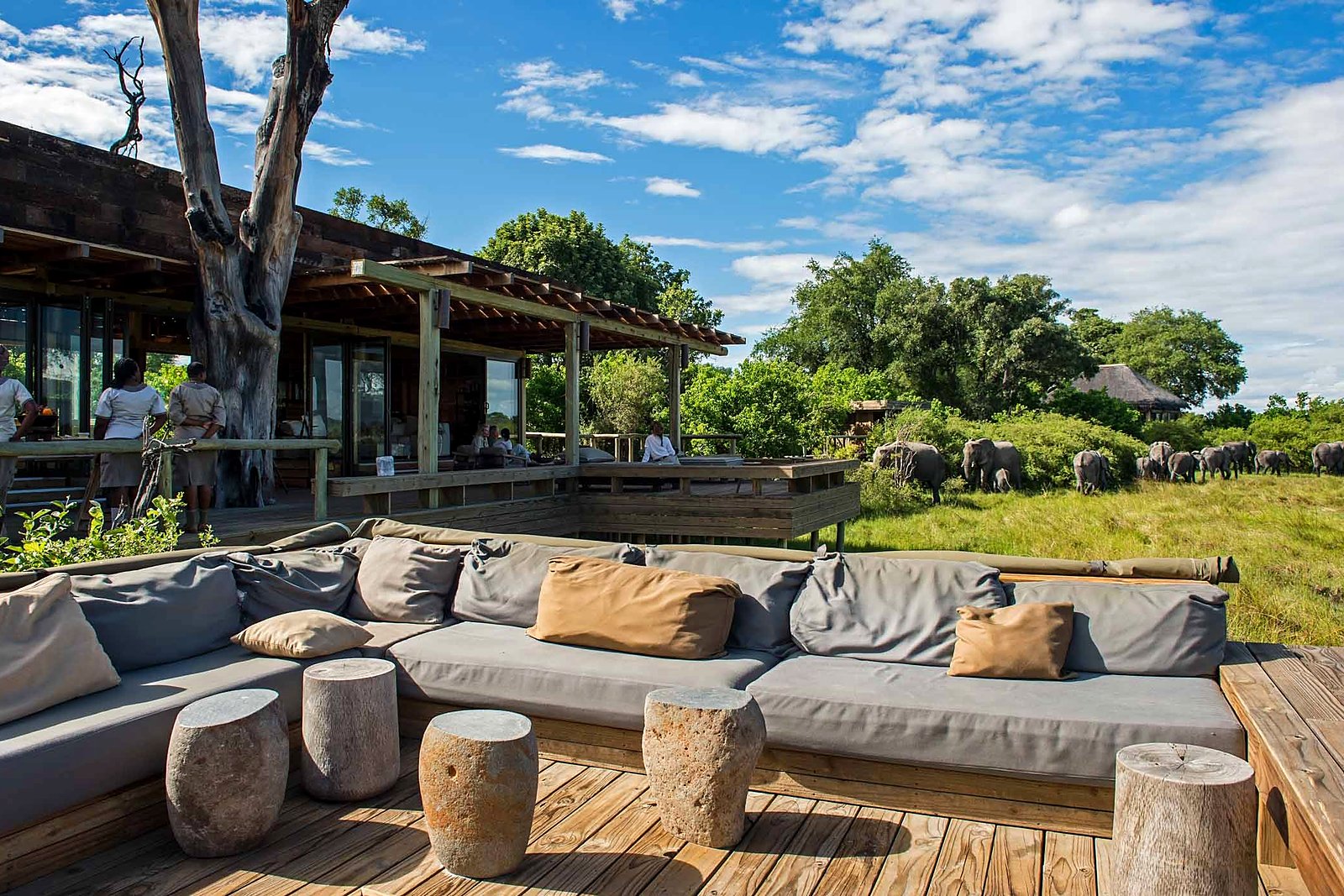
Community-Owned Wilderness: The Khwai Development Trust
What sets Khwai apart begins with ownership. This is not government land leased to a hotel group; it is community land, held and managed by the Khwai Development Trust on behalf of the roughly 400 people of Khwai village. Many are descendants of the BaBukakhwe — the River Bushmen who have lived along these channels for generations. When Botswana moved away from hunting and toward photographic tourism, the community turned its concession into a wildlife economy, and the results are a model studied across Africa.
The practical effect for you as a visitor is profound. Every bed night, every park fee, and every cultural visit channels money directly into local livelihoods, schooling, and conservation. You are not just watching wildlife; you are helping fund the reason it survives. The trust regulates activities, oversees the public campsites, and partners with lodge operators — ensuring the land stays wild and the benefits stay local.
The wider Khwai area divides into two units. The Khwai Community Concession (NG19) is the community-managed heart, open to mobile safaris and self-drivers, with public campsites such as Magotho. The Khwai Private Reserve (NG18) — a roughly 200,000-hectare block once used for hunting and now a thriving photographic sanctuary — is exclusive to guests of its lodges. Both operate in partnership with the trust, and both deliver world-class wildlife.
Night Drives, Walking & Off-Road: What Khwai Lets You Do
The single greatest reason safari-lovers flock to Khwai is freedom. Because it is a community concession rather than a national park, it permits activities that Botswana's parks strictly ban. This is where Khwai leaves neighbouring Moremi in the shade.
Night drives are the headline act. After sunset, a spotlight sweeps the darkness and a hidden world emerges: leopards on the prowl, spotted hyenas patrolling, aardvarks and porcupines snuffling for food, genets and civets slinking through the grass, and the enormous eyes of bush babies glowing in the trees. Predators are often most active after dark, and a Khwai night drive can deliver the kind of hunt you will never see by day.
Walking safaris, led by armed, licensed guides, strip the safari back to its rawest form. On foot you learn to read tracks, dung, and alarm calls; you notice the small things — dung beetles, medicinal plants, birdsong — and you feel the genuine tension of sharing ground with big game. It is humbling and unforgettable.
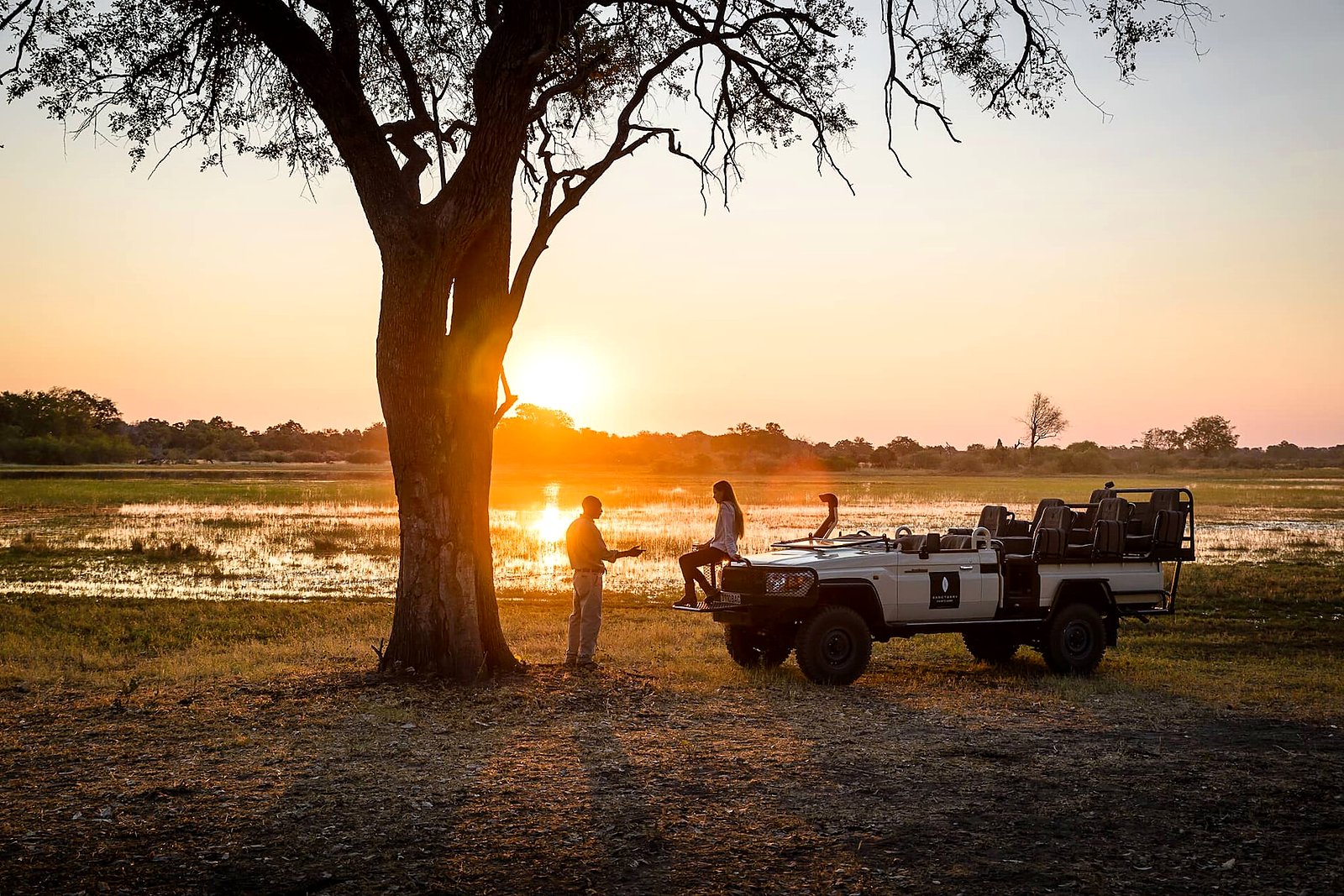
Off-road driving means your guide can leave the track to follow a sighting — edging quietly toward a leopard draped in a leadwood tree or a wild dog pack rousing for the evening hunt. Combined with mokoro trips along the river channels, Khwai offers a fuller menu of experiences than almost anywhere in northern Botswana.
Predators of Khwai: Wild Dogs, Leopards, Lions & More
Khwai is, above all, a predator's country. The mix of open floodplain, dense riverine cover, and a permanent water source concentrates both prey and hunters into a compact, action-rich arena.
African wild dogs are the crown jewel. These endangered, endlessly social pack-hunters den in the Khwai region during the dry winter months, and a den with pups is one of the great spectacles in African safari. Watching a pack rally, greet, and set off on a coordinated hunt — running prey to exhaustion across kilometres of bush — is unforgettable, and Khwai is one of the most reliable places on the continent to witness it.
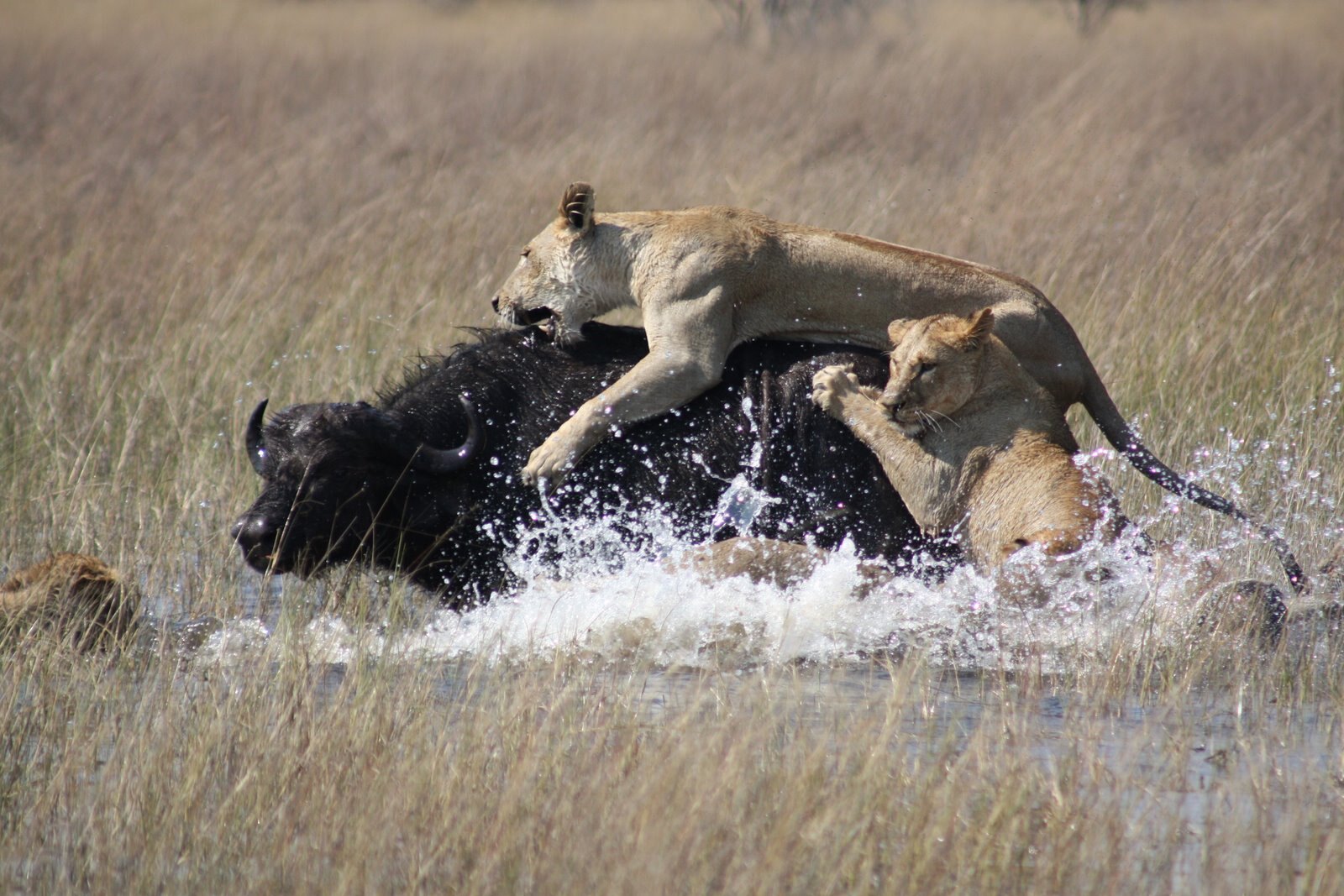
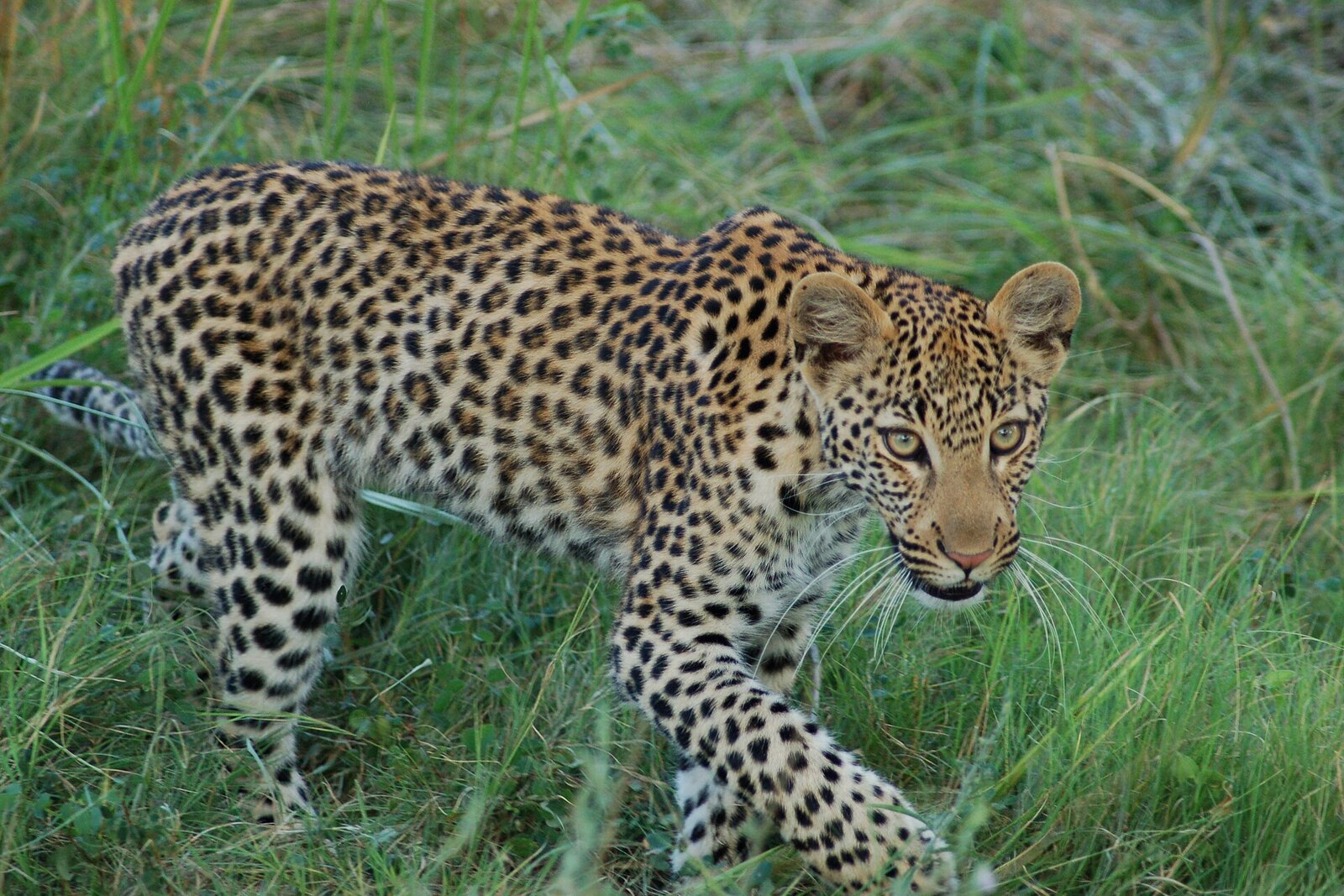
Leopards thrive in the riverine forest, and off-road access makes Khwai exceptional for leopard photography — guides can position quietly beneath a tree where a cat rests with its kill. Lions patrol the floodplains in prides, often heard roaring across the river at night. Spotted hyenas operate in clans, both hunting and scavenging, while cheetahs appear on the more open grasslands. Add jackals, honey badgers, servals, and a supporting cast of nocturnal hunters revealed on night drives, and Khwai's carnivore list rivals anywhere in Botswana.
The Khwai River & Its Wildlife Corridor
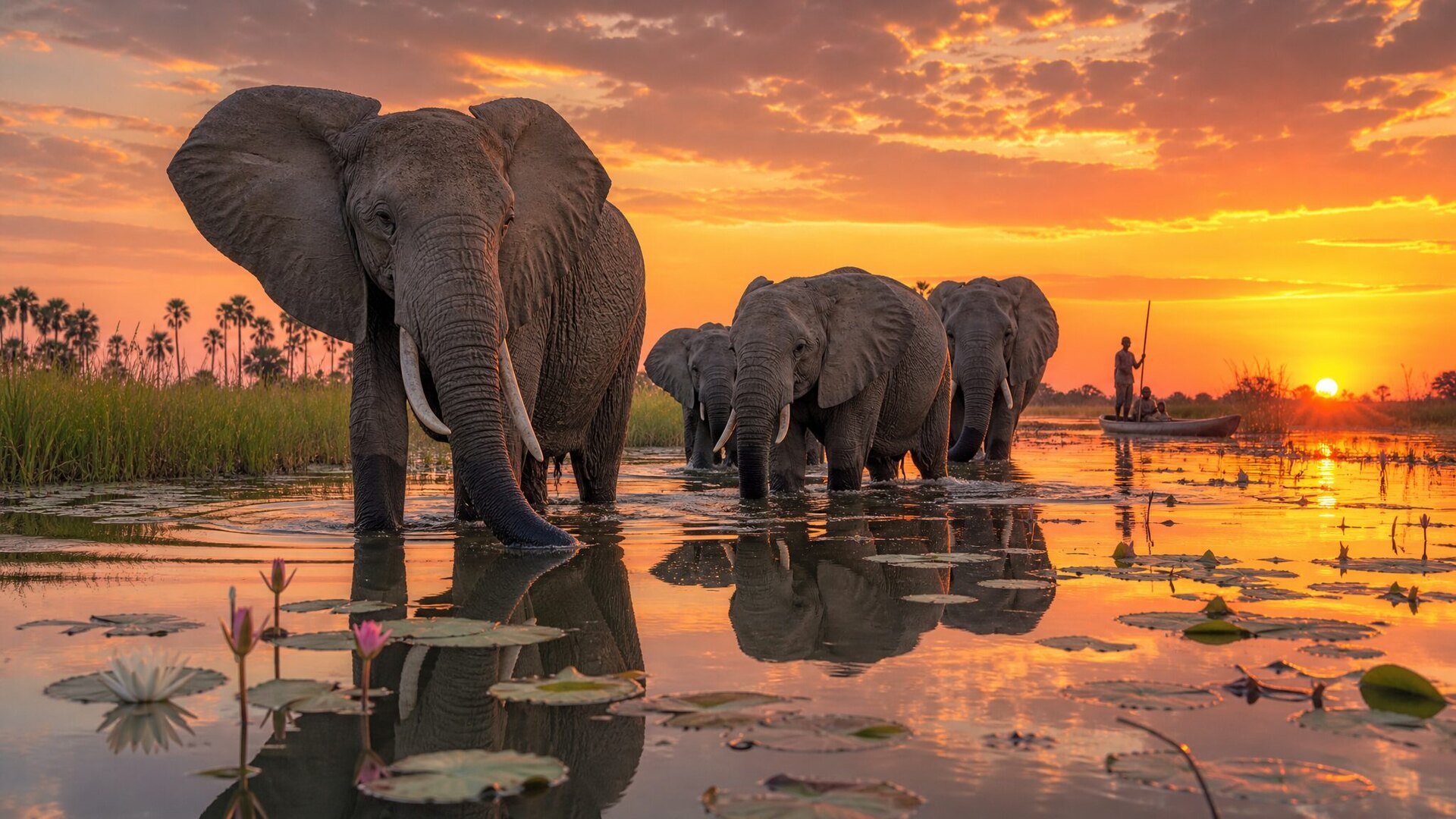
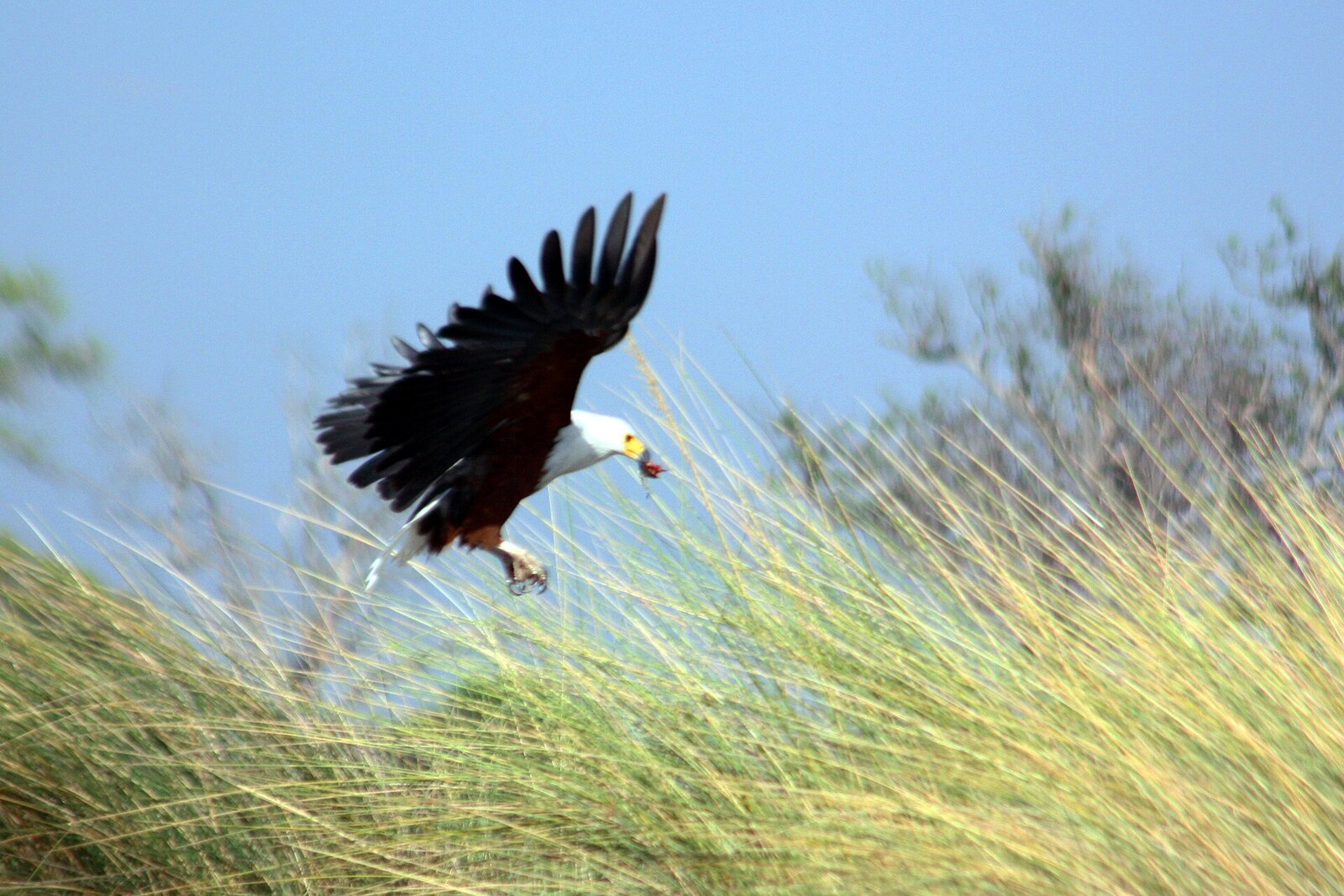
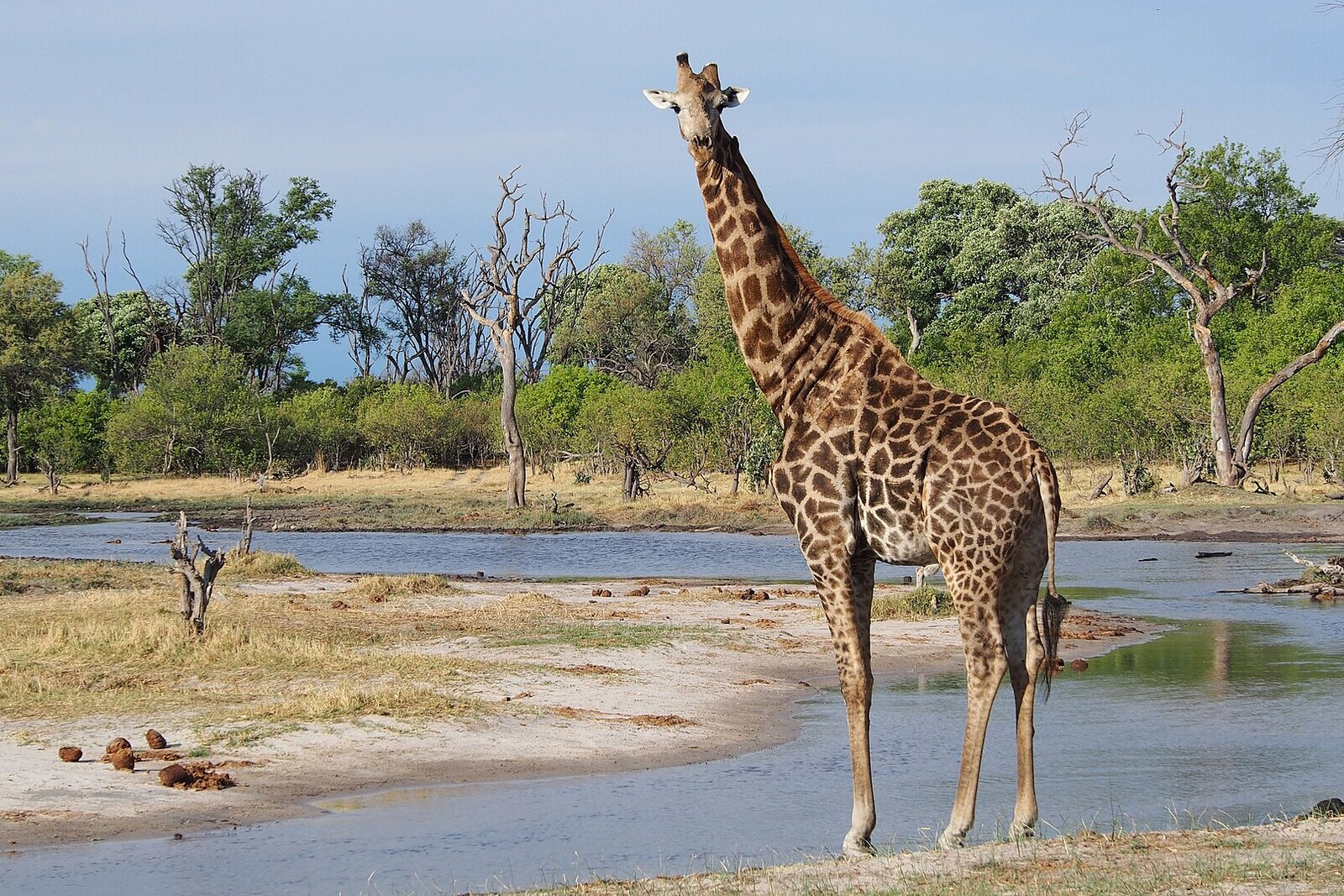
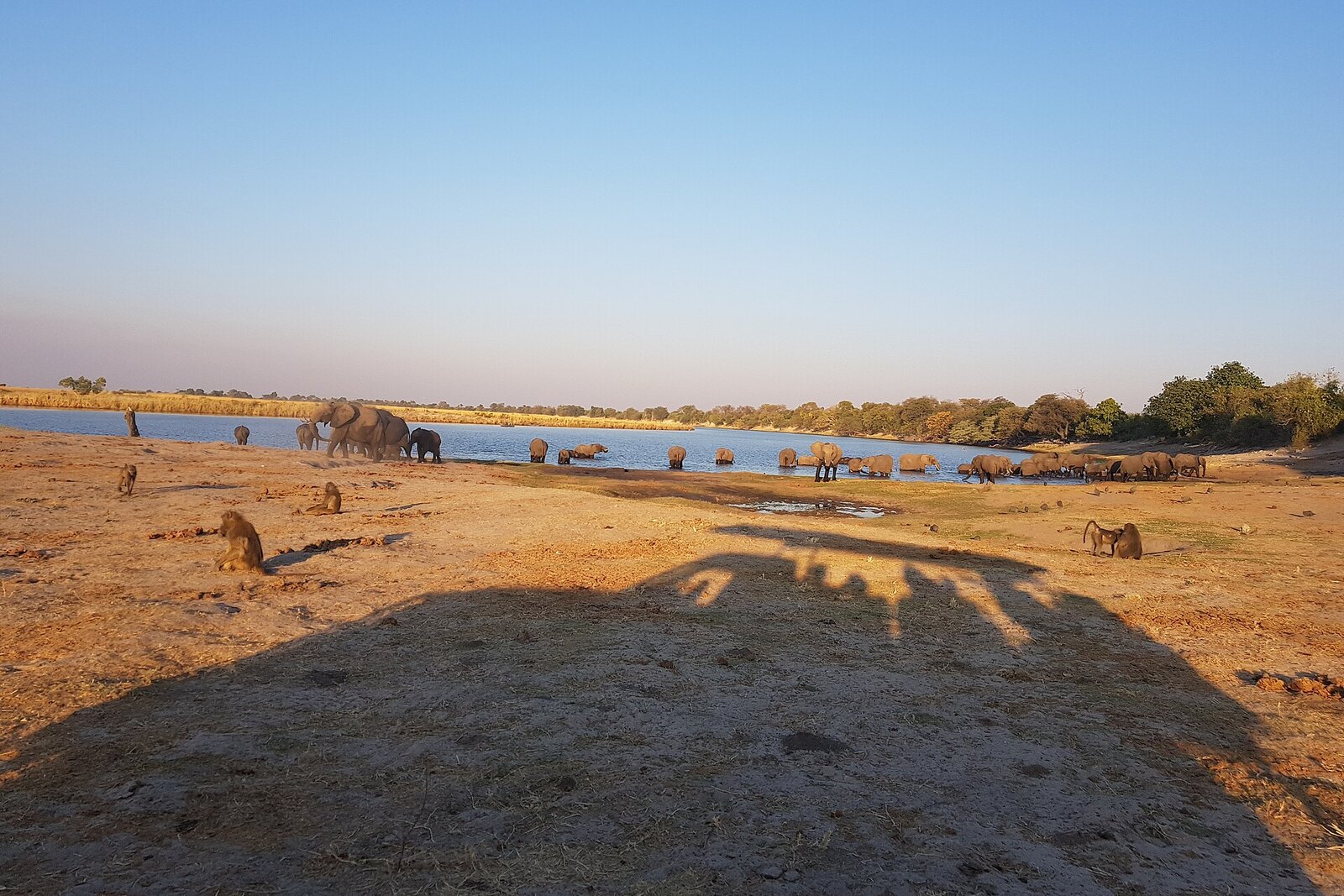
The Khwai River is the concession's beating heart. A permanent watercourse fed by the Okavango system, it flows along the boundary with Moremi and acts as a magnet in the dry season, when it becomes one of the few reliable water sources for miles. Elephant herds cross it daily, buffalo gather in their hundreds, and hippos wallow in the deeper pools.
Crucially, Khwai forms part of a vital wildlife corridor linking the Moremi Game Reserve with Chobe National Park and the Savuti region. Animals move freely through this unfenced landscape, following ancient routes between water and grazing. That connectivity is exactly why the concession holds such extraordinary densities and diversity — it is not an island, but a living crossroads of the greater Okavango–Chobe ecosystem.
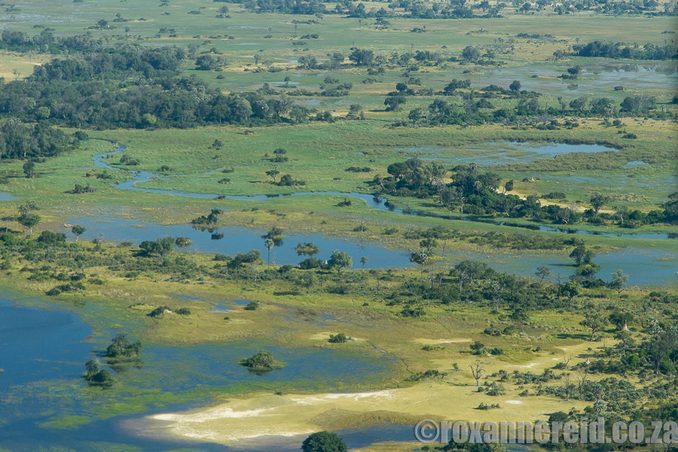
The habitat mosaic amplifies the richness: papyrus-lined channels and lagoons, seasonal floodplains grazed by red lechwe, riverine forests of leadwood and jackalberry, and dry mopane woodland inland. Each supports its own community of species, and a single game drive can move through all of them in a morning.
Khwai vs. Moremi: What's the Difference?
Khwai and Moremi share a river and an ecosystem, but they are governed very differently — and that changes your safari entirely.
| Feature | Khwai Community Area | Moremi Game Reserve |
|---|---|---|
| Land status | Community concession & private reserve | National park (government) |
| Night drives | ✅ Permitted | ❌ Banned |
| Walking safaris | ✅ Permitted (armed guide) | ❌ Banned |
| Off-road driving | ✅ Permitted (in private/lodge areas) | ❌ Banned |
| Vehicle numbers at sightings | Low (especially private reserve) | Can be busy in peak season |
| Self-drive access | ✅ Community concession (NG19) | ✅ Yes, with permits |
| Community ownership | ✅ Direct (Khwai Development Trust) | Government-managed |
| Best for | Predators, night action, flexibility | Classic Delta game drives, big scenery |
The verdict: neither is "better" — they are complementary. Moremi delivers the grand, classic Delta safari with iconic scenery and reliable daytime game. Khwai adds the night drives, walking, off-road pursuit, and intimacy that a national park simply cannot. Most seasoned travellers do both, crossing the river between them on a single northern Botswana itinerary.
Where to Stay: Khwai Lodges & Camps
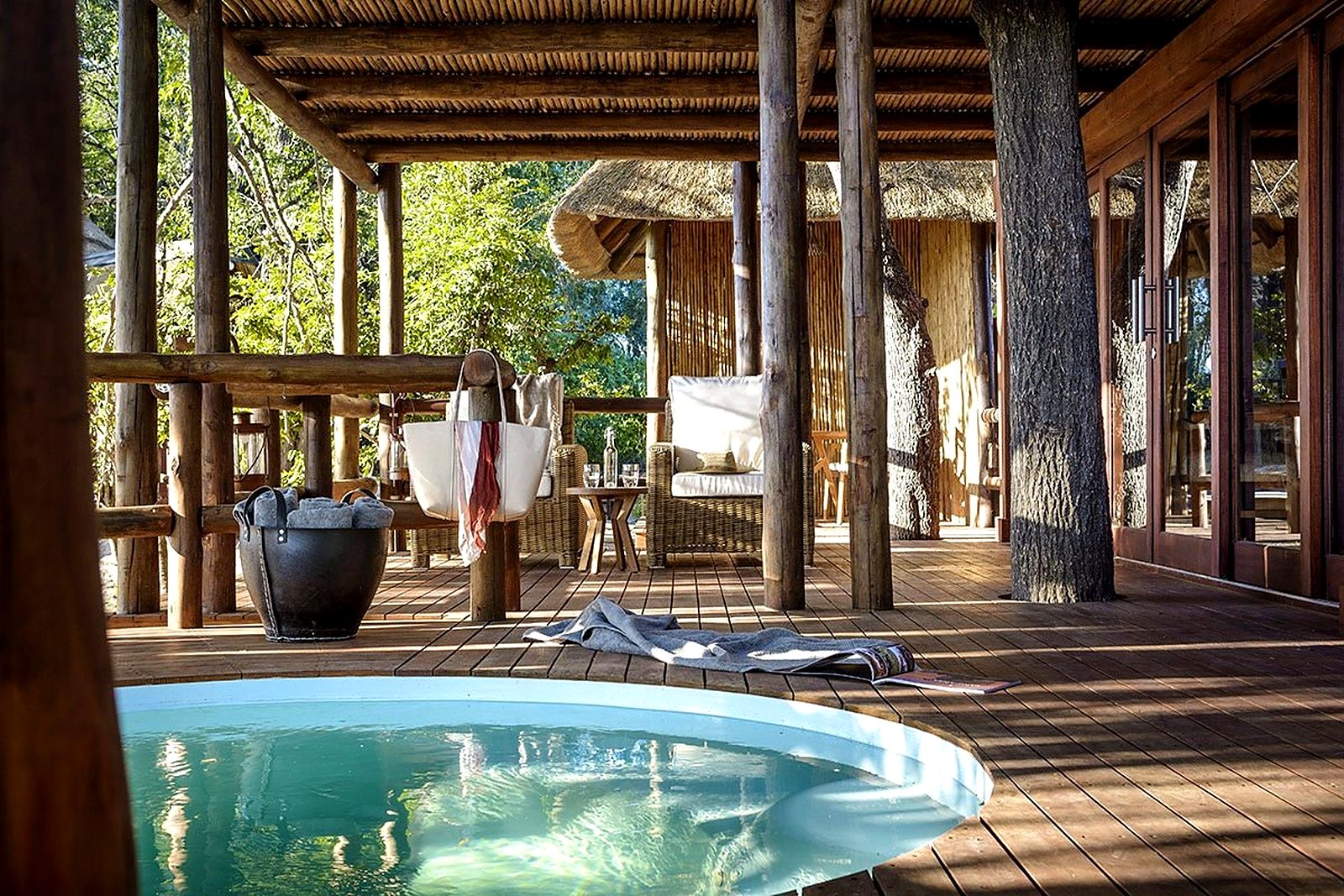
Khwai offers the full spectrum, from barefoot-luxury tented suites to community campsites under the stars.
| Camp / Option | Area | Style | Guide Price (pp/night) |
|---|---|---|---|
| Sable Alley | Khwai Private Reserve (NG18) | Luxury tented, lagoon-side | $900–$1,600 |
| Tuludi | Khwai Private Reserve (NG18) | Contemporary luxury, raised suites | $1,000–$1,800 |
| Skybeds | Khwai Private Reserve (NG18) | Star-bed sleep-out experience | $700–$1,200 |
| Machaba Camp | Khwai River / community area | Classic 1950s-style tented | $600–$1,000 |
| Khwai Leadwood / Sango | Khwai River / community area | Mid–upper tented | $500–$900 |
| Mobile safari camps | Community concession (NG19) | Guided mobile tented | $450–$800 |
| Magotho & public campsites | Community concession (NG19) | Self-drive camping | Modest site fees |
Prices are indicative, fully inclusive of meals, drinks, and activities at lodges (camping excluded). Rates rise sharply in peak dry season (July–October) and drop in the green season. We match you to the right camp for your budget, travel style, and the wildlife on the ground.
Best Time to Visit Khwai
The dry season (May to October) is prime. As the bush dries out, wildlife concentrates along the permanent Khwai River, and predator sightings peak. This is also wild dog denning season, with the best chances of finding a pack with pups in August and September. Days are warm and sunny, nights are cool to cold, and mosquitoes are minimal. It is the busiest and priciest window — for good reason.
The green season (November to March) transforms Khwai into a lush, bird-filled paradise. Migratory species arrive, plains game drop their young, and the light turns dramatic with towering thunderclouds. Wildlife disperses as water becomes widely available, so predators can be harder to find, and some tracks flood — but rates drop and the crowds vanish. It is a photographer's and birder's season.
The shoulder months (April and November) balance decent wildlife, thinner crowds, and softer pricing. If you want the widest choice of activities and the highest predator density, target June through October.
Getting to Khwai
Most lodge guests fly in by light aircraft from Maun — a spectacular 25 to 30 minute flight over the Delta to an airstrip serving the concession, where your camp collects you. It is the fastest, most comfortable option and maximises time on safari.
Self-drive and mobile safaris reach Khwai overland by 4x4, usually as one leg of a Moremi–Khwai–Savuti–Chobe circuit. The community concession lies just across the Khwai River from Moremi's North Gate, so it slots naturally into a wider northern Botswana route. If you self-drive, come fully equipped and self-sufficient — there are no fuel stations or shops, so stock up in Maun or Kasane, carry spare fuel and water, and book campsites well ahead through the trust.
Sample Khwai Itinerary: 3 Days on the Wild Frontier
Day 1: Fly in from Maun over the Delta and settle into your camp. Afternoon game drive along the Khwai River, watching elephants cross and predators stir. As dusk falls, roll straight into a night drive — spotlighting for leopard, genet, and the glowing eyes of bush babies before a fireside dinner.
Day 2: Dawn game drive targeting wild dogs and lions on the hunt, with off-road access to follow the action. Return for brunch and a siesta through the heat. Late afternoon, choose a guided walking safari with an armed guide or a mokoro glide along the channels, then sundowners on the floodplain as hippos grunt in the dusk.
Day 3: Final morning drive to search the riverine forest for leopard, followed by an optional cultural visit to Khwai village to meet the community whose land you have shared. Fly out mid-morning, or continue overland to Savuti and Chobe to complete the northern circuit.
What to Pack for Khwai
- Neutral-coloured clothing (khaki, olive, beige) for game drives and walks
- Warm layers — open vehicles and night drives get genuinely cold in winter
- Sun hat, sunglasses, and high-SPF sunscreen
- Binoculars and a camera with a long lens (300mm+ for wildlife and birds)
- Insect repellent for evenings near the water
- Closed walking shoes for walking safaris and camp
- Headlamp or torch for camp after dark
- Reusable water bottle (camps provide filtered water)
Conservation & Community Impact
Khwai is a flagship of Botswana's community-based natural resource management. By converting a former hunting area into a photographic-tourism economy, the Khwai Development Trust turned wildlife into the village's most valuable renewable asset. Revenue funds jobs, education, and services, giving residents a direct, tangible stake in keeping the land wild and the animals thriving.
Botswana's wider "high-value, low-volume" model reinforces this: fewer visitors paying premium rates, lighter footprint, deeper benefit. When you choose Khwai — whether a luxury lodge or a community campsite — you become part of that virtuous cycle. Your visit is not a cost to the wild; it is one of the reasons it endures.
Final Thoughts: Botswana's Wild, Free Frontier
Khwai offers what few places can: the intimacy of community-owned wilderness, the thrill of night drives and walking safaris, and predator sightings — wild dogs above all — to rival anywhere in Africa. It is flexible where the parks are rigid, personal where they can be crowded, and meaningful in a way that a purely commercial reserve never is. Cross the river from Moremi and the whole safari changes: the spotlight comes out, the vehicle leaves the track, and Botswana's wild frontier reveals itself on its own untamed terms. Khwai is calling.