Key Takeaways
- Mid-range eco lodge on Ntswi Island - Kwando Safaris' 16-tent camp overlooking the Boro River and Chief's Island in the Okavango Delta's NG27B concession.
- Water and land safari combination - mokoro, motorboat, guided walks on Chief's Island and 4x4 game drives, shifting with the seasons.
- 100% solar powered - genuine eco credentials with low-impact design, eco-friendly waste disposal and community engagement.
- Family-friendly with a dedicated family suite - one of the Delta's best mid-range options for families with older children.
- Honest mid-range positioning - not ultra-luxury, not budget; the best value-to-experience ratio in the central Okavango Delta.
Moremi Crossing is one of those camps that gets quietly recommended by people who actually know the Okavango Delta. Operated by Kwando Safaris (part of Under One Botswana Sky), it sits on Ntswi Island in the Gunn's/Xaxaba Private Concession (NG27B), looking directly across the Boro River toward Chief's Island and the Moremi Game Reserve. It is not the most expensive lodge in the Delta, and it does not try to be. What it offers instead is a rare combination: water and land safaris, 100% solar power, genuine family suitability, and a location that puts one of Africa's richest wildlife areas within a short boat ride of your tent.
This is the complete review from Beyond Africa Safaris - covering every aspect of the camp as we know it from placing guests here and visiting ourselves. For how Moremi Crossing fits into the broader Okavango mid-range picture, see our Best Affordable Okavango Lodges guide. For a broader Botswana overview, see the Ultimate Botswana Travel Guide.
1. Location and Setting: Ntswi Island and Chief's Island
Moremi Crossing occupies a beautiful position on Ntswi Island, a permanent island in the heart of the Okavango Delta within the NG27B private concession (Gunn's/Xaxaba). The camp faces east across the Boro River toward Chief's Island, the largest island in the Delta and one of the most wildlife-dense landmasses in southern Africa. Chief's Island is part of the Moremi Game Reserve, and Moremi Crossing's concession shares its boundary - guests cross by boat to explore its game-rich grasslands and woodlands on foot and by vehicle.
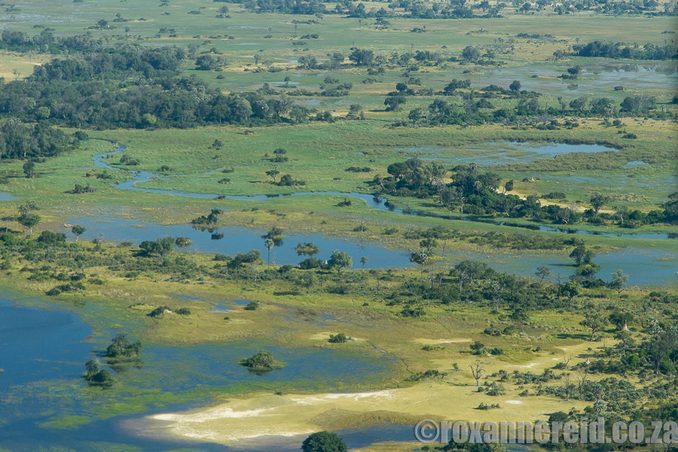
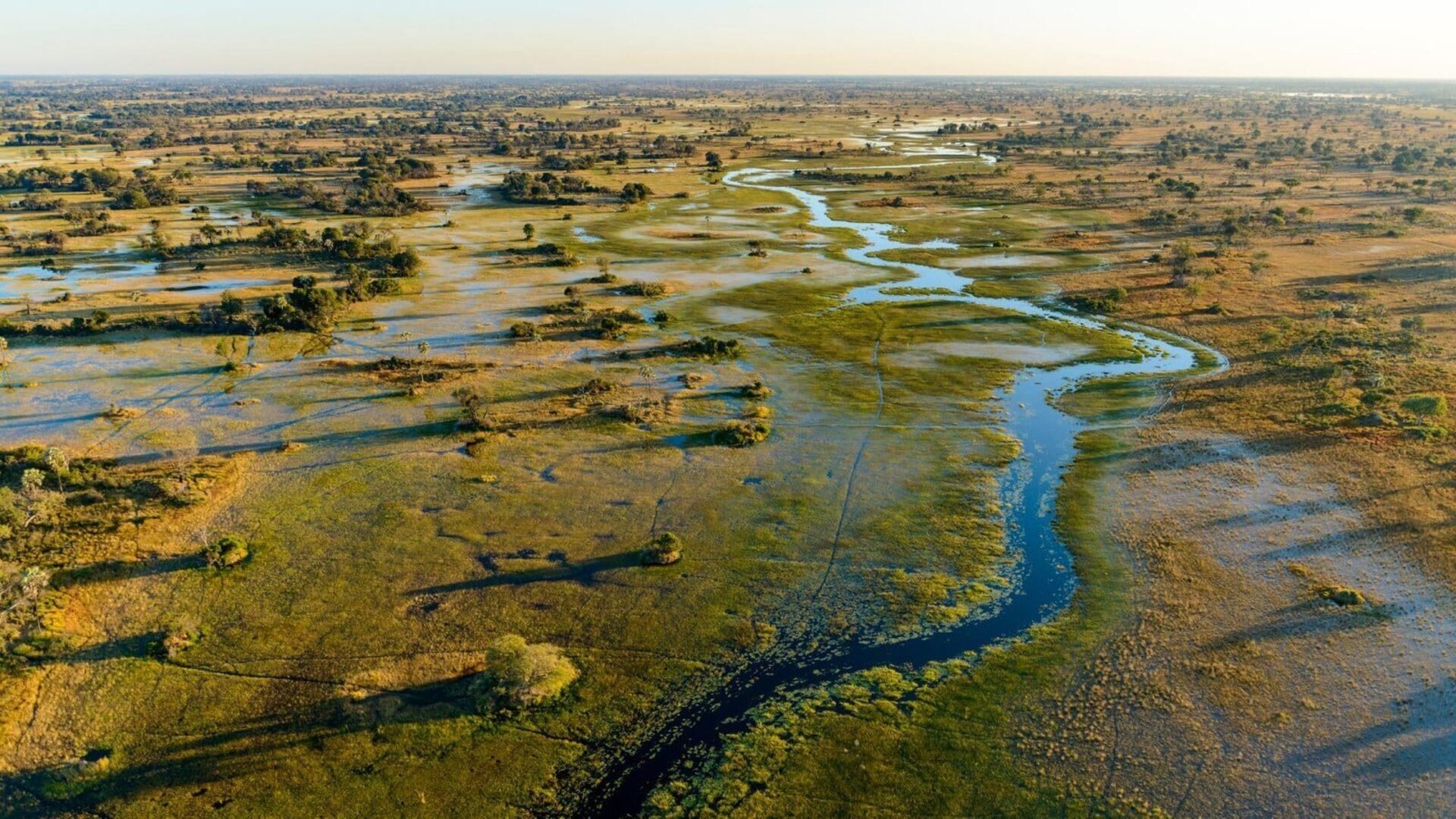
Access is by light aircraft from Maun, roughly a 20 to 30-minute scenic flight over the labyrinth of channels, lagoons and papyrus islands that define the Delta. There is no road access - you arrive by air and transfer by boat or vehicle to camp. The flight itself is part of the experience, offering an aerial perspective of the Delta's extraordinary water systems.
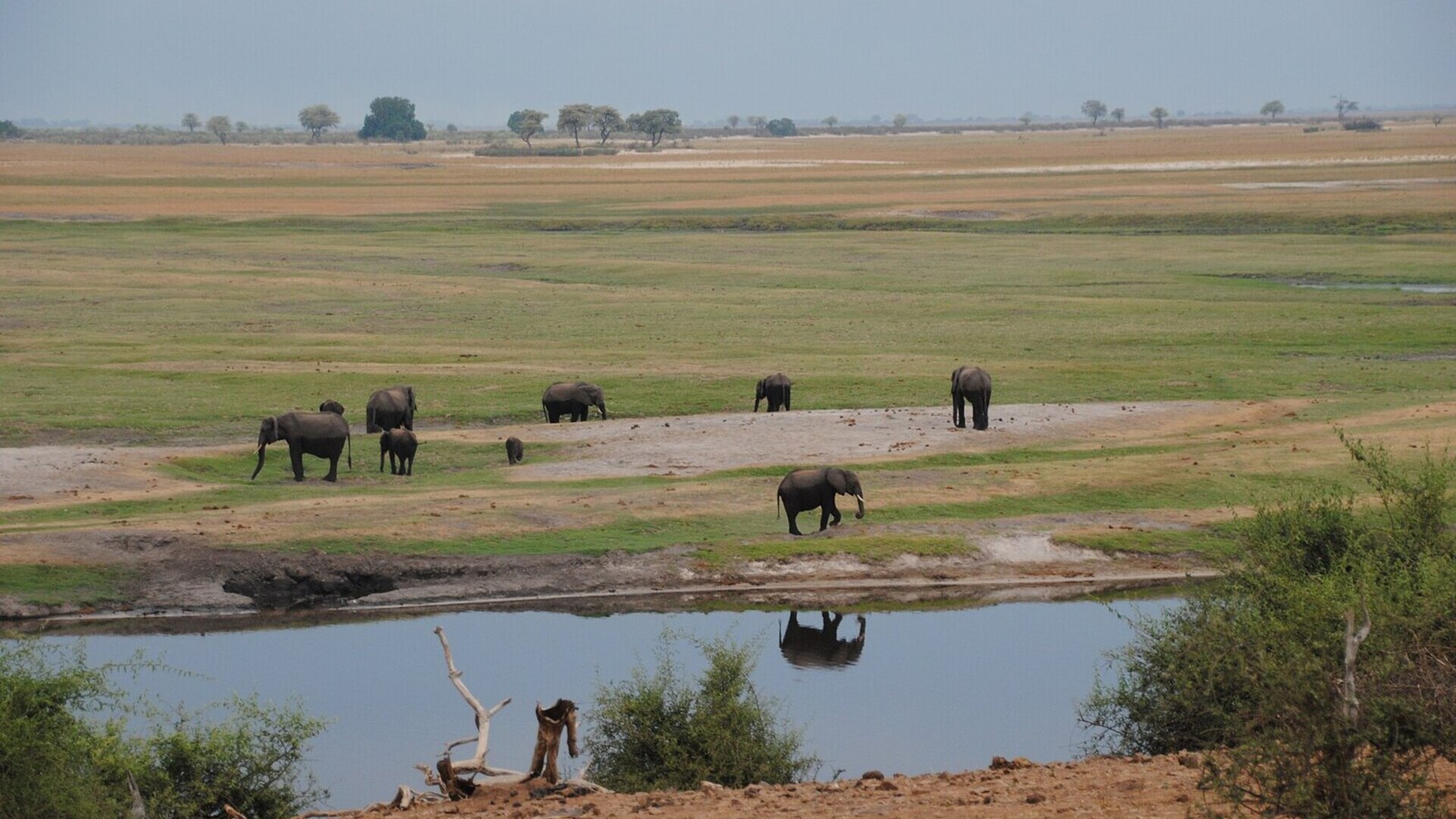
The setting is classic central Okavango: open floodplains, palm-fringed channels, papyrus beds and the wide Boro River. From the main deck and from most tents, you look out over water and grass toward Chief's Island. Elephant, hippo and a procession of waterbirds are part of the daily view. It is not a dry, dusty bush camp - it is a water camp first and foremost, and the sound of the Delta is constant.
2. The Accommodation: 16 Meru Tents on Raised Decks
Moremi Crossing has 16 tented suites built on raised wooden decks along the island's edge, overlooking the floodplain. The breakdown is:
- 14 standard tented suites - spacious vintage-style Meru tents with en-suite bathroom (flush toilet, double vanity, indoor and outdoor shower), private deck with seating, ceiling fans, tea and coffee station, and USB charging points.
- 1 family suite - a larger tent configured to sleep parents and children together, with the same en-suite standard and a more generous living space.
- 1 honeymoon tent - set slightly apart for privacy, with an outdoor bathtub on the deck in addition to the standard facilities.
The style is best described as rustic-luxe. The tents are traditional canvas Meru designs - tall, airy and well-ventilated - raised on wooden platforms with polished floors and natural-toned furnishings. They are comfortable, well-maintained and perfectly suited to the bush, but they are not marble-and-chandelier luxury. If you want a plunge pool in your suite, Moremi Crossing is not the camp; if you want to fall asleep to hippo calls with the canvas sides open to the night air, it is exactly right.
WiFi is available in the main area but deliberately limited. The camp runs on solar power and embraces its off-grid character. USB charging is available in every tent, so devices stay charged. Pack a power bank if you are a heavy phone user, and enjoy the quiet.
3. Activities and Safari Experience
The defining feature of Moremi Crossing is the seasonal blend of water and land activities. Unlike many Delta camps that lean heavily one way or the other, Moremi Crossing offers both, and the mix shifts naturally with the water levels.
High Water (May to September)
This is peak water season, when the Okavango's annual flood fills the channels and lagoons around Ntswi Island. Activities focus on:
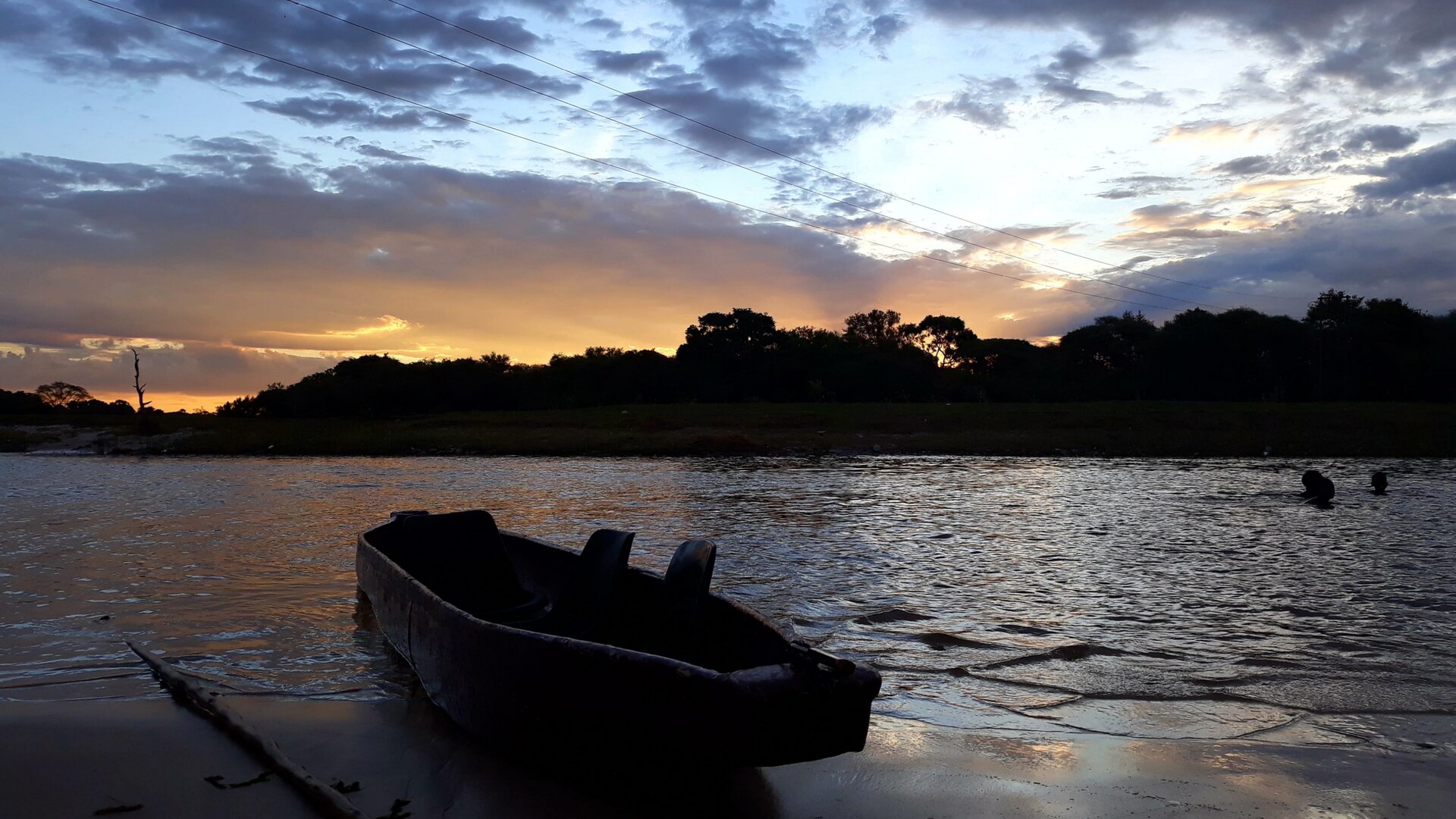
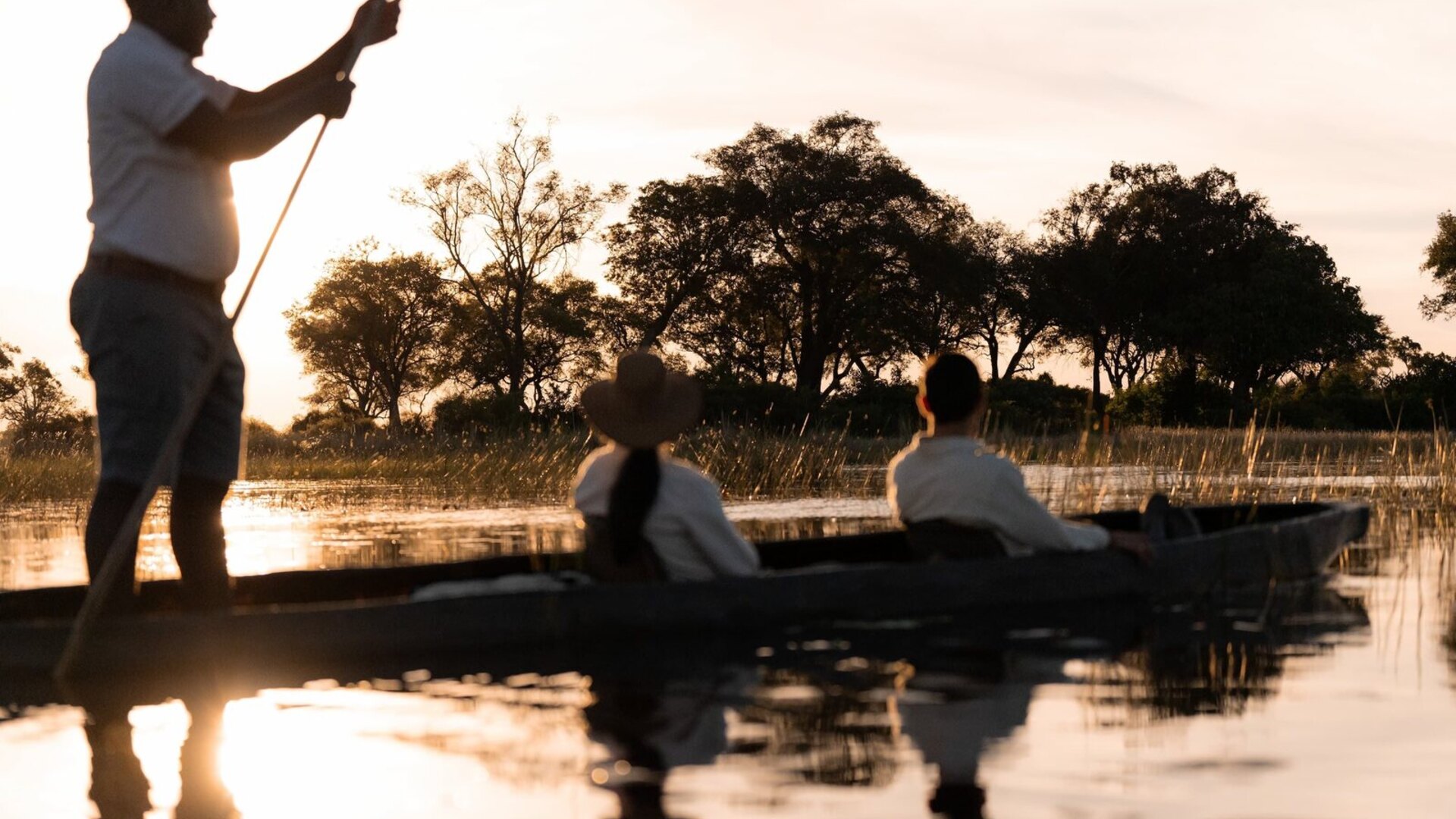
- Mokoro (dugout canoe) safaris - the signature Delta experience. A poler guides the canoe silently through papyrus corridors and lily-pad channels, with birdlife, frogs and the occasional hippo at water level.
- Motorboat safaris - covering more distance on the Boro River and surrounding waterways, with chances to see hippo, crocodile, water monitors and a wealth of kingfishers, herons and fish eagles.
- Guided walks on Chief's Island - accessed by boat, then on foot with an armed guide through grasslands and mopane woodlands where elephant, lion and buffalo roam.
Low Water (October to April)
As the floodwaters recede, more land opens up and the activity focus shifts:
- 4x4 game drives - both in the concession and on Chief's Island, with dry-season concentrations of game around remaining water sources.
- Walking safaris - with more accessible terrain and the chance to track wildlife on foot.
- Fly camping and wilderness sleep-outs - for guests who want to spend a night under the stars with nothing between them and the Delta.
The flexibility is a genuine strength. Guides adjust the programme to the conditions and to what guests want, and the combination of water and land means there is always something exceptional to do regardless of the season. For general Delta timing advice, see our Best Time to Visit Botswana guide.
4. Wildlife and Game Viewing
The wildlife around Moremi Crossing is outstanding, driven by the camp's proximity to Chief's Island - widely regarded as one of the most game-dense areas in all of Africa.
What you can expect to see:
- Elephant - abundant and seen daily, often wading through the channels or feeding on the floodplains in front of camp.
- Lion - resident prides on Chief's Island, with regular sightings on game drives and walking safaris.
- Leopard - present in the riverine forest and woodland, with sightings that reward patience and good guiding.
- Buffalo - herds move through the area, particularly in the drier months when they concentrate near water.
- Rhino - present but rare, as across most of Botswana. Sightings are possible but not guaranteed.
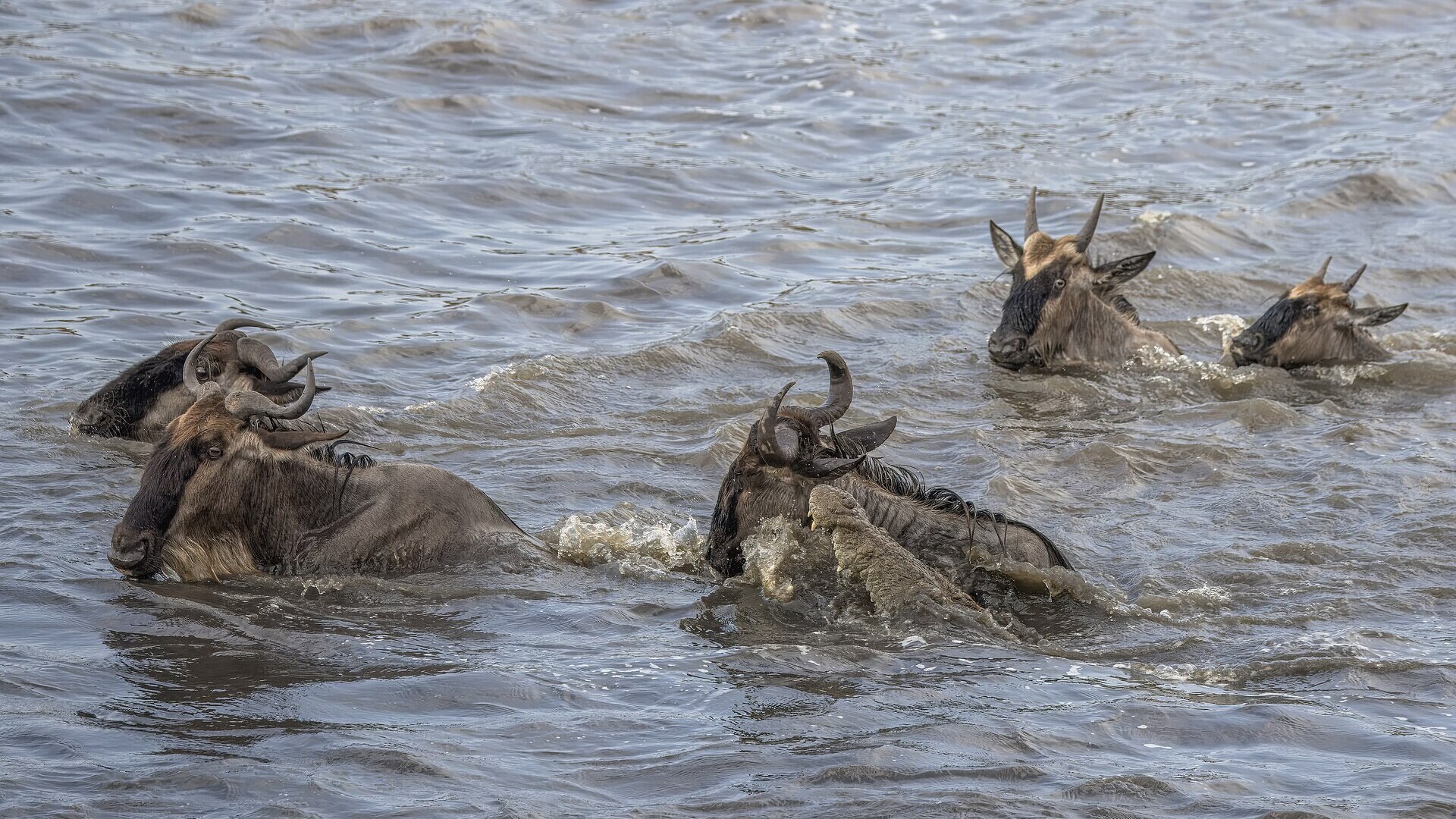
- Hippo and crocodile - ever-present on the water safaris, and part of the soundscape of every night in camp.
- Birdlife - exceptional, with over 400 species recorded in the Delta. African fish eagle, Pel's fishing owl, malachite kingfisher, wattled crane and carmine bee-eater are all highlights.
The combination of water and land habitats is what makes the game viewing here so varied. In a single day you might watch elephants from a mokoro, track a leopard on foot, and sit quietly as a fish eagle takes a bream from the Boro River. It is not Mombo-level density (nothing is), but it is consistently excellent and far more diverse in its activity range.
5. Dining and Social Spaces
The heart of Moremi Crossing is its crescent-shaped main deck, a large, open-sided wooden structure overlooking the floodplain and the Boro River. It serves as dining room, bar, lounge and gathering point, and the views from it are some of the best in the camp - particularly at sunset, when the Delta lights up gold and the hippos begin their evening chorus.
Meals are served communally, as is the tradition in Botswana bush camps. The food is honest, well-prepared camp cuisine - hearty breakfasts before morning activities, lighter lunches in the heat of the day, and three-course dinners around the fire or under the stars. It is not fine dining, but it is generous, well-seasoned and well-suited to days spent outdoors. Dietary requirements are handled with advance notice.
There is a small pool on the main deck for cooling off between activities - a welcome feature in the summer months when temperatures climb. The bar is well-stocked for sundowners, and afternoon tea is served before the evening activity. The atmosphere is relaxed, sociable and unpretentious.
6. Eco Credentials and Sustainability
This is where Moremi Crossing genuinely stands out. The camp runs on 100% solar power - a significant achievement for a permanent lodge in the middle of the Okavango Delta, where generator-dependent camps are still common. The solar system powers lighting, fans, water pumps and the limited WiFi without the noise and emissions of a diesel generator.
Beyond energy, the camp's eco approach includes:
- Low-impact construction - raised wooden decks, canvas tents and minimal disturbance to the island's natural vegetation and drainage.
- Eco-friendly waste management - responsible waste disposal and recycling in a fragile wetland environment where pollution has an immediate ecological impact.
- Community engagement - Kwando Safaris invests in local community development, employment and education through the broader Under One Botswana Sky framework.
If sustainability matters to you - and it should, in a place as ecologically sensitive as the Okavango Delta - Moremi Crossing is one of the camps walking the talk rather than just printing it on a brochure. The solar commitment alone sets it apart from many of its neighbours.
7. Family Suitability
The Okavango Delta is not always an obvious choice for a family safari - many luxury lodges do not accept young children, and the water-based activities can feel risky to cautious parents. Moremi Crossing is a notable exception.
- The family suite is purpose-designed for parents and children, offering more space and a configuration that works for younger travellers.
- Activities such as mokoro safaris, gentle boat cruises and shorter guided walks are safe and engaging for older children, and guides are experienced at pitching the experience to different ages.
- Scheduling flexibility - the camp can adjust activity times and durations for families, avoiding the very early starts that exhaust younger guests.
- The pool and main deck provide a safe, contained social area between activities.
Age policies apply (some activities have minimum age requirements, typically around 6 to 8 years for walking safaris), so confirm details when booking. But for families with children roughly 6 and above who want a genuine Delta experience without the premium of the luxury family lodges, Moremi Crossing is one of the strongest options available.
8. Best Time to Visit
Moremi Crossing operates year-round, and both the high-water and low-water seasons offer distinct and rewarding experiences.
| Season | Months | Water Level | Activity Focus | Wildlife Highlights |
|---|---|---|---|---|
| High Water | May - September | Peak flood | Mokoro, boat safaris, island walks | Concentrated game on Chief's Island, peak birdlife, hippo/croc on every outing |
| Low Water | October - April | Receding / dry | Game drives, walking safaris, fly camping | Newborn animals, summer migrants, predator activity, lush green landscapes |
The honest advice: if your heart is set on the classic mokoro-through-the-papyrus experience, visit between June and August. If you prefer game drives and are flexible on water activities, the green season (November to March) offers lower rates, fewer guests and a transformed landscape. Both seasons deliver excellent wildlife - the Delta does not have an off season.
9. Cost and Value: Where Moremi Crossing Sits
Moremi Crossing is positioned in the mid-range tier of the Okavango Delta, and understanding that positioning is important because the Delta's price spectrum is wide.
| Camp | Price Tier | Style | Activity Focus | Best For |
|---|---|---|---|---|
| Moremi Crossing | Mid-range | Rustic-luxe eco | Water + land combo | Families, eco travellers, value seekers |
| Mombo / Xigera | Ultra-luxury | Five-star, all-suite | Primarily land drives | Luxury-first travellers, honeymoons |
| Mobile camping safari | Budget | Expedition tents, shared facilities | Mokoro + camping | Adventurous backpackers, budget travellers |
Moremi Crossing rates are fully inclusive: accommodation, all meals, teas and coffees, all scheduled safari activities, park fees and laundry. Drinks (alcoholic and soft) are typically included, though premium spirits and wines may carry a supplement. Charter flights from Maun are additional and are quoted as part of your package.
The value proposition is clear: you get a permanent, comfortable camp with en-suite tents, a pool, qualified guides and a full range of activities at a fraction of what the ultra-luxury lodges charge. For many travellers - particularly families and those combining Moremi Crossing with other camps in a multi-stop Botswana itinerary - it represents the sweet spot of the Okavango Delta.
10. The Honest Verdict
Moremi Crossing is perfect for:
- Families wanting a genuine Okavango Delta safari with a dedicated family suite, safe activities and flexible guiding.
- Eco-conscious travellers who want to know their lodge runs on solar power and treads lightly on the landscape.
- Mid-range budgets seeking the best possible Delta experience without paying ultra-luxury rates.
- Water-and-land enthusiasts who want mokoro, boat, walking and driving safaris in a single camp.
- Multi-stop Botswana itineraries where Moremi Crossing provides the water-based Delta component alongside a drier game reserve elsewhere.
It is not the right fit if:
- You want five-star, no-expense-spared luxury with a plunge pool in your suite and a wine cellar beneath the dining room. Look at Mombo, Xigera or Vumbura Plains instead.
- You want a purely game-drive-focused camp with dry-land Big Five density as the priority. The Kwara or Linyanti concessions may serve you better.
- You need strong, reliable WiFi for remote work. This is an off-grid camp, and the connectivity reflects that.
Moremi Crossing earns its place in the Delta by doing several things well at once: location, activity range, eco responsibility and family welcome - without overcharging for any of them. It is not the most famous camp in the Okavango, and it does not need to be. It is the camp that people who have been to the Delta three or four times quietly recommend to friends. That is a harder thing to earn than a luxury award.
Ready to Book Moremi Crossing?
Our Okavango Delta specialists will build a Botswana itinerary around Moremi Crossing - including flights, multi-camp combinations and everything you need to know before you go.
Explore Okavango Safari PackagesFrequently Asked Questions
Is Moremi Crossing good value for money?
Yes. Moremi Crossing sits in the mid-range tier of the Okavango Delta, which means you pay significantly less than the ultra-luxury lodges while still getting an authentic Delta experience with qualified guides, en-suite tented accommodation and a full range of water and land activities. It is not a budget camp, but it offers one of the best value-to-experience ratios in the Delta. Rates are fully inclusive of meals, activities and park fees.
Is Moremi Crossing suitable for families with children?
Yes - Moremi Crossing is one of the more family-friendly lodges in the Okavango Delta. It has a dedicated family suite that sleeps parents and children together, and many of its activities - mokoro safaris, gentle boat cruises and guided nature walks - are safe and engaging for older children. The camp will adjust activity schedules for families, and the guides are experienced at making the bush come alive for younger guests. Age restrictions apply to some activities, so check with your specialist when booking.
What is the best time to visit Moremi Crossing?
Moremi Crossing operates year-round, and both seasons have real appeal. The high-water season (May to September) is peak time for mokoro excursions and boat safaris as the Delta floods, and game viewing on Chief's Island concentrates on the dry land. The low-water or green season (October to April) brings summer rains, lush landscapes, newborn animals and outstanding birding, with more game drives available as water levels drop. There is no bad time - it depends on whether you prioritise water activities or driving.
How do you get to Moremi Crossing?
Access is by light aircraft. You fly from Maun (the gateway town for the Okavango Delta) to a bush airstrip near the camp - the flight takes roughly 20 to 30 minutes and offers spectacular aerial views of the Delta. From the airstrip, a short vehicle or boat transfer brings you to Ntswi Island. There is no road access to the camp. Maun itself is well connected by daily flights from Johannesburg, Cape Town and Kasane.
What is the difference between Moremi Crossing and other Okavango lodges?
Moremi Crossing occupies a distinctive mid-range position. Unlike the ultra-luxury lodges such as Mombo, Xigera or Vumbura Plains, it offers a rustic-luxe rather than five-star experience, at a significantly lower price. Unlike true budget mobile safaris, it is a permanent, comfortable lodge with en-suite tents, a pool and a full activities programme. Its defining strengths are the water-and-land combination, 100% solar power, the family suite and its prime location overlooking Chief's Island.
Does Moremi Crossing have WiFi?
There is limited WiFi available in the main area, but it is deliberately basic - enough to send messages and check email, but not designed for streaming or heavy use. This is intentional: Moremi Crossing is an off-grid, solar-powered camp, and part of its appeal is disconnecting from screens and reconnecting with the wilderness. If you need to stay connected, plan accordingly and enjoy the digital detox.
Can you see the Big Five at Moremi Crossing?
Yes, all Big Five species are present in the concession and on Chief's Island. Elephant, lion and leopard are seen regularly - elephant are particularly abundant in the Delta channels and on the floodplains. Buffalo herds move through the area, and while rhino sightings are rarer (as across most of Botswana), they do occur. The water-based activities also bring close encounters with hippo and crocodile, and the birdlife is exceptional with over 400 species recorded.
When you are ready to plan, our Delta specialists will build a Botswana itinerary around Moremi Crossing and whichever other camps suit your interests and budget. For more on the Delta's best mid-range options, see our Best Affordable Okavango Lodges. For broader Botswana planning, see the Botswana Safari Tours Guide 2026 and our Best Time to Visit Botswana guide.