Key Takeaways
- A fly-in safari eliminates long road transfers, saving time and delivering seamless access to remote camps
- Light aircraft flights double as scenic flights — low-level views of dunes, shipwrecks and desert elephants
- This 10-12 day itinerary connects Sossusvlei, Skeleton Coast, Damaraland and Etosha in one journey
- Typical cost: US$1,600-3,500 per person per night at ultra-luxury fly-in camps (all-inclusive)
- Best months: May to October for clear skies, mild days and crisp desert nights
- Ideal for honeymooners, photographers, time-conscious travelers and those seeking ultimate exclusivity
Why Fly-In? The Case for Namibia by Air
Namibia is vast — one of the least densely populated countries on Earth, with its signature landscapes separated by hundreds of kilometres of gravel road. A self-drive or road-based guided safari is rewarding, but it demands time: a full day's drive from Windhoek to Sossusvlei, another day from Sossusvlei to Swakopmund, and so on. By the time you factor in the distances, a comprehensive Namibia safari by road requires at least two weeks, and much of that time is spent in transit.
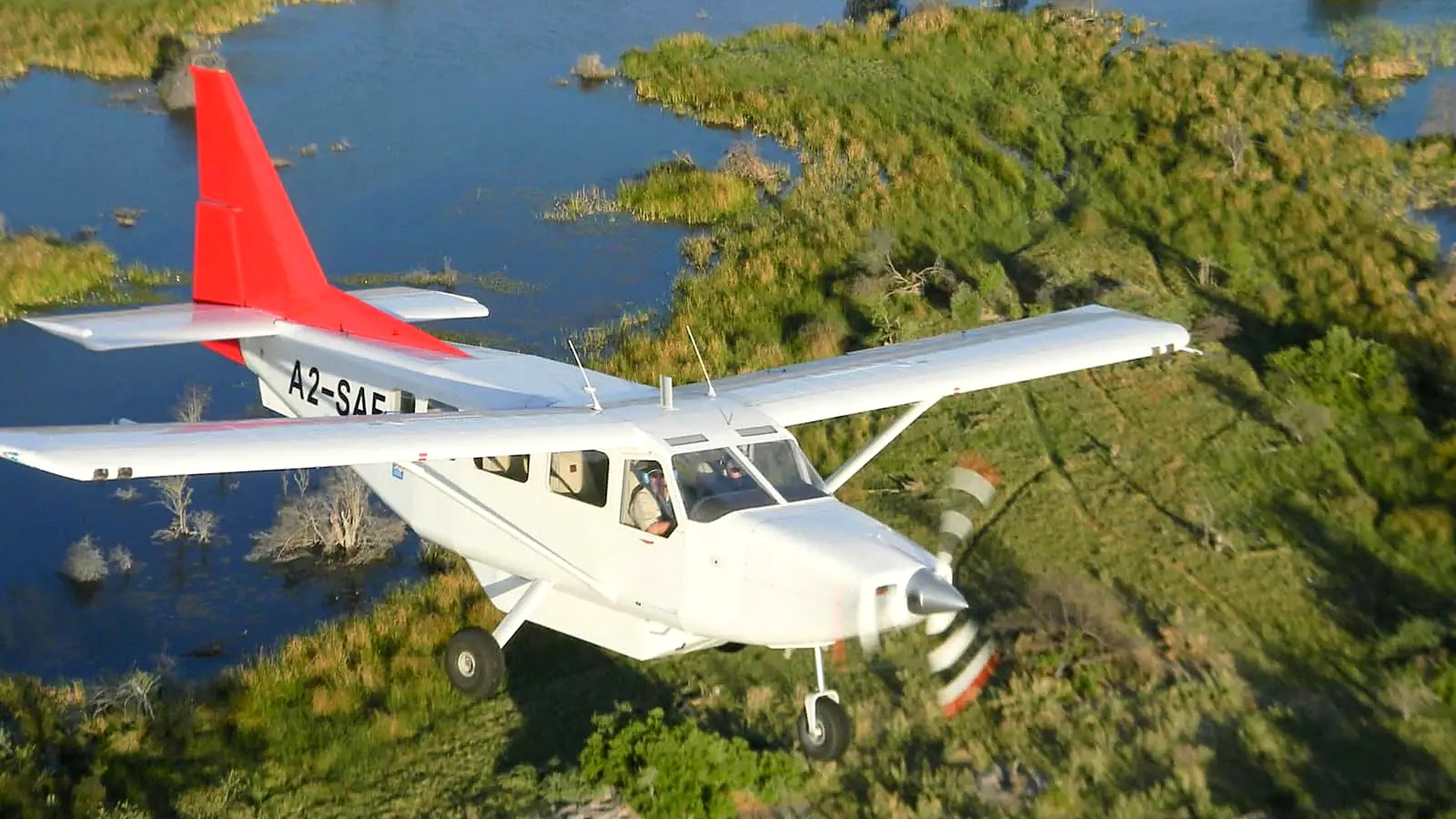
A luxury fly-in safari solves this. Light aircraft — typically Cessna Caravans or similar single-engine planes — connect Namibia's most exclusive camps via private airstrips. What would be an eight-hour drive becomes a 90-minute scenic flight, and the flight itself is part of the experience: you fly low over the dunes of Sossusvlei, skim the fog-shrouded Skeleton Coast, and spot desert elephants from the air in Damaraland. You land on remote gravel strips where a guide meets you with a 4x4, and within minutes you are at your next camp. The time saved is spent on game drives, sundowners, stargazing and simply soaking in the silence of the desert.
Fly-in safaris are not cheap — camps that operate their own air transfers charge accordingly, and the all-inclusive rates reflect the logistics, exclusivity and level of service. But for honeymooners, photographers, those with limited time or anyone who values seamless luxury over self-sufficiency, a fly-in itinerary is the definitive way to experience Namibia. You see more, travel in comfort, and arrive fresh at each destination. And because the camps are small (typically 6-16 guests), the entire experience feels private, curated and profoundly personal.
The Ultimate 10-12 Day Namibia Fly-In Itinerary
This itinerary is a blueprint, not a fixed route — every fly-in safari is tailored to the client's interests, time and budget. But the following 10-12 day route hits Namibia's four essential wilderness areas in a logical, clockwise loop that minimizes backtracking and maximizes variety. It begins and ends in Windhoek, Namibia's capital, which is served by direct flights from Frankfurt, Johannesburg and Cape Town.
Days 1-3: Sossusvlei & the Namib Sand Sea
You begin at the heart of the Namib Desert: Sossusvlei and the NamibRand Nature Reserve. After a short charter from Windhoek (or a drive, if you prefer to collect a rental vehicle), you arrive at one of the area's ultra-luxury camps — Sossusvlei Desert Lodge, Wolwedans, Little Kulala or Kwessi Dunes. These camps sit among the tallest dunes on Earth, and the first afternoon is typically spent with a sundowner drive up Elim Dune or a walk into the desert to watch the light soften and the shadows lengthen.
The signature experience here is a pre-dawn excursion to Deadvlei, the white clay pan surrounded by 300-metre dunes and studded with the blackened skeletons of 900-year-old camel thorn trees. You climb Big Daddy or Dune 45 for the sunrise, photograph the play of light and shadow, and return to camp for a champagne breakfast. On your second day you might take a hot-air balloon flight over the dunes, visit Sesriem Canyon, or simply walk into the silence with a naturalist guide who unpacks the ecology of the desert — the tok-tokkie beetles, the sidewinding adder, the oryx and springbok that survive here without permanent water.
By the third morning, you are familiar with the rhythm of the desert: the cold nights, the furnace afternoons, the quality of light that makes every dune glow like a painting. And then you fly north, and everything changes.
Days 4-6: Skeleton Coast — Shipwrecks, Fog & Seals
The flight from Sossusvlei to the Skeleton Coast is one of the great scenic flights in Africa. You cross the Namib sand sea, thread between gravel plains and rocky outcrops, and then the desert meets the Atlantic in a collision of red dunes and cold grey surf. The Benguela Current rolls in from Antarctica, and where it meets the hot desert air a dense fog forms — the notorious Skeleton Coast fog that has wrecked dozens of ships over the centuries. From the air you see the skeletons: rusting hulls half-buried in sand, scattered along a coastline that has no safe harbour and no mercy.
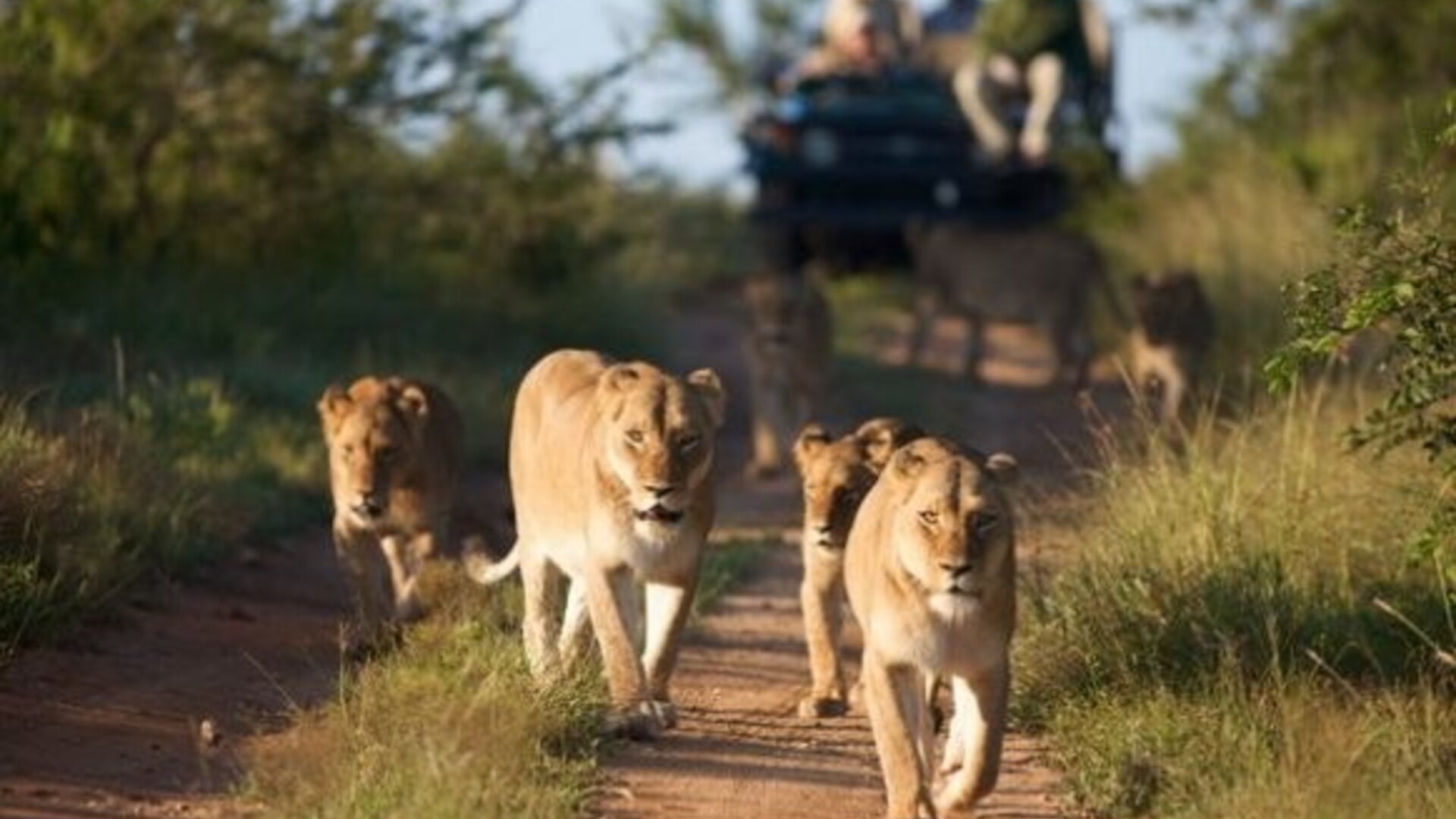
You land at a remote strip and transfer to Shipwreck Lodge or Hoanib Skeleton Coast Camp, both of which sit within the Skeleton Coast National Park. These camps are designed to reflect the coast's shipwreck history — Shipwreck Lodge's cabins are styled like beached vessels, complete with weathered timber and porthole windows. The wildlife here is extraordinary: tens of thousands of Cape fur seals at Cape Cross, desert-adapted lions patrolling the riverbeds, brown hyenas scavenging the tideline, and the occasional black-backed jackal trotting along the beach.
You spend your days exploring the coast by 4x4: visiting the seal colony (overwhelming, pungent, and utterly mesmerizing), walking among the bleached whale bones and ship timbers, and searching for gemstones in the gravel plains. At night, back at camp, the fog rolls in and the roar of the surf becomes a constant, soothing bass note. The Skeleton Coast is unlike anywhere else in Namibia — or Africa. It is bleak, beautiful, and addictive.
Days 7-9: Damaraland — Desert Elephants & Ancient Rock Art
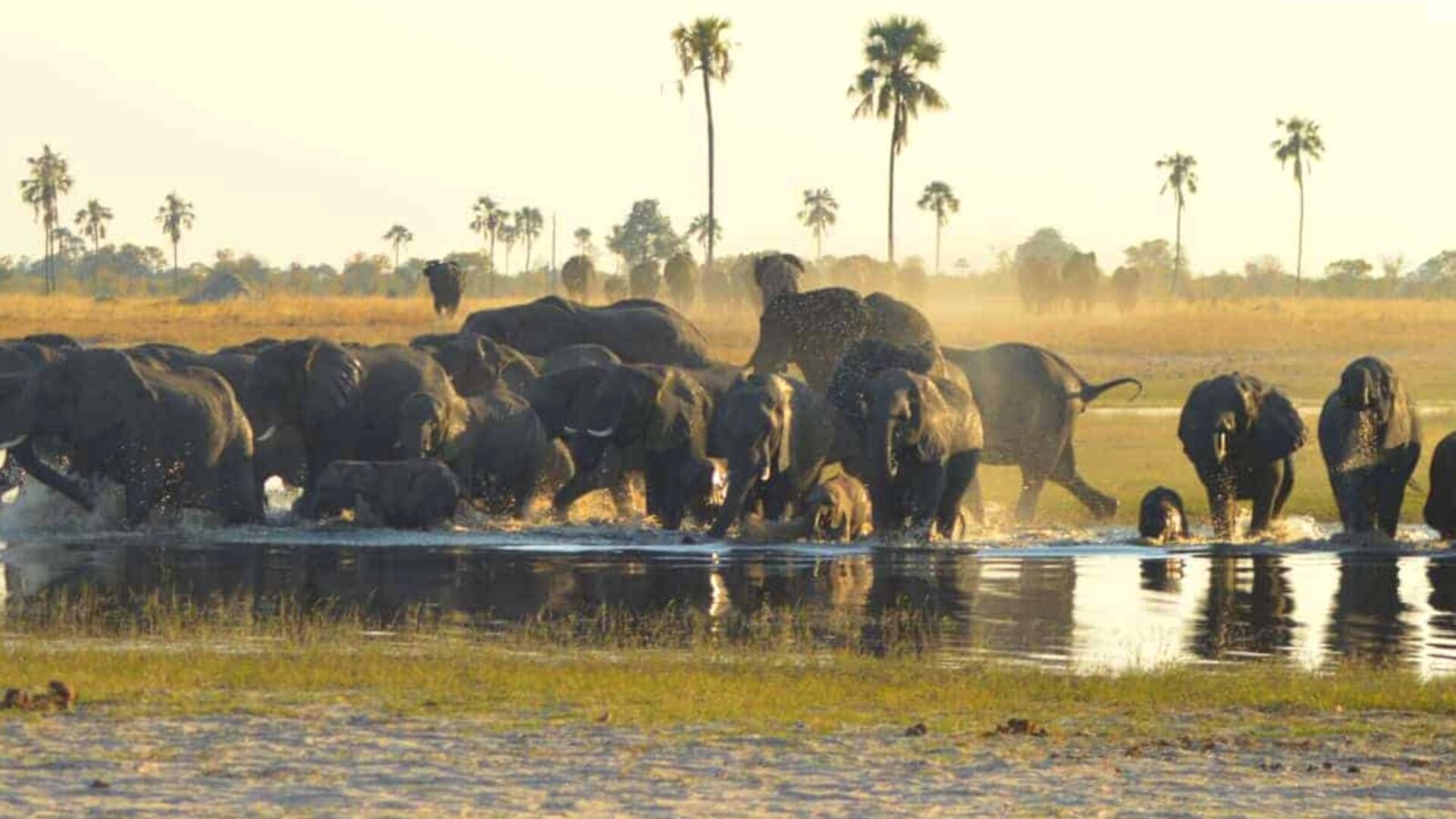
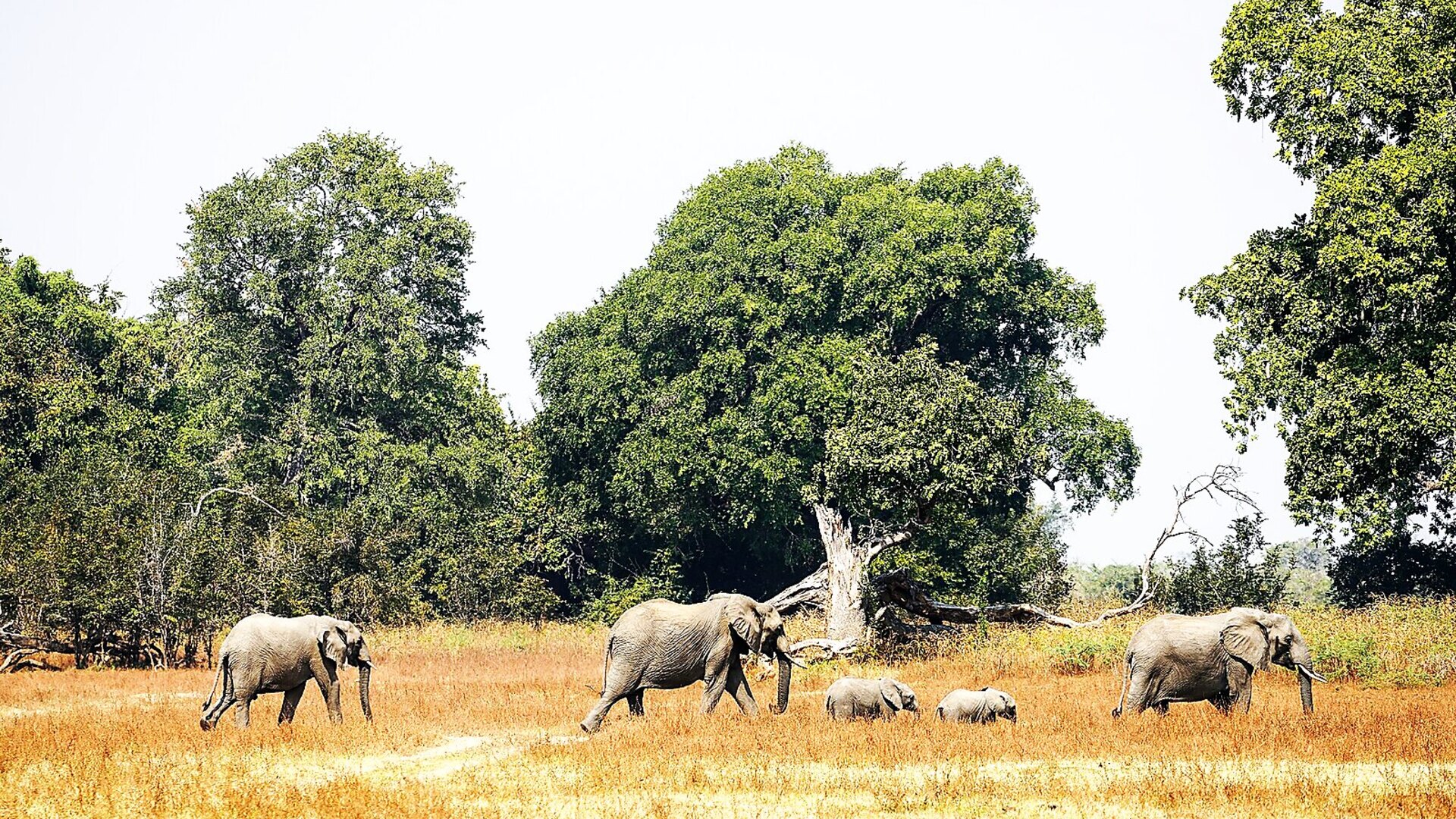
From the coast you fly inland to Damaraland, a region of rocky mountains, dry riverbeds and some of the most resilient wildlife on the continent. This is the home of Namibia's desert-adapted elephants — a population of African elephants that have learned to survive in one of the driest environments on Earth, traveling up to 70 kilometres between water sources and feeding on the sparse vegetation of the Hoanib, Huab and Ugab riverbeds.
You stay at one of Damaraland's exclusive camps: Hoanib Valley Camp, Mowani Mountain Camp, or Camp Kipwe. The architecture here is stunning — stone and thatch structures that blend into the rocky landscape, with private plunge pools, open-air showers, and views over desert plains that stretch to the horizon. Your days are spent tracking elephants on foot with expert guides, visiting the ancient rock engravings at Twyfelfontein (a UNESCO World Heritage Site with thousands of Bushman petroglyphs), and searching for the endangered black rhino that survive in these mountains under the protection of Save the Rhino Trust.
Damaraland offers something rare: a sense of true wilderness combined with world-class guiding and complete comfort. The elephants move like ghosts through the riverbeds, the sunsets paint the mountains in shades of rust and gold, and at night the stars come out in overwhelming profusion. It is the kind of place that makes you want to stay longer than planned.
Days 10-12: Etosha National Park — Big Game Finale
The final leg of the journey takes you northeast to Etosha National Park, Namibia's flagship wildlife reserve and one of the great game-viewing destinations in Southern Africa. Unlike the desert landscapes of the previous stops, Etosha is classic African savanna: vast salt pans, mopane woodland, and a concentration of wildlife that rivals the Serengeti or the Okavango Delta. You stay at a private concession lodge — Ongava, Onguma, Mushara or Little Ongava — which offers both the big game of Etosha and the exclusivity of a private reserve.
Etosha's waterholes are legendary. During the dry season (May to October), the park's permanent waterholes draw elephants, rhinos, lions, giraffes, zebras, springbok, oryx and more in astonishing numbers. You sit at a waterhole at sunset and watch a parade of wildlife come to drink — elephants sparring, lions lounging in the shade, a lone black rhino arriving after dark. The park is home to all of Namibia's large predators, and sightings of lion, leopard, cheetah and spotted hyena are common. Ongava and Onguma also offer night drives, walking safaris and the chance to track rhino on foot — experiences not permitted in the main park.
After two or three days in Etosha, you fly back to Windhoek for your international connection. By now you have crossed Namibia from south to north, from dunes to coast to mountains to savanna. You have slept under some of the darkest skies on Earth, tracked elephants through dry riverbeds, stood at the edge of the Atlantic, and watched lions drink at a waterhole. It is a journey that covers thousands of kilometres but feels effortless, and the images — the dunes, the shipwrecks, the elephants, the stars — stay with you long after you leave.
Practical Considerations: Cost, Timing & Logistics
A luxury fly-in safari in Namibia is a significant investment. All-inclusive rates at the camps mentioned above range from roughly US$1,600 to US$3,500 per person per night, depending on the camp, the season and the level of exclusivity. That rate includes accommodation, all meals and drinks (premium wines and spirits), guided activities, park fees and — crucially — the charter flights between camps. For a 10-12 day itinerary, expect a total cost of US$20,000 to US$40,000+ per person, excluding international flights to Windhoek.
The best time for a fly-in safari is the Namibian winter and early spring: May to October. Days are warm (20-25°C), nights are cold but not freezing, and rain is virtually unknown. The clear skies are ideal for photography, stargazing and scenic flights, and Etosha's waterholes are at their busiest as animals concentrate around the remaining water. November to April is the green season — hotter, with occasional thunderstorms, and Etosha's game is more dispersed as water becomes available across the park. Some Skeleton Coast camps close during the hottest months (January-February).
Logistically, a fly-in safari is remarkably simple. Most operators include a meet-and-greet at Windhoek International Airport, and from there everything is arranged: flights, transfers, activities, meals. You pack light (soft bags only, typically 15kg per person, as the small aircraft have limited luggage capacity), and you move from camp to camp with minimal friction. There are no long drives, no self-navigation, no logistics to manage. It is the ultimate hands-off safari, and for many travelers, that seamlessness is worth the premium.
Who Is This For?
A luxury fly-in safari in Namibia is ideal for anyone who values time, comfort and access to remote wilderness. Honeymooners are drawn to the romance of the desert, the privacy of the camps, and the sheer drama of the landscapes. Photographers benefit from the time saved on the road (more time shooting, less time driving) and the variety of subjects — dunes, shipwrecks, elephants, big game, stars. Time-conscious travelers — those with only 10-12 days for their entire Africa trip — can see more of Namibia in less time. And anyone who simply wants the ultimate in exclusivity and service will find it here: camps with six suites, private guides, bespoke itineraries, and a level of intimacy and attention that is hard to match anywhere else in Africa.
It is not for budget travelers, self-drive purists, or those who prefer the freedom of setting their own pace on the road. But if you want to experience Namibia's desert wilderness at its most refined — to fly over the dunes at sunrise, sleep in a glass-walled suite under the Milky Way, track elephants with one of Africa's best guides, and return each evening to a camp where your name is known and your sundowner gin is poured just the way you like it — then a fly-in safari is the way to do it. It is Namibia distilled to its essence: vast, silent, beautiful, and utterly unforgettable.