Everyone knows Sossusvlei — the apricot dunes and ghostly white pan that grace every Namibia postcard. But Namibia is an immense, empty country, and beyond that famous sand sea lies a desert frontier that only a fraction of travellers ever explore. This is the Namibia of oysters eaten beside a roaring Atlantic, of elephants that walk for days between dry riverbeds, of a chasm so vast it swallows the dawn, and of a silence 55 million years in the making.
This 2026 guide opens four of them — Swakopmund, Damaraland, Fish River Canyon and the Namib Desert itself — with the finest lodges, the wildlife you will meet, honest costs, the best time to go, and exactly how to weave them into one seamless private journey.
Swakopmund — Where the Desert Meets the Atlantic
There is nowhere in Africa quite like Swakopmund. Half German seaside town, half desert outpost, it sits on a thin strip of coast where the world's oldest desert plunges straight into the cold, fog-wrapped Atlantic. Pastel colonial façades and palm-lined promenades give way, within a single block, to open dunes rolling to the horizon. It is charming, faintly surreal, and the perfect place to catch your breath between wilderness legs.
It is also Namibia's adventure capital. Sandboard the towering dunes at Dune 7, quad-bike through the Namib's rolling sand, skydive over the improbable meeting of desert and ocean, or take a scenic flight along the shipwreck-strewn Skeleton Coast and the dune fields of Sandwich Harbour. Gentler pleasures abound too — catamaran cruises among dolphins and seals, fresh Walvis Bay oysters, and sundowners as the Benguela mist rolls in. Two nights here reset the palate before the desert closes back in.
Read the full Swakopmund destination guide for lodges, activities and sample coastal itineraries.
Damaraland — Desert Elephants and Ancient Stories
North of the Namib lies a landscape that feels older than time. Damaraland is a vast, rugged wilderness of rust-red plains, flat-topped mountains and deep, dry valleys, where the light does extraordinary things at dawn and dusk. It is one of the last great unfenced wildernesses in Africa — a place where wildlife roams free across communal conservancies that have become a global model for community-led conservation.
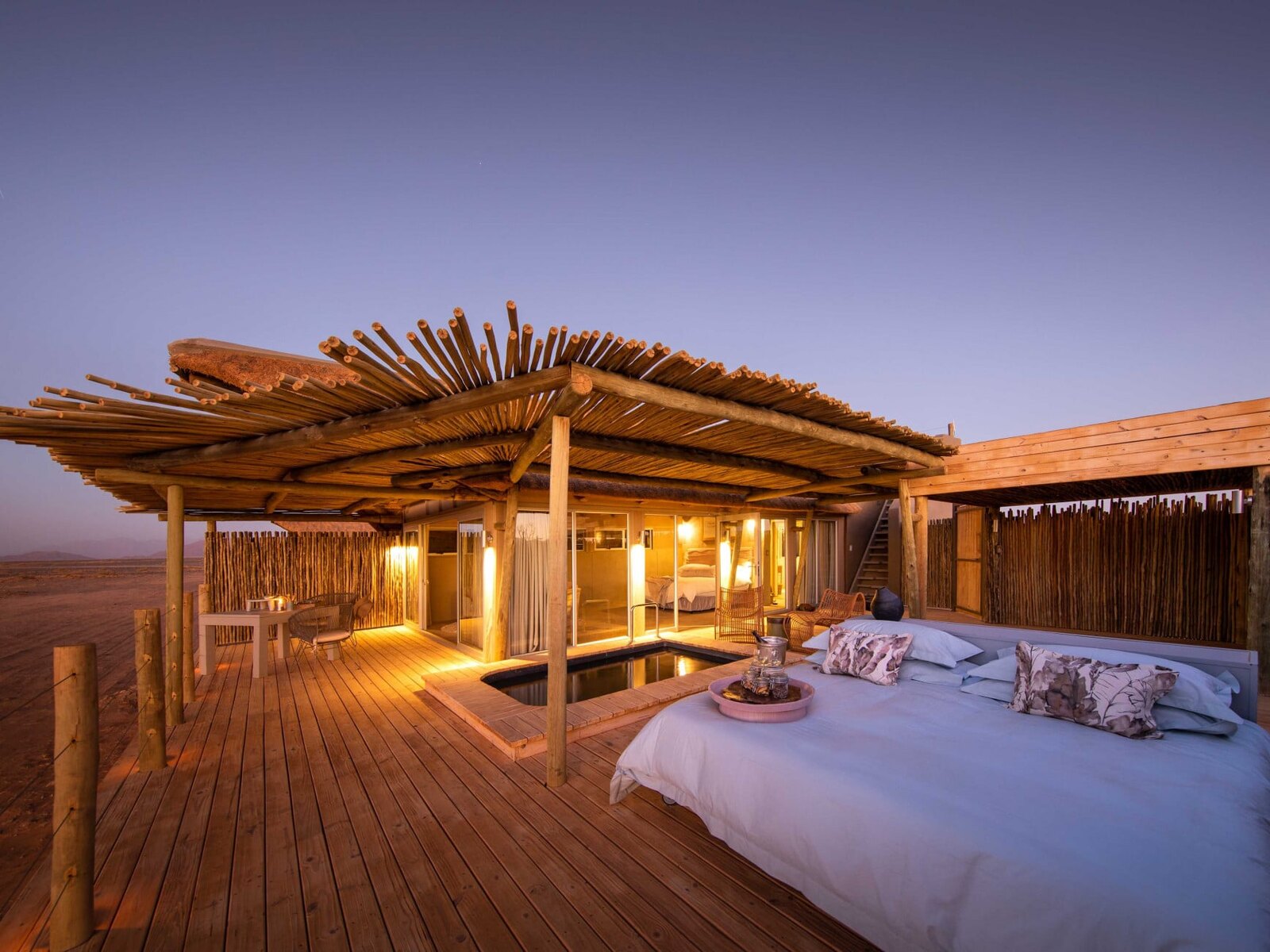
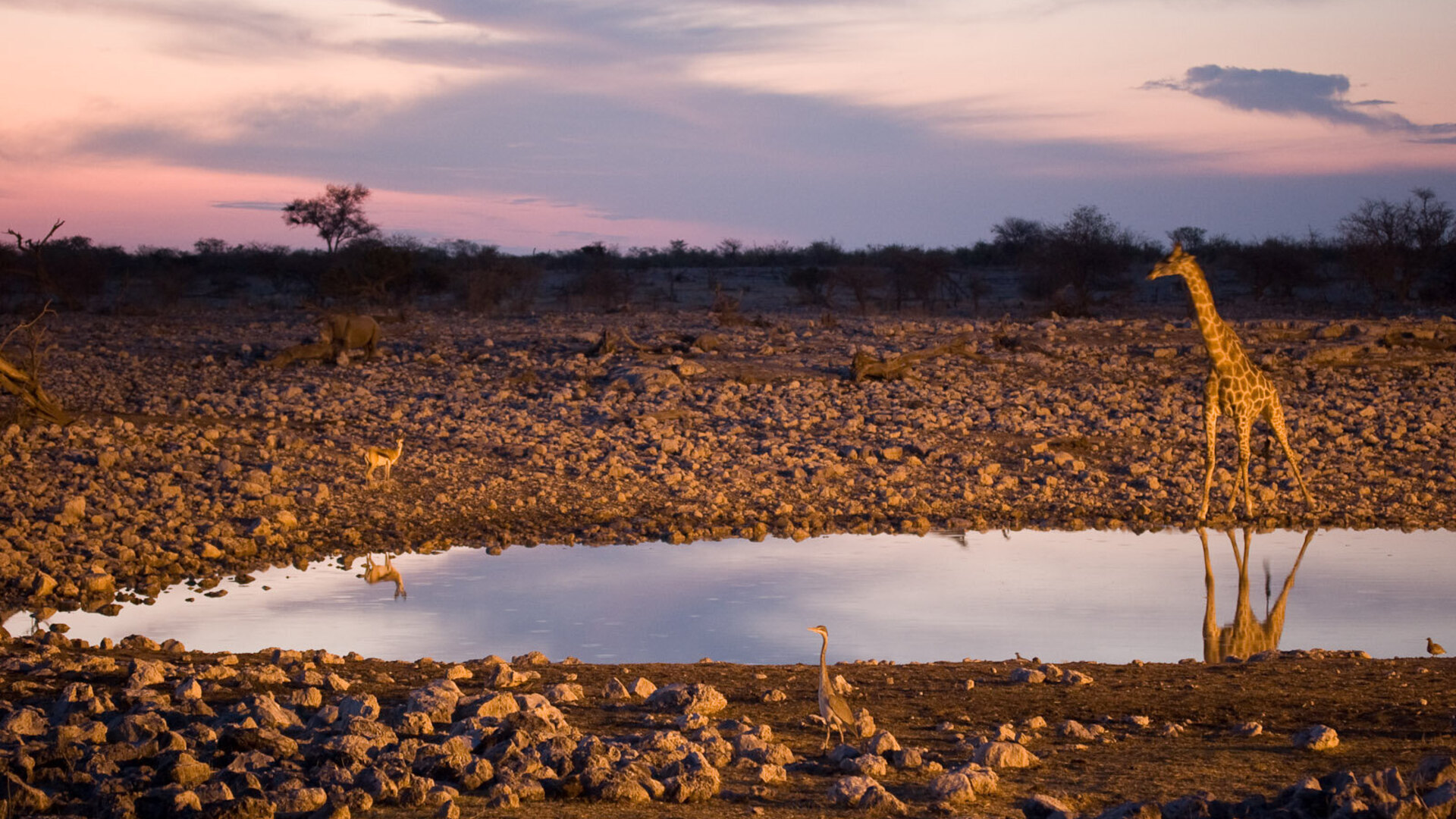
This is one of only two regions on earth where you can track desert-adapted elephants, remarkable animals that survive in near-waterless country, along with desert lion, black rhino tracked on foot, giraffe and oryx. But Damaraland's wonders are cultural as well as wild: the Twyfelfontein rock engravings, carved into sandstone up to 6,000 years ago, are a UNESCO World Heritage Site, and the Brandberg massif shelters the famous White Lady painting. Lodges here are among the most architecturally striking in the country, built to melt into the boulders and framed by some of Africa's most cinematic scenery.
Explore the full Damaraland destination guide to plan elephant tracking, rock-art visits and rhino walks.
Fish River Canyon — The Great Chasm of the South
Deep in Namibia's arid south, the earth simply opens. Fish River Canyon is the second-largest canyon on the planet — a 550-metre-deep, 160-kilometre-long gash carved over 500 million years, its layered walls glowing gold and violet as the sun rises and sets. Standing on the rim as the first light floods the labyrinth of rock below is one of the great quiet spectacles of Southern Africa.
The legendary multi-day Fish River hike along the canyon floor draws serious walkers in the cool months of May to September, but you need not lace up boots to be moved by this place. Sunrise and sunset viewpoints along the rim, scenic light-aircraft flights over the full sweep of the canyon, and a restorative soak in the mineral-rich Ai-Ais hot springs make it a superb, uncrowded finale to a southern journey — all from comfortable lodges perched above the void.
See the full Fish River Canyon destination guide for viewpoints, hikes and hot-spring stays.
The Namib Desert — 55 Million Years of Silence
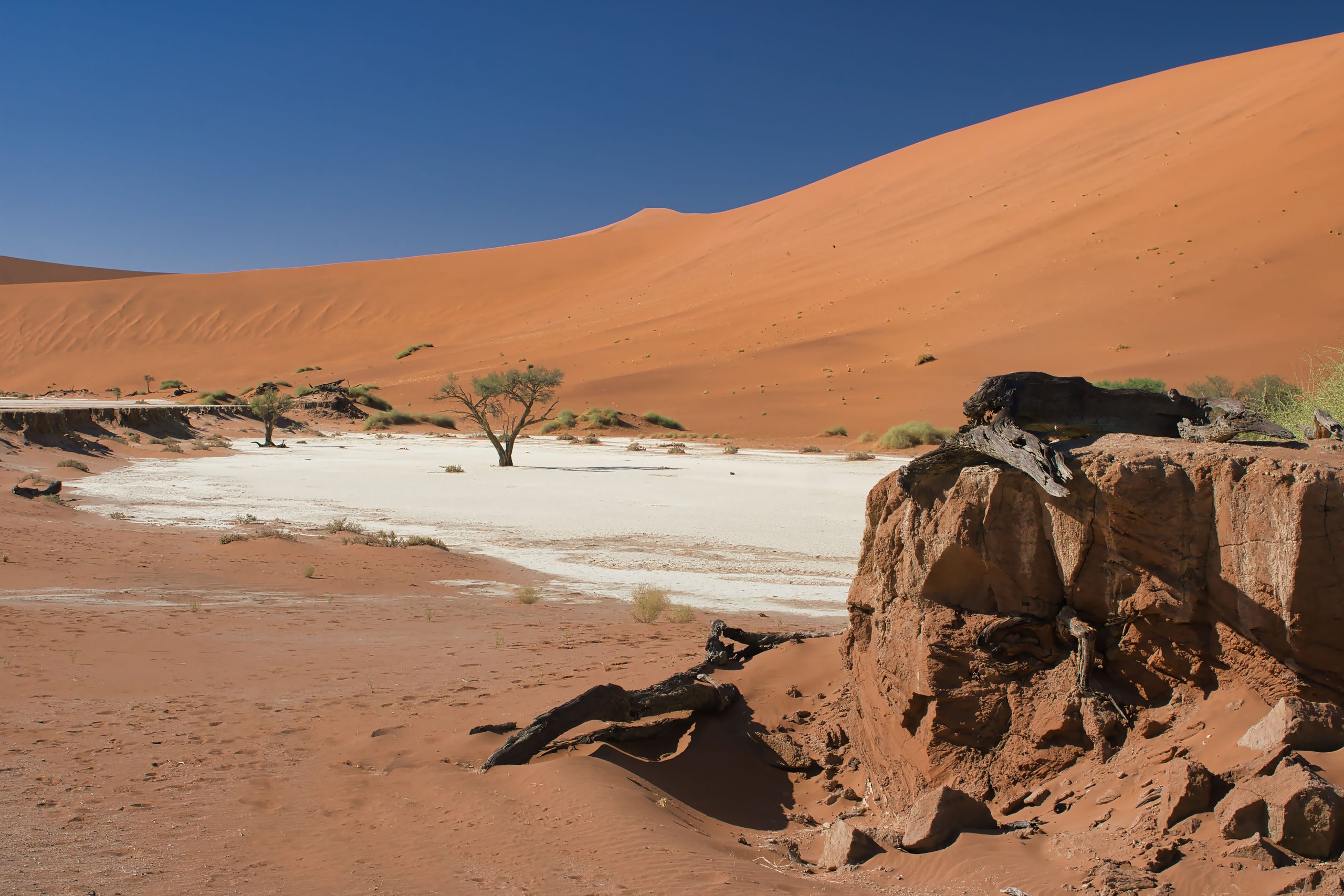
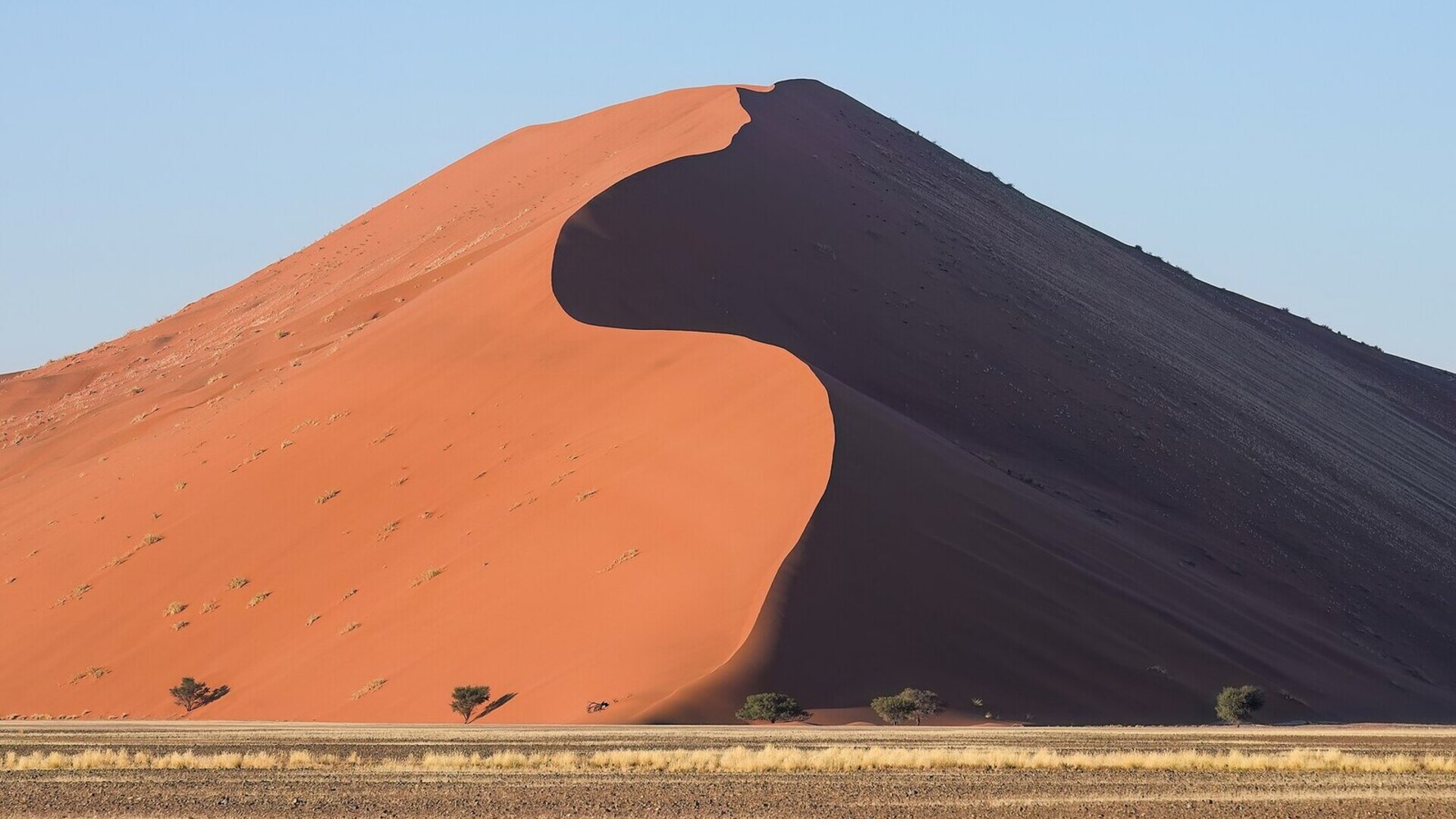
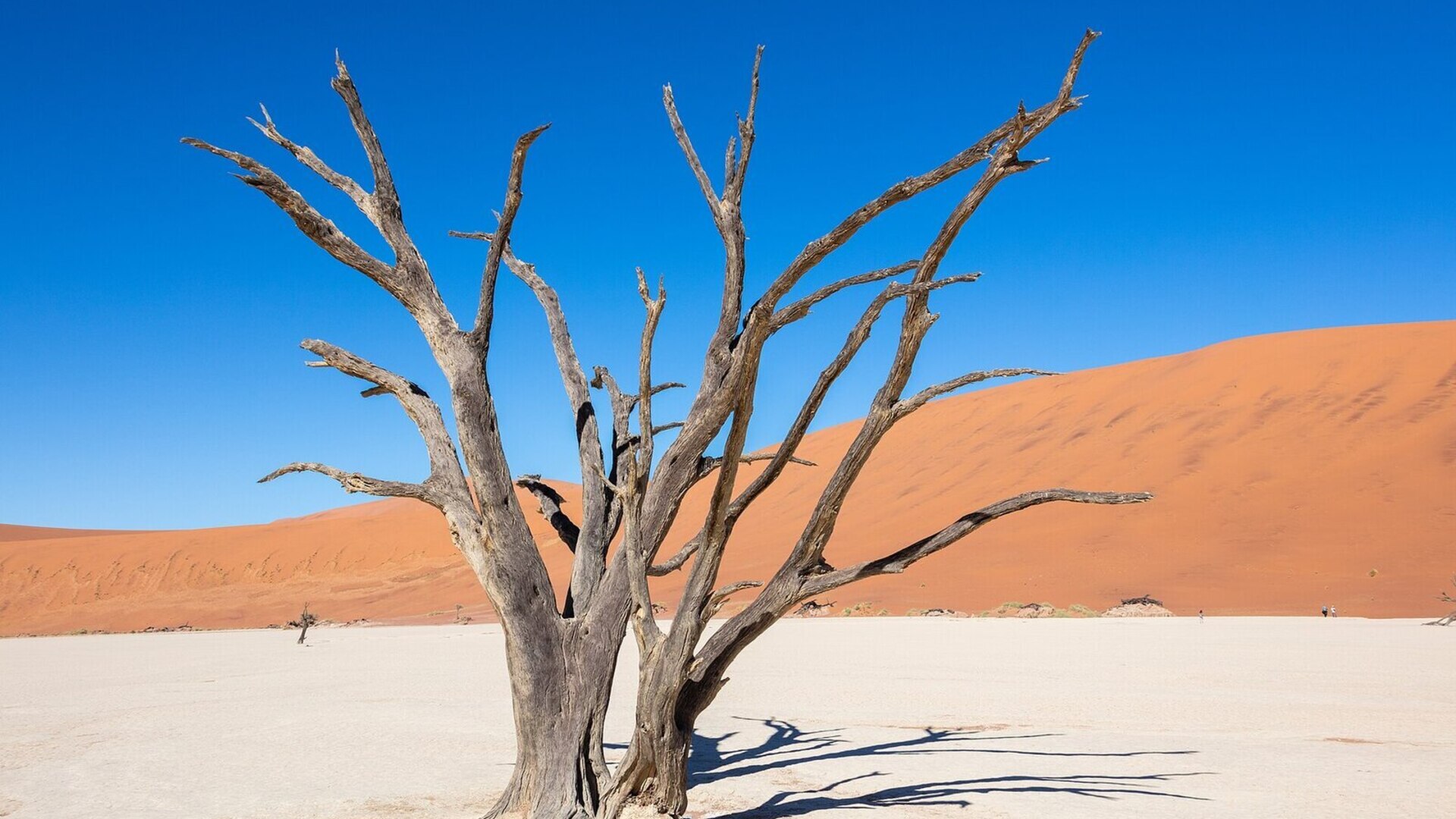
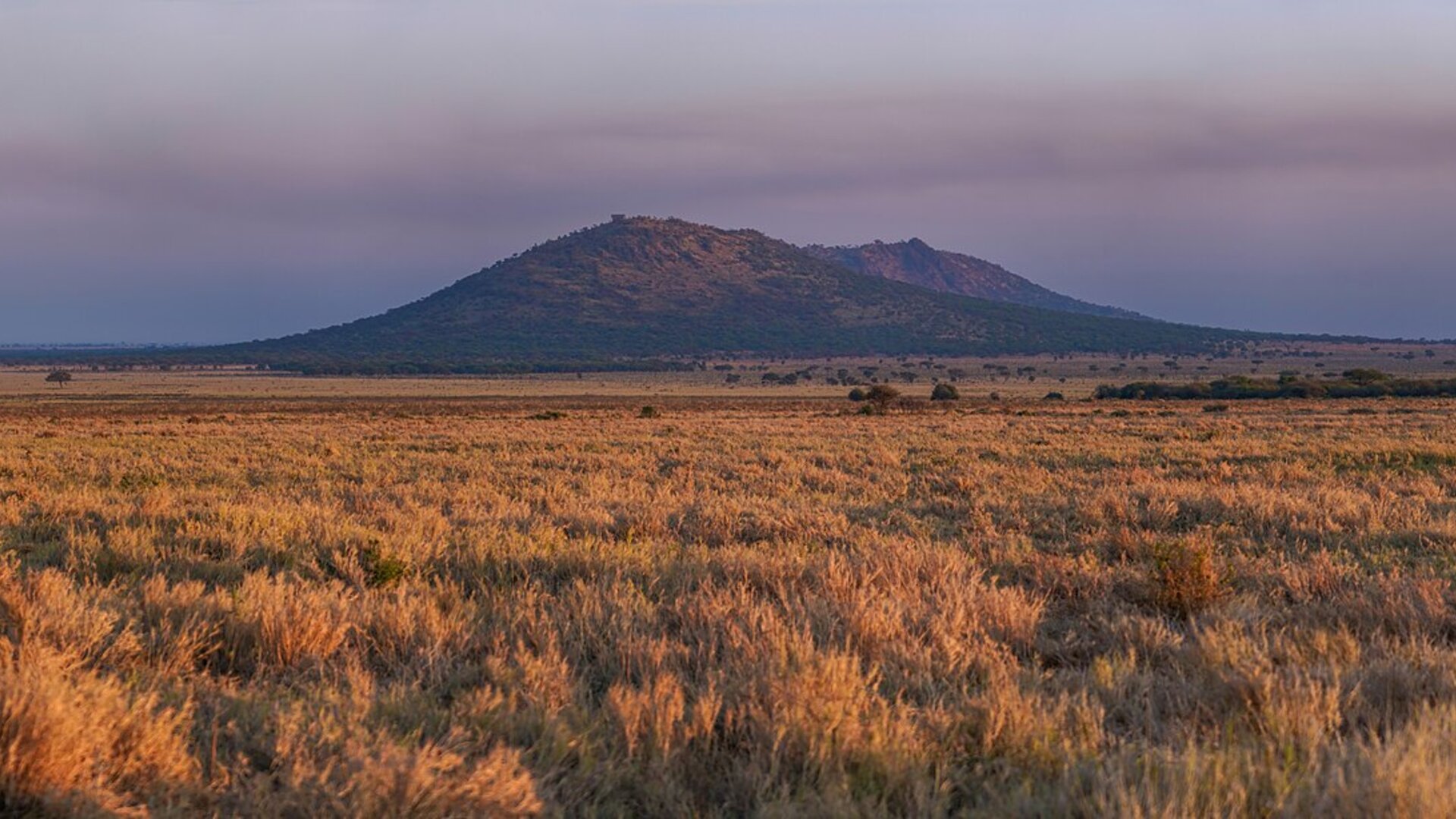
All of this unfolds within, and around, the Namib — the oldest desert on earth. For 55 million years the wind has shaped this land into an ocean of sand, its dunes rising more than 300 metres and glowing crimson and gold as the sun climbs, their crests as sharp as knife-blades against a cloudless sky. At its heart lies Sossusvlei and the haunting white clay pan of Dead Vlei, where 900-year-old camelthorn trees stand petrified and black against the burning sand — perhaps the single most photographed scene on the continent.
But the Namib is far more than Sossusvlei. It is dawn hot-air balloon flights drifting over the dune sea, star fields so dense they cast shadows, gemsbok silhouetted on a ridgeline, and the surreal, life-filled fog-desert where beetles harvest water from the mist. To climb Big Daddy at first light and watch the sun spill across the sand is to witness one of the great spectacles of the natural world — and the private desert concessions surrounding the park deliver it in near-total solitude.
Discover the full Namib Desert destination guide, and its heart at Sossusvlei & the Namib Sand Sea.
How Much Does It Cost in 2026?
Namibia offers exceptional range. Comfortable, characterful lodges in Swakopmund and along the coast run from around $250–$550 per person per day. The desert lodges of the Namib and Sossusvlei — many on private concessions with dawn dune access — range from roughly $450–$1,400 per day, with the finest camps higher. Damaraland's design-led lodges typically run from $500–$1,200 per day, and the canyon lodges of the south from around $300–$700. Self-drive keeps costs down and suits confident travellers; privately guided journeys and light-aircraft fly-in circuits sit at the premium end but transform the pace of a shorter trip. We build every itinerary to your budget and style.
When to Go
The cool dry season from May to October is the classic time: clear skies, cold mornings perfect for dune climbs and canyon viewpoints, and wildlife gathering at water in Damaraland. The dunes photograph best at sunrise and sunset through these months. The green season from November to March is hotter, with sculptural storm skies and rare desert blooms; it is quieter, better value and dramatic for photographers, though the far-southern canyon hike closes in the heat. Whatever the month, the desert nights are cool and the stargazing is world-class.
Weaving It All Together
Namibia's roads are superb and gloriously empty, which makes a self-drive or privately guided road journey the classic way to link the regions. A favourite circuit runs from Windhoek to the Namib and Sossusvlei, up to Swakopmund on the coast, on to Damaraland in the north — with Fish River Canyon in the south added for longer trips or reached first on a southern loop. Short on time? Fly-in safaris hop between private airstrips, turning a two-week drive into a week of scenic light-aircraft flights over the dunes and canyons. Whichever you choose, our specialists arrange every lodge, vehicle, guide and flight as one seamless private tour.
Ready to see the Namibia beyond the postcards? Speak to a Beyond Africa specialist and we will craft your private journey across the desert frontier and beyond.