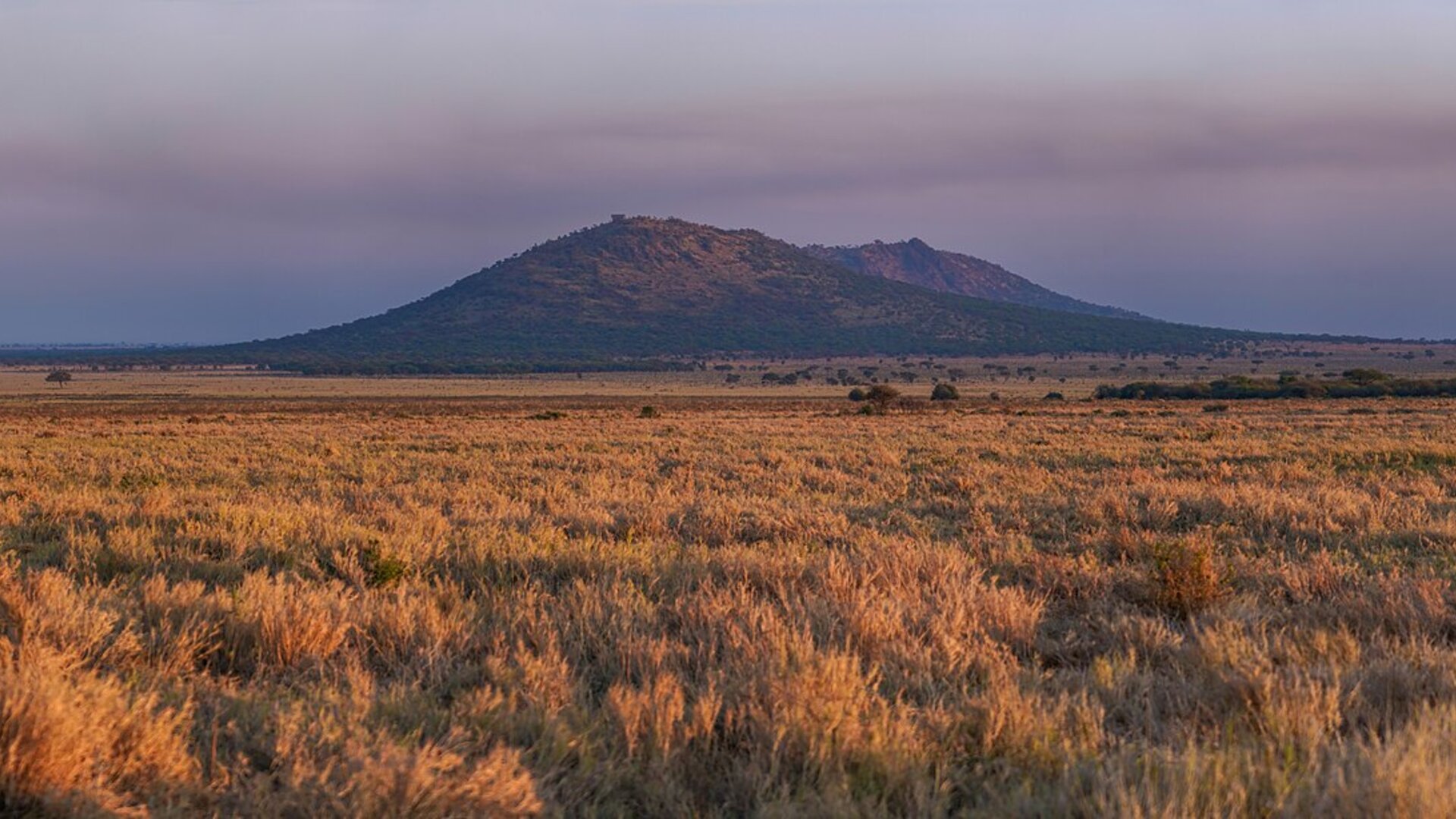
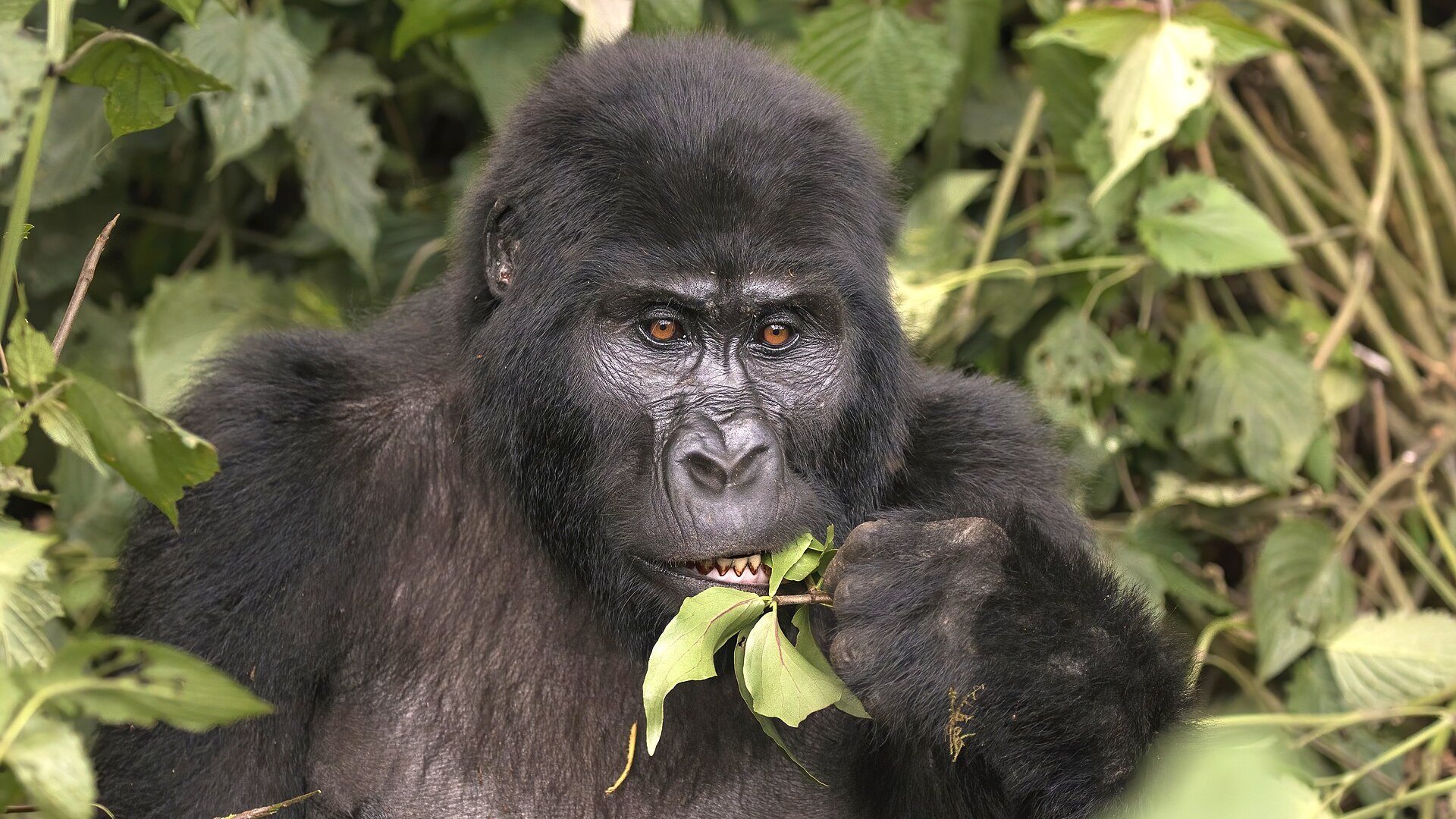
Safety is the question every first-time safari traveller asks — and the answer most travel blogs give is a list of peace index scores and generic disclaimers. We will give you something different: an operator's ranked guide, built on thirty years of booking safaris across Africa, with an honest assessment of what makes each destination genuinely safe for your family.
Our Four-Pillar Safety Framework
Peace indexes measure political stability. We measure four things that actually matter when you are in the bush:
- Political stability index (Global Peace Index 2025 ranking)
- Medical access rating (nearest facility capable of stabilising a serious trauma or cardiac event)
- Emergency evacuation (Flying Doctors / AMREF / private medevac availability and response time)
- Guide and reserve standards (national guide accreditation, armed ranger protocols, fence integrity)
🥇 1. Botswana — The Gold Standard
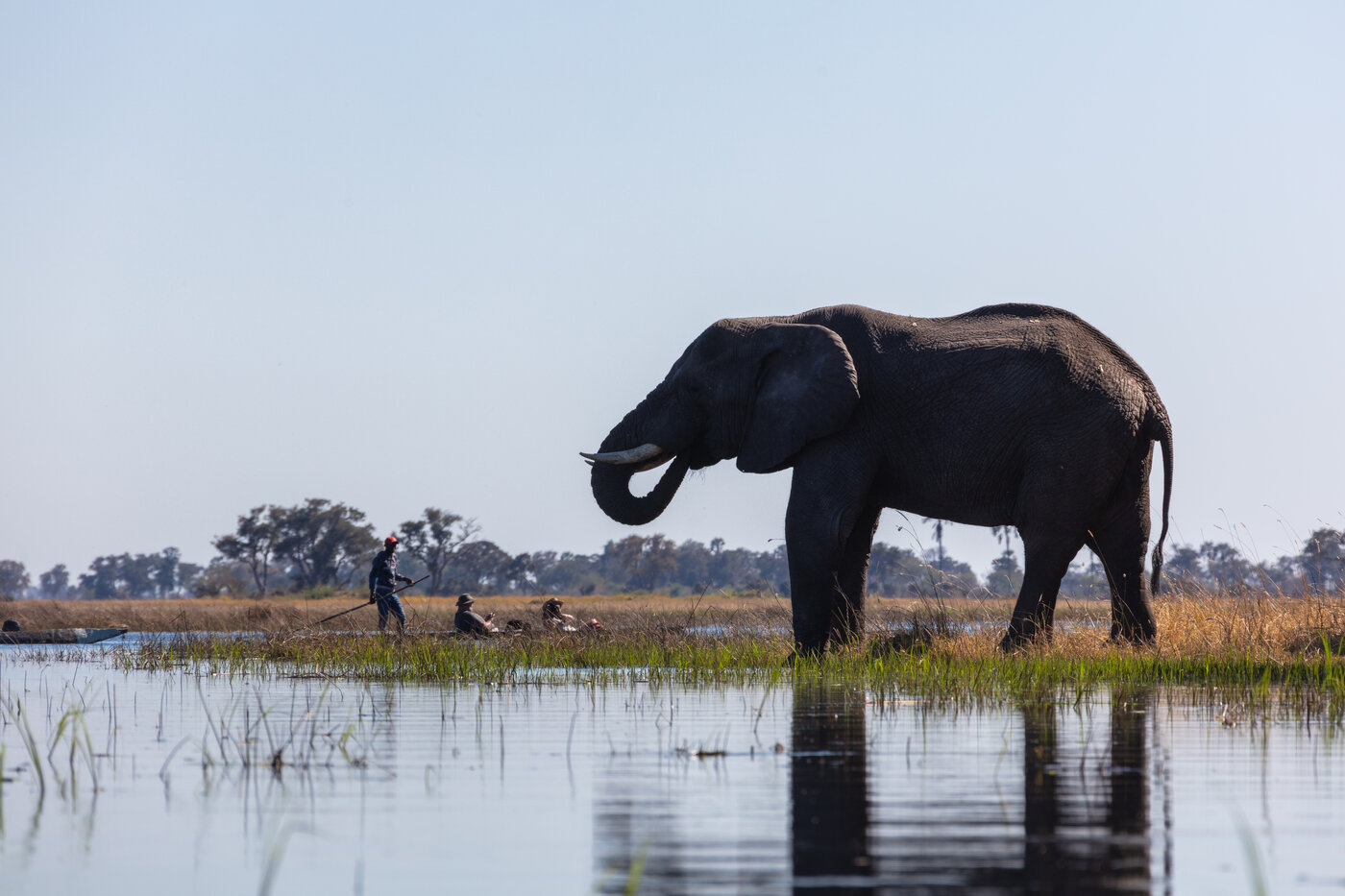
Botswana earns its position at the top of every serious safari safety list. The country has never experienced a coup, maintains one of Africa's least corrupt governments, and made a deliberate decision thirty years ago to limit tourism to high-value, low-impact visitors. The result is an extraordinary concentration of professional guides, low population density in safari areas, and a national park system that functions at a standard you would recognise from New Zealand or Canada.
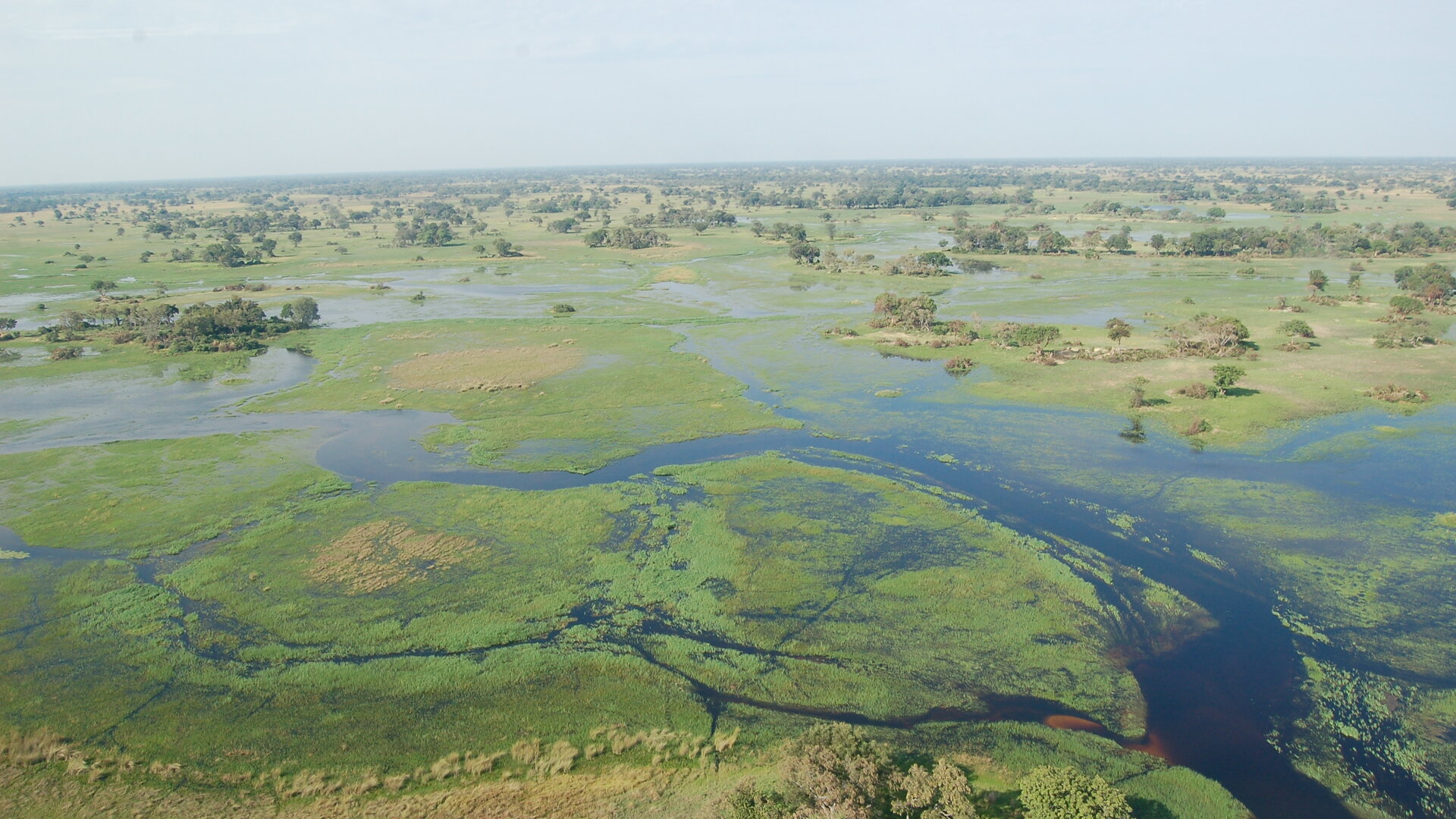
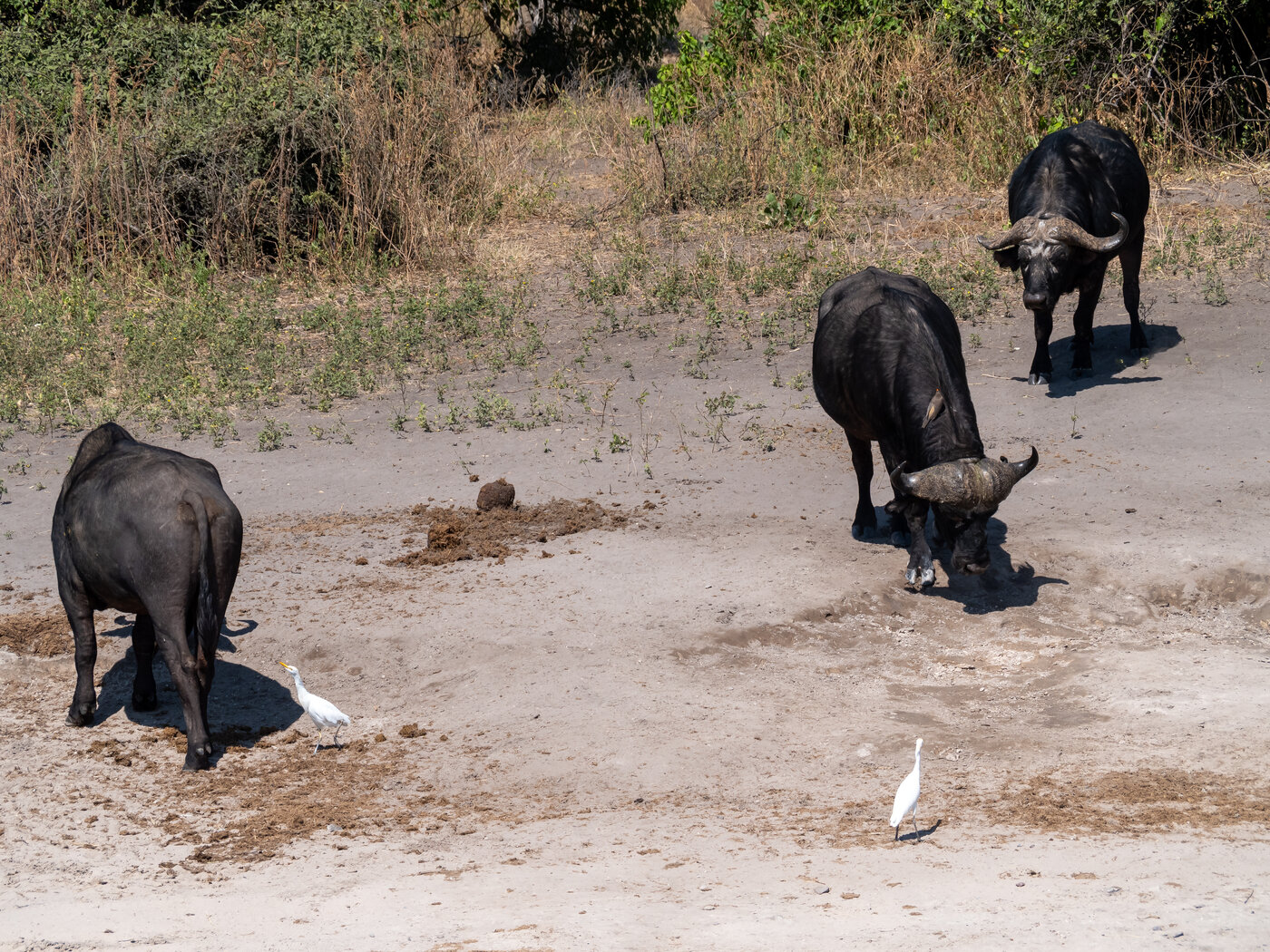
In the Okavango Delta and Chobe National Park, you are guided by professionals who have tracked lions for two decades, who carry radio contact with camp management at all times, and who have a medevac protocol rehearsed to the point of muscle memory. Flying Doctors East Africa covers the Delta with a response time of under two hours from Maun. The private concessions — Moremi, Khwai, Linyanti, the Savuti Corridor — add a layer of perimeter security that national parks alone cannot offer.
Botswana Safety Scorecard
- 🕊️ Global Peace Index 2025: #43 globally (#2 in sub-Saharan Africa)
- 🏥 Nearest major medical facility: Maun General Hospital (30-min charter flight from Delta camps)
- 🚁 Flying Doctors coverage: Full coverage, 90-min average response
- 🦁 Guide standard: BOTA-certified, minimum 2-year apprenticeship
- ⭐ Beyond Africa safety rating: 5/5
🥈 2. Namibia — Vast, Empty and Supremely Safe
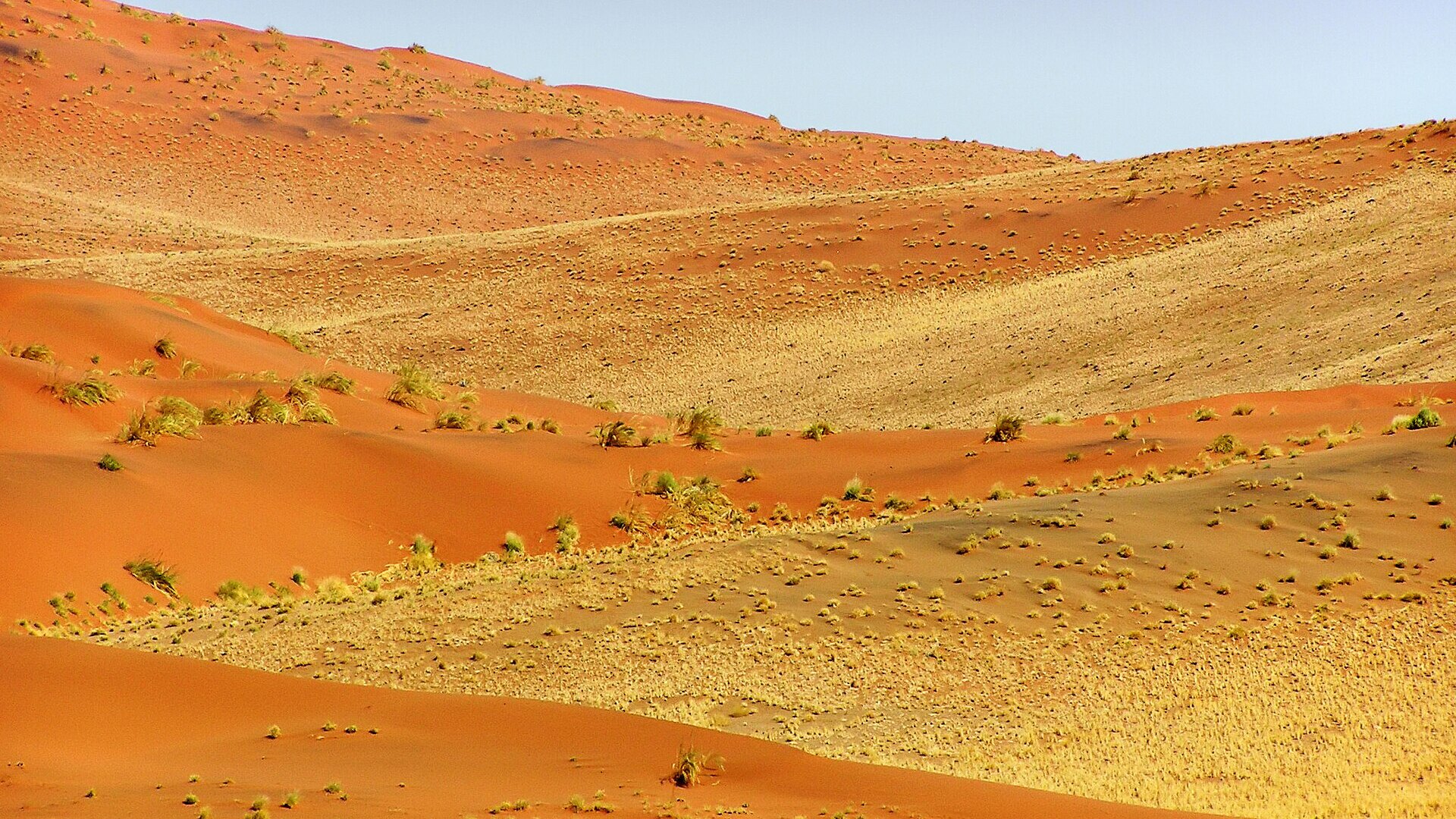
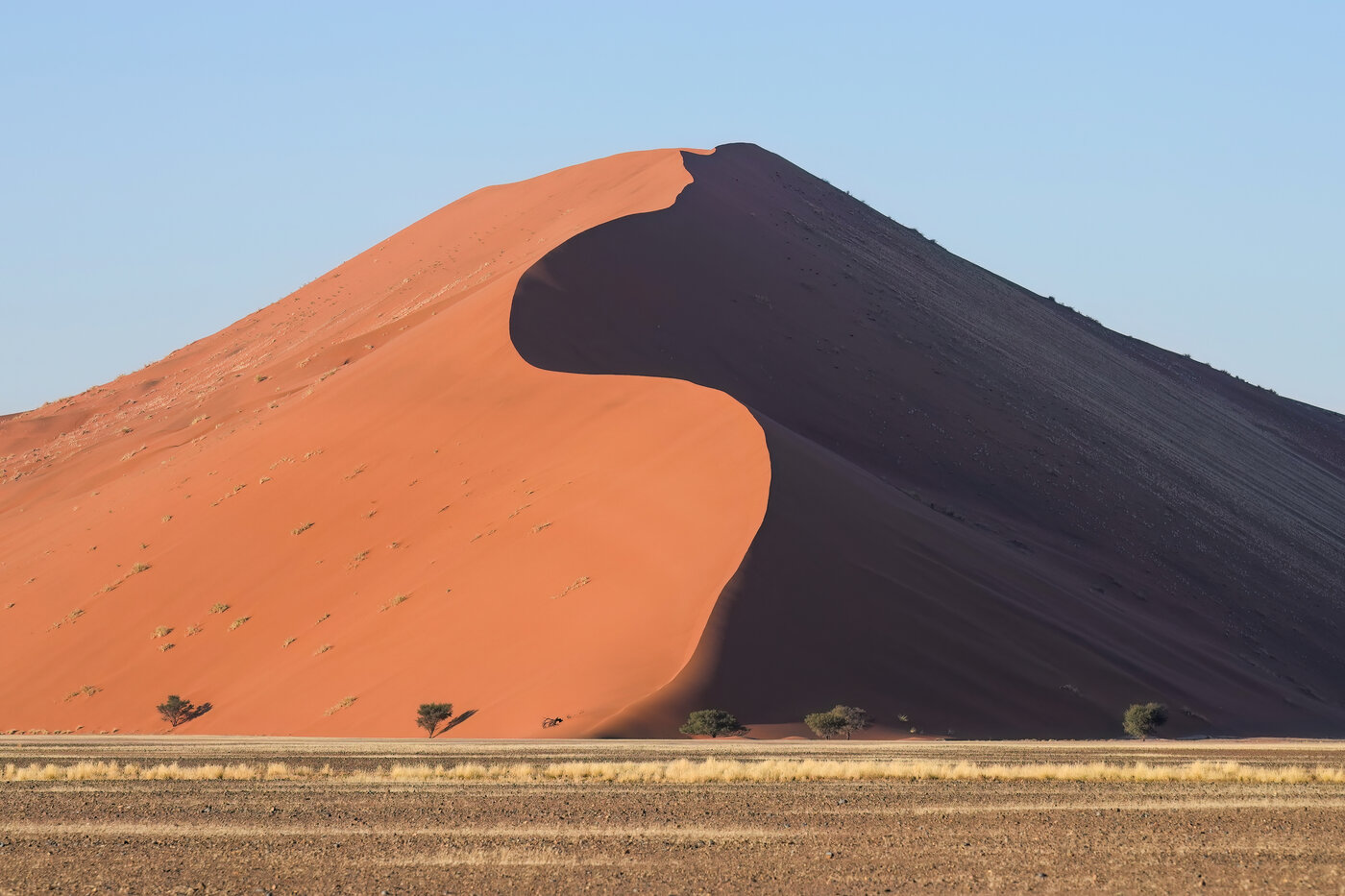
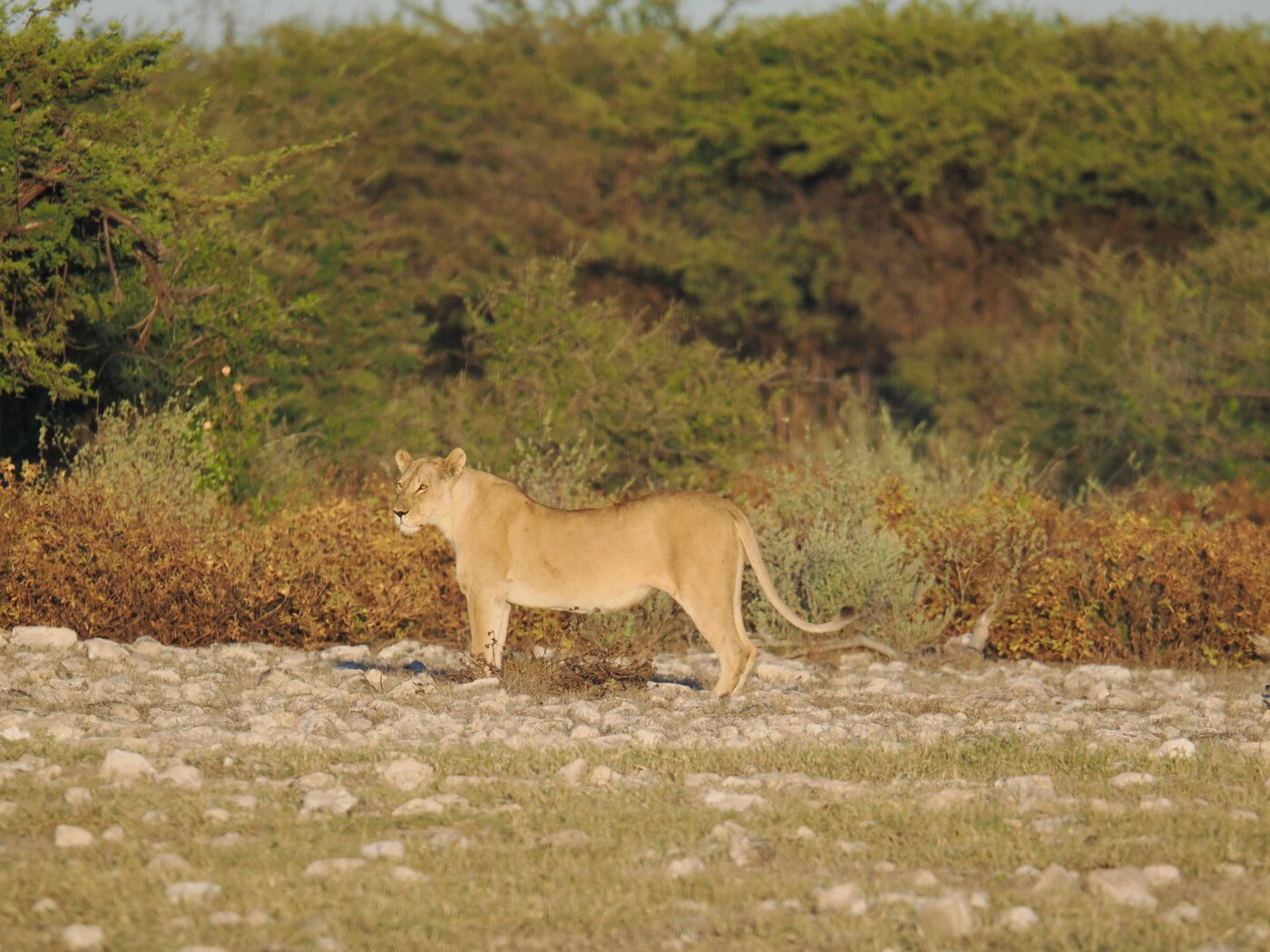
Namibia's greatest safety asset is its population density — just 3.5 people per square kilometre. In the Namib Desert, in Etosha, along the Skeleton Coast, you are surrounded by wilderness with no urban pressure and no petty crime infrastructure. The country has been politically stable since independence in 1990, and its tourism industry is run with precision by some of southern Africa's most experienced operators.
Self-drive safaris in Namibia are among the most rewarding on the continent for experienced travellers, and the road network is better maintained than most European rural roads. For guided luxury, camps like Little Kulala near Sossusvlei, Hoanib Skeleton Coast in the Kaokoveld, and Ongava near Etosha represent the highest standard of remote wilderness hospitality — all with medical evacuation protocols in place.
Namibia Safety Scorecard
- 🕊️ Global Peace Index 2025: #50 globally (#3 in sub-Saharan Africa)
- 🏥 Nearest major medical facility: Windhoek Central Hospital (2-hr flight from remote areas)
- 🚁 Emergency evacuation: Medical Rescue International (MRI) + International SOS coverage
- 🦁 Guide standard: NQA-accredited, mandatory first aid certification
- ⭐ Beyond Africa safety rating: 5/5
🥉 3. Rwanda — Africa's Safest and Most Transformed Nation
No country in Africa has transformed itself as dramatically as Rwanda. From the horror of 1994 to the cleanest, most orderly and most secure capital city on the continent by 2026 — Kigali regularly outranks European cities on safety indices for female solo travellers. President Kagame's government has invested in tourism infrastructure, law enforcement and ranger training with an efficiency that tourists encounter from the moment they land at Kigali International Airport.
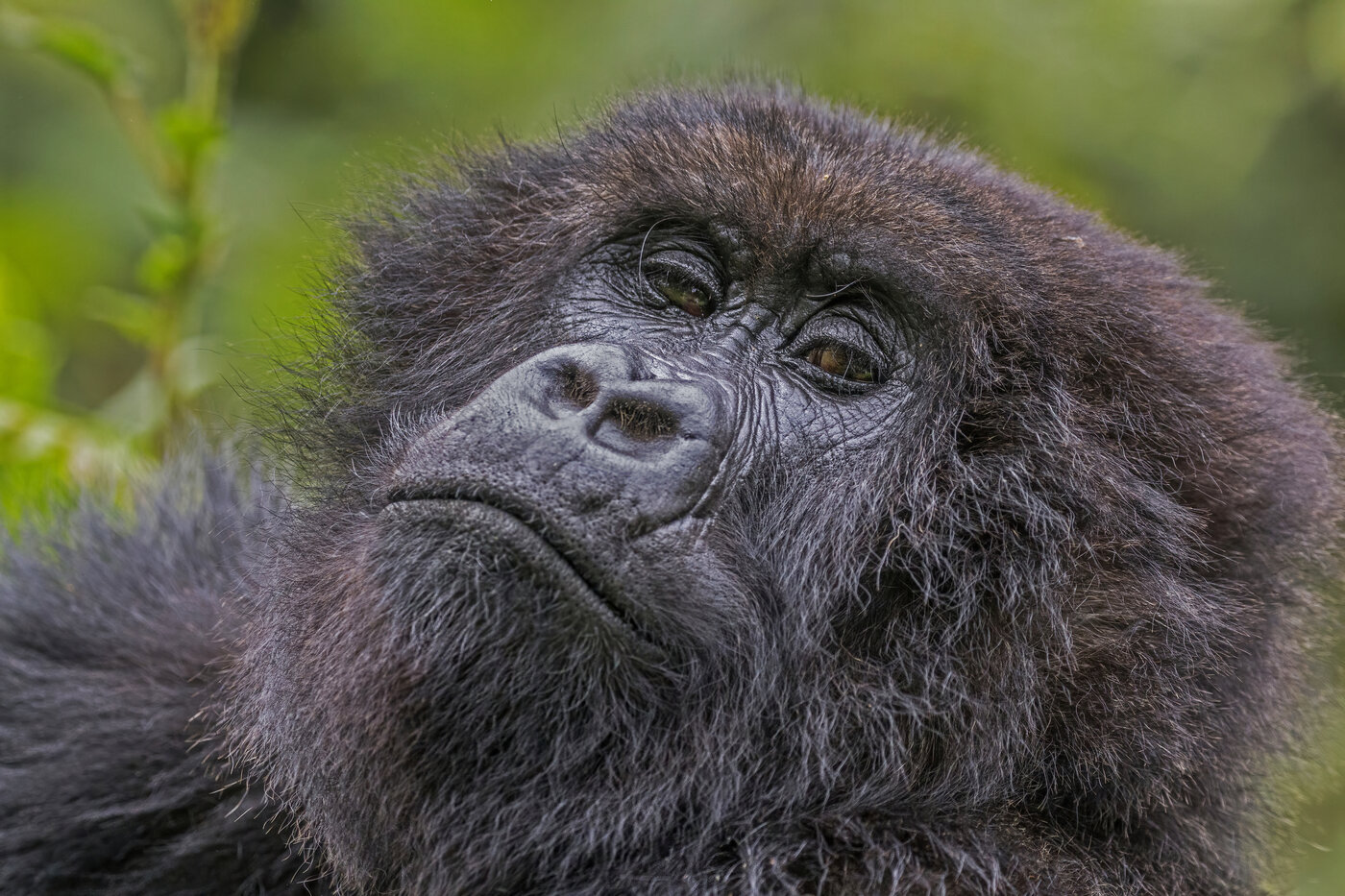
The gorilla trekking experience in Volcanoes National Park is governed by strict protocols that are safety measures as much as conservation rules: maximum eight visitors per gorilla family per day, mandatory guides and armed rangers, and a route that has been walked by those rangers every morning since before you arrived. There are no surprises.
Rwanda Safety Scorecard
- 🕊️ Global Peace Index 2025: #91 globally (top 5 in sub-Saharan Africa)
- 🏥 King Faisal Hospital, Kigali — East Africa's most modern referral hospital
- 🚁 Emergency evacuation: AMREF Flying Doctors + Rwandair medical charter capacity
- 🦁 Guide standard: Rwanda Development Board certified, mandatory gorilla tracking training
- ⭐ Beyond Africa safety rating: 5/5
4. Zambia — Walking Safari's Home Ground
Zambia is where the walking safari was born. Norman Carr and later Robin Pope established a tradition of bush craft, tracker skill and ranger professionalism in South Luangwa that has never been equalled on the continent. Your walking guide in Luangwa has likely spent 10,000 hours on foot in lion country. That is not a reassurance — it is a qualification.
Zambia's political environment is stable and its national parks are genuinely remote, which means low visitor density and near-zero petty crime risk inside the parks. The Lower Zambezi, Kafue and Liuwa Plains offer similarly quiet, expert-guided experiences. The only urban caution applies to Lusaka, which is easily bypassed with a direct internal charter to your camp airstrip.
Zambia Safety Scorecard
- 🕊️ Global Peace Index 2025: #64 globally (#4 in sub-Saharan Africa)
- 🏥 UTH Lusaka + Maina Soko Military Hospital (charter flight from Luangwa camps)
- 🚁 Emergency evacuation: Proflight Zambia medical + AMREF coverage
- 🦁 Guide standard: ZNS-backed ranger training, Luangwa guide apprenticeship minimum 3 years
- ⭐ Beyond Africa safety rating: 4.5/5
5. Tanzania — Established Circuits, Extraordinary Wildlife
Tanzania's safari circuits — Serengeti, Ngorongoro, Tarangire, Selous, Mahale Mountains — are among the world's most professionally managed wildlife experiences. Safety on these circuits is excellent. The standard caution applies to Dar es Salaam and Zanzibar's Stone Town, as in any busy port city, but there is no reason for a private safari traveller to spend time in either without a guide.
The northern circuit (Serengeti, Ngorongoro, Tarangire, Lake Manyara) is so well established that it runs with the efficiency of a Swiss railway — daily charter flights, camp-to-camp logistics, ranger protocols refined over 60 years. The southern circuit (Ruaha, Selous/Nyerere) is wilder and less visited, with the same professional standard applied to smaller groups.
Tanzania Safety Scorecard
- 🕊️ Global Peace Index 2025: #73 globally
- 🏥 Aga Khan Hospital Dar es Salaam + CCBRT (within charter range of all major camps)
- 🚁 Emergency evacuation: AMREF Flying Doctors (Nairobi hub), Coastal Aviation medevac
- 🦁 Guide standard: MNRT-licensed, Category A guide certification required
- ⭐ Beyond Africa safety rating: 4.5/5
6. South Africa — World-Class Private Reserves
South Africa's private game reserves represent the most sophisticated wildlife tourism infrastructure on the continent. The fenced reserves of the Sabi Sands, the Waterberg, and the Eastern Cape operate to a hospitality standard that competes with the world's finest hotels — combined with Big Five wildlife encounters guided by some of the most qualified rangers in Africa (FGASA Level 2 and 3, the most rigorous accreditation system on the continent).
The standard caution about Johannesburg and Cape Town's urban areas is well known and easily managed with standard precautions. Inside a private reserve, you are in a completely different environment — secured perimeter, professional armed rangers, vehicle communication, camp managers with emergency protocols ready. Your risk profile inside Phinda, Ngala, Londolozi or Chitwa Chitwa is lower than in most European city centres.
South Africa Safety Scorecard
- 🕊️ Global Peace Index 2025: #124 globally
- 🏥 Netcare / Life Healthcare hospitals in every major city, bush clinic evacuation well-established
- 🚁 Emergency evacuation: Netcare 911, ER24 — response times under 60 min from any private reserve
- 🦁 Guide standard: FGASA Level 1-3, DEAT-registered nature guides — Africa's most thorough system
- ⭐ Beyond Africa safety rating: 4.5/5 (private reserves only)
7. Kenya — The Established Safari Nation
Kenya is where the word "safari" was born in the English language, and its northern and central circuits — Masai Mara, Amboseli, Samburu, Laikipia, Lewa — are staffed by professional guides whose families have been in this industry for three and four generations. The safety record on the established safari circuits is excellent. The Masai Mara conservancies in particular — Olare Motorogi, Mara North, Naboisho — operate to a standard that rivals the best of Botswana.
Nairobi requires standard urban precautions. The coastal areas and the far north require specific local knowledge, which is why we always route clients via charter flight from Wilson Airport directly to their camp airstrip, bypassing road risk entirely.
Kenya Safety Scorecard
- 🕊️ Global Peace Index 2025: #127 globally
- 🏥 Nairobi Hospital + Aga Khan Hospital Nairobi — East Africa's premier referral centres
- 🚁 Emergency evacuation: AMREF Flying Doctors (Nairobi-based, 30-45 min from any Mara camp)
- 🦁 Guide standard: Kenya Wildlife Service + Tourism Regulatory Authority certified
- ⭐ Beyond Africa safety rating: 4/5 (established circuits and conservancies only)
What Beyond Africa Does to Keep You Safe
Every itinerary we build includes a pre-departure safety briefing, destination-specific travel insurance guidance, emergency contact protocols for each camp and airport, and a 24-hour emergency line that connects you directly to our operations team in Cape Town. We book only with lodges and camps that have written emergency evacuation protocols on file with us. We do not book the cheapest option. We book the option where, if something goes wrong, you will be in the best possible hands.
We have been doing this for thirty years. We have seen it all. Come with us — we will take you to the Africa that rewards you, not the Africa that worries you.