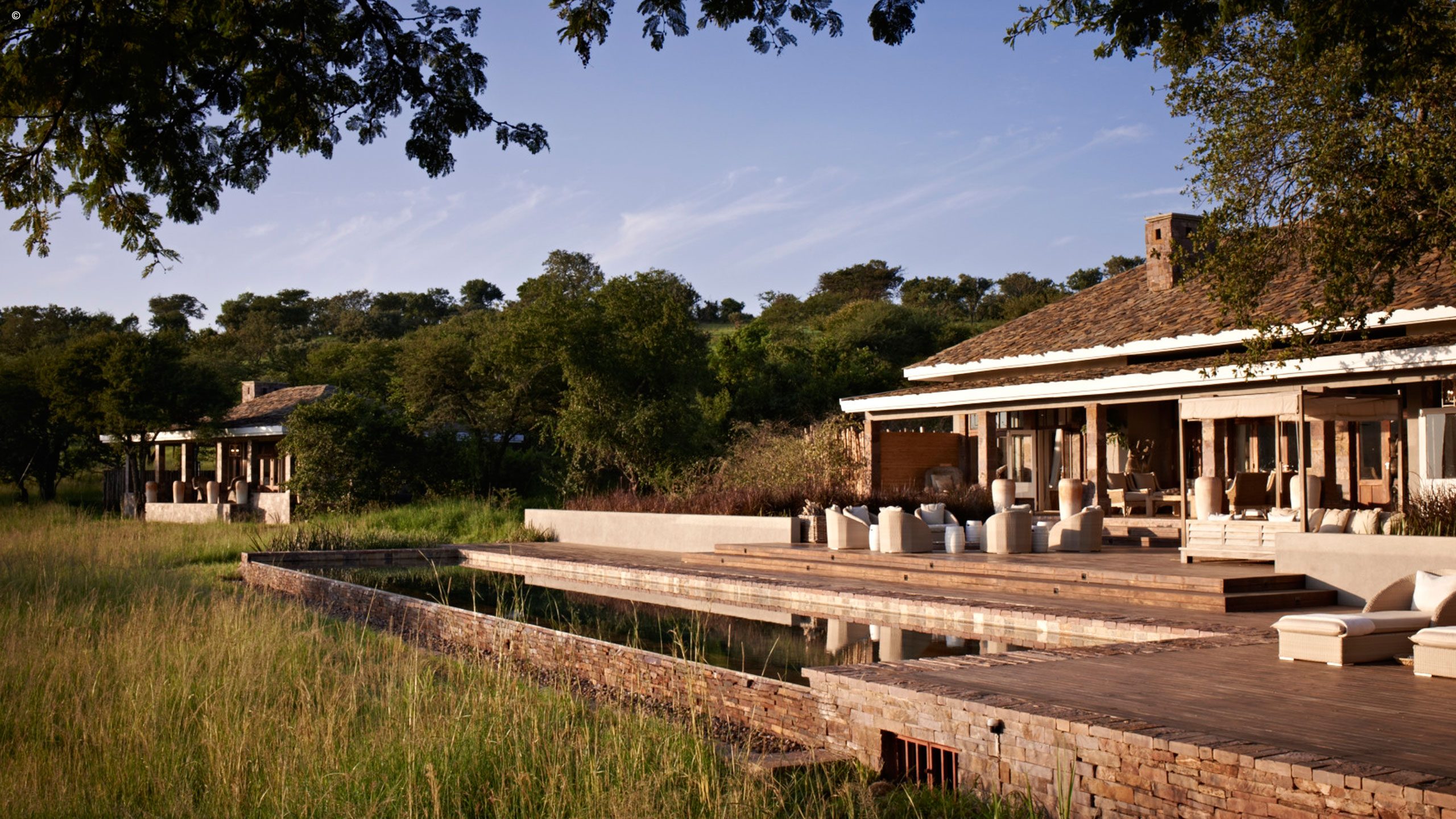
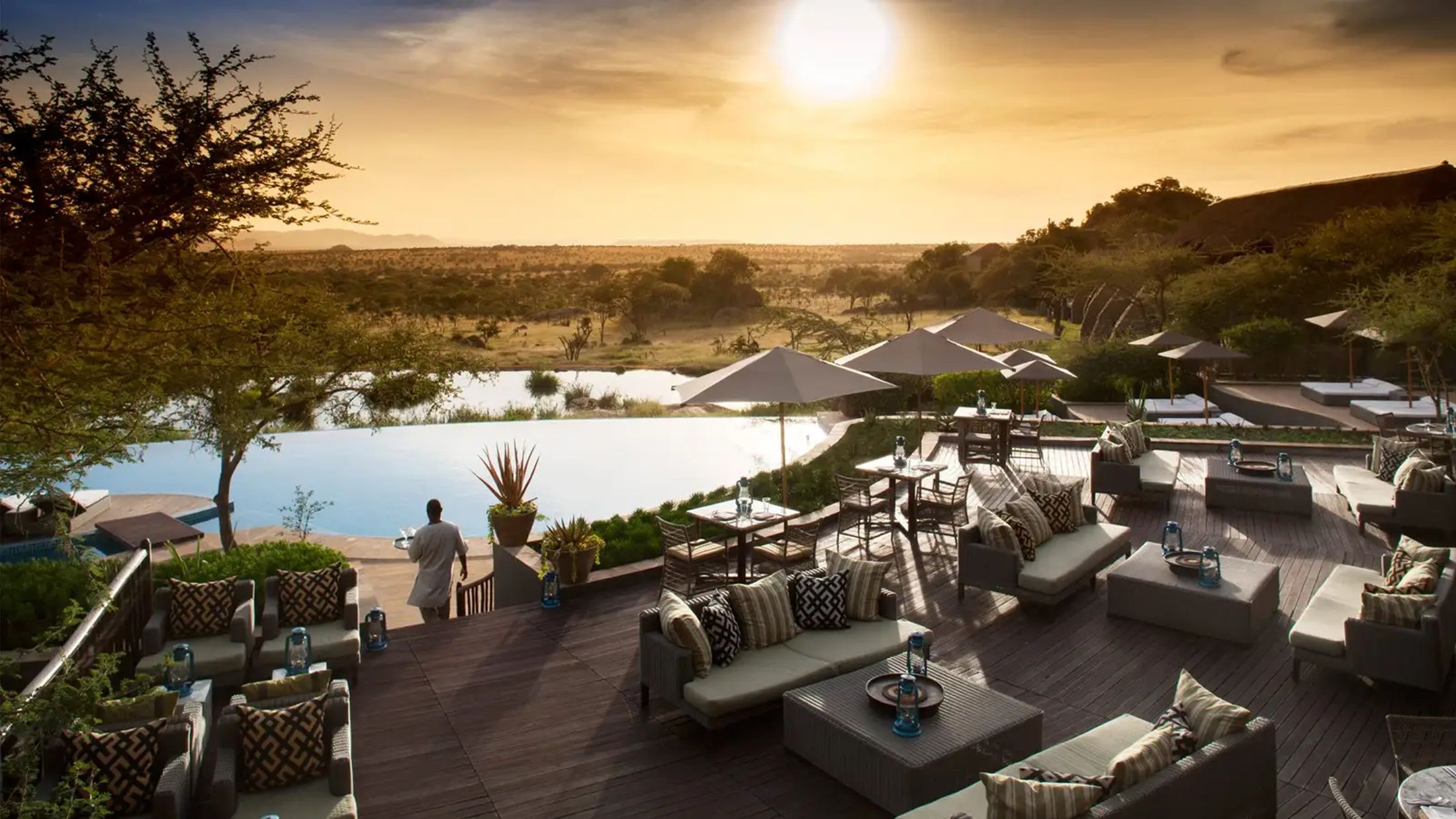
If Four Seasons Safari Lodge Serengeti is Tanzania's crown jewel of hospitality-driven luxury, Singita Faru Faru Lodge is the Serengeti's master class in contemporary safari design. Where its sister property Singita Sasakwa channels 1920s Edwardian grandeur from a hilltop perch, Faru Faru takes a different path entirely — hugging the banks of the Grumeti River with a chic, "botanist's camp" aesthetic that marries stone, canvas, and bamboo with clean modern lines.
The result? A lodge that feels less like a grand manor and more like an elegant field station — if that field station came with two rim-flow infinity pools, a spa, Michelin-level dining, and suites where elephants, giraffes, and plains game wander past your private deck while you sip sundowners with a Swarovski spotting scope in hand.
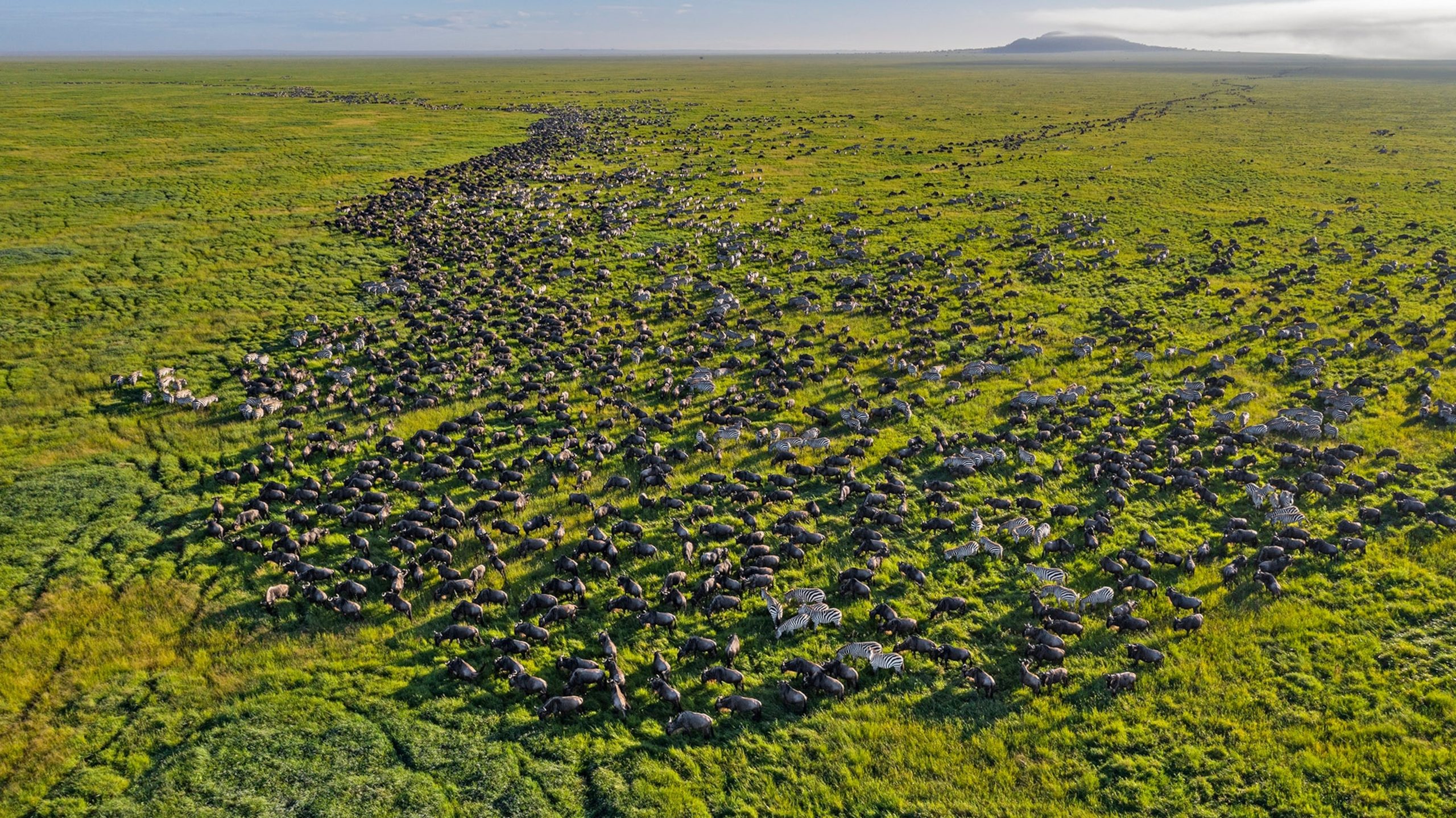
Located within the same exclusive 350,000-acre Singita Grumeti Reserve that houses Sasakwa and Sabora, Faru Faru's waterhole-front positioning delivers year-round wildlife action — and when the Great Migration sweeps through between May and July, the Grumeti River becomes one of East Africa's most dramatic wildlife theaters.
In this review, we'll cover every detail of the Singita Faru Faru experience — from the contemporary suite designs and riverfront infinity pools to the lodge's conservation partnership with the Grumeti Fund, horseback safaris, and that legendary bar-deli concept that's become a Singita signature.
This is Singita Faru Faru Lodge — where modern luxury meets the raw, riverine heart of the Serengeti.
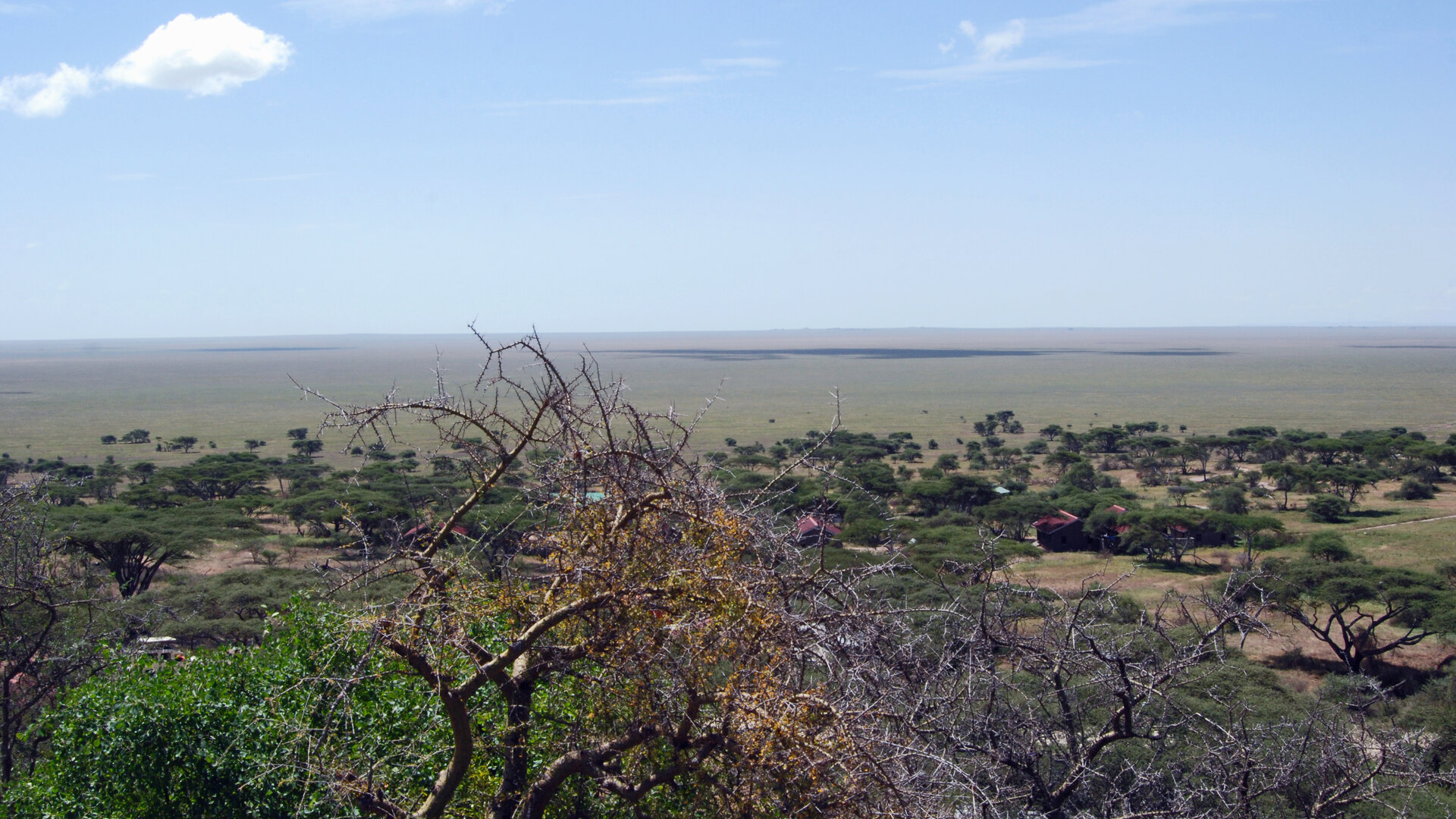
The western Serengeti and Grumeti Reserve — the migration corridor along the Grumeti River.
Accommodations — Contemporary Elegance Meets River Views
Singita Faru Faru Lodge offers just 9 accommodations — seven one-bedroom suites, one family suite, and one two-bedroom villa suite — ensuring an intimate, exclusive experience where you're never competing for wildlife sightings or guide attention.
One-Bedroom Suites (7)
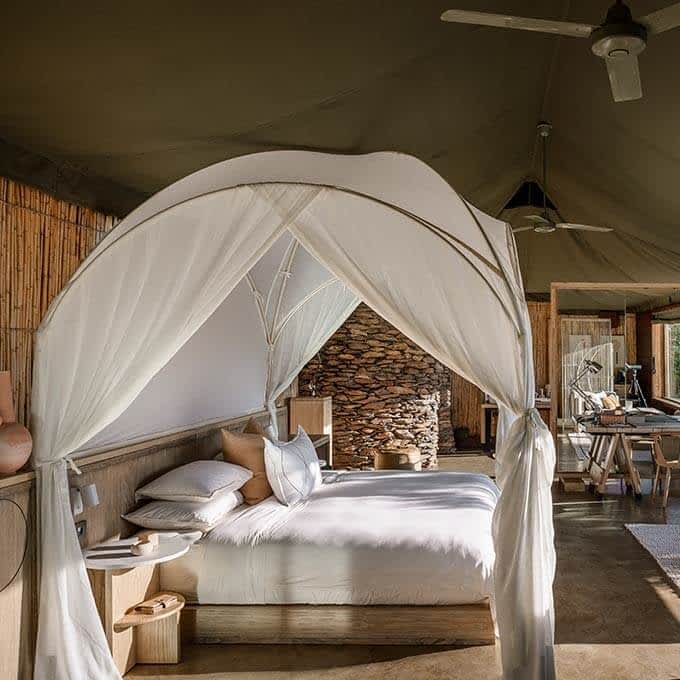
Each of Faru Faru's seven standard suites is a masterclass in contemporary safari design:
- Sleeping Arrangements: King, twin, or triple bed configurations available
- Bathroom: En-suite with deep claw-foot soaking tub, twin washbasins, indoor shower, and outdoor rain shower
- Private Deck: Game-viewing deck with Swarovski spotting scope (same model used in Sasakwa)
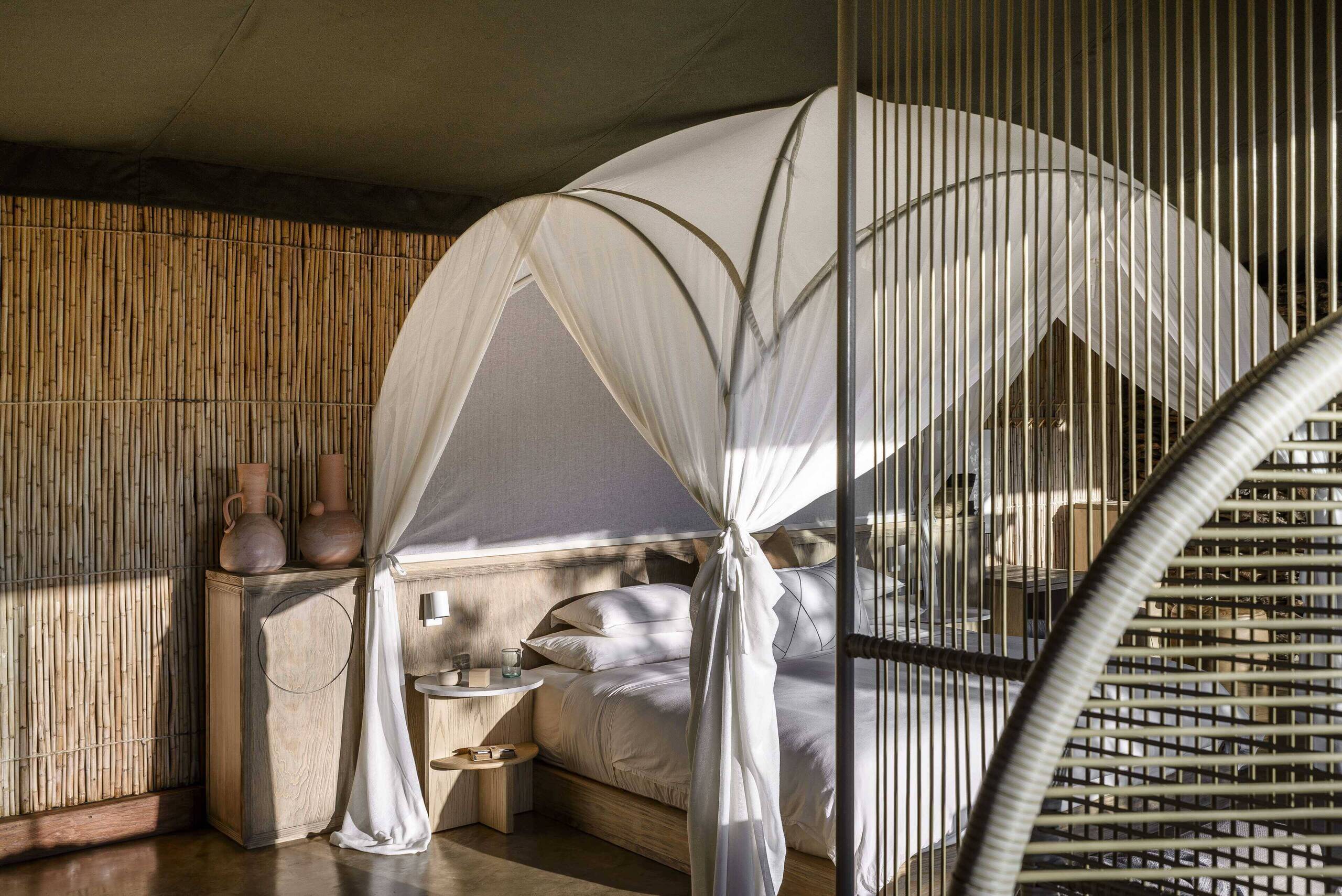
- Design Aesthetic: Botanist's camp style — stone walls, canvas elements, bamboo accents, botanical prints, and clean-lined furniture
- Technology: Air conditioning, ceiling fans, minibar, tea/coffee station, WiFi (speeds vary in this remote location)
- Views: Panoramic glass windows framing either the Grumeti River or the Serengeti plains
The botanist's camp concept is evident everywhere — from the specimen jars and pressed botanical prints on the walls to the natural fiber rugs and copper fixtures. It's safari luxury with a quirky, intellectual edge.
Family Suite (1)
Designed for families with two children, the Family Suite comprises:
- Two separate rooms with their own entrances, connected by a small passage
- Shared outdoor deck area for family time overlooking the plains
- En-suite bathrooms in each room
- Flexible bedding: Parents' room with king bed, children's room with twins or bunks
This configuration gives kids their own space while keeping the family unit close — ideal for safari-loving families who want privacy without separation.
Two-Bedroom Villa Suite (1)
Faru Faru's crown jewel is its exclusive Villa Suite:
- Two spacious bedrooms with king or twin configurations
- Shared lounge and dining area for private family or friends' meals
- Private plunge pool on the expansive deck
- River views from every room
- En-suite bathrooms with indoor and outdoor showers
- Butler service on request
- Ideal for: Couples traveling together, multi-generational families, or honeymooners seeking extra space
The Villa Suite essentially functions as a mini private lodge-within-a-lodge — you could spend your entire stay here without needing to leave your deck (though you'd miss the excellent bar-deli and those two infinity pools).
Suite Features and Design Philosophy
What sets Faru Faru apart from Sasakwa is its design language. Where Sasakwa is Edwardian grandeur — Persian rugs, antique furniture, manor house elegance — Faru Faru is contemporary safari chic:
- Stone and canvas construction (rather than colonial brick)
- Botanist's camp aesthetic (specimen jars, botanical prints, field notebooks)
- Clean lines and minimalist luxury (rather than ornate antiques)
- Organic materials — bamboo, copper, raw stone, natural fibers
- "Undiluted natural light" (Singita's phrase) — floor-to-ceiling glass connecting you to the wilderness
The result is a lodge that feels more like a sophisticated field station than a grand manor — and for many travelers, that relaxed, contemporary approach is exactly what modern luxury should feel like.
Bottom line: Faru Faru's accommodations are intimate (9 suites vs. Sasakwa's 9 cottages), contemporary rather than colonial, and built for direct connection with the river and wildlife below. If you prefer chic minimalism over Edwardian grandeur, Faru Faru wins.
Infinity Pools & Waterhole Wildlife Theater
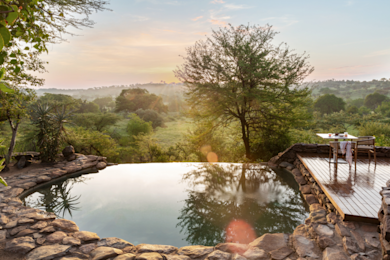
One of Faru Faru's signature experiences is its two rim-flow infinity pools — both positioned to overlook the natural waterhole and Grumeti River that define the lodge's wildlife-rich setting.
Pool #1: The Main Infinity Pool
Located off the lodge's central bar-deli area:
- Design: Rim-flow infinity edge merging visually with the waterhole below
- Positioning: Overlooks the permanent natural waterhole where elephants, giraffes, and plains game drink throughout the day
- Surroundings: Timber deck with loungers, parasols, and direct access from the bar
- Wildlife Viewing: Expect to see elephants at the waterhole while you swim — it's not uncommon to float in the pool while a herd of 20+ elephants gathers 50 meters below
- Best Time: Late afternoon as animals gather for their evening drink; sunrise as the plains wake up
Pool #2: The Spa Infinity Pool
Adjacent to the wellness facilities:
- Design: Same rim-flow infinity concept, quieter and more secluded
- Positioning: River gorge views with less direct waterhole action
- Atmosphere: More relaxed, spa-focused vibe
- Ideal for: Pre- or post-spa relaxation, quieter swimming away from the social hub
The Waterhole Theater
Faru Faru's positioning on a sloping hill above a permanent natural waterhole means the lodge functions as a continuous wildlife theater. From your suite deck, the pools, or the bar-deli, expect to see:
- Elephants: Daily visits, often in herds of 10-30+
- Giraffes: Elegant arrivals throughout the day
- Buffalo: Large herds moving to and from the waterhole
- Plains game: Impala, topi, waterbuck, Grant's gazelle, Thomson's gazelle
- Predators: Lions and leopards occasionally stalk the waterhole edges (especially at dawn/dusk)
- Birdlife: Hundreds of species, including fish eagles, kingfishers, and marabou storks
During the Great Migration (typically May–July in the Grumeti area), the waterhole becomes a migration crossroads — thousands of wildebeest and zebra pass through, often with dramatic river crossings visible from the lodge.
Key insight: Unlike Four Seasons Serengeti (where the elephant waterhole is the main feature), Faru Faru's waterhole is part of a larger riverine ecosystem. The Grumeti River gorge below adds topographic drama and creates natural wildlife corridors that funnel animals past the lodge.
Bottom line: Faru Faru's infinity pools aren't just for swimming — they're wildlife observation platforms where you can float in luxury while nature's greatest show unfolds below. This is what "front-row safari" means.
The Bar-Deli Concept — Singita's Social Hub Innovation
One of Faru Faru's most distinctive features is its bar-deli concept — a casual, cafe-style social hub that replaced the traditional formal safari bar with something more relaxed and interactive.
What Is the Bar-Deli?
Think gourmet deli counter meets safari cocktail bar:
- Open Kitchen Concept: Guests can watch chefs prepare light meals, smoothies, and snacks throughout the day
- Deli Counter: Fresh salads, charcuterie, cheeses, pastries, and grab-and-go options
- Coffee Station: Barista-quality coffee drinks — espresso, cappuccino, flat whites
- Smoothie Bar: Fresh-pressed juices and health-focused smoothies
- Full Bar: Premium spirits, South African wines, signature cocktails, sundowner drinks
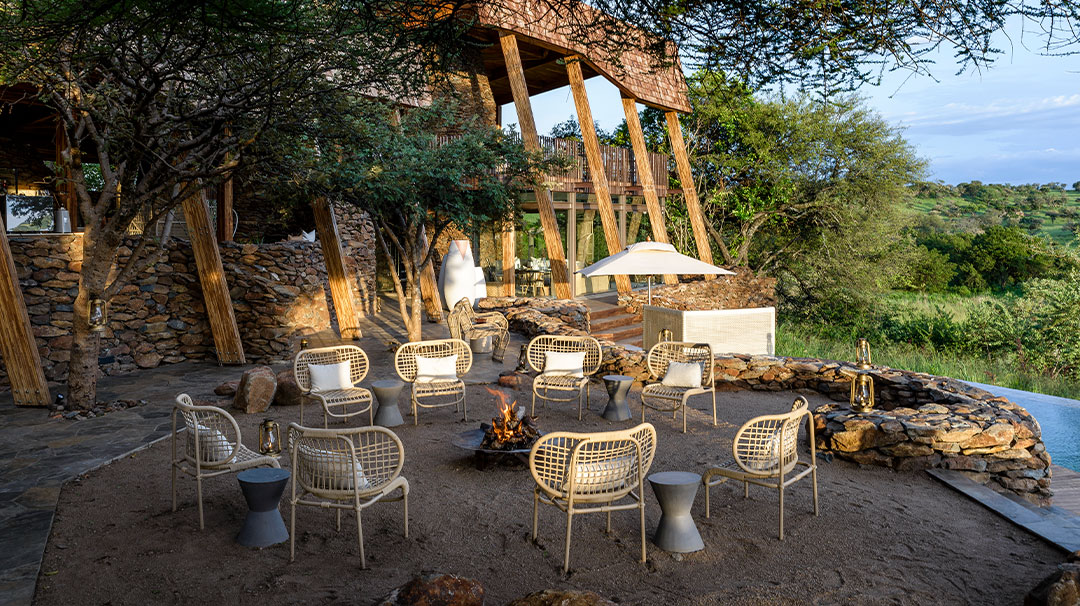
- Indoor-Outdoor Flow: The bar-deli spills out toward the main pool and firepit area
Atmosphere and Design
The bar-deli is the heart of Faru Faru's social life:
- Casual Elegance: Bar stools at the counter, lounge seating, communal tables
- Botanist's Camp Aesthetic: Specimen jars behind the bar, botanical prints, copper fixtures
- All-Day Service: Open from early breakfast (6:00 AM) through to late-night cocktails (11:00 PM+)
- Firepit Evenings: As the sun sets, guests gather around the outdoor firepit with drinks and stories
What Makes It Work
The bar-deli concept addresses a common safari lodge problem: downtime. Between game drives, guests often have 3-4 hours of free time. Traditional lodges offer a formal dining room and a bar — but the bar-deli creates a third space that's:
- Casual enough for solo travelers to grab a coffee and a book
- Social enough for couples to linger over sundowners
- Interactive enough (open kitchen) to feel engaging rather than static
- Flexible enough to serve as breakfast spot, lunch counter, afternoon cafe, or evening cocktail bar
Guest behavior patterns: In the morning, it's a coffee hub. Mid-day, it's a light lunch spot. Afternoon, it's sundowner central. Evening, it's the pre-dinner cocktail gathering point. It's essentially an all-day social anchor.
Food and Drink Quality
Don't let the "deli" label fool you — this is Singita-level culinary excellence:
- Fresh Produce: Sourced locally, with spices from Zanzibar
- Gourmet Standards: Think duck liver pâté, aged cheeses, line-caught fish, house-cured meats
- Health-Focused Options: Acai bowls, green smoothies, fresh salads for wellness-conscious guests
- Wine Selection: South African vintages from Singita's curated cellar
The bar-deli is where you'll grab your morning cappuccino before your game drive, return for a post-drive smoothie, linger over a light lunch, and reconvene for sundowner cocktails before heading to dinner.
Bottom line: The bar-deli is one of those small innovations that dramatically improves the safari lodge experience. It's casual, flexible, delicious, and social — and it's become a Singita signature that other lodges are now copying.
Gourmet Dining — Michelin-Level Cuisine in the Serengeti
Singita's reputation for exceptional dining extends to Faru Faru, where every meal feels like a culinary event.
Dining Venues
Meals at Faru Faru can unfold in multiple settings:
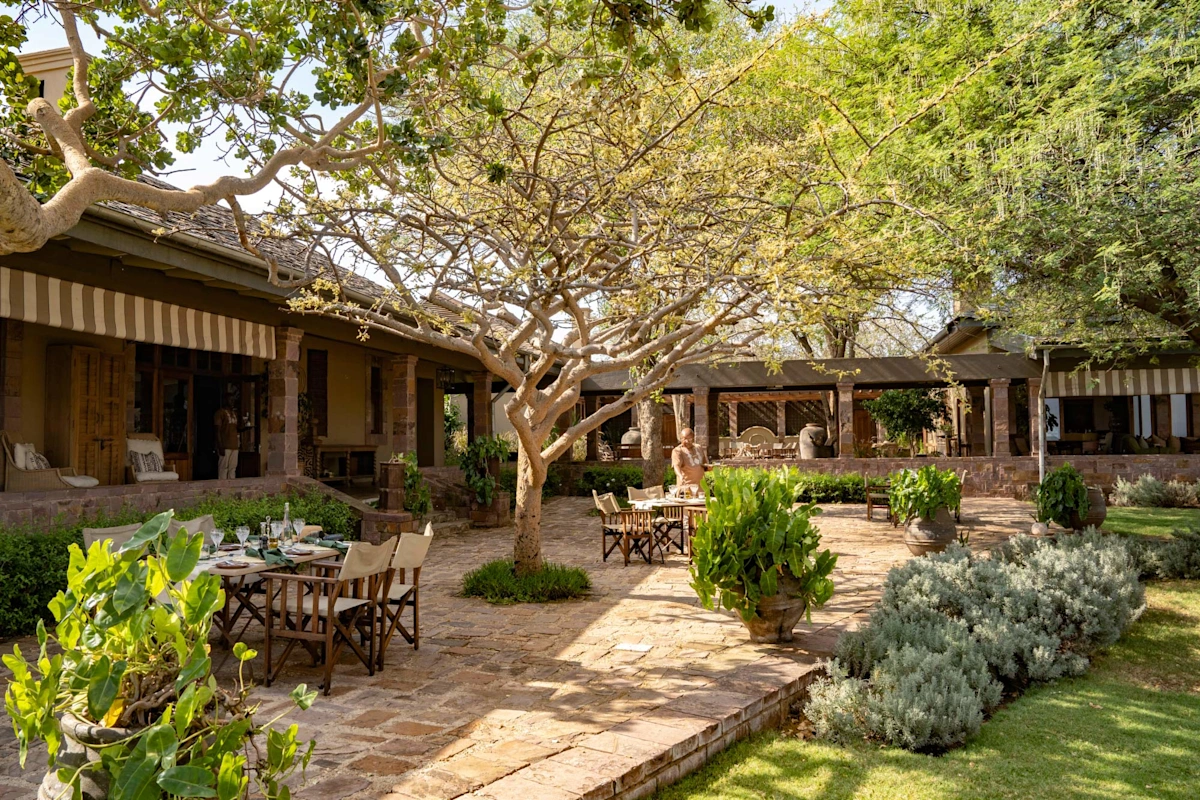
- Main Dining Room: Indoor-outdoor space with river views, communal tables or private setups
- Bar-Deli Area: Casual breakfasts and lunches at the counter or poolside
- Poolside Deck: Al fresco dinners under the stars
- Bush Dinners: Private setups in the reserve with lanterns, firelight, and wilderness ambiance
- In-Suite Dining: Private breakfast on your deck, romantic dinners in your suite
Culinary Philosophy
Faru Faru's kitchen operates on a "fresh, local, seasonal" philosophy:
- Local Sourcing: Vegetables and herbs from regional farmers
- Zanzibar Spices: Cardamom, cinnamon, cloves, vanilla — the Swahili coast influence
- South African Wines: Curated selection from Cape vineyards
- Wild Game: Occasionally featuring responsibly sourced venison, ostrich, or kudu
- Dietary Accommodations: Vegetarian, vegan, gluten-free, kosher, halal — all handled seamlessly
Sample Menu Highlights
While menus change daily, expect this level of sophistication:
Breakfast:
- Freshly baked croissants and pastries
- Tropical fruit platters (papaya, mango, passion fruit)
- Made-to-order omelets with local cheeses and herbs
- Swahili-spiced porridge with coconut and dates
- Smoked salmon and avocado on sourdough
Lunch:
- Line-caught fish ceviche with lime and chili
- Grilled chicken salad with mango and cashews
- Beef carpaccio with Parmesan and truffle oil
- Fresh mezze platters with hummus, baba ghanoush, olives
Dinner:
- Seared scallops with butternut puree and sage
- Kudu loin with red wine reduction and roasted root vegetables
- Pan-fried linefish with lemon butter and samphire
- Vegetarian tasting menu with seasonal vegetables and grains
- Desserts: Dark chocolate fondant, passion fruit panna cotta, local cheese boards
Dining Experience Notes
- Flexible Timing: Unlike many lodges with rigid meal times, Faru Faru accommodates your schedule
- Wine Pairing: Sommeliers (or well-trained staff) can pair South African wines with each course
- Chef Interactions: The open kitchen concept means you often meet the chefs
- Special Occasions: Birthdays, anniversaries, and honeymoons get extra attention (champagne, private setups, surprise desserts)
How It Compares
In Tanzania's safari lodge landscape, only a few properties match Faru Faru's dining standards:
- Four Seasons Serengeti: Excellent, hospitality-driven dining (slightly more formal)
- Singita Sasakwa: Same Singita culinary DNA (Edwardian dining room vs. contemporary bar-deli)
- andBeyond Ngorongoro Crater Lodge: Theatrical, over-the-top presentations
- Mwiba Lodge: Sophisticated but smaller-scale
Faru Faru's edge is the combination of Michelin-level food, flexible venues, and that casual bar-deli energy that makes dining feel less like a formal event and more like a continuous culinary journey.
Bottom line: You won't go hungry at Faru Faru — and you might discover that East African cuisine, when executed at this level, rivals anything in Cape Town or Johannesburg.
Spa, Wellness & Fitness Facilities
For a lodge with just 9 suites, Faru Faru delivers a surprisingly comprehensive wellness offering.
Spa Facilities
The on-site spa provides:
- Treatment Rooms: Private spaces for massages, facials, and body treatments
- African-Inspired Treatments: Incorporating local ingredients (rooibos, baobab, marula oil)
- Signature Massages: Deep tissue, Swedish, hot stone, aromatherapy
- Couples' Treatments: Available in a shared treatment room
- In-Suite Service: Massages can be arranged on your private deck
Popular Treatments:
- Post-game-drive deep tissue massage (addressing safari vehicle bumps)
- Rejuvenating facials using African botanicals
- Hot stone therapy for muscle relaxation
Fitness Center
Faru Faru's gym is modest but functional:
- Cardio Equipment: Treadmills, stationary bikes
- Free Weights: Dumbbells, kettlebells
- Yoga Mats: For stretching or guided sessions
- Views: Floor-to-ceiling windows overlook the river gorge (one of the world's more scenic gym settings)
Wellness Philosophy
Singita's approach to wellness is holistic:
- Active Safaris: Walking safaris, horseback riding, and mountain biking burn serious calories
- Healthy Dining Options: The bar-deli's smoothie bar and fresh salads cater to wellness-focused guests
- Outdoor Time: Maximum time in nature (proven stress reducer)
- Digital Detox: Slow WiFi actually becomes a wellness benefit — you're forced to disconnect
Yoga and Mindfulness
While Faru Faru doesn't have a dedicated yoga pavilion (unlike some luxury lodges), private yoga sessions can be arranged:
- Sunrise Yoga: On your suite deck or the main deck
- Guided Meditation: Optional mindfulness sessions
- Bush Walks: Inherently meditative experiences
Spa Pricing: Treatments cost extra (not included in the all-inclusive rate), typically $100-$200 USD per treatment. Book early — the spa is small and popular.
Bottom line: Faru Faru's wellness facilities won't rival a dedicated wellness resort, but they're excellent for a safari lodge. The real wellness here comes from being immersed in 350,000 acres of pristine African wilderness.
Safari Activities & The Grumeti Reserve Advantage
Staying at Faru Faru grants you access to the Singita Grumeti Reserve — a private, exclusive-use concession that fundamentally changes your safari experience compared to staying in the main Serengeti National Park.
Core Safari Activities
Game Drives:
- Twice Daily: Morning drive (6:00-10:00 AM), afternoon drive (3:30-7:00 PM)
- Night Drives: Exclusive to private reserves (not allowed in national parks)
- Off-Road Driving: Permitted in Grumeti, enabling closer wildlife encounters
- Private Vehicles: Your safari group never shares a vehicle with strangers
- Expert Guides: Singita employs some of Tanzania's most experienced guides
Walking Safaris:
- Guided Bush Walks: 2-3 hour walks with armed rangers
- Focus: Smaller details — tracks, insects, plants, bird calls — that you miss from a vehicle
- Difficulty: Easy to moderate (no mountain hiking, just savannah walking)
- Age Requirement: Typically 16+ for safety reasons
Horseback Safaris:
- Riding Level: Intermediate to advanced riders (you must be comfortable with cantering)
- Duration: 1-2 hours
- Wildlife Encounters: Riding alongside giraffes, zebra, and antelope is surreal
- Scenic Routes: River gorges, open plains, acacia forests
- Limited Availability: Must be booked in advance; not offered daily
Specialized Experiences
Hot Air Balloon Safaris:
- Operator: Arranged through external providers (additional cost ~$550 USD per person)
- Launch Time: Pre-dawn (4:30-5:00 AM departure from lodge)
- Flight Duration: ~1 hour over the Serengeti plains
- Champagne Breakfast: Included after landing
- Best Time: May–October for optimal weather
Anti-Poaching Observation Post Tours:
- Conservation Focus: Visit Grumeti Fund's field HQ
- Activities: Meet rangers, see confiscated snares, learn about rhino reintroduction
- Educational: Understand the boots-on-the-ground conservation work funding your stay
- Duration: 2-3 hours
- Impact: Singita's partnership with the Grumeti Fund has transformed this region from degraded ranchland into thriving wilderness
Community Visits:
- Cultural Engagement: Meet local Maasai and other tribal communities
- Activities: School visits, women's craft cooperatives, traditional homestead tours
- Ethical Tourism: Singita ensures visits are mutually beneficial, not exploitative
- Duration: Half-day excursions
Archery, Croquet, Mountain Biking:
- Archery: Target practice with traditional bows
- Croquet: Lawn croquet on the lodge grounds (surprisingly competitive)
- Mountain Biking: Guided rides through the reserve (early mornings to avoid heat)
Stargazing:
- No Light Pollution: The Serengeti's dark skies are world-class for astronomy
- Guided Sessions: Staff can point out constellations, planets, and the Milky Way
- Equipment: Some guides carry portable telescopes
Mini Rangers Course (for Children)
Faru Faru offers a structured children's program:
- Age Range: 6-15 years old
- Activities: Animal tracking, astronomy lessons, bush survival skills, insect study
- Educational: Naturalist-led, interactive learning
- Duration: Half-day or full-day programs
- Goal: Turn young travelers into junior conservationists
The Grumeti Reserve Advantage
Why does staying in a private reserve matter?
- No Crowds: Grumeti has a maximum of 3 lodges (Sasakwa, Faru Faru, Sabora). The main Serengeti can have 30+ safari vehicles around a single lion pride.
- Off-Road Driving: Closer wildlife encounters without being restricted to tracks.
- Night Drives: Spotlighting for nocturnal species (leopards, genets, civets, honey badgers).
- Flexible Timing: No strict park gate hours — you set your schedule.
- Conservation Impact: 100% of your stay funds the Grumeti Fund's conservation work.
Bottom line: Faru Faru's safari experience is fundamentally different from budget or mid-range Serengeti lodges. The private reserve access, expert guides, and range of activities make this a safari for people who want depth, exclusivity, and flexibility — not just a checklist of Big Five sightings.
Conservation & The Singita-Grumeti Partnership
Singita Faru Faru isn't just a luxury lodge — it's a conservation project that funds one of Africa's most successful wilderness recovery stories.
The Grumeti Fund Partnership
In 2002, Singita partnered with the Grumeti Fund (a non-profit) to manage and restore what was then degraded, over-hunted ranchland in northern Tanzania. The results:
Wildlife Recovery:
- Elephant Population: Grew from ~200 to 3,000+
- Giraffe Population: Increased 400%
- Lion Density: Now one of the highest in East Africa
- Black Rhino Reintroduction: Eastern Black Rhinos (critically endangered) successfully reintroduced to the Grumeti Reserve — a first for this ecosystem
Anti-Poaching Efforts:
- Ranger Teams: 120+ anti-poaching rangers patrol the reserve 24/7
- Technology: Drones, camera traps, GPS collars, and real-time intelligence systems
- Seizures: Thousands of wire snares removed annually
- Prosecutions: Working with Tanzanian authorities to prosecute wildlife criminals
Habitat Restoration:
- Alien Vegetation Removal: Clearing invasive species that degrade native ecosystems
- Water Management: Restoring natural water flows and springs
- Fire Management: Controlled burns to maintain healthy grasslands
Community Development:
- Education: Building schools and providing scholarships for local children
- Healthcare: Mobile clinics serving remote villages
- Livelihoods: Training programs for guides, hospitality staff, and rangers (creating jobs that provide an alternative to poaching)
How Your Stay Contributes
Every night at Faru Faru directly funds conservation:
- Accommodation Fees: A portion goes to the Grumeti Fund
- Conservation Levy: Typically $70-$100 USD per person per night
- Impact: A 3-night stay contributes ~$300 USD to rangers' salaries, anti-poaching patrols, and community programs
Educational Opportunities for Guests
Singita ensures guests understand the conservation impact:
- Anti-Poaching Post Tours: See confiscated snares, meet rangers, learn about daily patrols
- Conservation Talks: Evening presentations from Grumeti Fund staff
- Field Visits: Witness rhino tracking, camera trap placement, or vegetation surveys (subject to availability)
Why It Matters
Private reserves like Grumeti are the future of African conservation. National parks are underfunded and overcrowded. Private reserves offer:
- Financial Sustainability: Guest fees fund conservation (no government budget dependence)
- Local Employment: High-paying jobs in tourism beat subsistence farming or poaching
- Ecosystem Recovery: Grumeti proves that degraded land can be restored
Bottom line: When you stay at Faru Faru, you're not just experiencing luxury — you're funding the salaries of 120 anti-poaching rangers, rhino reintroduction programs, and community schools. This is conservation with tangible impact, not greenwashing.
All-Inclusive Rates & What's Covered
Singita Faru Faru operates on an all-inclusive model, meaning most experiences are bundled into your nightly rate.
What's Included
Accommodations:
- Your suite, villa, or family suite for the duration of your stay
Meals & Beverages:
- All meals (breakfast, lunch, dinner)
- All drinks (house wines, local beers, spirits, soft drinks, juices, coffee, tea)
- Premium spirits and champagne (select brands)
- Bar-deli snacks and light meals throughout the day
Safari Activities:
- Twice-daily game drives in private safari vehicles
- Night drives (exclusive to the private reserve)
- Guided bush walks
- Community visits
- Anti-poaching post tours
- Stargazing sessions
- Archery, croquet, mountain biking
Services & Amenities:
- WiFi (speeds vary)
- Laundry service (daily)
- Airport or airstrip transfers (within the reserve)
- Butler service (Villa Suite only)
What's NOT Included (Additional Costs)
Spa Treatments:
- Massages, facials, and body treatments ($100-$200 USD per treatment)
Premium Alcohol:
- Rare vintages, premium champagnes (Dom Pérignon, etc.), aged whiskeys
Hot Air Balloon Safaris:
- ~$550 USD per person (booked separately through external operators)
Horseback Safaris:
- May incur additional fees depending on booking arrangements
Airstrip Transfers:
- Charter flights to/from Arusha, Dar es Salaam, or other hubs ($300-$800 USD per person depending on route)
Conservation Levy:
- Typically $70-$100 USD per person per night (goes directly to the Grumeti Fund)
Typical Nightly Rates (2026)
Singita Faru Faru pricing varies by season:
- Green Season (April-May, November): $900-$1,200 USD per person per night (sharing)
- Shoulder Season (March, June, December): $1,200-$1,500 USD per person per night
- Peak Season (July-October, January-February): $1,500-$2,000 USD per person per night
Villa Suite Premium: Add 30-40% for the two-bedroom villa
Minimum Stay: Typically 3 nights
Value Proposition: While expensive, the all-inclusive model means you're not constantly worrying about bills. Once you're at Faru Faru, almost everything — game drives, meals, drinks, activities — is covered.
How It Compares
vs. Four Seasons Serengeti:
- Four Seasons: $800-$1,400 USD per night, but limited activities included
- Faru Faru: $900-$2,000 USD per night, but comprehensive all-inclusive
vs. Singita Sasakwa:
- Same Singita pricing structure, similar all-inclusive benefits
- Sasakwa offers horseback safaris, tennis, wine cellar — slightly more country estate amenities
- Faru Faru offers more contemporary design, bar-deli concept — slightly more relaxed vibe
Bottom line: Faru Faru is expensive, but for travelers who value contemporary design, conservation impact, and the private reserve advantage, it delivers exceptional value. This is the Serengeti for people who want exclusivity, not crowds.
When to Visit & Migration Timing
Faru Faru's location in the northern Serengeti (Grumeti sector) means its best seasons align with the Great Migration's annual cycle.
Best Time for the Great Migration
May–July (Peak Migration Season):
- What Happens: 1.5+ million wildebeest and 200,000+ zebra move through the Grumeti Reserve
- Highlight: Grumeti River crossings (often less crowded than the famous Mara River crossings)
- Why Visit: This is when Faru Faru truly shines — the lodge's riverfront position puts you front-row for one of the world's greatest wildlife spectacles
- Wildlife Density: Off-the-charts predator action (lions, leopards, cheetahs, hyenas feasting on the migration)
- Weather: Cooler temperatures, occasional rain (the tail end of the "long rains")
August–October (Post-Migration):
- What Happens: Most herds have moved into Kenya's Masai Mara, but resident wildlife remains excellent
- Why Visit: Fewer crowds, lower rates, and the resident game (elephants, giraffes, buffalo) is still phenomenal
- Weather: Dry season continues, excellent game-viewing conditions
Year-Round Wildlife (Resident Game)
Even outside migration season, Faru Faru delivers:
November–March (Green Season):
- Pros: Lower rates, lush landscapes, excellent birding (migratory species arrive), newborn animals
- Cons: More rain (typically short afternoon showers, not all-day downpours), some roads muddier
- Wildlife: Resident elephants, giraffes, lions, leopards, buffalo — all year-round
- Best For: Budget-conscious travelers who don't need the migration, birders, photographers who love green landscapes
April–May (Long Rains):
- Pros: Lowest rates of the year, near-empty reserve, dramatic skies
- Cons: Heaviest rains (though still mostly afternoon showers), some lodges close for maintenance
- Wildlife: Still excellent, but you might have to work harder to find concentrations
- Best For: Hardcore safari enthusiasts who prefer solitude over crowds
Weather Summary
| Season | Temperature (°C) | Rainfall | Wildlife Activity | Crowds |
|---|---|---|---|---|
| Jan–Mar | 20-28°C | Moderate | Excellent (calving season) | Low-Medium |
| Apr–May | 18-26°C | High | Good (rainy season) | Very Low |
| Jun–Jul | 15-25°C | Low | Exceptional (migration) | High |
| Aug–Oct | 16-28°C | Very Low | Excellent (dry season) | Medium-High |
| Nov–Dec | 20-28°C | Moderate | Good (green season) | Low |
Special Events
Calving Season (January–March):
- What: 500,000+ wildebeest calves born in the southern Serengeti
- Why It Matters: Predator bonanza — lions, cheetahs, hyenas gorging on vulnerable newborns
- Where: Southern Serengeti (Ndutu area), not Grumeti — but you can combine a Faru Faru stay with a southern camp
Mating Season (May–June):
- What: Wildebeest rut during the migration
- Spectacle: Males battling for dominance, mating displays, constant movement
- Why Visit: Maximum drama and noise (the Serengeti is literally roaring with activity)
Bottom line: If you're coming for the Great Migration river crossings, visit June–July. If you want excellent wildlife without migration crowds and lower rates, visit August–October or November–March. Avoid April–May unless you love rain and solitude.