Key Takeaways
- Rwanda packs five kinds of travel into one tiny country — mountain gorillas, a modern capital city, lake-shore relaxation, rainforest chimpanzees and Big Five savanna.
- Volcanoes National Park is the headline, but the best trips add Kigali, Lake Kivu or Nyungwe for contrast and depth.
- Kigali and the Genocide Memorial are essential — the capital is one of the cleanest, safest cities in Africa and the memorial is among the most important sites on the continent.
- For something beyond gorillas, trek chimpanzees and walk the canopy at Nyungwe, spot lions and elephants at Akagera, or hike the Congo Nile Trail along Lake Kivu.
- Best time: the dry seasons, June to September and December to February, are ideal for gorilla trekking and wildlife; the green season offers lower permit availability but lush scenery.
Ask most travellers what they know about Rwanda and they will say two words: mountain gorillas. They are right — but only partly. This is the country of Volcanoes National Park and the world's most famous primate encounter, yes, but it is also home to Kigali, one of Africa's most modern and compelling capitals; to Lake Kivu, a lake-shore escape with white-sand beaches and island-hopping; to Nyungwe Forest, where you trek wild chimpanzees and walk a canopy suspended above the rainforest; and to Akagera, a savanna park where the Big Five roam hills that roll to the horizon. Rwanda is not one experience. It is five.
This guide ranks the ten best places to visit in Rwanda — not as a park checklist, but as a traveller's map of the whole country. For each place we tell you what it is genuinely best for, when to go, how easy it is to reach, and how it fits with the others. If your trip is purely about safari routing and game drives, our companion Top 10 Best Safari Destinations in Rwanda covers the circuits in depth. For the full country overview, see the Ultimate Rwanda Travel Guide. This article is the bigger picture: everywhere worth going in Rwanda, and why.
How to Read Rwanda: Five Kinds of Place
Rwanda is small — roughly the size of Massachusetts — but it divides naturally into five kinds of experience. Knowing them makes planning simple, because most great trips combine two or three in under two weeks.
| Experience | Headline Places | Best For |
|---|---|---|
| Gorilla Highlands | Volcanoes NP, Musanze, Twin Lakes Burera & Ruhondo | Mountain gorillas, golden monkeys, volcanic scenery, cultural encounters |
| Kigali & Central Rwanda | Kigali city, Genocide Memorial, King's Palace Museum Nyanza | History, culture, modern Africa, food scene, memorials |
| Lake Kivu & the West | Gisenyi/Rubavu, Kibuye, Congo Nile Trail | Lake beaches, kayaking, island-hopping, hiking, relaxation |
| Rainforest & Chimps | Nyungwe Forest NP, Gishwati-Mukura NP | Chimpanzee trekking, canopy walk, colobus monkeys, birdlife |
| Savanna & Big Five | Akagera National Park | Classic game drives, lions, elephants, rhinos, boat safaris on Lake Ihema |
The classic Rwanda trip pairs gorilla trekking in the highlands with Kigali and a Lake Kivu finale. But the country rewards imagination: add Nyungwe for chimpanzees, Akagera for Big Five savanna, or the Congo Nile Trail for an adventure on foot and by bike. Below, the ten places that should shape your trip.
The 10 Best Places to Visit in Rwanda
1. Volcanoes National Park — Mountain Gorillas in the Mist
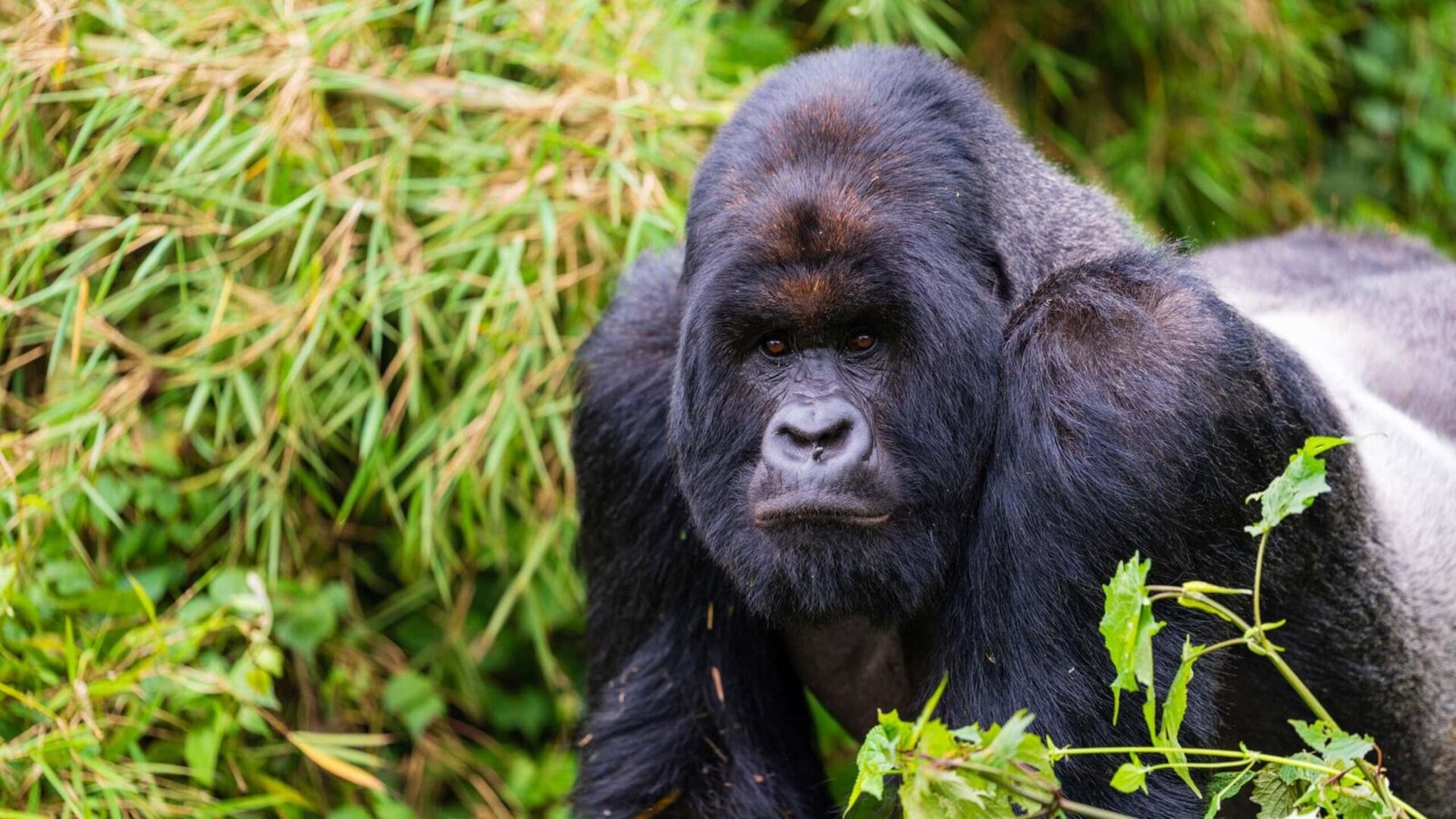
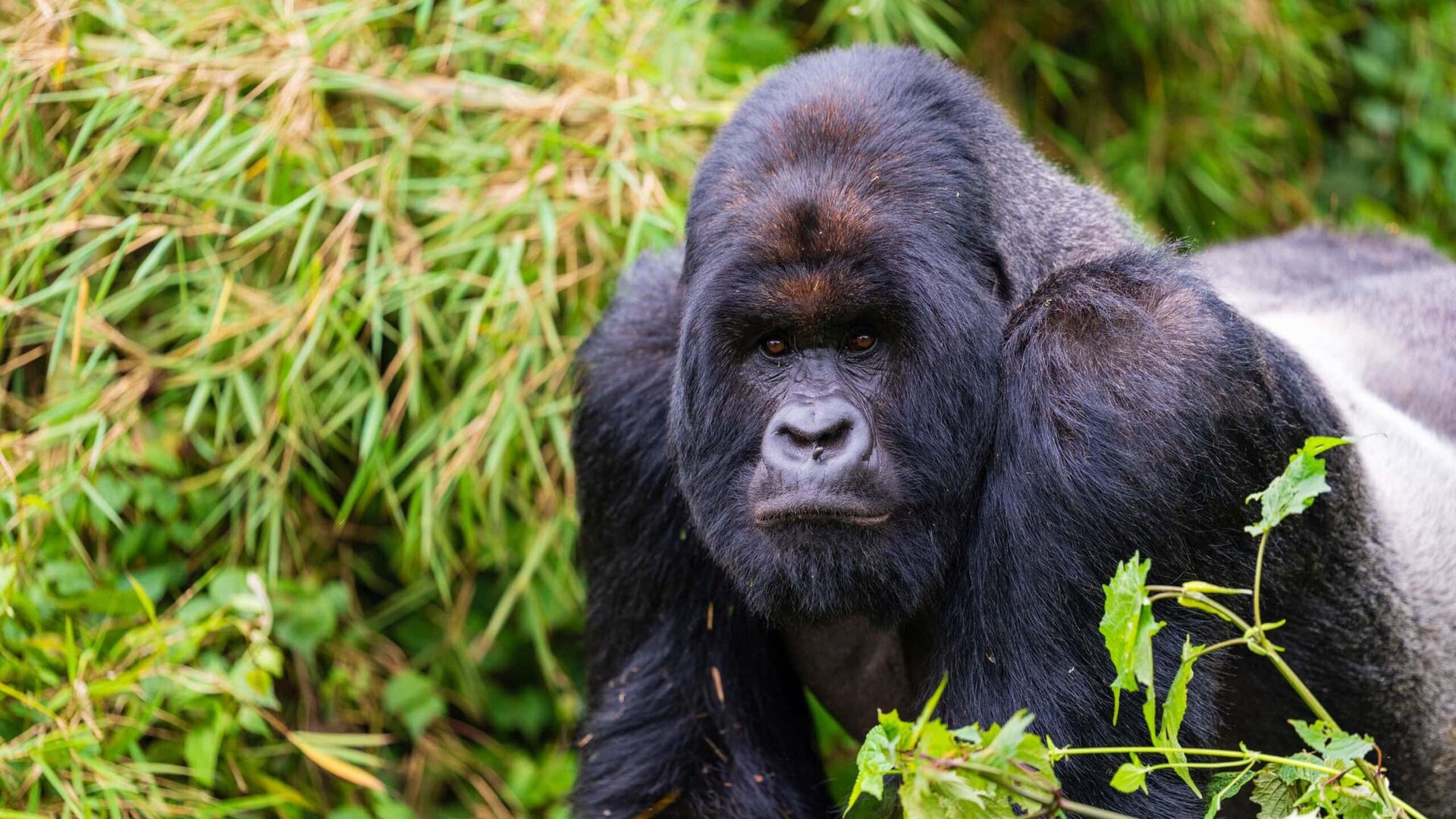
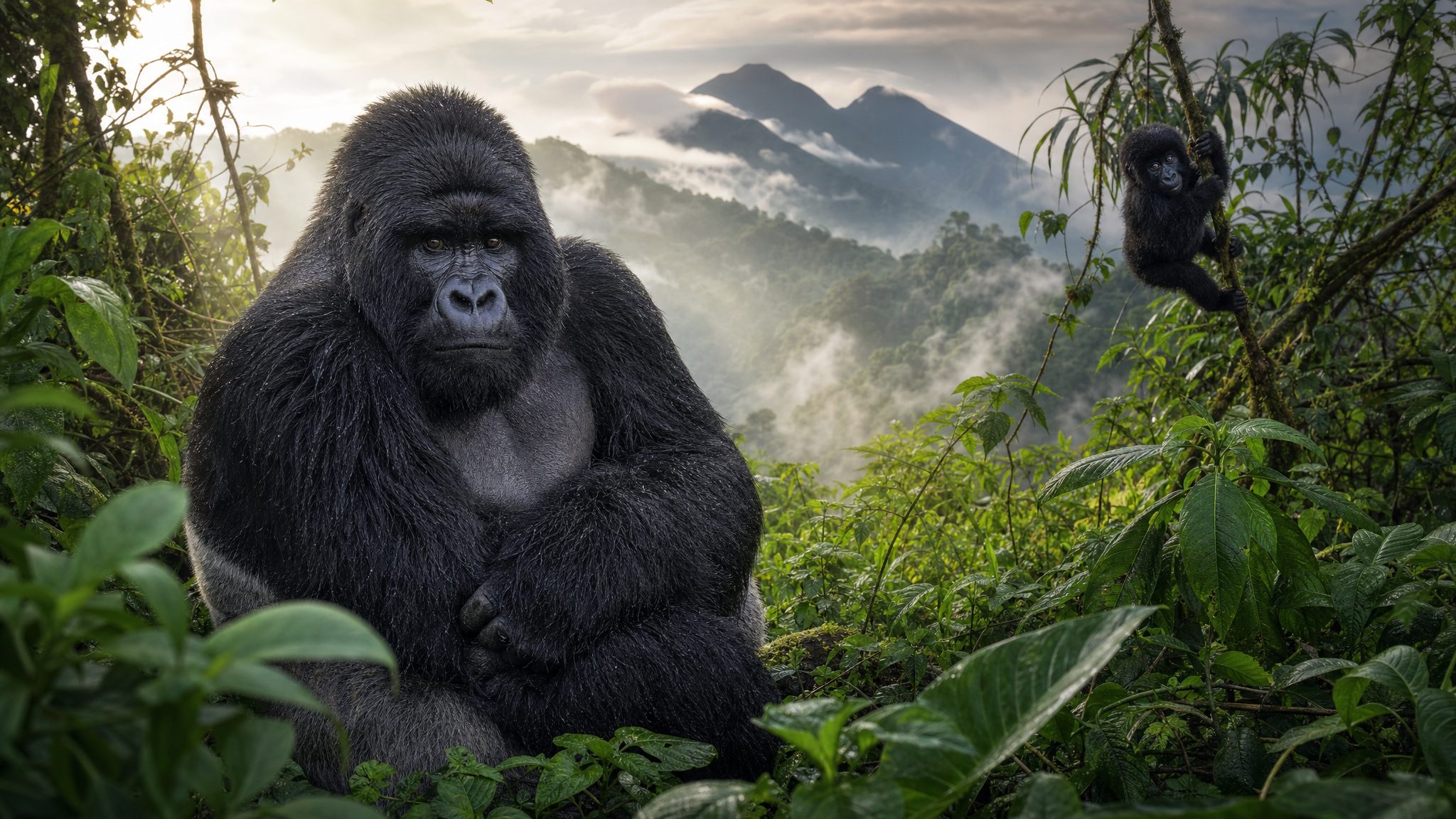
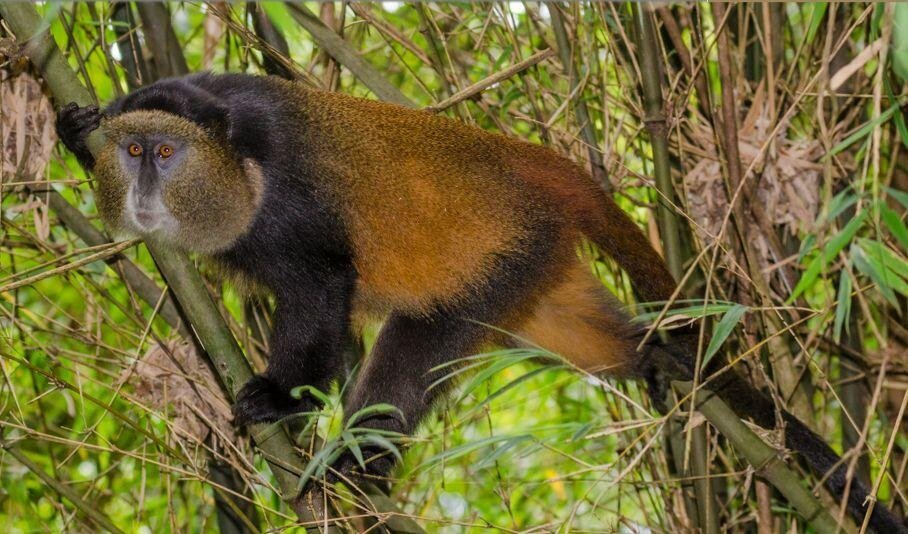
No place in Rwanda — arguably no place on Earth — offers a more moving wildlife encounter. Volcanoes National Park protects the Rwandan slopes of the Virunga Massif, a chain of dormant volcanoes draped in bamboo and hagenia forest, and it is home to roughly half the world's remaining mountain gorillas. A trek through the mist to sit with a habituated gorilla family — watching a silverback feed, infants tumble and mothers nurse — is widely considered the single greatest wildlife experience in Africa. The park also shelters the rare golden monkey, and its volcanic peaks offer some of the finest high-altitude hiking on the continent.
- Best for: Mountain gorilla trekking, golden monkeys, volcano hiking, bucket-list wildlife
- When to go: June-September and December-February (dry seasons) for the easiest trekking conditions; gorillas are present year-round
- Access: A 2-hour drive from Kigali to Musanze, the park's gateway town
- Don't miss: A golden monkey trek in the bamboo forest — a lighter, joyful counterpoint to the gorilla encounter. For park detail, see our Rwanda Volcanoes Safari Guide.
2. Kigali — Africa's Cleanest Capital and the Genocide Memorial
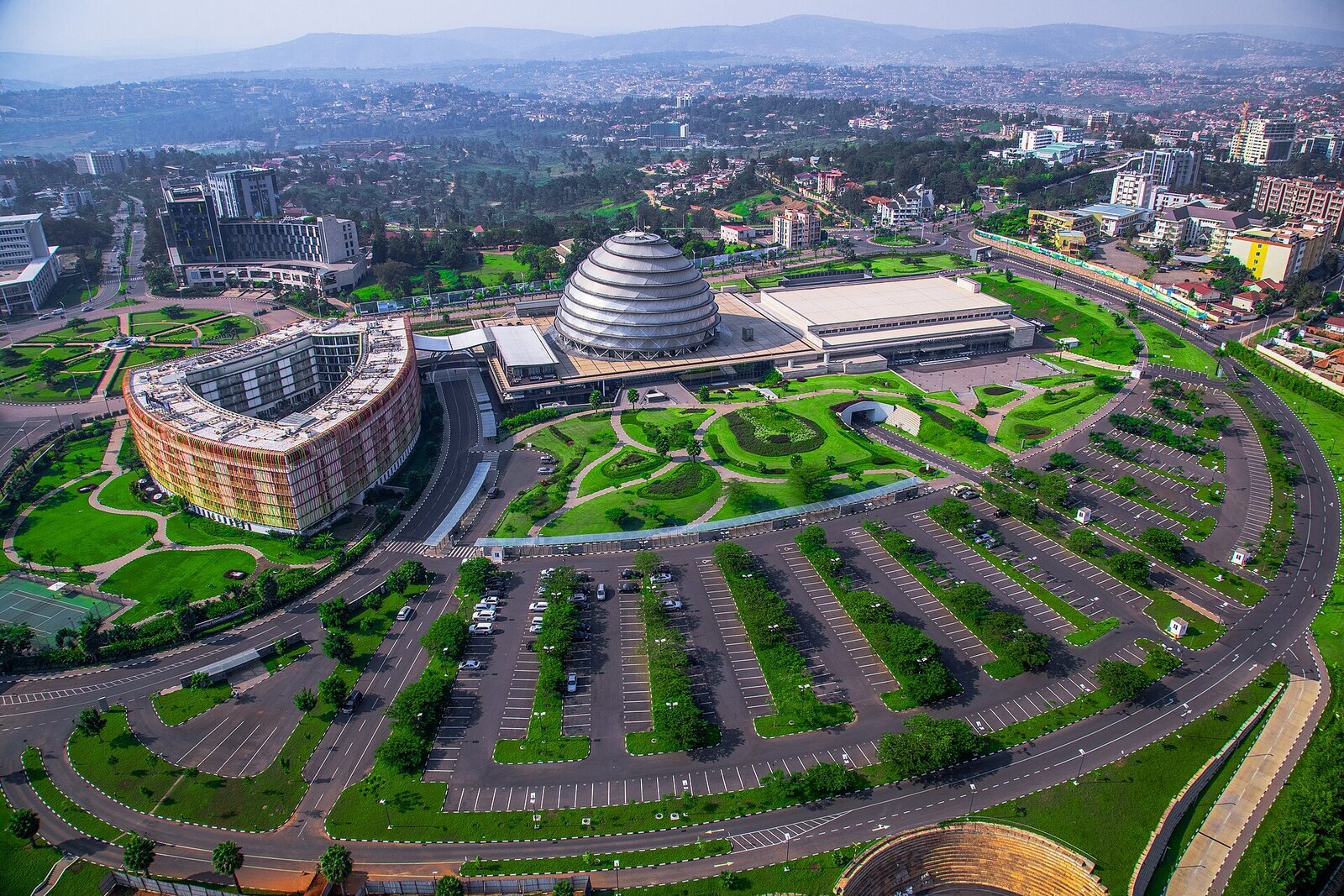
Most Rwanda trips begin and end in Kigali, but this is a capital that deserves far more than a night in transit. Built across a series of ridges and valleys, Kigali is consistently ranked as one of the cleanest, safest cities in Africa — its streets are spotless, its café and restaurant scene is thriving, and its markets pulse with energy. At its heart lies the Kigali Genocide Memorial, the final resting place of more than 250,000 victims of the 1994 genocide and one of the most important and moving memorials on the continent. Understanding Rwanda means spending time here — it is the context that makes the rest of the country so extraordinary.
- Best for: History, the Genocide Memorial, modern African culture, food and nightlife, a city day
- When to go: Year-round — Kigali's highland climate is mild and pleasant in every season
- Access: Kigali International Airport is the country's main gateway, with direct flights from Nairobi, Addis Ababa, Dubai, Brussels and Johannesburg
- Don't miss: The Inema Arts Centre for contemporary Rwandan art, and the Kimironko Market for local colour, crafts and fresh produce.
3. Lake Kivu — Beach Town, Islands and the Western Shore
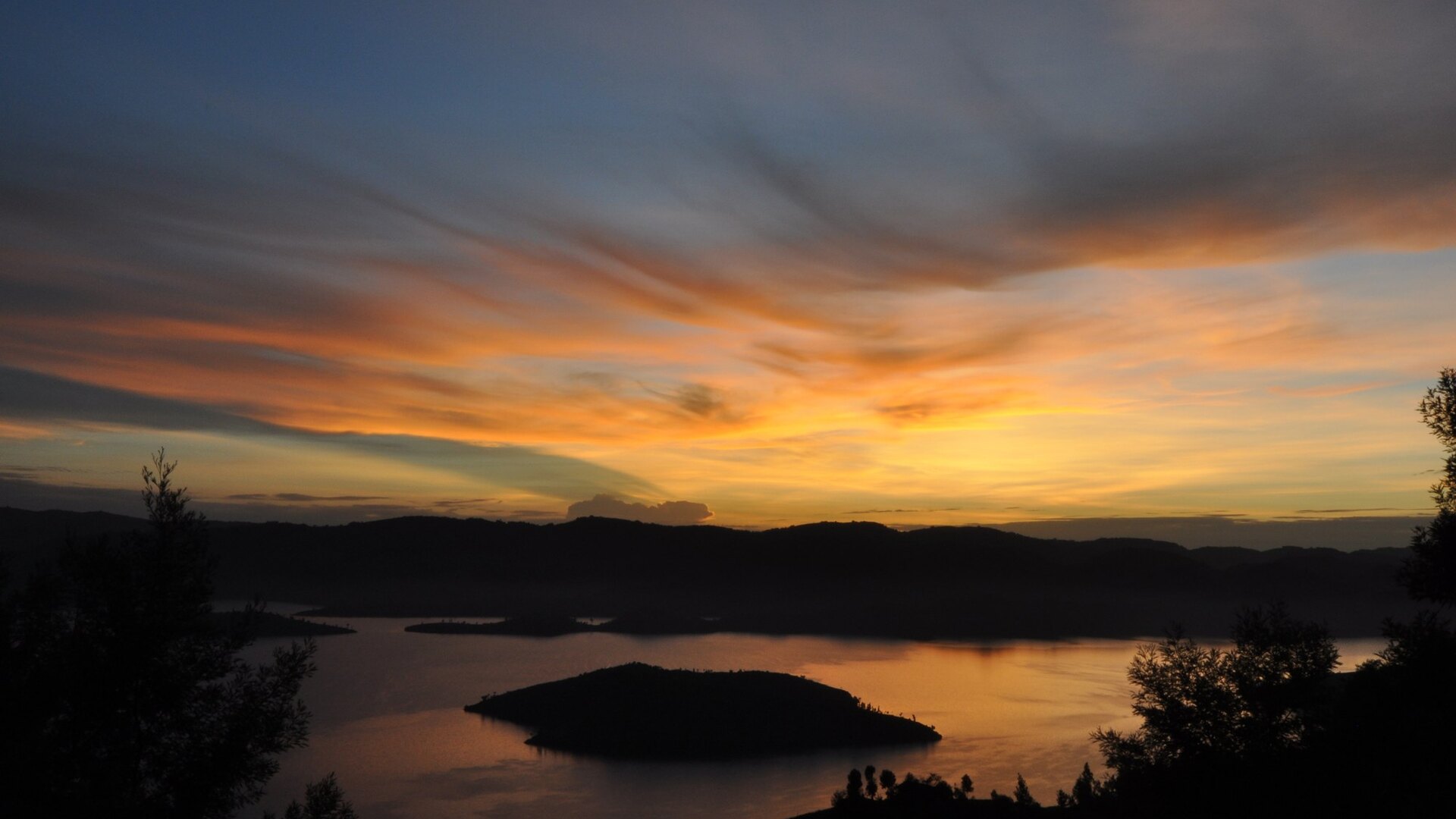
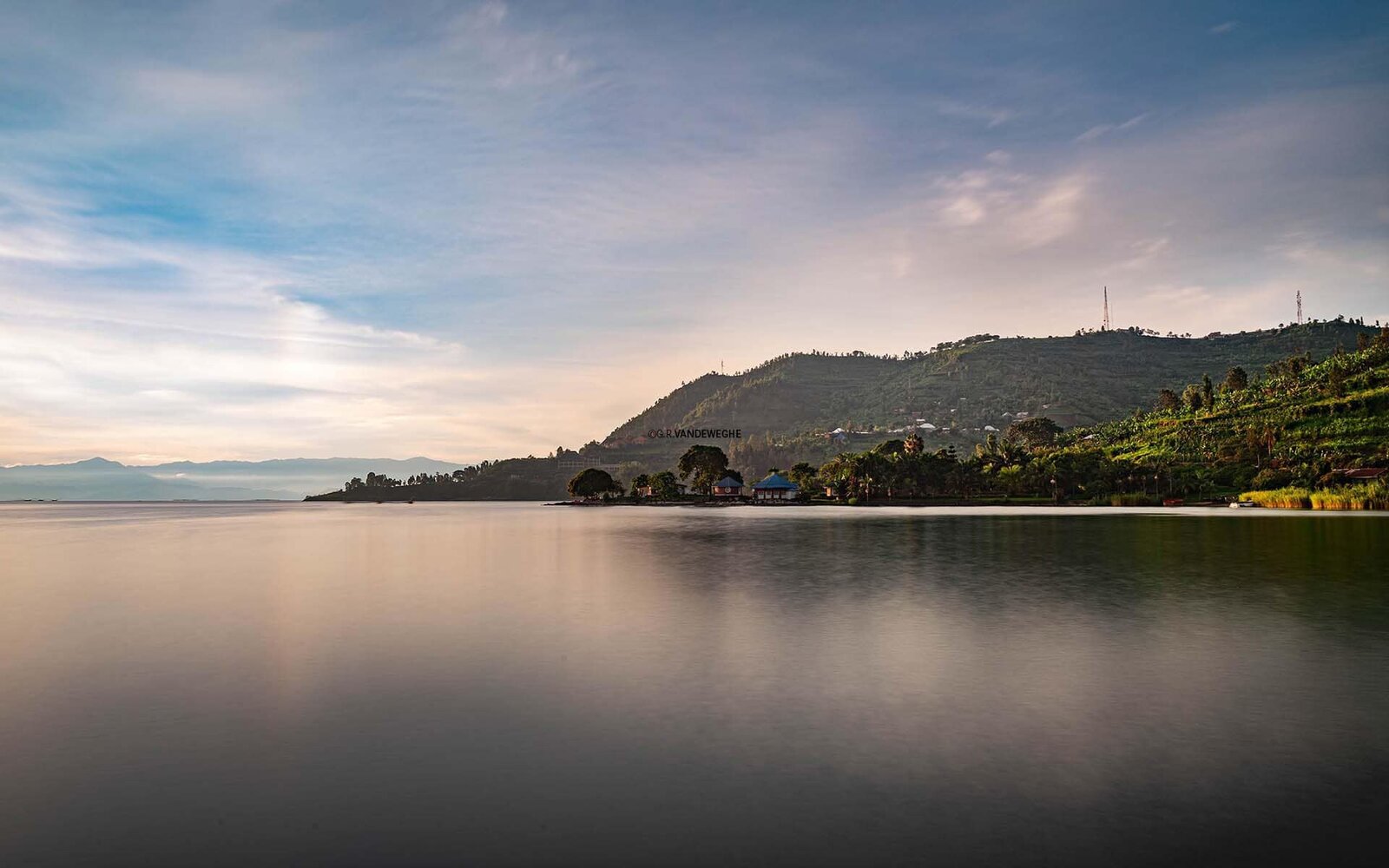
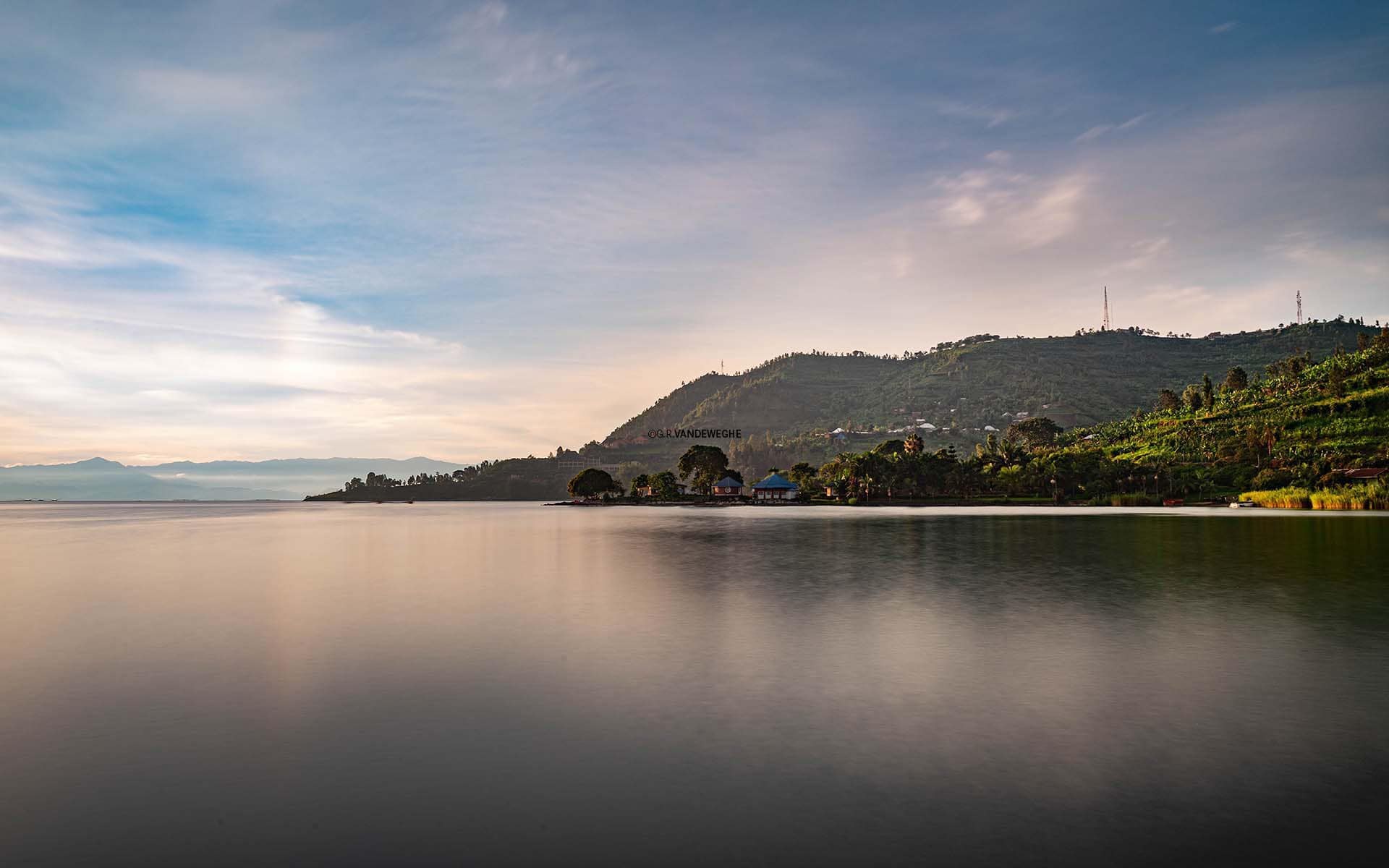
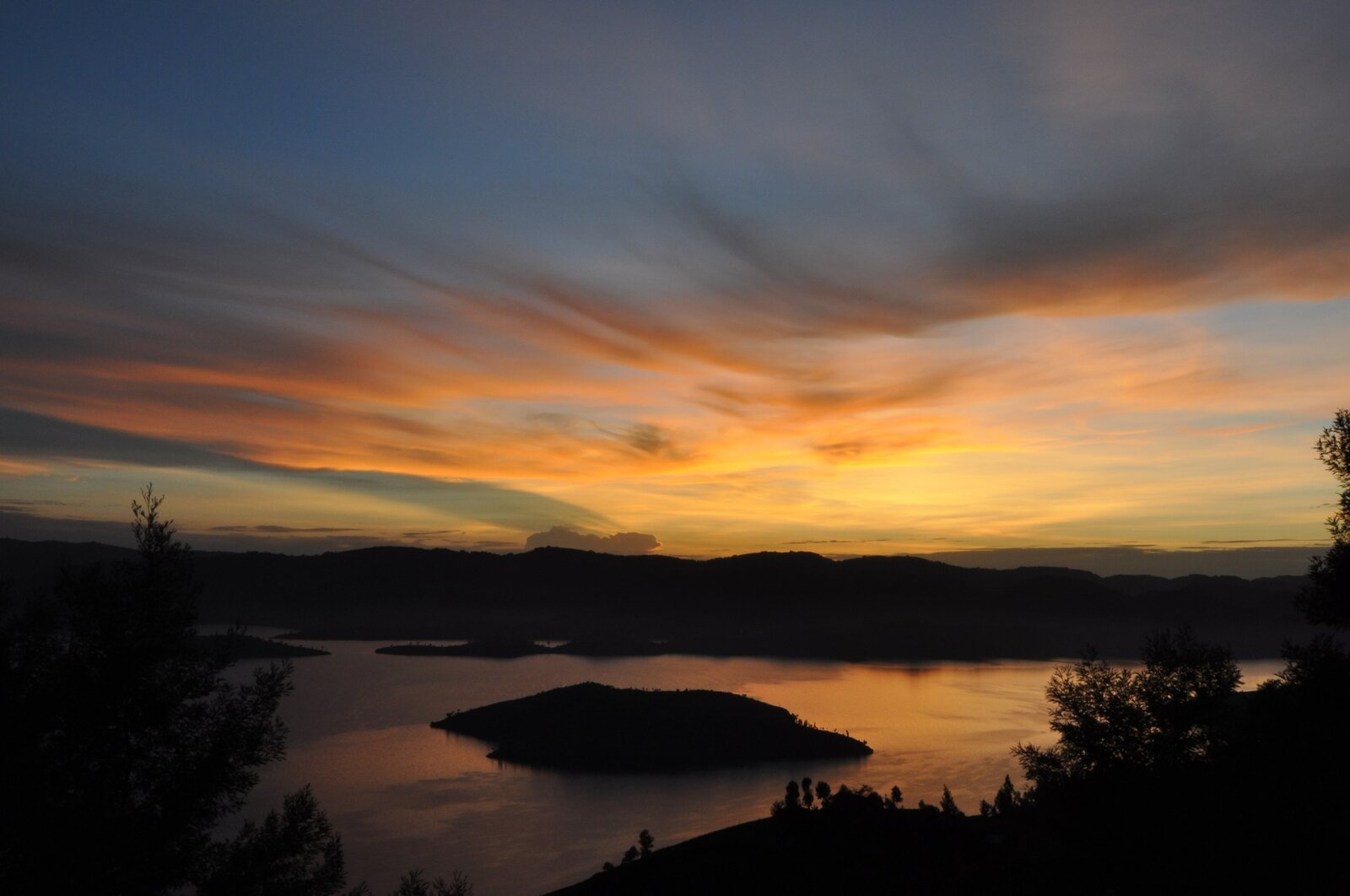
Where the western edge of Rwanda meets the Democratic Republic of Congo, Lake Kivu stretches along a dramatic shoreline of beaches, fishing villages and forested islands. The resort towns of Gisenyi (Rubavu) in the north and Kibuye (Karongi) further south offer white-sand lake beaches, kayaking, stand-up paddleboarding and island-hopping by traditional wooden boat. This is Rwanda's answer to the beach finale — the place to unwind after the intensity of gorilla trekking and the emotional weight of Kigali. Sunsets here, with the Congolese volcanoes silhouetted across the water, are among the finest in East Africa.
- Best for: Lake beaches, kayaking, island-hopping, relaxation, sunsets
- When to go: June-September for the driest weather and the calmest lake; year-round for pleasant temperatures
- Access: Gisenyi is a 3-hour drive from Musanze or a 4-hour drive from Kigali; domestic flights are also available
- Reality: Lake Kivu is bilharzia-free, unlike most African Great Lakes — swimming and water sports are safe and popular.
The Gorilla Highlands — Volcanoes, Kigali and Lake Kivu

4. Nyungwe Forest National Park — Chimpanzees and the Canopy Walk
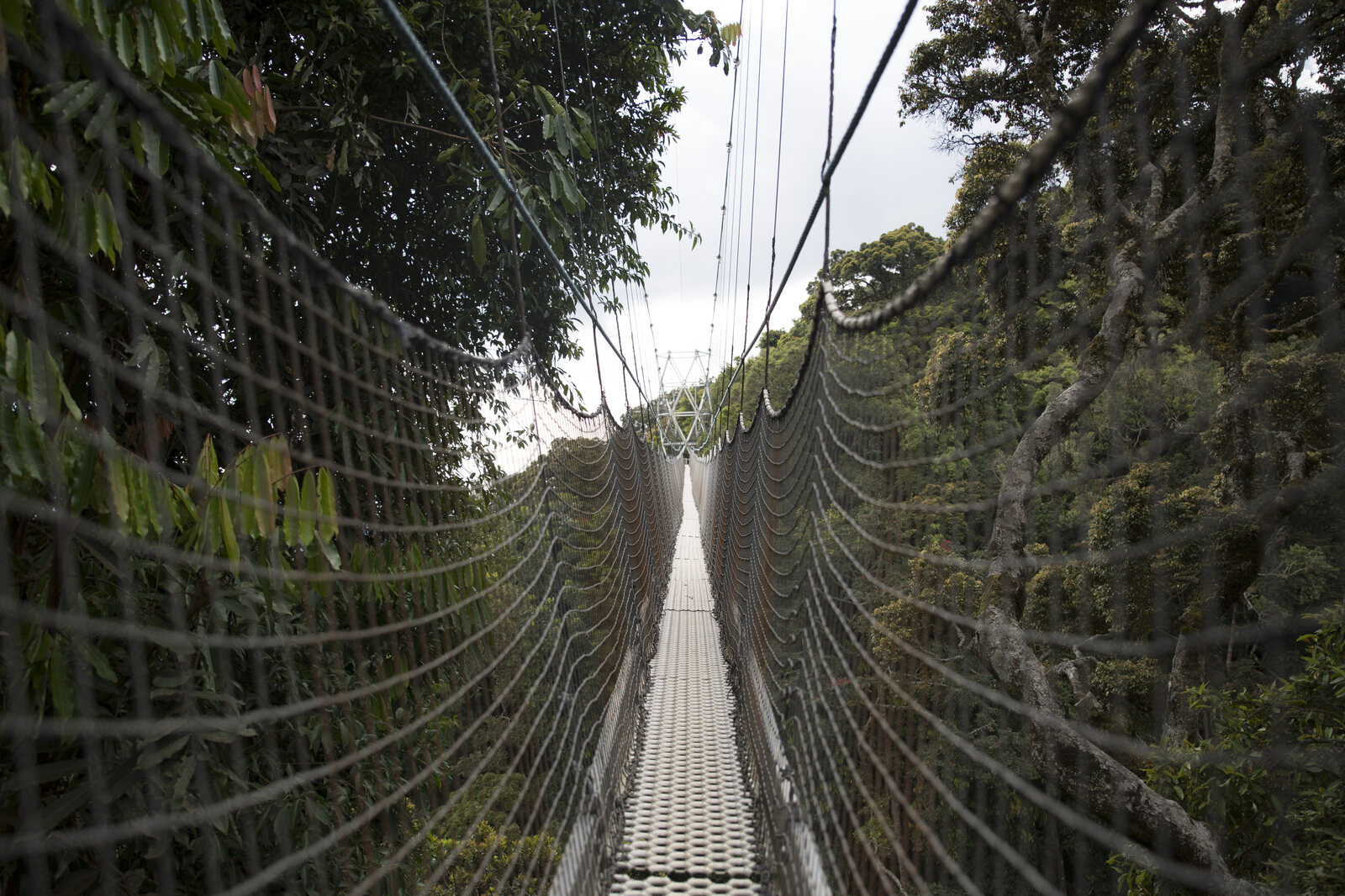
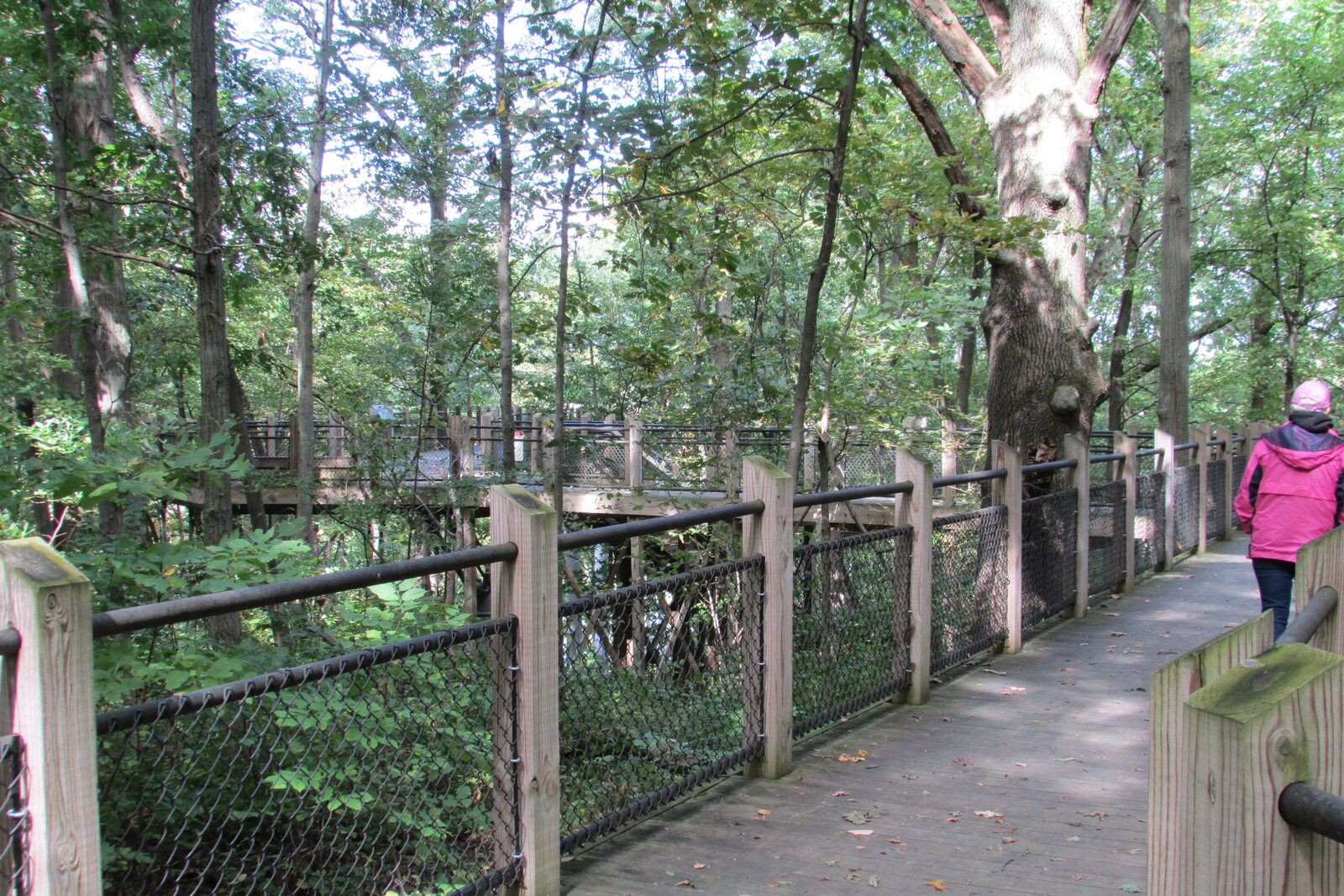
Nyungwe Forest is one of the oldest and most biodiverse rainforests in Africa — a vast, mountainous expanse of montane forest in Rwanda's southwest that shelters 13 primate species, including habituated troops of chimpanzees and large groups of black-and-white colobus monkeys numbering in the hundreds. The headline experience is the canopy walkway, a 60-metre-high suspension bridge that carries you above the forest canopy for bird's-eye views of the treetops. Add chimpanzee trekking, colobus tracking, waterfall hikes and exceptional birdlife (over 300 species), and Nyungwe is Rwanda's most underrated destination.
- Best for: Chimpanzee trekking, canopy walk, colobus monkeys, birdwatching, rainforest hiking
- When to go: June-September for the driest trekking conditions; chimps are present year-round
- Access: A 5-hour drive from Kigali, often combined with a stop in Huye or Nyanza; also reachable from Lake Kivu
- Don't miss: A guided colobus monkey walk — groups of 300 or more leap through the canopy in one of Africa's greatest primate spectacles. For full detail, see our Rwanda Nyungwe Safari Guide.
5. Akagera National Park — Big Five Savanna in the Land of a Thousand Hills
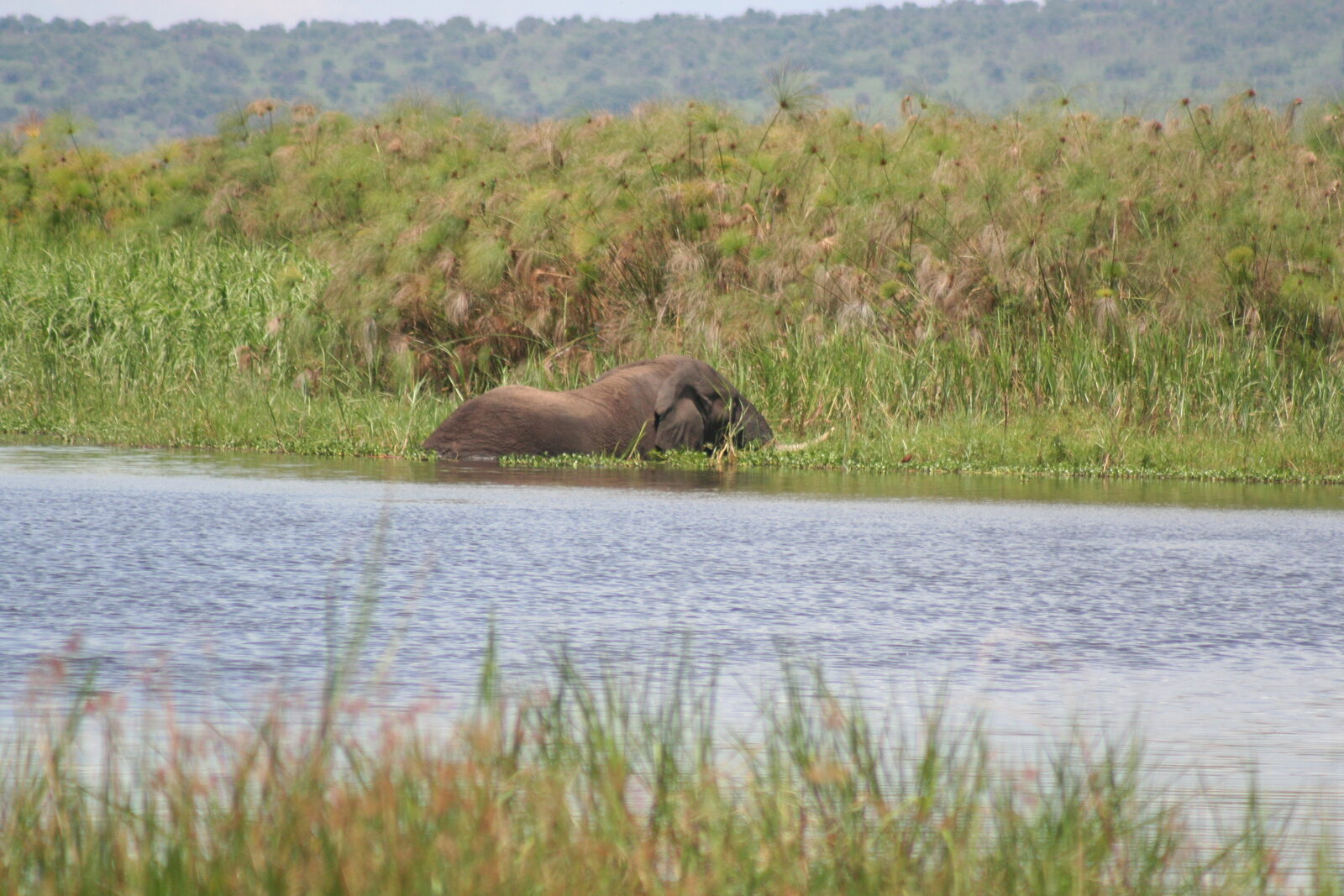
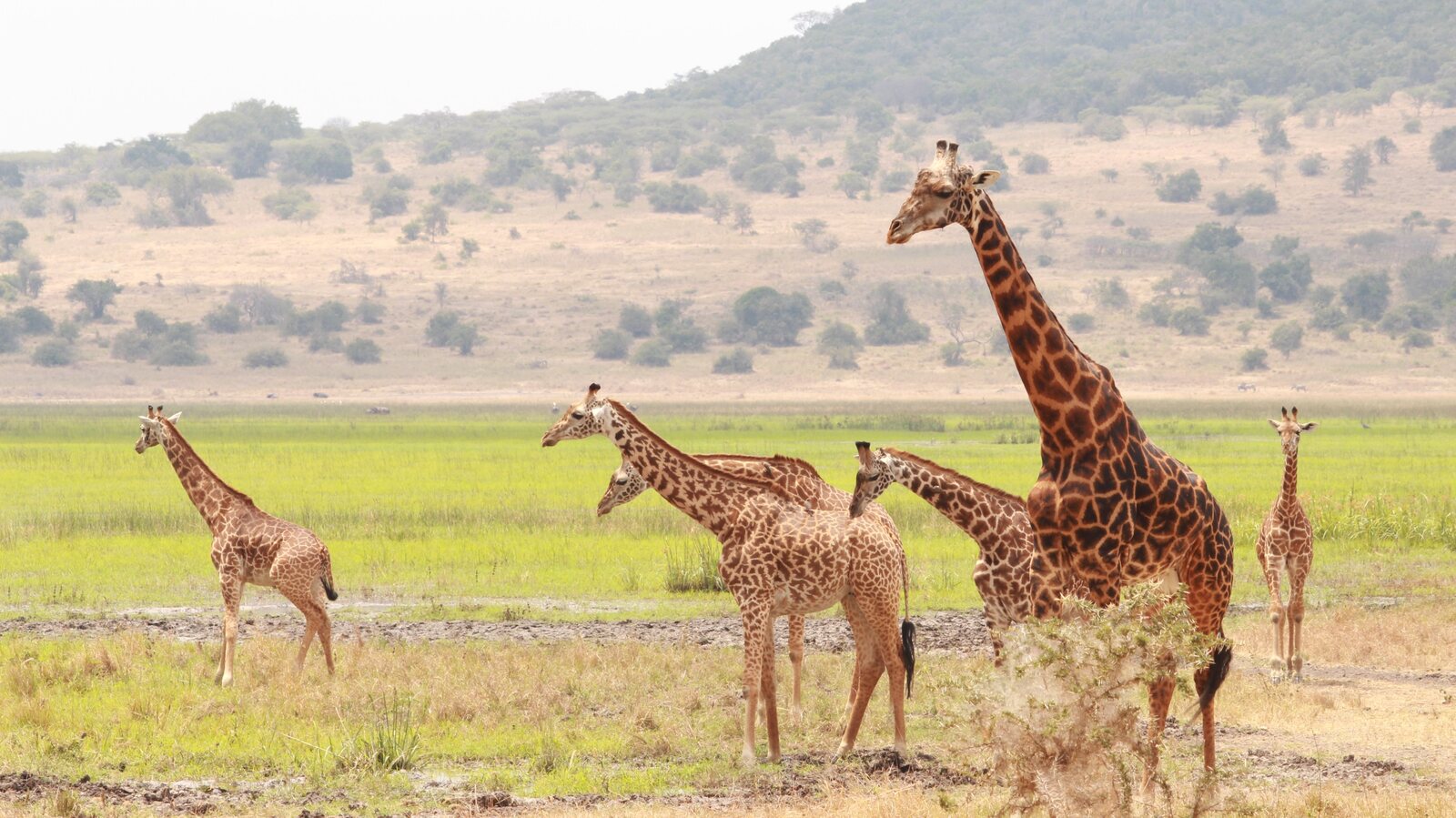
Rwanda is not a country most people associate with classic savanna safari, but Akagera National Park is changing that. Stretching along the Tanzanian border in the east, Akagera is a patchwork of rolling hills, lakes, papyrus swamps and open savanna that now shelters all of the Big Five — lions and rhinos were reintroduced in 2015-2017, and the populations are thriving. A game drive here, with giraffes and zebra silhouetted against terraced green hills, feels unlike any other savanna park in Africa. Boat safaris on Lake Ihema add hippos, crocodiles and spectacular birdlife.
- Best for: Big Five game drives, boat safaris, birdlife, a savanna contrast to gorilla country
- When to go: June-September for the best game viewing, when animals concentrate near water; year-round for birding
- Access: A 2.5-hour drive from Kigali — easily combined as a first or last stop
- Reality: Akagera is one of Africa's great conservation comeback stories, managed in partnership with African Parks. For full detail, see our Rwanda Akagera Safari Guide.
6. Musanze and the Twin Lakes — Gateway Town and Volcanic Scenery
Musanze is the vibrant gateway town to Volcanoes National Park, but it deserves a day of its own. Nestled among the Virunga foothills, it is surrounded by some of Rwanda's most dramatic volcanic scenery — including the Twin Lakes of Burera and Ruhondo, two crater lakes cradled between the volcanoes, their waters a deep, glassy blue. Canoeing on the lakes, hiking the ridgelines between them and visiting the nearby Musanze Caves (formed by ancient lava flows) make this one of Rwanda's most scenic and peaceful corners. Local community cooperatives run guided walks, fishing trips and cultural performances.
- Best for: Volcanic lake scenery, canoeing, hiking, Musanze Caves, community tourism
- When to go: Year-round; the dry seasons offer the clearest views of the surrounding volcanoes
- Access: A 2-hour drive from Kigali — the standard transit point for gorilla trekking
- Reality: Budget a half-day or full day for the Twin Lakes — they are among Rwanda's best-kept secrets.
7. King's Palace Museum, Nyanza — Royal History and the Sacred Inyambo Cattle
In the hills south of Kigali, the town of Nyanza was the seat of Rwanda's monarchy for centuries. The King's Palace Museum preserves a faithful reconstruction of the royal residence — a beautifully woven grass-and-reed palace — alongside the colonial-era brick palace built by the Belgians. The highlight is the herd of Inyambo long-horned cattle, the sacred cattle of the royal court, whose enormous lyre-shaped horns are trained and decorated for ceremony. It is a living window into pre-colonial Rwandan culture and one of the most distinctive cultural experiences in East Africa.
- Best for: Rwandan history, royal culture, the sacred Inyambo cattle, architecture
- When to go: Year-round; combine with a Nyungwe trip as a stop en route from Kigali
- Access: A 2-hour drive south of Kigali, on the road to Huye and Nyungwe
- Don't miss: The Inyambo cattle performance, where herders sing and guide the sacred cows in a traditional dance-like display — mesmerising and utterly unique to Rwanda.
The Wild South and Cultural Heart — Nyungwe, Akagera and Nyanza
8. The Congo Nile Trail — Hiking and Biking Along Lake Kivu
Stretching roughly 227 kilometres along the eastern shore of Lake Kivu from Gisenyi in the north to Kamembe in the south, the Congo Nile Trail is one of East Africa's great multi-day adventures. The trail winds through terraced hillsides, eucalyptus forests, fishing villages and tea plantations, always with the vast blue lake on one side and Rwanda's green hills on the other. You can hike it, mountain-bike it, or do sections by kayak — and every night you sleep in a lakeside guesthouse or community lodge, eating fresh tilapia and watching the sun drop behind the Congolese mountains.
- Best for: Multi-day hiking or biking, adventure travel, community tourism, Lake Kivu scenery
- When to go: June-September for the driest conditions; December-February is also good
- Access: Start in Gisenyi (Rubavu) after gorilla trekking, or join a section anywhere along the route
- Reality: You don't need to do the whole trail — even a 2-3 day section between Gisenyi and Kibuye is spectacular and manageable.
9. Gishwati-Mukura National Park — Montane Forest and a Rewilding Story
Rwanda's newest and smallest national park, Gishwati-Mukura protects two fragments of montane rainforest in the northwest — remnants of a vast forest that once covered much of western Rwanda. Nearly destroyed by deforestation and the post-genocide refugee crisis, the forest is now the subject of one of Africa's most inspiring rewilding projects, with chimpanzees, golden monkeys, L'Hoest's monkeys and over 230 bird species slowly reclaiming their home. Trekking here is quiet, uncrowded and deeply satisfying — a chance to witness conservation in real time.
- Best for: Conservation-minded travellers, primate tracking, birdwatching, off-the-beaten-path
- When to go: June-September for the best forest trekking conditions
- Access: Between Musanze and Lake Kivu — a natural addition to a gorilla-and-lake itinerary
- Reality: Visitor numbers are tiny, infrastructure is basic, and that is exactly the appeal for those who want to see conservation at its rawest.
10. Volcanoes Cultural Encounters — Iby'Iwacu Village and the Dian Fossey Tomb
The Virunga foothills around Volcanoes National Park are home to some of Rwanda's most powerful cultural and historical experiences. The Iby'Iwacu Cultural Village, founded by a former poacher turned conservationist, offers immersive encounters with traditional Rwandan life — banana-beer brewing, arrow-making, drumming, dancing and storytelling by reformed poachers who now work as community guides. Higher on the slopes, the hike to the Dian Fossey tomb at the old Karisoke research station is a pilgrimage through the bamboo forest to the grave of the woman who put mountain gorillas on the world's conscience. Together, these experiences add soul and story to the gorilla trek.
- Best for: Cultural immersion, conservation history, community tourism, Dian Fossey pilgrimage
- When to go: Year-round; usually done on a non-trekking day in Musanze
- Access: Both within 30 minutes of Musanze — easy half-day additions to a gorilla trip
- Don't miss: The Dian Fossey hike is moderately strenuous (2-3 hours each way) but profoundly moving — Fossey is buried beside Digit, her favourite gorilla.
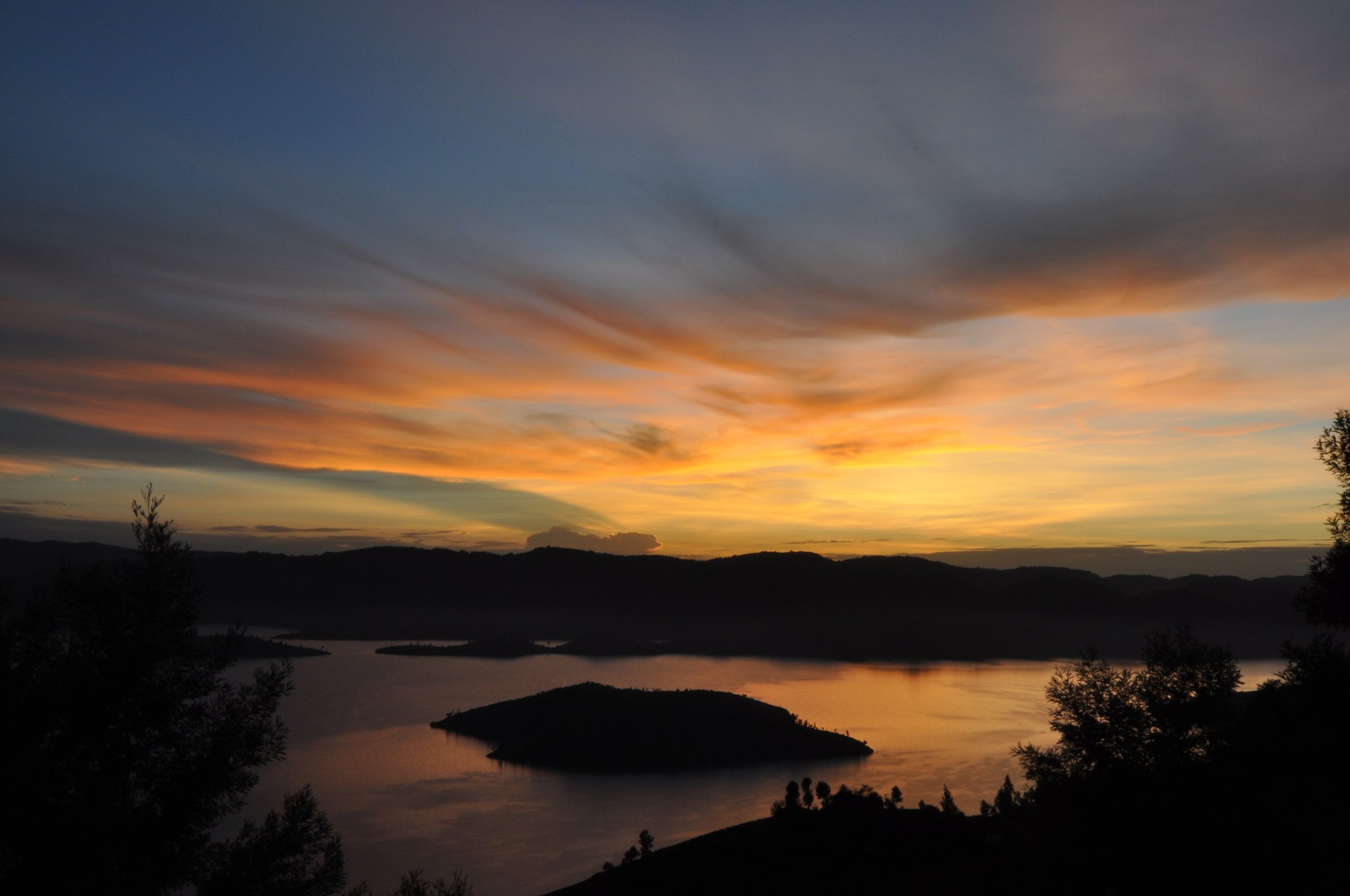
Lake Kivu, the Congo Nile Trail and the Forest Frontier
Building Your Trip: How to Combine Rwanda's Best Places
Rwanda's compact size means you can combine very different experiences without long transfers. Here are the routes that work best, matched to how much time you have. For fully costed, pre-designed trips, see our Rwanda Safari Tours guide, or design a tailor-made itinerary via Private Safari Tours Rwanda.
The Classic (5-7 days): Kigali (1-2 nights, Genocide Memorial) → Volcanoes NP gorilla trek (2-3 nights) → Lake Kivu (2 nights, beach finale). The definitive first trip — the emotional arc of Kigali, the wonder of gorillas, and the lakeside relaxation to finish.
Gorillas & Chimps (8-10 days): Kigali → Volcanoes NP → drive south via Nyanza's King's Palace → Nyungwe Forest (chimps + canopy walk) → Lake Kivu. Rwanda's two great primate encounters in one sweep.
The Grand Tour (10-14 days): Kigali → Akagera (Big Five savanna) → Kigali → Volcanoes NP → Musanze & Twin Lakes → Lake Kivu & Congo Nile Trail → Nyungwe. Everything — gorillas, chimps, Big Five, lakes, culture and trail.
The Explorer (7-8 days): Kigali → Volcanoes NP → Gishwati-Mukura → Lake Kivu → Congo Nile Trail section. For adventure and conservation-minded travellers who want the road less taken.
💡 Planning Tip: Rwanda is tiny but hilly — distances are short on the map but transfers take longer than you expect on winding mountain roads. Build in travel days, and don't rush. Gorilla permits must be booked well in advance (often 3-6 months). For a realistic budget, see How Much Does Rwanda Gorilla Trekking Cost.
Best Time to Visit Rwanda
| Season | Months | Best For | Notes |
|---|---|---|---|
| Long Dry | Jun-Sep | ★★★★★ Gorillas, chimps, Akagera, hiking | Best all-round season; dry trails, concentrated wildlife at Akagera; book permits early |
| Short Dry | Dec-Feb | ★★★★★ Gorillas, Lake Kivu, birding | Excellent conditions; migratory birds arrive; festive-season demand high |
| Long Rains | Mar-May | ★★★☆☆ Value & lush scenery | Muddy gorilla trails but fewer trekkers; lowest rates; dramatic green landscapes |
| Short Rains | Oct-Nov | ★★★★☆ All-rounder & value | Brief afternoon showers; mornings usually clear; good value, fewer visitors |
Verdict: For a first Rwanda trip covering gorillas, chimps and Akagera, aim for the long dry season (June-September). For Lake Kivu, birding and a festive atmosphere, December to February is superb. For detailed, month-by-month timing, see When to Visit Rwanda & Uganda for Gorilla Trekking.
🦁 Ready to plan your Rwanda trip? Browse pre-designed journeys in our Rwanda Safari Tours guide, compare accommodation in the Best Rwanda Safari Lodges, or design a tailor-made trip via Private Safari Tours Rwanda. Focused on safari routing? See the Top 10 Best Safari Destinations in Rwanda.
Best Places to Visit in Rwanda: Frequently Asked Questions
What is the number one place to visit in Rwanda?
For most travellers, Volcanoes National Park is the single best place to visit in Rwanda — mountain gorilla trekking is widely considered the greatest wildlife encounter on Earth. But Rwanda's magic is its range: Kigali for modern African culture and the Genocide Memorial, Lake Kivu for lake-shore relaxation, Nyungwe for chimpanzees and the canopy walk, and Akagera for Big Five savanna. The best trips combine two or three contrasting places rather than chasing one highlight.
How many days do you need in Rwanda?
A focused gorilla trip needs 4-5 days (Kigali plus Volcanoes NP). To add Lake Kivu, allow 7 days. For the full experience — gorillas, chimps in Nyungwe, Big Five in Akagera and Lake Kivu — plan on 10-14 days. Even a long weekend centred on Kigali and one gorilla trek is worthwhile.
Do I need a visa to visit Rwanda?
Most nationalities can obtain a visa on arrival or an e-visa before departure. Rwanda also participates in the East Africa Tourist Visa, which covers Rwanda, Kenya and Uganda for 90 days — excellent value if you plan to combine countries. Always check current requirements before travel, as policies change.
How far in advance should I book gorilla permits?
Book gorilla permits at least 3-6 months in advance for the dry seasons (June-September and December-February). Peak months can sell out even further ahead. The permit currently costs $1,500 per person and includes the one-hour gorilla viewing experience. Your safari operator can handle the booking.
Is Rwanda safe for tourists?
Rwanda is widely regarded as one of the safest countries in Africa for tourists. Kigali is notably clean and secure, and the national parks are well-managed and professionally guided. Petty crime is rare compared with most African capitals. As anywhere, take normal urban precautions and follow guide advice in parks.
What are the best things to do in Kigali?
The Kigali Genocide Memorial is essential — plan at least 2-3 hours. Beyond the memorial, visit the Inema Arts Centre for contemporary Rwandan art, browse Kimironko Market for crafts and local produce, enjoy the rooftop bars and restaurants of the city's growing food scene, and explore the Kandt House Museum of natural history. Kigali is a walkable, friendly city that rewards curiosity.
What can you do at Lake Kivu?
Lake Kivu is Rwanda's relaxation destination. Swim and sunbathe on the beaches at Gisenyi or Kibuye, kayak or paddleboard on the lake, take a boat trip to Napoleon Island (home to a large fruit-bat colony), hike or bike a section of the Congo Nile Trail, visit local hot springs, or simply watch the sunset with a cold Mutzig beer. The lake is bilharzia-free, so water sports are safe.
Can you combine Rwanda with Uganda or the DRC?
Yes — and it is increasingly popular. Rwanda and Uganda share the Virunga Mountains, so a combined trip can include Rwanda's gorillas and Kigali with Uganda's tree-climbing lions in Queen Elizabeth NP and chimpanzees in Kibale. You can also cross into the DRC for a Nyiragongo volcano trek. The East Africa Tourist Visa covers Rwanda, Uganda and Kenya on one document.
What is the best non-gorilla experience in Rwanda?
Chimpanzee trekking and the canopy walk in Nyungwe Forest are the most popular non-gorilla highlights. Akagera's Big Five game drives, the Congo Nile Trail hike, Lake Kivu's beaches, the King's Palace at Nyanza, and the Kigali Genocide Memorial are all world-class experiences that have nothing to do with gorillas. Rwanda is a far more varied destination than most travellers expect.