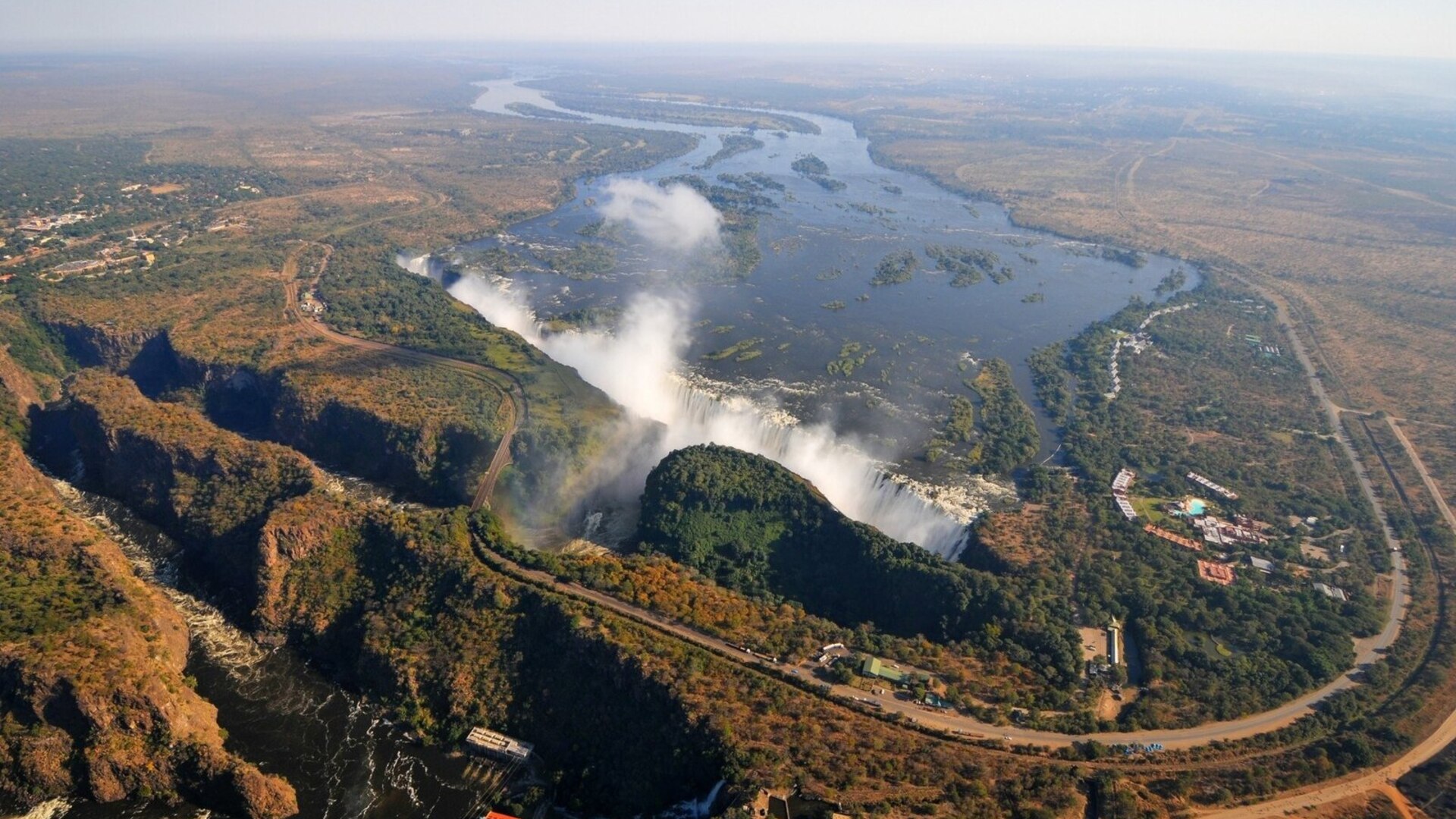
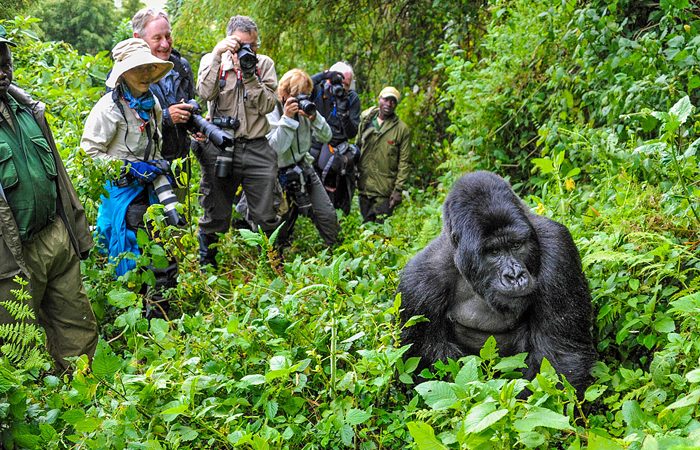
🦁 Key Takeaways — Burundi Travel Guide
- Why go: Burundi is one of Africa’s last untouched frontiers — chimpanzee rainforest, the Royal Drummers, and 80+ kilometres of Lake Tanganyika shoreline, all without the crowds
- Signature experiences: Kibira National Park chimps & colobus, the UNESCO-listed Royal Drummers of Gishora, the Source of the Nile pyramid, Rusizi hippos, and Karera Falls
- Lake Tanganyika: the world’s second-deepest and second-oldest lake, holding roughly one-sixth of the planet’s available fresh water, with golden fishing-boat sunsets you’ll never forget
- Best time: the long dry season (June–September) for forest trekking and lake days; the short dry spell (December–January) is a fine secondary window
- How to travel: Burundi rewards a private, guided approach — a trusted operator, a good driver-guide and the right timing turn a little-known country into a trip of a lifetime
Why Visit Burundi — The Heart of Africa
Look at a map of Africa and let your eye fall on the great lakes of the east. There, tucked between Rwanda, Tanzania and the Democratic Republic of Congo, on the northeastern shoulder of Lake Tanganyika, sits a small, green, mountainous country that most travellers have never seriously considered: Burundi. It is often called the Heart of Africa — partly for its shape and central position, partly for the warmth of its people — and it remains one of the continent’s genuine last frontiers.
This is not a country of packaged safari circuits and minibus convoys. Burundi is quieter, rawer and far more personal. You can trek through montane rainforest listening for chimpanzees where you may be the only visitors that day. You can stand on the shore of one of the oldest lakes on Earth as wooden fishing boats drift home under a molten sunset. You can watch the Royal Drummers of Burundi — guardians of a tradition inscribed by UNESCO — thunder out rhythms that have accompanied kings for centuries. And you can visit the pyramid that marks the southernmost source of the Nile, the beginning of the longest river on the planet.
For the traveller who has already done the classic routes — who has seen the Serengeti migration and walked Cape Town’s waterfront — Burundi offers something increasingly rare: a place that feels undiscovered, where culture and nature are woven together and where your visit genuinely matters to the communities who welcome you. It asks a little more in planning and care, and it repays that effort many times over.
Burundi at a Glance
Before the parks and the lake and the drums, a few essentials to orient you:
| Fast Facts | Detail |
|---|---|
| Location | East/Central Africa; borders Rwanda (north), Tanzania (east & south), DR Congo (west, across Lake Tanganyika) |
| Capital cities | Gitega (political capital); Bujumbura (largest city & economic hub, on Lake Tanganyika) |
| Languages | Kirundi & French (official), plus English and Swahili widely used in trade and tourism |
| Currency | Burundian Franc (BIF); US dollars useful for tips and larger payments |
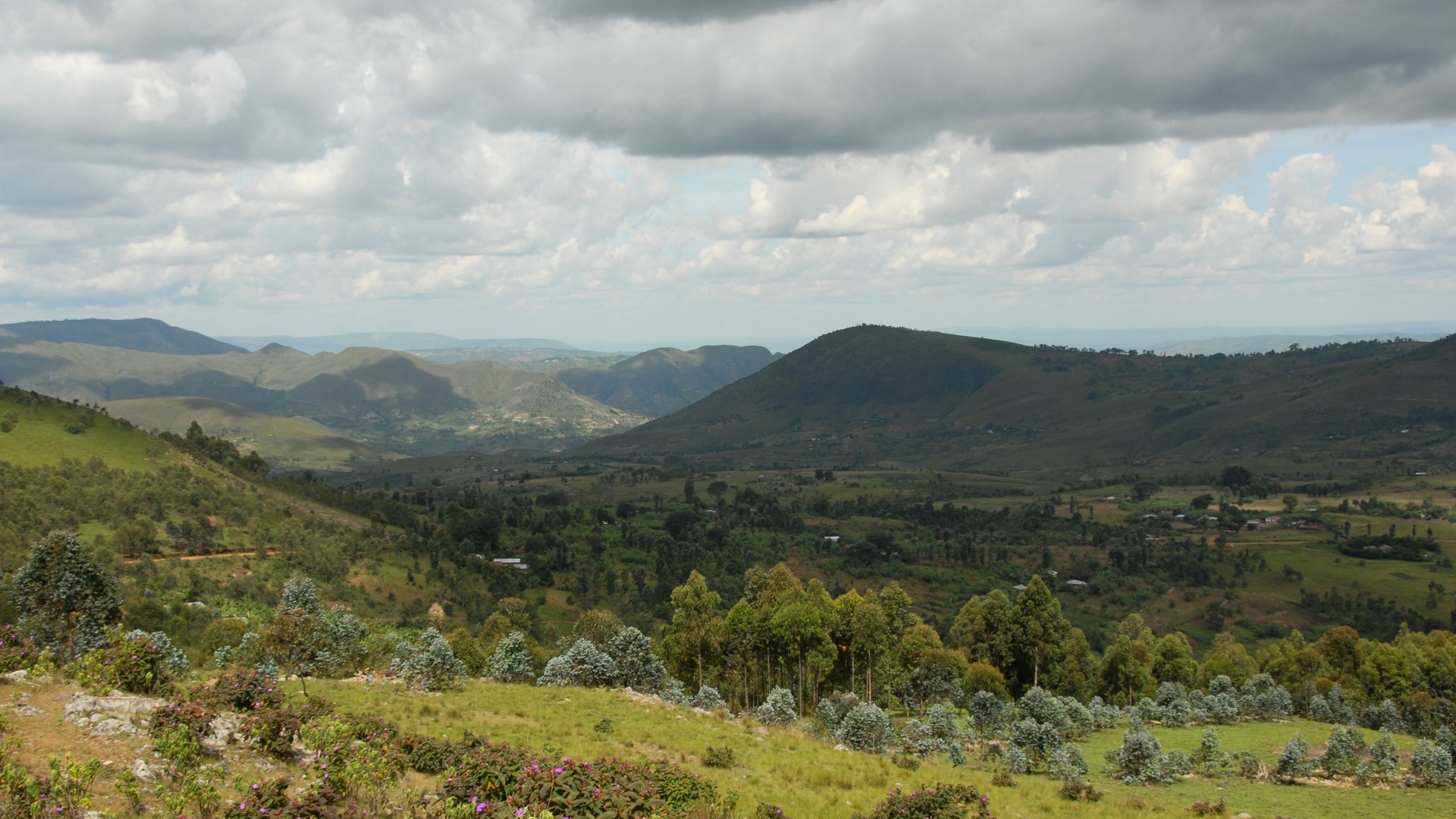
| Landscape | A land of a thousand hills — highland tea country, montane rainforest, savanna river valleys and a great-lake shoreline |
| Main gateway | Melchior Ndadaye International Airport (BJM), Bujumbura |
| Best for | Off-the-beaten-track explorers, culture lovers, birders, chimp and primate enthusiasts, great-lake romantics |
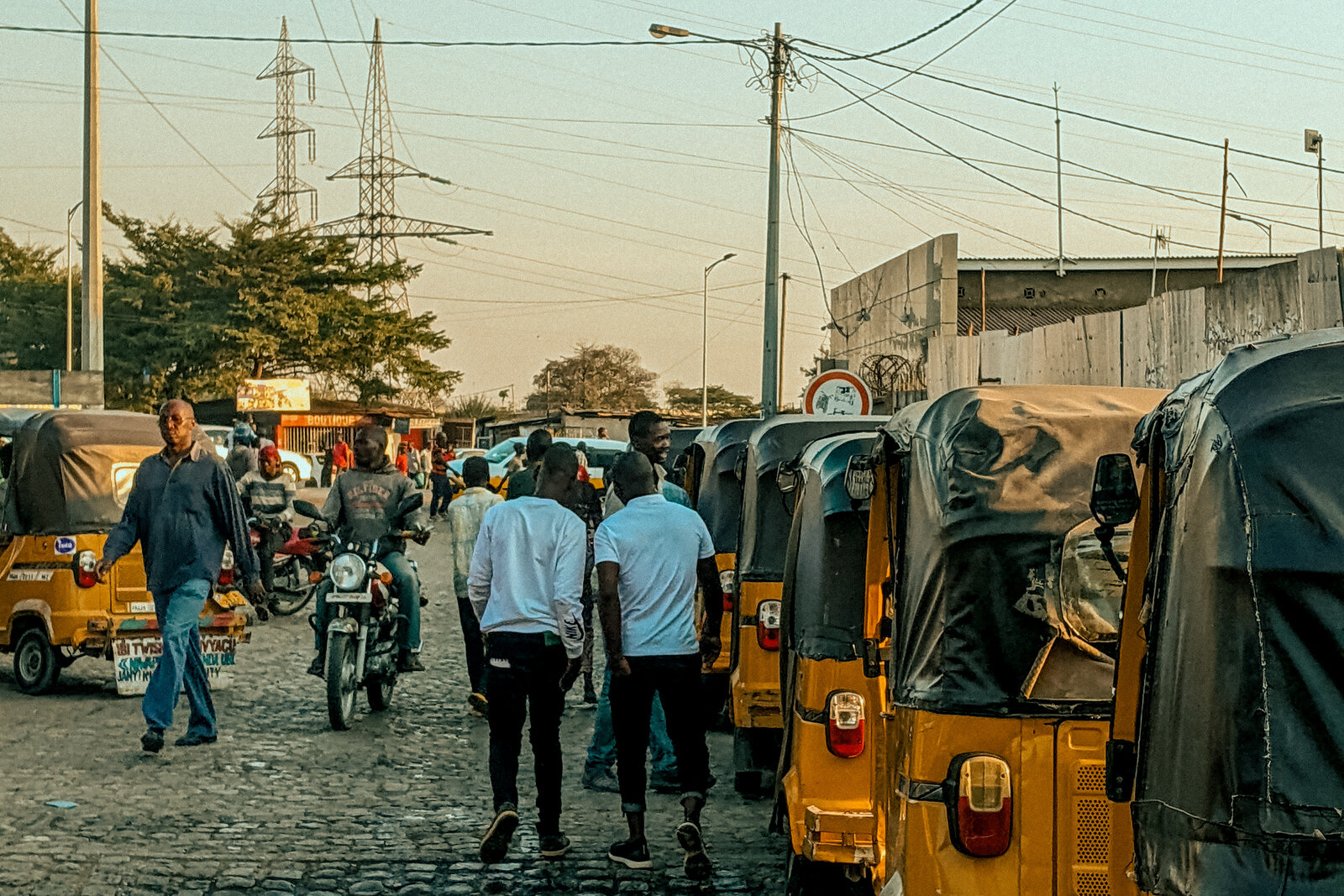
Geographically Burundi is compact — you can move between the rainforest of the northwest, the drum sanctuary near Gitega in the centre, and the lakeshore of Bujumbura in a single well-planned itinerary. That compactness is one of its quiet advantages: little time is lost in transit, and each day can feel distinct.
Burundi’s National Parks & Wildlife
Burundi is not a Big Five destination in the Kruger or Serengeti sense — and that is precisely the point. Its protected areas are about primates, birds, hippos and pristine habitat, experienced on foot and in near-solitude. Three parks anchor any wildlife itinerary:
| Park | Landscape | Signature Wildlife | Best For |
|---|---|---|---|
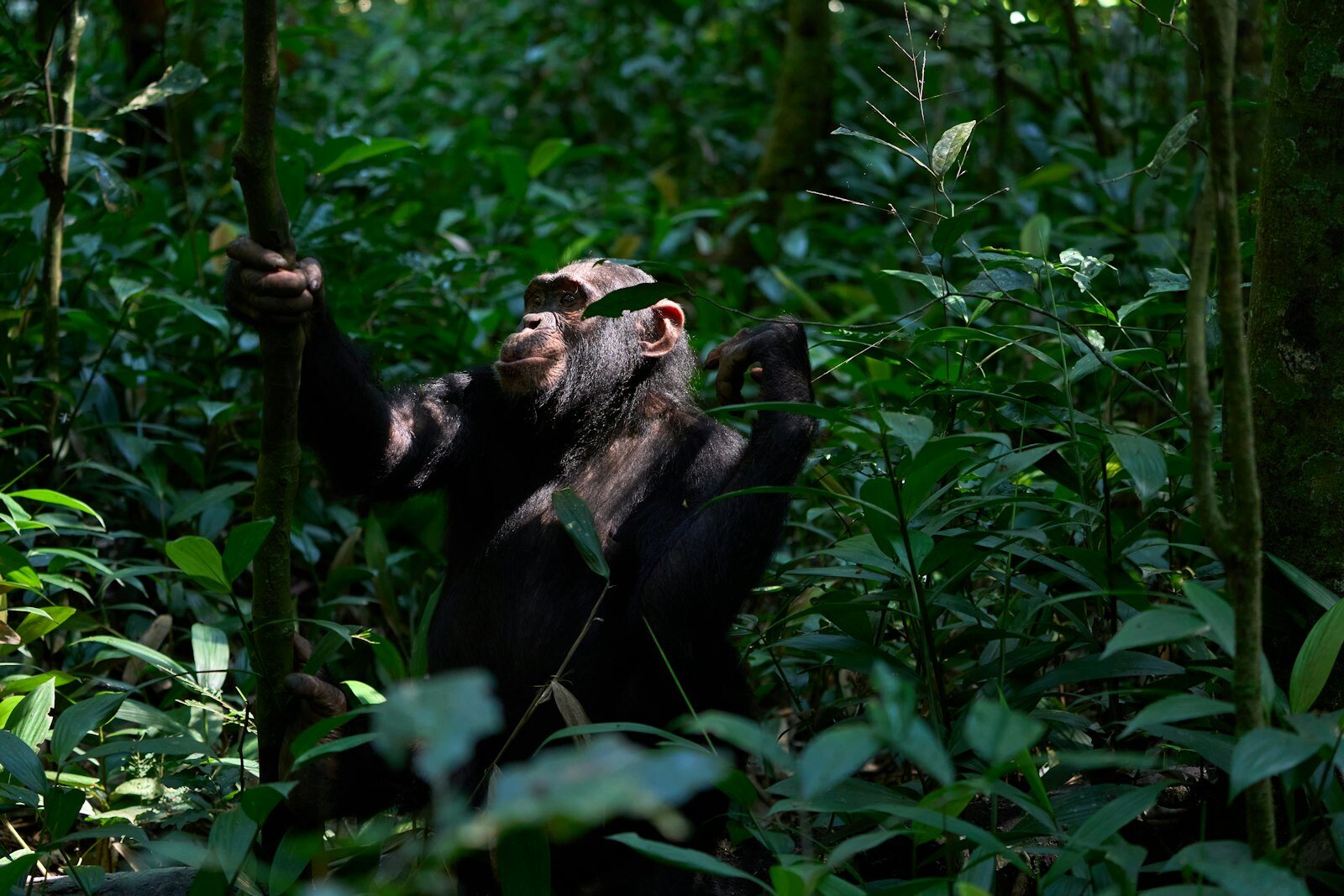
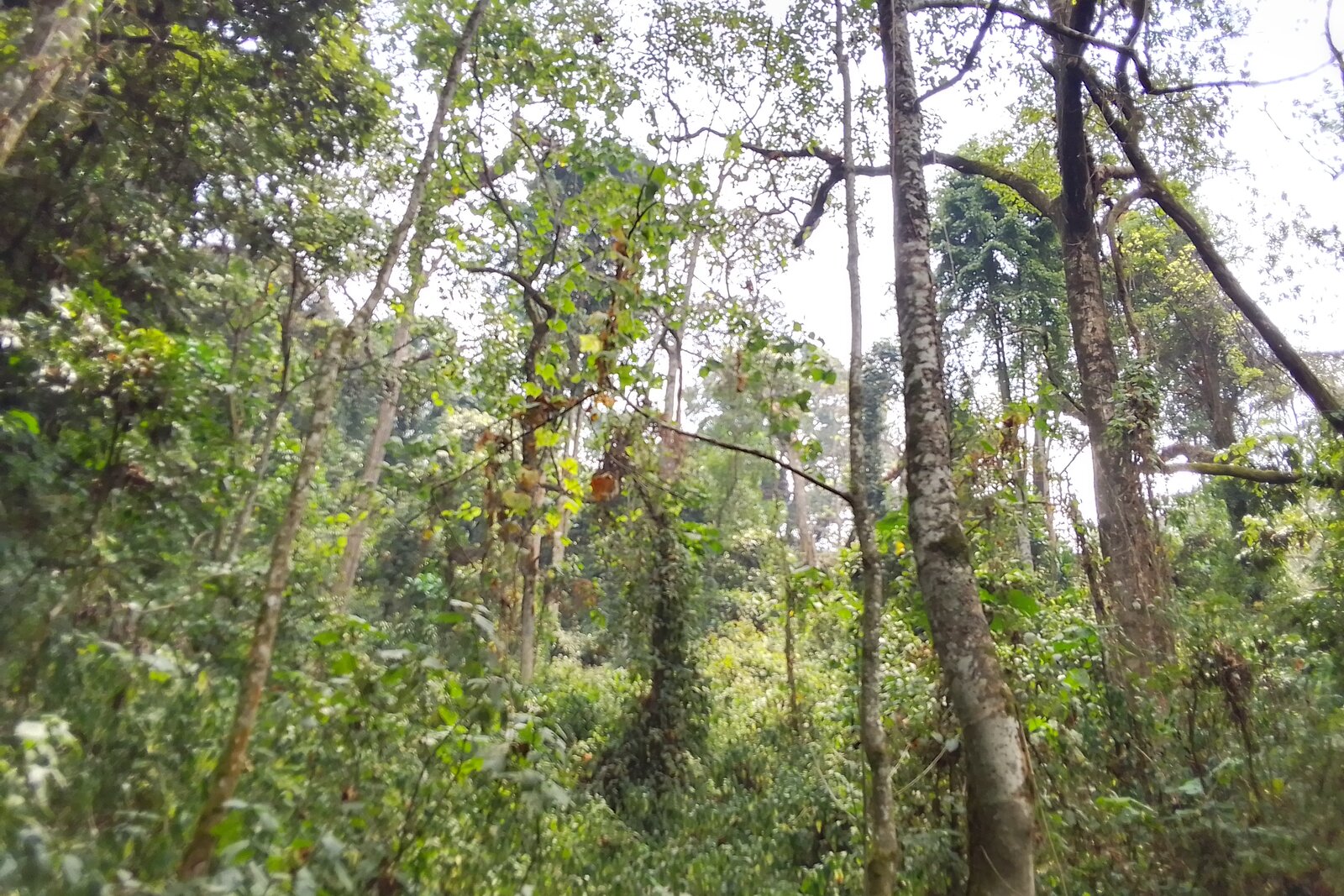
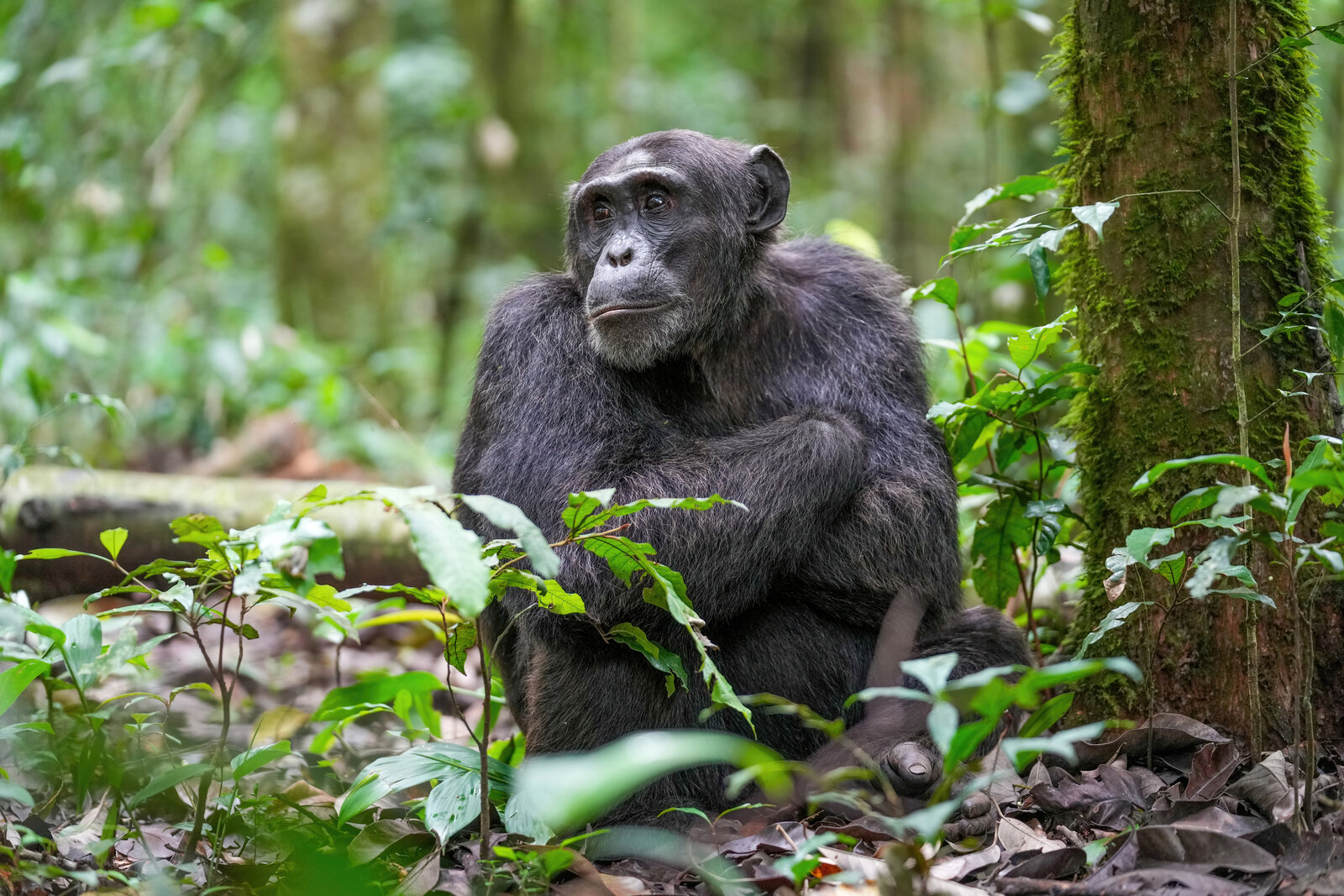
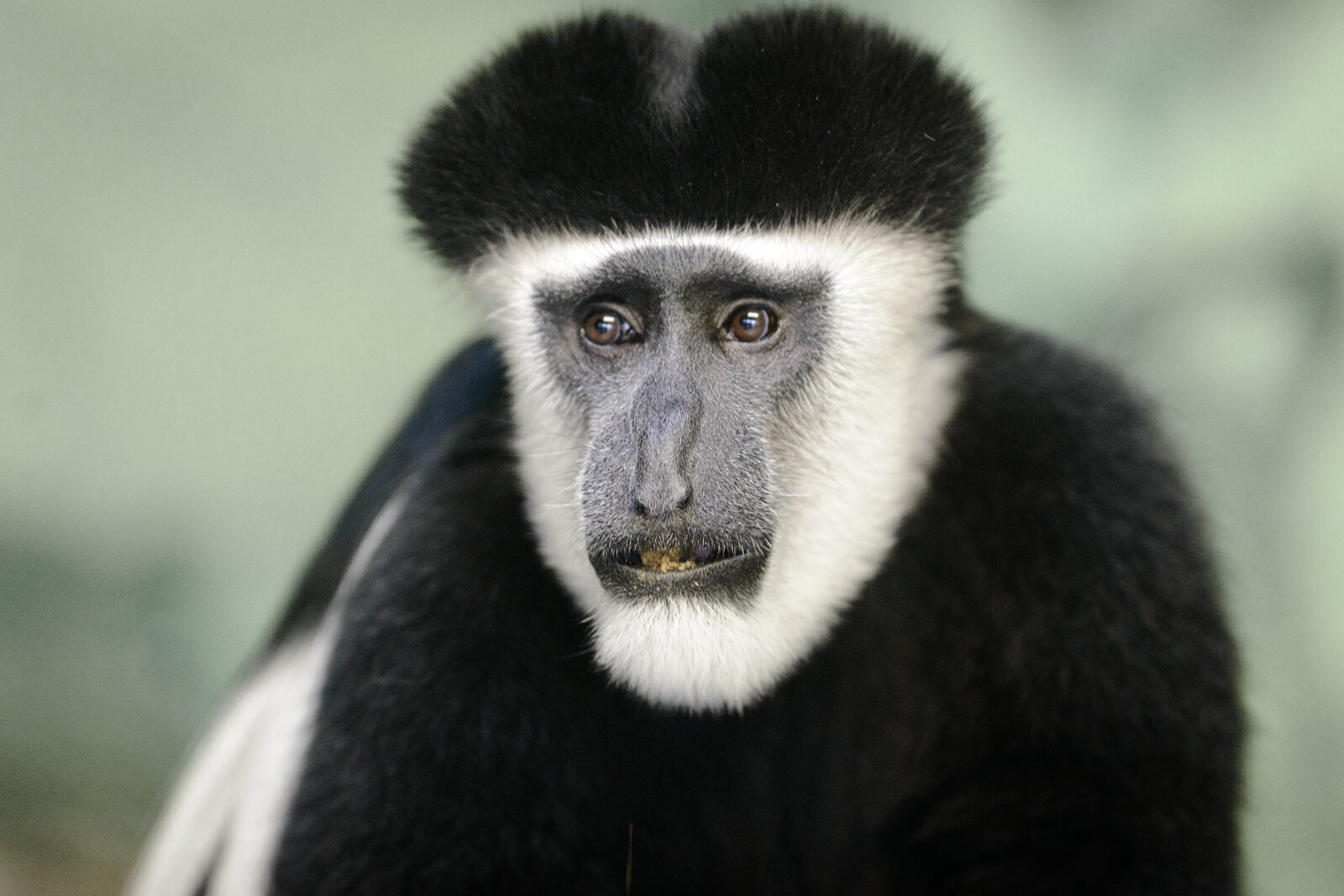
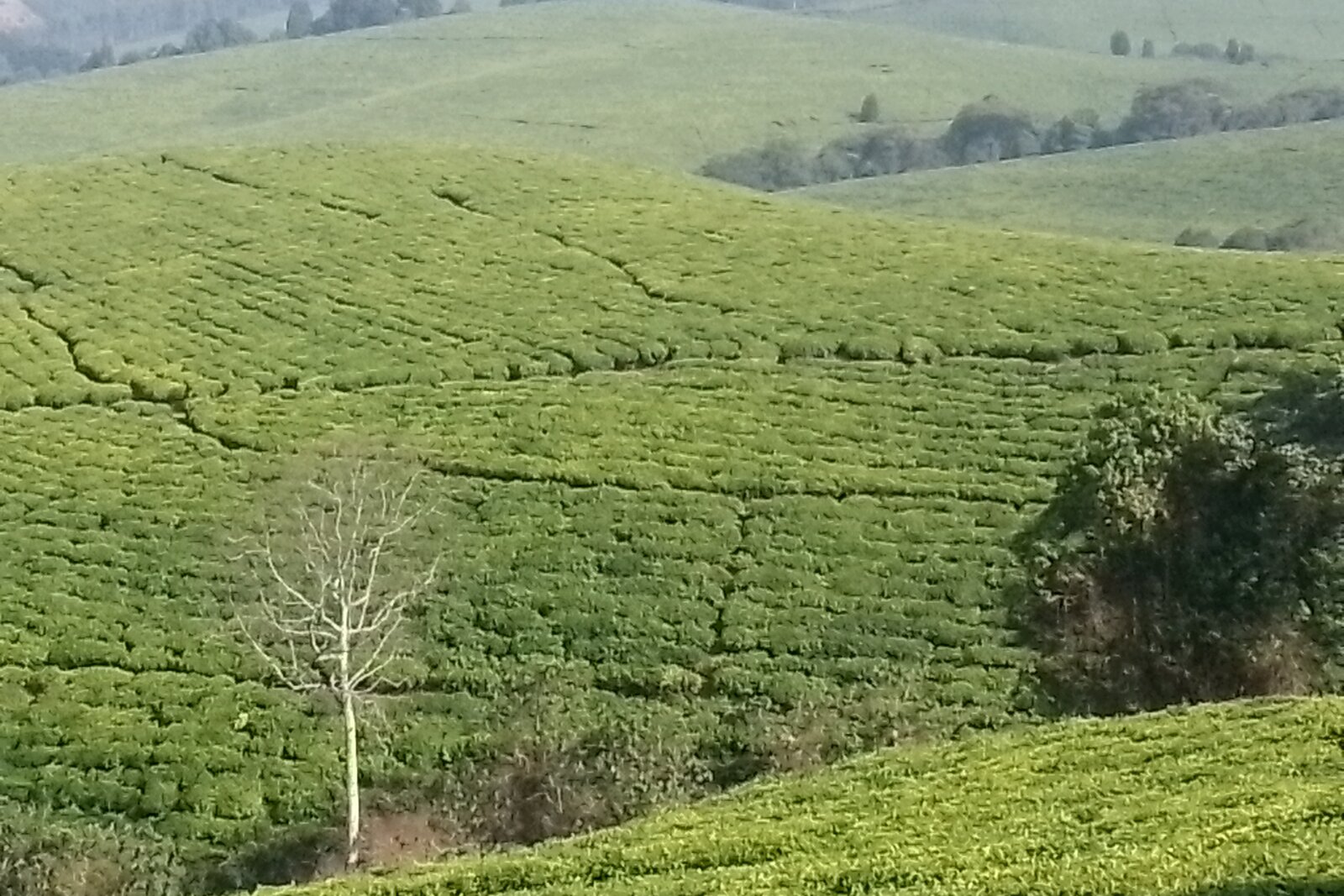
| Kibira National Park | Montane rainforest in the northwest, contiguous with Rwanda’s Nyungwe forest | Chimpanzees, black-and-white colobus, olive baboons, forest birds | Primate trekking, birding, forest hiking, tea-estate scenery |
| Ruvubu National Park | Burundi’s largest park — savanna, woodland and the meandering Ruvubu River in the east | Buffalo, hippo, antelope, warthog, crocodile, prolific birdlife | Classic bush feel, walking safaris, wilderness solitude |
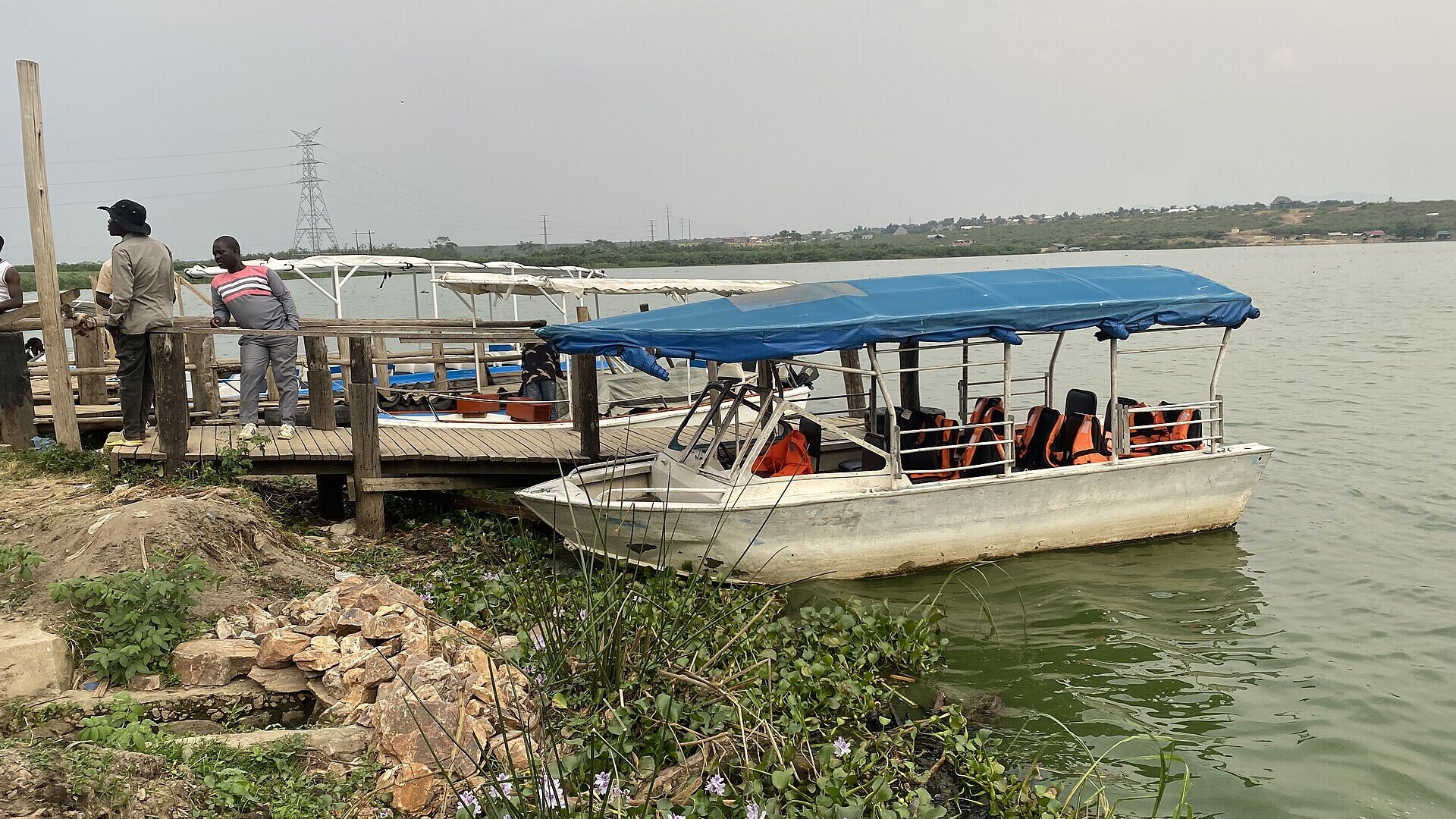
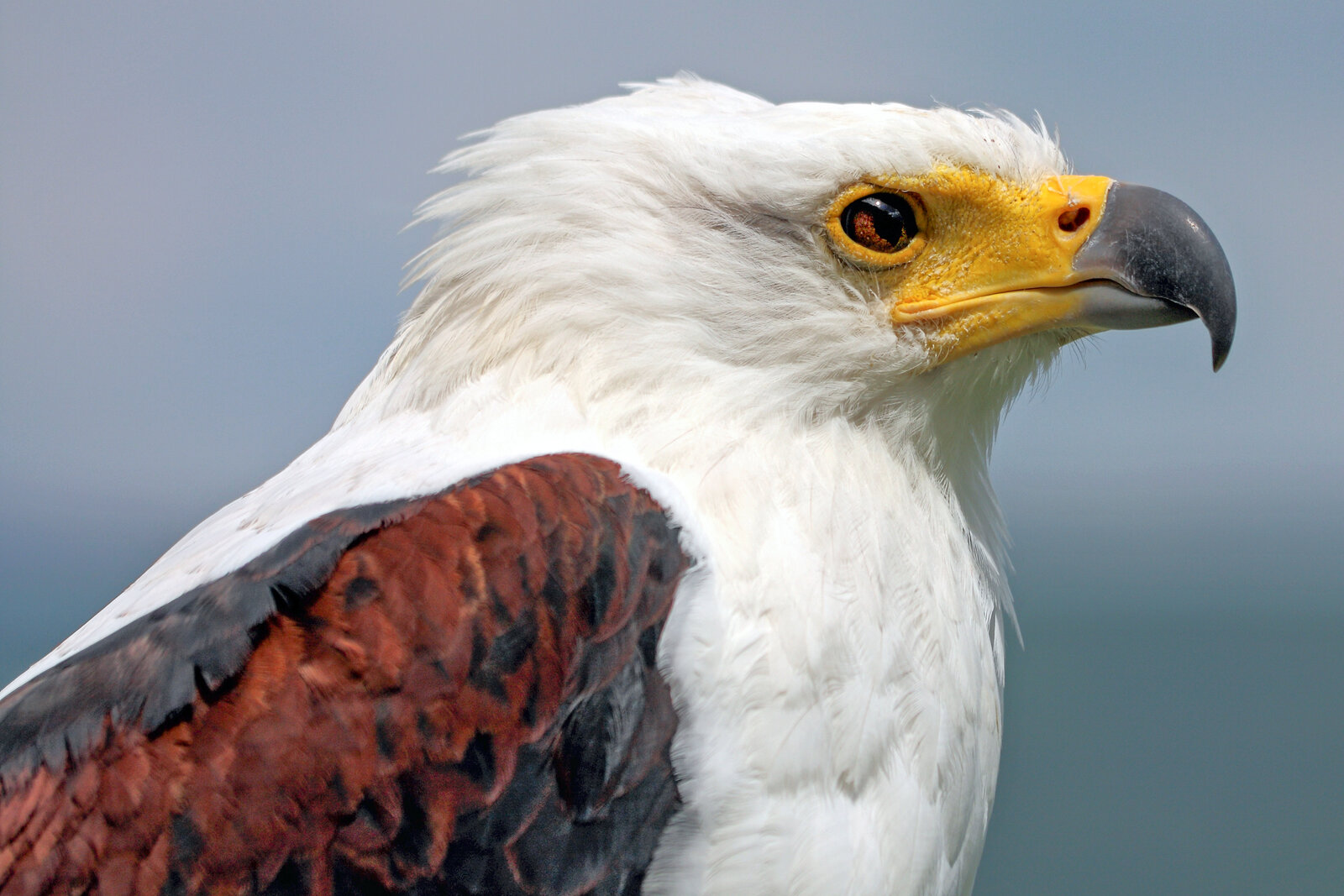
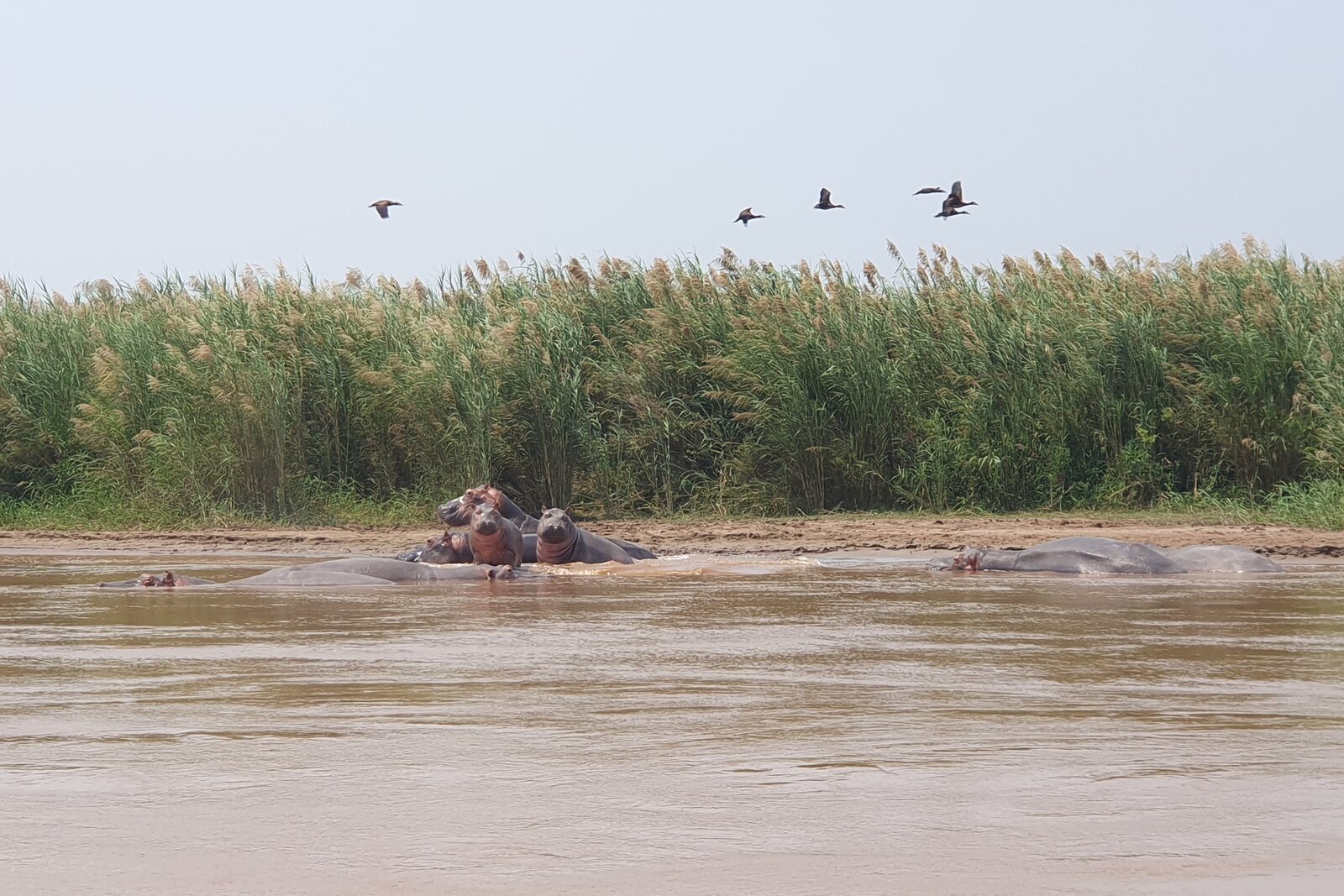
| Rusizi National Park | River delta and papyrus wetlands where the Rusizi meets Lake Tanganyika, near Bujumbura | Hippos, crocodiles, sitatunga, African fish eagles, water birds | Easy half-day trip from the city, boat & delta birding |
Kibira is the crown jewel for wildlife lovers. This high, misty forest is one of the few places in the region where you can track wild chimpanzees away from the well-trodden circuits, and its canopy rings with the calls of colobus monkeys and endemic birds. Ruvubu, wilder and less visited still, delivers a genuine savanna-and-river wilderness where a walking safari feels like true exploration. Rusizi, only a short drive from Bujumbura, is the easiest wildlife hit of all — famous for its hippo pods and for once being home to a legendary giant crocodile of local lore.
Lake Tanganyika — One of the Great Lakes of the World
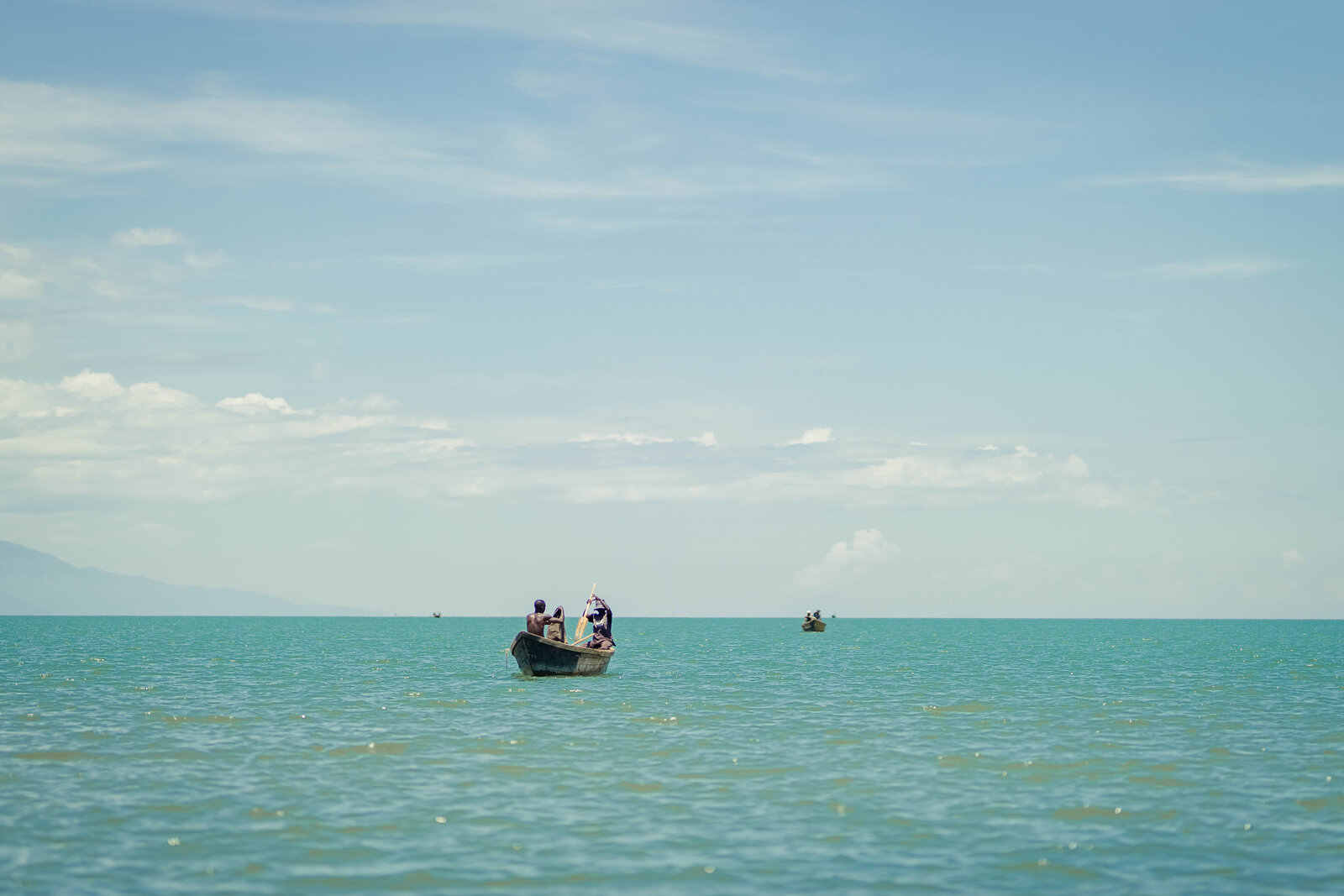
If Burundi has one signature landscape, it is Lake Tanganyika. This is no ordinary lake. It is the second-deepest lake on Earth (plunging to roughly 1,470 metres) and among the very oldest, formed over millions of years in the Great Rift Valley. It is the world’s longest freshwater lake and holds an astonishing share — on the order of one-sixth — of the planet’s available surface fresh water. Beneath its surface live hundreds of species of fish, including the jewel-bright cichlids found nowhere else.
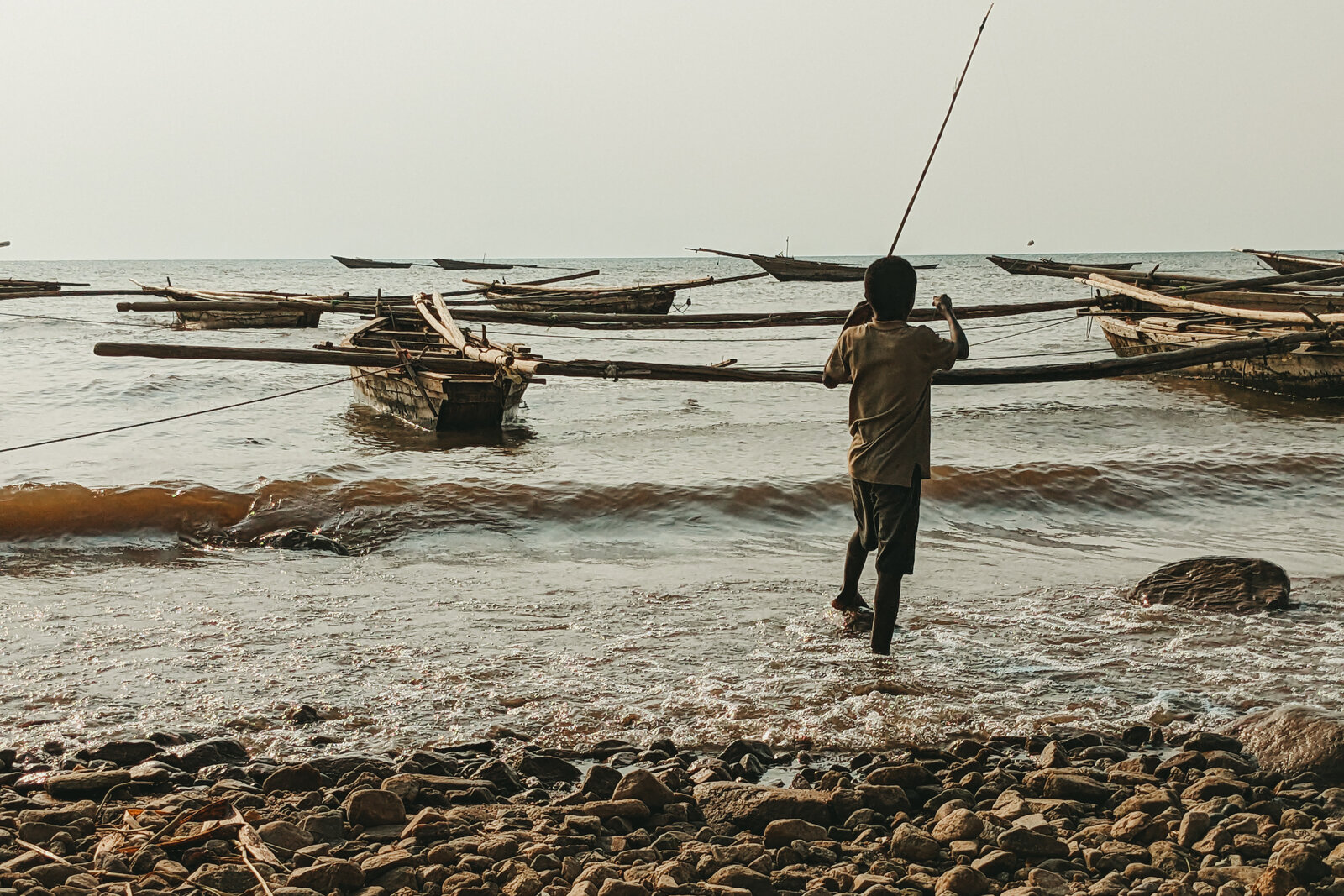
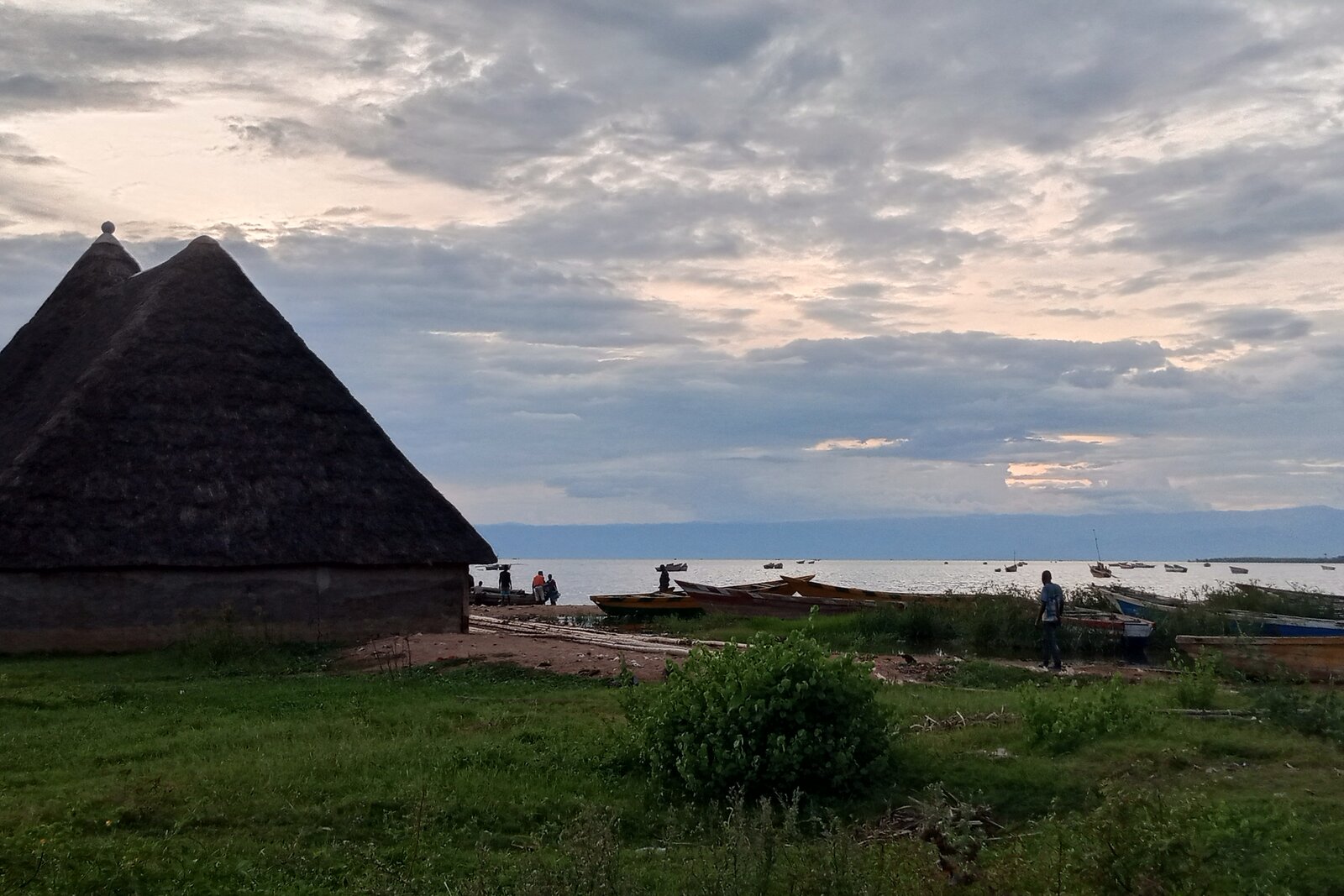
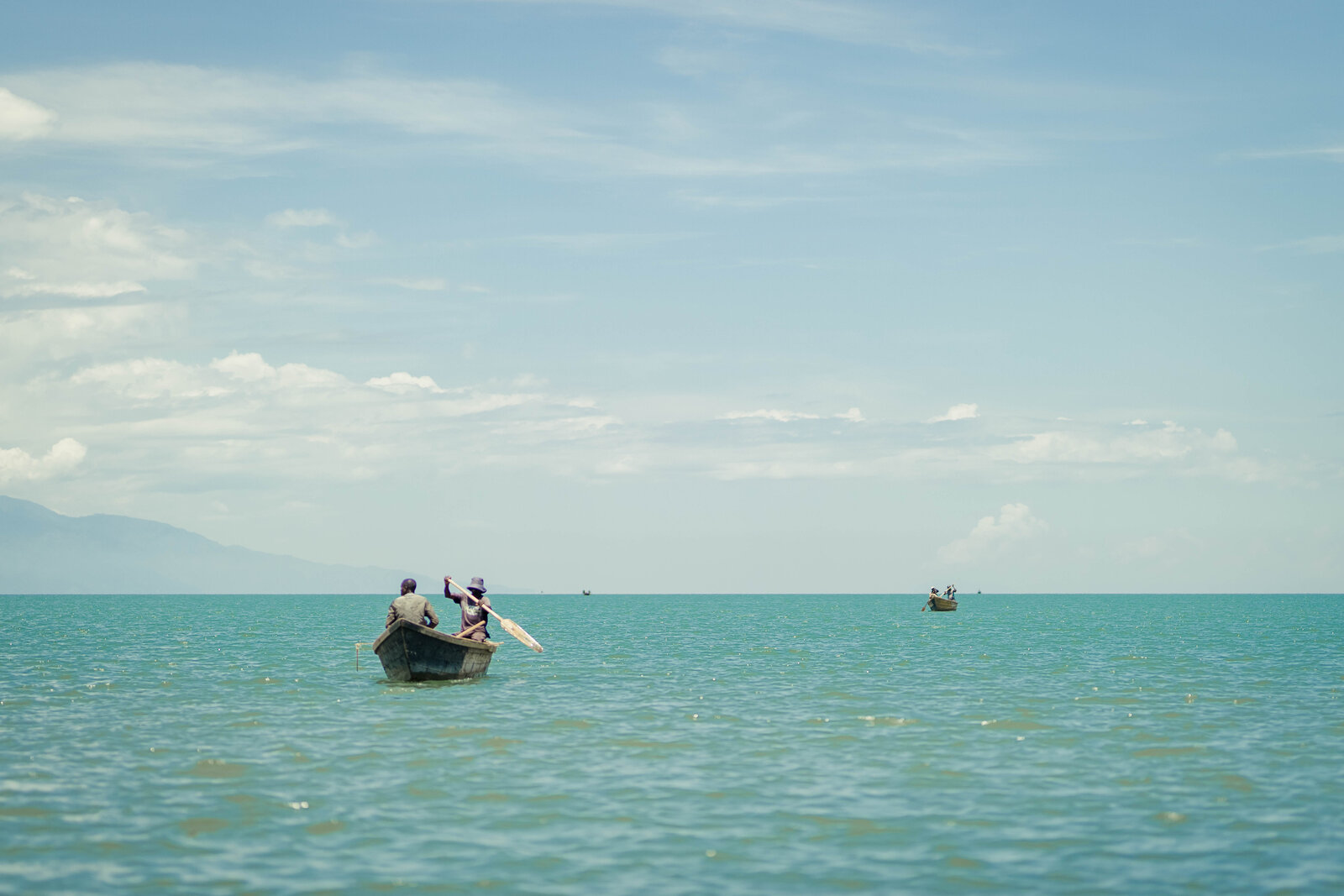
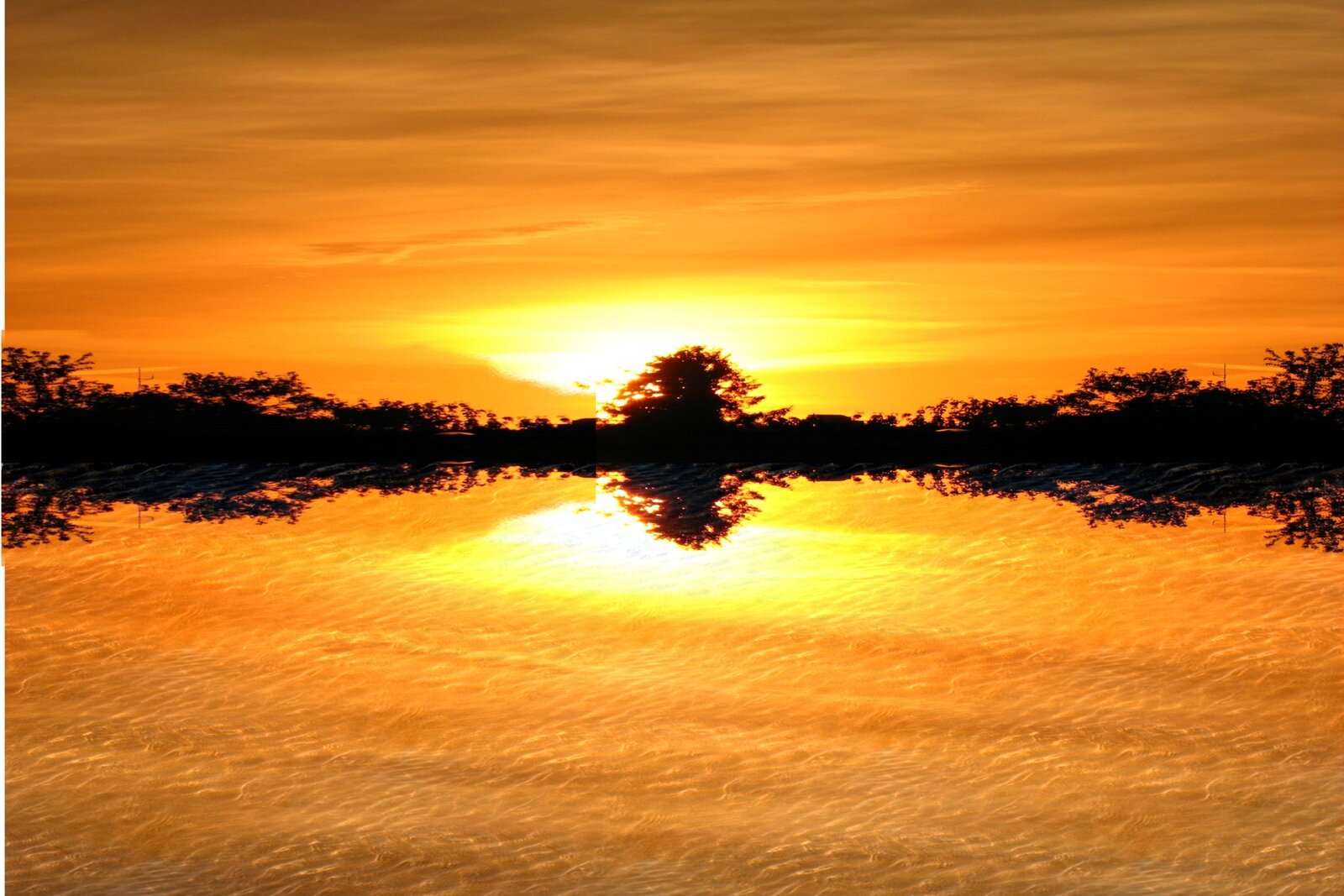
For the traveller, though, the statistics matter less than the feeling. The Burundian shoreline south of Bujumbura is a string of sandy beaches, palm-shaded bays and small fishing villages. By day the water is a clear, warm turquoise; by evening the lake turns to beaten gold as the wooden fishing pirogues set out and the mountains of the Congo smoulder on the far shore. It is, quite simply, one of the most beautiful and least-known lake settings in Africa.
Practical highlights along the lake include the beaches south of Bujumbura (long a favourite weekend escape), boat outings to watch fish eagles and hippos, and the historic Livingstone–Stanley Monument at Mugere, about 25 kilometres south of the city, marking the spot where the two famous explorers are said to have spent time together after their legendary meeting. A day on the lake — swimming, a fresh-fish lunch, and a sundowner as the pirogues glide home — is the perfect counterpoint to the forests and hills.
The Royal Drummers & the Soul of Burundi
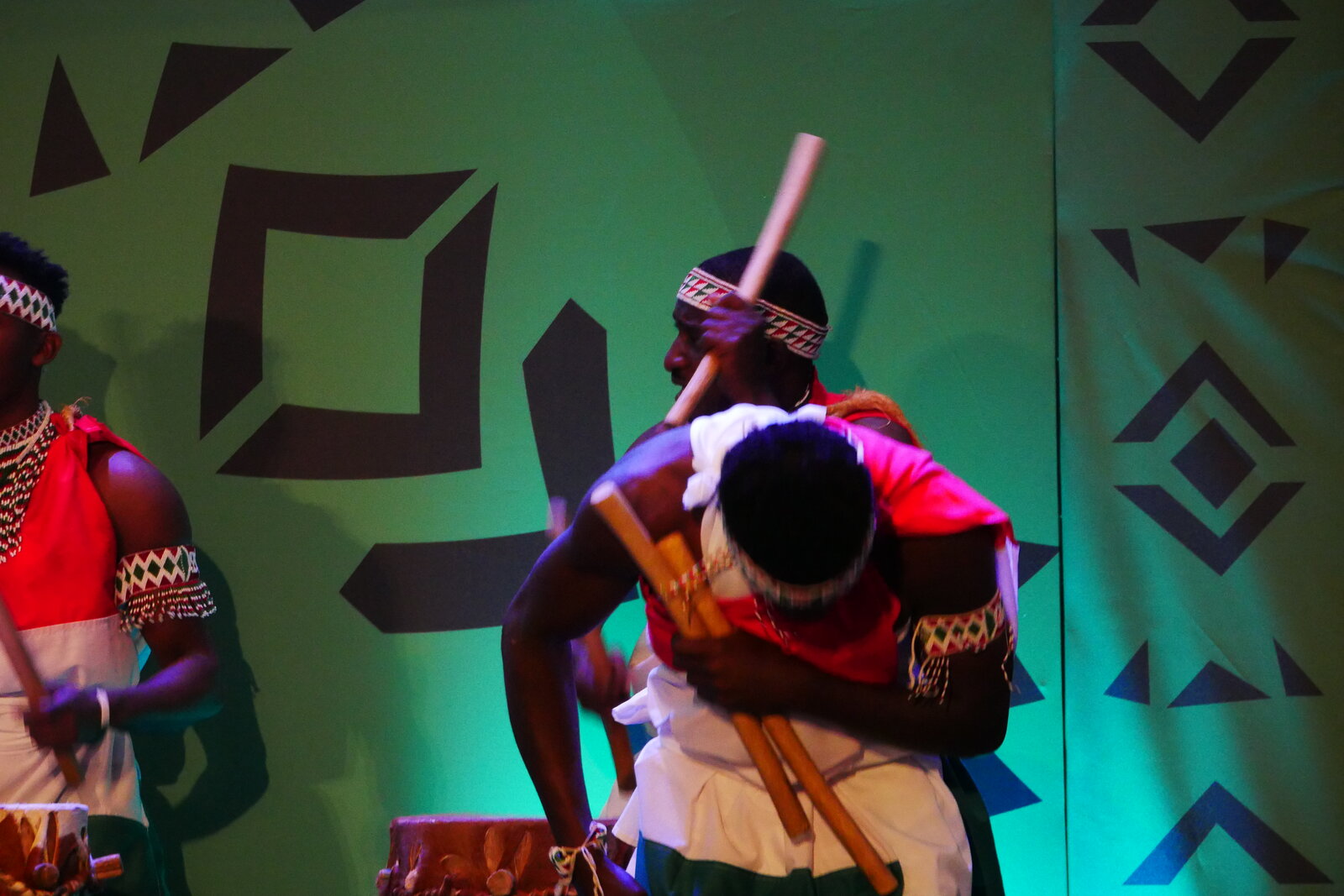
No experience defines Burundi like its drums. The Royal Drummers of Burundi — the abatimbo — are among the most celebrated performers on the African continent, and the ritual dance of the royal drum was inscribed on UNESCO’s Representative List of the Intangible Cultural Heritage of Humanity in 2014. For centuries the great karyenda drums were sacred instruments of the monarchy, played only on the most important occasions; today their thunder is Burundi’s heartbeat, felt as much as heard.
The spiritual home of this tradition is the Gishora Drum Sanctuary, on a hill near Gitega. Here, in a setting of traditional drum-houses, troupes perform the full ceremony: a procession of drummers balancing the heavy drums on their heads, then a display of astonishing power and precision — drumming, leaping and dancing in perfect unison, red-white-and-green regalia flashing in the sun. To witness it in the place where the tradition was born, rather than on a distant stage, is one of the most moving cultural experiences in Africa.
Beyond the drums, Burundi’s culture reveals itself in its markets, its music and its food, and in the crafts of villages across the hills. A visit to Gitega’s national museum, a morning in a highland tea or coffee community, and time simply spent with Burundians — whose warmth is legendary — round out a picture of a country whose soul is very much intact.
Top Things to Do in Burundi
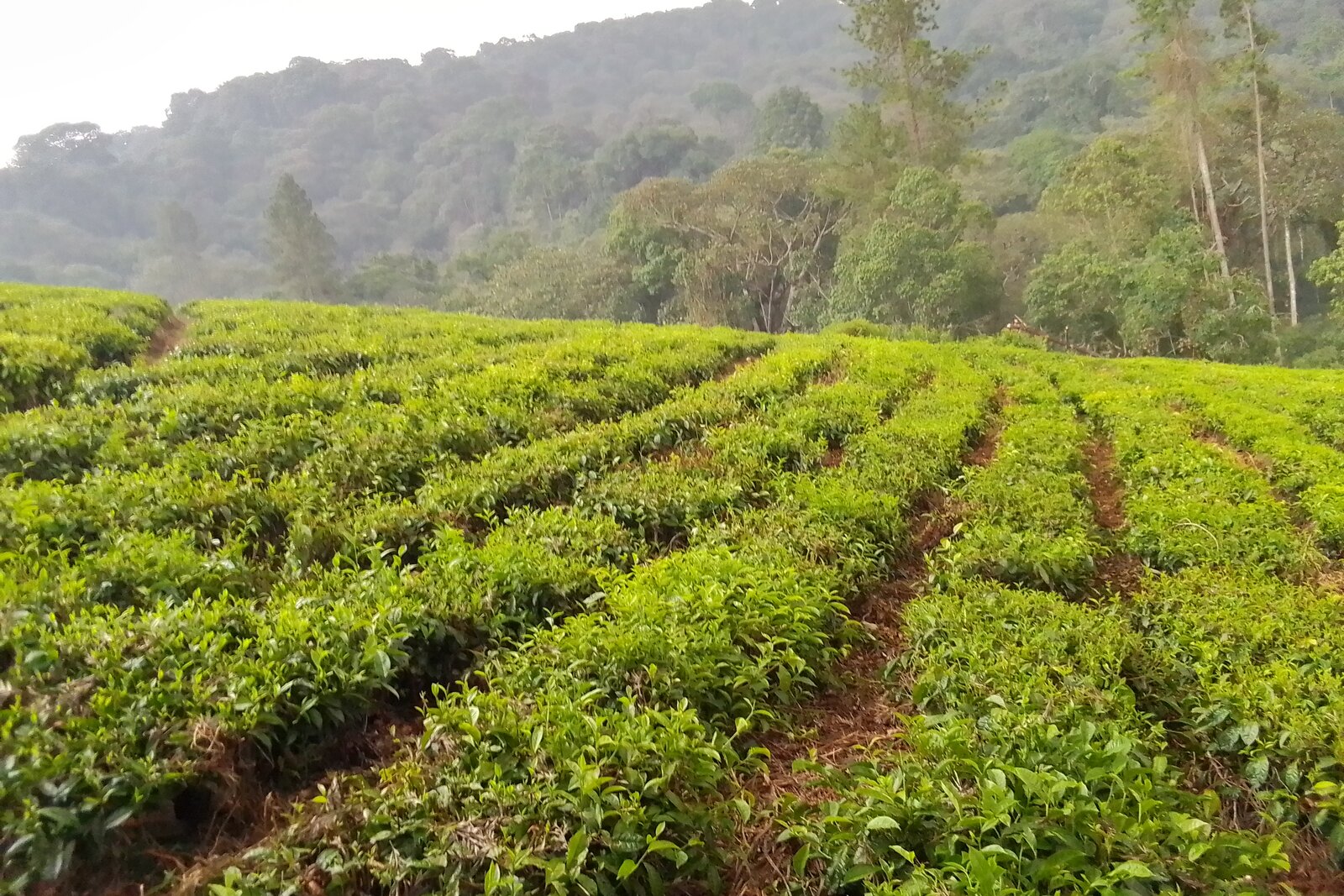
- Track chimpanzees in Kibira National Park — montane rainforest trekking for chimps, colobus and forest birds, framed by highland tea estates
- Witness the Royal Drummers at Gishora — the UNESCO-listed drum ceremony in its spiritual home near Gitega
- Sail and swim on Lake Tanganyika — beaches, fish-eagle boat cruises, fresh-fish lunches and golden sunsets south of Bujumbura
- See the hippos of Rusizi National Park — an easy half-day from the city into papyrus delta wetlands
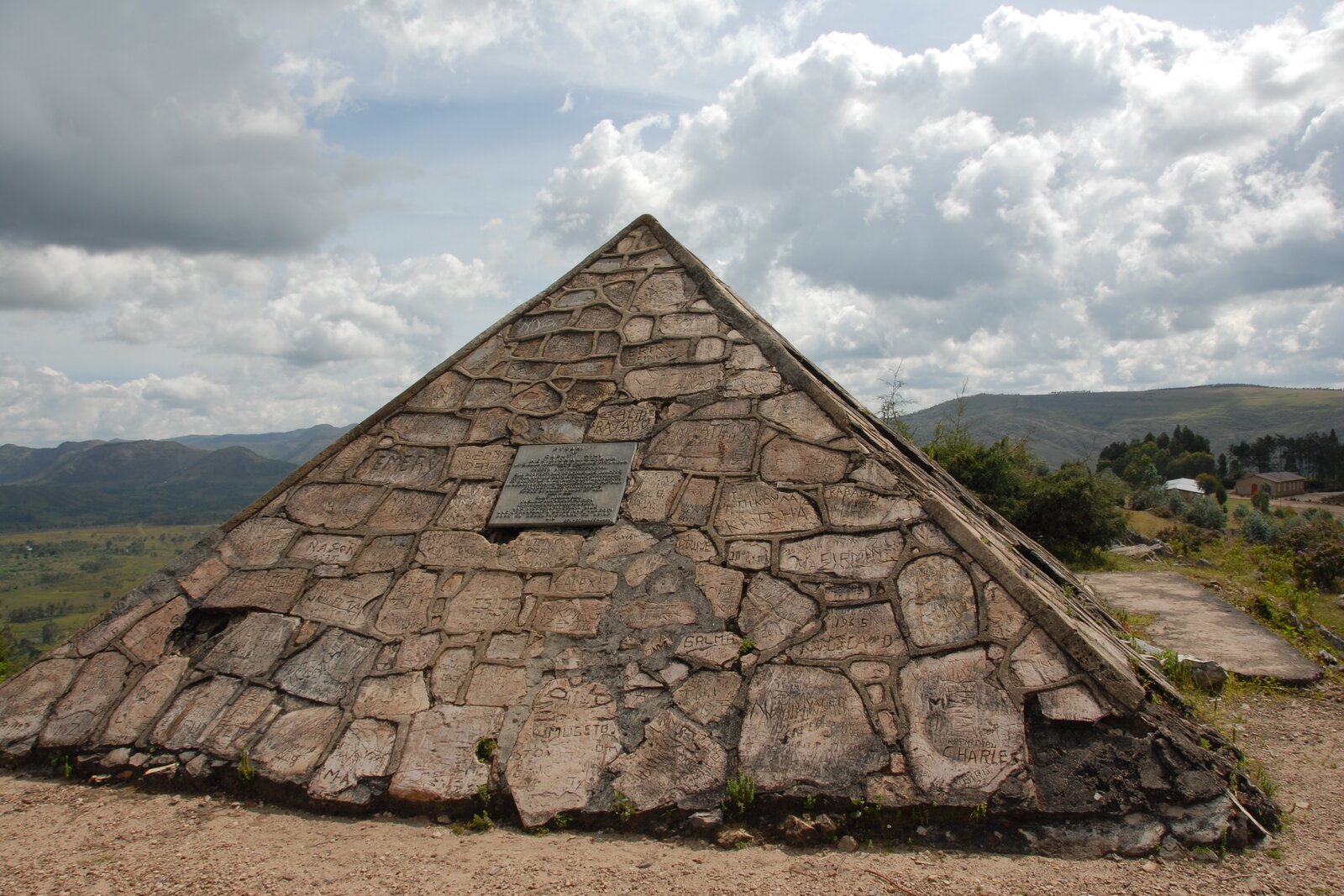
- Stand at the Source of the Nile — the pyramid monument at Rutovu marking the river’s southernmost source, high in the southern hills
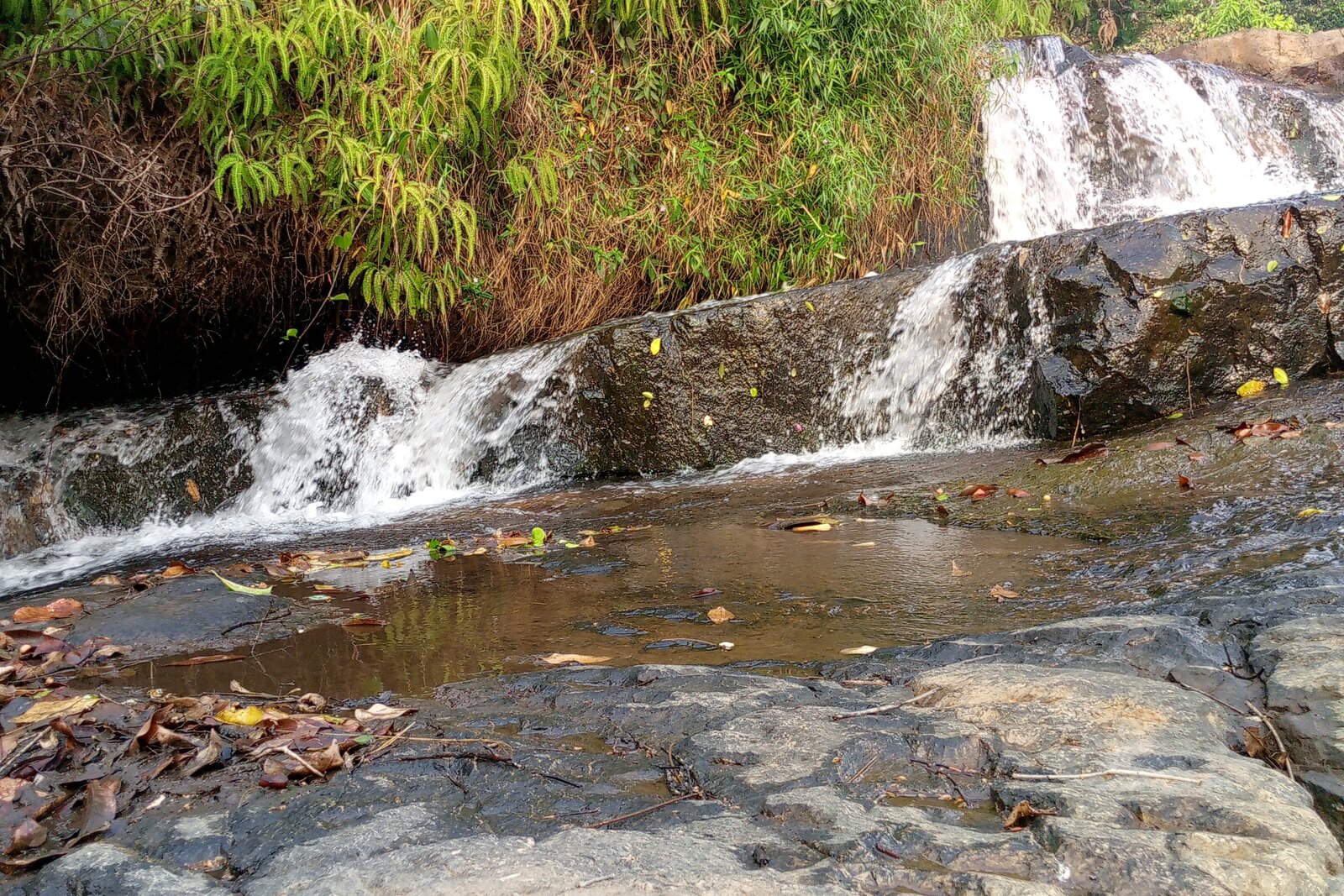
- Chase waterfalls at Karera — a series of forest cascades in Rutana province, in the southeast
- Take in the German Rift viewpoint (Nyakazu / Cormorant Cliff) — a dramatic escarpment lookout over the plains toward Tanzania
- Explore Bujumbura & Gitega — lakeside city life, the Independence monument, museums and vibrant markets
- Walk the wilderness of Ruvubu — Burundi’s largest and wildest park, for buffalo, antelope and true solitude
Sample 7-Day Burundi Itinerary
This unhurried week weaves together forest, culture and lake — the essence of Burundi. It is a template; a private itinerary is tailored to your interests, pace and travel dates.
| Day | Focus | Highlights |
|---|---|---|
| 1 | Arrival — Bujumbura | Arrive at BJM, settle on the lakeshore, sunset over Lake Tanganyika |
| 2 | Rusizi & the lake | Morning hippo & birding trip to Rusizi NP; afternoon beach & Livingstone–Stanley Monument |
| 3 | Into the forest — Kibira | Scenic drive north through tea country to the Kibira rainforest |
| 4 | Kibira primates | Chimpanzee & colobus trekking, forest birding, tea-estate visit |
| 5 | Gitega & the drums | Transfer to Gitega; the Royal Drummers ceremony at Gishora; national museum |
| 6 | Source of the Nile & Karera | The Nile source pyramid and the southern hills; optional Karera Falls |
| 7 | Lake farewell & departure | Return to Bujumbura, final lake time, departure from BJM |
Best Time to Visit Burundi
Burundi sits close to the equator but at altitude, so its climate is pleasant year-round — warm days and cool highland nights. The key variable is rain, which shapes forest trekking, road conditions and lake days.
| Season | Months | What to Expect |
|---|---|---|
| Long dry season ★ best | June – September | Driest weather, best forest trails and road access, superb lake days — the prime window for trekking and touring |
| Short dry season | December – January | A pleasant secondary window between the rains; green landscapes, generally good access |
| Long rains | February – May | Lush and beautiful, best for birding and photography, but muddy forest trails and heavier afternoon downpours |
| Short rains | October – November | Intermittent showers, fewer visitors, green scenery — a good shoulder period with flexibility |
Verdict: for the classic combination of chimp trekking, cultural touring and lake time, aim for June to September. If those months don’t suit, the short dry spell around December to January is the next-best choice. Birders and photographers who don’t mind rain will find the green season rewarding and quiet.
Burundi Safari & Travel Costs
Burundi is an off-the-beaten-track destination, and pricing reflects the tailored, private nature of travel here rather than mass-market volume. The figures below are per-person guide ranges for a typical week on the ground (excluding international flights), and vary with group size, season and standard of accommodation.
| Tier | Per Person / Day (USD) | What It Includes |
|---|---|---|
| Comfort | $180–$300 | Good guesthouses & city hotels, shared/private guided transport, park fees, most meals |
| Premium | $300–$550 | The best available lakeside & town hotels, private driver-guide, all activities, park and trekking fees, most meals |
| Private & bespoke | $550+ | Fully private, hand-crafted touring with the top rooms, dedicated guide, special access and seamless logistics end to end |
Costs travellers often overlook
- International flights: typically routed via Nairobi, Addis Ababa or Kigali into Bujumbura (BJM) — budget separately from land costs
- Visa: an e-visa / visa fee applies for most nationalities (see below)
- Yellow fever & malaria: vaccination and prophylaxis costs, plus a travel-clinic consultation
- Park & trekking permits: chimpanzee and forest trekking carry activity fees — always confirmed in advance in a private itinerary
- Tips & travel insurance: gratuities for guides and staff, and comprehensive insurance including medical evacuation (essential)
Getting There & Visas
Burundi’s main gateway is Melchior Ndadaye International Airport (BJM) in Bujumbura. There are no long-haul direct flights from Europe, North America or Australia; instead, travellers connect through a regional hub. The most common routings are:
- via Nairobi (NBO) — Kenya Airways
- via Addis Ababa (ADD) — Ethiopian Airlines
- via Kigali (KGL) — RwandAir (Kigali is also close enough for an overland transfer on some itineraries)
From Southern Africa, the easiest connections are via Nairobi or Addis Ababa. Because Burundi pairs so naturally with Rwanda, Uganda or Tanzania, many travellers combine it into a wider East African journey.
Visa & entry essentials
- Visa: most visitors require a visa; an e-visa system and visa-on-arrival options exist — apply in advance where possible and confirm current requirements for your nationality before travel
- Passport: valid at least six months beyond entry, with blank pages
- Yellow fever: a yellow fever vaccination certificate is required for entry — carry the original
- Onward details: proof of accommodation and onward/return travel may be requested
Because entry rules for small, less-visited countries can change, a good operator will confirm the exact, up-to-date visa and health requirements for your passport as part of planning — one of the practical reasons Burundi is best approached with expert help.
Is Burundi Safe? Honest, Practical Guidance
Let’s address the question every thoughtful traveller asks. Burundi is a beautiful, welcoming country whose main tourism areas — Bujumbura and the lakeshore, Gitega and Gishora, the Kibira forest and the southern hills — are visited by travellers who plan sensibly. At the same time, it is a destination that rewards care, current information and local expertise more than most.
Our honest, responsible guidance:
- Travel with a trusted, established operator. A reputable company with on-the-ground knowledge, a professional driver-guide and vetted accommodation removes the vast majority of practical uncertainty.
- Check your government’s current travel advisory before booking and again before departure, and follow its guidance. Conditions and advice can change, so travel on up-to-date information.
- Go guided, not solo-improvised. Burundi is not the place for unplanned, independent wandering; a structured private itinerary keeps you in the right places at the right times.
- Take standard precautions — as anywhere: sensible behaviour with valuables, awareness at night, respect for local guidance and photography etiquette (avoid government and military sites).
- Health first: yellow fever vaccination, malaria prophylaxis, and comprehensive travel insurance including medical evacuation are non-negotiable.
Approached this way — privately, with the right people, at the right time of year — Burundi is a deeply rewarding and manageable destination. Our role is to plan it so that the logistics, safety and access are handled quietly in the background, leaving you free to experience the drums, the forest and the lake.
Where to Stay in Burundi
Burundi’s accommodation is characterful rather than corporate — this is a place of comfortable hotels, lakeside lodges and welcoming guesthouses rather than international five-star chains. The standouts fall into three groups:
- Lakeside Bujumbura: the best of the country’s hotels sit along or near the Lake Tanganyika shore, with pools, gardens and sunset views — the natural base for arrival, departure and lake days
- Gitega & the centre: comfortable town hotels near the Gishora drum sanctuary and the national museum, ideal for the cultural heart of a trip
- Forest & hill lodging: simpler, characterful guesthouses and eco-style stays near Kibira and the tea highlands, close to the trekking
Because the best rooms are limited in number, early booking through a specialist is the surest way to secure the strongest options in each area — and to have them sequenced sensibly into a smooth, well-paced route.